As winter approaches, utilizing portable solar panels requires careful consideration. Understanding "what is the best angle for portable solar panels in winter" can significantly enhance energy efficiency. Research from the National Renewable Energy Laboratory shows that an optimal angle can improve solar energy capture by up to 30% during these months.
The sun's position changes in winter, making it critical to adjust panel angles accordingly. Generally, solar panels should be tilted at an angle equal to the latitude of your location plus 15 degrees. For instance, if you live at a latitude of 40 degrees, tilt your panels to about 55 degrees. This adjustment helps catch the sun's rays more effectively, especially when days are shorter and skies are often cloudy.
However, achieving the perfect angle can be challenging. Many users must adapt to environmental conditions and equipment limitations. It is essential to experiment and gather data on local performance. Winter weather can complicate solar usage, highlighting the need for ongoing adjustments to optimize output. Embracing this variability can lead to better energy harnessing and a deeper understanding of portable solar technology.
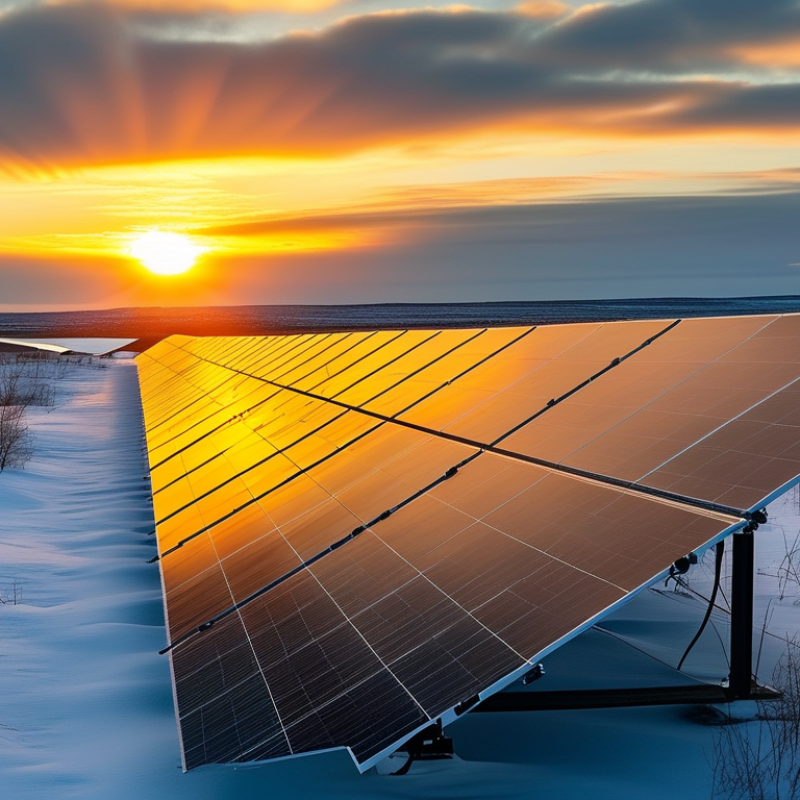
Understanding the optimal angle for portable solar panels in winter is crucial for maximizing energy efficiency. Solar panels convert sunlight into electricity most effectively when positioned directly toward the sun. During the winter months, the sun's position changes. It is lower in the sky, which affects the angle needed for maximum energy capture.
Research indicates that the optimal angle varies based on geographic location. In many regions, a tilt of around 60 degrees can significantly enhance panel performance. The Solar Energy Industries Association suggests that adjusting your solar panel angle by season can improve energy output by up to 20% in winter. This factor is often overlooked by casual users. Many people are unaware of how critical it is to adapt their setup as the seasons change.
It's also essential to consider snow cover. A snowy surface can reflect sunlight, but the buildup can obscure panels. Some users find they need to remove snow regularly. This task might feel tedious, yet it often proves necessary. Overall, positioning and maintenance are vital for efficiency in winter. Continuous monitoring of panel angles can lead to better performance, especially during the colder months.
When using portable solar panels in winter, several factors influence their performance. Firstly, the angle of the panels is crucial. In winter, the sun is lower in the sky. Adjusting the angle to face the sun directly can help capture more sunlight. Most experts recommend an angle of around 60 degrees for optimal winter performance. This adjustment can significantly enhance energy production.
Another important factor is snow accumulation. Snow can block sunlight and reduce efficiency. It's essential to regularly clear snow off the panels. However, be cautious. Scratching the surface while cleaning can cause damage. The cleanliness of the panels also matters; dirt and debris can minimize their effectiveness. Surfaces should be checked and cleaned to ensure maximum sunlight absorption.
Temperature can play a surprising role too. While it's cold, solar panels can actually perform better than in summer. However, extremely low temperatures can affect battery performance. Some users neglect this aspect. It’s vital to monitor your system closely during colder months. This seasonal variability requires ongoing assessment to maintain optimal functionality.
In winter, finding the optimal tilt angle for portable solar panels is crucial. The angle plays a significant role in maximizing solar energy capture. During winter months, the sun's path is lower in the sky, leading to subtle adjustments in the panel's orientation. A tilt angle of about 60 degrees often yields the best results. This angle can enhance sunlight exposure, compensating for the shorter daylight hours.
Regular adjustments may be necessary throughout the season. Snow accumulation can affect performance as well. Keeping panels clear of snow is essential for efficiency. A tilt that is too low might lead to shading or snow cover, diminishing output. Observing local weather patterns can provide insights into the best angle adjustments over time.
Testing different angles may also be beneficial. Individual setups vary based on location and terrain. Engaging with solar energy forums can offer real-life experiences from users facing similar conditions. Sharing insights can improve everyone's application of solar technology, yet every system will have its quirks. Remembering that no solution is perfect aids in refining your approach.
| Location | Optimal Tilt Angle (Degrees) | Average Sunlight Hours | Performance Rating |
|---|---|---|---|
| North America (Midwest) | 45 | 4-5 | 85% |
| Europe (Northern) | 50 | 3-4 | 80% |
| Australia (Southern) | 30 | 6-7 | 90% |
| Canada (West Coast) | 40 | 3-5 | 75% |
| United Kingdom | 55 | 2-3 | 70% |
In winter, sunlight hours are shorter and the sun's angle is lower in the sky. Adjusting the angle of portable solar panels can maximize their efficiency. Typically, a tilt of about 60 degrees is ideal for winter months in northern latitudes. This angle helps capture more sunlight, making the most of those limited daylight hours.
However, achieving the perfect angle can be challenging. Variability in local weather and terrain can impact sunlight exposure. Many solar panel users report that even a small change in angle can lead to noticeable differences in energy production. It’s essential to experiment with different angles to find what works best in your specific environment. Be prepared for some trial and error; this is part of the process.
Regular adjustments throughout the season are crucial. As the sun's position changes daily, checking your panel's angle weekly can ensure optimal performance. In some cases, this may mean resetting the angle during cloudy days or snow coverage. It requires consistent effort and observation. Embrace this as part of your solar energy journey, and be willing to adapt your approach as needed.
Winter poses unique challenges for solar panel efficiency. Cold temperatures can reduce energy output, but proper positioning can help. It’s essential to tilt your portable solar panels at an optimal angle. Generally, angling them between 30 to 45 degrees can capture more sunlight. This adjustment allows panels to absorb direct rays even when the sun sits lower in the sky.
Snow accumulation can block sunlight and reduce efficiency. Regularly clearing snow from your panels is vital. If the weather is particularly cold, check for ice formation as well. It's critical to assess the condition of your panels periodically. Sometimes, users may overlook dirt or debris accumulation, which can hinder performance.
The angle you choose can also depend on local conditions. Each region experiences different sun exposure during winter. Pay attention to these variances and adapt accordingly. Experimenting with angles may take time, yet it’s necessary for maximizing output. Reflect on your setup often and adjust as needed, ensuring your solar panels perform at their best.
: A tilt angle of about 60 degrees is often recommended for winter months. It captures more sunlight effectively.
The sun's position is lower in winter. This change affects how solar panels should be angled for maximum efficiency.
Seasonal adjustments can improve energy output by up to 20%, which many users often overlook.
Snow can obscure panels, reducing energy capture. Regularly removing snow is often necessary for optimal performance.
Yes, regular angle adjustments throughout winter are essential to maximize energy capture and adapt to changing conditions.
Observe local weather patterns and test different angles to find what works best for your specific setup.
Engaging with solar energy forums can provide insights and tips from others with similar conditions, enhancing your setup.
Continuous monitoring can lead to better performance, especially during the changing winter weather conditions.
Yes, factors like terrain and snow accumulation can complicate setup. No solution is perfect, and adjustments may be needed.
Winter poses unique challenges for solar panel performance, leading many to question what is the best angle for portable solar panels in winter. To optimize electricity generation during the colder months, understanding solar panel angles is crucial. The tilt angle should be adjusted to capture the sun at its lower elevation in the sky, typically around 30 to 45 degrees, depending on your geographical location.
Several factors influence solar performance during winter, including local weather conditions and the number of daylight hours. Portable solar panels should be adjusted frequently throughout the day to maximize exposure to sunlight, accounting for changes in angle as the sun moves. Additionally, maintaining solar panel efficiency requires regular cleaning, especially in snowy conditions, to ensure maximum exposure to sunlight and optimal energy production. By carefully considering these elements, you can enhance the effectiveness of your portable solar setup during winter months.
