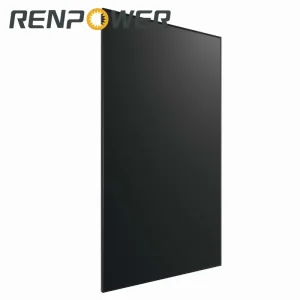
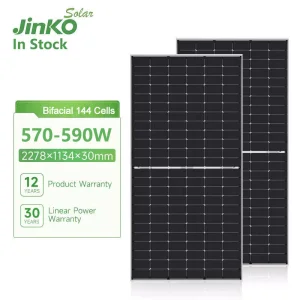
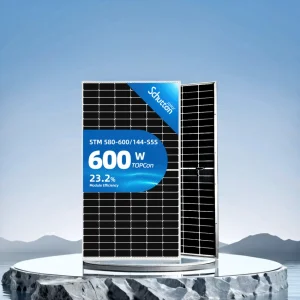
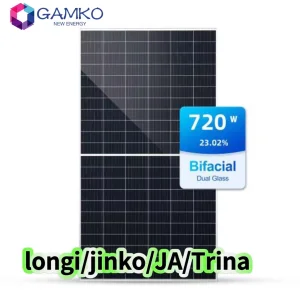
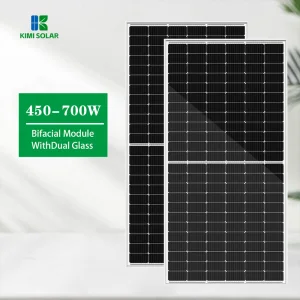
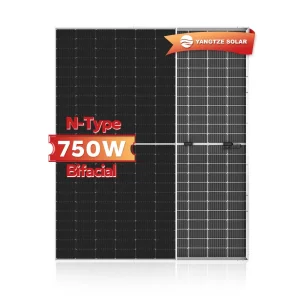
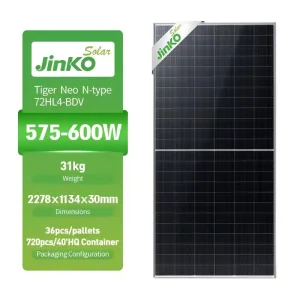
Explore our Tier-1 and advanced n-type double-glass photovoltaic portfolios optimized for diverse commercial, industrial, and residential deployments.
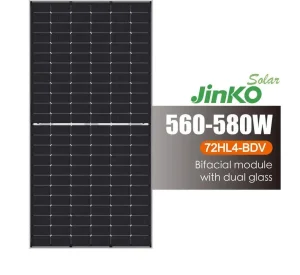
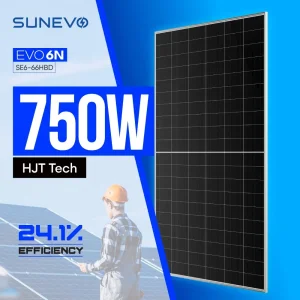
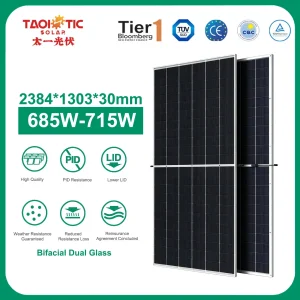
Bifacial solar technology represents one of the most substantial evolutionary steps in modern photovoltaic (PV) engineering. Unlike conventional monofacial panels that generate electricity solely from direct sunlight hitting the front surface, bifacial solar panels capture light on both the front and rear faces. This ability to harness reflected sunlight—referred to as albedo—along with diffuse sky radiation, fundamentally shifts the economic dynamic of utility-scale and commercial PV systems.
The economic value of a PV installation is primarily determined by its Levelized Cost of Energy (LCOE). Bifacial solar panels actively drive down LCOE by generating higher energy yields from the exact same footprint as monofacial systems. Under standard operating conditions, the rear-side gain can range from 5% to over 30%, depending on site conditions. For instance, when installed on highly reflective surfaces such as light-colored concrete, desert sand, gravel, or winter snow, the rear surface efficiency scales dramatically. This additional yield directly dilutes fixed costs, such as land acquisition, structural tracking systems, cabling, and engineering, leading to a faster Return on Investment (ROI) for asset owners.
SEO Insight & Technical Focus: Dual-glass configurations constructed with high-durability POE (Polyolefin Elastomer) encapsulation minimize moisture ingress and prevent Potential Induced Degradation (PID). This guarantees the longevity of both cell layers and maintains power output over a continuous 30-year operational lifecycle.
As a leading bifacial solar panel factory and supplier, Xiamen ConTech Solar Co., Ltd. remains at the forefront of cell technology transitions. While p-type PERC technology laid the foundation for initial commercialization, our high-power portfolios now leverage state-of-the-art n-type cell architectures:
Deploying bifacial systems across challenging terrain and modern industrial frameworks worldwide.
Vertical or high-clearance bifacial modules allow sunlight to filter down to crops while generating clean energy from both sides. The green vegetation underneath serves as a natural cooling mechanism, improving panel performance and reducing overall ambient temperatures.
Installing double-glass bifacial solar modules on water reservoirs yields exceptional results. Water acts as a highly efficient natural albedo surface while offering a strong cooling effect that keeps cell operating temperatures low, maximizing day-long energy generation.
Integrating bifacial arrays with single-axis tracking systems unlocks maximum energy generation. By continuously tracking the sun's trajectory, the panels capture intense direct front radiation while keeping the rear face positioned to absorb ground reflection throughout the day.
A professional high-tech enterprise specializing in the research, development, production, and sales of high-efficiency solar energy products.
Xiamen ConTech Solar Co., Ltd. is a professional high-tech enterprise specializing in the research, development, production, and sales of solar energy products. Since its establishment, the company has been committed to providing efficient, reliable, and environmentally friendly solar solutions to customers worldwide. Guided by the business philosophy of “Innovative Technology, Superior Quality, and Sustainable Development,” ConTech Solar continuously strengthens its technological innovation and product development capabilities.
With a strong R&D team and advanced manufacturing technology, Xiamen ConTech Solar Co., Ltd. mainly produces solar panels, solar controllers, solar energy systems, and related photovoltaic products. These products are widely used in residential rooftops, commercial and industrial solar projects, large-scale photovoltaic power stations, agricultural applications, street lighting systems, and off-grid energy solutions.
We employ advanced automated production lines and comprehensive quality management systems to guarantee that every single PV module meets strict international standards.
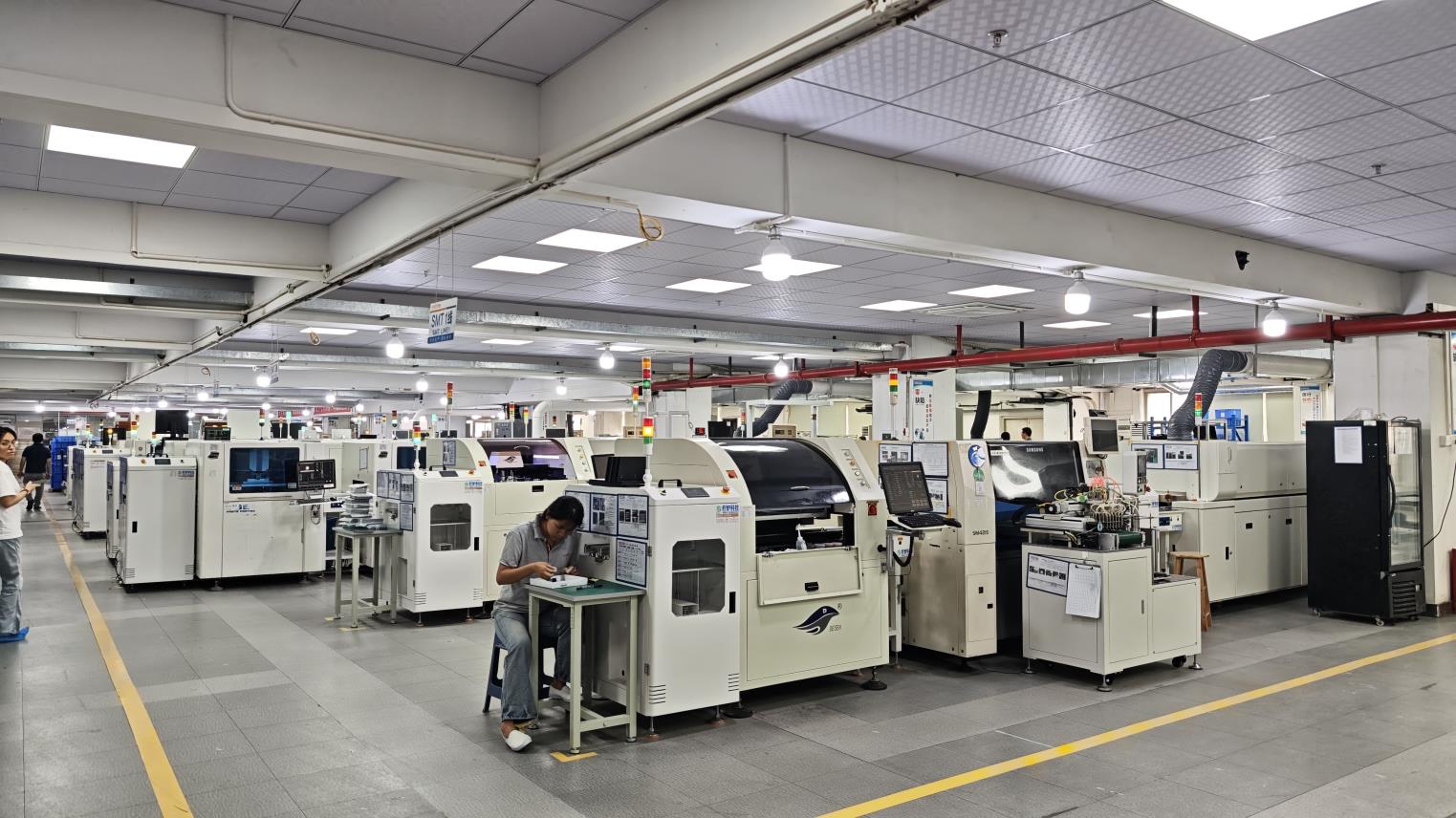
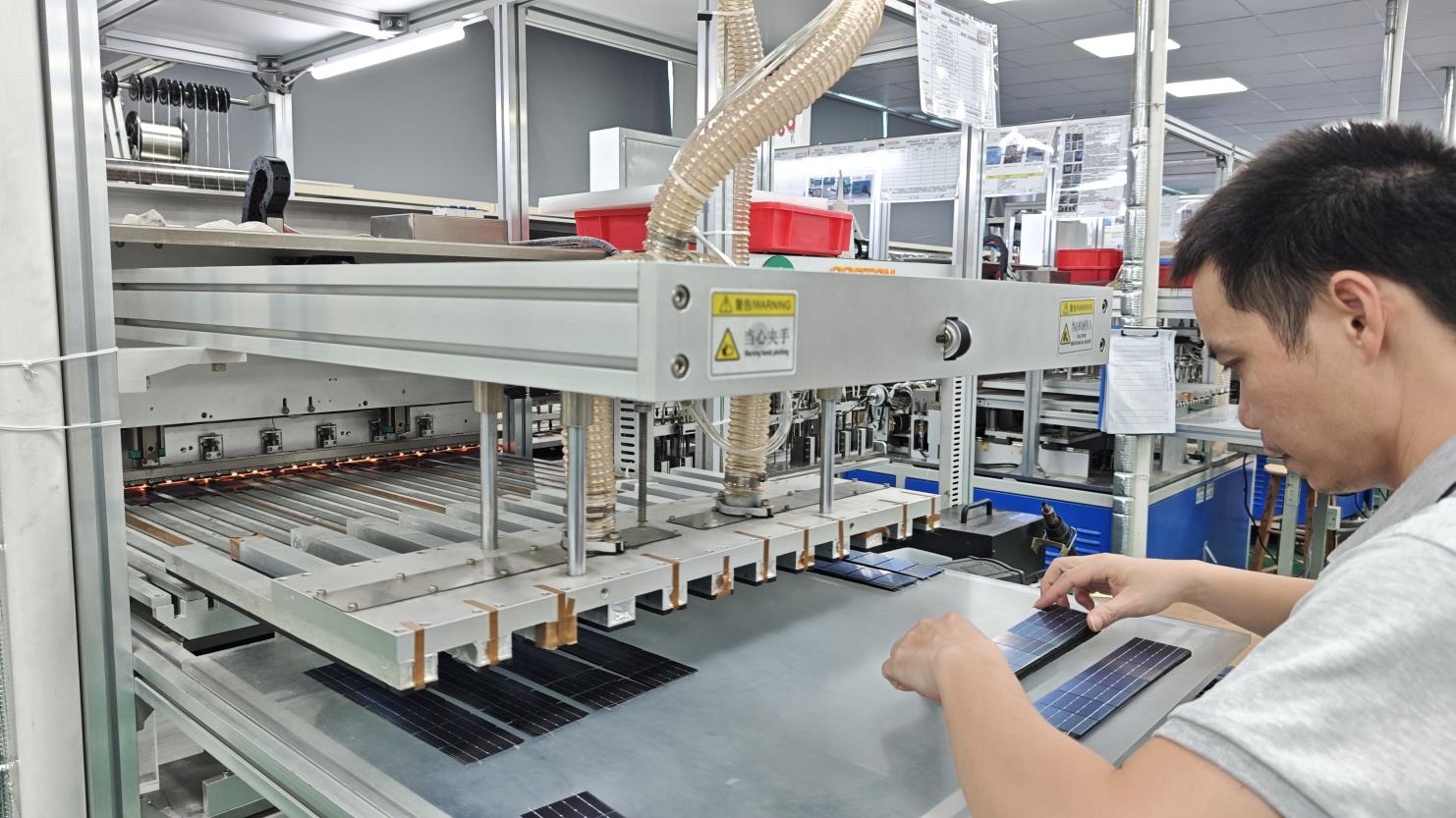
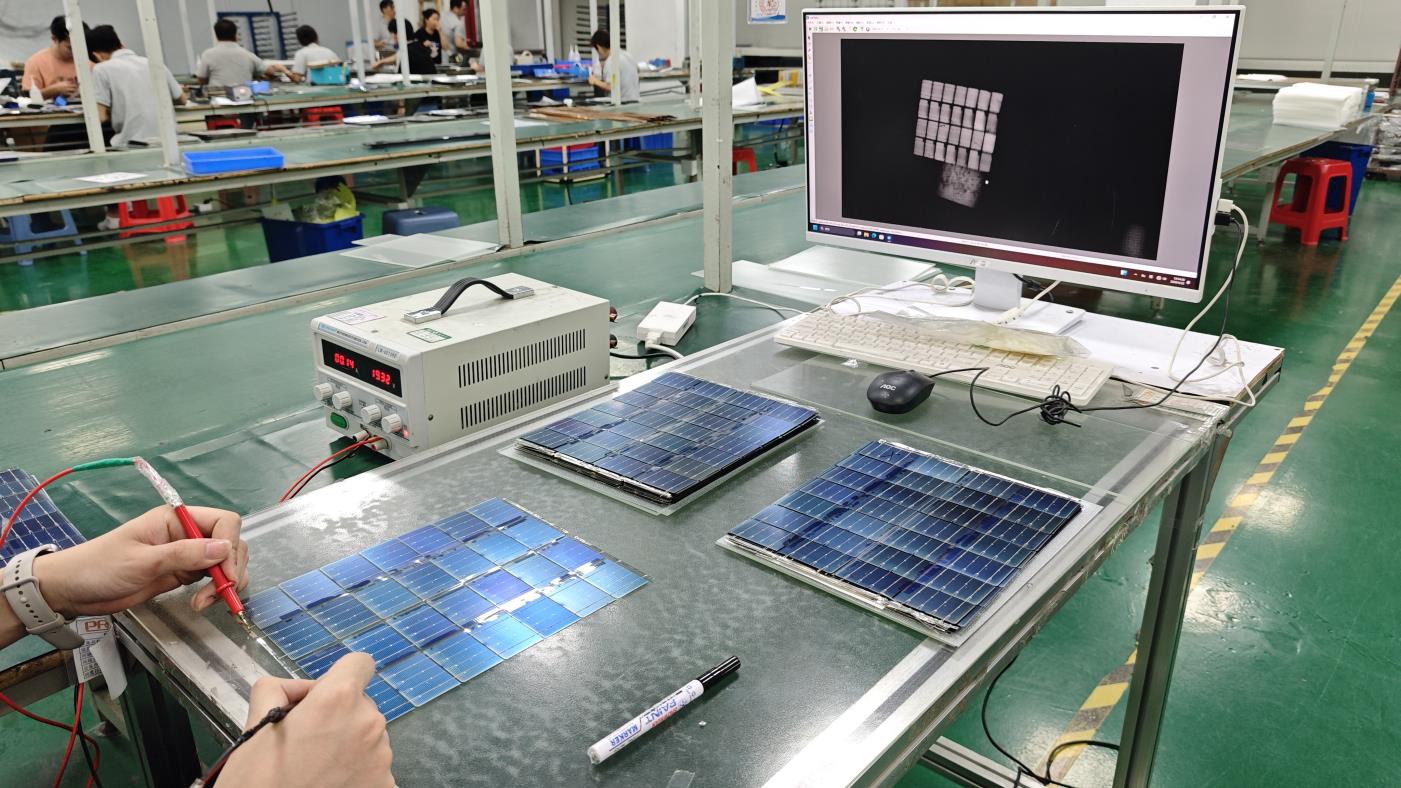
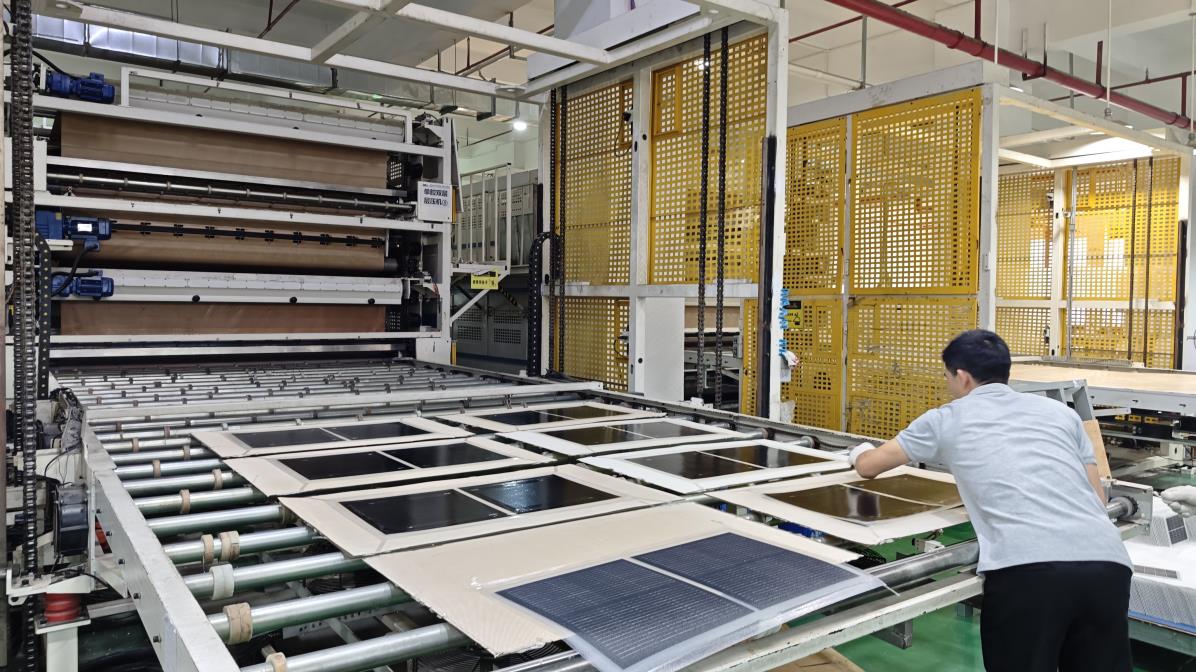
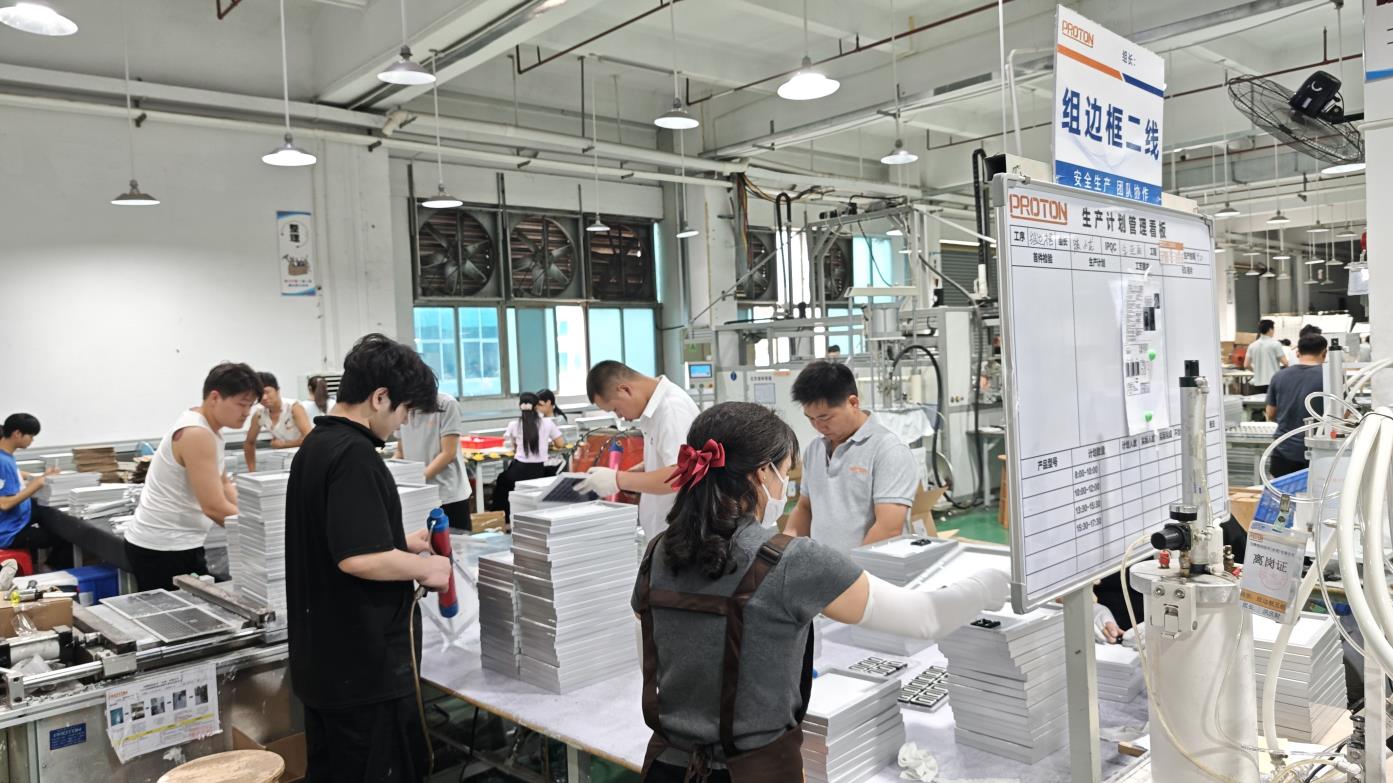
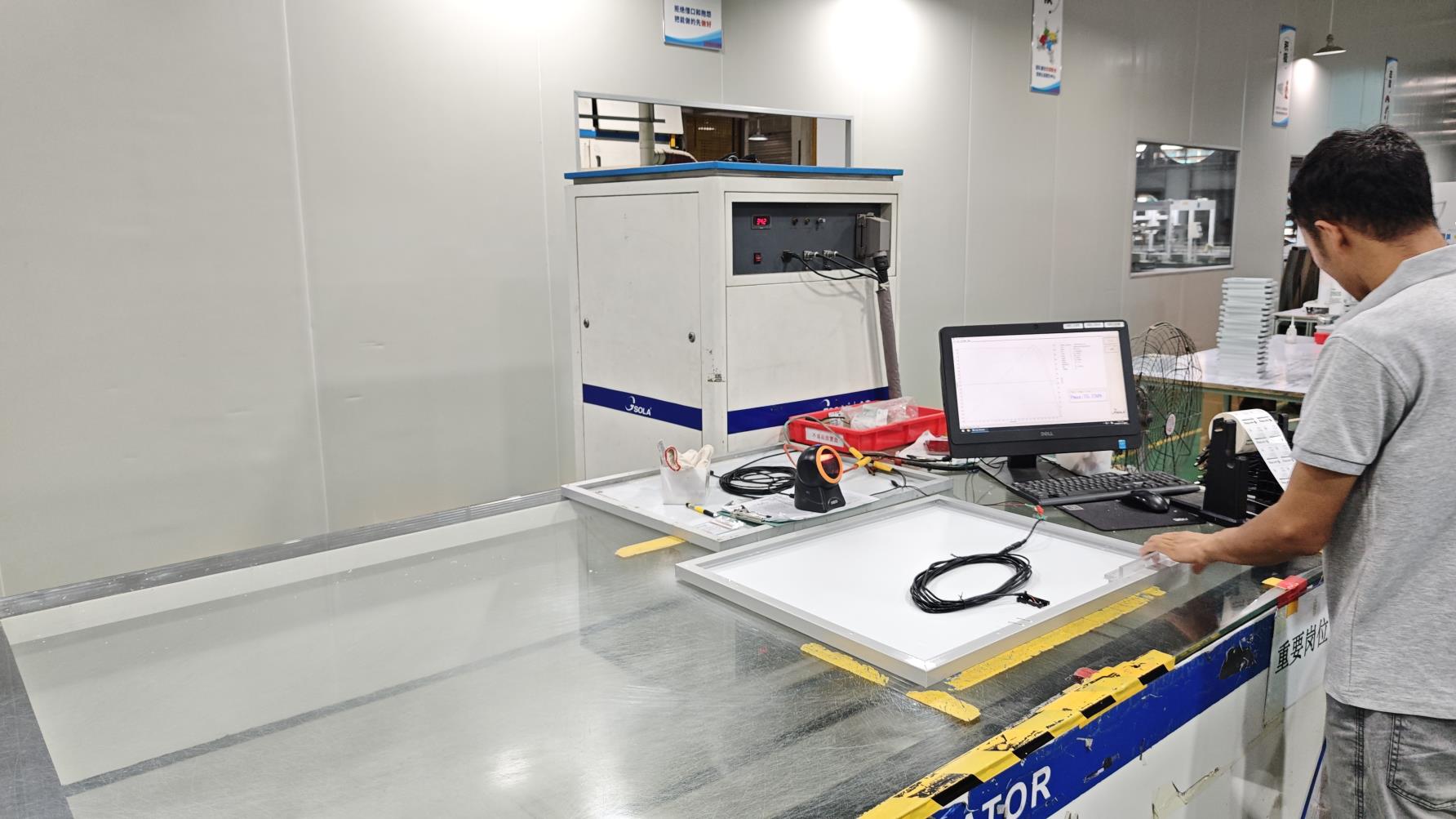
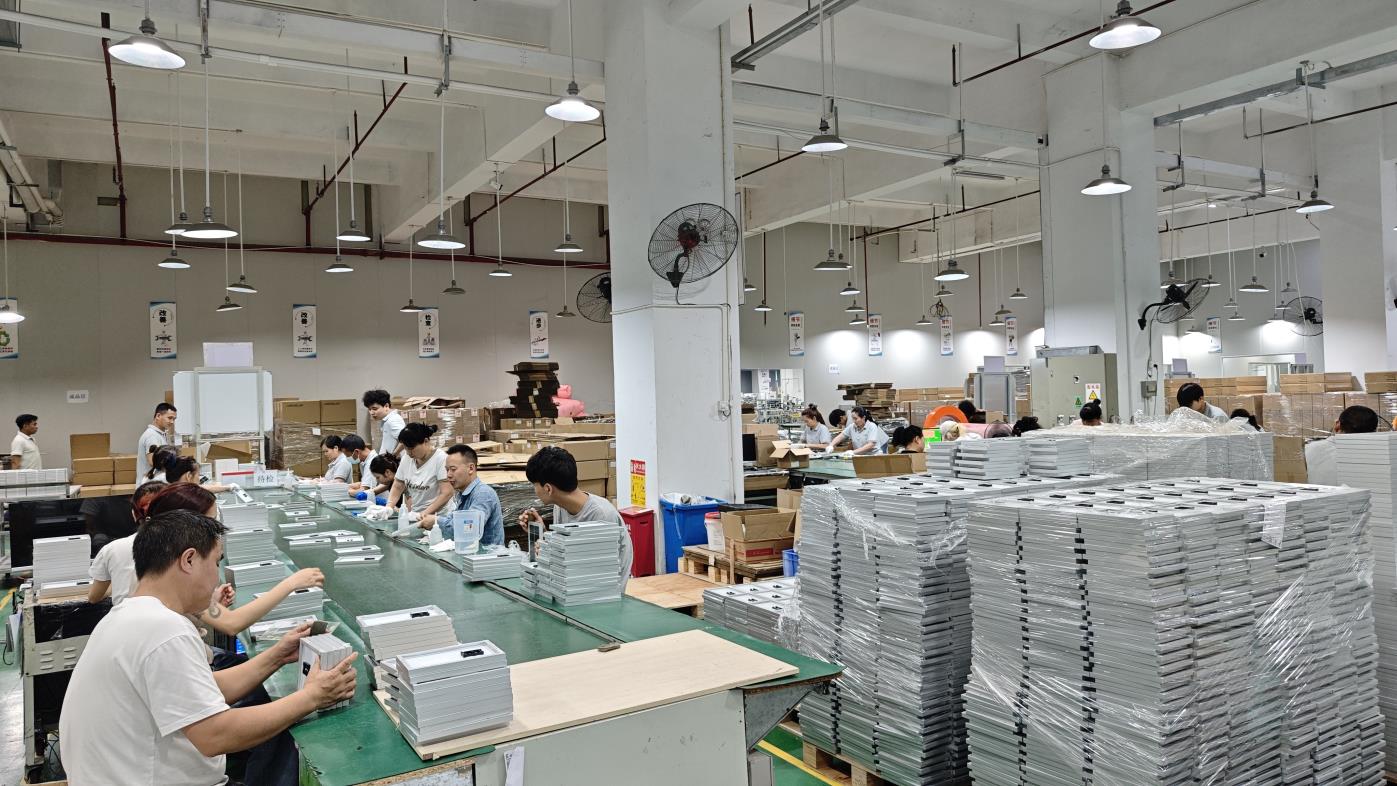
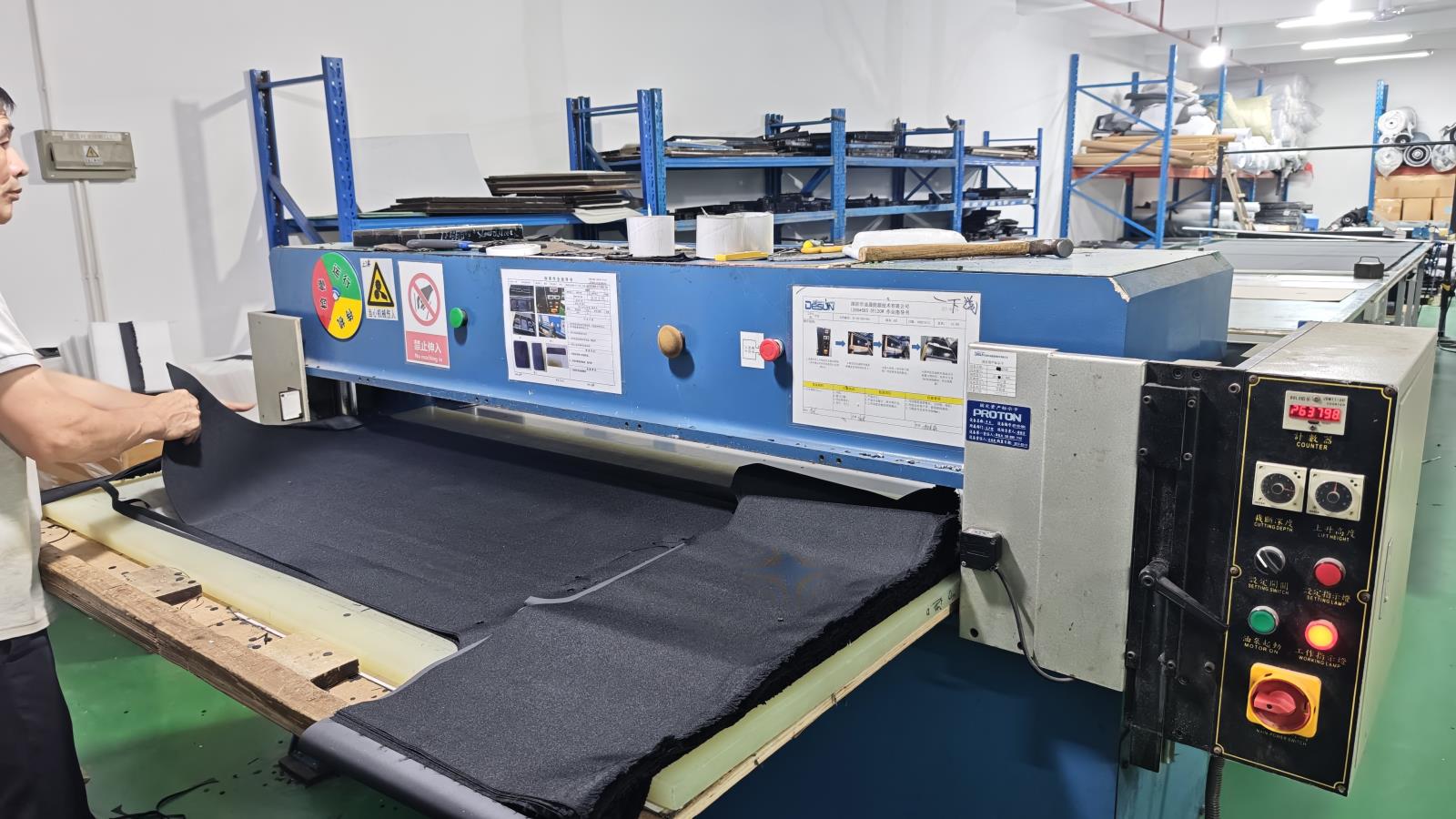
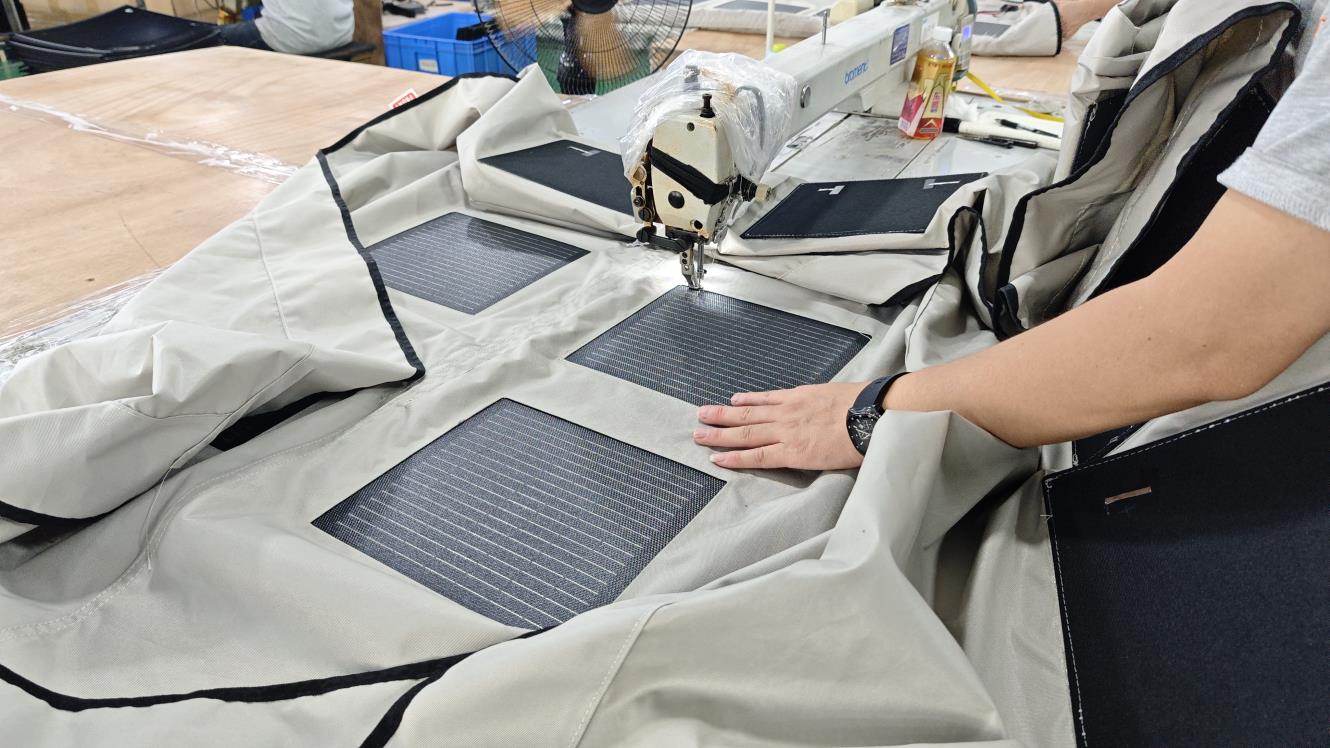
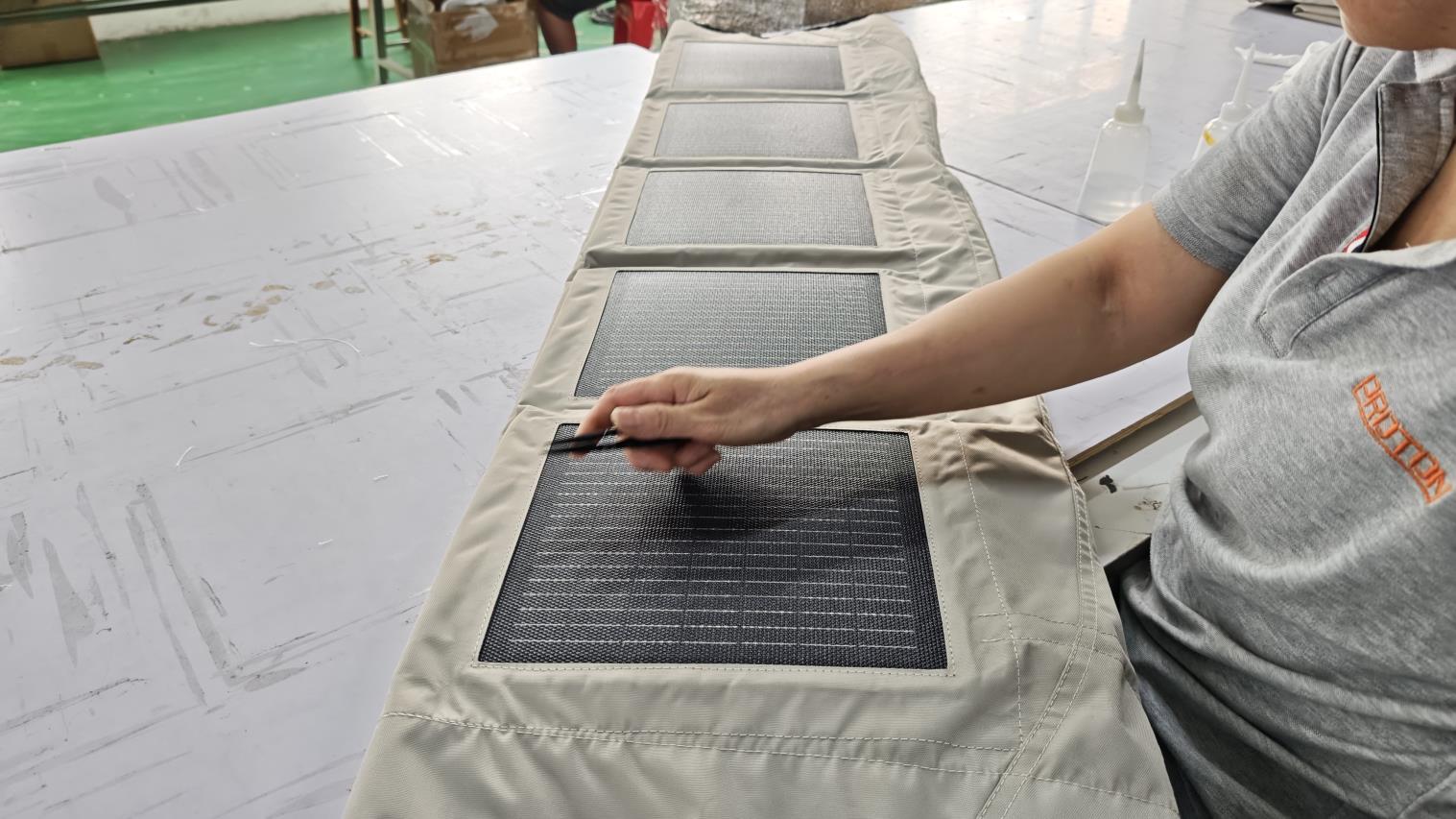
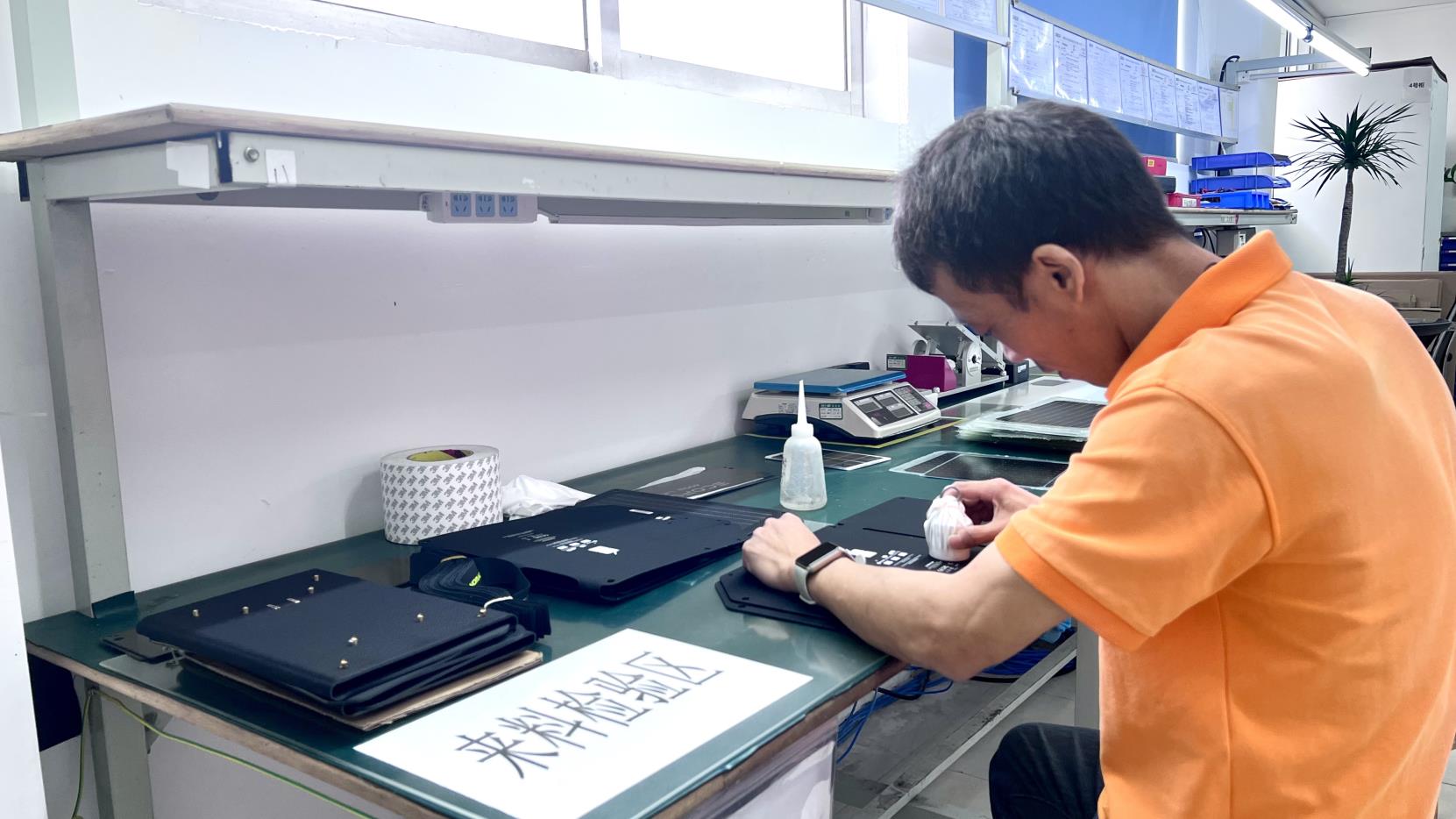
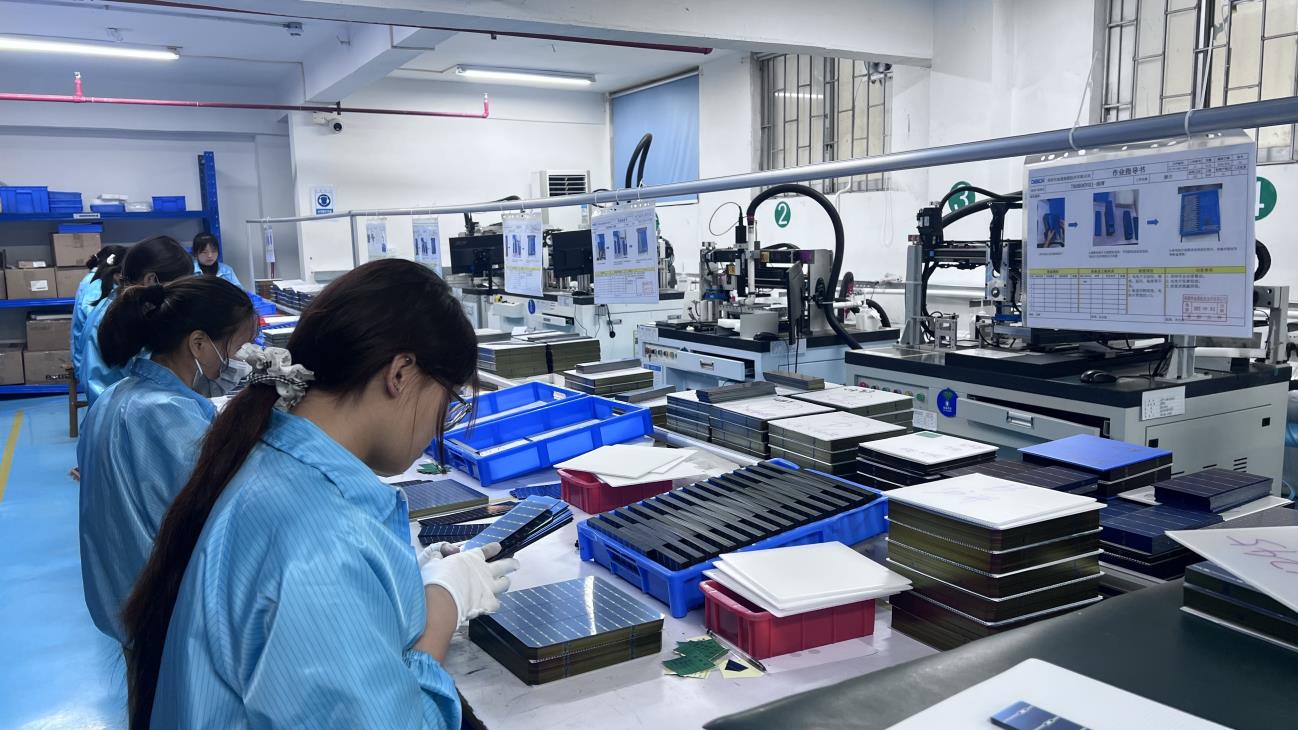
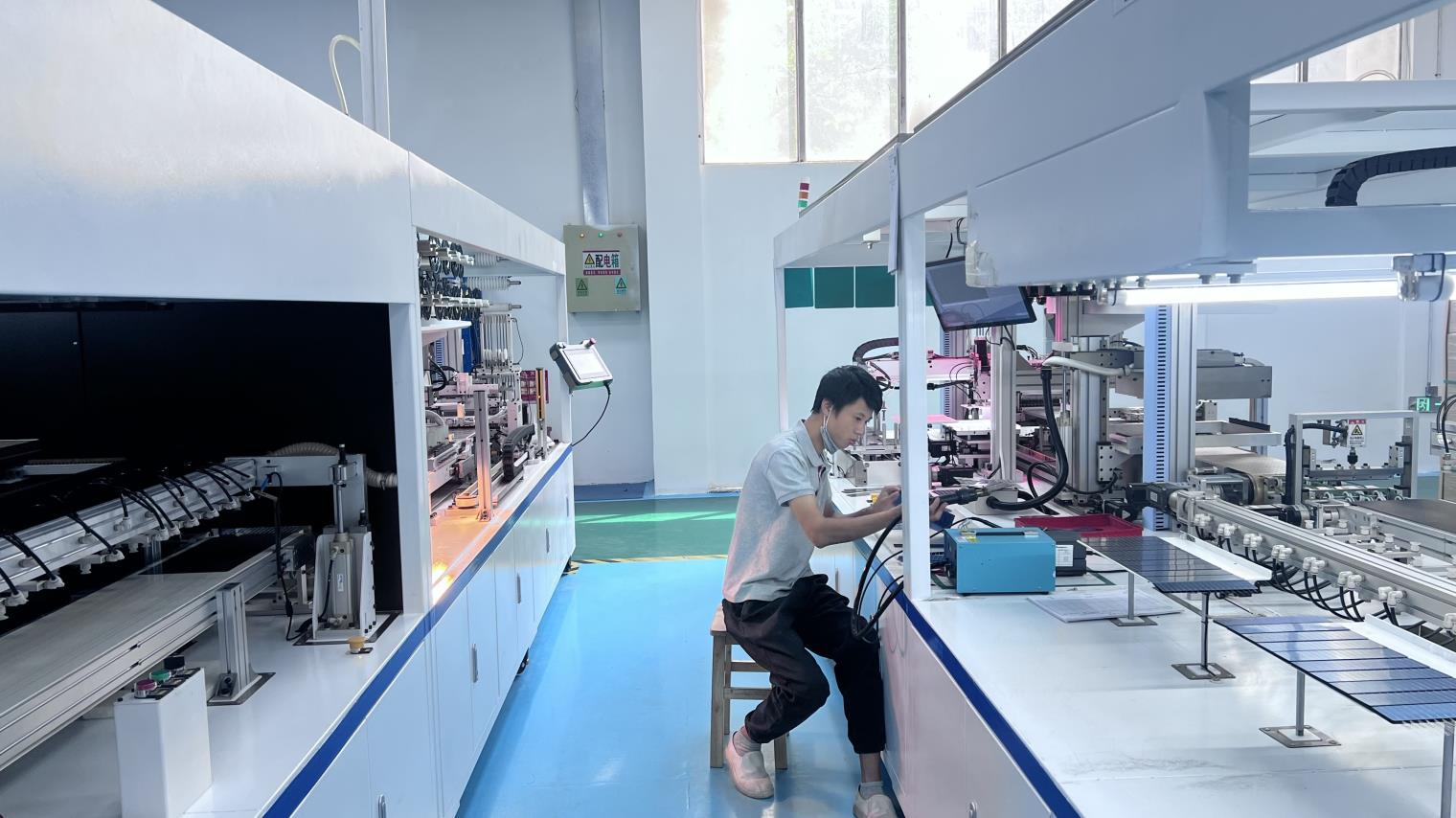
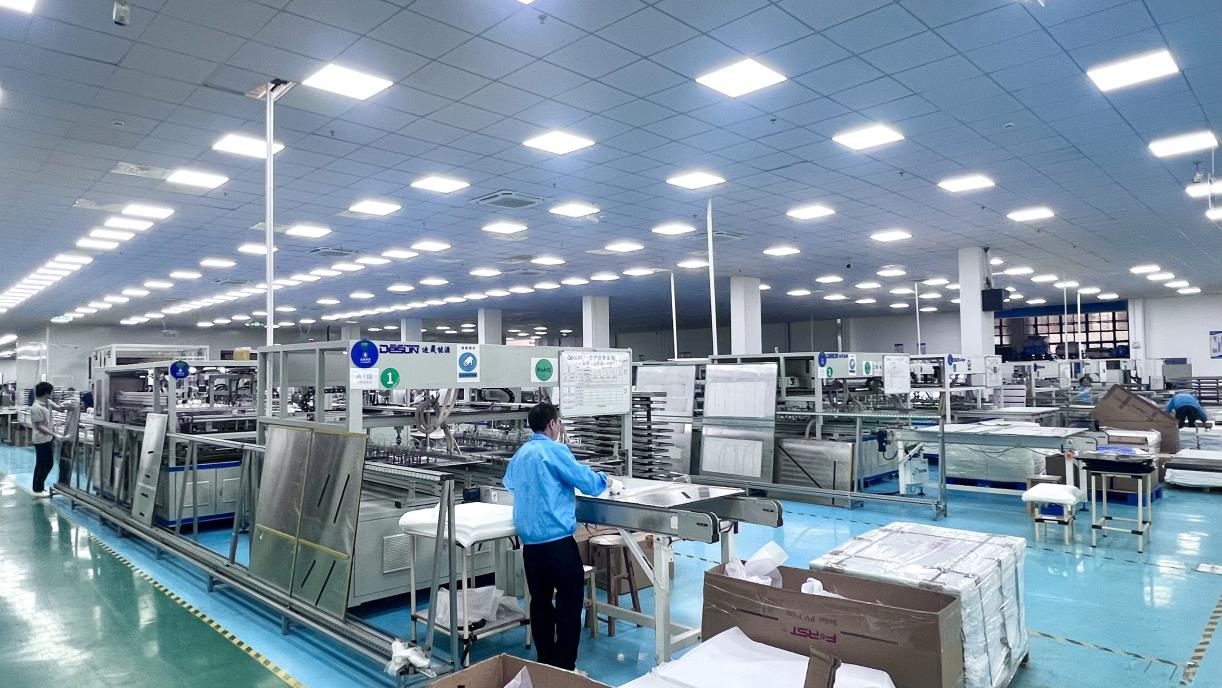
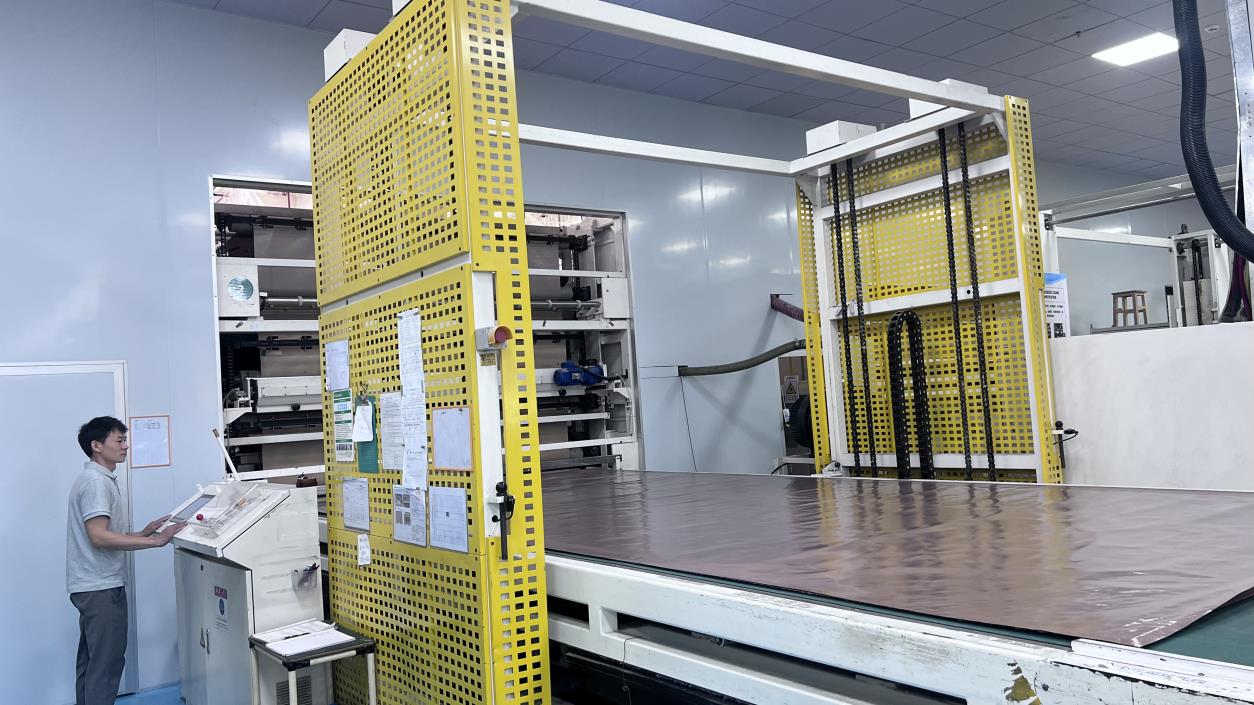
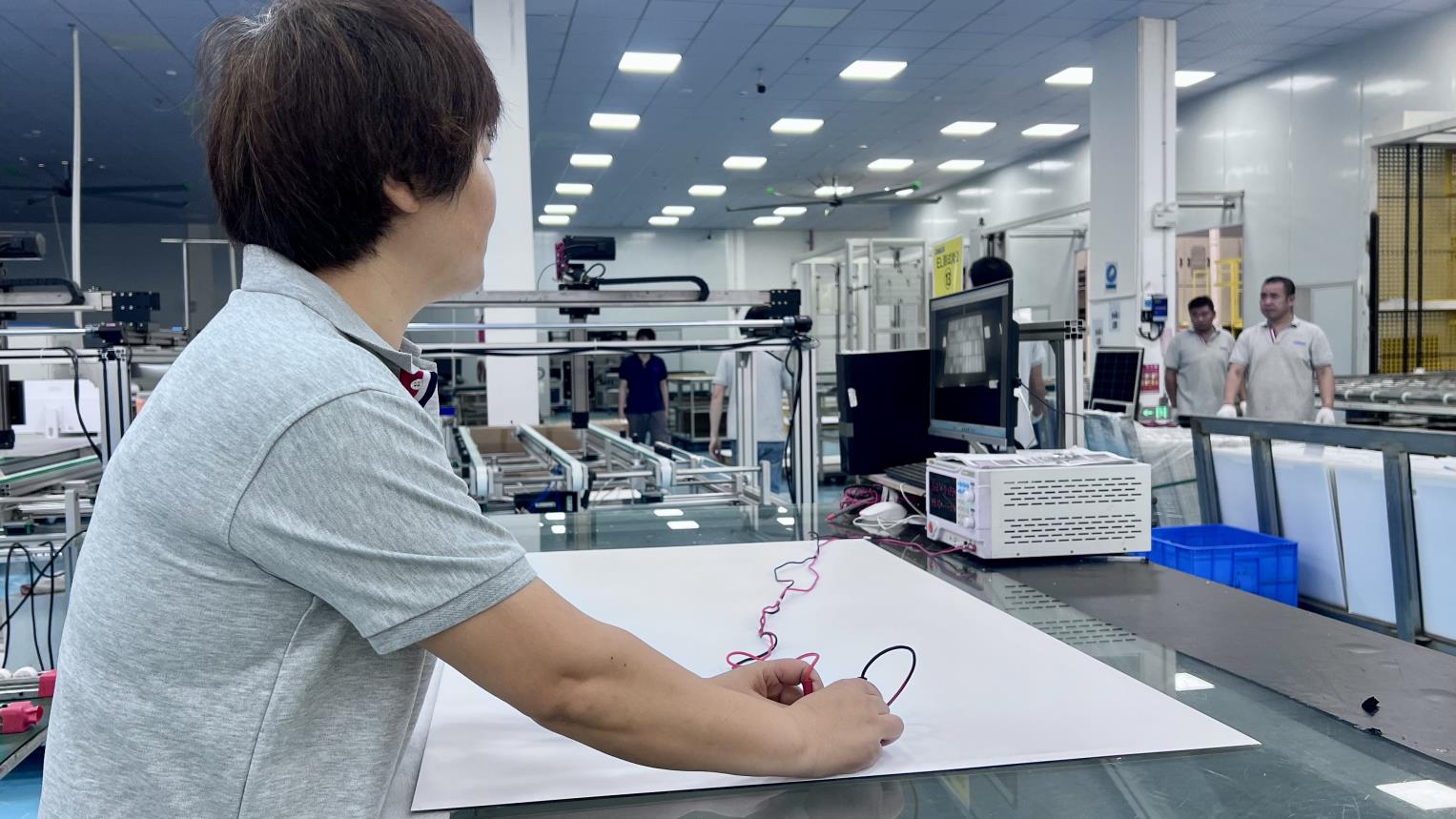
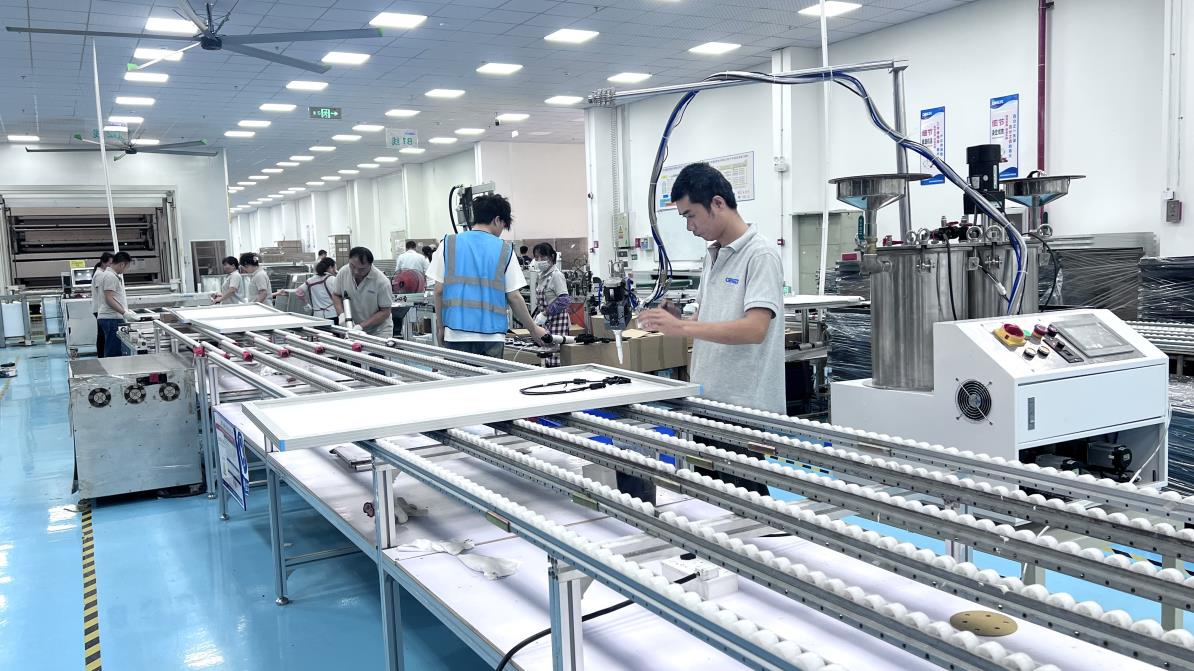
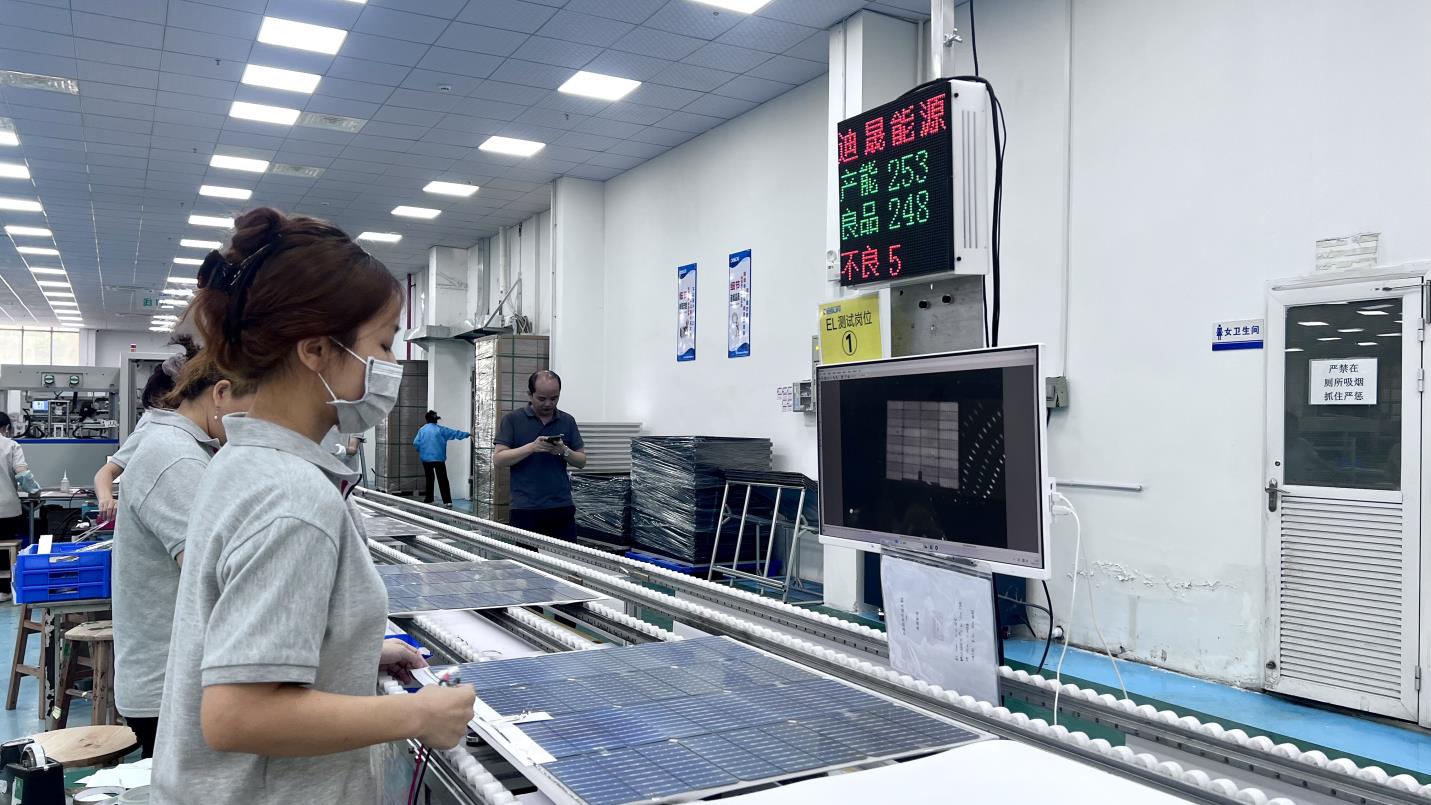
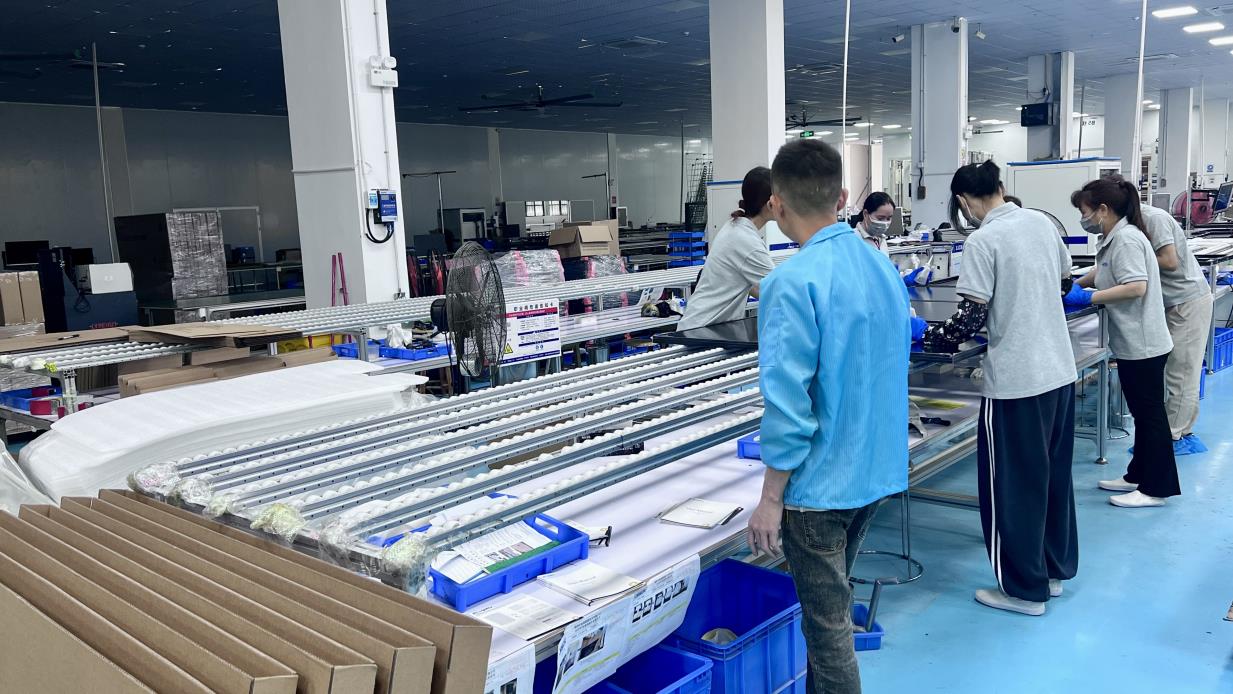
Navigating the complex landscape of global solar module distribution requires deep adherence to regional and international engineering standards. Global commercial developments require solar panels that are fully certified and ready for integration. Every step of our manufacturing workflow—from initial cell cutting and automatic laser scribing to final module lamination and packing—follows a comprehensive global quality assurance plan.
Our double-glass and mono-crystalline bifacial lines comply with primary international testing benchmarks. This high standard of manufacturing ensures our PV components can be seamlessly integrated into challenging environmental conditions worldwide, including sandy desert terrains, coastal areas prone to high wind loads, and industrial zones with elevated humidity levels.
To secure reliable operation over their extended 30-year operational lifespan, our panels undergo extensive testing procedures:
Acoustic & Laser Inspection Quality Controls: In our automated manufacturing line, we perform high-resolution Electroluminescence (EL) testing before and after the lamination process. This dual-testing procedure allows us to identify and remove any microscopic cell fractures, ensuring optimal product quality and consistent performance output across our entire supply pipeline.
To accurately project the ROI of a commercial bifacial solar installation, site planners must evaluate the surface albedo of the deployment zone. Surface albedo indicates the ratio of reflected solar radiation to the total incident light hitting the ground. Below is a breakdown of reflectivity levels and their corresponding impacts on rear-side energy generation:
| Ground Cover Material | Average Albedo Coefficient | Estimated Bifacial Energy Gain |
|---|---|---|
| Fresh Snow | 0.80 – 0.90 | +25% to +30% |
| White Gravel / Concrete | 0.35 – 0.45 | +15% to +22% |
| Desert Sand | 0.30 – 0.40 | +12% to +18% |
| Dry Grass / Green Vegetation | 0.15 – 0.25 | +7% to +12% |
| Dark Soil / Asphalt | 0.05 – 0.15 | +3% to +6% |
Comprehensive engineering, purchasing, and implementation insights for solar procurement officers and industrial developers.
Explore our highly-durable, tier-1 double-glass solar panels designed for reliable commercial and utility-scale installations.
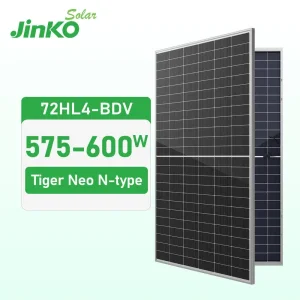
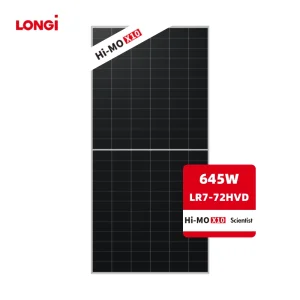
 ConTech Solar