Bifacial solar panels are gaining popularity for their efficiency and versatility, especially on flat roofs. These innovative panels absorb sunlight from both sides. But how do bifacial solar panels work on flat roofs? Understanding this technology can help homeowners and businesses tap into solar energy more effectively.
Flat roofs have unique advantages for installing bifacial panels. They allow for optimal placement and angle adjustments. Sunlight reflects off the roof's surface, maximizing energy capture. However, not all roofs are equal. The material and color of the roof can impact performance significantly. Darker surfaces typically enhance reflection, boosting energy gain.
Challenges exist with installation and maintenance. Proper alignment is crucial for effectiveness. Additionally, dirt and debris can reduce efficiency, requiring regular cleaning. While bifacial panels show promise, they are not a one-size-fits-all solution. Assessing the specific roof conditions is essential for achieving desired results.
Understanding Bifacial Solar Panels: An Overview
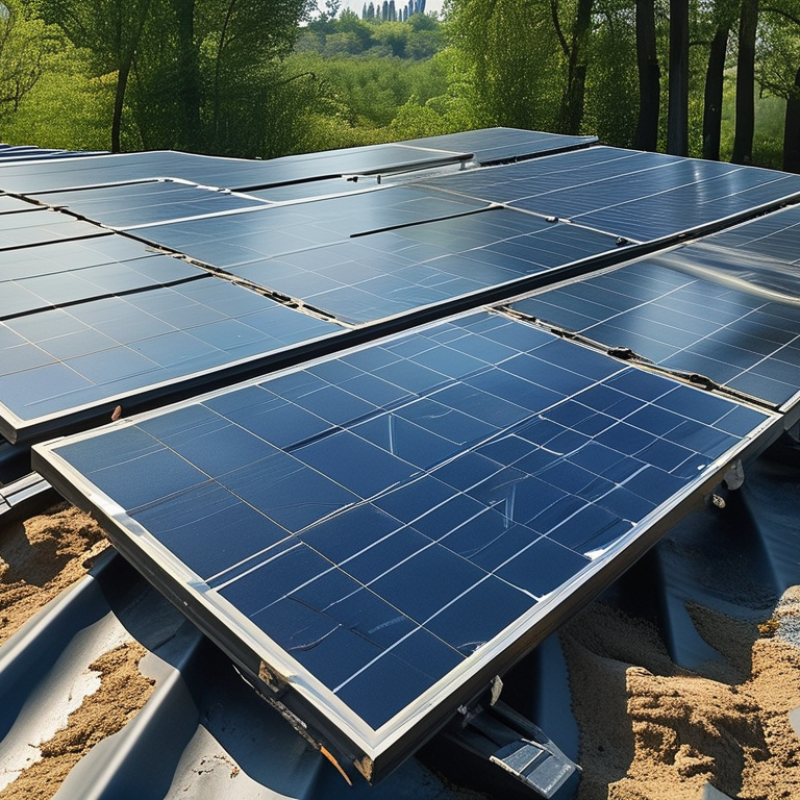
Bifacial solar panels have gained attention for their unique design. Unlike traditional panels, they can absorb sunlight from both sides. This ability increases their energy generation, especially on flat roofs. Flat roofs are ideal because they allow for optimal placement and spacing of these panels. The surface beneath the panels can also reflect sunlight, boosting energy production.
Understanding bifacial technology is essential for maximizing solar efficiency. These panels are typically made of transparent materials, allowing light to pass through. The rear surface captures reflected light, increasing overall power output. This adds a layer of complexity to installation. Proper positioning is crucial to harness maximum sunlight and minimize shading.
However, installing bifacial panels does not come without challenges. Site-specific factors can affect their performance. For example, dirt and debris can accumulate more easily on flat roofs. Regular maintenance is necessary for optimal performance. Additionally, the initial investment may be higher. It requires careful consideration to ensure long-term benefits outweigh costs.
The Unique Design of Bifacial Solar Panels
Bifacial solar panels have gained attention for their unique ability to harness sunlight from both sides. This design enables them to capture reflective light from surfaces beneath, such as rooftops or ground installations. Research shows that bifacial panels can increase energy generation by 10% to 20%, depending on the albedo of the surrounding area.
Flat roofs present an excellent environment for bifacial panels. The reflective surface of a flat roof can boost efficiency further. Studies by the National Renewable Energy Laboratory indicate that the optimal installation angle can improve performance significantly in urban settings. However, installation requires careful consideration of surrounding structures and obstacles that might cast shadows.
While bifacial technology is promising, some challenges remain. Dust accumulation on panels can diminish performance. Regular maintenance is necessary to maximize output. Additionally, the higher initial costs may deter some users. Balancing efficiency with cost-effectiveness is essential for broader adoption. Reflection on these factors can lead to more informed decisions in the long run.
Benefits of Installing Bifacial Solar Panels on Flat Roofs
Bifacial solar panels are gaining traction for flat roofs due to their unique energy-harvesting capabilities. These panels can absorb sunlight from both sides. This means they can capture reflected light from surrounding surfaces, maximizing energy production. The added efficiency is especially beneficial in urban areas, where reflective surfaces like rooftops and pavements can boost output significantly.
Installing bifacial panels on flat roofs also provides flexibility in design and orientation. Since these roofs often have less shading, the potential for sunlight capture increases. It's worth noting that while bifacial technology exhibits great promise, not all installations yield the same performance. Factors like the roof's color and material, as well as local weather patterns, can influence efficiency.
The durability of bifacial panels is another advantage. They often require less maintenance compared to traditional panels. However, proper installation is crucial. The aesthetic appeal can also play a role in decision-making, as these panels have a sleek design. Overall, exploring the integration of bifacial panels on flat roofs presents exciting possibilities for increasing energy savings and sustainability.
Challenges and Considerations for Flat Roof Installations
Flat roofs present unique challenges for installing bifacial solar panels. These panels can capture sunlight from both sides, improving energy output. However, flat roofs may limit the optimal angles for sunlight exposure. The lack of tilt can reduce the efficiency of solar panels. Moreover, shading from nearby structures or equipment can cause fluctuations in energy production.
When considering a flat roof installation, it's essential to plan for adequate spacing. Insufficient separation can lead to shadowing, which diminishes the panel's performance. Regular maintenance is crucial. Accumulated debris on the roof can obstruct sunlight and lower energy yield. Ensure easy access for cleaning and inspections.
Tips: Using a tracker system could be beneficial. It adjusts the panels to follow the sun's path. This can increase energy capture, compensating for the flat surface. Consider materials that allow for proper drainage. Poor drainage can lead to water pooling, which may damage the solar panels over time. Evaluating and addressing these challenges is vital in maximizing the efficiency of bifacial solar panels on flat roofs.
Maximizing Efficiency: Tips for Flat Roof Bifacial Panel Placement
Bifacial solar panels utilize sunlight from both sides, making them ideal for flat roofs. To maximize their efficiency, careful placement is essential. Since these panels absorb reflected light, they benefit from surfaces that enhance light exposure. Using lighter-colored materials can help, as they reflect more sunlight.
Consider the angle of the panels. Flat roofs don’t allow for traditional tilting. Instead, using elevated mounting systems can increase their exposure to direct sunlight. This method allows for optimal light capture throughout the day. Be mindful of shadows from nearby structures, as they can impact performance significantly.
Evaluate the roof's surface and surroundings. Debris or dirt can accumulate, affecting panel efficiency. Regular maintenance is crucial. Also, the layout should consider potential shading from vents or structures. Each detail influences power generation. Ensuring that panels are positioned for maximum sunlight access can lead to noticeable improvements in energy output.
Efficiency of Bifacial Solar Panels on Flat Roofs
The chart above illustrates the average efficiency of bifacial solar panels based on their orientation on flat roofs. The data shows that panels facing north have the highest efficiency, while those facing west have the lowest, demonstrating the importance of placement for maximizing energy production.
FAQS
: Bifacial solar panels absorb sunlight from both sides, increasing energy generation.
Flat roofs allow optimal spacing and placement for these panels, enhancing sunlight capture.
The surface can reflect sunlight, boosting overall energy production from bifacial panels.
The lack of tilt on flat roofs can lower efficiency and increase shading issues.
Regular maintenance is crucial to remove dirt and debris that obstruct sunlight and lower yield.
Yes, upfront costs can be higher, requiring consideration of long-term benefits.
Local weather can impact performance, not all bifacial installations yield the same results.
A tracker system adjusts panels to follow the sun’s path, increasing energy capture.
Yes, the color and material of the roof can significantly affect the efficiency of the panels.
Proper drainage is vital to prevent water pooling that could damage solar panels over time.
Conclusion
Bifacial solar panels are an innovative technology that harnesses sunlight from both sides, making them particularly effective on flat roofs. Understanding how do bifacial solar panels work on flat roofs involves recognizing their unique design, which allows them to capture reflected sunlight from surfaces below. This dual-sided absorption increases overall energy output, providing significant benefits in terms of efficiency and energy production for flat roof installations.
However, there are challenges to consider when placing these panels on flat roofs, such as shading and proper orientation. By strategically positioning the panels and taking into account the roof's materials and structure, installers can maximize their efficiency. The careful placement and maintenance of bifacial solar panels can lead to optimal performance while leveraging their advanced capabilities in flat roof settings.

 ConTech Solar