When discussing solar energy systems, one common concern arises: what happens if a solar charge controller gets wet? Solar charge controllers are essential for managing the charging process in solar power setups. They regulate voltage and current to prevent battery damage. However, water exposure can lead to serious consequences.
Dr. Emma Turner, a renewable energy expert, warns, "Water can cause short circuits that may permanently damage solar charge controllers." This highlights the importance of understanding the risks. Moisture can seep into the electronics, disrupting their functionality. It’s vital to keep these devices in dry, protected environments.
Even a small amount of water can lead to malfunction. Many users may not realize this until it’s too late. Preventive measures are necessary. Regularly inspecting equipment ensures safety and reliability. Awareness of what happens if a solar charge controller gets wet can save time and money. Ensuring proper installation and maintenance is crucial. A proactive approach can greatly enhance the longevity of solar systems.
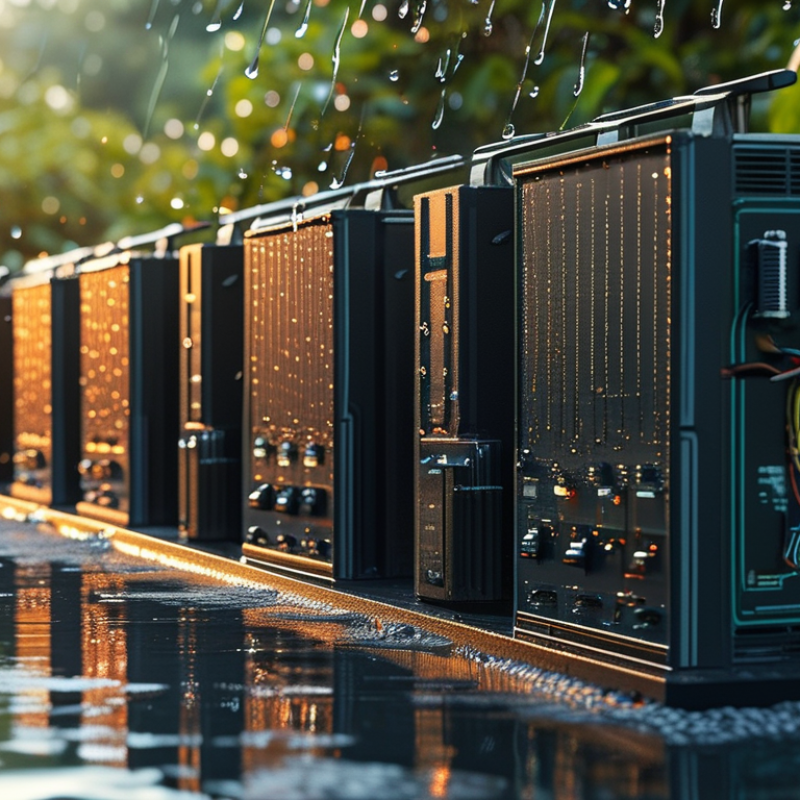
A solar charge controller is essential for solar energy systems. It regulates the voltage and current coming from solar panels to batteries. This device prevents overcharging and maintains battery life. Most systems include a display that provides real-time data. This allows users to monitor performance easily.
When selecting a solar charge controller, consider the environment. Moisture can cause serious issues. If a controller gets wet, it may short-circuit. This can lead to damage not covered by warranty. Always ensure it's installed in a dry location.
Tips: Check the IP rating of a solar charge controller. An appropriate rating indicates water and dust resistance. Regular maintenance is crucial too. Inspect connections and wiring periodically. They can corrode over time, affecting functionality. Investing in a high-quality controller pays off in longevity and performance.
When a solar charge controller gets wet, the risks of water exposure on electrical equipment become significant. Moisture can lead to short circuits, corrosion, and even total equipment failure. According to a report by the National Renewable Energy Laboratory, nearly 25% of solar system failures are associated with water damage. With components exposed to water, the electrical connections may degrade, leading to unreliable performance and potential hazards.
To mitigate these risks, proper enclosures are essential. IP68-rated enclosures can withstand water submersion and provide reliable protection. Additionally, ensuring that all electrical components are installed with proper weatherproofing can significantly reduce the likelihood of water-related issues. Users should regularly inspect their systems for any signs of water intrusion and corrosion.
Tips: Always check seals and gaskets on your controllers. If you live in a humid area, consider using silicone sealants for extra protection. For maximum reliability, consider employing a professional for routine maintenance, especially after heavy rainfall. This basic diligence could save significant repair costs in the long run.
A solar charge controller exposed to water can show various signs of damage. First, check for corrosion on metal contacts. Water can lead to rust, creating a barrier in the electrical connections. This corrosion can inhibit performance, potentially reducing efficiency by up to 30%, as reported by industry studies on charge controller functionality.
Next, look for discoloration or clouding on the controller's casing. This can indicate water intrusion. When moisture penetrates, it can affect internal components. Signs of electrical shorts may also appear, such as burning smells or unexpected shutdowns. A controller that fails to charge batteries efficiently may indicate internal failure.
Monitor the LED indicators for unusual behavior. Flickering lights or constant alerts can signal issues. Electrical components may begin to fail after water exposure. Adhering to best practices for installation and sealing can prevent these problems. Always use weather-resistant designs for enhanced protection. Frequent inspections are advisable, especially in humid climates.
Solar charge controllers are vital components in renewable energy systems. They manage the charging of batteries and protect them from overcharging. However, exposure to moisture can lead to severe damage. Therefore, ensuring these devices remain dry is crucial.
To prevent water damage, install solar charge controllers in sheltered locations. Using enclosures can add an extra layer of protection. Additionally, check wiring and connections regularly for any signs of corrosion. Regular maintenance helps identify potential issues before they escalate.
In some cases, users may overlook the risk of humidity. Even small amounts of moisture can cause long-term damage. Using moisture-resistant materials during installation can minimize these risks. Remember, it's easier to protect these controllers than to repair them after they get wet. Take proactive measures and keep your solar system running smoothly.
If your solar charge controller gets wet, it can lead to serious issues. Water exposure may cause electrical shorts or damage sensitive components. Here are some steps to take if this happens.
Immediately turn off the power. Disconnect the charge controller from all power sources. This includes solar panels and batteries. This action minimizes the risk of further damage. It also protects against potential electrical hazards.
Next, assess the damage. Remove the charge controller from its mount and inspect it for water entry. If water pooled inside, it’s critical to dry it out. Use a soft cloth to wipe down exterior surfaces. Air drying is also essential. Ensure the device is completely dry before attempting to power it on.
Tips: Consider using silica gel packets to help absorb moisture during the drying process. Ensure the area is well-ventilated for quicker drying. After drying, check for any visible signs of corrosion or residue that may have formed. If you’re unsure, consult a professional for a thorough assessment.
Ignoring water damage can lead to greater problems down the line. Reflect on how the incident happened. Was the controller adequately protected? This reflection may help prevent similar issues in the future. Regularly checking and maintaining your equipment is vital. It helps ensure longevity and reliability.
: A solar charge controller regulates voltage and current from solar panels to batteries. It prevents overcharging and maintains battery life.
Moisture can cause short-circuits. A wet controller can be damaged, often voiding the warranty.
Install the controller in a dry location. Check the IP rating for water and dust resistance to ensure durability.
Turn off power immediately. Disconnect all power sources to minimize risks and protect the device.
Use a soft cloth to wipe it down. Air dry it in a well-ventilated area. Ensure it’s completely dry before powering on.
Yes, inspect for any signs of corrosion or residue after drying. Regular checks are crucial for maintaining functionality.
Consider using silica gel packets. They absorb moisture effectively and can speed up the drying process.
Regularly inspect connections and wiring. Corrosion can affect performance over time, making maintenance vital.
Assess if it was adequately protected. Reflecting on the incident may help prevent similar future issues.
If you're unsure about the damage after drying, getting a professional assessment is advisable for safety and reliability.
A solar charge controller plays a crucial role in managing the flow of energy from solar panels to batteries, ensuring efficient charging and preventing overcharging. However, when it comes to the question of "what happens if a solar charge controller gets wet," the risks are significant. Water exposure can lead to short circuits, corrosion, and ultimately, the failure of the device. Users may notice signs of damage, such as unusual noises, inability to charge, or visible rust.
To safeguard solar charge controllers from water damage, several preventive measures can be employed, including installation in dry locations, using water-resistant enclosures, and routine maintenance checks. In the unfortunate event that a solar charge controller does get wet, it is crucial to disconnect power immediately and allow it to dry thoroughly before assessing its functionality. Prompt action can help mitigate long-term damage and preserve the integrity of the solar power system.