Flexible solar panels offer great versatility, but many users wonder, "why are my flexible solar panels losing efficiency?" Renowned renewable energy expert Dr. Emily Sanders states, "A gradual decline in efficiency can be linked to various factors, including installation angles and surface cleanliness."
One significant reason for efficiency loss is dirt accumulation. Dust can block sunlight, reducing energy output. Another issue may stem from the materials used. Over time, the organic components in flexible panels may degrade, impacting performance. Users often overlook these factors in their initial setups.
Understanding these challenges is vital. Regular maintenance is crucial for optimal performance. It is essential to assess both environmental conditions and installation methods periodically. Addressing these issues can help restore efficiency. These insights remind users to stay proactive in caring for their panels. A little attention can go a long way in maximizing energy production.
Understanding the Efficiency Decline in Flexible Solar Panels
Flexible solar panels are gaining popularity due to their versatility. However, many users notice an efficiency decline over time. Factors like exposure to heat, UV rays, and physical stress impact performance. Studies indicate that flexible solar panels can lose up to 20% of their efficiency within five years if not properly maintained.
Understanding the causes behind efficiency loss is crucial. High temperatures can decrease solar cell performance significantly. For example, research from the National Renewable Energy Laboratory shows that performance drops by 0.5% for each degree Celsius above 25°C. Similarly, excessive bending or mechanical stress can lead to micro-cracks, hindering energy production.
Tip: Regularly inspect your panels for physical damage. This simple maintenance can prolong their lifespan.
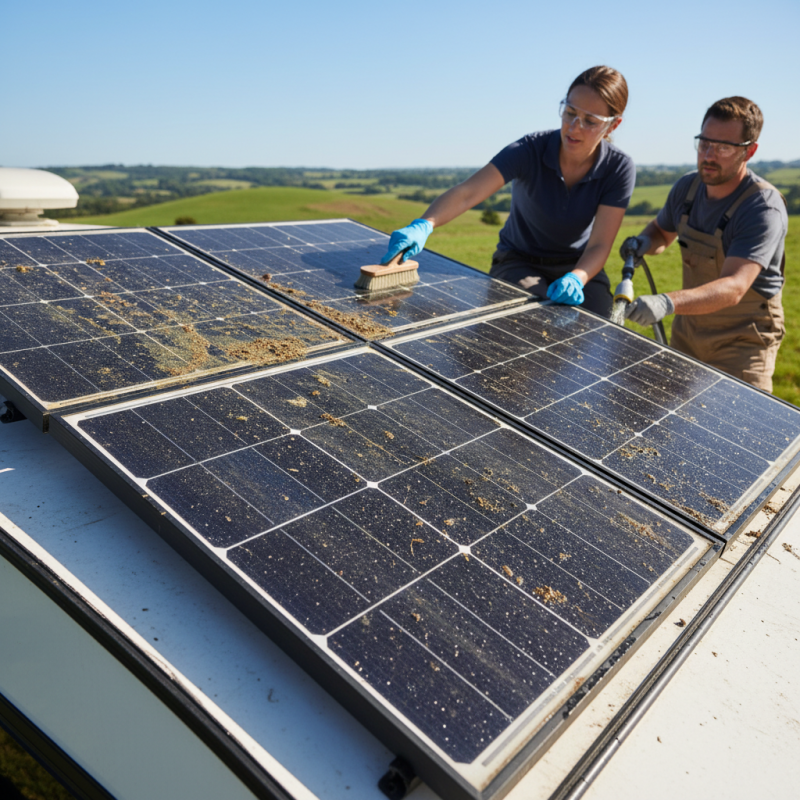
Cleaning your panels also matters. Dust and debris can block sunlight, reducing efficiency. Suggestions from industry experts recommend cleaning panels every few months, especially in dusty areas.
Instead of focusing solely on efficiency, consider the overall value your panels provide. Sometimes, a slight decline in performance may be acceptable. Prioritizing
durability can lead to a more sustainable investment.
Common Factors Affecting Flexible Solar Panel Performance
Flexible solar panels have become popular due to their lightweight and adaptable nature. However, many users report a decline in efficiency over time. Several factors can contribute to this performance issue. Environmental conditions play a crucial role. Dust, debris, and snow accumulation on the panel surface can block sunlight, reducing energy output significantly. A study from the National Renewable Energy Laboratory indicated that soiling can lead to a 15% decrease in efficiency.
Temperature fluctuations also impact panel performance. Flexible solar panels typically perform best at cooler temperatures. When the temperature rises above 25°C (77°F), efficiency tends to drop. For instance, research from the Solar Energy Industries Association reveals that efficiency can decrease by 0.3% for every degree Celsius above this threshold. Regular monitoring of temperatures and environmental conditions is essential to optimize energy production.
In addition, installation quality vastly affects long-term efficiency. Poor installation can lead to improper angles and insufficient ventilation. A flawed orientation results in less sunlight capture, causing significant energy loss. Reports suggest that regularly evaluating and maintaining panels can mitigate degradation. Understanding these factors enables users to take proactive measures, ensuring their flexible solar panels operate more efficiently.
Technical Solutions to Enhance Efficiency of Flexible Solar Panels
Flexible solar panels can lose efficiency for several reasons, from environmental factors to manufacturing issues. Understanding these challenges is essential for enhancement. Here are some tips to improve the performance of these panels.
Regular cleaning of the panel surface is vital. Dust and grime can significantly block sunlight. Use a soft cloth with mild soap to gently wash the panels. Always ensure safety while doing this. Make it a routine, especially in dusty environments.
Choosing the right installation angle can make a difference. Flexible panels should be positioned to maximize sun exposure. Monitor the location for any shading from trees or buildings. This can profoundly affect how much energy you collect. If shading occurs, consider trimming nearby foliage or relocating the installation.
Lastly, review your inverter system. An outdated inverter can restrict energy flow. Staying updated with the latest technology is key to maintaining efficiency. Regular inspections can also identify potential inefficiencies. Investing time in these areas can lead to better performance and increased power generation.
Efficiency Comparison of Flexible Solar Panels Over Time
This chart illustrates the decline in efficiency of flexible solar panels over five years. Starting at 85% in the first year, efficiency drops gradually each subsequent year, highlighting the importance of regular maintenance and potential enhancements to improve longevity and performance.
Maintenance Practices for Optimal Performance of Solar Panels
Solar panels require regular maintenance to perform at their best. Dust, debris, and bird droppings can accumulate on flexible solar panels. This build-up obstructs sunlight and reduces efficiency. Cleaning the surface carefully helps maintain power output. Using a soft cloth and mild soap can prevent scratches. Rinse with water to avoid residue.
Inspecting connections and wiring is vital too. Loose or corroded wires can hinder energy flow. A visual check every few months can catch these issues early. Solar panels are often installed in challenging conditions. Soil, shade from trees, or nearby structures might affect performance. Assessing the environment can inform necessary changes. Regular checks ensure your system runs smoothly and efficiently, preventing significant losses over time.
Engaging a professional for a detailed inspection is advisable once a year. They have the expertise to identify hidden problems. It’s easy to overlook minor wear and tear. Recognizing these areas of concern can enhance overall system longevity. Adjusting your maintenance routine based on observations may lead to better efficiency. With proactive care, even flexible solar panels can maintain robust energy production.
Comparative Analysis: Flexible vs. Rigid Solar Panel Efficiency
Flexible solar panels offer unique advantages, particularly their lightweight design and adaptability to curved surfaces. However, their efficiency remains a critical concern when compared to rigid panels. Recent studies indicate that flexible panels typically have an efficiency rating between 10% to 15%. In contrast, rigid solar panels can achieve efficiencies of 15% to over 22%. This notable difference stems from the materials and technology used in production.
When considering the longevity of flexible panels, factors such as temperature sensitivity and degradation from UV exposure become significant. Research from the National Renewable Energy Laboratory states that flexible panels can degrade faster, losing efficiency by 2% to 5% each year. This degradation emphasizes the importance of installation conditions and protective measures.
Further comparative analysis reveals that while flexible panels excel in portability and ease of installation, their efficiency loss cannot be overlooked. Users must weigh the benefits against the potential drop in performance. Understanding these nuances is essential for making informed decisions, ultimately guiding the choice between flexibility and optimal energy output.
Conclusion
The article titled "Why Are My Flexible Solar Panels Losing Efficiency Best Solutions?" explores the various factors contributing to the decline in efficiency of flexible solar panels. It begins by understanding the common reasons for performance degradation, including environmental influences, installation issues, and material degradation. Users often wonder why are my flexible solar panels losing efficiency, and the article addresses these concerns comprehensively.
Additionally, the article offers technical solutions to enhance the efficiency of flexible solar panels, such as optimizing installation angles and using advanced monitoring tools. It emphasizes the importance of regular maintenance practices to ensure optimal performance. Lastly, a comparative analysis between flexible and rigid solar panels highlights the efficiency differences, aiding readers in making informed choices regarding solar technology. This synthesis provides valuable insights for anyone experiencing efficiency issues with their flexible solar panels.

 ConTech Solar