How to Ground an Off Grid Solar Panel System Safely?

Time:2026-08-26 Author:Madeline
0%

Grounding an off-grid solar panel system is crucial for safety and functionality. Understanding how to ground an off-grid solar panel system can prevent electrical hazards. Proper grounding protects your equipment and ensures consistent energy output.

Effective grounding involves careful planning and execution. You may need grounding rods, wires, and connections. The materials you choose should meet local electrical codes. Research your area’s requirements, as regulations can vary. It is vital to check for environmental factors that could affect your setup. For instance, soil type can influence grounding effectiveness.

Grounding often raises concerns among DIY enthusiasts. Many may overlook this step or rush through it, leading to potential issues. It’s important to take your time and understand the system. Safety should always come first, as improper grounding can lead to equipment failure or electrical shock. Reflecting on these factors can help you create a safer, more reliable solar energy system.
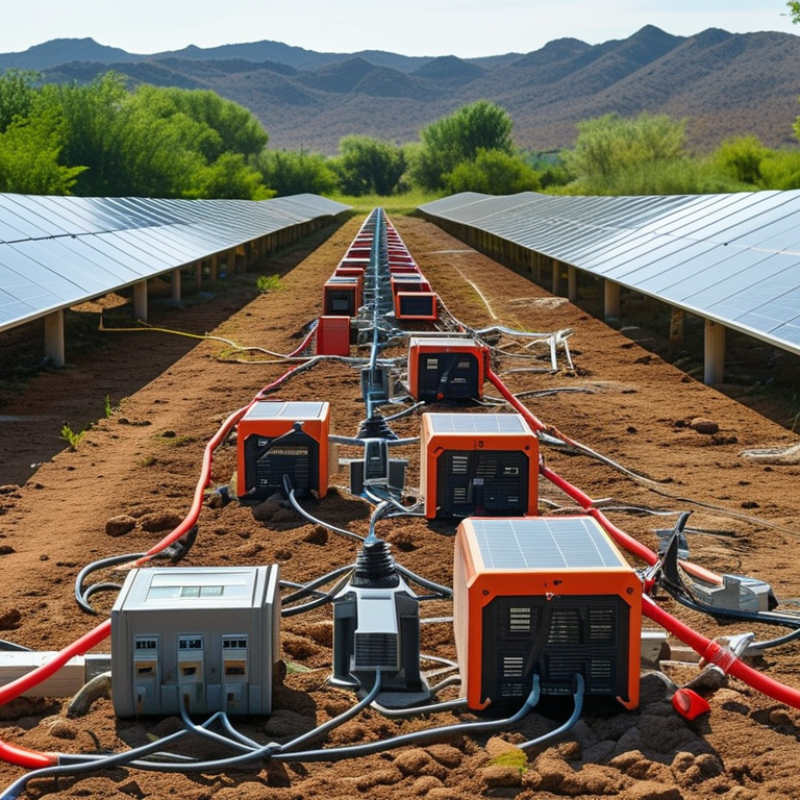
How to Ground an Off Grid Solar Panel System Safely?

Understanding the Importance of Grounding in Solar Panel Systems

Grounding is a critical aspect of solar panel systems. It protects both the equipment and the user from electrical surges. When solar energy systems are off-grid, the need for proper grounding becomes even more crucial. A well-grounded system can prevent damage during thunderstorms or electrical faults.

To ground a solar panel system effectively, start with the mounting structure. Use copper or galvanized steel grounding rods. These materials offer reliable conductivity and resistance to corrosion. Connect your solar panels to these grounding rods using copper wire. The wire should be appropriately sized to handle the system's maximum current.

Many overlook potential issues with improper grounding. This can lead to equipment failures or safety hazards. Regularly inspect connections and grounding systems. Look for signs of wear or corrosion. Ensuring everything is secure can prevent costly damages and enhance the lifespan of your solar energy system.

Identifying Components Needed for Grounding an Off Grid System

Grounding an off-grid solar panel system is crucial for safety and efficiency. Identifying the right components plays a significant role in this process. Essential components include grounding rods, grounding wire, and connectors. According to the National Electrical Code (NEC), proper grounding prevents electrical shock and reduces the risk of fire hazards.

When choosing grounding rods, select materials like copper or galvanized steel. The rods should be at least eight feet long and driven into the ground where moisture is present. A solid connection between the grounding wire and the solar panel frame is also vital. Many professionals recommend using a wire size of at least 6 AWG for optimal conductivity.

Use care when installing the system. Always ensure the panel is de-energized before touching any components. Inspect all connections regularly for signs of corrosion. Consider that improper grounding can lead to system failure. Make sure to educate yourself about local regulations as they can vary from one location to another. Regular testing with a multimeter can ensure the grounding system works effectively.

How to Ground an Off Grid Solar Panel System Safely?

Component Material Purpose Recommended Size
Ground Rod Copper or Galvanized Steel Provides a low-resistance path for fault currents 8–10 feet long
Ground Wire Copper or Aluminum Connects the system components to the ground 6 or 8 AWG
Grounding Terminal Plastic or Metal Secure connection to ground wires N/A
Surge Protector Various Materials Protects system from voltage spikes N/A
Bonding Jumper Copper Connects metal parts ensuring equal electrical potential 8 AWG

Step-by-Step Guide to Properly Grounding Solar Panels

Grounding an off-grid solar panel system is essential for safety and performance. Proper grounding prevents electrical shock and protects equipment from surges. Using copper or aluminum grounding rods is common. These materials offer reliability and durability over time. Ensure the ground rod is at least eight feet deep, as deeper installations reduce resistance.

After installing the grounding rod, use grounding wire to connect it to the solar panel frame and inverter. Make certain the connections are tight and free of corrosion. Regularly check these connections to maintain system integrity. Lightning can be unpredictable, and a well-grounded system can minimize damage from strikes.

Mistakes do happen. Some might overlook checking their local codes or neglect grounding connections. It's important to research and understand specific requirements for your area. Each installation site can present unique challenges. Learning from these experiences helps create a safer and more efficient solar energy system.

Safety Precautions to Consider When Grounding Solar Equipment

When grounding an off-grid solar panel system, safety is paramount. Proper grounding mitigates the risk of electric shock and protects equipment from lightning. Selecting the right grounding method is the first step. Use a grounding rod, at least eight feet deep, to establish a solid connection with the earth. Ensure all metal components are bonded to this grounding system.

Regular inspections can prevent issues. Check for corrosion on grounding connections. Replace any damaged wires promptly. Grounding connections should be tight and secure to avoid resistance. Employ weather-resistant materials to endure outdoor conditions.

An overlooked detail can lead to hazards. Earth grounding isn't a one-time task; it requires ongoing attention. Observe local codes for grounding systems in your area. Consider consulting an expert for a thorough analysis. Remember, even small errors can have significant consequences. This approach to grounding not only enhances safety but also increases the longevity of your equipment.

Common Grounding Mistakes to Avoid for Off Grid Installations

Grounding an off-grid solar panel system is crucial for safety. However, many individuals overlook common grounding mistakes. One frequent error is improper grounding methods. For example, some people use only one grounding rod, which may not provide adequate protection. Always ensure to follow local electrical codes regarding grounding requirements.

Another mistake is neglecting to consider soil conditions. In dry or rocky soil, a single grounding rod may fail to dissipate electrical energy effectively. It’s vital to test soil conductivity before installation. Adding multiple grounding rods can significantly improve safety. Ignoring the need for regular inspections is also problematic. Corrosion or loose connections can occur over time, affecting the system's integrity.

Lastly, improper placement of grounding connections can lead to serious issues. Ground rods should be placed close to the inverter and battery bank. This ensures that any fault currents are safely redirected. To avoid complications, always consult with a professional if unsure about your grounding setup. Strive for a reliable and safe installation, but do not hesitate to address mistakes as they arise.

Common Grounding Methods for Off Grid Solar Panel Systems

FAQS

: Why is grounding important for solar panels?

: Grounding is essential for safety. It prevents electric shock and protects equipment from surges.

How deep should a grounding rod be installed?

A grounding rod should be at least eight feet deep. Deeper installations reduce electrical resistance.

What materials are recommended for grounding rods?

Copper or aluminum rods are common choices. They offer reliability and durability over time.

How can I ensure my grounding connections are safe?

Regularly inspect connections for corrosion and ensure they are tight and secure.

What are common mistakes in grounding solar panels?

Many skip checking local codes or overlook grounding connections, which can cause issues later.

Should I consult an expert for grounding my solar system?

Consulting an expert can help address unique challenges at your installation site.

Why are regular inspections necessary for grounding systems?

Routine checks prevent potential hazards and ensure the system remains effective over time.

How can weather affect grounding systems?

Using weather-resistant materials helps maintain secure connections despite outdoor conditions.

What happens if I neglect grounding my solar system?

Neglecting grounding can lead to significant risks, including electric shock and equipment damage.

Conclusion

Grounding is a crucial aspect of installing an off-grid solar panel system, as it ensures safety and protects the equipment from electrical surges. Understanding the importance of grounding in solar panel systems helps prevent hazards such as electric shocks and damage. To properly ground an off-grid solar panel system, one must identify essential components such as grounding rods, wires, and connectors.

The process involves a step-by-step guide that includes selecting suitable grounding locations, installing grounding rods, and connecting them to the solar equipment. It’s essential to follow safety precautions throughout the installation to minimize risks. Common mistakes, such as improper connections and inadequate grounding depths, should be avoided to ensure a reliable and safe operation of the solar power system. Overall, knowing how to ground an off-grid solar panel system effectively serves as the foundation for a secure and functional renewable energy solution.

Madeline

Madeline

Madeline is a dedicated marketing professional with a wealth of expertise in our company's core offerings. With a keen understanding of the industry, she brings a unique perspective to her role, consistently delivering high-quality content that highlights the superior aspects of our products. As......