Laminated solar panels are widely used for their durability and efficiency. However, many users wonder why do laminated solar panels delaminate over time. Understanding this phenomenon is crucial for both manufacturers and consumers.
Delamination occurs when the layers of a solar panel separate. This can happen due to various factors, such as temperature fluctuations, humidity, and poor manufacturing processes. If not addressed, delamination can lead to reduced energy output and costly repairs.
The longevity of laminated solar panels largely depends on the quality of materials and construction techniques. While some panels are designed to withstand harsh conditions, others may not live up to expectations. Regular inspection can help identify early signs of delamination, allowing for timely intervention.
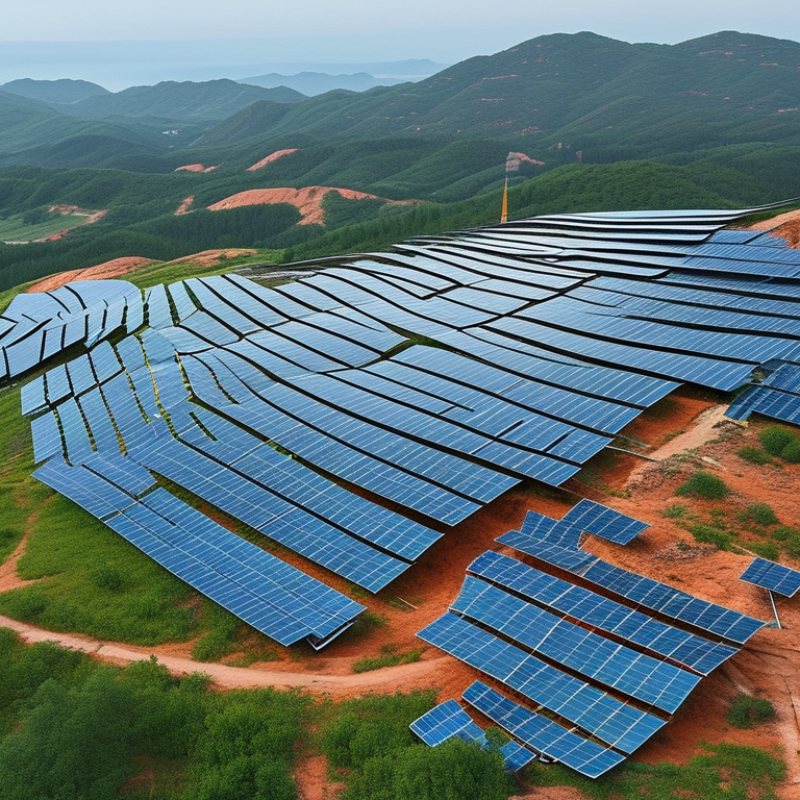
Laminated solar panels are prone to delamination over time, which affects their efficiency. This process occurs when the adhesive layer fails, separating the layers of the panel. Reports indicate that delamination can reduce energy output by up to 20%, depending on the severity.
Common causes include environmental factors, poor manufacturing practices, and material degradation. Extreme temperatures and humidity often weaken adhesives. A study by the National Renewable Energy Laboratory reveals that about 30% of solar panel failures are linked to delamination issues. This underlines the importance of investing in quality materials and manufacturing processes.
To mitigate risks, consider these tips:
Environmental factors significantly influence the lifespan of laminated solar panels. These panels are designed to endure harsh conditions. However, extreme temperatures, humidity, and exposure to UV radiation can lead to delamination. This separation of layers reduces efficiency.
Moisture and heat often cause adhesive failure. Over time, this can lead to bubbling and cracking. Such damage may happen sooner in areas with high humidity and intense sun exposure. Each panel's materials interact differently with these elements.
Regular inspections can unveil early signs of wear. It’s essential for owners to understand their local climate's impact on solar technology. Adapting maintenance based on environmental factors is crucial. Awareness allows for better energy production and longer-lasting systems.
Laminated solar panels are designed for durability, but they can still delaminate over time. The materials used in these panels greatly influence their longevity and performance. Commonly, these panels utilize a combination of thermoplastic and thermoset materials. While they offer good weather resistance, each material has specific vulnerabilities.
For instance, ethylene-vinyl acetate (EVA), often used as an encapsulant, can degrade under prolonged UV exposure. A study from the National Renewable Energy Laboratory (NREL) indicates that EVA’s performance deteriorates by about 5-10% after 20 years of exposure to sunlight. Similarly, the glass used can be prone to micro-cracking, leading to moisture infiltration. This can ultimately result in more severe delamination issues.
**Tips:** Regular inspections can help you catch small problems before they escalate. Ensure your panels are properly cleaned and free of debris.
Another significant factor is the bonding process. A weak bond between layers can lead to premature failure. Reports indicate that mechanical stress from thermal cycling can exacerbate this issue, resulting in up to 15% of panels failing within the first 10 years.
**Tips:** Consider installing panels in a location that minimizes extreme temperature variations. This can help improve their overall lifespan.
Understanding these vulnerabilities helps in making informed decisions regarding solar panel investments. By being proactive and mindful of material limitations, one can reduce the risk of delamination.
This chart illustrates the risk of delamination associated with different materials and factors involved in laminated solar panels. Each bar represents the percentage of risk attributed to polymer adhesives, the glass layer, the back sheet, environmental factors, and manufacturing defects. Understanding these vulnerabilities helps inform better production practices and material choices in solar panel manufacturing.
Laminated solar panels can face delamination due to various factors. To reduce this risk, proper installation is key. Ensure the panels are installed by experienced professionals. A well-sealed installation prevents moisture from seeping in. Moisture is a primary cause of delamination. Use high-quality adhesives to enhance layer integrity.
Regular maintenance also plays a vital role. Clean the panels frequently to remove dirt and debris. Monitor for any signs of damage, such as bubbling or peeling. Timely identification of these issues can prevent further complications. Moreover, avoid excessive thermal stress. Temperature fluctuations can weaken the bonds between layers. It's essential to choose installations in locations with minimal temperature extremes.
Environmental factors can contribute to delamination as well. High humidity or extreme weather conditions put pressure on panel materials. Examining local weather patterns helps in making informed decisions. Using protective coatings can provide an extra layer of defense. Awareness of these preventive measures enhances the lifespan of solar panels significantly. Investing time in these actions reflects a proactive approach to solar panel maintenance.
Laminated solar panels face degradation over time due to various environmental factors. To extend their lifespan, regular maintenance is crucial. Simple tasks like cleaning the panels can prevent dirt and debris buildup. This buildup may hinder their efficiency and increase the risk of delamination. Inspecting for cracks or blisters becomes essential, as these issues can weaken the panel structure.
Additionally, monitoring the surrounding environment plays a significant role. Trees, buildings, or other structures can cast shadows. Such shadows reduce solar productivity, leading to unnecessary wear. Keeping an eye on the installation area helps address shading issues early on. Choosing the right cleaning materials is also key. Harsh chemicals can cause more harm than good. A gentle wash with water often suffices.
Finally, ask professionals for periodic inspections. Their expertise can catch problems that may go unnoticed. Investing in professional help pays off in the long run. Regular checks and thoughtful maintenance help ensure that your solar panels operate effectively. This approach could delay the natural process of delamination, allowing you to maximize energy production.
| Issue | Potential Causes | Maintenance Practices | Frequency |
|---|---|---|---|
| Delamination | Exposure to moisture, temperature fluctuations | Regular inspection for seal integrity | Every 6 months |
| Surface Damage | Impact from debris, weather elements | Clean panels and check for scratches | Monthly |
| Reduction in Efficiency | Dust accumulation, shading from nearby objects | Regular cleaning and trimming overhanging branches | Every 3 months |
| Electrical Failures | Wear and tear, moisture ingress | Inspect wiring and connections | Annually |
: Laminated solar panels typically use thermoplastic and thermoset materials for durability.
Ethylene-vinyl acetate (EVA) can degrade under UV light, losing 5-10% efficiency in 20 years.
Weak bonding can lead to premature delamination, with reports showing 15% failure in 10 years.
Inspections catch small issues early, preventing them from escalating into larger problems.
Choosing locations with minimal temperature fluctuations can enhance panel longevity.
Regular cleaning and monitoring for damage can prevent complications and improve performance.
High humidity and extreme weather conditions can weaken solar panel materials.
Clean them frequently to remove dirt and debris, ensuring optimal performance.
Bubbling, peeling, or any visible cracks are indications of potential issues.
Yes, protective coatings provide an additional layer of defense against environmental stressors.
Laminated solar panels are designed for durability, but one common issue that arises is delamination. Understanding the question of "why do laminated solar panels delaminate over time" involves examining several factors. The primary causes include the quality of materials used, manufacturing defects, and environmental influences such as extreme temperatures, moisture, and UV exposure. These elements can degrade the bond between layers, leading to delamination.
To mitigate this risk, selecting high-quality materials and implementing effective preventive measures are crucial. Regular maintenance practices, such as cleaning and inspection, can further enhance the lifespan of solar panels. By addressing the vulnerabilities of the materials and protecting them from harsh environmental conditions, the longevity and performance of laminated solar panels can be significantly improved.
