Top 10 Facts About Lifespan of Flexible Solar Panels on Boats?

Time:2026-07-12 Author:Sophia
0%

When considering renewable energy solutions for boats, flexible solar panels are increasingly popular. Many boat owners ask, "what is the lifespan of flexible solar panels on a boat?" Understanding this aspect is crucial for anyone investing in these energy systems. Flexible solar panels, known for their lightweight and adaptable designs, offer significant benefits. However, their longevity can vary based on several factors.

The lifespan of these panels can depend on material quality, environmental conditions, and mounting methods. Typically, high-quality flexible solar panels last around 15 to 20 years, but this can change. Extreme weather, improper installation, and regular maintenance practices all play roles in determining how long the panels will function efficiently. Users often overlook the impact of marine environments on durability. Saltwater, UV exposure, and temperature fluctuations can degrade performance over time.

As we explore the top 10 facts about the lifespan of flexible solar panels on boats, it becomes clear that proper care is vital. Regular inspections and cleaning can extend their life. However, many boat owners may not prioritize these aspects, leading to premature wear. Investing in quality panels and understanding maintenance needs are essential for maximizing their effectiveness.
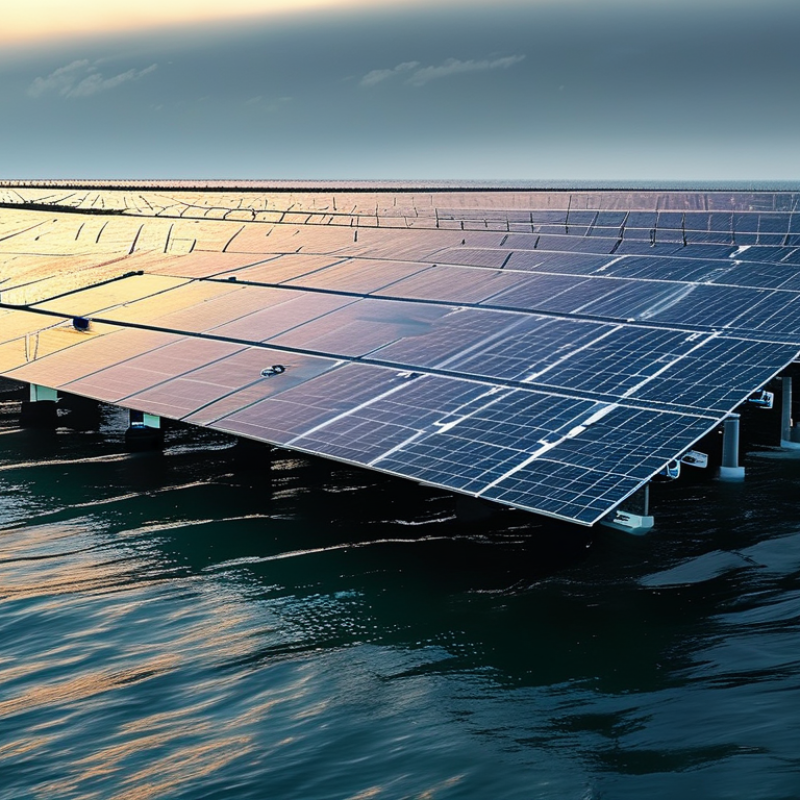
Top 10 Facts About Lifespan of Flexible Solar Panels on Boats?

Understanding Flexible Solar Panels: An Overview

Flexible solar panels are becoming popular for marine applications. They provide an opportunity to harness solar energy while saving space. Their lightweight design makes them suitable for various boat types. According to a report by the National Renewable Energy Laboratory, marine installations often call for innovative and compact solutions. This is where flexible panels shine, offering versatility.

The average lifespan of flexible solar panels ranges between 10 to 20 years. Factors such as UV exposure and temperature fluctuations affect longevity. Research shows that performance can decrease by 0.5% annually under marine conditions. Regular maintenance can mitigate some degradation, but it's essential to be aware of potential issues. Some users report reduced efficiency over time, emphasizing the importance of monitoring performance.

Flexible panels provide unique benefits, but they also come with challenges. Not all installations guarantee optimal energy production. Issues like overheating or inadequate adhesion can arise. Understanding the lifespan and performance metrics can help boat owners make informed decisions. Careful evaluation is necessary to ensure long-term reliability in harsh marine environments.

Key Factors Affecting Lifespan of Flexible Solar Panels

When considering the lifespan of flexible solar panels on boats, various key factors come into play. These panels, while lightweight and versatile, can vary significantly in durability depending on material quality and usage conditions. Research suggests that high-quality flexible solar panels can last between 5 to 10 years, but environmental factors like UV exposure and saltwater can accelerate wear.

Proper installation is crucial. Panels that are installed correctly tend to last longer. A misaligned panel can increase wear from wind and waves. Flexibility is a double-edged sword; while it helps in positioning, it also makes the panels vulnerable to delamination if not handled carefully. Routine inspections are essential to identify early signs of damage.

**Tip:** Regularly clean your panels with fresh water to remove salt and debris. This simple step can prolong their effectiveness and lifespan. Consider protective coatings that can shield your panels from UV rays.

Another critical factor is temperature fluctuations. Excessive heat can degrade the materials faster than expected. In addition, mechanical stresses from boat movements contribute to wear over time. Understanding these variables will help you maintain your flexible solar system effectively.

**Tip:** Monitor temperature levels in your installation area. Adjust positioning during extreme weather to minimize stress on the panels. Being proactive can save you money in the long run.

Top 10 Factors Affecting Lifespan of Flexible Solar Panels on Boats

Average Lifespan of Flexible Solar Panels in Marine Environments

Flexible solar panels are becoming increasingly popular for boats. They offer a lightweight solution for harnessing solar energy. However, their average lifespan in marine environments can vary significantly. According to industry reports, flexible solar panels typically last between 5 to 10 years. Factors such as exposure to salt, UV radiation, and temperature fluctuations play crucial roles in their durability.

Marine conditions are harsh. Saltwater can corrode the panel's backing and connections. UV rays can degrade materials, reducing efficiency over time. Research indicates that certain flexible panels lose about 20% of their efficiency after just five years of constant exposure. Regular maintenance, such as cleaning and inspections, is vital for extending the lifespan. Additionally, the choice of installation site can impact longevity.

Panels placed in shaded areas may not perform well. It is essential to consider these factors when investing in flexible solar panels for marine use. Not all panels are created equal, and some may not withstand the marine environment's demands. Boat owners should conduct thorough research and consult experts on the best options available. A proactive approach will help maximize the lifespan and performance of solar panels on their vessels.

Maintenance Tips to Extend the Lifespan of Solar Panels on Boats

Maintaining flexible solar panels on boats is crucial for longevity. Regular inspections can help catch issues early. Check for physical damage or dirt accumulation. A report by the National Renewable Energy Laboratory highlights that dirt can reduce efficiency by 15-25%. Regular cleaning, especially in coastal areas, can mitigate this loss.

Storage is another vital aspect. When not in use, store panels in a dry, shaded place. Excessive heat can degrade materials, cutting their lifespan significantly. Research shows that direct UV exposure can reduce the life of flexible panels by as much as 20%. Proper storage extends not just performance but also the overall investment.

Lastly, wiring and connections should be inspected regularly. Corroded or loose connections can lead to diminished power output. A study from the Solar Energy Industries Association indicated that improper wiring can lower energy efficiency by 10-15%. Taking proactive steps to maintain your solar equipment ensures it works optimally and offers the best returns on your investment.

Comparing Lifespan with Rigid Solar Panels for Marine Use

Flexible solar panels are becoming increasingly popular for marine applications. Their lightweight design makes them an attractive option for boats. However, comparing their lifespan to that of rigid solar panels reveals some essential differences. Rigid panels often boast a longer lifespan, typically around 25 years. In contrast, flexible panels usually last between 10 to 20 years.


One factor affecting lifespan is exposure to harsh marine environments. Flexible panels may degrade faster due to UV exposure and saltwater. This vulnerability makes maintenance crucial. Owners should regularly inspect for damage. Reinforcing protective measures can enhance durability. Additionally, installation plays a significant role in longevity. Proper mounting reduces stress on the panels and can extend their service life.


Overall, while flexible panels offer convenience, their lifespan may not match that of more robust rigid panels. Boat owners must evaluate their specific needs and conditions. Balancing flexibility and durability is essential for maximizing solar energy use at sea.

FAQS

: What are flexible solar panels used for?

: They are popular for marine applications, harnessing solar energy while saving space on boats.

How long do flexible solar panels last?

Their lifespan typically ranges from 5 to 20 years, depending on conditions like UV exposure and temperature.

What affects the longevity of flexible solar panels?

Factors include salt exposure, UV radiation, and temperature fluctuations, which can lead to reduced efficiency.

How much efficiency loss can occur over time?

Some panels may lose about 20% of their efficiency after five years of constant marine exposure.

What maintenance is required for flexible solar panels?

Regular cleaning and inspections are essential to mitigate deterioration and extend their operational life.

Can all flexible solar panels perform well in marine environments?

No, not all panels are suitable. Some may struggle with the marine environment's unique challenges.

What issues can arise with these panels?

Potential problems include overheating and inadequate adhesion, impacting energy production.

How does installation site affect panel performance?

Panels placed in shaded areas may underperform, emphasizing the importance of careful site selection.

What should boat owners do before purchasing flexible solar panels?

Research is crucial, and consulting with experts can help identify the best options for their needs.

Is it true that panels require monitoring?

Yes, users should monitor performance regularly to catch any declines in efficiency or potential issues early.

Conclusion

Flexible solar panels have become a popular choice for boating enthusiasts due to their lightweight and versatile design. Understanding what is the lifespan of flexible solar panels on a boat is crucial for users looking to maximize their investment. The average lifespan of these panels typically ranges from 5 to 15 years, significantly influenced by several key factors, such as exposure to environmental elements, installation quality, and regular maintenance practices.

To extend the lifespan of flexible solar panels, boat owners should perform routine inspections, ensure proper cleaning, and protect the panels from harsh weather conditions when possible. When compared to rigid solar panels, flexible options generally offer advantages in adaptability but may require more diligent care to achieve similar longevity. By taking proactive measures and understanding the specific needs of flexible solar panels in marine environments, boaters can enhance their solar energy solutions effectively.

Sophia

Sophia

Sophia is a dedicated marketing professional with an exceptional depth of knowledge about her company's products and services. With a keen understanding of market trends and customer needs, she crafts insightful blog posts that not only inform but also engage readers, enriching the company’s online......