As the demand for renewable energy solutions grows, mini solar panels have emerged as a viable option for DIY enthusiasts. According to a report by the International Energy Agency, global solar power capacity reached over 900 GW in 2020, illustrating the escalating interest in solar technologies. For those embarking on DIY projects, understanding how to maintain mini solar panels for DIY projects is essential to ensure maximum efficiency and longevity.
Mini solar panels offer various applications, from powering small devices to providing energy solutions for outdoor activities. However, their effectiveness largely depends on proper maintenance. Regular cleaning, checking for physical damage, and ensuring correct wiring can significantly enhance their performance. A recent study indicates that neglected solar panels can lose up to 20% of their efficiency due to dirt accumulation and environmental factors. This highlights the importance of establishing a routine care process.
Navigating the world of renewable energy presents challenges. While maintenance might seem straightforward, many overlook critical aspects. Frequent assessments can help identify issues early. Exploring how to maintain mini solar panels for DIY projects fosters not only technical skills but also cultivates a deeper understanding of sustainable energy practices. Being proactive not just aids in better performance but also helps you to make informed decisions in your projects.
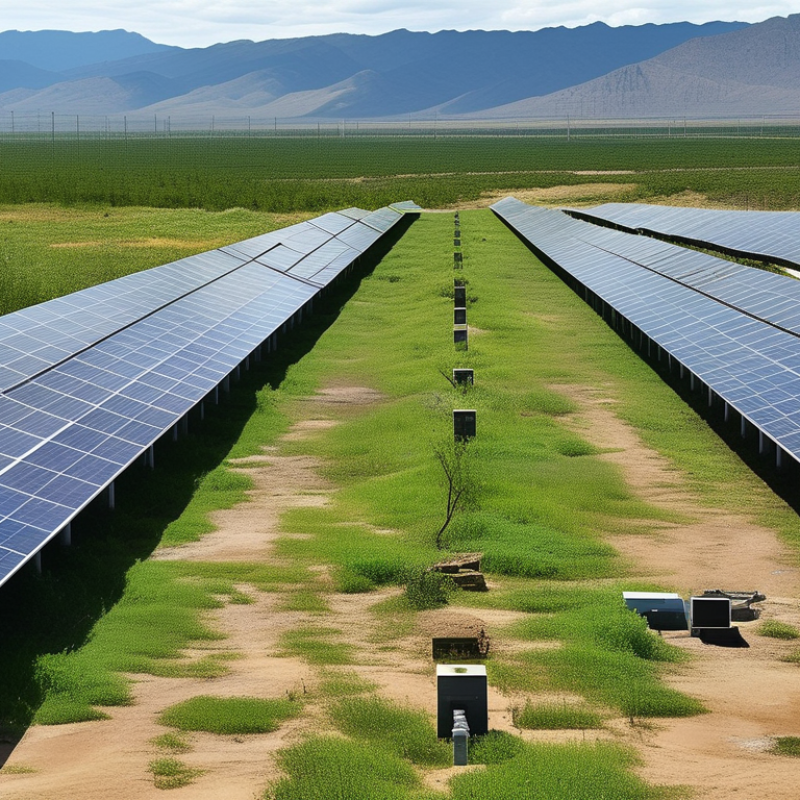
Mini solar panels are increasingly popular in DIY projects, thanks to their versatility and ease of use. These compact systems can generate power for small devices or even larger setups in creative applications. A report from the Solar Energy Industries Association indicates that small-scale solar installations have grown by over 20% annually, highlighting the rising embrace of solar energy in residential settings.
Understanding the basics of mini solar panels involves knowing their components and how they work. These panels consist of photovoltaic cells that convert sunlight into electricity. Efficiency ratings for mini solar panels typically range between 15% to 20%. This means that not all sunlight is converted into usable energy, which is a critical consideration for DIY enthusiasts. Often, users overlook factors such as the angle of installation and shading. These elements play a significant role in overall performance.
Maintenance can be tricky, especially in adverse weather conditions. Regular cleaning is essential to prevent dust accumulation, which can reduce efficiency. Reports suggest that dirt or debris can cut output by up to 25%. Additionally, check for any damage or wear on wiring and connections, as these can lead to significant power losses. Ultimately, successful DIY solar projects require ongoing attention to detail.
Mini solar panels are becoming increasingly popular for DIY projects. To ensure they function at their best, regular cleaning and maintenance are essential. Dust, dirt, and debris can accumulate over time, reducing efficiency. It's important to clean the panels at least every few months. A soft cloth and mild soap mixed with water are effective for cleaning. Avoid using harsh chemicals that can damage the surface.
In addition to cleaning, check for any visible signs of wear or damage. Inspect the wiring and connections regularly. Loose wires can lead to power loss. Additionally, monitor the performance of your solar panels. If you notice a significant drop in output, it could indicate a problem that needs addressing. Remember, maintaining mini solar panels is not just about cleaning. It's about ensuring long-term reliability and performance. Small neglect can lead to bigger issues down the line. Regular checks can help you catch these issues early.
Monitoring the performance of mini solar panels is crucial for optimizing their efficiency in your DIY projects. To start, you can use a simple multimeter to measure the voltage and current output of your panels. This can help you determine the overall power they produce under varying sunlight conditions. It's essential to monitor these metrics regularly to understand how well your panels perform.
Additionally, consider using a solar power data logger. These devices record performance over time and provide valuable insights into energy production. This data can help identify patterns, such as peak production hours and weather impacts. However, many beginners overlook the importance of consistent data recording. Skipping this step can lead to unclear conclusions.
Reflecting on your monitoring process is important. If your power output is lower than expected, ask why. Is there shading or dirt on the panels? Even a small amount of debris can reduce efficiency. Remember, maintaining mini solar panels is about attention to detail. Regular evaluation can enhance performance and extend their lifespan. Keep experimenting and adjusting your methods to achieve the best results.
Maintaining mini solar panels is essential for optimal performance in DIY projects. Common issues include dirt accumulation, poor connections, and shading. According to research, up to 25% efficiency loss can occur if panels are not kept clean. Regular inspections can prevent these issues from escalating.
Dirt and debris can block sunlight, reducing energy output. A simple wash with water and a soft cloth can restore efficiency. Check connections regularly, as loose wires can cause intermittent power loss. Data from the Solar Energy Industries Association indicates that proper wiring reduces failure rates by up to 30%.
Shading is another critical problem. Even a small shadow can impact performance significantly, as panels operate collectively. If a neighbor’s tree grows, consider trimming it to maintain optimal sunlight exposure. Addressing these common issues not only enhances functionality but extends the lifespan of your mini solar panels.
This chart illustrates the average daily energy output of mini solar panels over the course of a week, highlighting common performance issues.
Mini solar panels are excellent for DIY projects, but their lifespan and maintenance require attention. Several factors influence how long these panels last. The environment plays a crucial role. Extreme temperatures, humidity, and exposure to dust can all degrade performance. Ideally, keep the panels clean and shielded from harsh weather.
Regular inspections are necessary, along with cleaning every few months. Dust accumulation can block sunlight, reducing efficiency. Check for cracks or damage to the surface, which can lead to internal issues. Sometimes it’s easy to overlook small problems until they become major ones. Be proactive instead of reactive.
Battery health correlates directly with panel maintenance. Ensure batteries are compatible and properly maintained. Over-discharging or inconsistent charging can reduce their lifespan. Reflect on your setup frequently. Evaluate if improvements could enhance performance. Small changes can lead to better outcomes.
| Factor | Influence on Lifespan | Recommended Maintenance Frequency | Common Signs of Wear |
|---|---|---|---|
| Cleaning | Enhances efficiency and prevents damage | Every 1-3 months | Dust, dirt, and obstruction |
| Weather Protection | Reduces damage from extreme weather | Check before seasonal changes | Cracks or discoloration |
| Wiring Inspection | Essential for preventing power loss | Every 6 months | Frayed or corroded wires |
| Battery Care | Improves energy storage and longevity | Monthly check | Low battery life or swelling |
| Installation Check | Ensures optimal angle and position | Annually | Misalignment or physical obstructions |
: Mini solar panels generate power for small devices and larger setups creatively.
They consist of photovoltaic cells that convert sunlight into electricity.
Their efficiency typically ranges between 15% to 20%. Not all sunlight becomes usable energy.
Effective maintenance prevents efficiency loss and ensures optimal performance.
Dirt accumulation can block sunlight, potentially reducing output by up to 25%.
Common issues include dirt, poor connections, and shading that can reduce energy output.
Even small shadows can significantly reduce performance because the panels work collectively.
Cleaning every few months is recommended to maintain efficiency and prevent damage.
Inspect wiring, connections, and the surface for dirt, cracks, or damage for proactive maintenance.
Properly maintained compatible batteries help maintain panel efficiency and lifespan.
Mini solar panels are becoming increasingly popular for DIY projects due to their versatility and ease of use. Understanding the basics of these panels is crucial for effective application. Regular cleaning and maintenance are essential to ensure optimal performance; dirt and debris can significantly reduce their efficiency. Additionally, using the right tools to monitor power output and efficiency will help you assess how well your solar panels are performing.
Common issues can arise with mini solar panels, such as shading or wiring problems, but knowing how to troubleshoot these effectively can prolong their lifespan. Factors affecting the lifespan and the frequency of maintenance include environmental conditions and the quality of installation. By following these guidelines on how to maintain mini solar panels for DIY projects, enthusiasts can achieve lasting results and maximize their renewable energy investments.
