Shading on solar panels poses significant challenges to energy production. "Why does shading affect a whole pv solar panel string?" is a frequent inquiry in the renewable energy sector. Dr. Emily Carter, a renowned solar energy expert, explains, "Even a small shadow can cause major energy losses in a solar string." This highlights the critical nature of understanding shading's impact.
When one panel is shaded, it can drastically reduce the output of the entire string. This happens because solar panels are connected in series. If a single panel is compromised, the entire array struggles. A mere tree branch or dirt can create issues, leading to inefficiencies.
Moreover, the technology used in current solar panels may not fully mitigate these losses. Many installations still lack advanced shading management systems. As the industry evolves, comprehensive solutions become vital. Acknowledging impacts, such as performance degradation, invites further exploration. In this rapidly changing field, addressing shading effectively could enhance sustainability efforts.
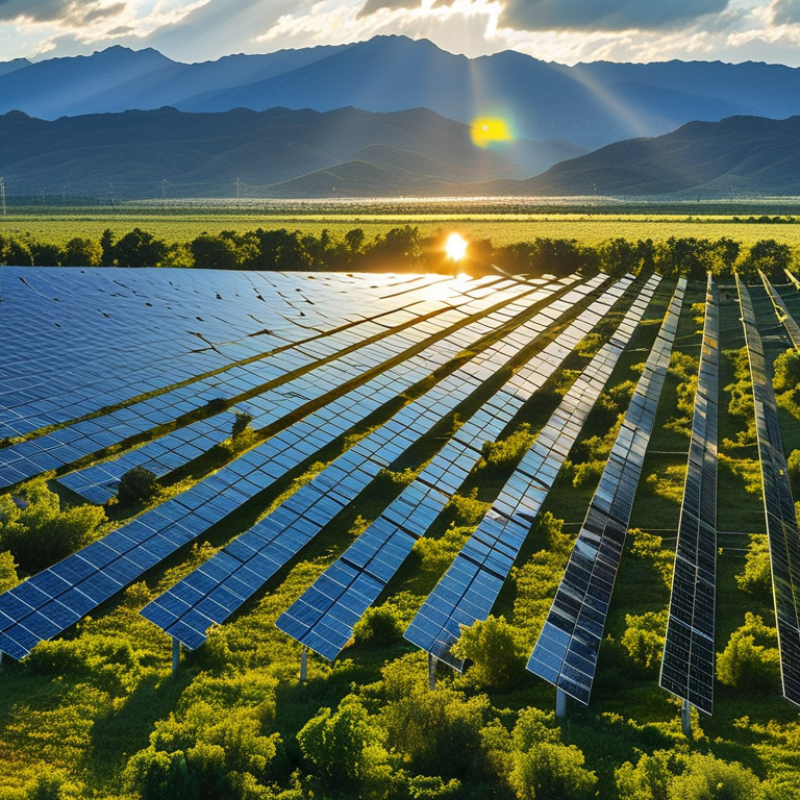
Shading can severely impact the efficiency of solar cells in a photovoltaic system. Even the smallest shadow can cause significant energy loss. When one part of a solar panel is shaded, it can reduce the performance of the entire panel string. This occurs because solar cells are typically connected in series. A shaded cell can create a bottleneck, limiting the current flowing through all connected cells.
Consider how shading can come from trees, buildings, or even dirt accumulation. Any obstruction can lead to a drop in voltage and current output. The energy loss can range from a small percentage to more dramatic declines, depending on the level of shading. Therefore, it’s crucial to assess potential shading during installation.
Tips: Regularly clean your solar panels to prevent dust and debris buildup. Monitor your system's performance to identify any sudden losses in energy output. Evaluate your surroundings for plants or structures that might grow and cause shading over time. Taking proactive steps can help maintain the efficiency of your photovoltaic system.
Understanding the series and parallel configuration of PV solar panels is crucial for effective solar energy deployment. When panels are connected in series, the total voltage increases. This setup, however, is sensitive to shading. If one panel is shaded, it can limit the output of the entire string. The underperforming panel affects the flow of current, leading to reduced energy harvest.
In a parallel configuration, shading impacts are minimized. Each panel functions independently, allowing them to operate based on their own conditions. However, this setup can complicate wiring and management. Balancing the benefits and drawbacks of each configuration is essential for optimizing solar performance.
**Tip:** Regularly clean your solar panels to minimize shading from dirt and debris.
**Tip:** Consider the layout of panels during installation. The positioning can significantly affect overall efficiency and performance.
Understanding these configurations can empower you to make informed decisions about your solar energy system. It’s vital to analyze site conditions and choose the best configuration for your needs.
This chart illustrates the significant impact of shading on the power output of PV solar panels. Without shading, the panels achieve their maximum output. However, as shading conditions worsen, the power output drastically decreases.
Shading can significantly affect the overall performance of a photovoltaic (PV) solar panel string. When a part of the panel is shaded, it does not produce the same amount of energy as the unshaded sections. This reduction in output power leads to a phenomenon known as "bypass diode" effect. Essentially, when one panel in a string is limited by shading, it can drag down the performance of all connected panels. Understanding this mechanism is crucial for optimizing solar energy systems.
Quantifying losses due to shading is vital for effective energy yield assessment. Studies show that even a small shadow can reduce energy production by up to 30%. For example, a tree branch or a nearby building can create unexpected shading. The energy yield diminishes as shadows shift throughout the day. This highlights the need for regular maintenance and optimal placement of solar arrays. Plan to monitor and evaluate potential shading scenarios during installation. It is important to remember that each solar installation is unique. Ignoring shading effects can lead to financial losses over time.
Shading can significantly influence the performance of a photovoltaic (PV) solar panel string. When parts of a panel are shaded, the entire string suffers. This is because the electricity produced depends on the least productive cell. To mitigate this impact, bypass diodes play a crucial role.
Bypass diodes allow the current to bypass shaded or damaged cells. They help maintain overall power output even when parts of the panel are less efficient. However, relying solely on bypass diodes may not always be a complete solution. They can provide temporary relief, but shaded panels still lose significant energy production.
Understanding how bypass diodes function is essential for solar system design. Each bypass diode connects to a group of cells, offering a pathway when shading occurs. Still, the effectiveness of these diodes depends on proper installation and configuration. If not appropriately applied, they might not compensate for substantial shading. This reflects the need for careful planning in PV installations to ensure optimal energy yield.
Shading can drastically reduce the efficiency of a PV solar panel string. A single shaded cell can cause a drop in output for the entire string. According to a report by the National Renewable Energy Laboratory, shading can reduce energy production by more than 25%. Understanding this impact is crucial for effective solar system design.
To minimize shading issues, proper site assessment is essential. Solar panels should be installed in areas free from obstructions like trees or buildings. Designers should consider seasonal changes in sunlight and the height of neighboring structures. Advanced modeling tools can help assess potential shading impact before installation.
Another best practice is to use optimizers or microinverters instead of standard string inverters. These devices can mitigate energy loss from shaded panels. The Department of Energy reports that such technologies can improve energy output by up to 30% under partial shading conditions. While costs may be higher, the long-term benefits often outweigh these initial investments.
: The total voltage increases, but shading affects the entire string.
A shaded panel can reduce the output of the whole string by over 25%.
Each panel operates independently, minimizing shading issues.
Wiring and management can be more complicated.
Cleaning panels reduces shading from dirt and debris, enhancing energy capture.
Proper placement avoids obstructions that cause shading, increasing efficiency.
Optimizers or microinverters can improve output under shaded conditions.
Initial investments may be higher, but long-term benefits can justify the costs.
Consider the layout during installation to account for seasonal sunlight changes.
Analyze site conditions and potential shading from buildings or trees.
Shading plays a critical role in the performance of photovoltaic (PV) solar panel systems, fundamentally affecting why does shading affect a whole PV solar panel string. When a portion of a solar panel is shaded, it can significantly reduce the overall efficiency of the entire string due to the series configuration often used in PV systems. This is because the current flowing through the shaded and unshaded cells is constrained by the lowest-performing cell, leading to a drop in output power and energy yield.
To mitigate the adverse effects of shading, understanding the functioning of bypass diodes is essential, as they can help redirect current around shaded cells. Furthermore, careful design practices at the outset of PV system development, which prioritize optimal placement and layout, can minimize shading issues and enhance overall energy production. By analyzing these factors, it becomes evident that addressing shading is crucial for maximizing the efficiency and effectiveness of PV solar panel installations.
