What Size Solar Charge Controller for 400W System Needed?

Time:2026-06-13 Author:Amelia
0%

Choosing the right solar charge controller is crucial for an efficient solar system. For a 400W system, understanding the appropriate specifications is key. According to Dr. Amy Smith, a solar energy expert, "Selecting the right charge controller can optimize performance and prolong system life."

When determining what size solar charge controller do I need for a 400W system, consider factors like battery type and charging current. A solar charge controller regulates voltage and current into the battery bank. Without the correct controller, a system can underperform or even sustain damage.

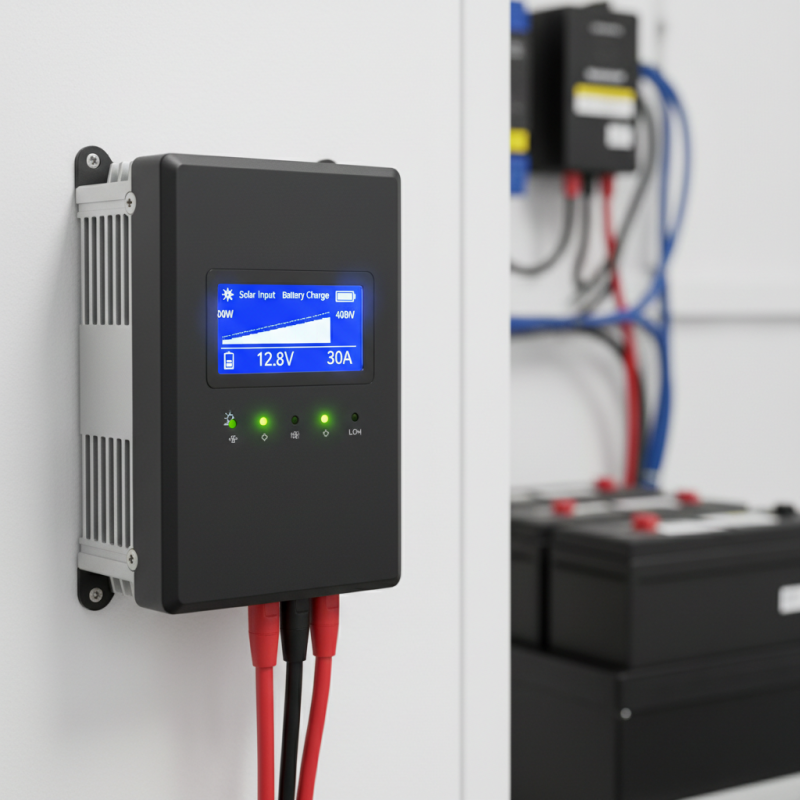
A common rule of thumb is to choose a charge controller with a current rating that can handle the maximum output. For a 400W system with a 12V battery, you might need a controller rated at 30A. This ensures both safety and efficiency. The intricacies of solar technology can be overwhelming. Ensure to consult experts and consider your specific needs for the best results.
What Size Solar Charge Controller for 400W System Needed?

Understanding Solar Charge Controllers and Their Functionality

Understanding solar charge controllers is crucial for anyone installing a solar power system. They manage the flow of electricity from the solar panels to the batteries, ensuring they are charged efficiently and safely. A solar charge controller prevents overcharging, which can damage batteries, and provides vital information about the system's performance.

When selecting a controller for a 400W system, consider the ampage of your solar panels. A controller rated for at least 30 amps is usually adequate. However, it’s important to check the specifications and ensure it aligns with your system. There's no one-size-fits-all answer. Faulty selections can lead to inefficiencies or even hardware damage, drawing unnecessary costs.

Installation is another area that may present challenges. Even knowledgeable users can make mistakes in connections. Regular maintenance is essential. Keep an eye on your charge controller's performance to spot any early signs of issues. Adapting to these nuances brings reliability to your solar system and maximizes its potential.

Calculating the Optimal Size for 400W Solar Systems

Choosing the right solar charge controller (SCC) for a 400W solar system is crucial for optimal performance. The size of the SCC will determine how efficiently it can manage the energy produced. Ideally, for a typical 400W system, a charge controller with a rated current of at least 40A is recommended. This rating accommodates variations in weather and ensures the system can handle peak solar output. Research indicates that substantial losses can occur with inadequate charge controller sizing, often exceeding 20%.

When calculating the optimal size, consider factors like battery voltage and overall system design. For example, a 12V battery setup with a 400W system would need a controller that can support the maximum input from the solar array. Many experts suggest ten to twenty percent headroom to account for unexpected surges in power production.

**Tips:** Regularly check your system's performance. Underperformance could indicate that your charge controller isn't sized properly. Avoid oversizing too much, as this can lead to inefficiencies. Custom systems may require tailored suggestions for SCC selections, so consulting a professional is wise. Always stay informed about technological advancements in charge controllers to optimize your solar energy utilization.

Optimal Size for 400W Solar System Charge Controller

Factors Affecting Solar Charge Controller Sizing

When sizing a solar charge controller for a 400W system, several factors come into play. The first consideration is the total solar panel output. If your panels produce more than 400W, you might need a controller that can handle higher wattage. Typically, it's wise to have a margin, perhaps 20-25%. This ensures the system operates efficiently during peak sunlight.

The battery capacity is also critical. Know your battery voltage, as this will impact the charge controller selection. For instance, a 12V battery system will require a controller that fits within those voltage constraints. Moreover, the type of battery affects the charging profile. Different batteries, like AGM or lithium, each have specific requirements.

Additionally, environmental factors cannot be overlooked. If your installation is in a hot climate, heat may impact performance. Choose a controller rated for higher temperatures. In colder regions, ensure the system can manage low temperatures without failure. Ultimately, these considerations guide proper sizing, ensuring your solar system runs effectively and reliably. Balancing these factors requires careful thought and sometimes trial and error.

Selecting the Right Type of Solar Charge Controller

When selecting a solar charge controller for a 400W system, it’s vital to consider the type. There are two main categories: PWM (Pulse Width Modulation) and MPPT (Maximum Power Point Tracking). PWM controllers are simpler and cost-effective. However, they may not be as efficient in converting energy from the solar panels.

MPPT controllers can offer benefits in energy efficiency. They adjust the voltage and current to harvest more power. If your solar panels frequently operate under varying conditions, an MPPT controller can help optimize the performance. This choice can be particularly useful in cloudier climates or shaded areas.

It’s essential to assess your system’s voltage and battery type before making a purchase. For a 400W system, you'll typically need a controller that can handle at least 40A at 12V. Understanding these specifics is key to ensuring reliability. Missing the right specs can lead to suboptimal performance or even equipment damage.

Installation and Setup Tips for Solar Charge Controllers

Installing a solar charge controller is crucial for a 400W solar system. The right size ensures efficiency and safety. Typically, a charge controller rated between 20A to 30A is recommended. This rating accommodates potential energy production variations and battery needs. According to the National Renewable Energy Laboratory, properly configured systems can enhance battery lifespan by up to 30%.

During installation, consider the placement of the charge controller. It should be in a shaded area and easily accessible. This choice affects temperature control and maintenance. Ensure you connect the solar panels to the controller before connecting to the batteries. Incorrect connections may lead to system failures.

One common mistake is overlooking system monitoring. Regular checks can help identify performance issues early. A well-functioning charge controller maintains a balanced charge and prevents overcharging or discharging of batteries. Monitoring can improve system reliability. Keeping an eye on voltage levels is essential. This proactive approach can save time and costs in the long run.

FAQS

: What is the main function of a solar charge controller?

: It manages electricity flow from solar panels to batteries, ensuring safe and efficient charging.

How do I choose the right charge controller for a 400W system?

Select a controller rated for at least 30 amps and consult specifications for alignment with your system.

What could happen if I select the wrong charge controller?

Faulty selections may lead to inefficiencies or hardware damage, resulting in unnecessary costs.

Why is installation important for solar charge controllers?

Mistakes in connections can occur, even with experience. Proper installation ensures reliable performance.

How can I determine if my charge controller is sized correctly?

Monitor your system's performance regularly. Underperformance may signal improper sizing of the controller.

What factors should I consider when calculating charge controller size?

Consider battery voltage, system design, and allow headroom for unexpected power surges.

What are the differences between PWM and MPPT controllers?

PWM controllers are simpler and cost-effective. MPPT controllers are more efficient and optimize power extraction.

When is an MPPT controller a better choice?

If your panels regularly operate under varying conditions, MPPT controllers can significantly improve performance.

What issues can oversizing a charge controller cause?

Oversizing can create inefficiencies, leading to wasted energy and potential system instability.

How can I stay informed about advancements in charge controllers?

Regularly research industry updates and technology trends to enhance your solar energy utilization.

Conclusion

When considering a solar power setup, understanding the functionality of solar charge controllers is crucial. These devices regulate the charging of batteries in a solar system, ensuring they are charged efficiently while preventing overcharging. To determine what size solar charge controller do I need for a 400W system, you'll need to calculate the total expected current from your solar panels and consider factors such as battery voltage and system configuration.

Calculating the optimal size involves assessing the wattage, panel output, and typical energy consumption. It is also essential to take into account environmental factors that may affect performance. Different types of solar charge controllers, including PWM and MPPT, have varying efficiencies and features that can influence your choice. Proper installation and setup are equally important to maximize system performance and longevity. By understanding these aspects, users can select the appropriate controller for their 400W solar system, ensuring efficient energy use and reliable operation.

Amelia

Amelia

Amelia is a seasoned marketing professional with a wealth of expertise in our company’s core offerings. With an unwavering passion for driving growth and innovation, she plays a pivotal role in shaping our marketing strategies and enhancing brand visibility. A key aspect of her responsibilities......