Why Is My Solar Battery Draining at Night Solutions Explained

Time:2026-07-22 Author:Madeline
0%

Understanding "why is my solar battery draining at night" is crucial for solar panel users. Many face unexpected power losses from their batteries after the sun sets. As solar energy systems gain popularity, night-time battery performance becomes a common concern.

Battery technology and usage heavily influence performance. A well-functioning battery should maintain charge overnight. However, factors such as improper sizing, age, and temperature impact this. Sometimes, users overlook the importance of battery maintenance. A simple check might reveal issues that require immediate attention.

Diagnosing the root cause can be challenging. Users need to reflect on their solar setup and usage patterns carefully. Recognizing these issues leads to better energy management and efficient usage. Solutions may vary, but proactive measures can enhance battery performance at night. A reliable energy source should never be compromised by ignorance or neglect.
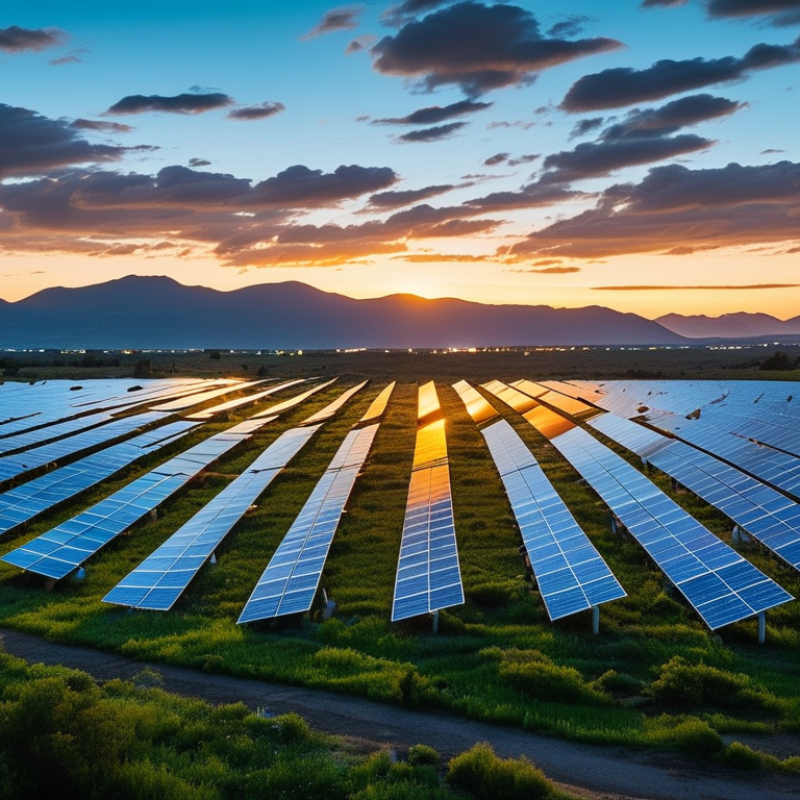
Why Is My Solar Battery Draining at Night Solutions Explained

Why Solar Batteries Drain at Night: Understanding the Issue

Solar batteries are essential for storing energy during the day for nighttime use. However, many users report unexpected drainage at night. Understanding this issue is crucial for efficient energy management. Research indicates that an average solar battery can lose around 3-5% of its charge due to self-discharge, depending on the technology used. Older batteries may experience higher rates of drainage, sometimes exceeding 10%.

Several factors contribute to this phenomenon. One significant reason is the energy consumption of connected devices. Even when not in active use, some appliances draw power. Additionally, temperature fluctuations can affect battery performance. According to industry studies, batteries perform optimally between 20-25°C. Going outside this range can increase resistance and energy loss.

**Tips for Managing Drainage**: Ensure your battery is properly sized for your energy needs. Regularly monitor energy consumption at night. Consider using energy-efficient appliances to reduce the load on your solar system. Checking connections and maintaining battery health can prevent unexpected losses. Regular equipment inspections can identify potential issues early, ensuring you're not left in the dark.

Why Is My Solar Battery Draining at Night Solutions Explained

Issue Causes Solutions
Self-Discharge Batteries naturally lose charge over time Regularly check battery health; replace old batteries
Inverter Drain Inverters can consume power even when idle Switch off inverters when not in use
Phantom Load Connected appliances continue to draw power Unplug appliances or use smart plugs
Temperature Effects Extreme temperatures affect battery performance Install batteries in a regulated temperature environment
Battery Age Older batteries lose charge capacity Consider replacing batteries after their lifespan

Common Causes of Nighttime Solar Battery Drain Explained

Nighttime solar battery drain can be frustrating for many users. Various factors contribute to this issue. One common cause is the self-discharge rate of the battery. Most lithium-ion batteries lose about 5% to 10% of their charge every month. This means that even without usage, they gradually lose energy.

Another reason could be the inverter's standby power consumption. Inverters require energy to function properly. On average, they can draw between 5 to 15 watts when idle. This consistent energy draw can compound over time, leading to noticeable battery drain during the night.

Ambient temperature also plays a crucial role. Batteries perform optimally between 20°C to 25°C (68°F to 77°F). Outside of this range, efficiency drops, leading to increased drain. Cold temperatures can reduce battery capacity by as much as 20%. Monitoring these factors can help you tackle excess nighttime drain effectively.

The Role of Inverters in Solar Battery Efficiency During Night Hours

Inverters play a crucial role in the efficiency of solar batteries, especially during nighttime. They convert DC power from batteries into AC power for home use. Poor-quality inverters can lead to energy loss, often draining your battery faster than expected. According to the U.S. Department of Energy, a reputable inverter should have an efficiency rate of over 95%. If your inverter falls below this, it might be time to reassess.

Battery drain at night can often be tied to the inverter's compatibility with the battery type. Some inverters are better suited for lithium batteries, while others work well with lead-acid options. This mismatch can lead to increased losses. A study from NREL shows that using compatible inverters can reduce nighttime energy drain by 15%. Assessing your setup regularly can help identify any inefficiencies.

Tips: Monitor your inverter’s efficiency regularly. This can reveal potential losses. Maintain your battery and inverter in optimal conditions. Consider investing in high-quality components. Regular maintenance is key to long-lasting performance. Being aware of energy consumption habits is also crucial. Small adjustments can lead to significant savings over time.

Impact of Temperature and Climate on Solar Battery Performance

Temperature and climate play a crucial role in solar battery performance. Studies indicate that for every 1°C increase in temperature, battery efficiency can drop by 1% to 2%. High temperatures can lead to faster degradation of battery cells. This effect is particularly noticeable in regions with intense heat, as batteries are less effective in charging and discharging.

Cold temperatures also impact battery performance. At low temperatures, chemical reactions slow down within lithium-ion batteries, reducing their capacity and efficiency. Research shows that battery output can decrease by as much as 20% in temperatures below freezing. Users in northern climates may notice significant drops in stored energy during winter nights.

Humidity presents another challenge. Elevated moisture levels can affect the internal components of batteries, leading to potential corrosion and reduced lifespan. It’s essential to assess local climate factors when installing solar systems. Understanding how temperature and humidity interact with battery systems can help users find solutions to prevent draining issues at night. Proper insulation, temperature regulation, and selecting batteries designed for specific climates can optimize performance.

Solar Battery Discharge at Night vs. Temperature

The chart illustrates how solar batteries tend to discharge more at higher temperatures during nighttime hours. As the temperature increases from 0°C to 40°C, the battery discharge (measured in ampere-hours, Ah) also increases significantly. This highlights the importance of temperature in solar battery performance.

Solutions to Minimize Nighttime Drain of Your Solar Battery

Nighttime discharge of solar batteries can be frustrating. Several factors contribute to this issue. One significant reason is self-consumption by the battery management system (BMS). Studies indicate that about 10-20% of battery capacity is used for internal processes at night. Understanding this can help you take action.

One effective solution is to optimize your battery's settings. Ensure that the BMS is updated regularly. Many newer models have efficient algorithms to minimize energy waste. Proper placement of your solar panels also matters. Shading or dirt on panels can reduce charging efficiency during the day. This inefficiency can lead to greater drain at night.

Battery insulation is another consideration. Cold temperatures can decrease the performance and capacity of batteries. A thermal blanket may help maintain optimal temperatures. Some users report significant improvements with this simple addition.

Tip: Conduct regular checks on your battery's health. This ensures that you catch any performance drop early.

Tip: Consider using a smart energy monitor. It tracks how much power is consumed at night and helps identify unexpected drains.

Especially if you notice unusual patterns, don't hesitate to reflect and adjust your system accordingly. Your attention can lead to better efficiency and longevity for your solar battery.

FAQS

: What causes nighttime solar battery drain?

: Common causes include self-discharge rates and inverter power consumption. Batteries can lose 5% to 10% monthly.

How much energy do inverters consume when idle?

Inverters draw between 5 to 15 watts when not in use. This can add up over time and drain batteries.

Does temperature affect battery performance at night?

Yes, batteries perform best at 20°C to 25°C. Cold conditions can lower capacity by up to 20%.

How can I improve my inverter's efficiency?

Regularly monitor the inverter’s efficiency. Ensure it meets the optimal rate of over 95% for better performance.

What role does the Battery Management System (BMS) play?

The BMS uses 10-20% of battery capacity for internal processes at night, contributing to drain.

Should I update my BMS settings?

Yes, updating the BMS ensures it uses efficient algorithms, reducing unnecessary energy waste.

How can solar panel placement affect nighttime drain?

Improper placement can lead to shading and dirt, decreasing charging efficiency. This increases nighttime energy loss.

What can I do about battery insulation?

Using a thermal blanket can improve battery performance in cold weather. Many users report better results with this method.

How can I identify unusual energy drains at night?

A smart energy monitor tracks night power consumption. It helps identify unexpected drains and patterns.

What are some small adjustments that can lead to savings?

Regular maintenance, monitoring habits, and optimizing settings can improve efficiency and prolong battery life.

Conclusion

The article titled "Why Is My Solar Battery Draining at Night: Solutions Explained" delves into the reasons behind nighttime battery drainage in solar systems. It begins by addressing common causes that contribute to this issue, such as self-discharge, inverter inefficiencies, and the natural consumption of energy by connected devices. The role of inverters is highlighted, as they significantly affect solar battery performance during nighttime hours. Additionally, the impact of temperature and climate on battery efficiency is discussed, emphasizing how environmental factors can exacerbate drainage.

To combat these challenges and answer the question, "why is my solar battery draining at night," the article suggests practical solutions. These include optimizing inverter settings, reducing the load on the battery, and ensuring proper insulation and temperature control. By implementing these strategies, solar battery users can minimize nighttime drainage and enhance the overall efficiency of their solar energy systems.

Madeline

Madeline

Madeline is a dedicated marketing professional with a wealth of expertise in our company's core offerings. With a keen understanding of the industry, she brings a unique perspective to her role, consistently delivering high-quality content that highlights the superior aspects of our products. As......