Top 10 Tips to Clean Solar Panels Without Scratching Glass?

Time:2026-08-16 Author:Isabella
0%

Cleaning solar panels effectively is crucial for optimal performance. Many homeowners face the challenge of how to clean solar panels without scratching the glass. Dirty panels can significantly reduce energy output. Therefore, proper cleaning techniques are essential.

When approaching this task, it is important to consider the materials and tools used. Harsh chemicals or abrasive tools can easily damage the delicate glass surface. Instead, using soft brushes or microfiber cloths can help maintain panel integrity while ensuring cleanliness.

In your cleaning efforts, remember that water quality matters. Hard water can leave mineral deposits on glass, diminishing efficiency over time. Regular inspections can also prevent long-term damage and help identify potential issues early. Keeping panels clean not only enhances their efficiency but also extends their lifespan.
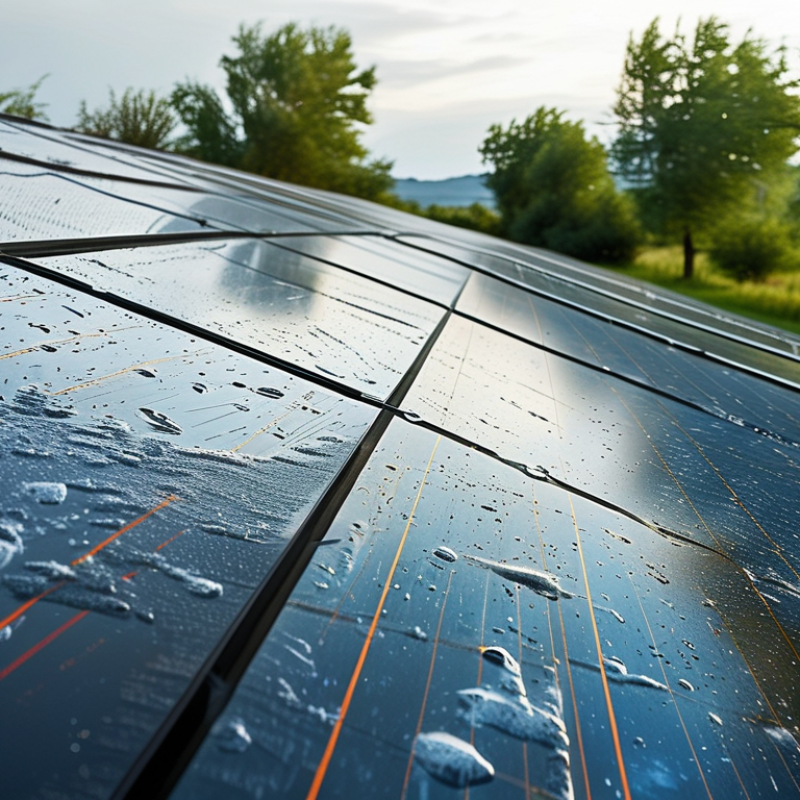
Top 10 Tips to Clean Solar Panels Without Scratching Glass?

Understanding the Importance of Keeping Solar Panels Clean

Keeping solar panels clean is crucial for optimal performance. A report from the National Renewable Energy Laboratory highlights that dirty panels can lose up to 25% of their efficiency. Dust, bird droppings, and pollen obstruct sunlight, significantly reducing energy generation. Regular cleaning ensures that your panels capture maximum sunlight, leading to improved energy savings.

Professional recommendations suggest cleaning solar panels every six months. This frequent maintenance is important, as accumulated dirt can become harder to remove over time. Failing to clean regularly may result in costly repairs and decreased lifespan of the panels. Some studies indicate that neglecting proper cleaning can lead to a 10% decrease in electricity production annually.

Moreover, using improper cleaning techniques can scratch the glass surface of the panels. Using abrasive materials or harsh chemicals can cause irreversible damage. Soft brushes and mild soap are safe options. This careful approach not only protects your investment but also enhances the panels' longevity. Balancing effective cleaning with the right methods is key to maximizing solar energy production.

Top 10 Tips to Clean Solar Panels Without Scratching Glass

Choosing the Right Time and Weather Conditions for Cleaning

Cleaning solar panels requires careful attention to timing and weather conditions. The ideal temperature for cleaning solar panels is between 50°F and 60°F. Too hot, and the cleaning solution can evaporate quickly. This makes rinsing ineffective, potentially leaving residues. Too cold, and you risk damaging the glass. A moderate day helps ensure the cleaning process is effective.

Humidity plays a significant role. Reports indicate that cleaning on a dry, sunny day might create more streaks. Some experts recommend early mornings or late afternoons when humidity is higher. This allows solutions to stay wet longer. Windy conditions can also worsen cleaning outcomes by blowing debris onto the panels. Look for a calm day to ensure thorough cleaning.

When you clean, avoid abrasive materials. A soft sponge or cloth works best. Instead of scrubbing hard, gently wipe the surface. High-pressure water can cause scratches. Use a garden hose with a nozzle to rinse. Remember to consider the angle of the panels during cleaning; steep angles may result in runoff that needs redirecting. Taking these precautions can help maintain the efficiency and longevity of your solar panels.

Selecting Appropriate Tools and Materials for Cleaning

When it comes to cleaning solar panels, choosing the right tools and materials is crucial. Soft-bristle brushes work wonders. They gently remove dirt without scratching the glass. Look for brushes specifically designed for delicate surfaces. These are less likely to cause damage. Avoid using steel wool or abrasive pads, as they can leave permanent marks.

Additionally, the cleaning solution matters. Opt for a mild soap mixed with water. Avoid harsh chemicals that could harm the panels. A mixture of water and vinegar can be effective too. Use it sparingly to avoid any streaks. A squeegee with a rubber blade is also useful for removing excess water. It helps prevent water spots, which can be unsightly.

Lastly, don't forget the basics. Always clean on a cloudy day or when the panels are cool. Direct sunlight can dry the solution too quickly, leaving residue behind. Take your time and pay attention to details. Rushing through might leave you with a less-than-ideal result. Cleaning solar panels can be a straightforward task with the right approach.

Step-by-Step Guide to Safely Clean Solar Panel Surfaces

Cleaning solar panels requires careful handling to avoid scratches. Start by assessing the panel's condition. Ensure there is no brittle residue, which can cause damage during cleaning. The ideal time to clean is either early morning or late afternoon. This prevents the panels from heating up too quickly, which can lead to streaks.

Use a soft brush or sponge to gently scrub the surface. Look for brushes that are specifically designed for solar panels. It’s essential to use a non-abrasive cleaner that won’t harm the glass. Tap water is usually sufficient for the job. If your panels are particularly dirty, consider adding a small amount of dish soap to the water.

Rinse thoroughly with clean water after scrubbing. Avoid using high-pressure water, as it can cause damage. A gentle stream works best. For hard-to-reach areas, use a garden hose with an extended nozzle. Always make sure to check for any signs of wear or damage after cleaning. You want to maintain efficiency without compromising the panel's integrity.

Top 10 Tips to Clean Solar Panels Without Scratching Glass

Tip Number Cleaning Tip Recommended Tools Frequency
1 Use Soft Brush Soft bristle brush Every 3 months
2 Rinse with Water Water hose Monthly
3 Use Distilled Water Distilled water As needed
4 Avoid Harsh Chemicals None Always
5 Clean on Overcast Days None As needed
6 Use a Squeegee Rubber squeegee Every 3 months
7 Check for Damage Visual inspection Monthly
8 Use Microfiber Cloth Microfiber cloth Every 6 months
9 Hire Professionals Professional service Annually
10 Avoid Walking on Panels None Always

Tips for Regular Maintenance to Prevent Future Dirt Build-up

Regular maintenance of solar panels is essential to ensure their efficiency and longevity. According to industry reports, a clean solar panel can produce 20% more energy than a dirty one. Yet, many homeowners overlook this crucial aspect. It's important to establish a routine cleaning schedule based on your area's weather conditions. If you live in a dusty region, consider checking your panels monthly.

One effective tip for maintenance is to use a soft brush with water to prevent dirt accumulation. Avoid using harsh chemicals that may damage the glass. Another suggestion is to check for debris, like leaves or bird droppings. Removing these promptly can save time and effort during major cleanings. You might think a simple rinse once in a while is enough, but professionals recommend more frequent checks.

Remember to monitor any visible changes in energy output. A significant drop may indicate a need for deeper cleaning. Studies show that neglecting maintenance can lead to a 25% reduction in energy production over time. Stay proactive and consider using professional services for hard-to-reach panels. Regular assessments ensure your system operates efficiently for years to come.

FAQS

: What is the best temperature for cleaning solar panels?

: The ideal temperature lies between 50°F and 60°F for effective cleaning.

Why should humidity be considered when cleaning?

Higher humidity allows cleaning solutions to stay wet longer, reducing streaks.

What materials should I avoid when cleaning solar panels?

Avoid abrasive materials like steel wool or harsh pads to prevent scratches.

Can I clean solar panels in direct sunlight?

It's better to clean on cloudy days to prevent quick drying of the solution.

How often should I clean my solar panels?

Consider cleaning monthly in dusty areas to maintain efficiency.

What should I use to rinse the panels?

A garden hose with a nozzle is ideal for rinsing without causing damage.

How does maintenance affect energy production?

Neglecting maintenance can reduce energy production by up to 25% over time.

What tools are recommended for cleaning?

Use soft-bristle brushes and a squeegee to avoid scratches and water spots.

Can I just wash the panels occasionally?

Regular checks are crucial; occasional rinsing may not be sufficient.

How can I tell if my panels need cleaning?

Monitor energy output; a significant drop may indicate they need deeper cleaning.

Conclusion

Keeping solar panels clean is essential for maximizing their efficiency and lifespan. To learn how to clean solar panels without scratching the glass, it’s important to understand the best times and weather conditions for cleaning, as well as the appropriate tools and materials to use. Following a careful, step-by-step guide will help ensure that the cleaning process is safe and effective.

Regular maintenance is key to preventing dirt build-up, which can impact performance. By scheduling routine cleanings and utilizing gentle cleaning techniques and materials, you can maintain your solar panels' effectiveness while avoiding any potential damage to the glass surface. Prioritizing these practices will not only enhance energy production but also extend the life of your solar investment.

Isabella

Isabella

Isabella is a dedicated marketing professional with a sharp focus on driving brand growth and engagement through strategic content creation. With an extensive background in digital marketing, she combines her passion for storytelling with her keen understanding of industry trends to deliver......