Explore our premium selection of highly reliable solar engineering solutions, built to optimize Levelized Cost of Electricity (LCOE) across diverse global installations.
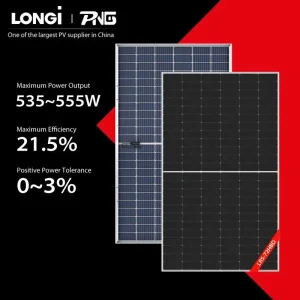
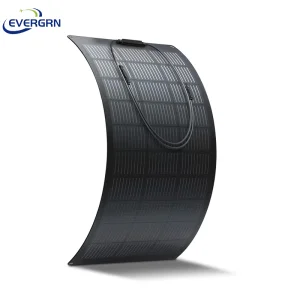
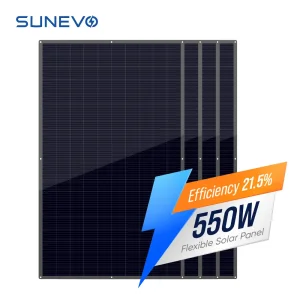
The global transition toward carbon neutrality has established utility-scale solar installations as the backbone of modern power grids. As developers, EPC (Engineering, Procurement, and Construction) companies, and utility operators scale up infrastructure, the demand for highly optimized, bankable, and CE certified utility-scale solar panels has accelerated. To survive and thrive in this multi-gigawatt landscape, technology integration and compliance must evolve beyond standard baselines.
"The viability of modern solar infrastructure depends completely on minimizing Levelized Cost of Electricity (LCOE). Achieving this requires high-efficiency N-type double glass bifacial modules that maximize rear-side albedo gains while offering uncompromising resistance against environmental degradation."
P-type PERC has officially ceded leadership to N-type TOPCon (Tunnel Oxide Passivated Contact) and Heterojunction (HJT) technologies. These newer architectures offer higher temperature coefficients, negligible Light-Induced Degradation (LID), and superior low-light performance, leading to a 3% to 5% increase in energy yields over standard configurations.
Bifacial solar modules have transitioned from a premium option to a utility-scale standard. By utilizing dual-glass encapsulation, these systems capture reflected light from the ground, boosting electricity generation by up to 25% depending on ground albedo, while shielding the cells from mechanical stresses.
Deploying ultra-high-power modules (600W to 750W+) reduces structural cabling, rack counts, trackers, and installation labor. This optimization drastically slashes the Balance of System (BOS) cost per watt, which translates directly to higher project margins for developers.
Financial institutions and institutional investors demand certified safety and bankability. CE marking, IEC 61215/61730 certifications, and rigorous third-party audits (such as PVEL/DNV GL performance testing) are non-negotiable prerequisites to secure project financing.
Procuring equipment for multi-megawatt configurations involves balancing technological superiority, regulatory compliance, logistical stability, and financial feasibility. Utility-scale buyers are facing unique procurement challenges that demand resilient partners rather than transactional suppliers.
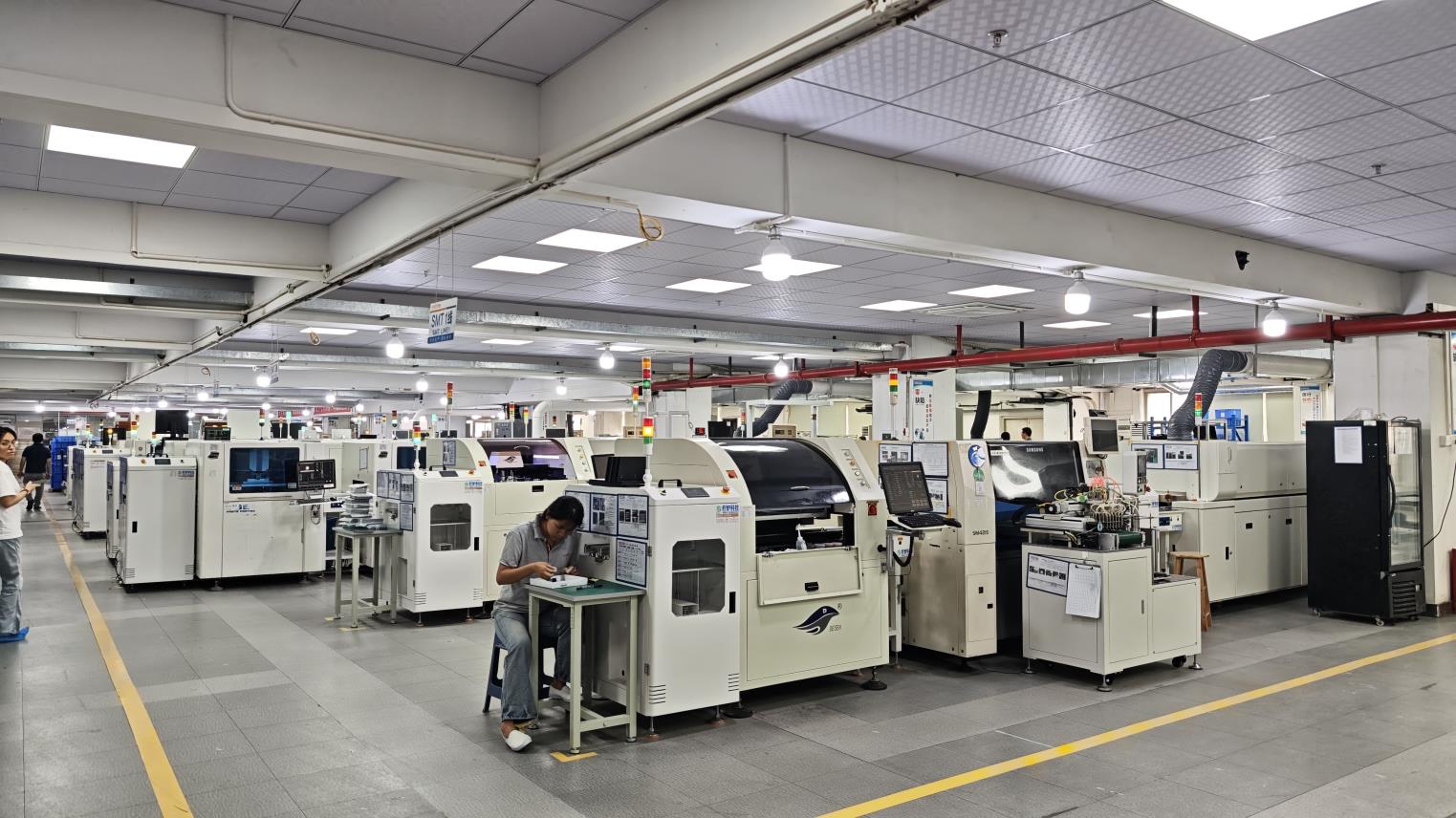
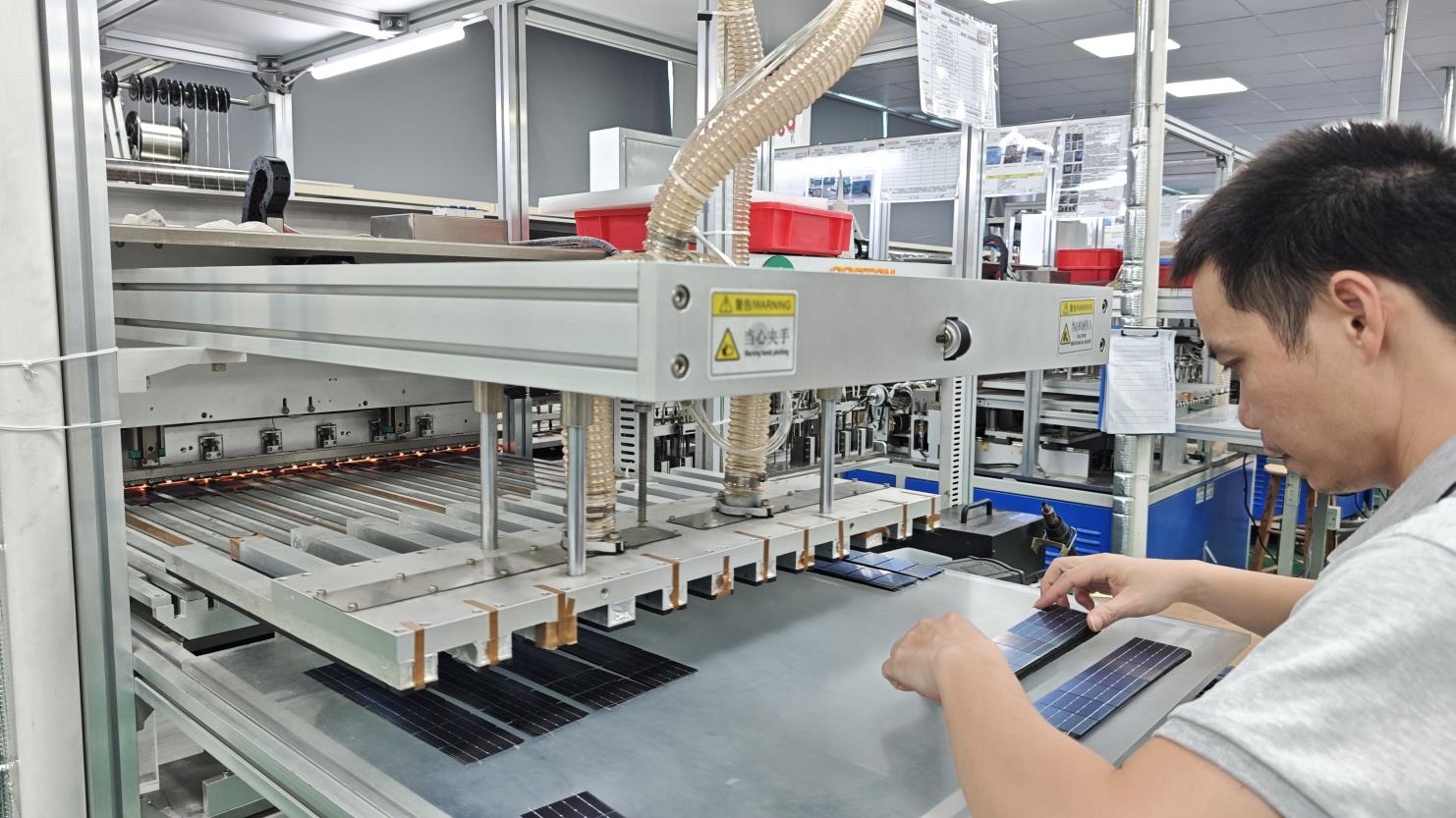
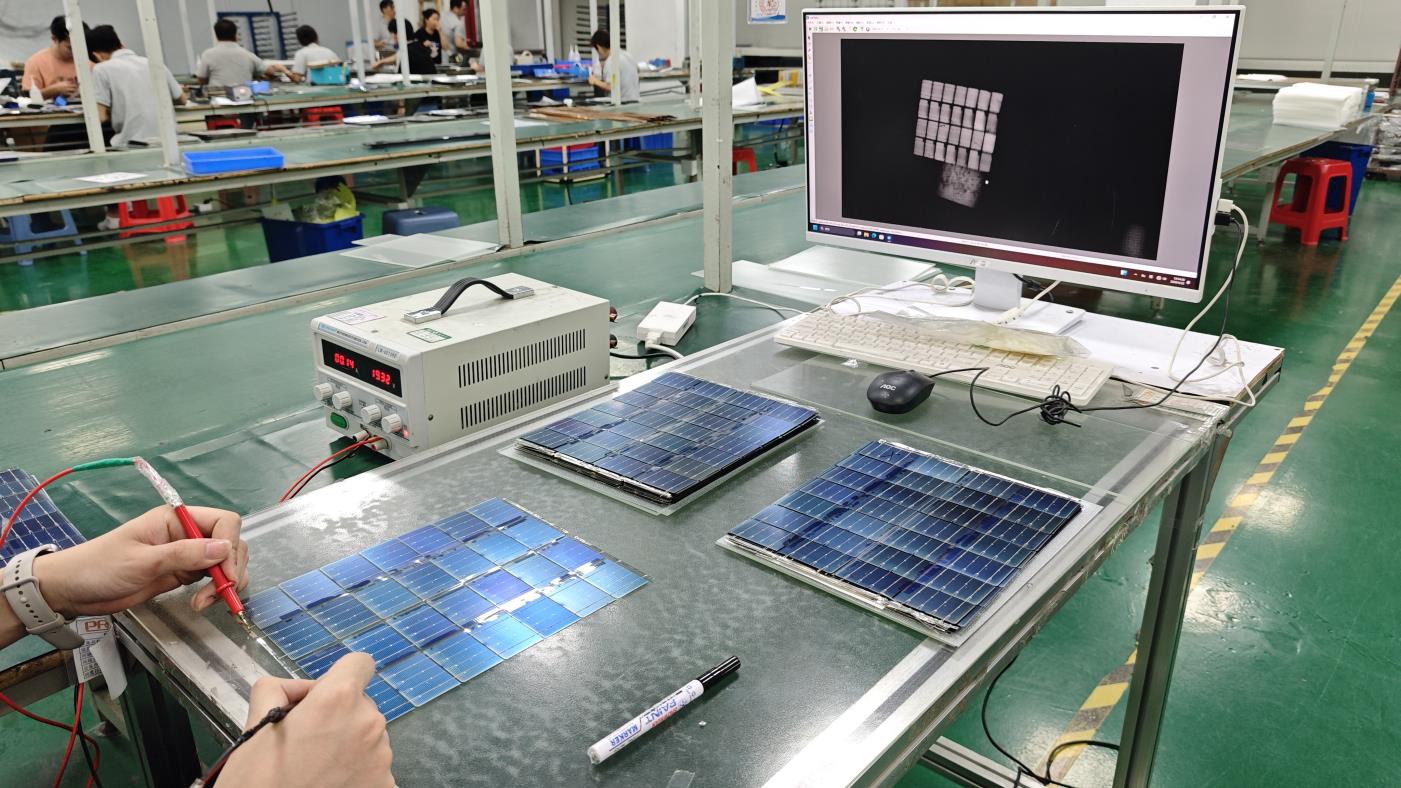
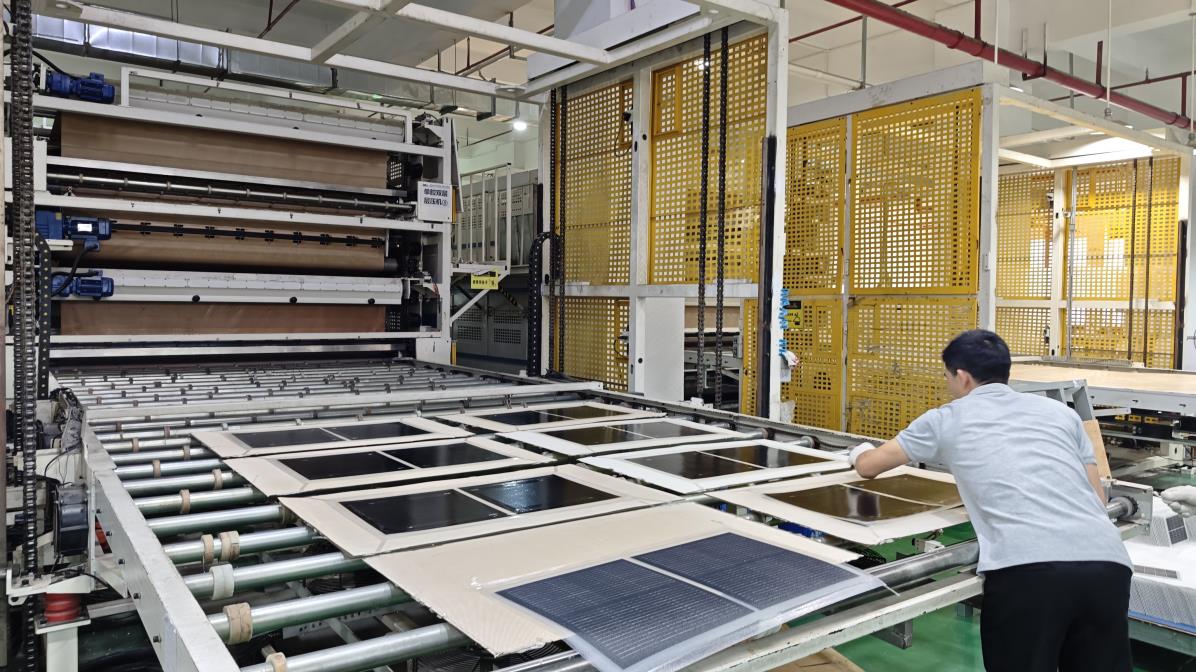
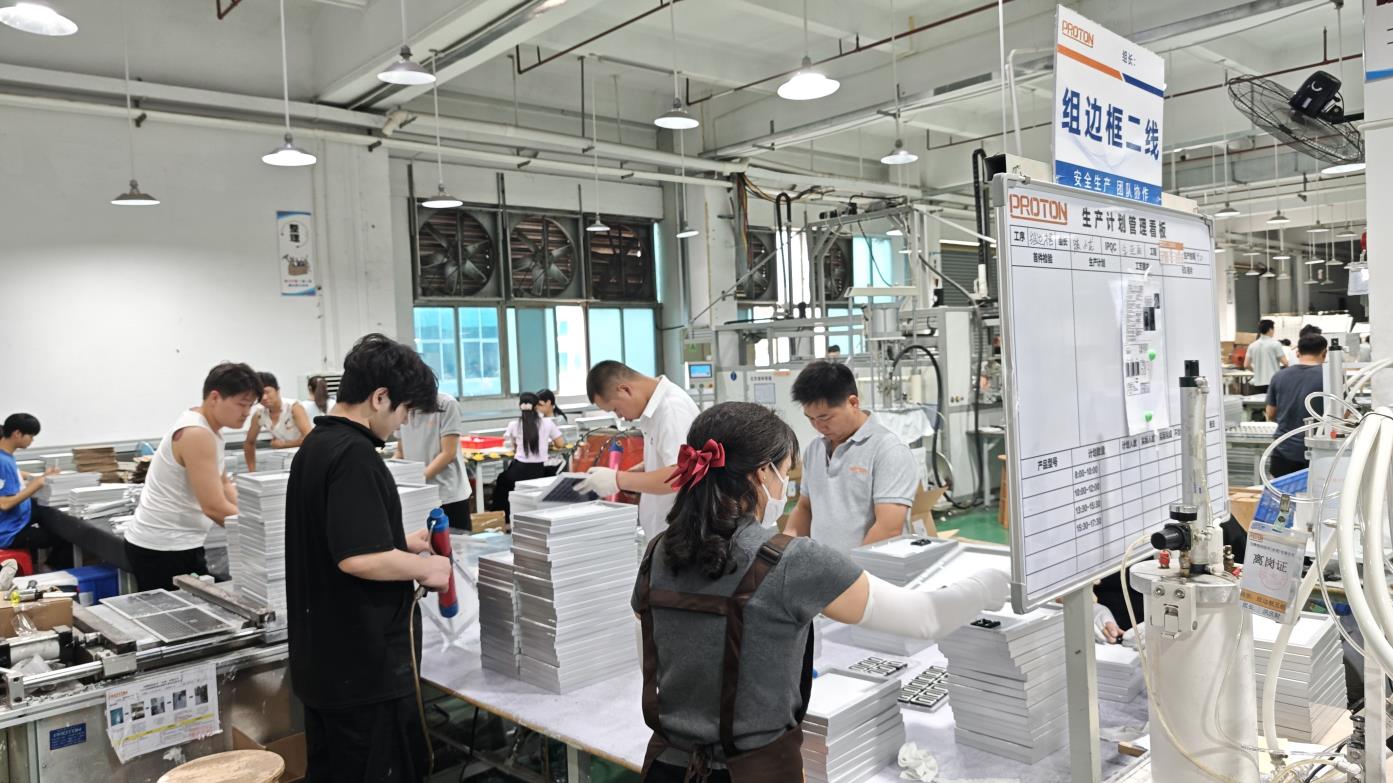
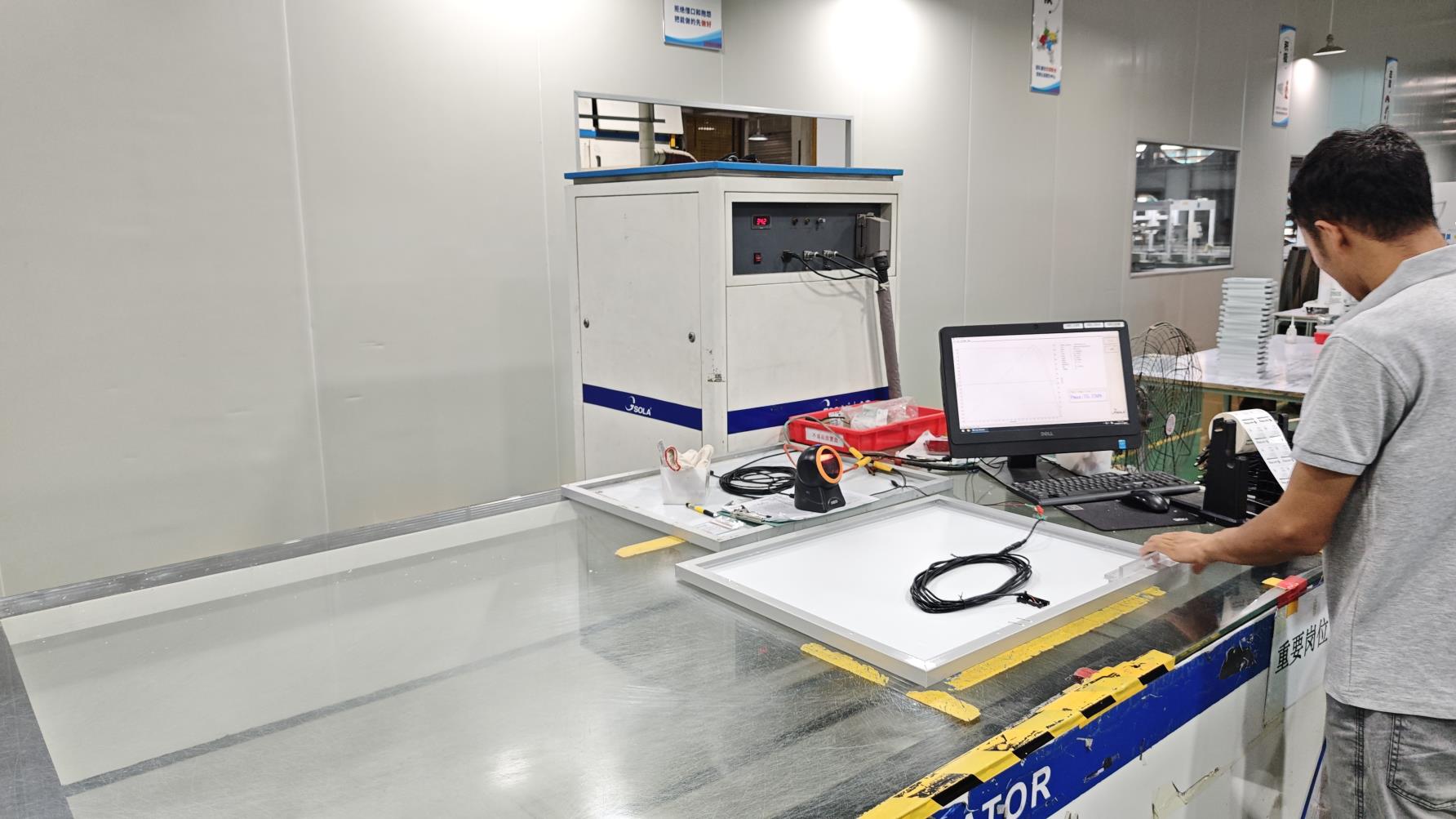
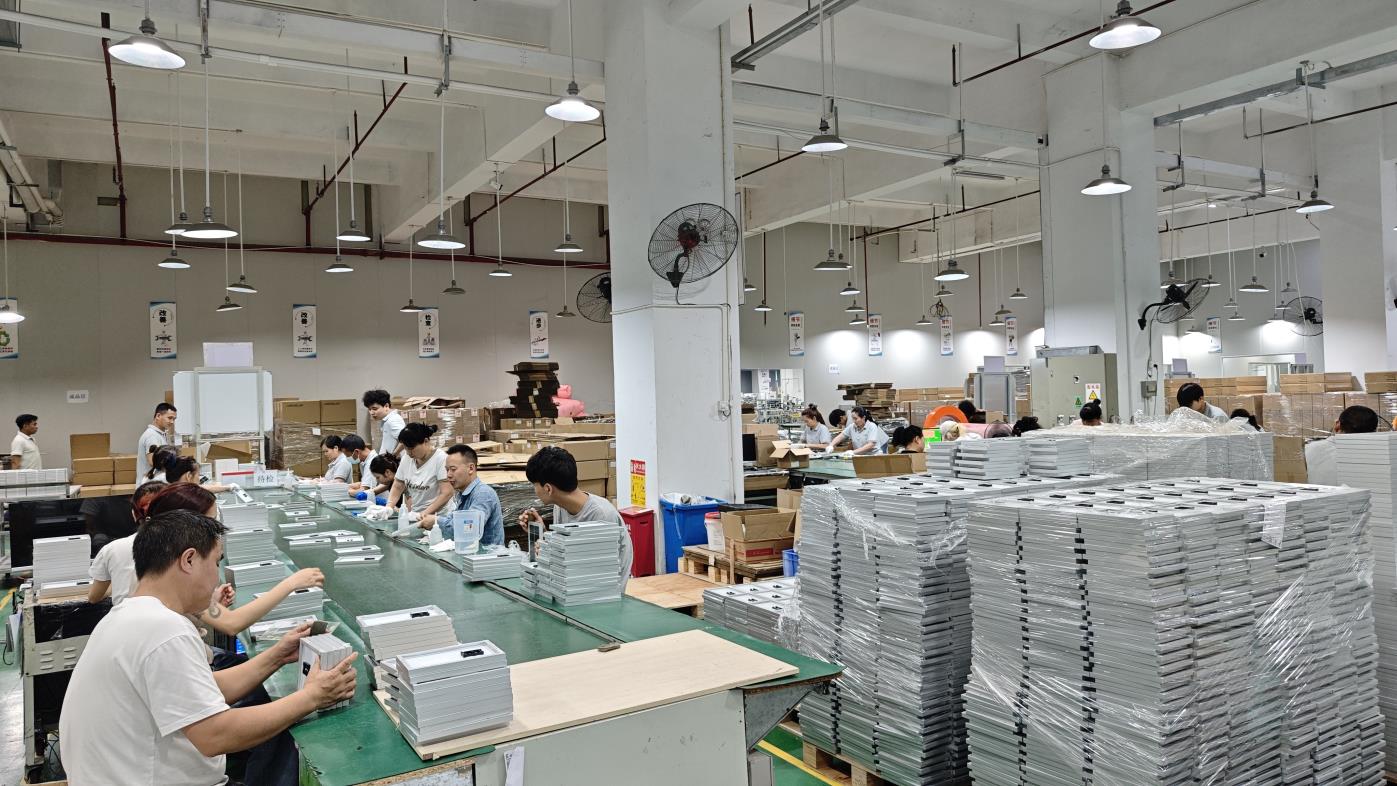
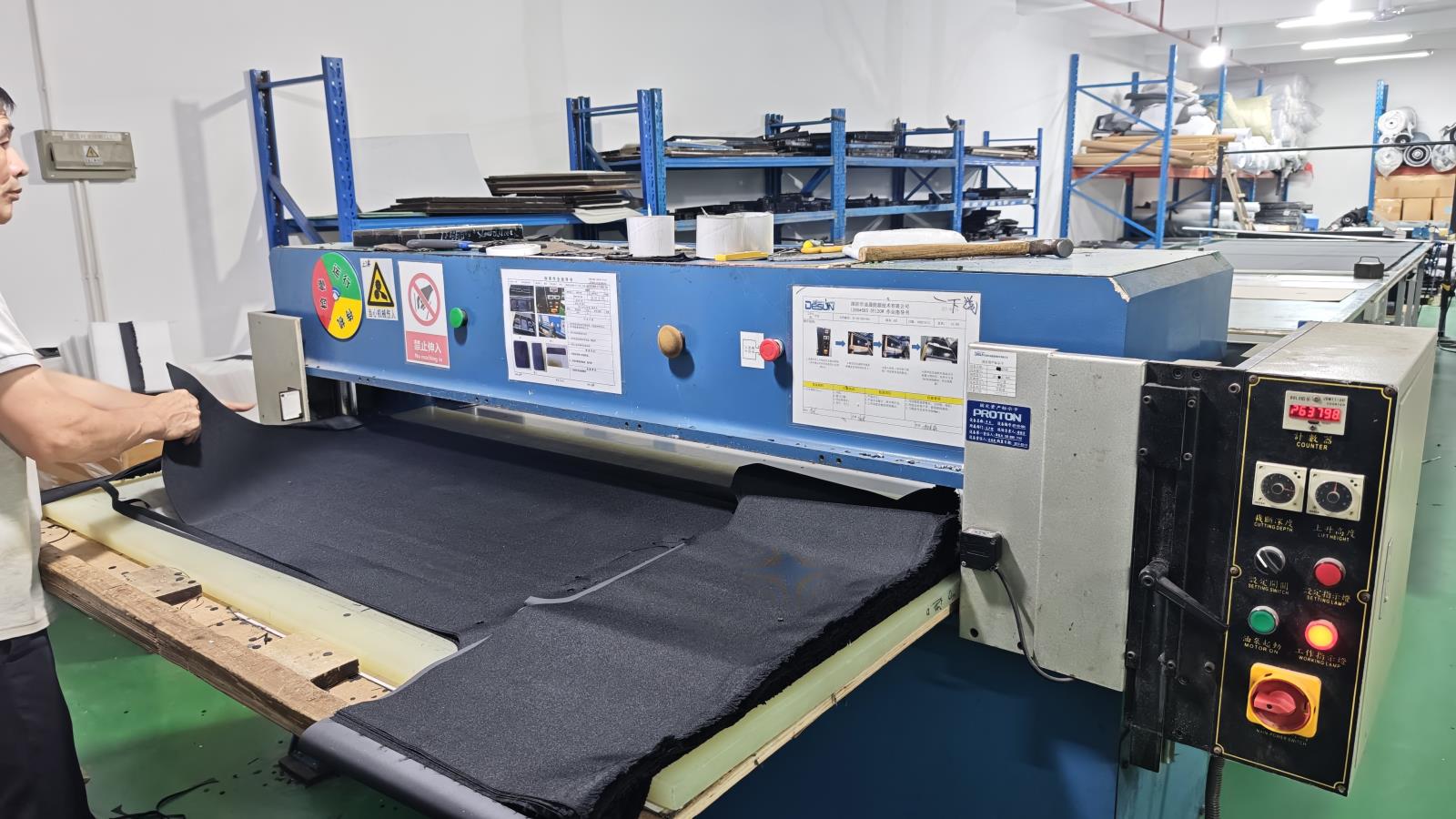
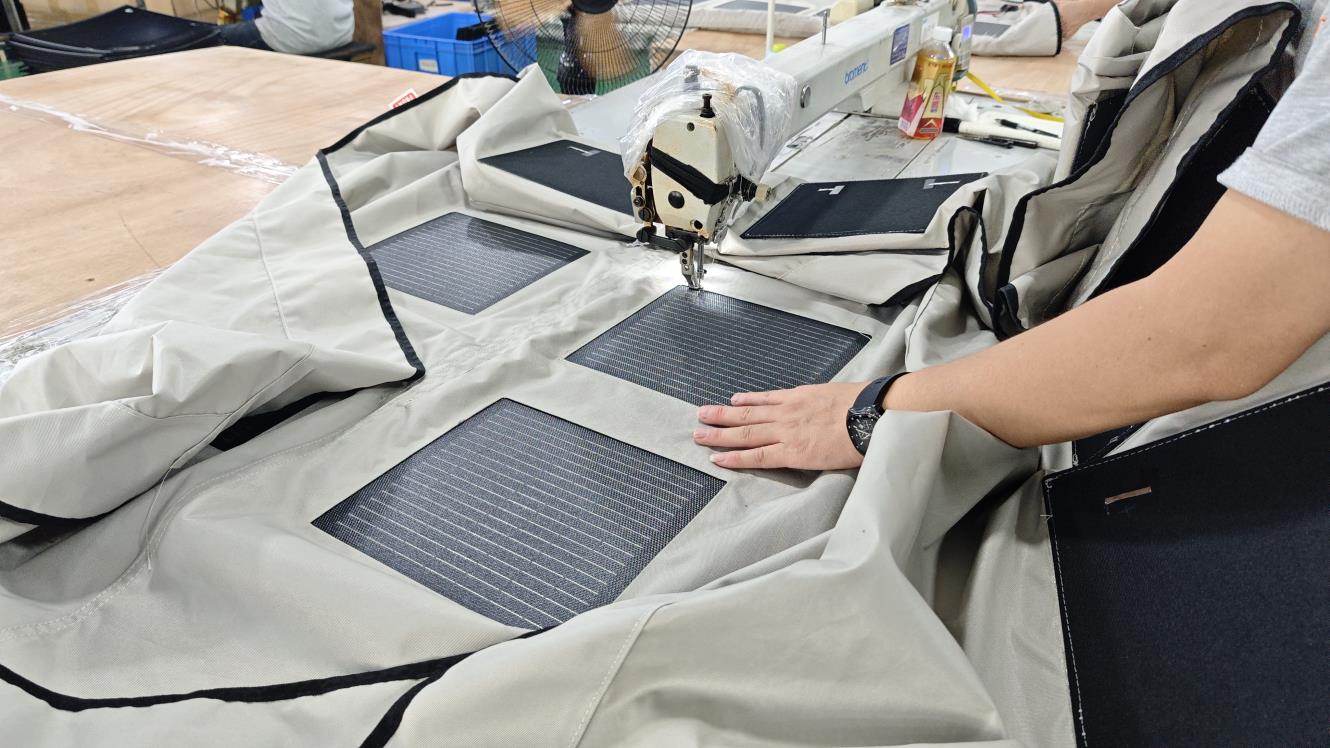
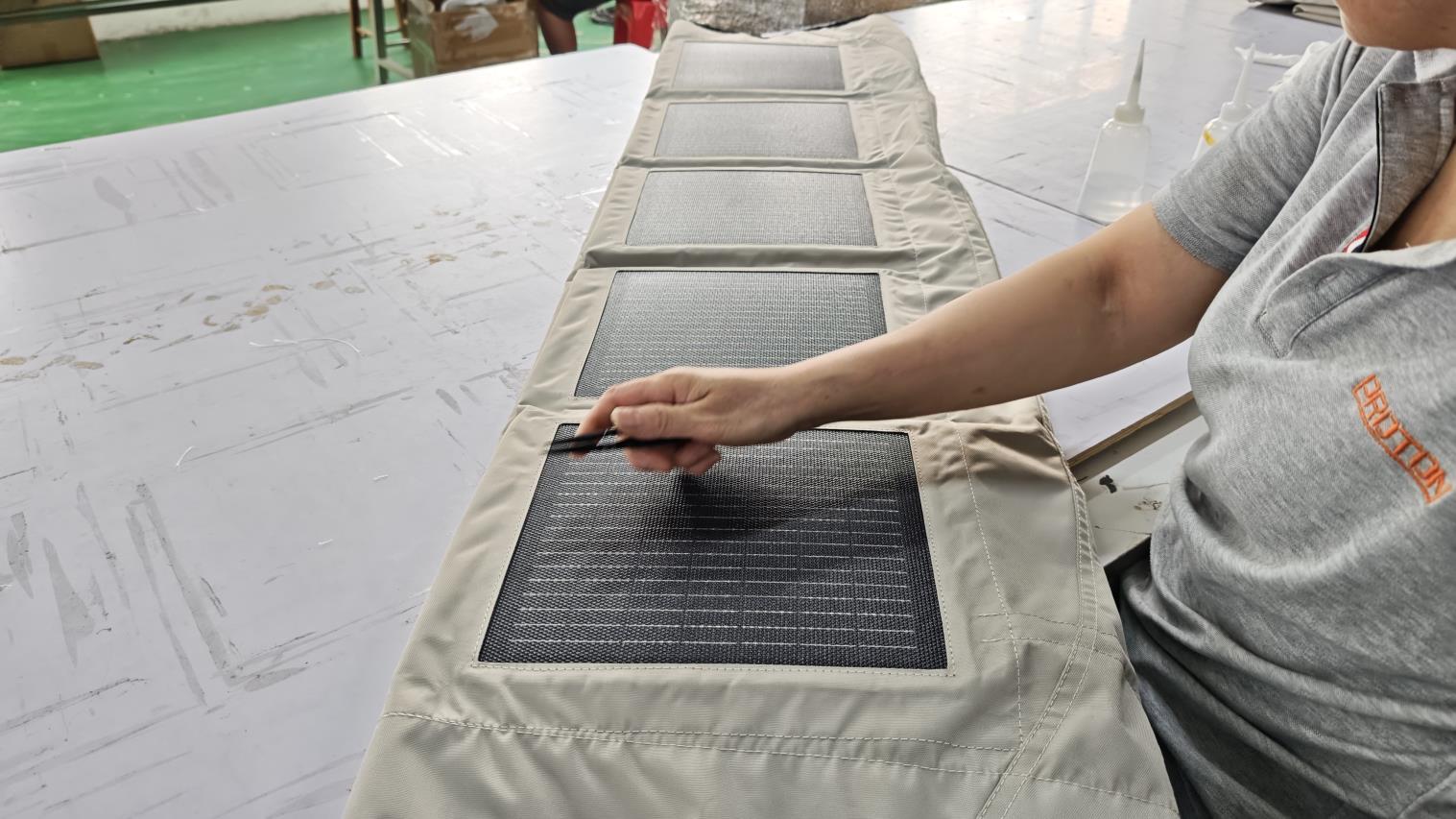
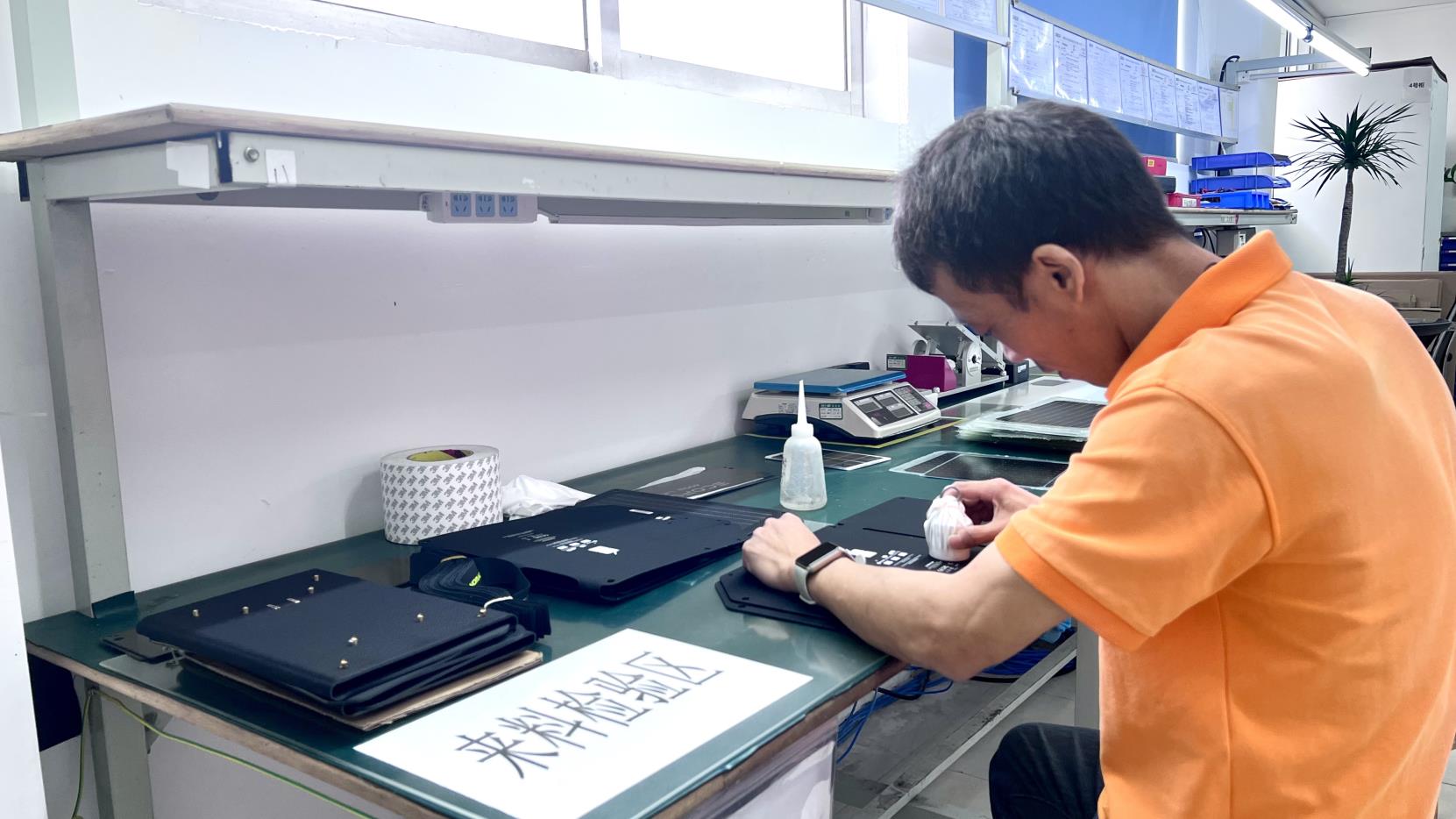
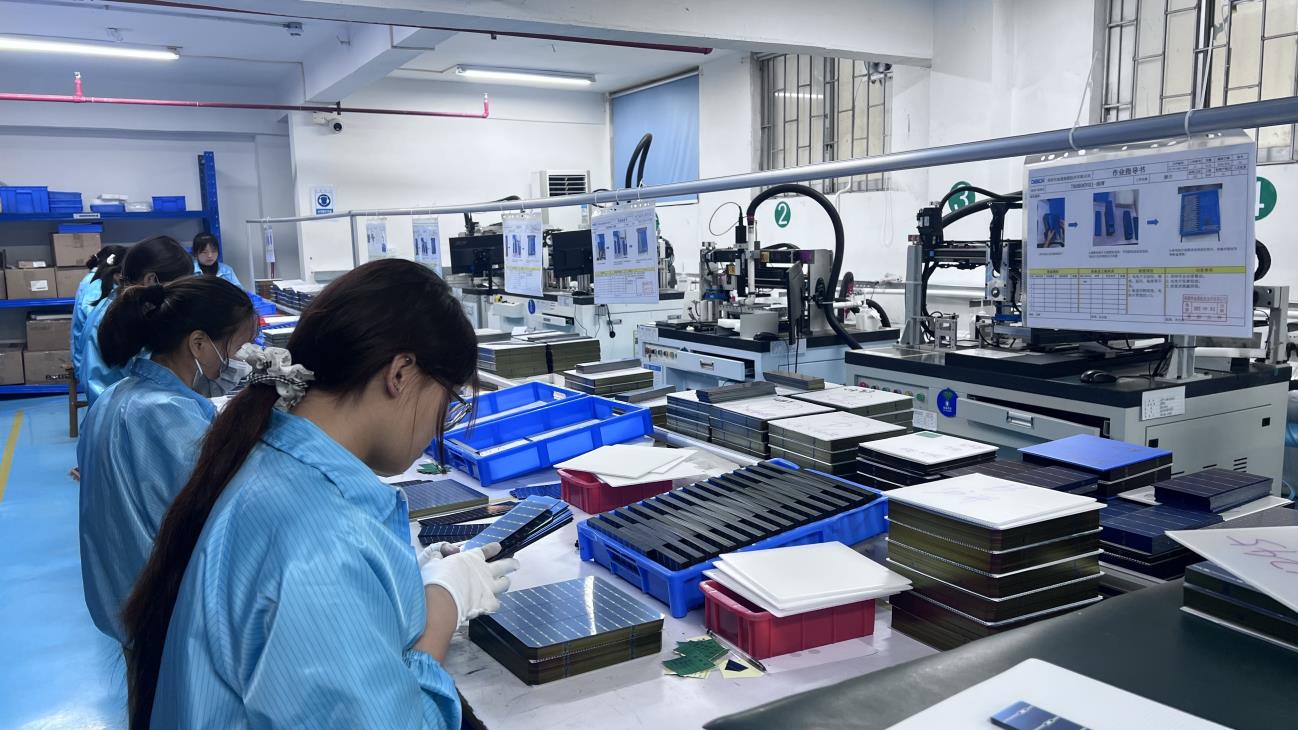
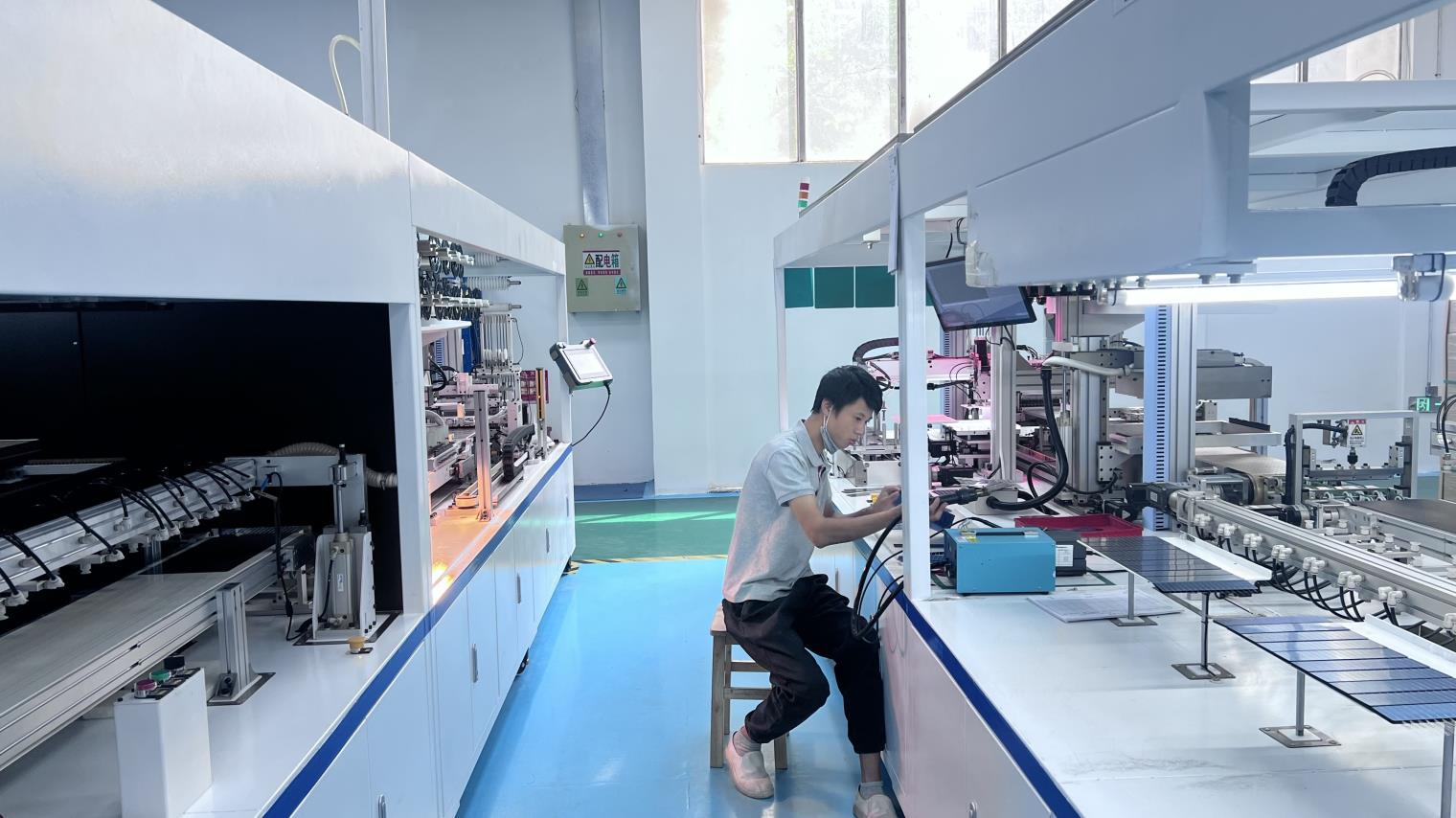
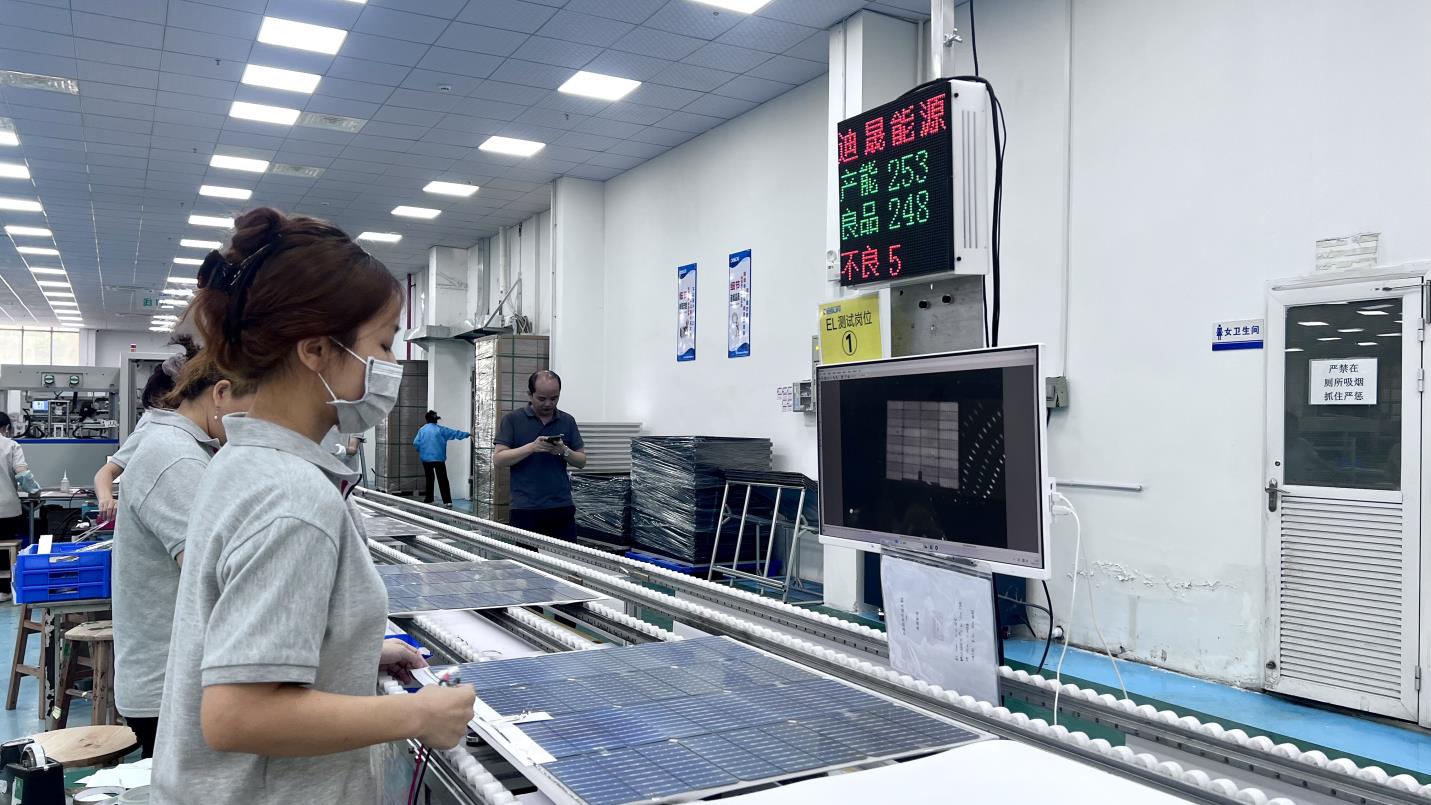
The manufacturing capabilities of Xiamen ConTech Solar Co., Ltd. embody the principles of "China Factory 4.0." By integrating advanced SMT lines, precision laser scribing, automated stringers, and real-time Quality Control (QC) systems, we achieve exceptional production precision and cost efficiency. This state-of-the-art structure ensures every PV module matches the exact mechanical and electrical requirements demanded by global engineering projects.
Below is an in-depth view of our complete, traceably monitored production ecosystem:
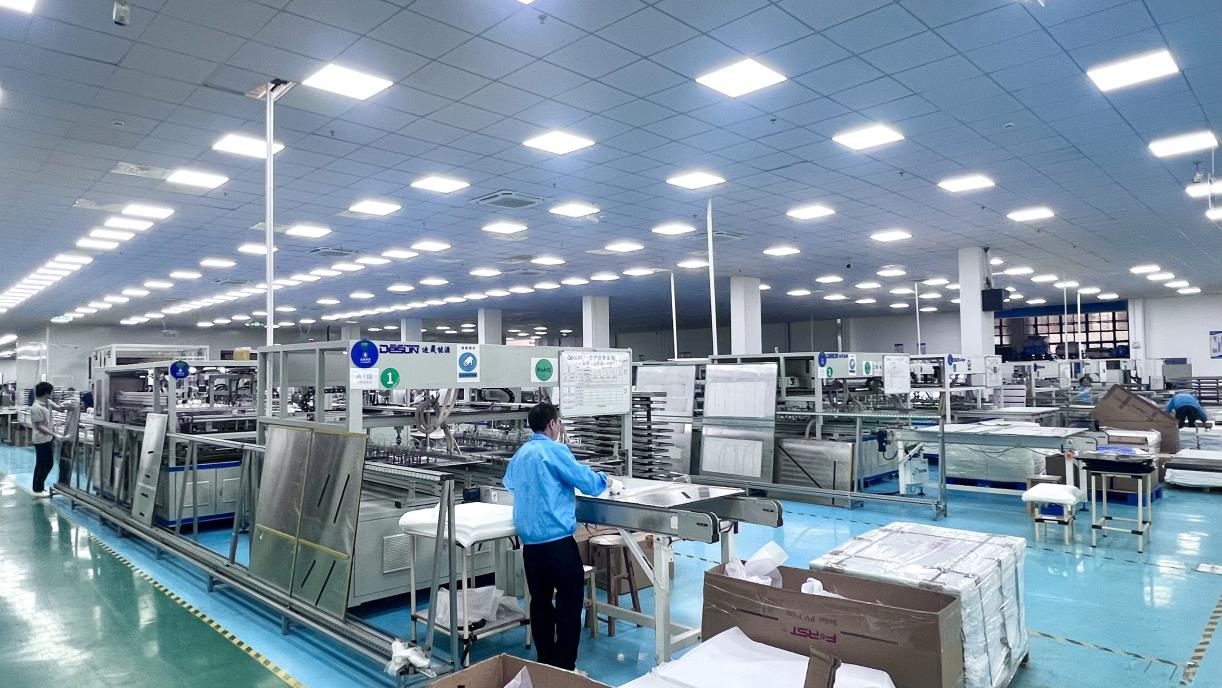
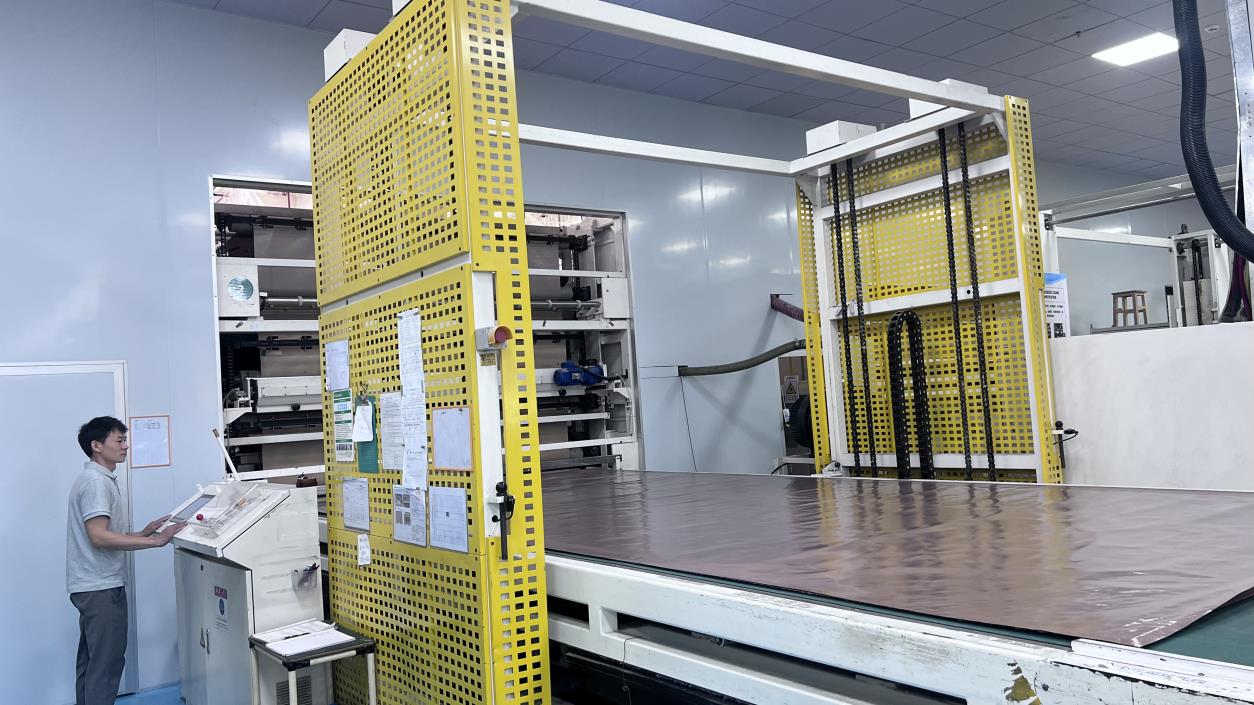
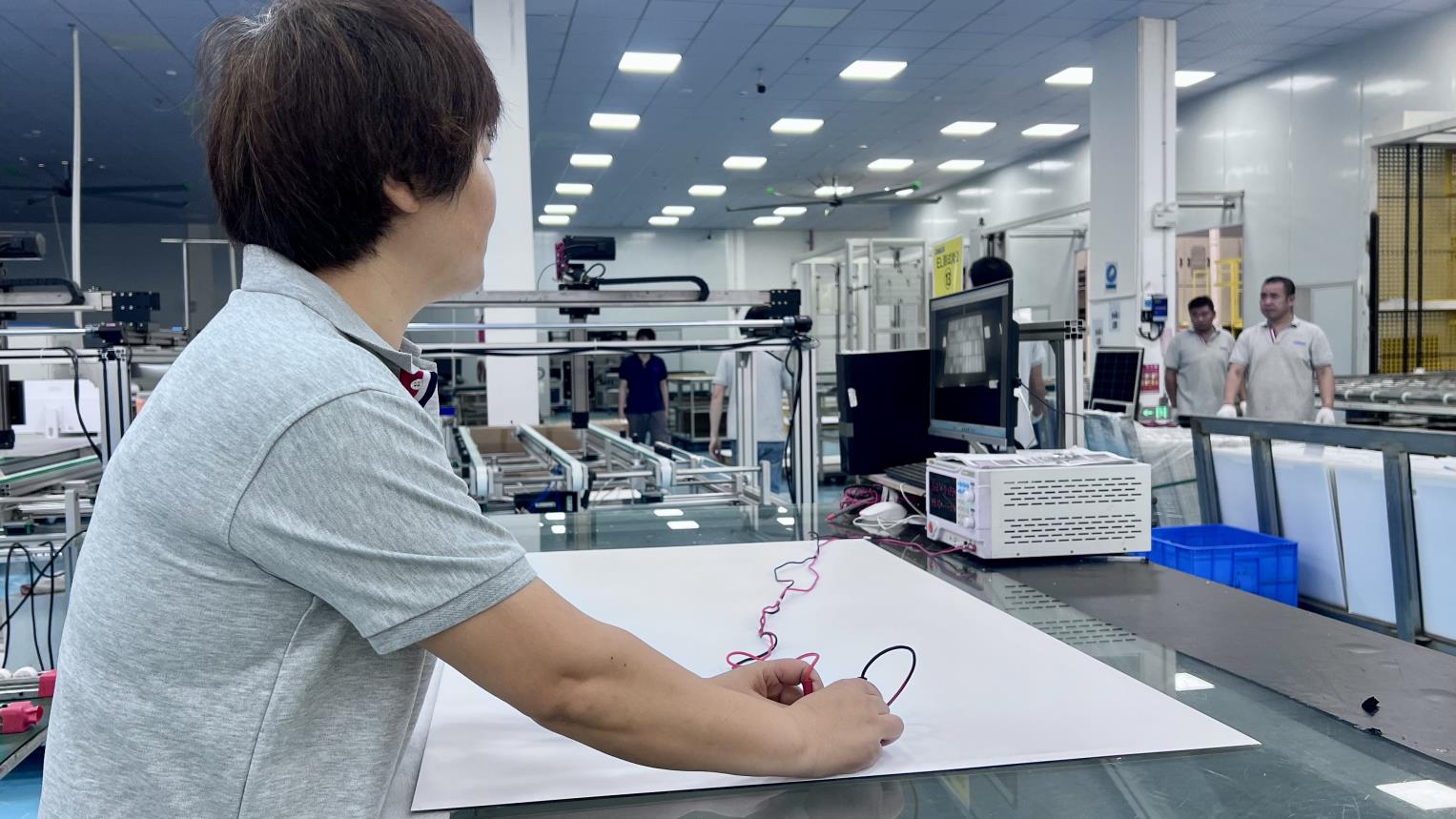
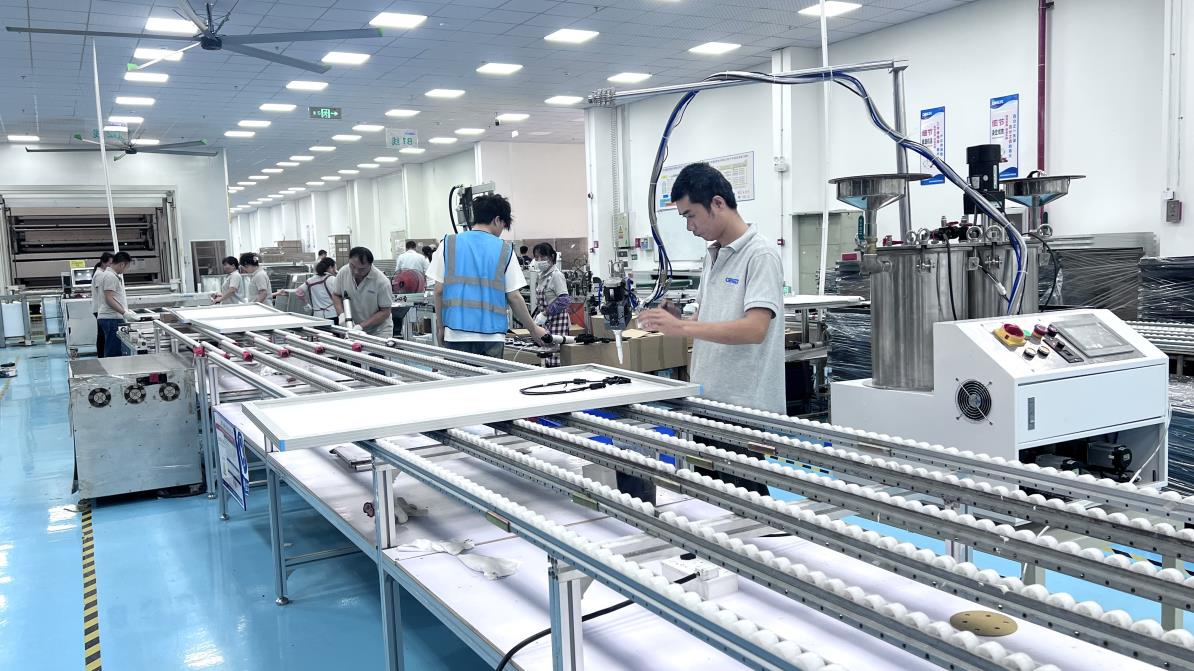
While multi-megawatt systems occupy expansive open terrains, the modern solar landscape requires extreme versatility. Adapting PV structures for challenging architectural boundaries and diverse geography is essential to capturing localized micro-generation opportunities.
Maximizing local generation on warehouse roofs and corporate complexes requires highly customizable mounting systems and safety-first wiring interfaces. Integrating heavy-duty N-type arrays alongside reliable balancing kits allows enterprises to offset grid dependence, lower operating costs, and meet carbon-accounting targets.
High relative humidity, airborne salt spray, and extreme wind loads make standard hardware vulnerable. Deploying specialized ETFE-coated flexible solar modules ensures long-term resistance to corrosion and structural warping, ideal for marine vessels, remote lighthouses, and coastal microgrids.
Desert arrays face severe thermal fluctuations and mechanical stresses from wind-blown dust, while high-altitude plants encounter heavy snow loads and elevated UV exposure. Using double-glass bifacial layouts ensures thermal resilience, minimizes micro-cracking, and maximizes ground-reflection performance in snowy or sandy terrains.
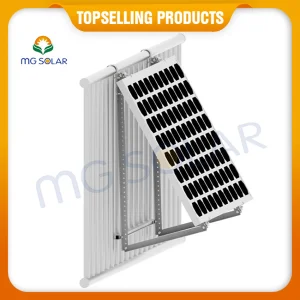
Urban landscapes require compact, easily integrated generation tech. Modern plug-and-play balcony modules with adjustable brackets allow city apartment residents to easily generate green power. These systems are highly adaptable, optimizing direct irradiation yields within small urban spatial constraints.
Review critical answers regarding regulatory, mechanical, and operational considerations for global grid-scale installations.
Review our broader range of high-efficiency flexible systems, residential solar kits, and building-integrated systems designed to meet rigorous regulatory and engineering standards worldwide.
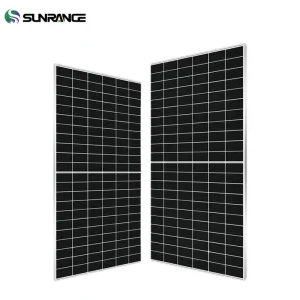
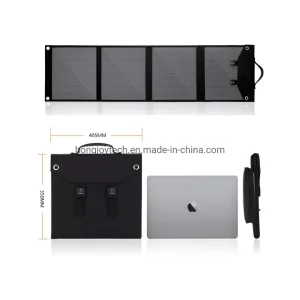
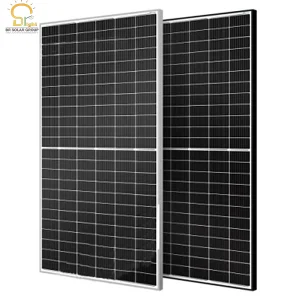
Xiamen ConTech Solar Co., Ltd. is a high-tech enterprise specializing in the research, development, engineering, and manufacturing of high-efficiency solar energy products. Since our foundation, we have focused on providing reliable, cost-optimized, and environmentally resilient solar solutions to engineering companies, industrial groups, and residential installers worldwide.
Guided by our core values of "Innovative Technology, Superior Quality, and Sustainable Development," ConTech Solar continuously advances its engineering and product manufacturing capabilities. With a highly qualified R&D team and smart production setups, we manufacture premium solar panels, advanced solar controllers, unified power systems, and specialized photovoltaic components. These products are widely deployed in commercial and industrial arrays, large-scale utility power stations, residential rooftops, agricultural projects, and remote off-grid installations.
Our facilities utilize strict quality control protocols to ensure the longevity and stability of every module. We operate comprehensive quality management frameworks that continuously improve production efficiency and electrical performance to meet strict international benchmarks. Adhering to the principle of "Customer First, Quality Foremost," ConTech Solar has built a strong reputation across major global markets through highly competitive pricing structures, experienced engineering support, and reliable logistics services.
Looking ahead, Xiamen ConTech Solar Co., Ltd. remains dedicated to technical innovation, global supply chain excellence, and building strong, long-term partnerships with customers around the world to accelerate the transition to sustainable energy.
 ConTech Solar