Precision-engineered solar systems configured to address demanding global commercial, residential, and portable applications.
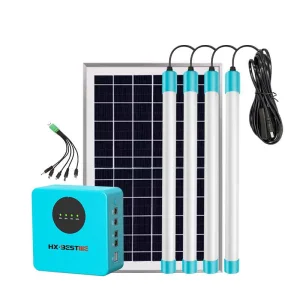
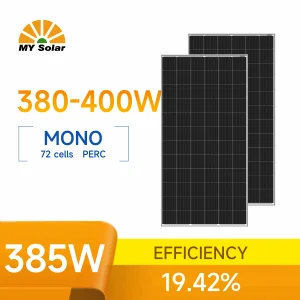
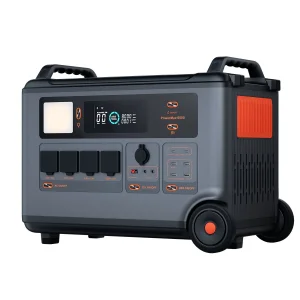
Understanding Levelized Cost of Energy (LCOE), System Integration, and Global Material Compliance in Next-Generation Infrastructure.
The global transition toward clean, sustainable energy has evolved beyond generic, off-the-shelf photovoltaic assemblies. Today’s commercial, industrial, and specialized projects require highly customized, application-specific designs. As a premier partner in the global renewable market, Xiamen ConTech Solar Co., Ltd. addresses this imperative, offering sophisticated OEM and ODM manufacturing processes that satisfy strict technical tolerances and environmental conditions.
Modern developers recognize that minimizing the Levelized Cost of Energy (LCOE) requires targeted component optimization. Generic specifications often fail to perform in high-salinity marine environments, high-altitude alpine applications, or structural integrations (BIPV). By managing everything from cell level metallurgy to advanced encapsulation layers, specialized OEM/ODM designers construct products that maximize performance, guarantee durability, and ensure robust financial returns.
Achieving grid parity and satisfying complex spatial layouts has driven solar module development into a highly technical space. Below are the primary innovations changing the industry:
Eliminating traditional ribbon busbars allows cells to overlap slightly, mitigating inactive gap spaces, minimizing internal series resistance, and reducing micro-crack degradation risks under thermal expansion stresses.
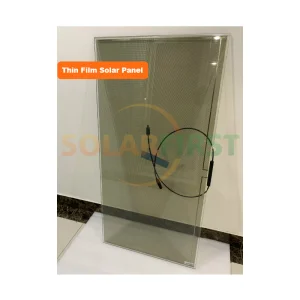
Building Integrated Photovoltaics (BIPV) blend clean energy generation directly into building envelopes. Thin-film Cadmium Telluride (CdTe) provides exceptional low-light spectral response and temperature coefficients, ideal for architectural glazing and vertical installations.
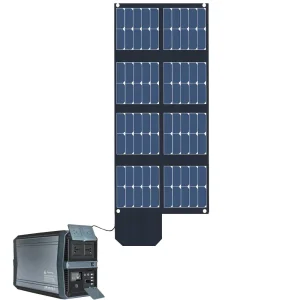
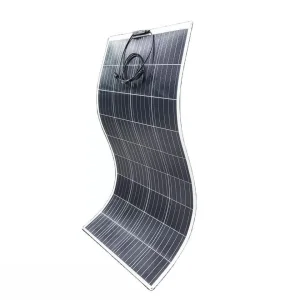
Employing ETFE fluoropolymer front sheets and composite glass-fiber substrates yields highly flexible, lightweight PV modules. At under 3kg per square meter, these structures serve transportation sectors, maritime vessels, and low-load industrial roofing.
Global procurement specialists face evolving trade environments, ESG supply requirements, and local installation codes. Transitioning from standard procurement to tailored ODM agreements empowers system integrators and EPC contractors to directly specify raw materials, control bill of materials (BOM), and choose specific cell architectures (e.g., N-Type TOPCon or Heterojunction HJT).
This level of precision is critical when conforming to international certification standards. For instance, deployable off-grid hardware must meet rigorous Verasol / IEC 62257-9-8 standards to secure institutional project funding, while commercial utility systems require CE, RoHS, and UL listings to pass municipal code compliance. Custom ODM development helps firms secure verified, independent test certificates on customized solar solutions.
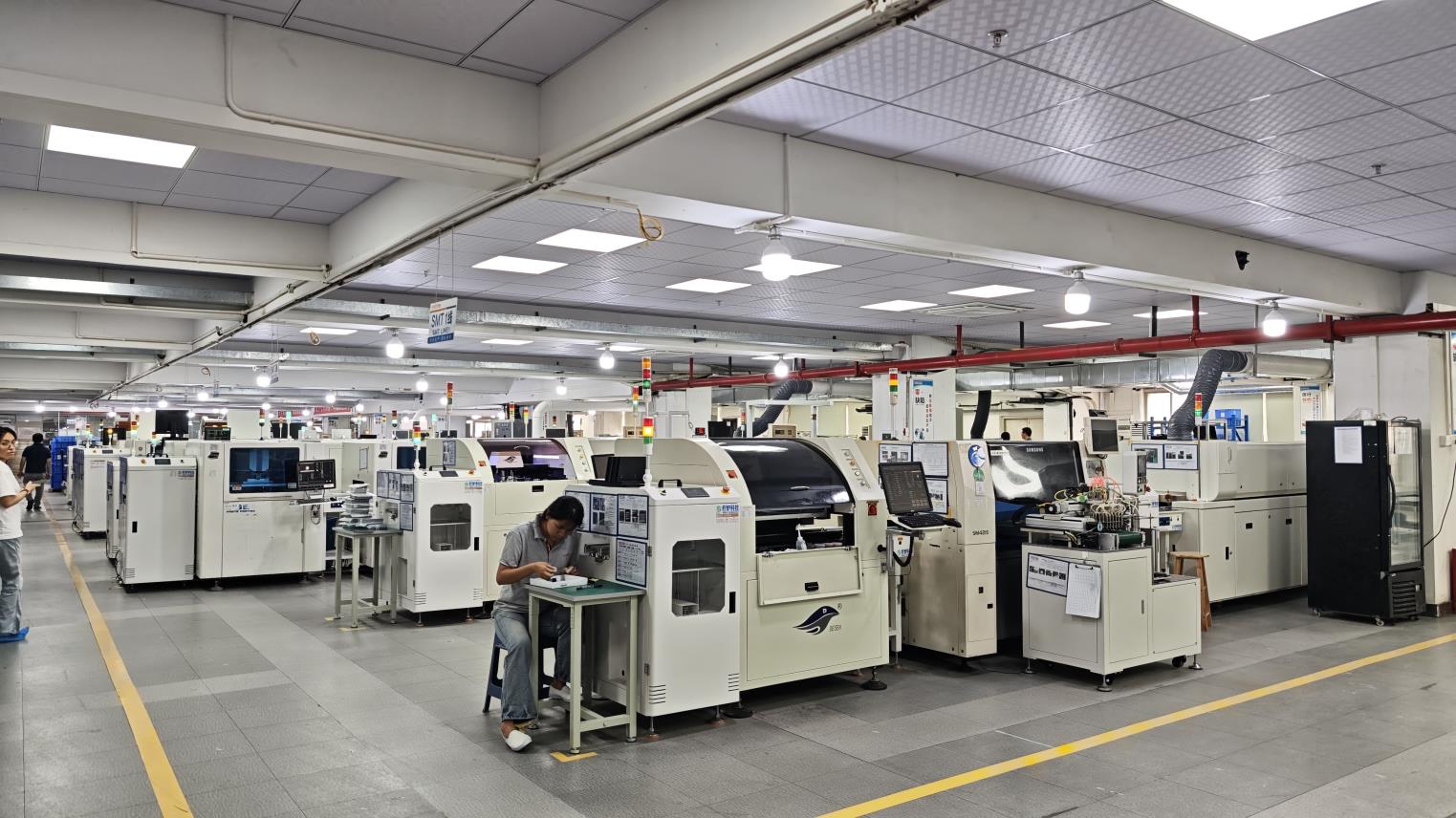
Xiamen ConTech Solar Co., Ltd. is a professional high-tech enterprise specializing in the research, development, production, and sales of solar energy products. Guided by the business philosophy of "Innovative Technology, Superior Quality, and Sustainable Development," ConTech Solar continuously strengthens its technological innovation and product development capabilities. Our advanced production facilities and strict quality control systems ensure the stability and reliability of every product to meet international standards and customer requirements.
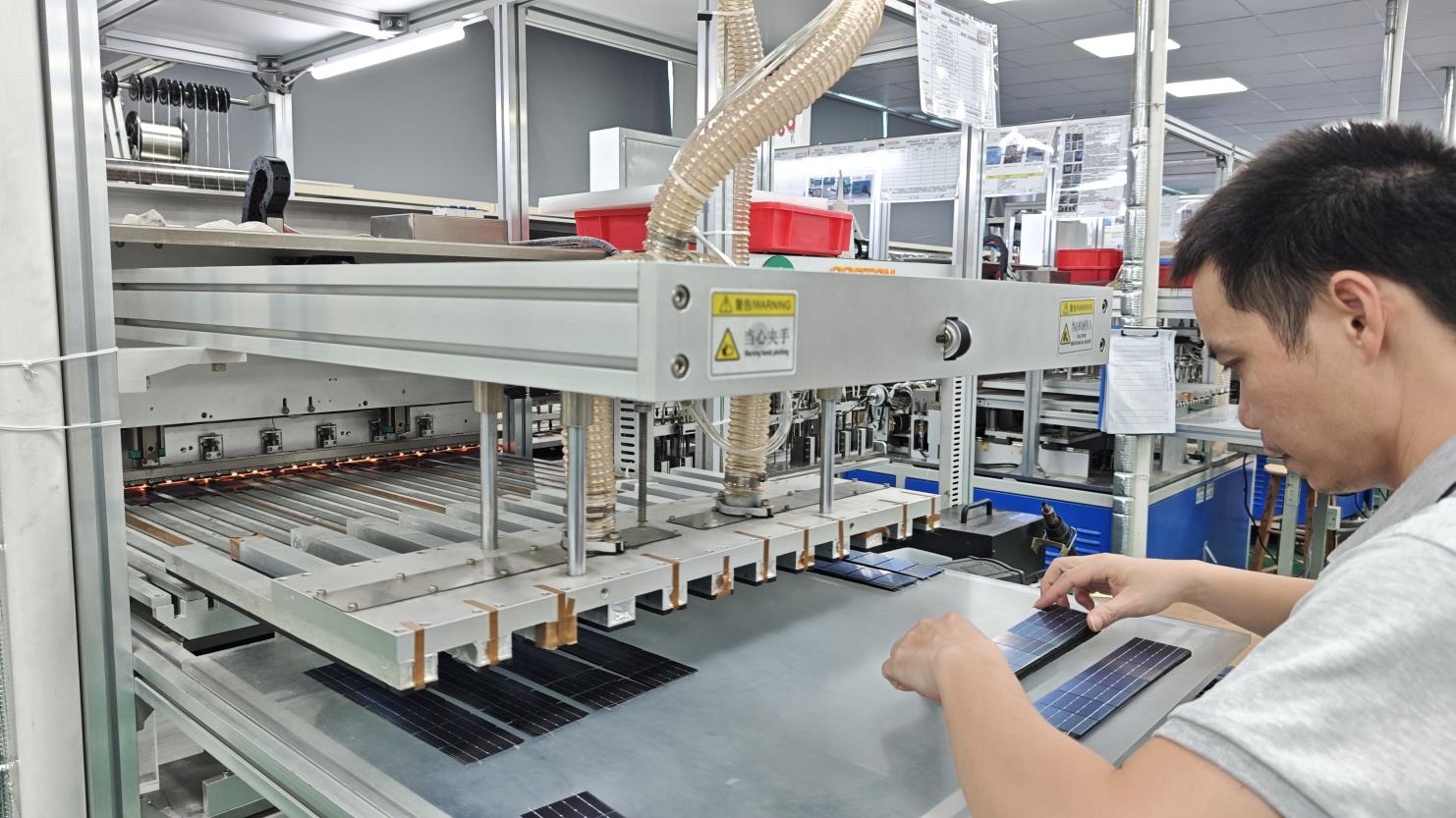
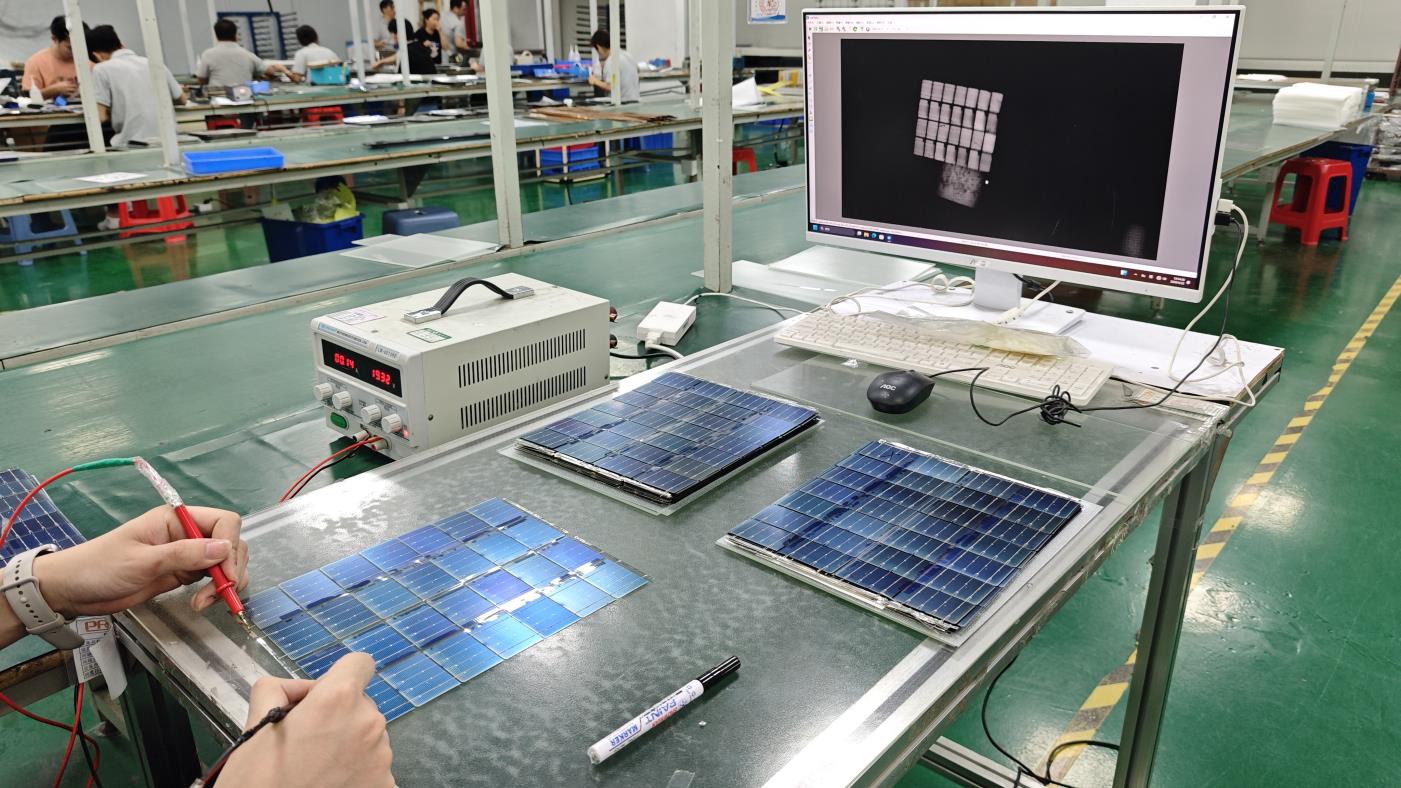
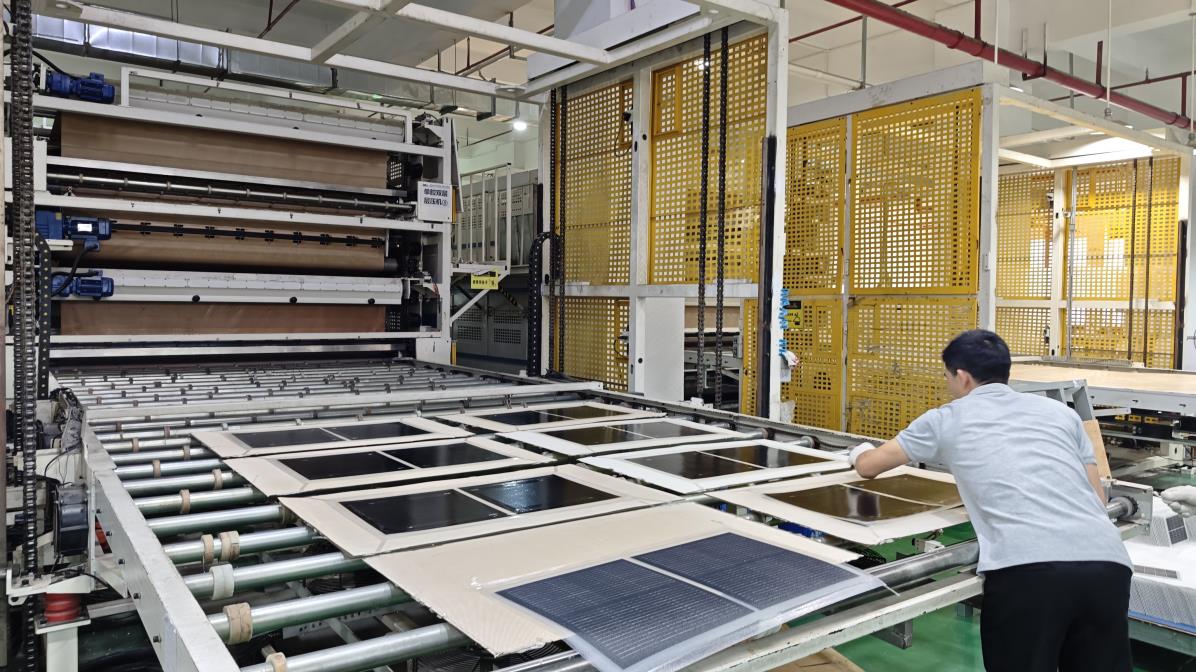
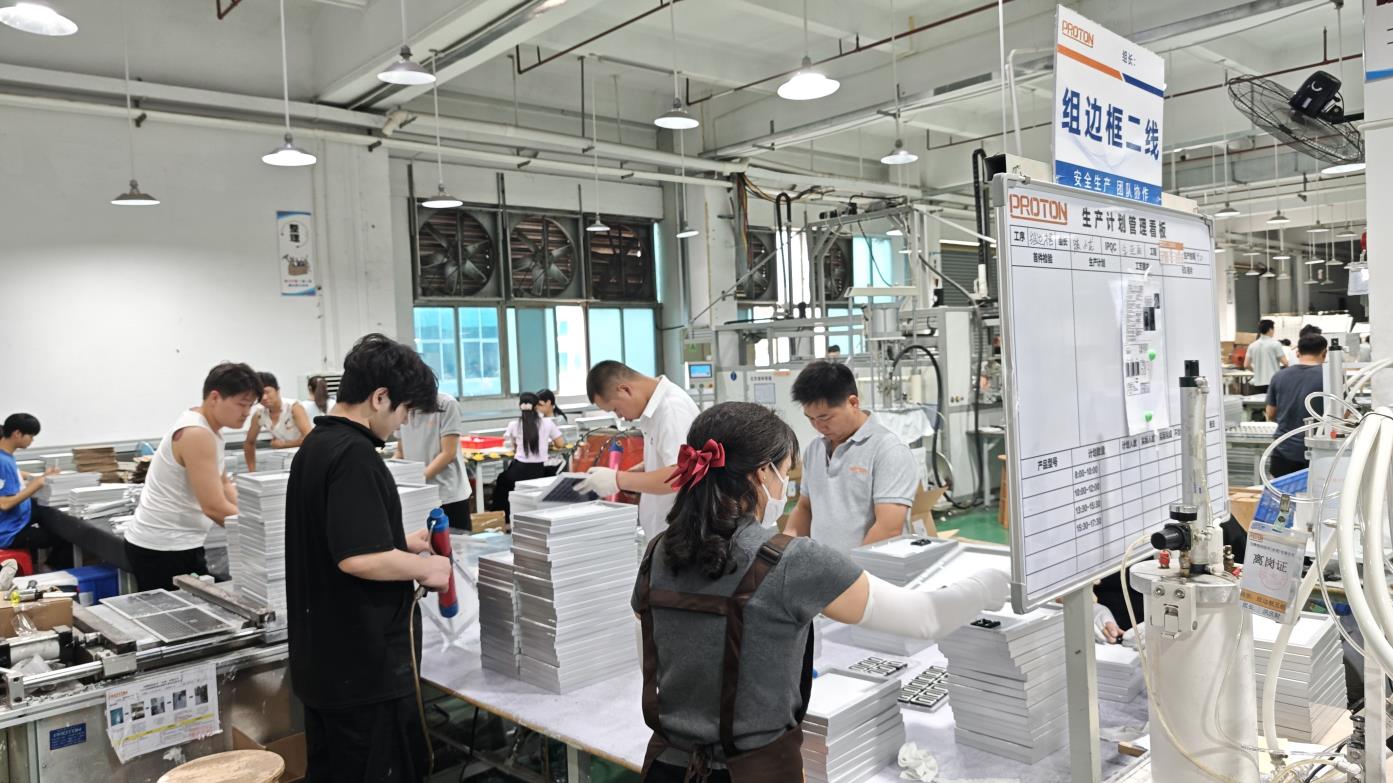
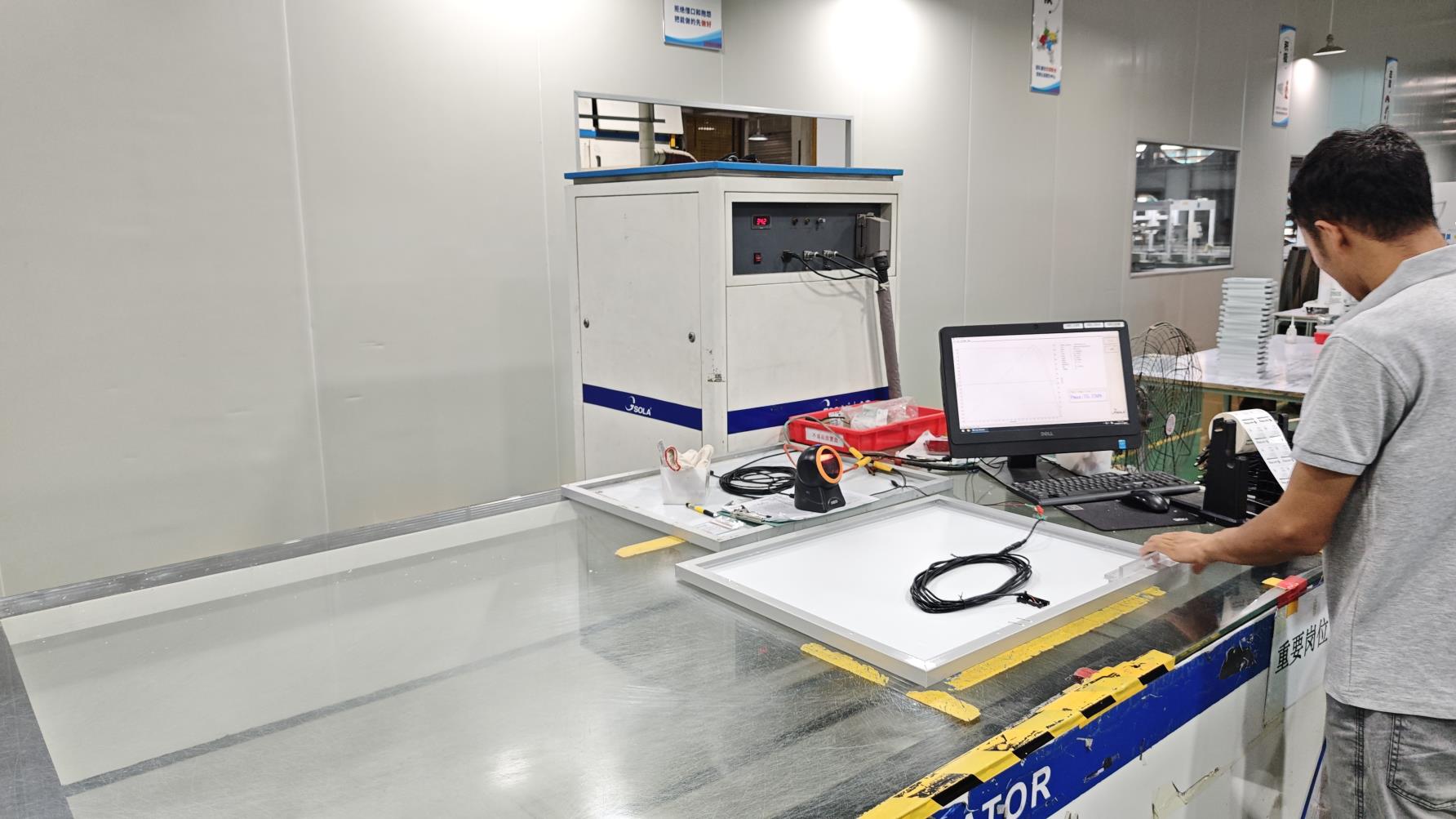
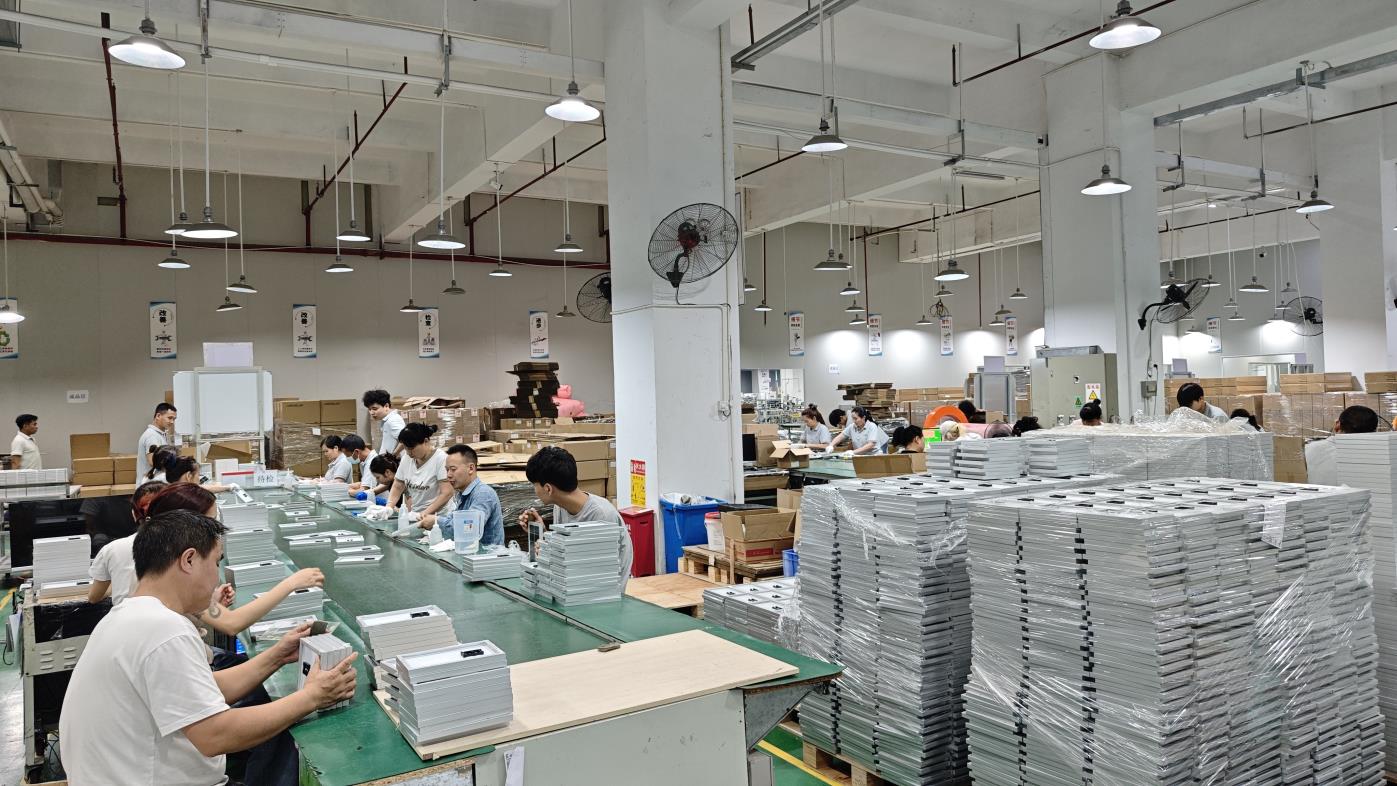
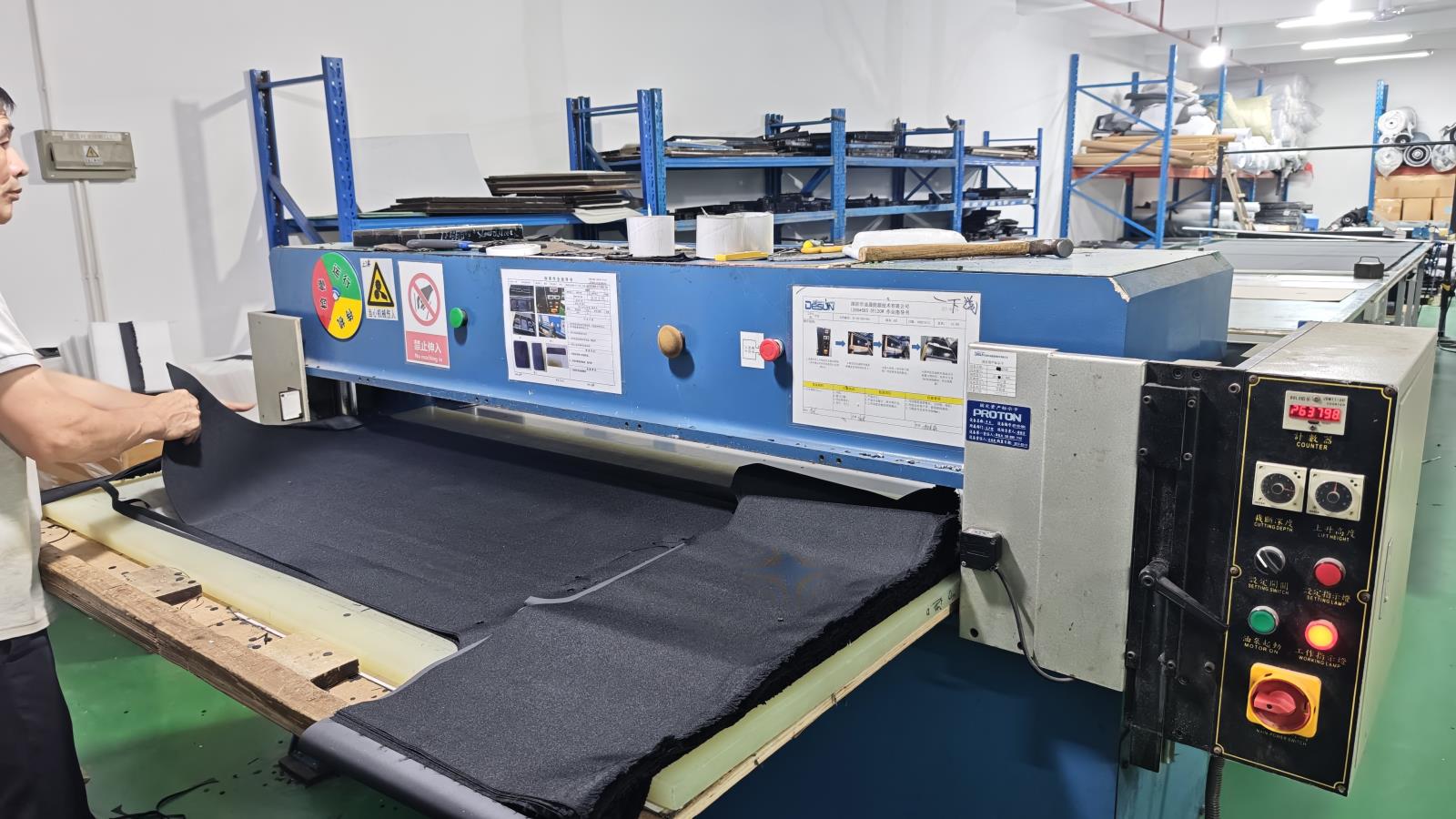
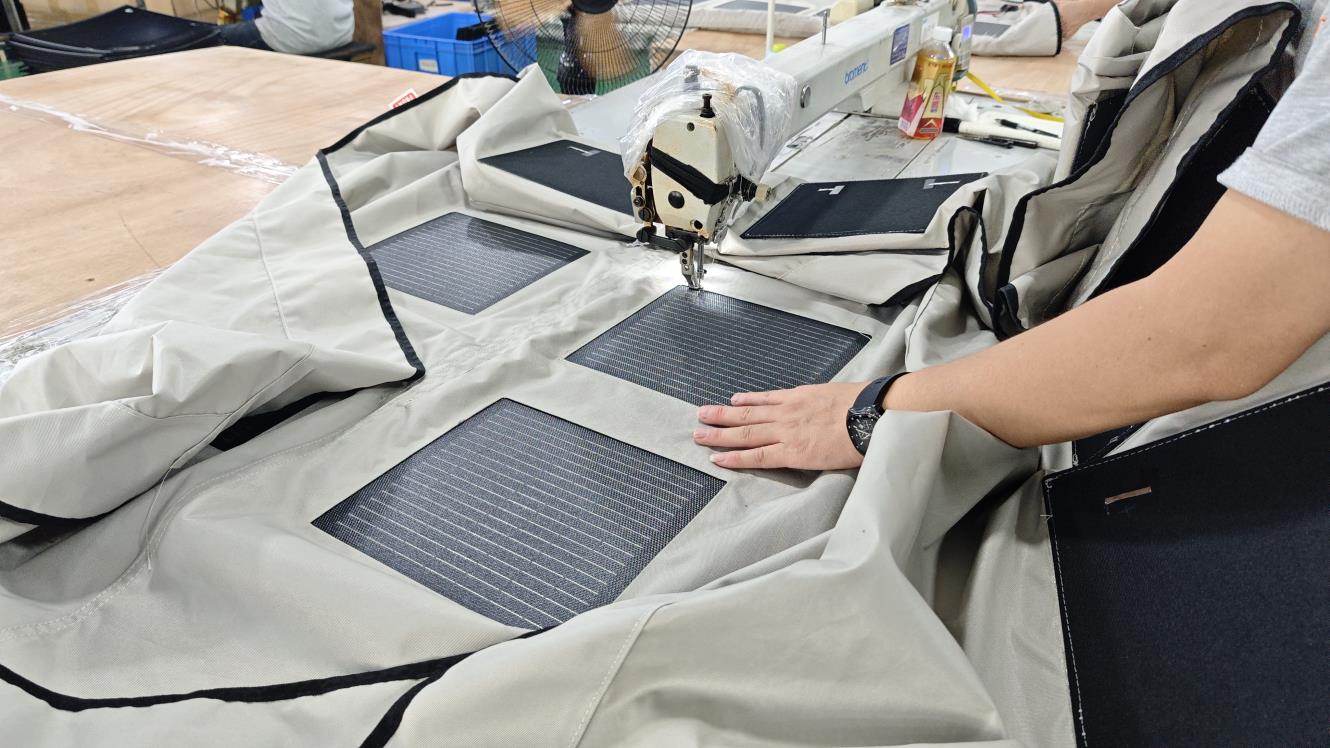
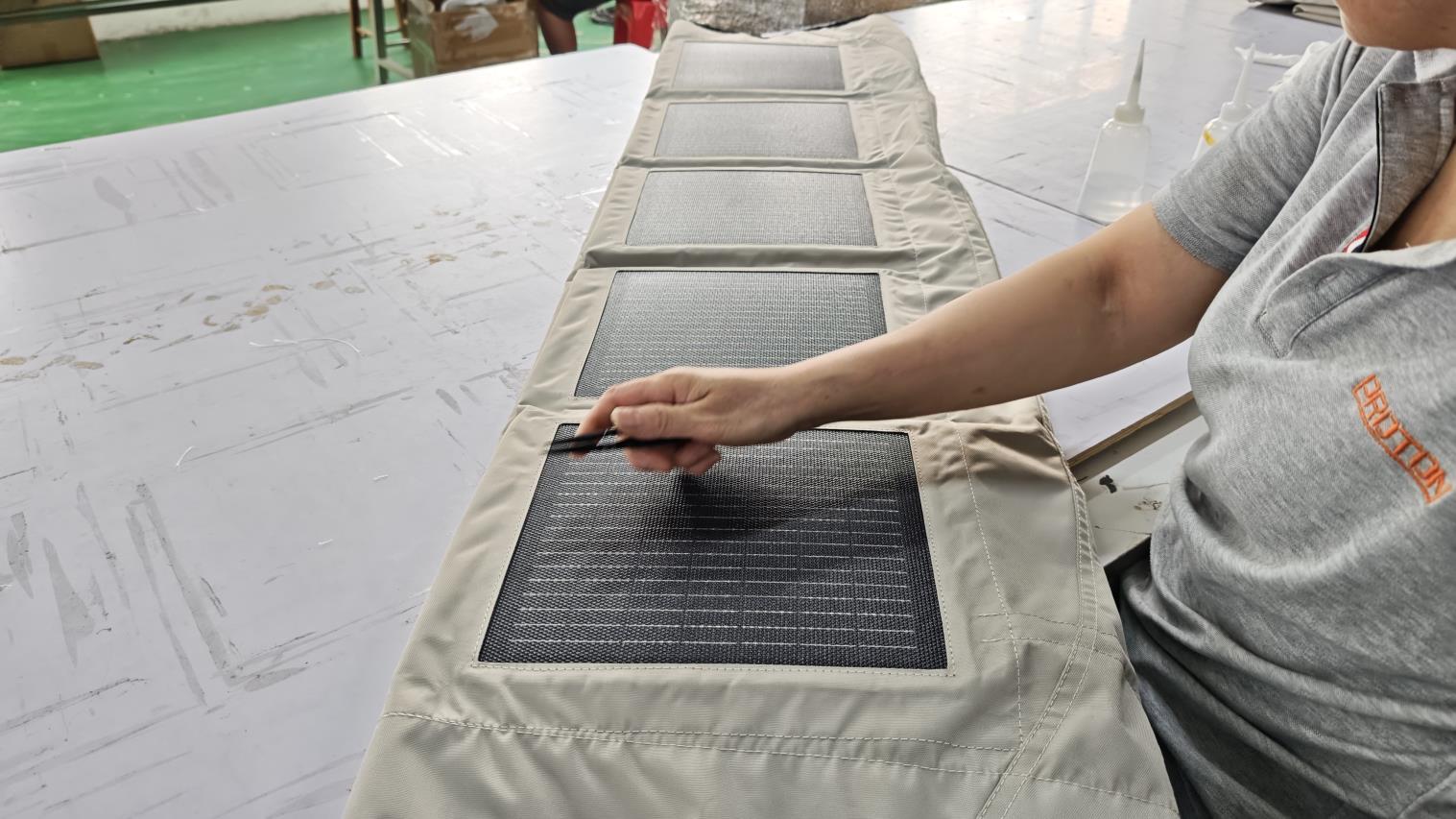
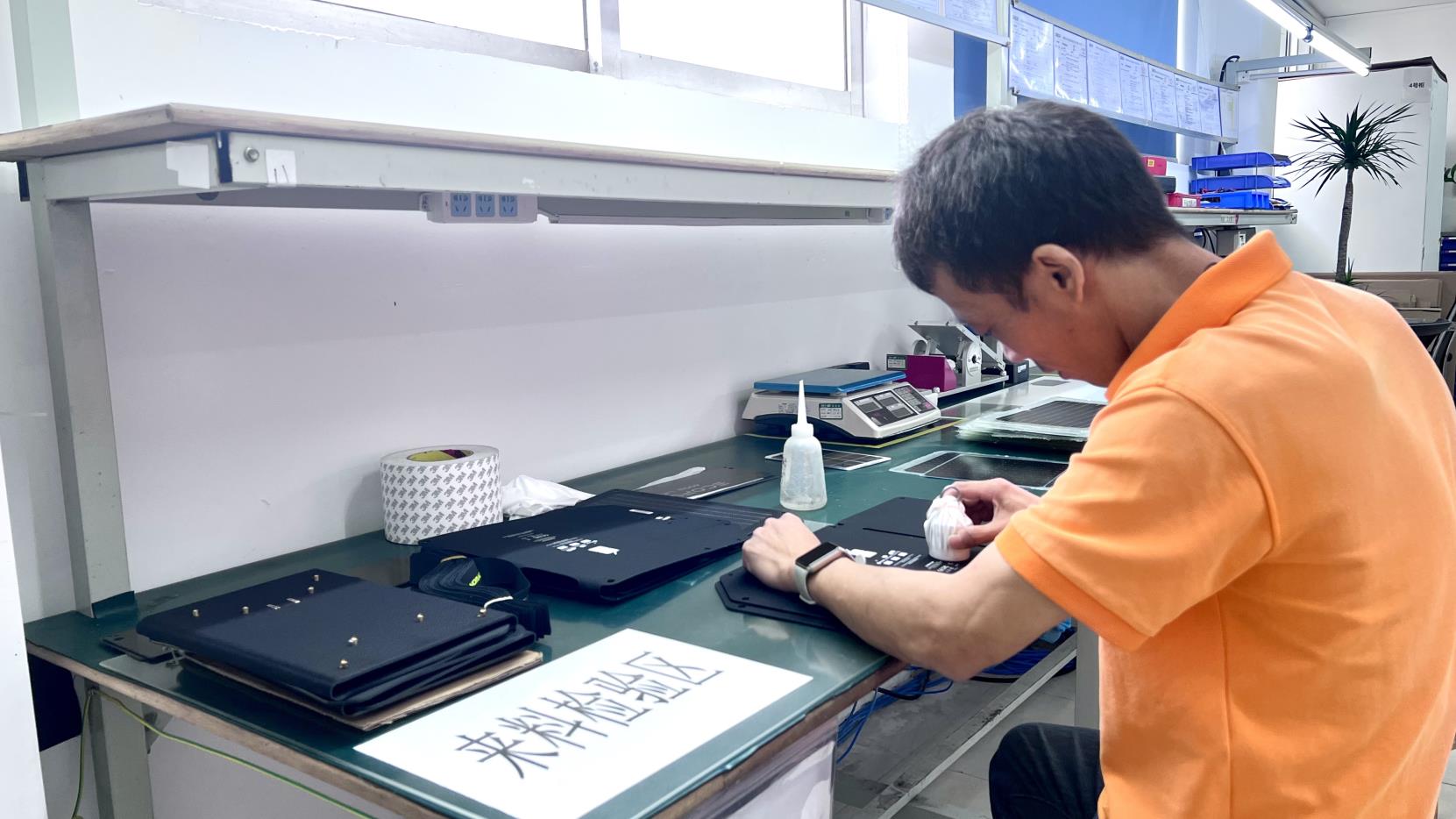
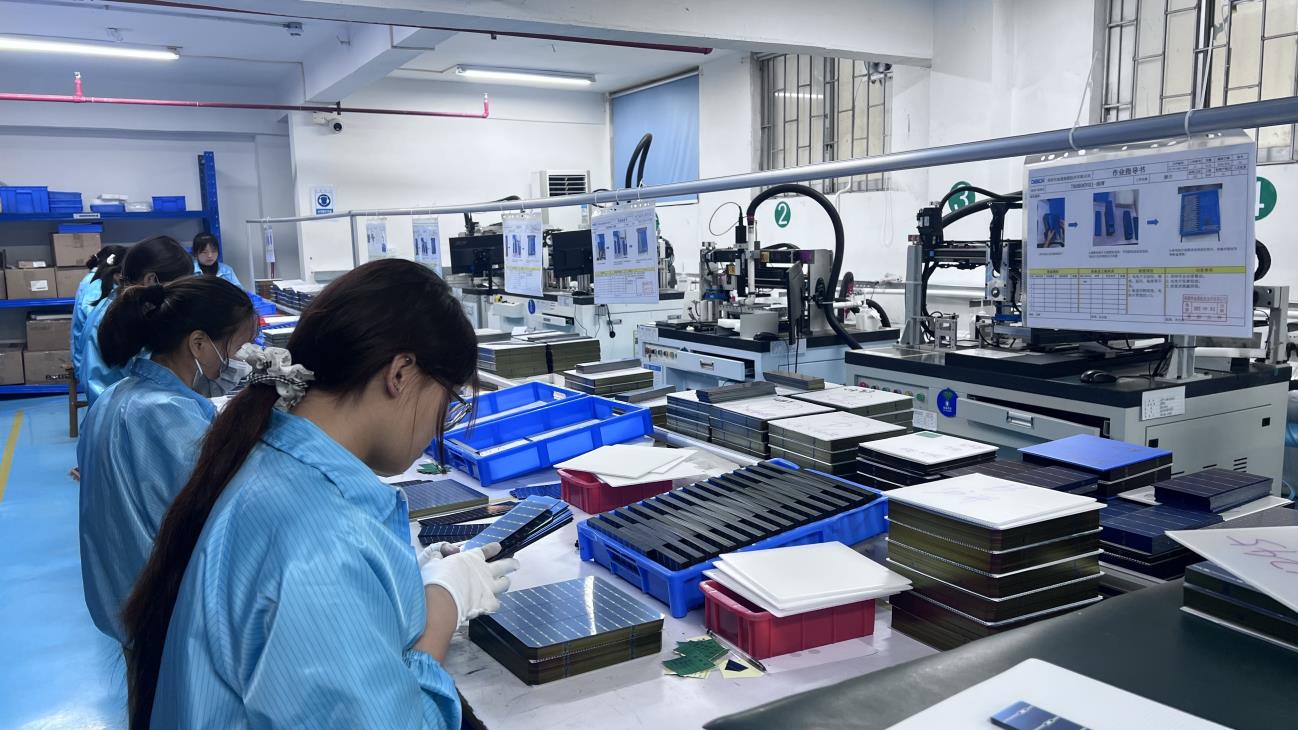
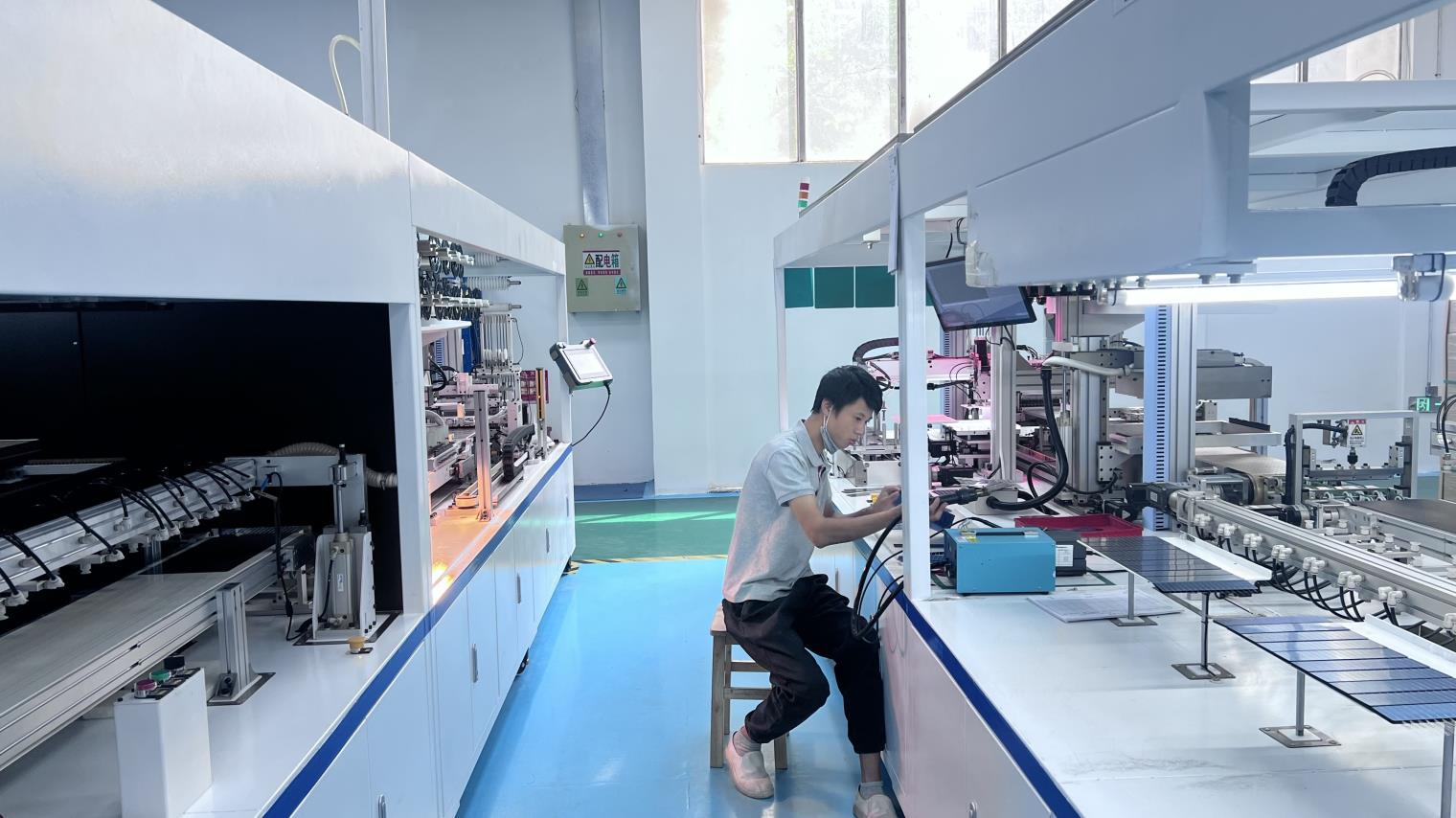
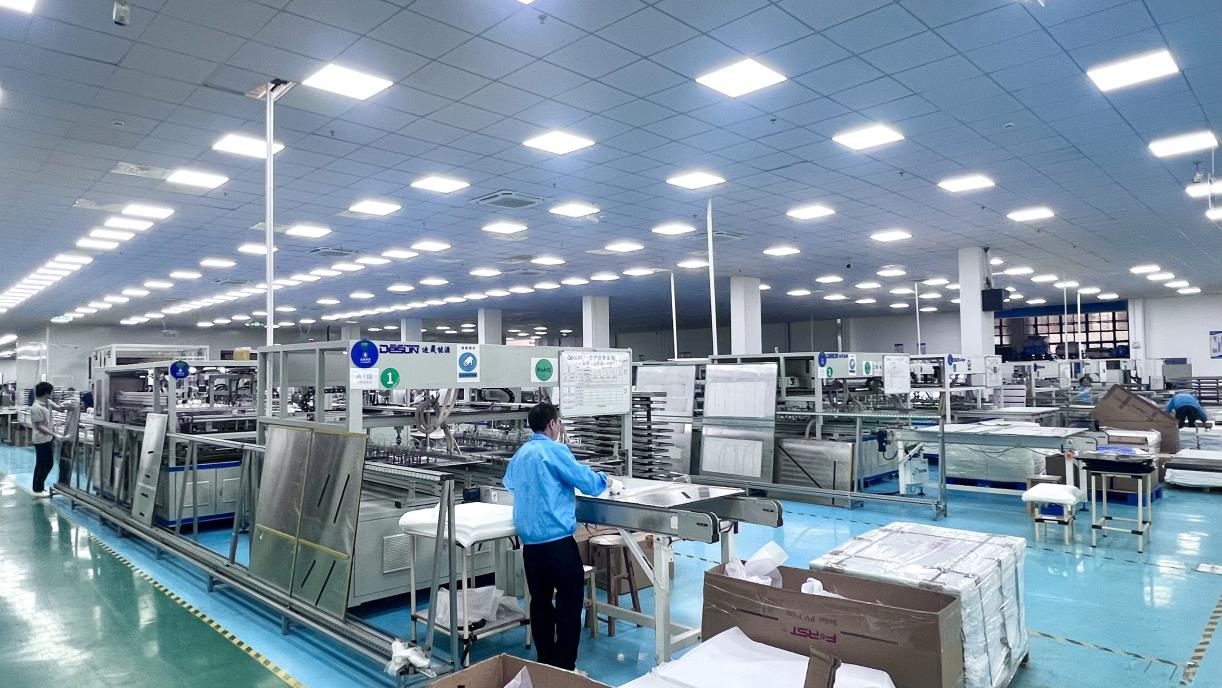
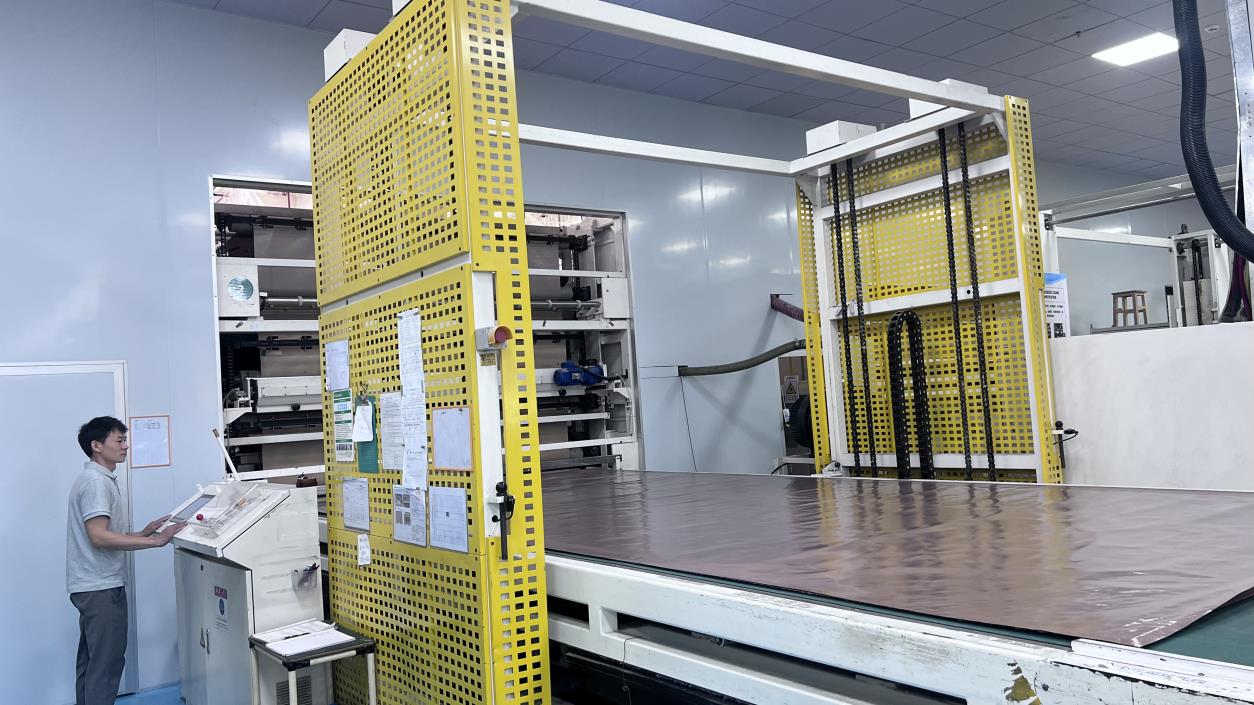
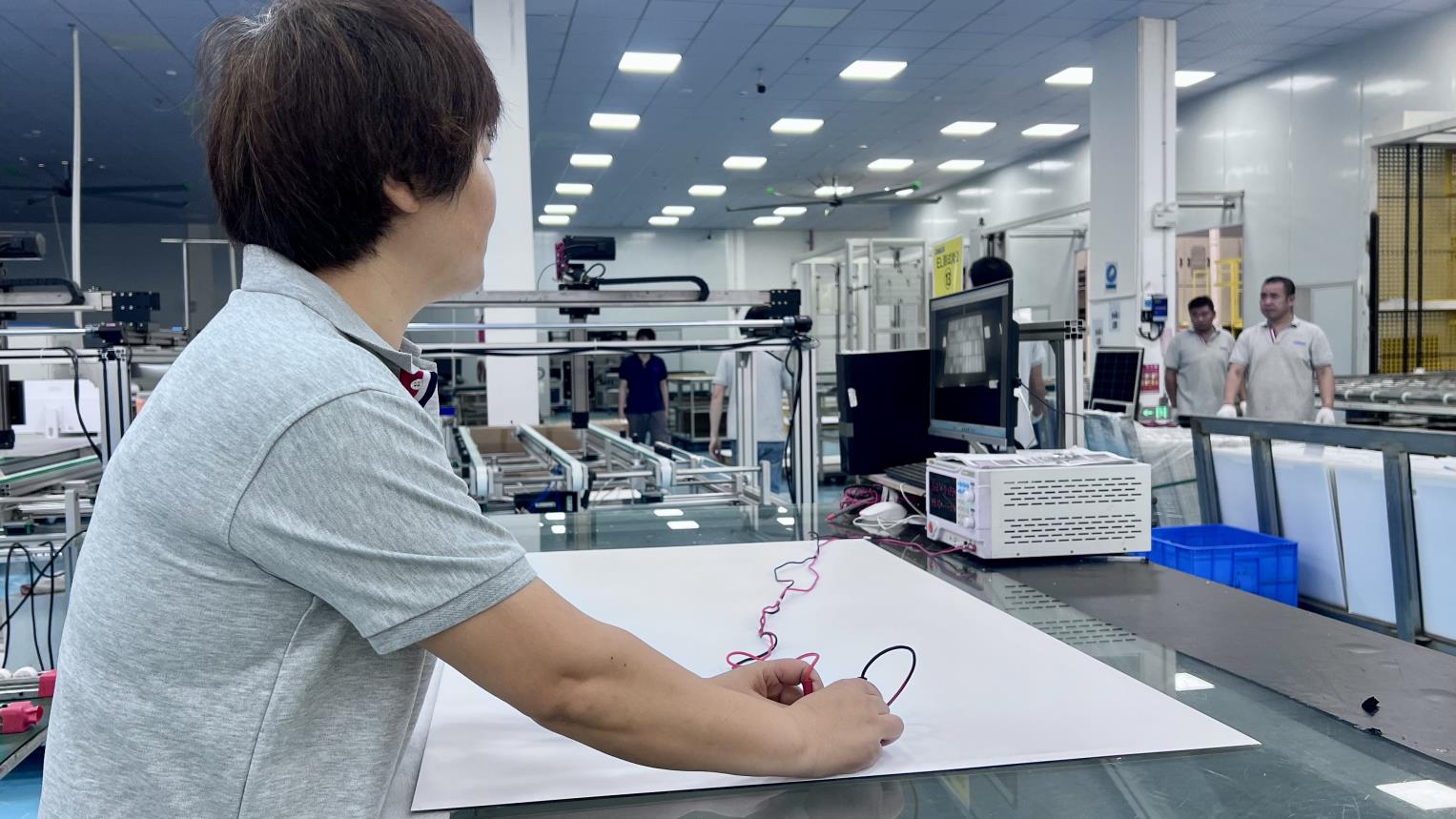
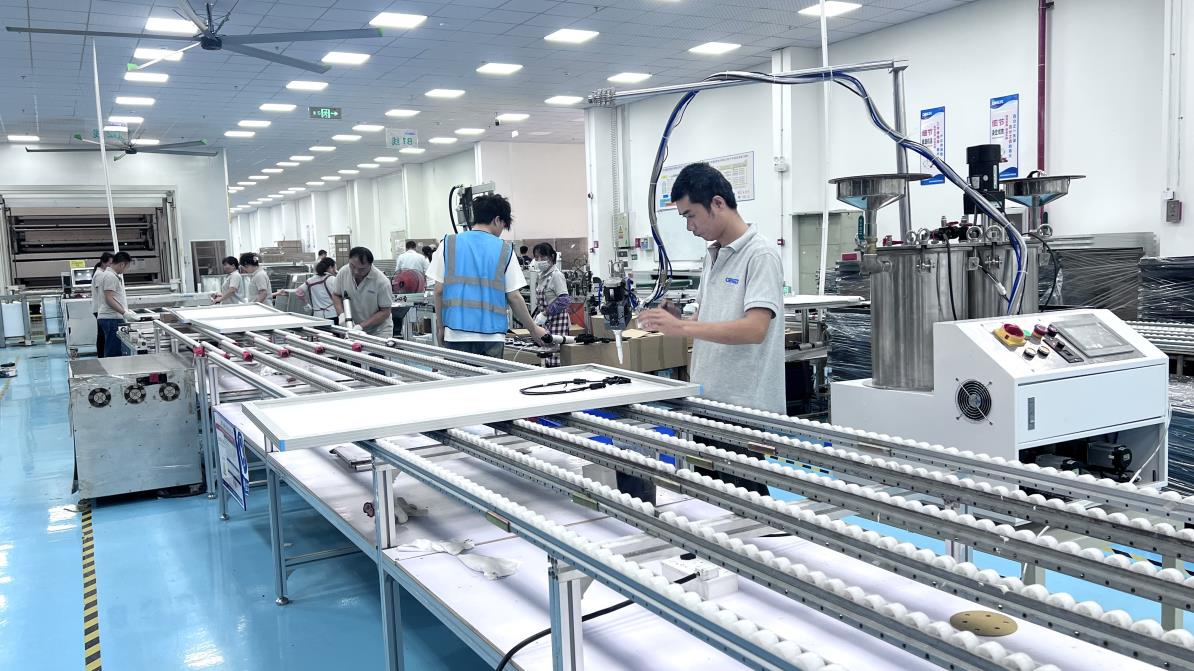
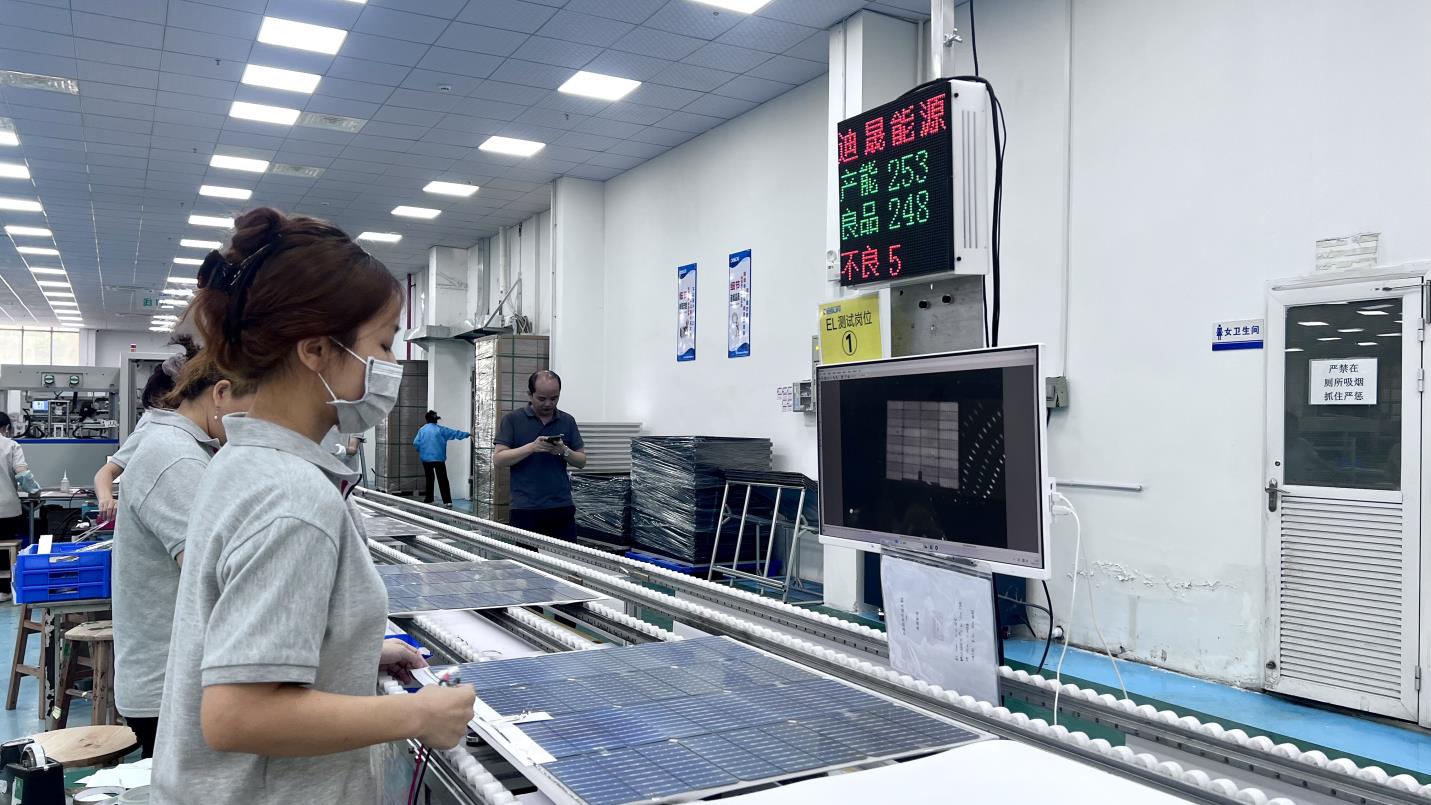
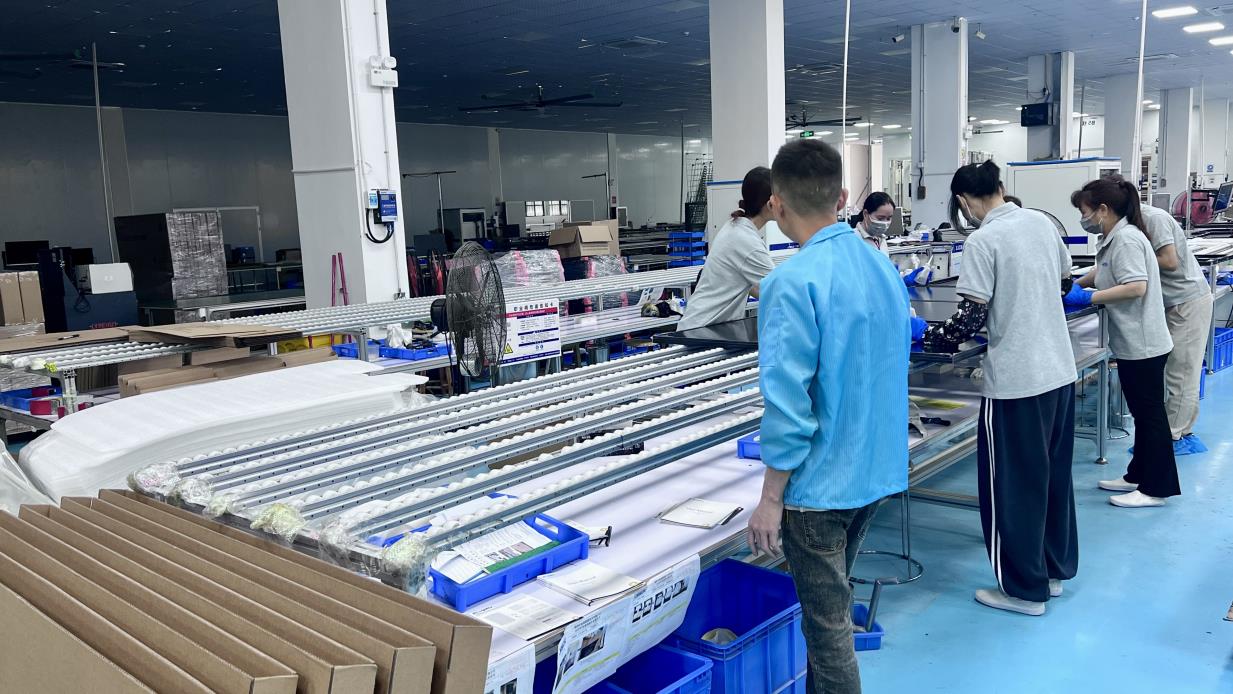
To highlight the role of modern OEM/ODM solar engineering, we examine three practical installation scenarios where custom component manufacturing yields measurable operational advantages:
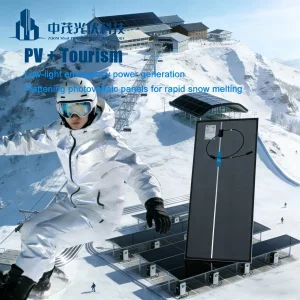
1. Alpine Ski Resorts and Low-Light Environments: High-altitude ski resorts present complex installation profiles, experiencing intense UV exposure, low temperatures, high snow loads, and transient shading. Standard silicon systems can suffer from bypass diode failures and structural cracks. Custom Cadmium Telluride (CdTe) BIPV panels, optimized for low-temperature coefficients and low-angle light absorption, maintain higher energy yields in diffuse winter light and shed snow loads more efficiently.
2. Rural Electrification & PAYG Energy Access: Sustainable development in off-grid rural regions requires cost-effective, dependable systems. Applying customized Pay-As-You-Go (PAYG) home systems with certified IEC 62257-9-8 protection circuits allows local energy providers to deliver micro-utility services securely. Integrated charge controllers protect internal lithium (LiFePO4) storage batteries from deep discharge, helping extend battery life to over 10 years in harsh ambient conditions.
3. Heavy Marine and Coastal Operations: Saltwater spray and high relative humidity accelerate potential-induced degradation (PID) and frame corrosion in standard solar panels. Specialized flexible photovoltaic systems use advanced fluoropolymer encapsulation (ETFE) instead of aluminum frames and standard glass. These panels mount directly to high-stability marine substrates, resisting mechanical strain, high winds, and saltwater corrosion.
Direct technical feedback addressing design variations, production control, and global trade compliance.
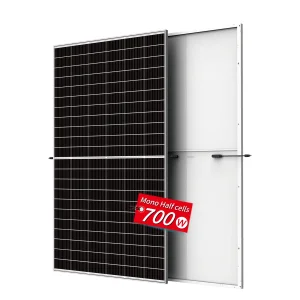
N-Type Tunnel Oxide Passivated Contact (TOPCon) architectures offer a lower temperature coefficient (-0.30%/°C) compared to standard PERC cells. This helps reduce power loss in hot climates. In shingled modules, overlapping cell cuts remove inactive grid gaps, increasing active surface area and overall output density. This design also reduces mechanical micro-cracking risk from high thermal variations.
Our quality protocol starts with strict Incoming Quality Control (IQC) of raw materials. We employ dual-chamber laminating systems and high-precision laser scribing to prevent micro-cracks. In addition, we use cross-linked ethylene-vinyl acetate (EVA) and polyolefin elastomer (POE) encapsulation sheets to prevent moisture ingress, virtually eliminating PID even under high-voltage, high-humidity operating environments.
Utility systems generally require CE and RoHS compliance to meet local grid requirements. Off-grid rural installations, particularly those receiving international developmental funding, require Verasol IEC 62257-9-8 certifications. This ensures the integrated system—including batteries, lighting, and solar modules—safely delivers its rated output over its lifetime.
Yes. Building-integrated photovoltaic (BIPV) thin-films and adhesive solar window films are designed for direct glass integration. By utilizing Cadmium Telluride (CdTe) chemistry, these modules absorb solar energy across a wider spectral range, including diffuse, low-angle light. This enables vertical building envelopes to generate electricity without compromising architectural aesthetics or thermal insulation properties.
High-efficiency components, flexible laminates, and balance-of-system integration kits for utility and residential projects.
 ConTech Solar