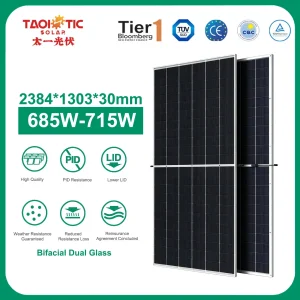
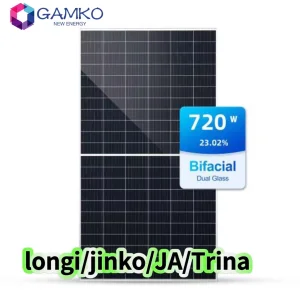
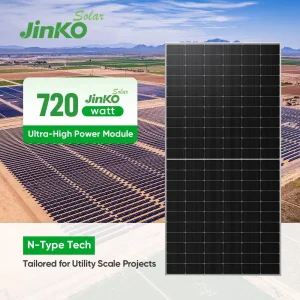
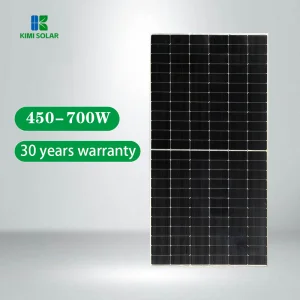
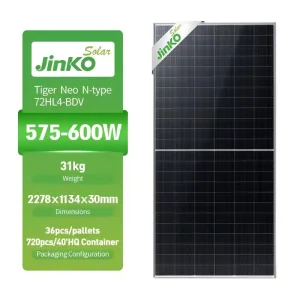
Premium N-type double glass modules engineered specifically for high ambient temperatures and desert soils.
Israel is undergoing a major energy transition, accelerating towards its target of generating 30% of its electricity from renewable sources by 2030. To accomplish this within a geographically constrained framework, maximizing the efficiency per square meter of land is an absolute priority.
Bifacial solar technology represents a quantum leap forward for Israeli energy developers. Unlike traditional monofacial modules, bifacial panels capture solar radiation from both the front and rear sides. In regions like the Negev and Arava deserts, which feature highly reflective sandy soils, the albedo effect amplifies the generation yield substantially. By exploiting reflected ground irradiance, our modules unlock up to an additional 25% energy gain, fundamentally altering project LCOE (Levelized Cost of Electricity) equations.
Combining maximum power density with mechanical structural resilience for large-scale utility integration across Israel.
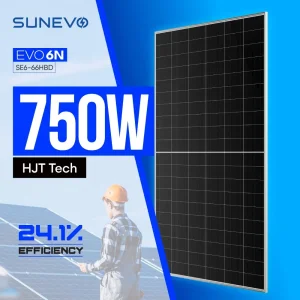
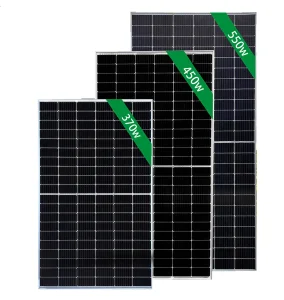
Understanding cell physics: How N-Type TOPCon and Heterojunction (HJT) maximize Levant desert potential.
N-Type Tunnel Oxide Passivated Contact (TOPCon) represents the cutting edge of commercially scalable photovoltaic cells. By using an ultra-thin silicon oxide layer combined with highly doped polycrystalline silicon, TOPCon cells significantly reduce surface recombination losses.
Furthermore, TOPCon delivers a bifaciality factor of 80% to 85%, ensuring that the rear-side conversion capability is almost equal to the front-side active area, a vital metric when coping with the strong soil albedo of Israel's desert areas.
HJT combines crystalline silicon thin-films with amorphous silicon passivation layers. This structure reduces recombination to negligible levels, enabling cell efficiencies above 25.5%.
For Israeli utility developers, HJT's signature advantage is its high bifaciality factor—often exceeding 85% to 90%. Combined with an industry-lowest temperature coefficient of just -0.26%/°C, HJT panels generate unmatched yield values in blistering summer environments.
Arid environments suffer from extreme diurnal thermal cycles, where temperatures spike during the day and plunge at night. Traditional backsheet modules are vulnerable to moisture ingress, backsheet yellowing, and PID (Potential Induced Degradation).
Our Dual-Glass configuration uses high-durability POE (Polyolefin Elastomer) encapsulation instead of EVA. POE prevents water vapor transmission, completely neutralizing PID risks and providing long-term structural security.
Total Module Irradiance (Gtotal) = Gfront + (Gfront × Ralbedo × ηbifaciality × Fstructure_shading). In highly reflective Israeli dry sand or desert light gravel conditions, where Ralbedo can hover between 0.35 to 0.40, a standard 600W front-rated module with 80% bifaciality will consistently operate as a 740W+ equivalent module without requiring any additional physical footprint. This dramatically reduces structural, wiring, and land procurement expenses.
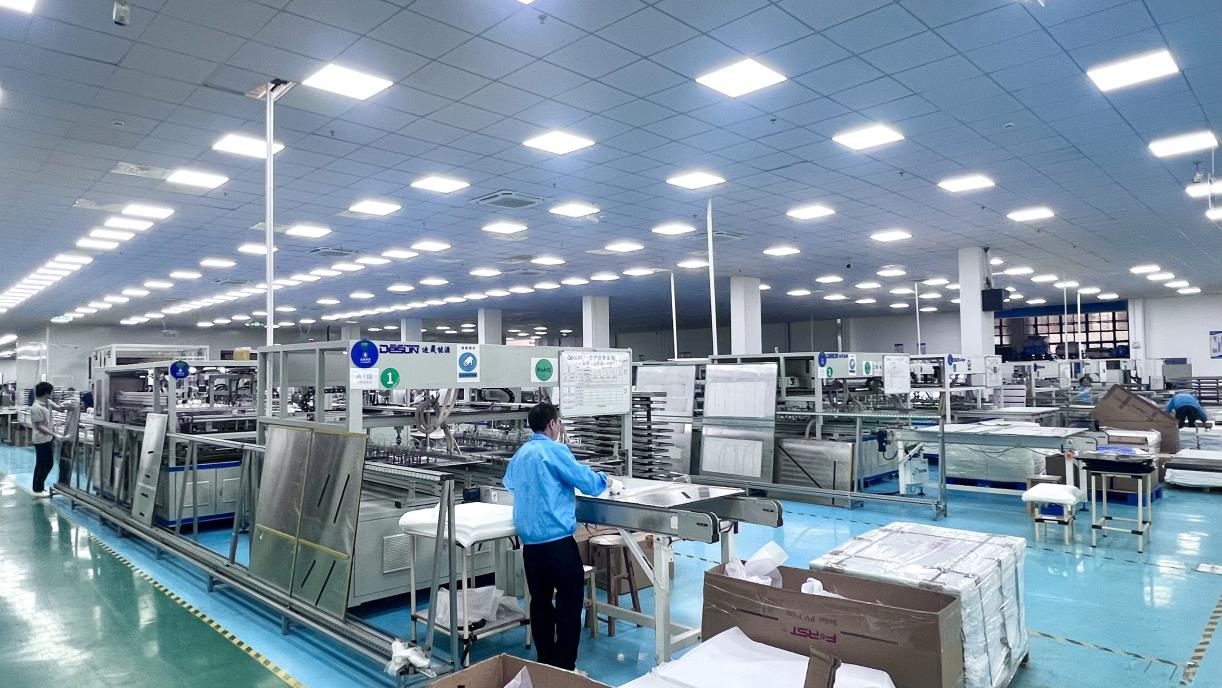
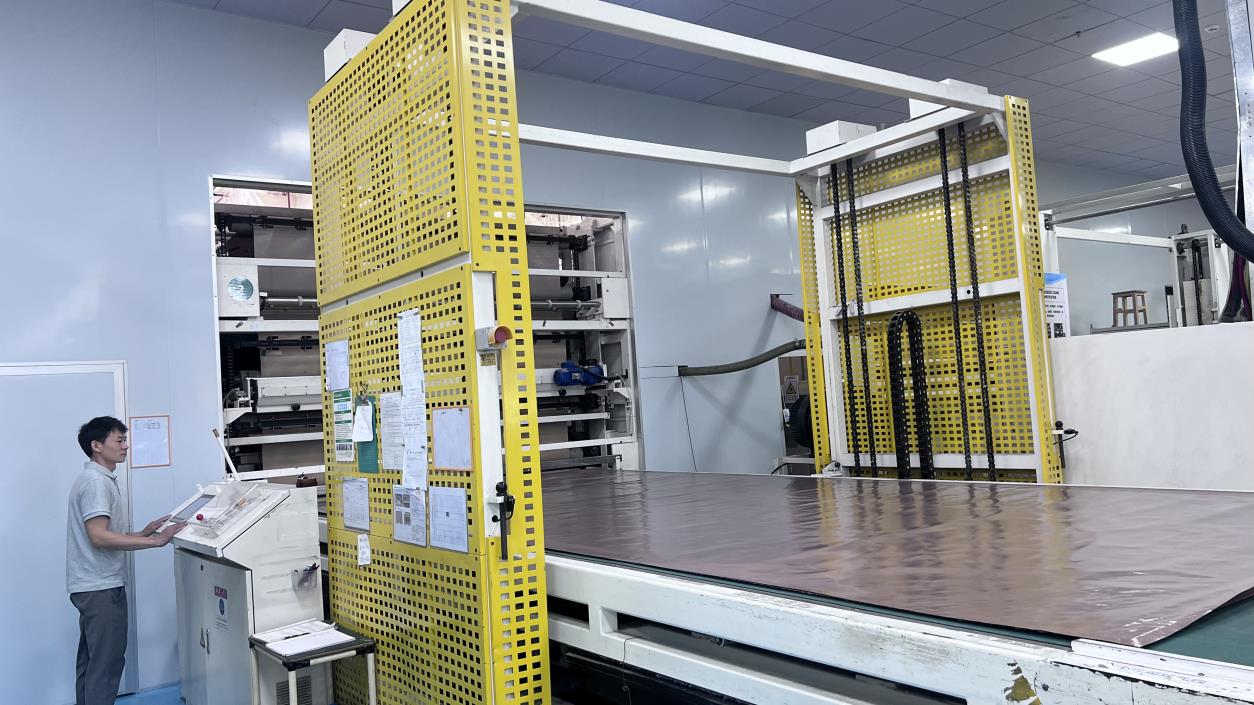
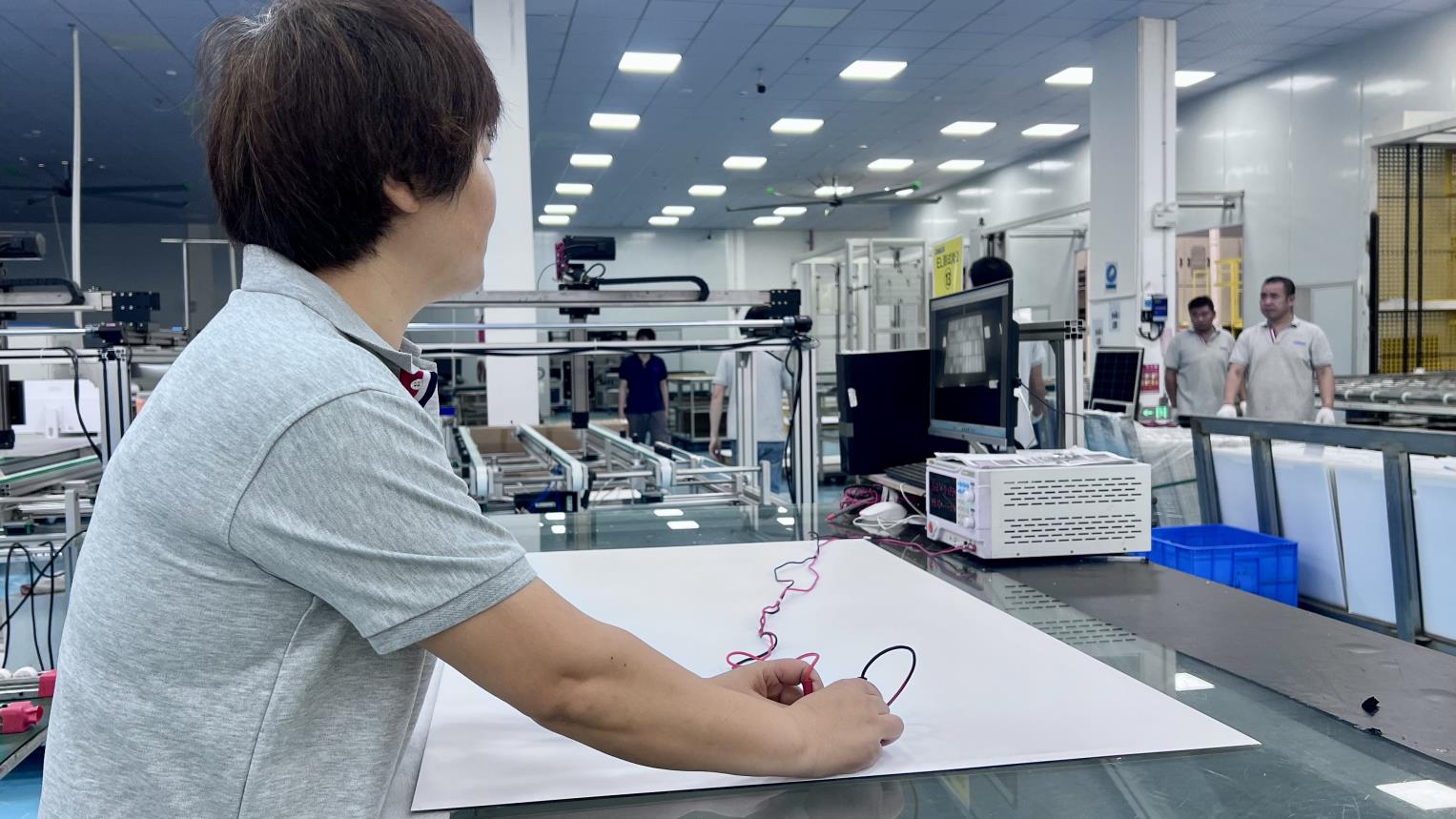
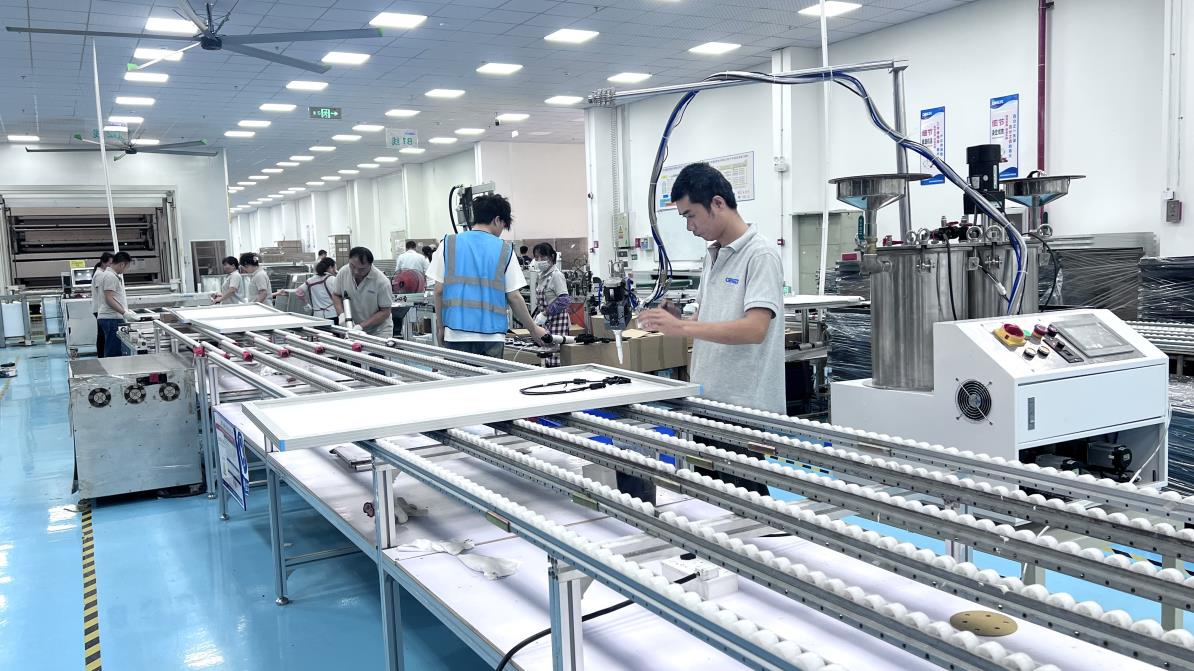
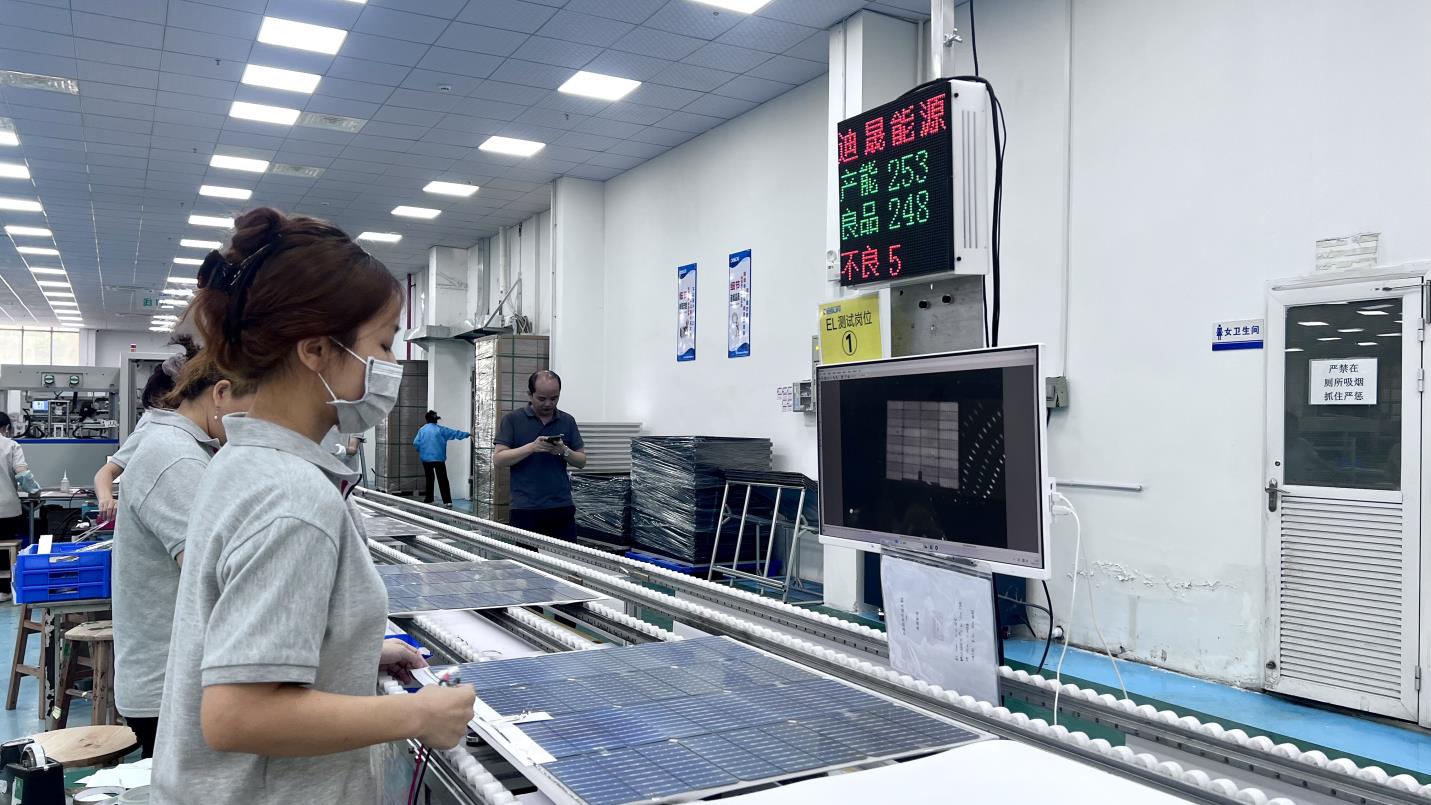
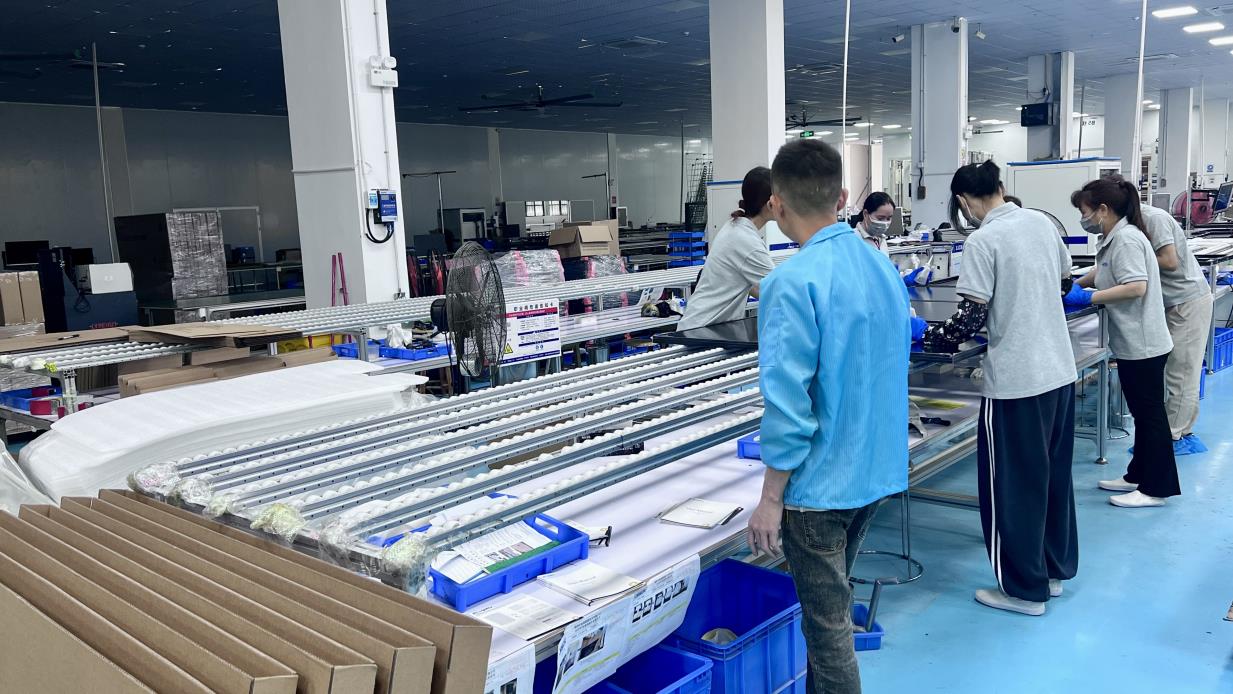
A look inside our state-of-the-art production facility, illustrating why our modules set global standards for quality and endurance.
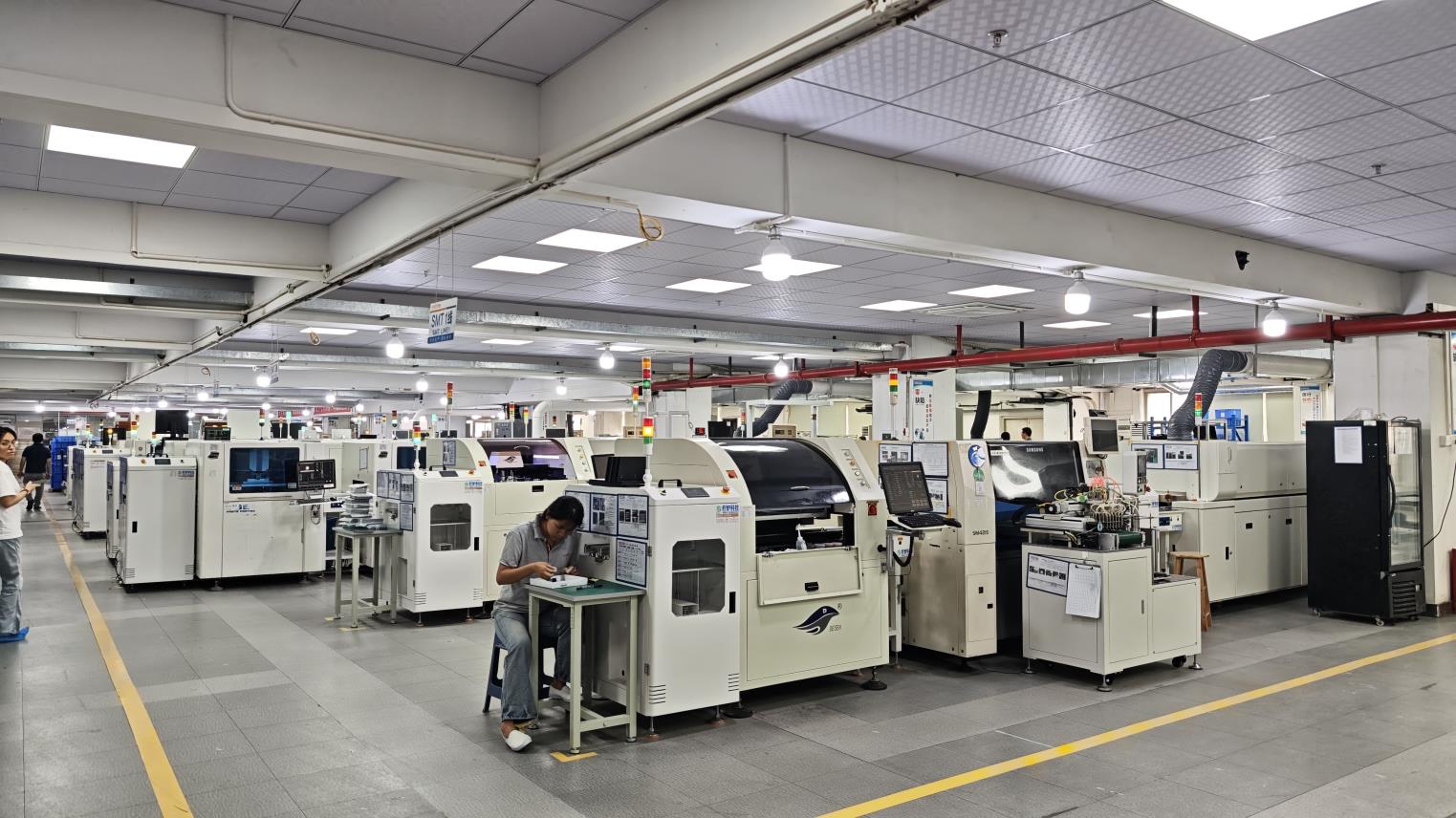
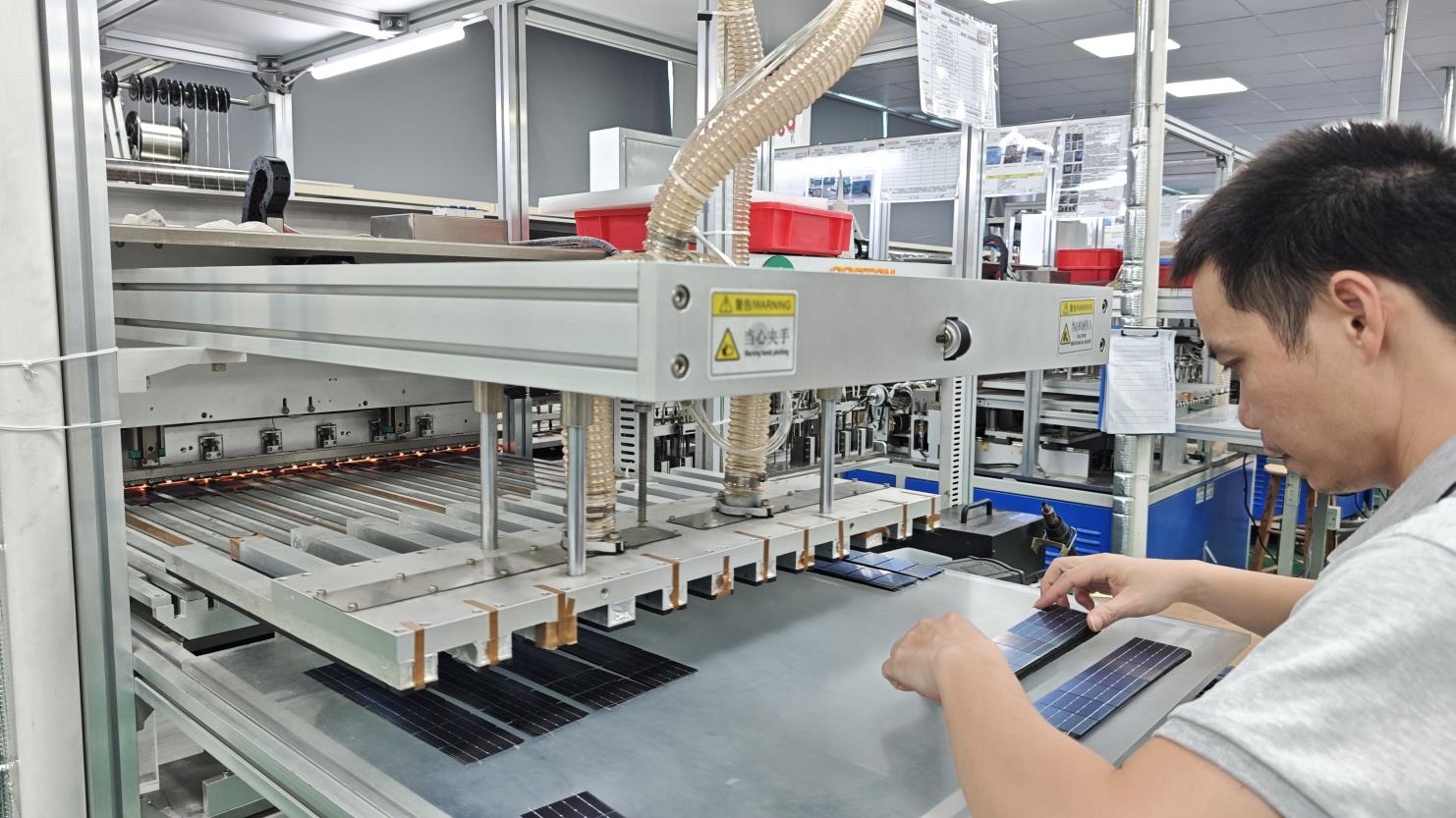
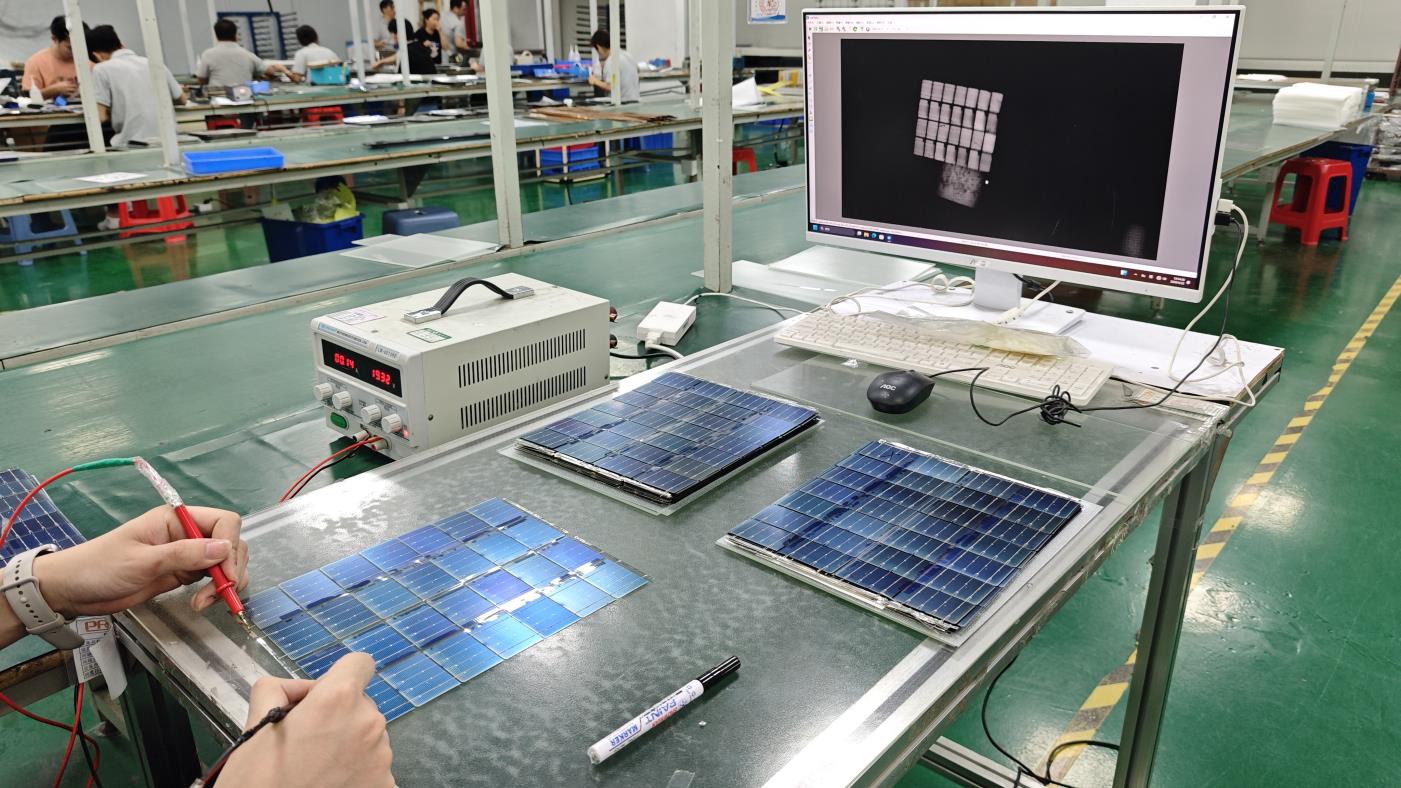
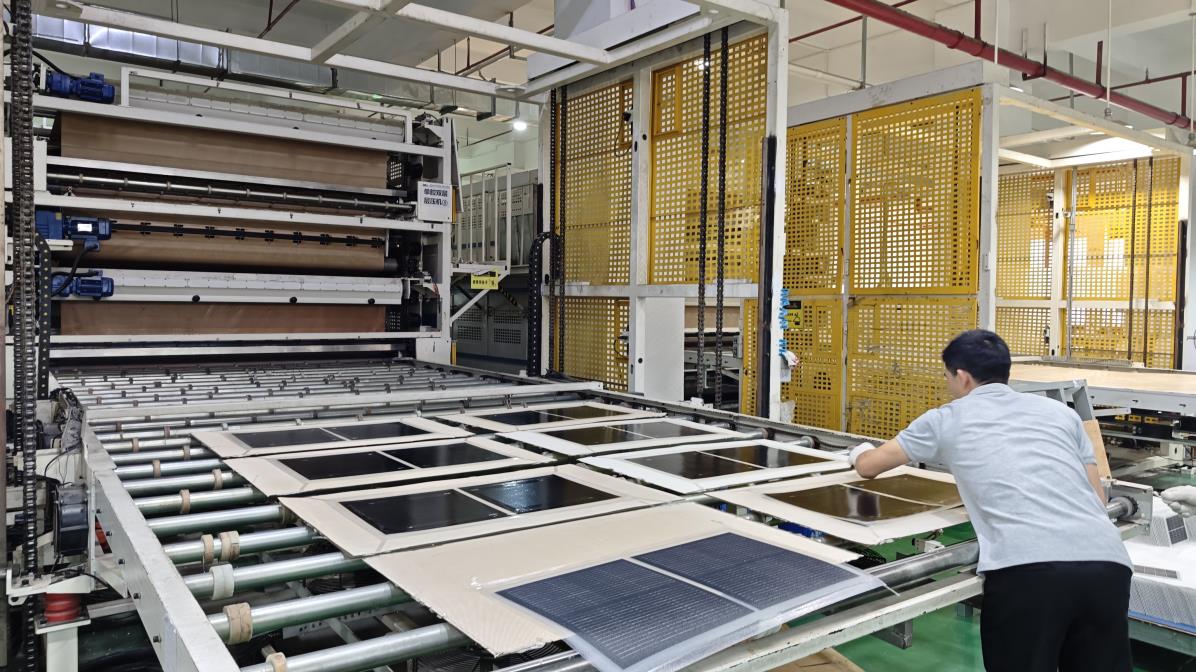
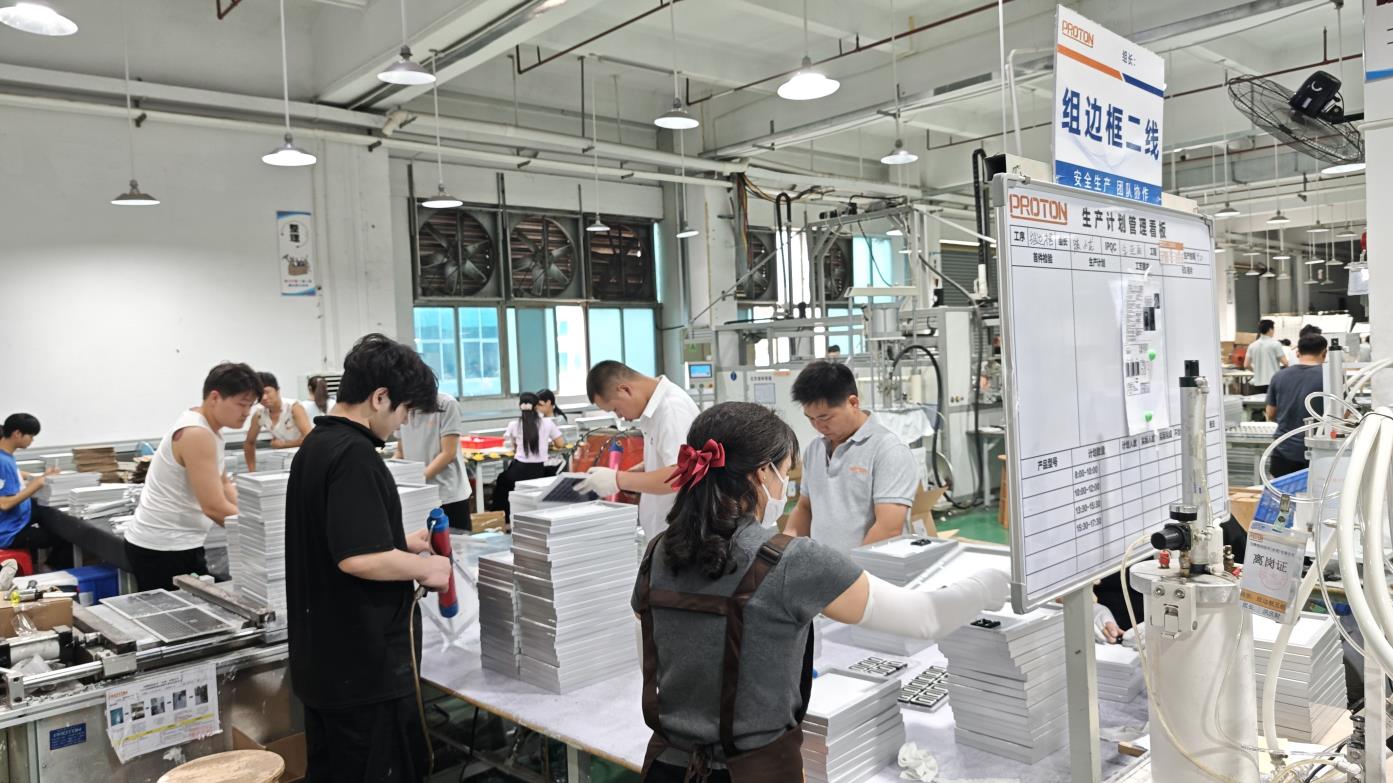
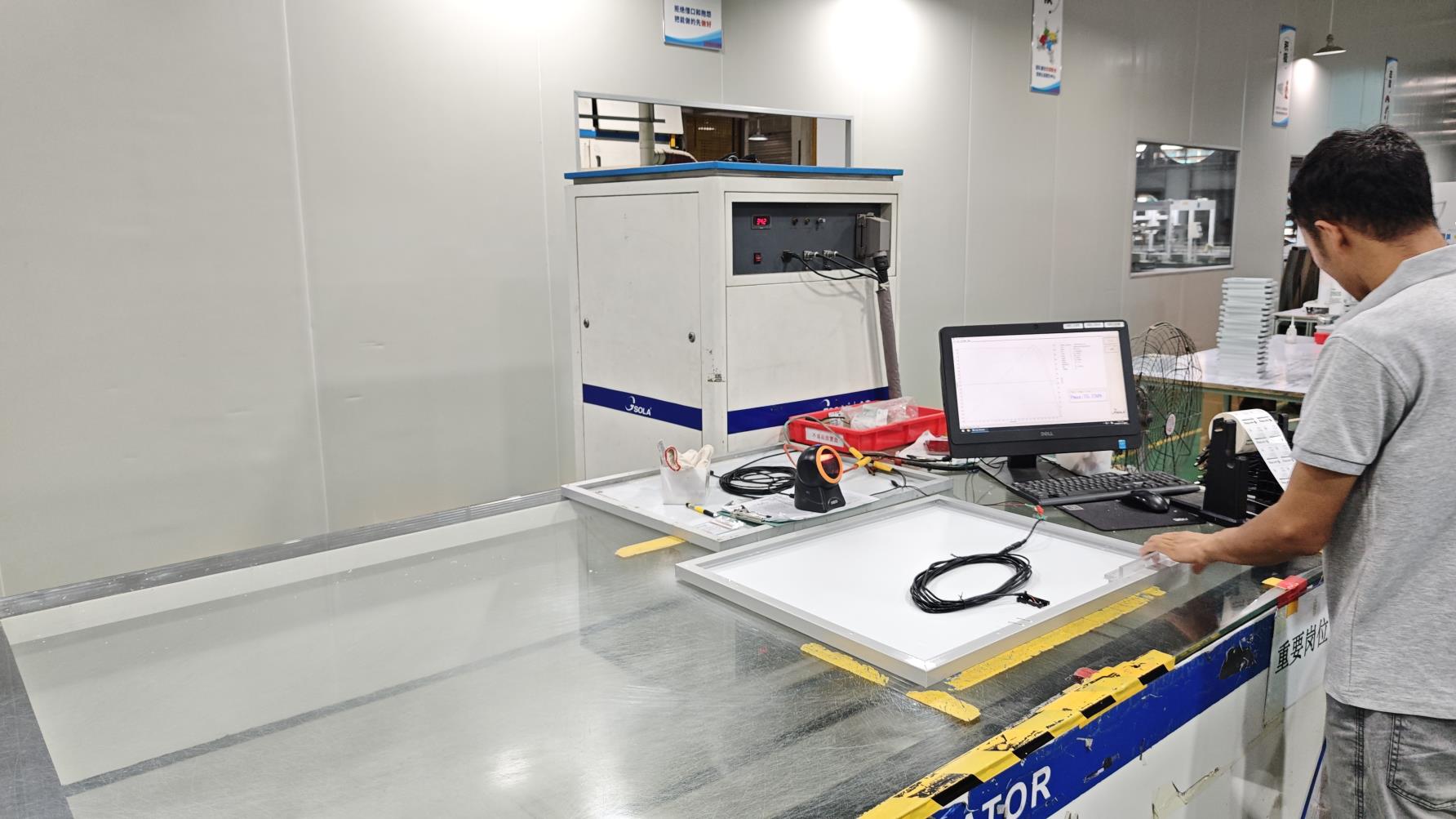
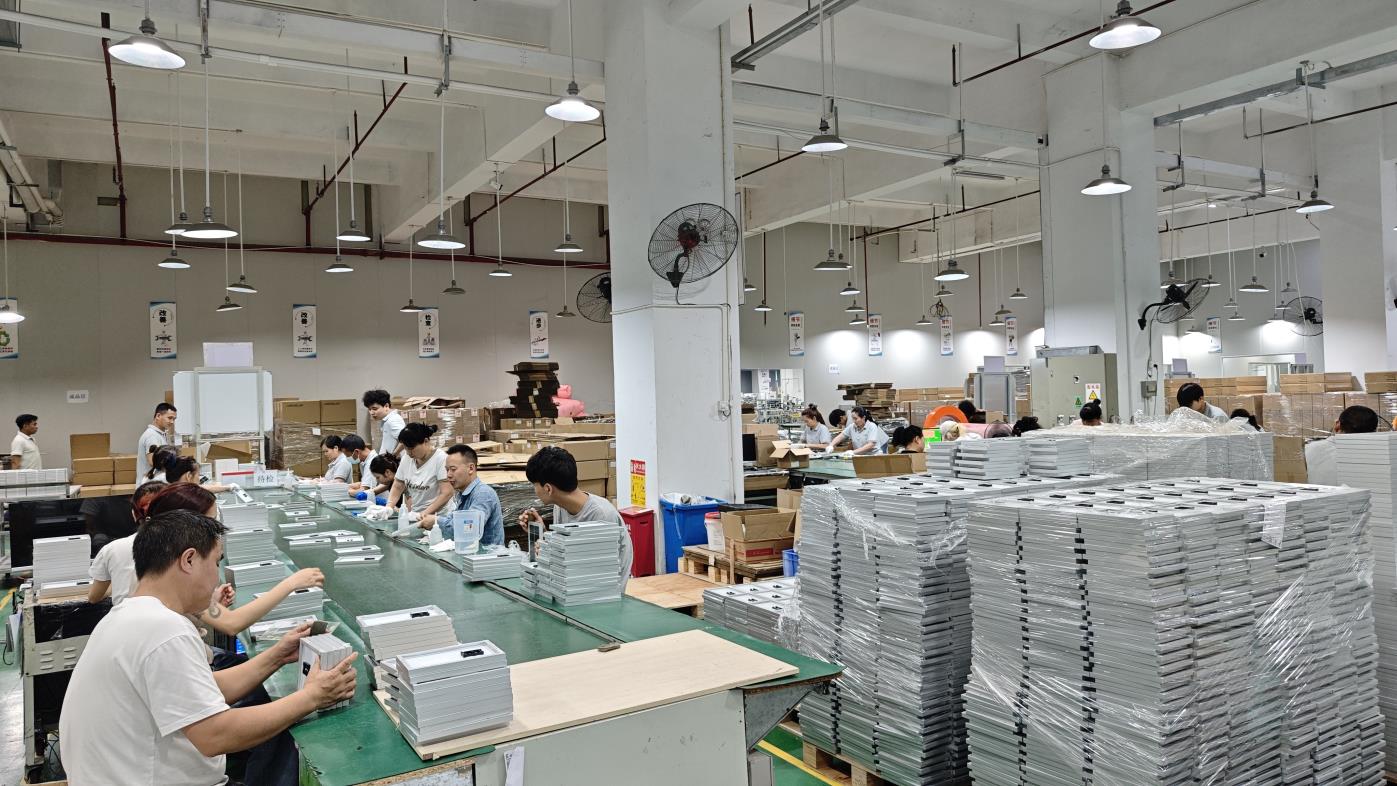
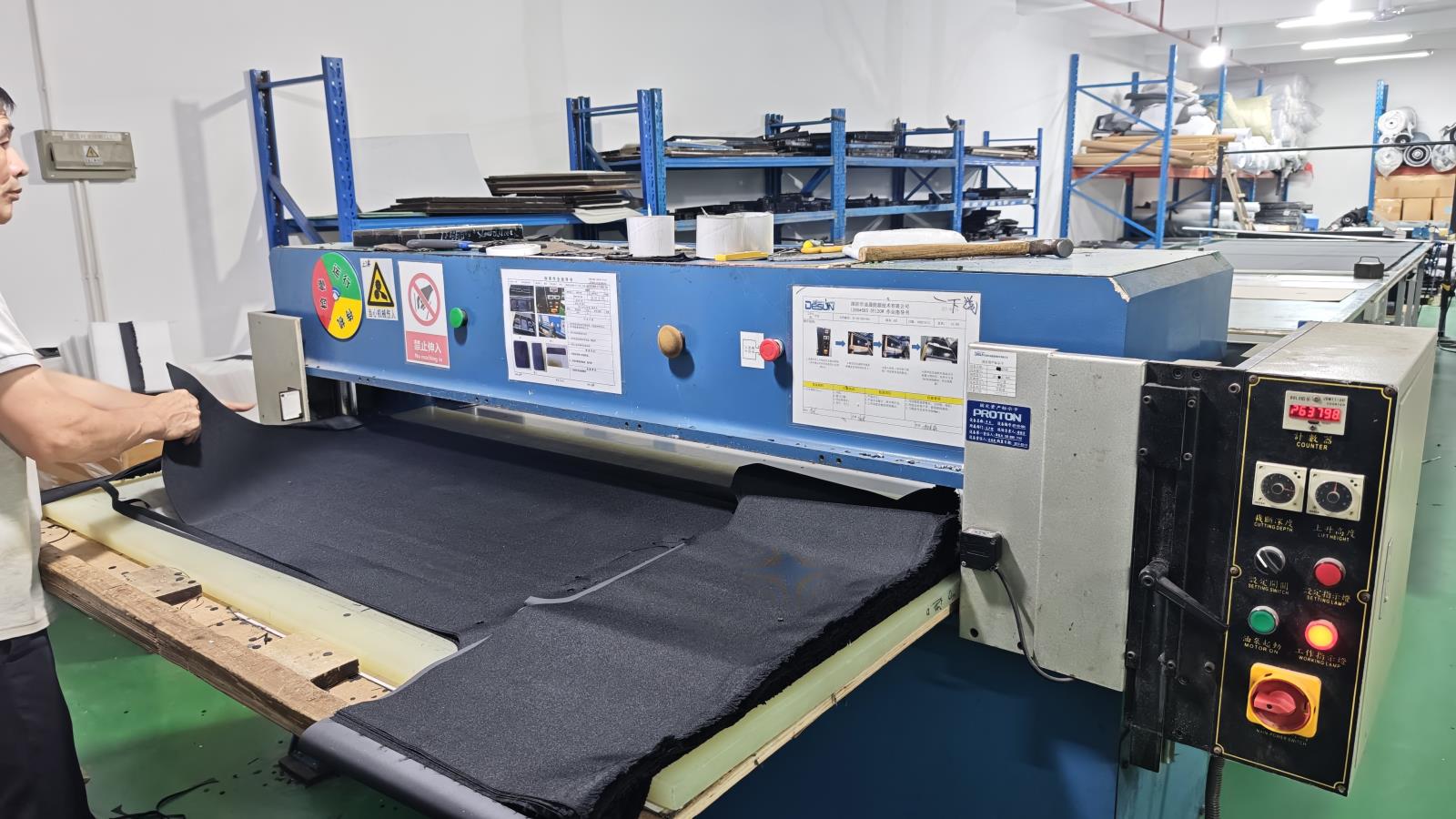
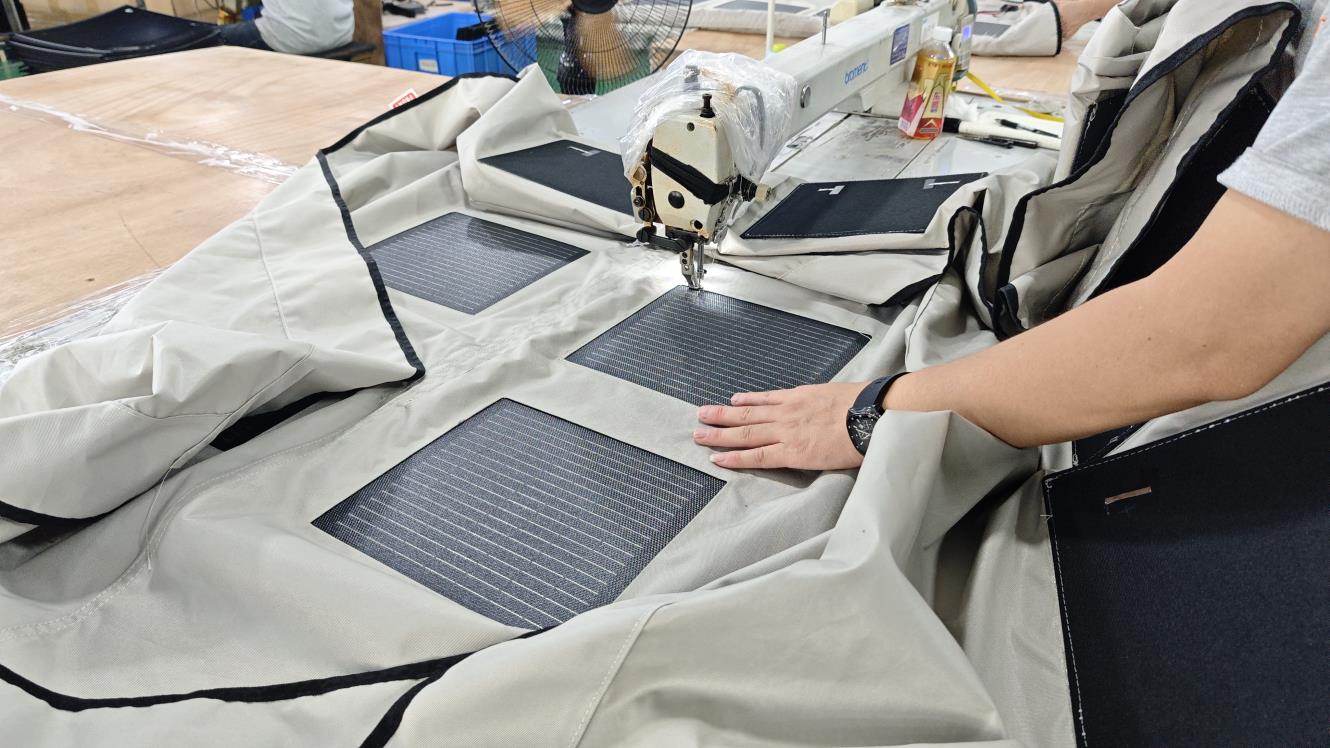
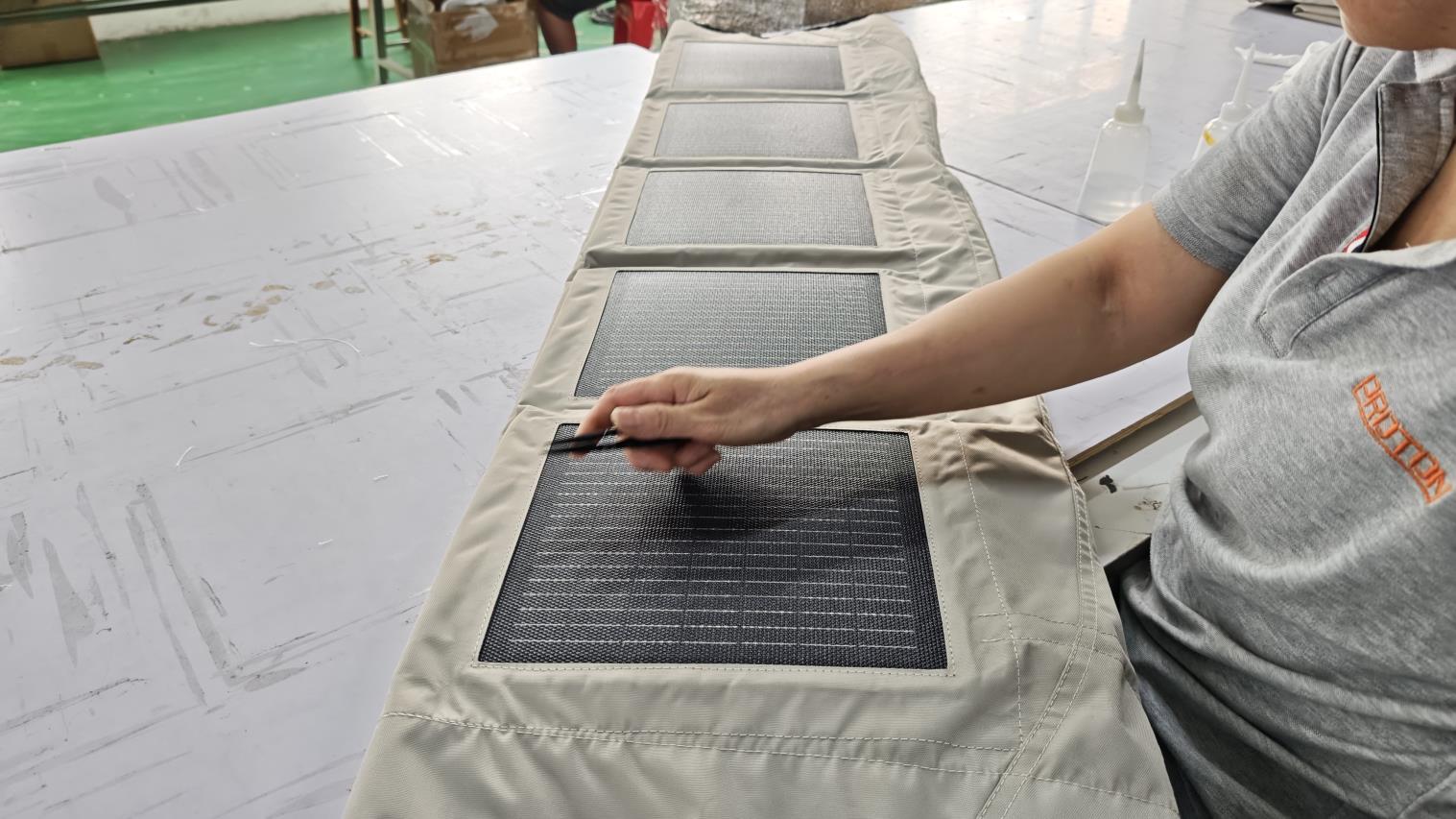
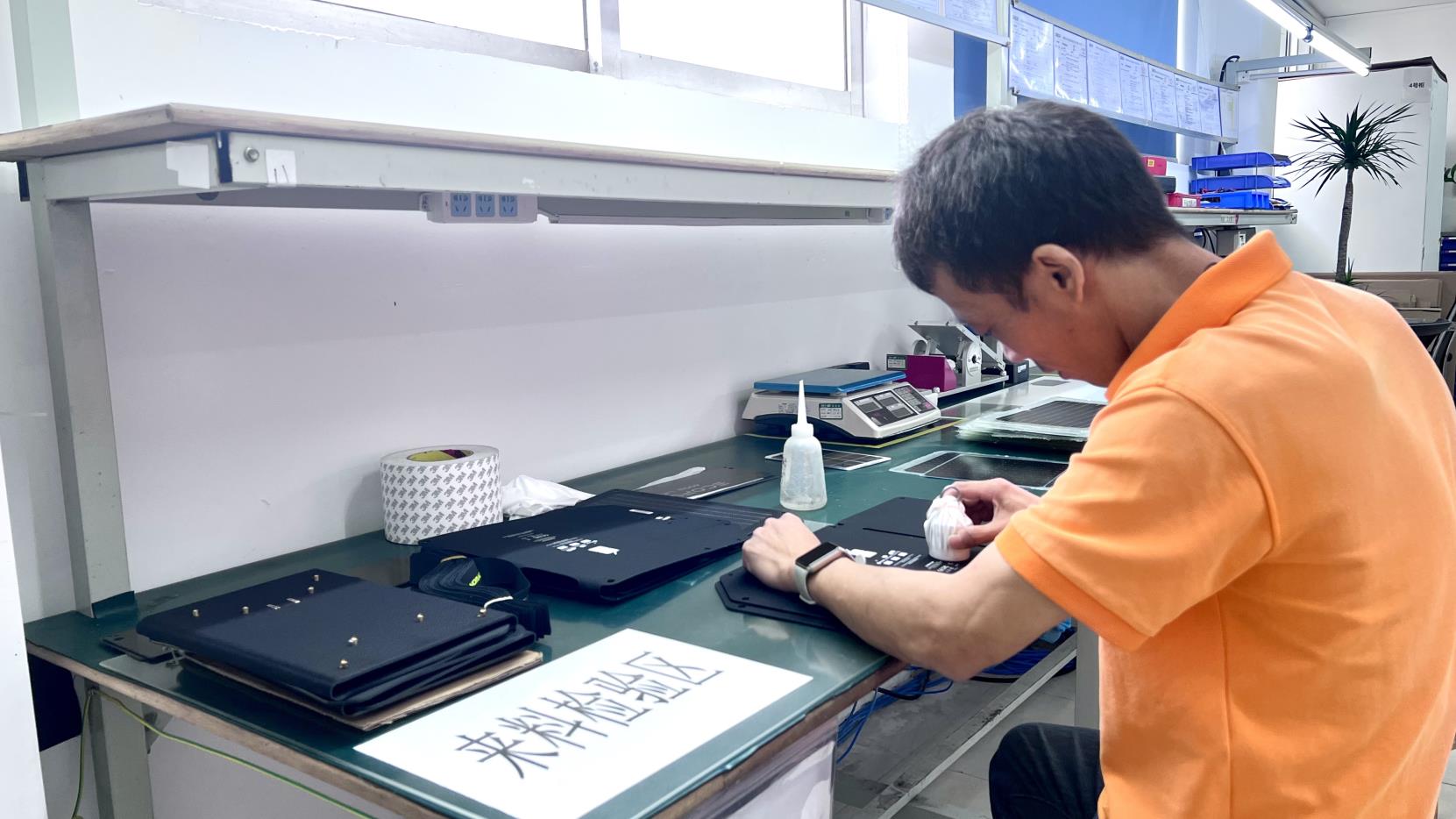
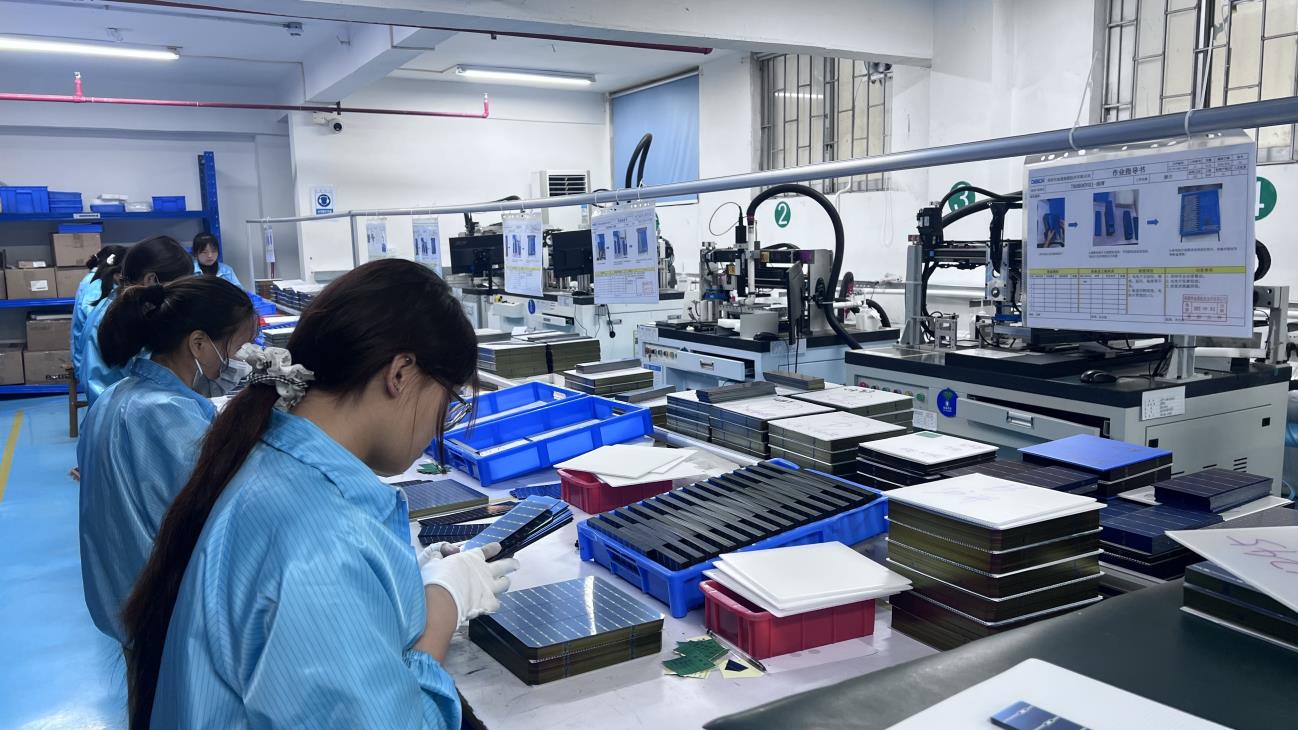
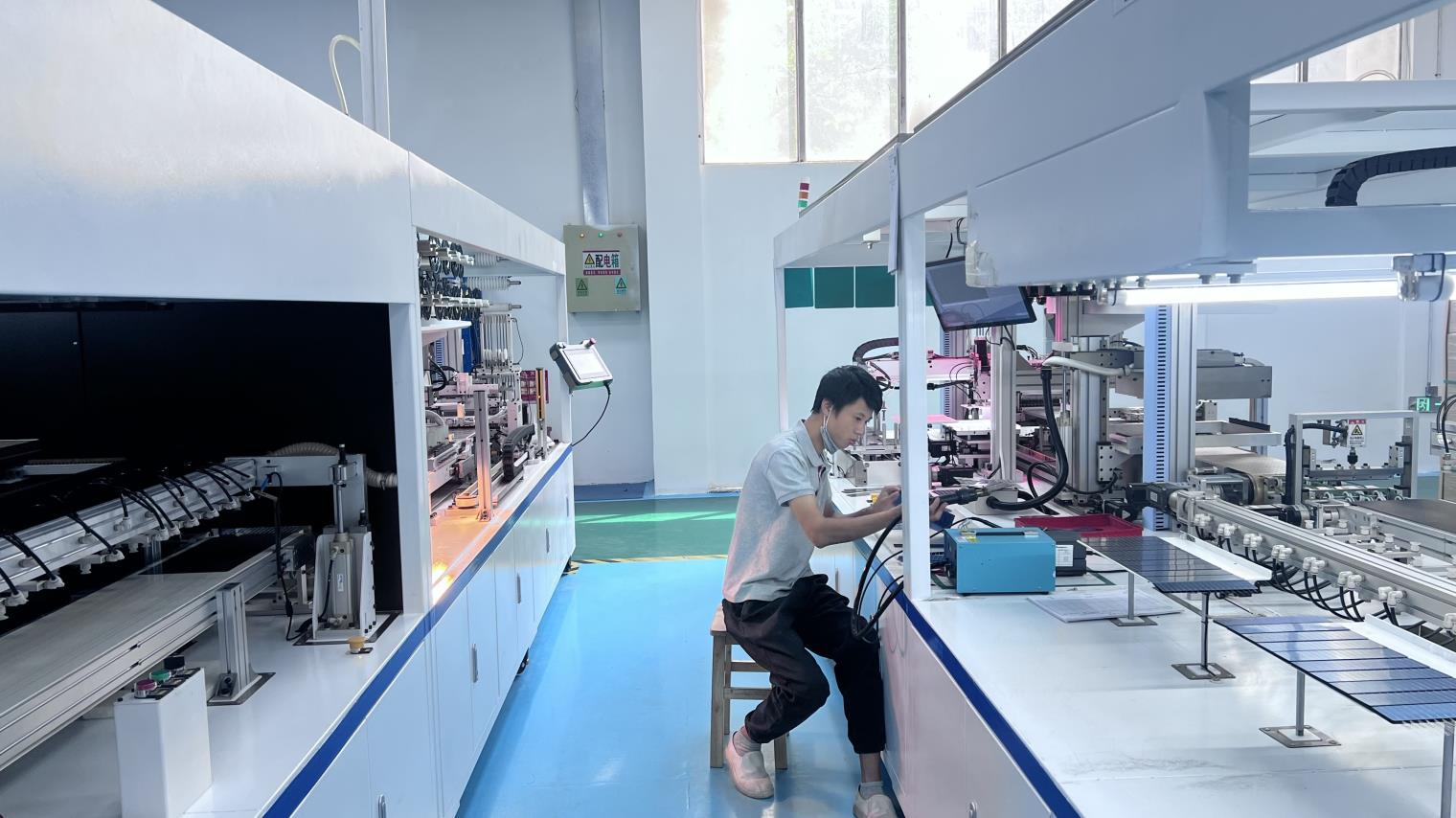
Empowering global infrastructure through uncompromised reliability metrics.
Our products undergo stringent certifications to ensure smooth import and grid connection under the Standards Institution of Israel (SII) standards:
Importing high-performance PV technology demands absolute logistical alignment, transparent supply-chain documentation, and reliable after-sales support.
At Xiamen ConTech Solar, we don't just export products—we deliver optimized energy solutions. We understand the specific administrative and engineering demands of working with the Israel Electric Corporation (IEC).
Whether your project is located in the Arava desert, the Galilee hills, or along the salty coastal zones, our custom solar panel configurations, including adjustable aluminum frame depths and specialized dual-glass architectures, guarantee seamless construction alignment and long-term durability.
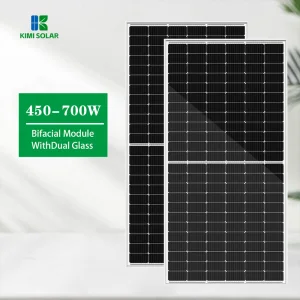
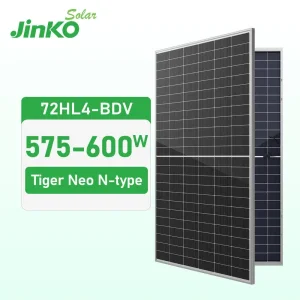
Our complete high-capacity portfolio, designed for unmatched power output and long-term operational security in harsh Levant conditions.
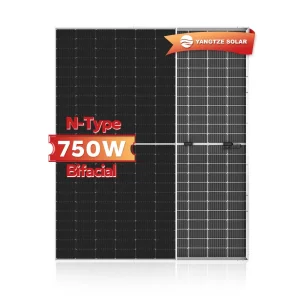
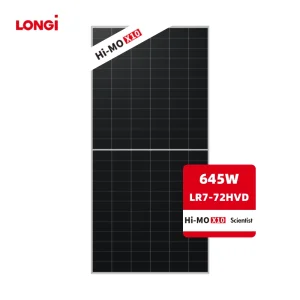
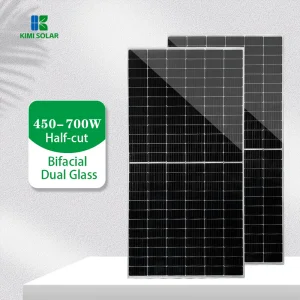
Expert clarifications regarding physics performance, structural integrity, and local integration parameters.
The albedo coefficient of typical dry sand and light gravel in the Negev desert spans from 0.25 to 0.40. Standard mono-facial solar panels only absorb direct horizontal irradiance (GHI). In contrast, our bifacial modules utilize their high rear-side bifaciality index (up to 85% in TOPCon/HJT) to convert reflected radiation into active energy.
In a typical Arava Desert installation layout, with a ground height of 1.2 to 1.5 meters and a pitch of 6 to 8 meters, the albedo-induced rear-side gain translates into a consistent 18% to 28% total energy generation gain. This directly improves the investment payback timeline and delivers lower LCOE for IPP developers.
Extreme ambient heatwaves (exceeding 40°C) are common in Israel during the summer months. Monocrystalline silicon cell efficiency naturally degrades as module temperatures rise.
Traditional P-type PERC modules suffer from a high temperature coefficient of approximately -0.38%/°C, resulting in massive generation losses during hot summer afternoons. N-type TOPCon reduces this loss to -0.30%/°C, and Heterojunction (HJT) achieves an unmatched -0.26%/°C coefficient.
Additionally, N-type cells completely eliminate Light-Induced Degradation (LID) since they do not rely on Boron-Oxygen complexes, guaranteeing superior long-term performance retention.
Shipping high-value photovoltaic modules requires immaculate preparation. All our exports to Israel are packed using heavy-duty vertical wood-free boxes with internal structural reinforcement to prevent micro-cracking during long maritime container transit.
We conduct 100% triple EL (Electroluminescence) testing at our automated factory: prior to lamination, after lamination, and right before packaging. This complete sequence ensures zero cell defects reach your construction site in Ashdod, Haifa, or Eilat.
Yes. All our monocrystalline bifacial panels carry comprehensive, up-to-date international certifications including IEC 61215, IEC 61730, and CE. These certification packages align perfectly with the testing guidelines established by the Standards Institution of Israel (SII).
Our structural documentation simplifies and accelerates approval processes for grid connection through the Israel Electric Corporation (IEC), minimizing administrative project delays.
Projects located along coastal strips (Tel Aviv, Herzliya, Haifa) face severe corrosive atmospheres due to high humidity and high airborne sodium chloride concentrations.
Our high-durability double-glass modules feature POE (Polyolefin Elastomer) encapsulation instead of standard EVA. Combined with a robust anodized aluminum alloy frame, this design completely insulates the electrical architecture from corrosive elements.
Our products successfully complete the rigorous IEC 61701 Level 6 Salt Mist Corrosion testing, providing uninterrupted power generation in extreme marine microclimates.
Absolutely. Our dual-glass bifacial solar panels are fully compatible with leading horizontal single-axis trackers. When combining tracker movements with rear-side albedo gains, developers typically achieve a 35% to 42% cumulative yield improvement compared to fixed monofacial ground-mount structures.
We collaborate directly with your mounting structure engineering team, adjusting junction box placement and cable lengths to eliminate structural rear shading, securing maximum yield performance.
Partner with Xiamen ConTech Solar today. Contact our technical engineering division to receive customized, project-specific PVsyst simulation reports, custom sizing quotes, and expert advice on optimizing albedo gains for your site.
 ConTech Solar