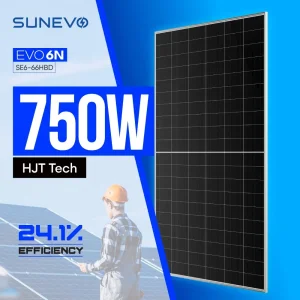
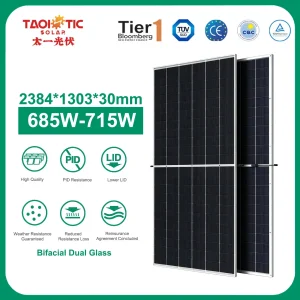
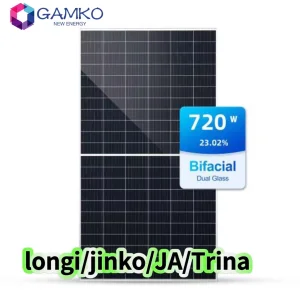
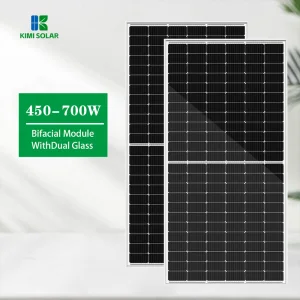
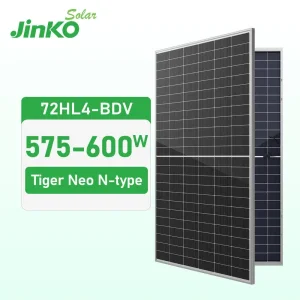
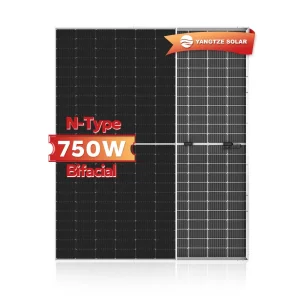
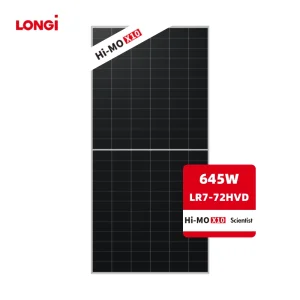
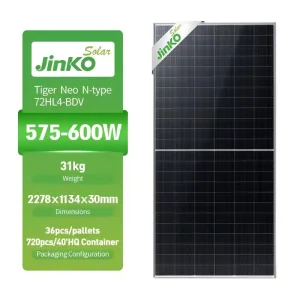
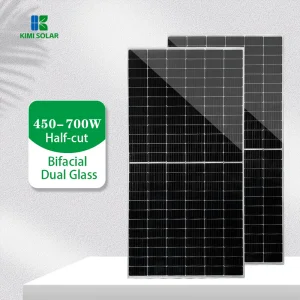
Premium dual-glass and high-efficiency bifacial solar technologies tailored for coastal durability and maximum backside power gain.
Busan, South Korea's primary logistical gateway and the world's sixth-busiest container port, is currently undergoing a massive structural shift towards carbon neutrality. In alignment with South Korea's national net-zero roadmap and local municipal green port policies, Busan is accelerating the deployment of localized solar energy generation systems. However, industrial sites in Busan present severe spatial constraints and a demanding maritime climate characterized by high wind loads, saline moisture, and high moisture levels.
Under these conditions, standard monofacial photovoltaic panels fall short of maximizing energy densities. This is where ConTech Solar's advanced Bifacial Solar Panels provide an outstanding technical solution. By utilizing the reflective properties (albedo effect) of sandy shorelines, concrete seaport docks, maritime surfaces, and white reflective roofs common to modern cold-storage warehouses, our bifacial systems generate up to 30% more power compared to traditional monofacial panels.
Bifacial solar technology captures diffuse and reflected light from the ground through a transparent backsheet or dual-glass design. For port container terminals, marine docks, and industrial complexes in regions like the Noksan Industrial Complex or Gijang-gun, the surface material dictates the bifacial power boost (Bifacial Gain).
| Surface Material (Typical Busan Install Sites) | Albedo Reflectivity (%) | Estimated Bifacial Energy Gain |
|---|---|---|
| Standard Roof Membrane (Dark/Grey Asphalt) | 10% - 15% | 6% - 10% |
| Concrete Seaport Docks & Industrial Pavements | 25% - 35% | 12% - 18% |
| Light Dry Sand (Coastal Gijang/Haeundae) | 35% - 45% | 18% - 24% |
| White Highly Reflective TPO Coating (Cold Storage Rooftops) | 70% - 85% | 22% - 30% |
As a leading supplier serving the Busan green energy market, ConTech Solar integrates state-of-the-art N-Type tunnel oxide passivated contact (TOPCon) and Heterojunction (HJT) cell architectures. These technologies provide distinct operational advantages in high humidity and seaside marine microclimates.
Traditional P-type modules suffer from higher light-induced degradation (LID) and lower bifaciality ratios (typically 65-70%). ConTech Solar's N-Type double-glass modules achieve bifaciality ratios exceeding 80-85%. This performance ensures that shipping and port logistics companies in Busan can meet their ESG goals and local energy self-sufficiency mandates much faster.
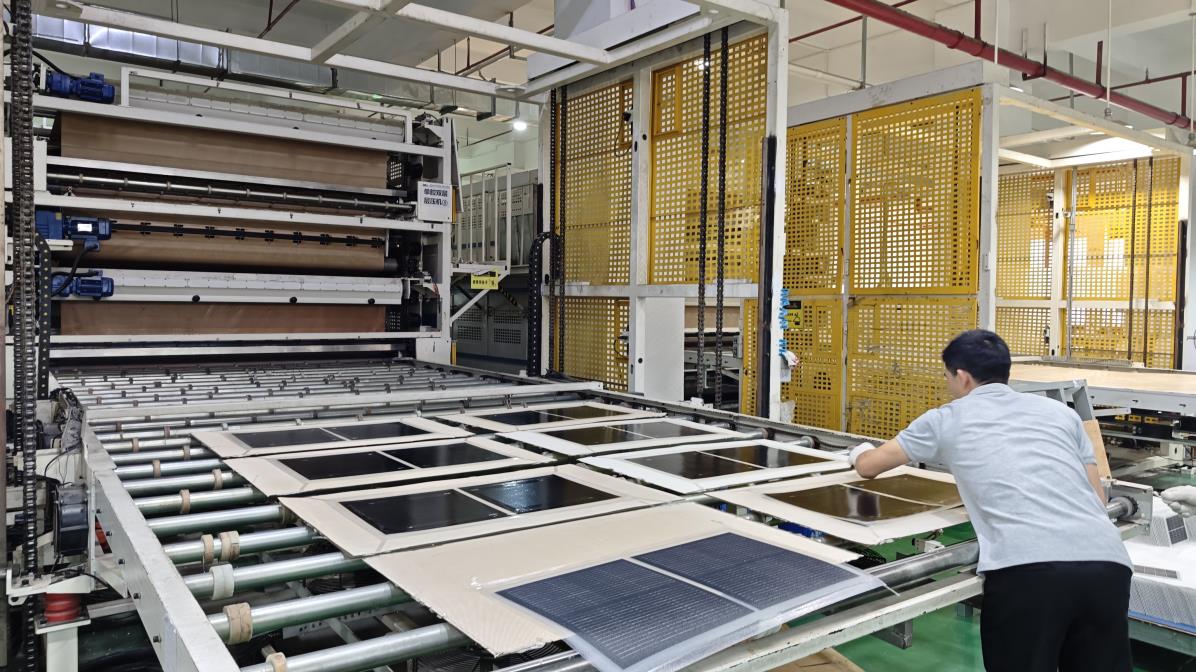
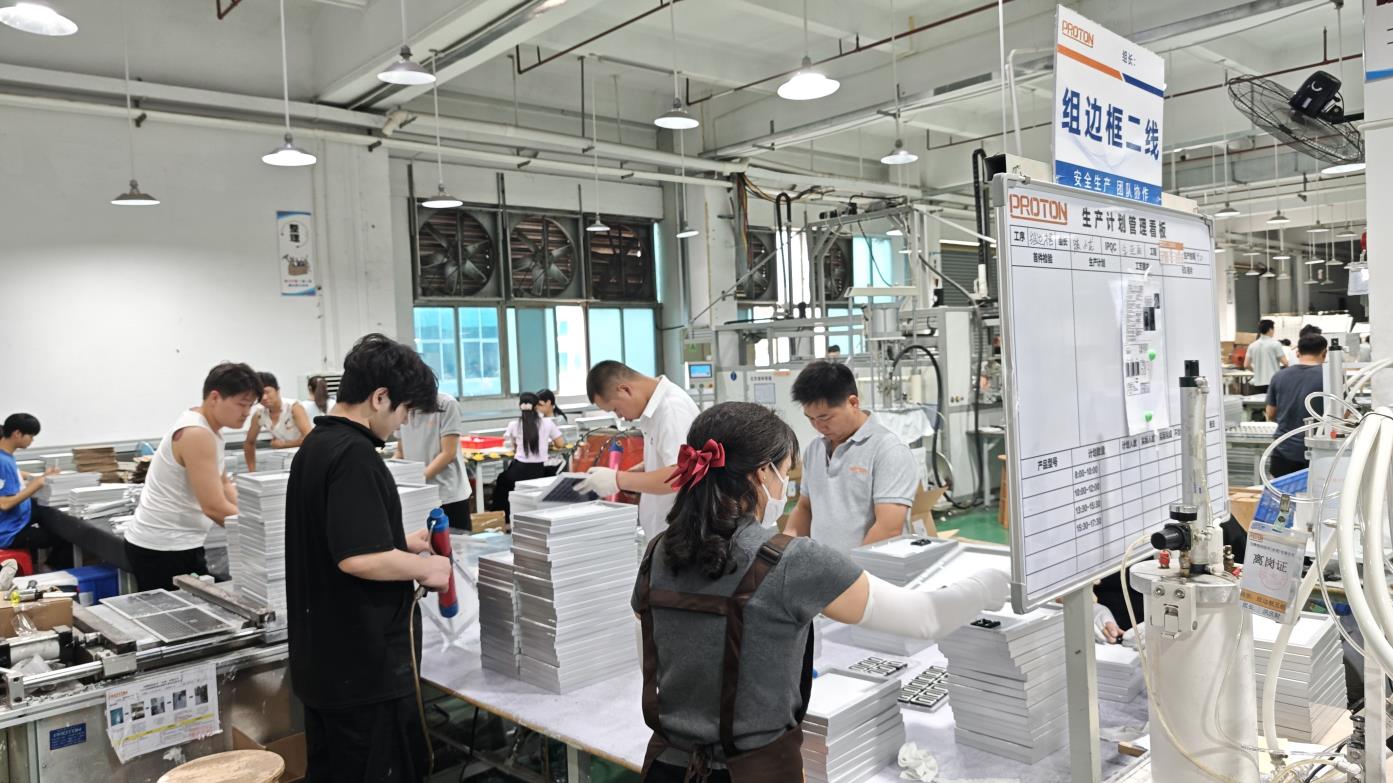
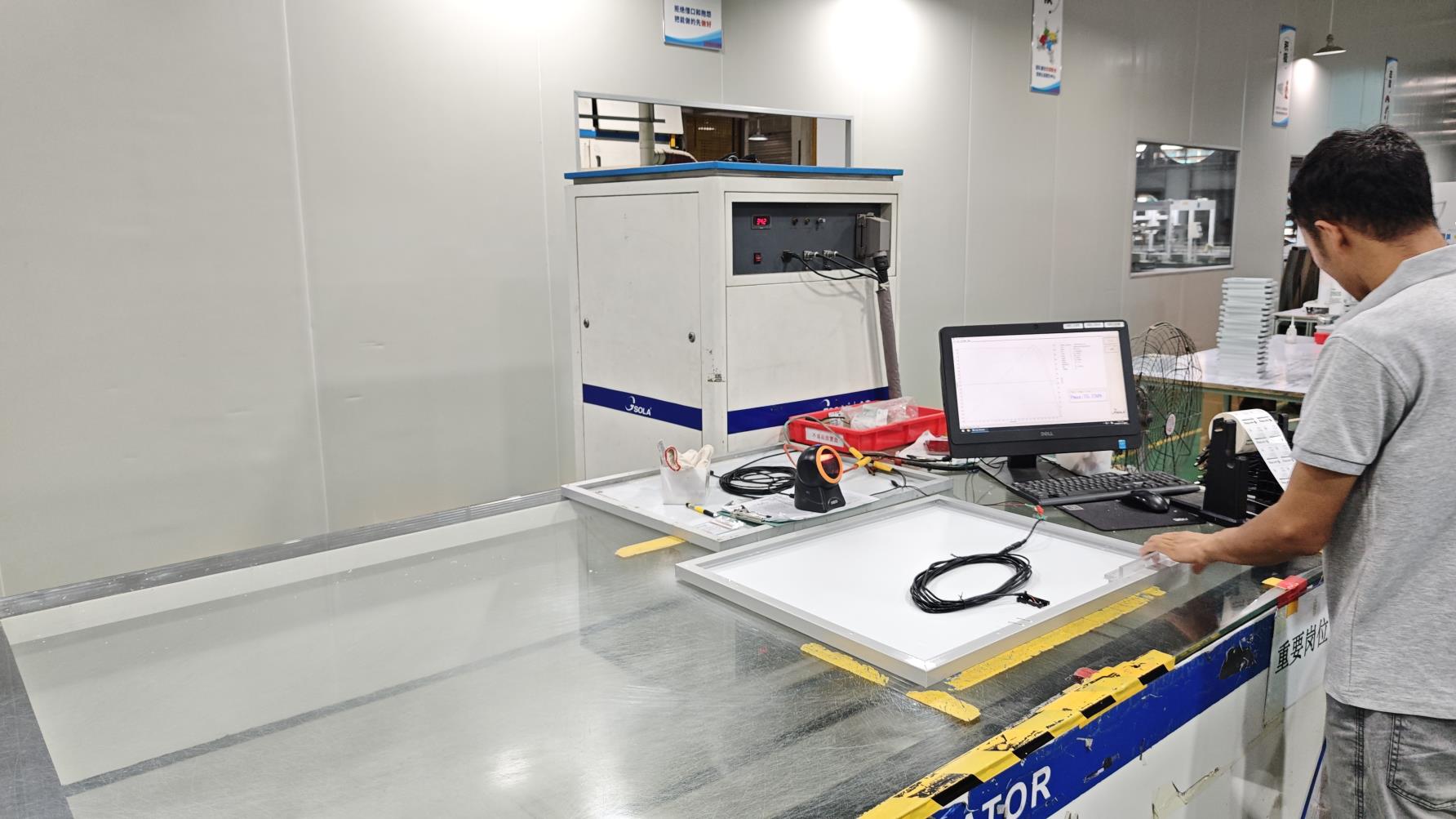
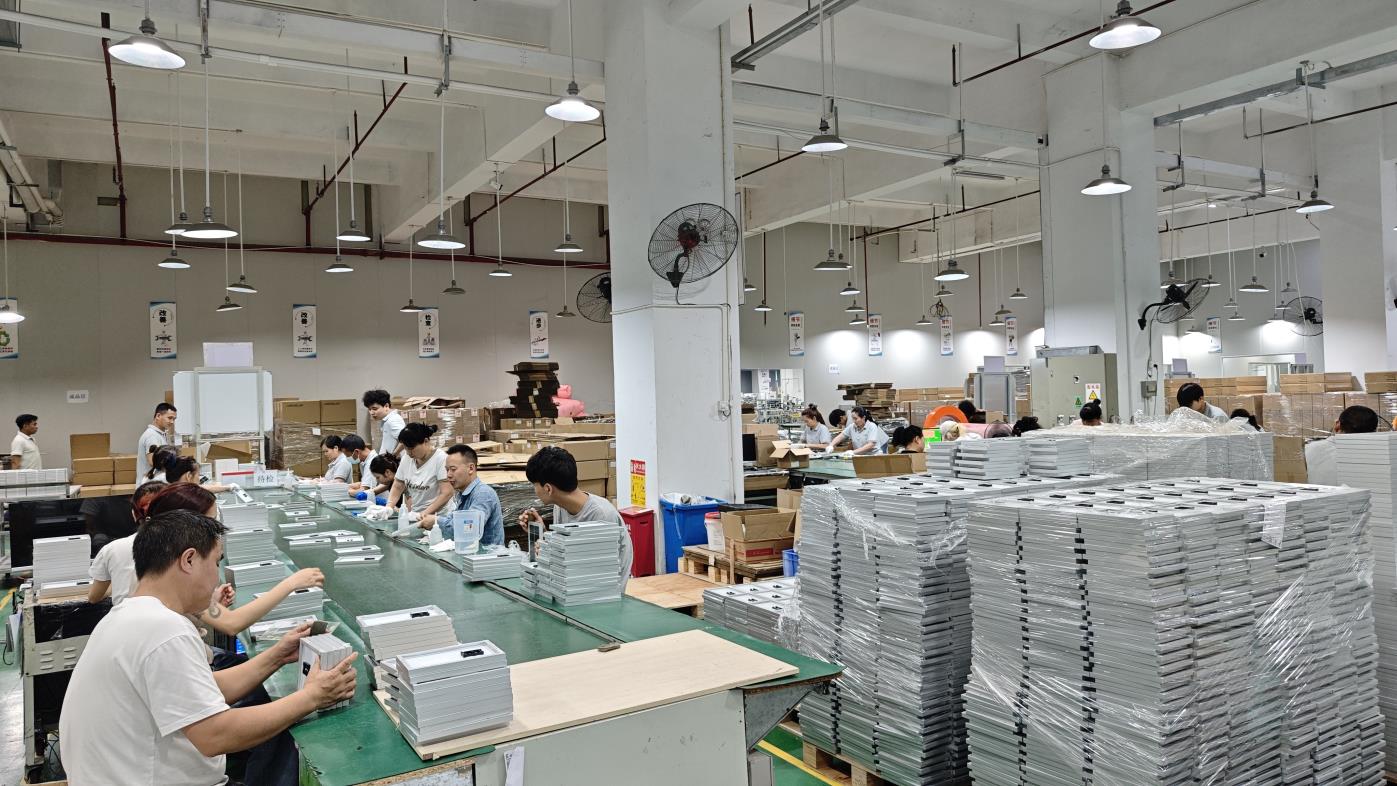
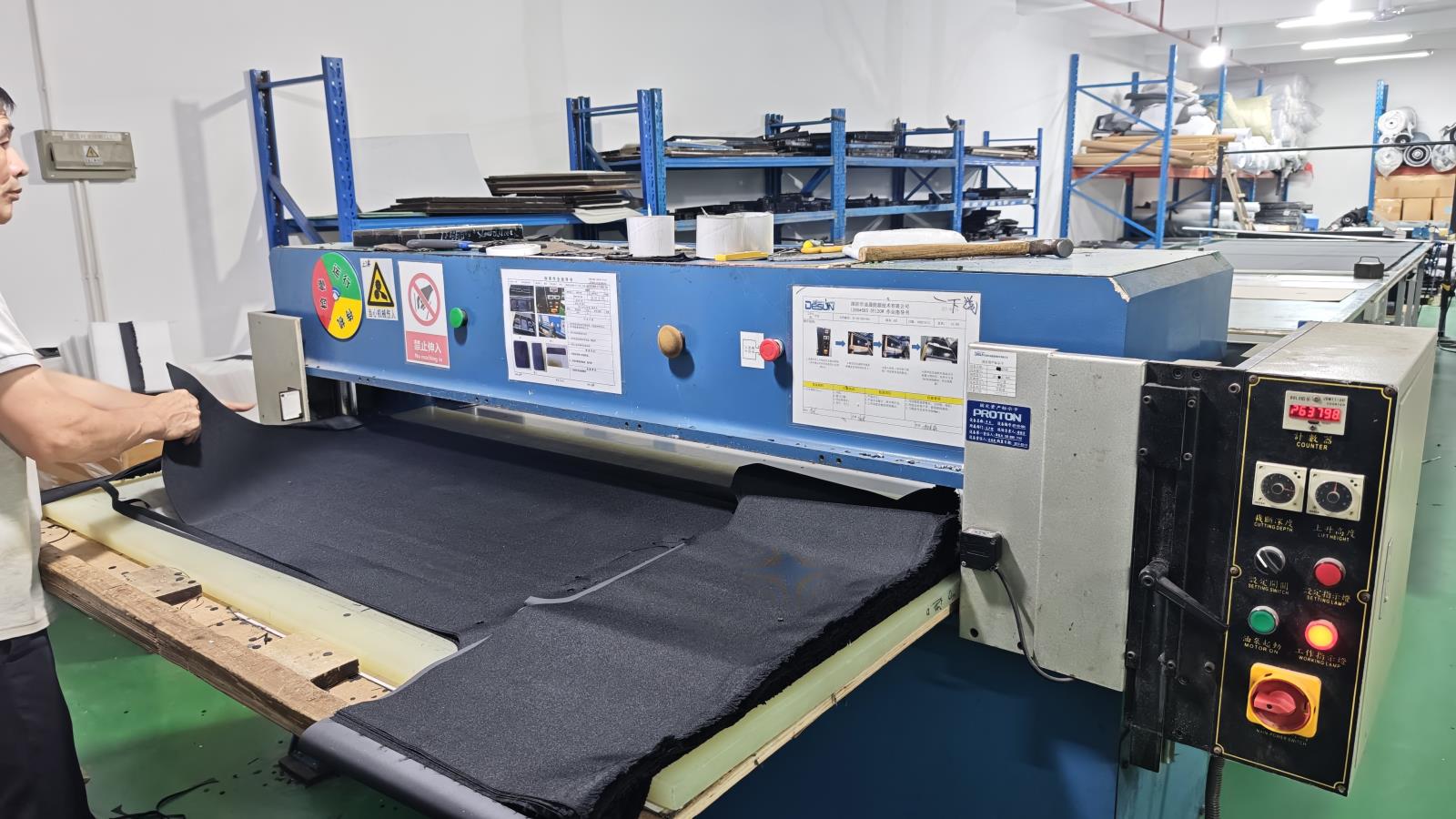
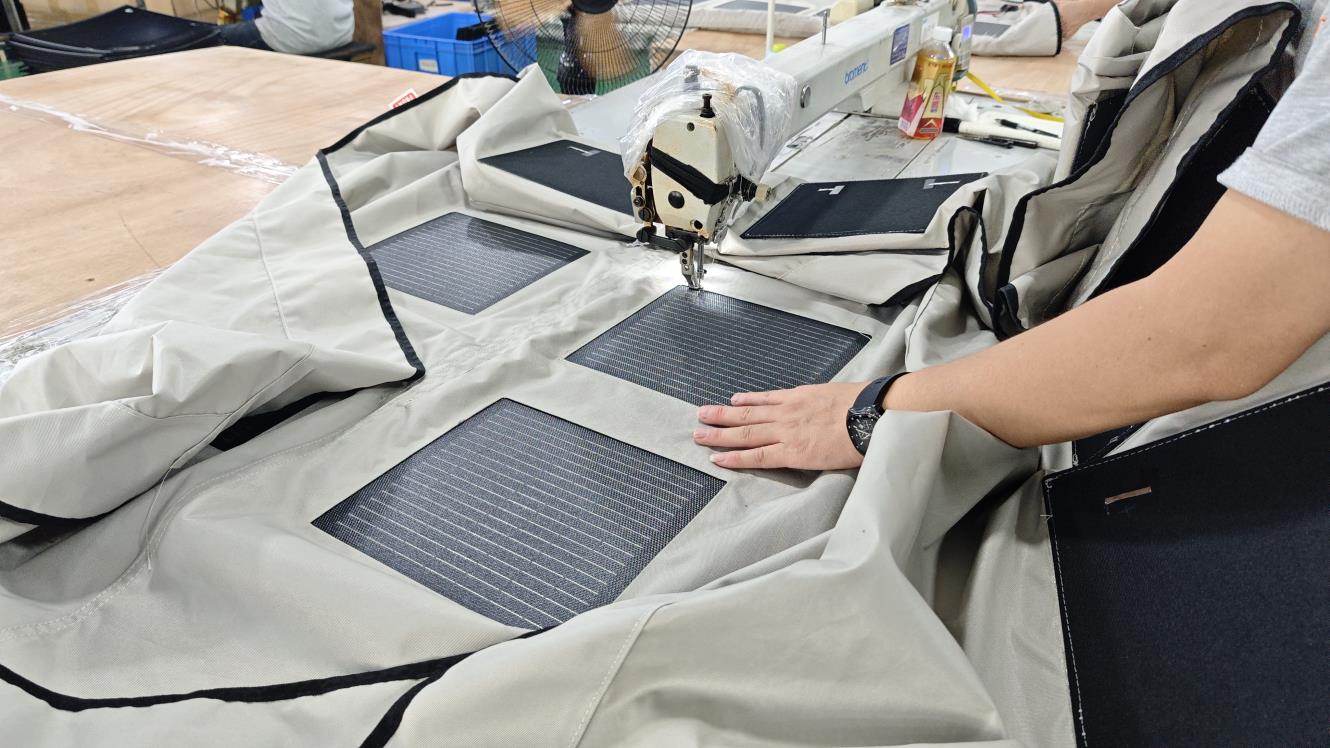
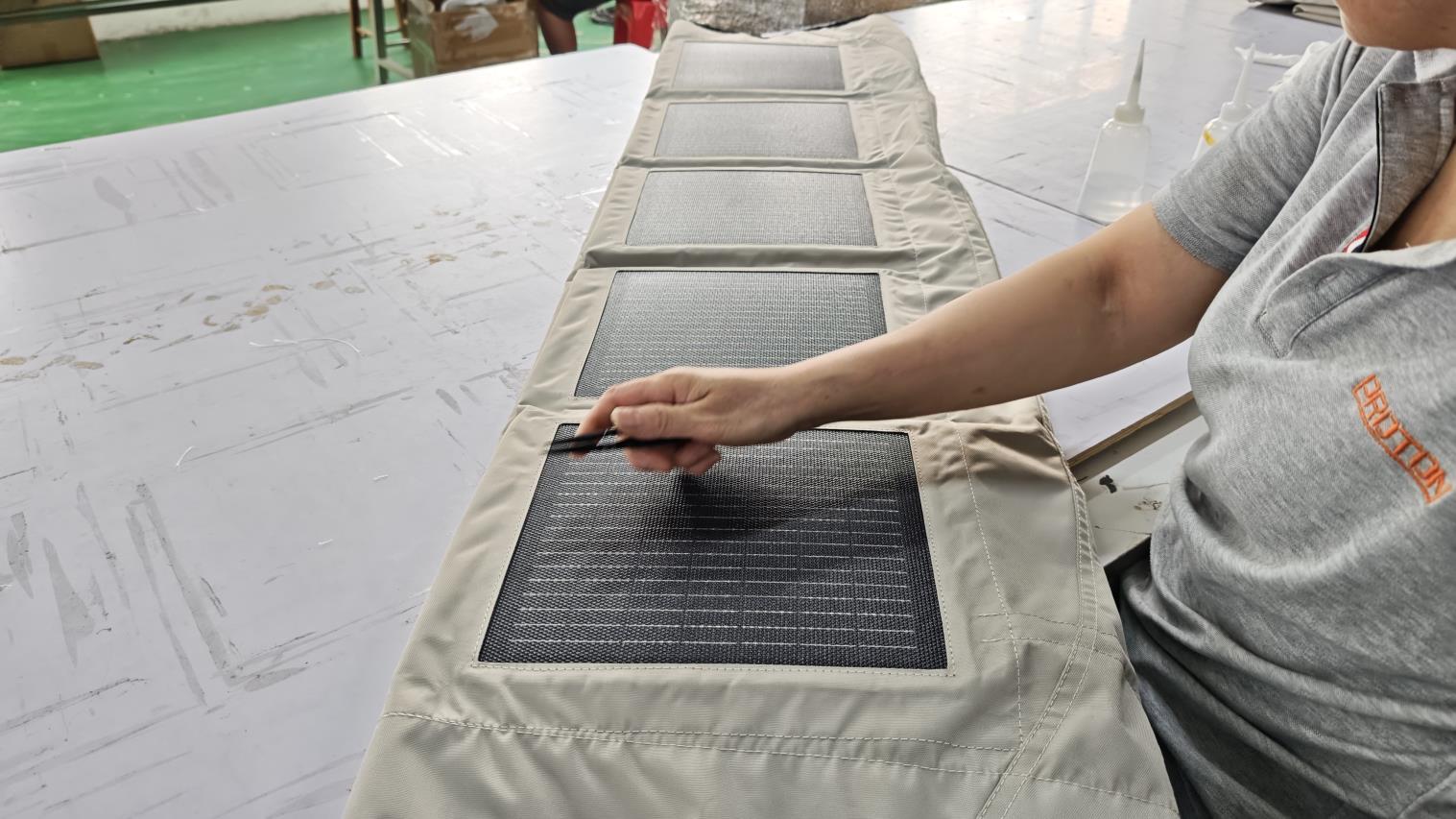
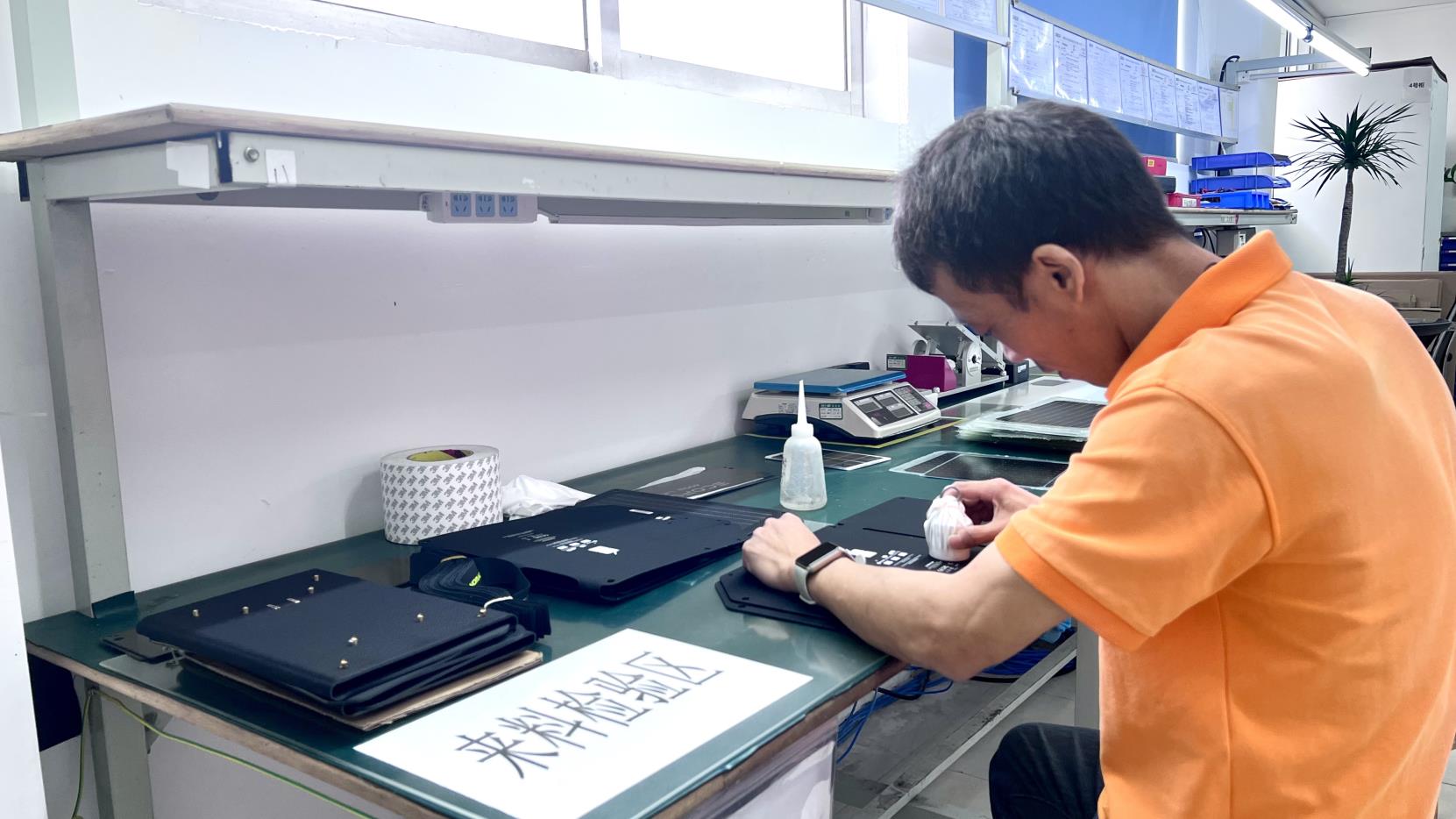
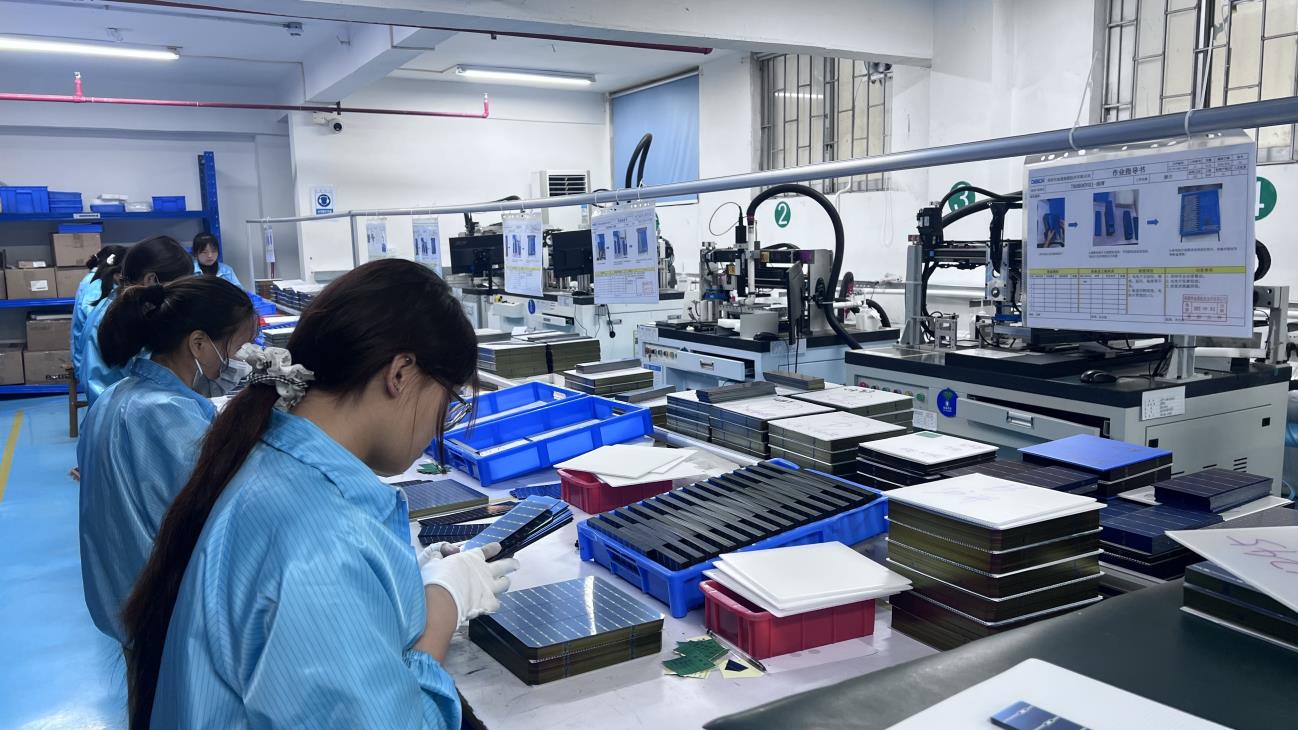
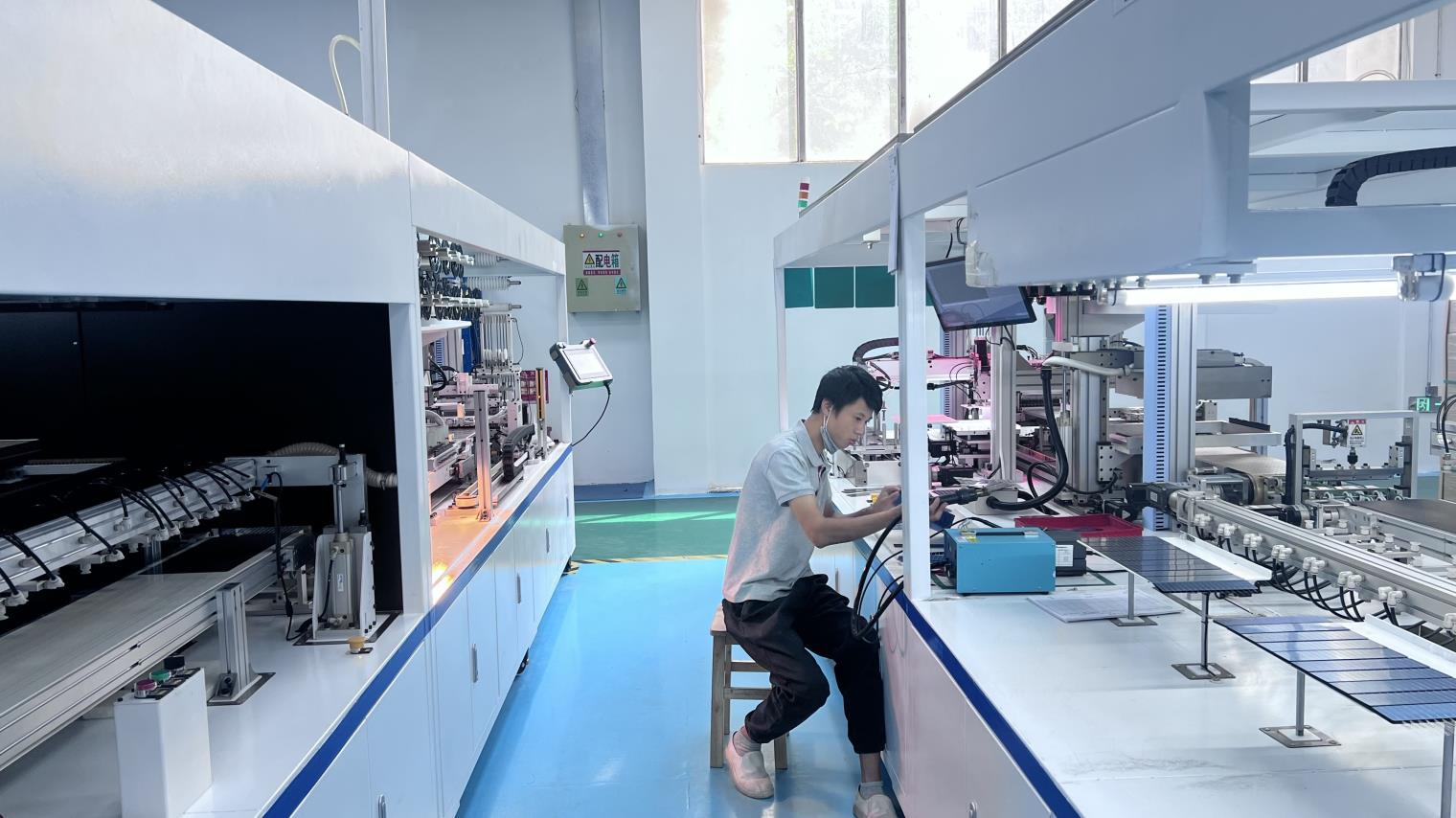
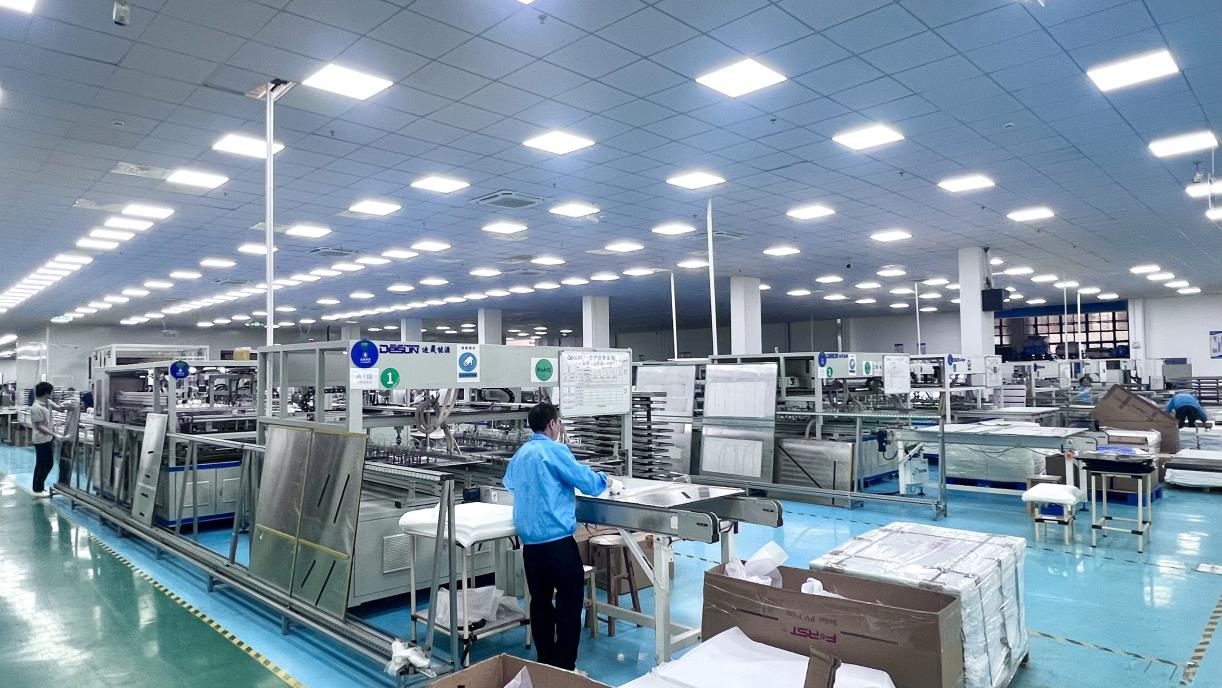
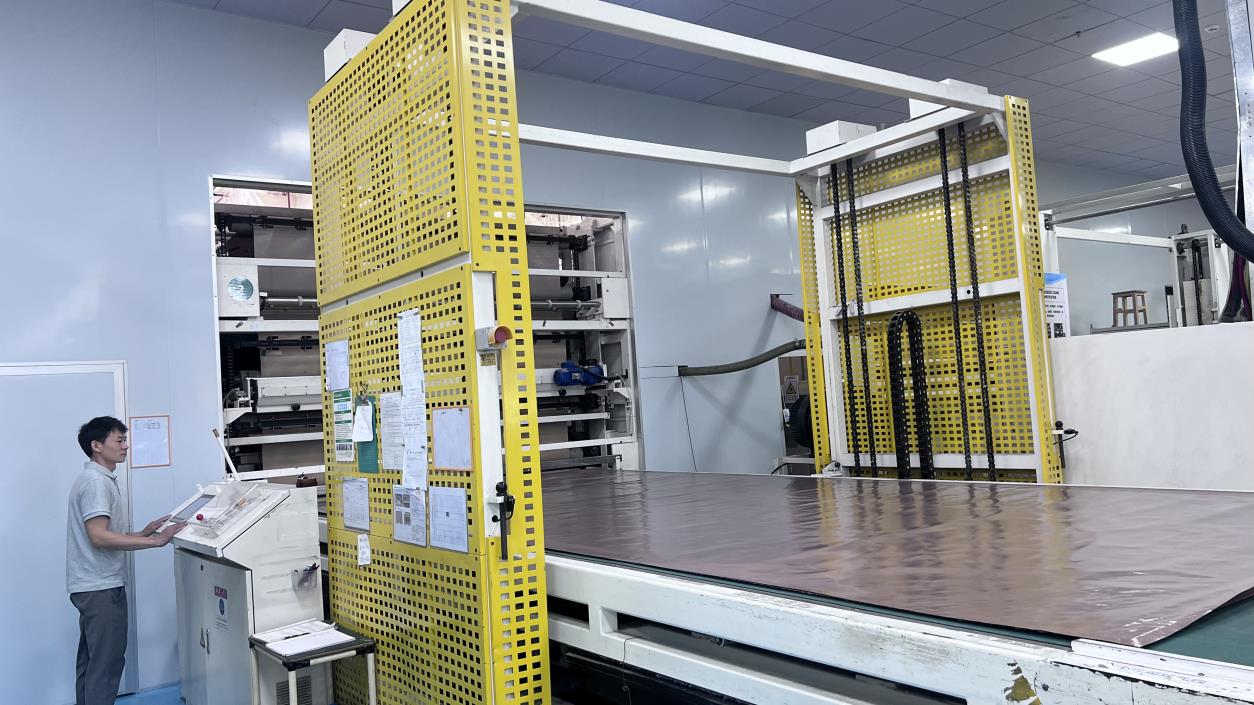
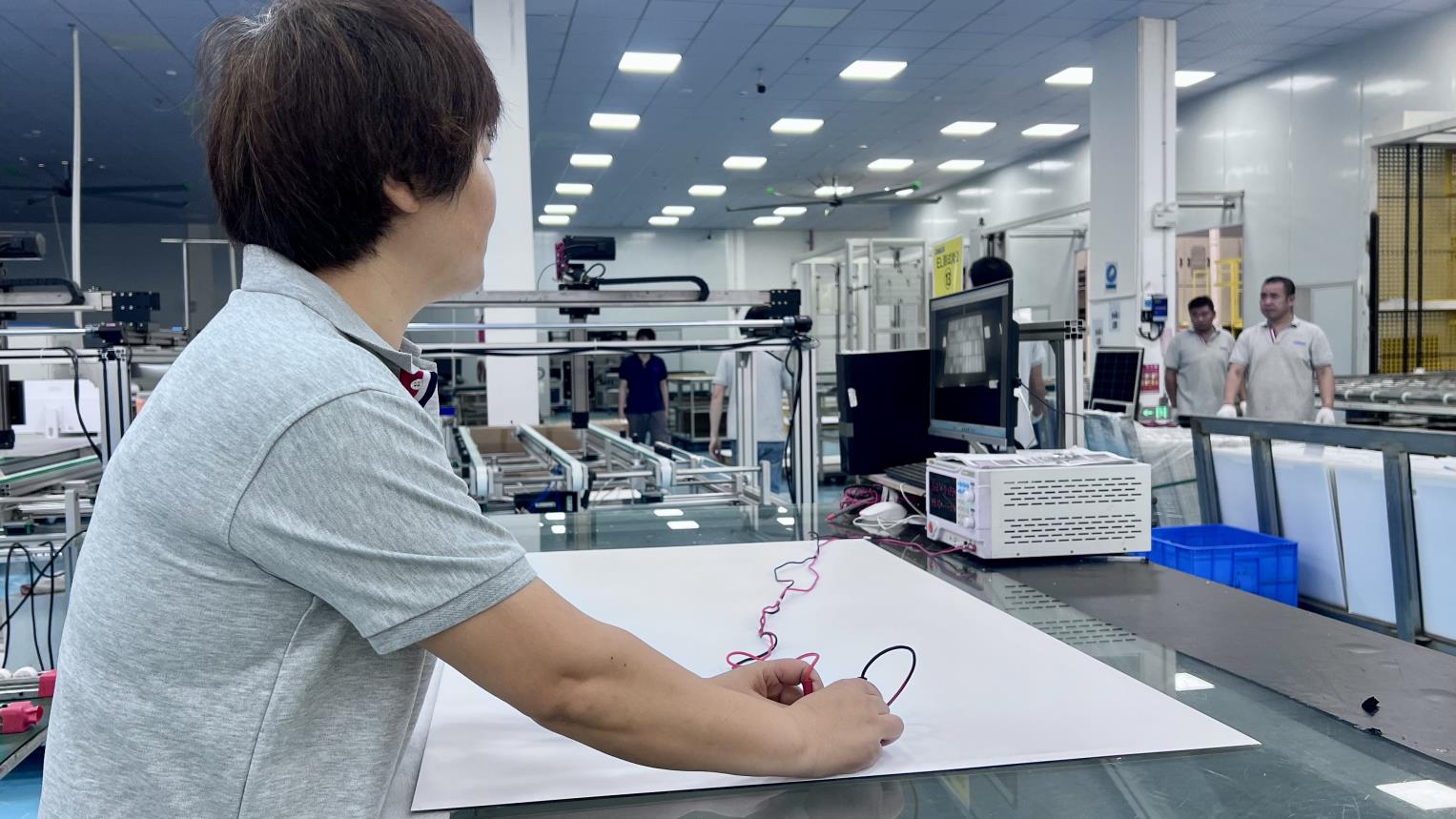
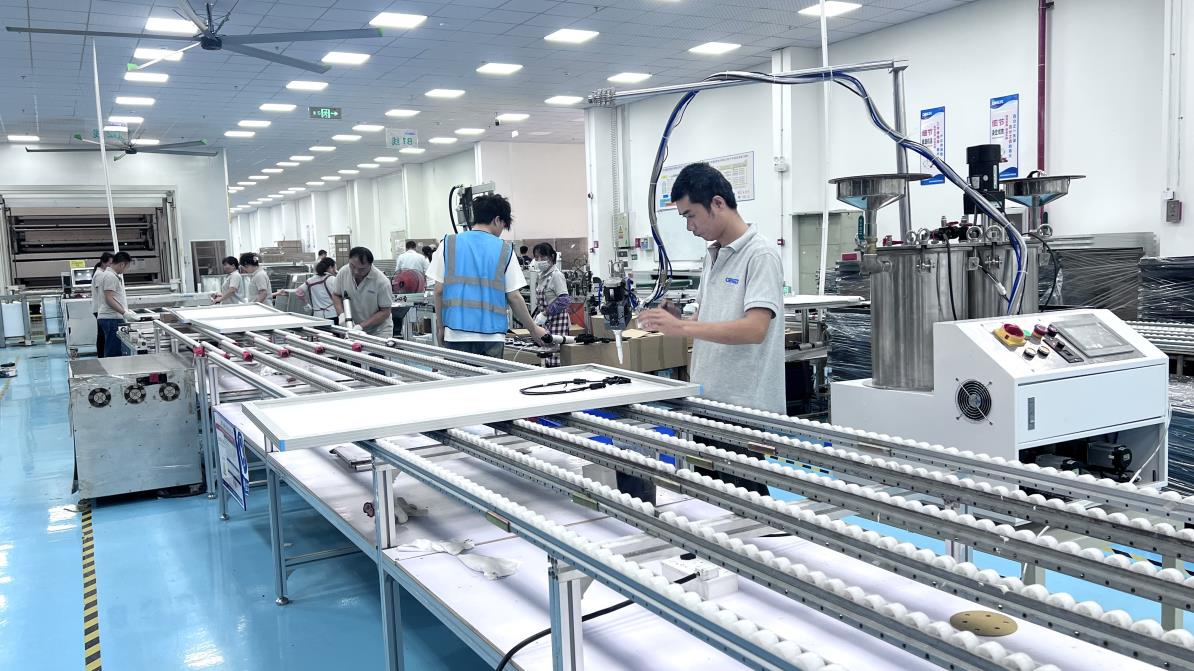
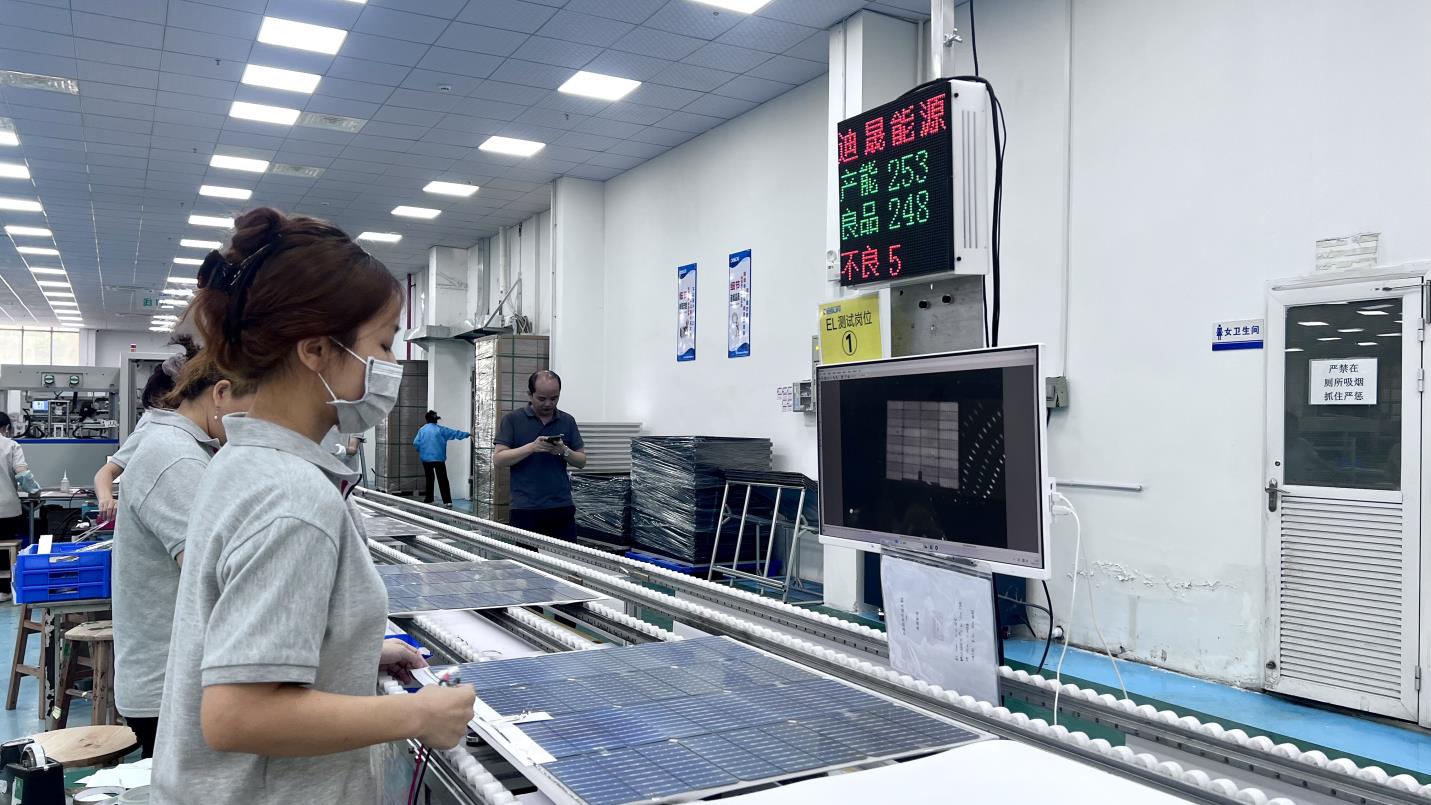
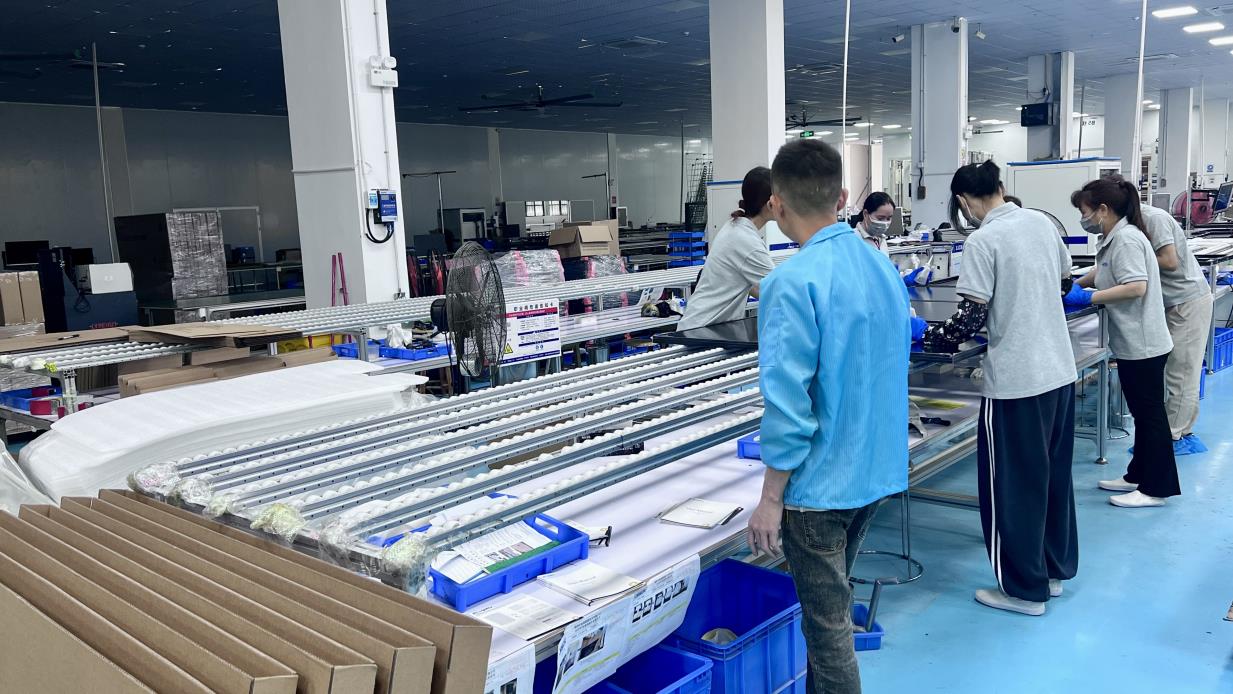
Xiamen ConTech Solar Co., Ltd. operates a high-tech manufacturing plant. Here is an inside look at our 19-stage automated production process which guarantees the reliability of every PV module delivered to South Korea.
Xiamen ConTech Solar Co., Ltd. is a professional high-tech enterprise specializing in the research, development, production, and sales of solar energy products. Since its establishment, the company has been committed to providing efficient, reliable, and environmentally friendly solar solutions to customers worldwide. Guided by the business philosophy of "Innovative Technology, Superior Quality, and Sustainable Development," ConTech Solar continuously strengthens its technological innovation and product development capabilities. With a strong R&D team and advanced manufacturing technology, we produce high-performance solar panels, solar controllers, and integrated off-grid/on-grid power systems designed to withstand harsh marine and industrial environments.
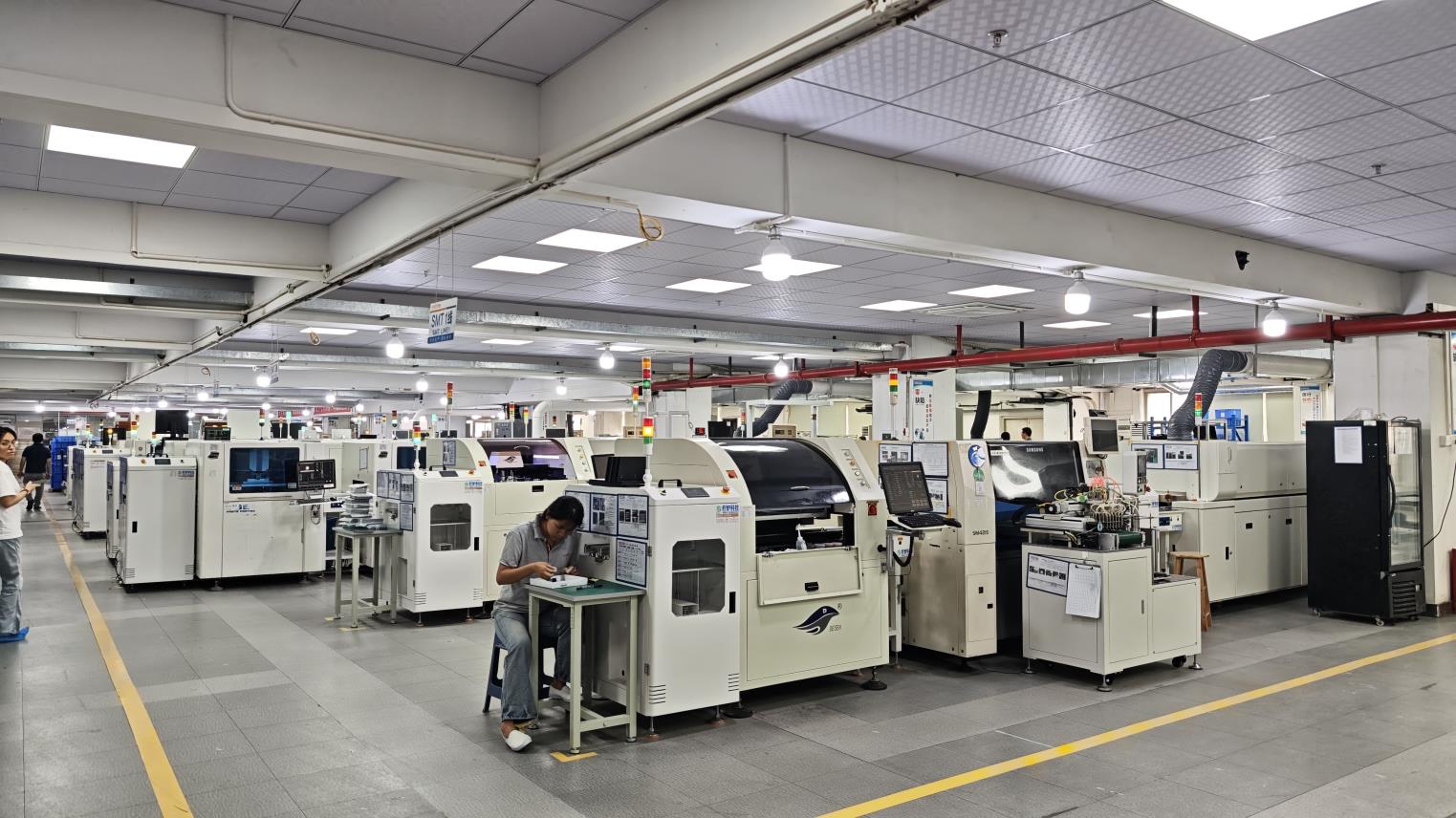
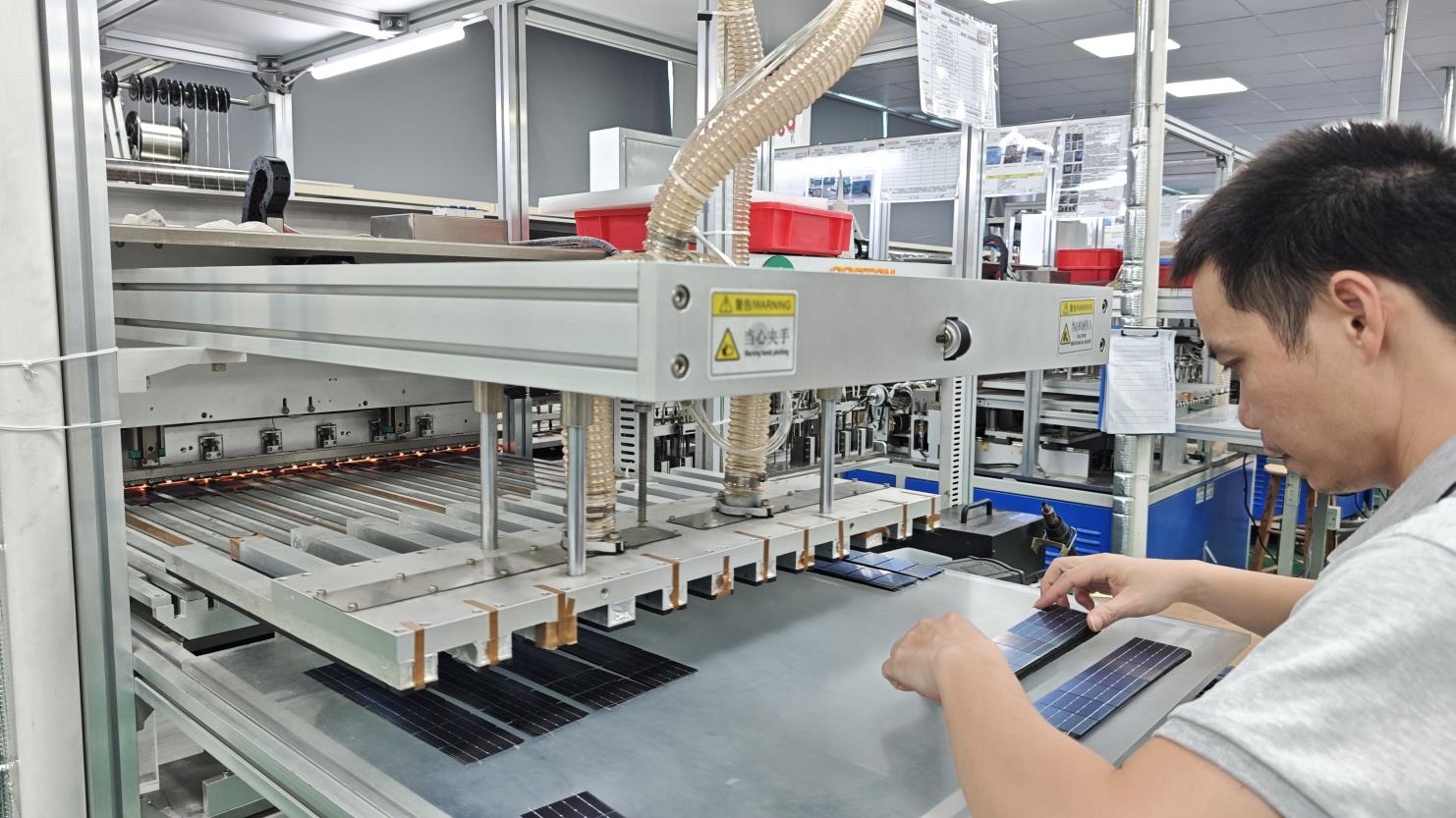
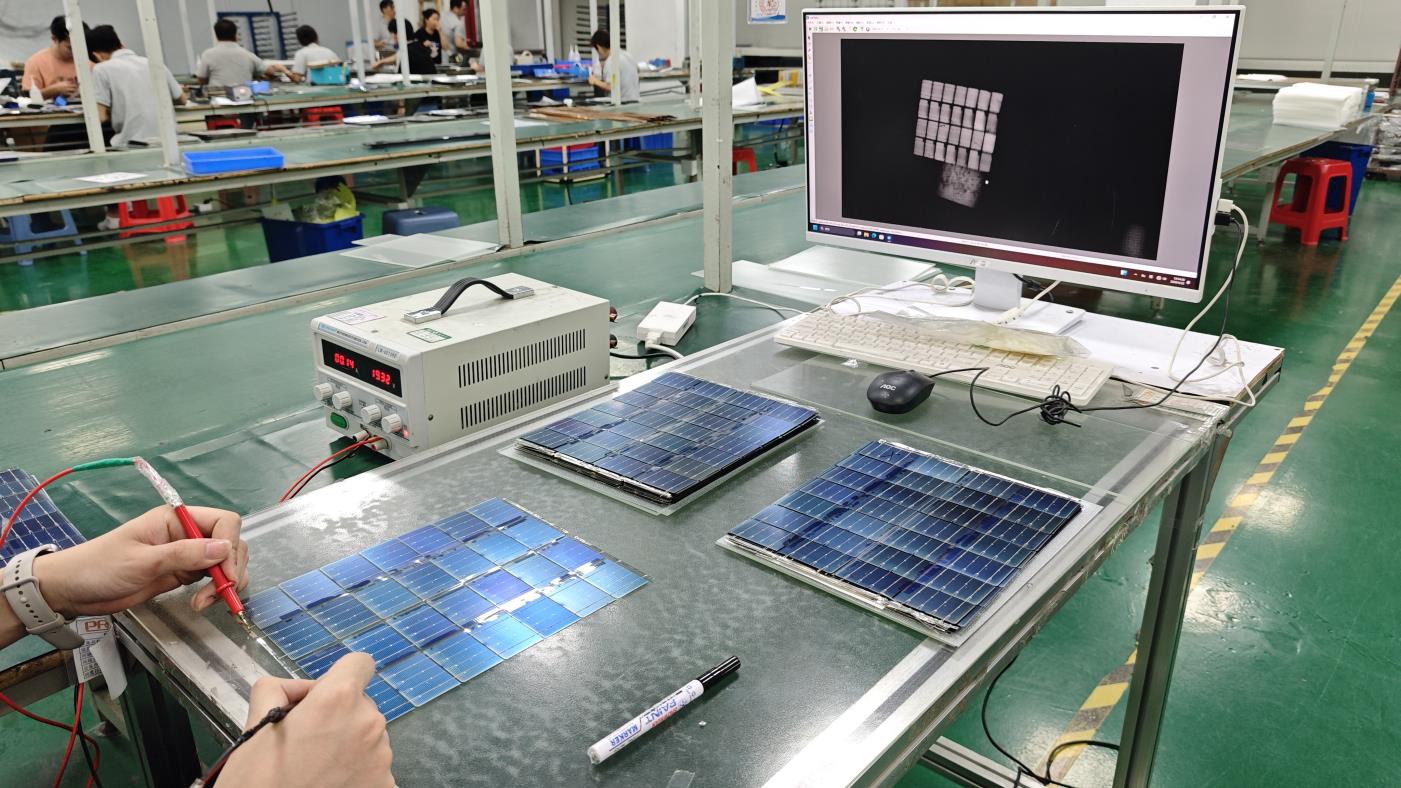
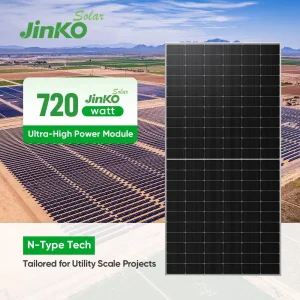
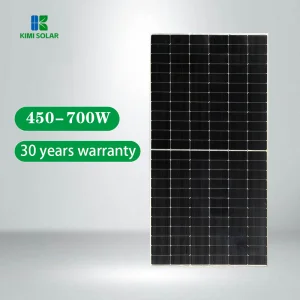
Select from our Tier 1 standard dual-glass modules optimized for high durability, structural safety under extreme wind loads, and long-term warranties.
Due to Busan's diverse geography—ranging from high-density industrial coastal belts to mountainous topography—solar installations must adapt to specific local sub-environments. Our customized bifacial solar modules are engineered for the following scenarios:
Busan Port’s massive warehouses feature large TPO and PVC flat roofs. By using dual-glass bifacial panels combined with a reflective white cool-roof coating, operators can increase energy generation. This approach meets the large baseline power demands of cold-storage units and heavy cranes, reducing local grid reliance.
Busan's coastal waters receive high direct irradiance. Floating PV projects utilize the high albedo of water (~8% base, up to 15% with surface waves and foam) while benefiting from water's natural cooling effect. ConTech Solar's marine-grade encapsulation ensures zero moisture ingress, preventing potential-induced degradation (PID).
Because Busan's inland areas are hilly, solar arrays are often built on steep slopes. These sloping layouts are ideal for bifacial modules, which capture diffuse sunlight reflected from adjacent hillside slopes. The dual-glass structure also offers strong mechanical resistance to typhoons coming off the Korea Strait.
Engineered for high-volume deployments, these modules offer excellent Levelized Cost of Energy (LCOE) metrics for large industrial complexes.
Working in South Korea requires adhering to strict regulatory policies and technical codes. ConTech Solar ensures that all bifacial modules shipped directly to Busan Port comply with local testing guidelines.
Our factory in Xiamen is located close to shipping routes, allowing us to offer direct sea freight to Busan Port (Pusan Newport) with a shipping transit time of just 2 to 3 days. This proximity minimizes transport costs and ensures reliable logistics for large projects.
Get answers to common technical and commercial questions about deploying bifacial solar modules in Busan.
Get in touch with ConTech Solar today to request a customized quote, detailed product datasheets, or technical consulting for your solar project in Busan.
Send Inquiry Now ConTech Solar