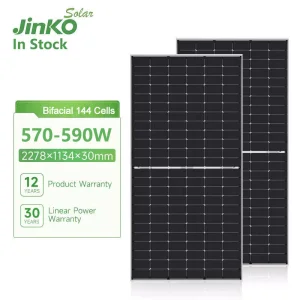
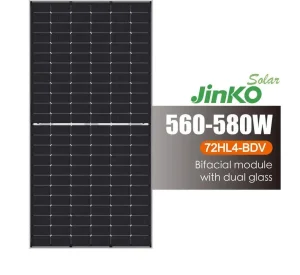
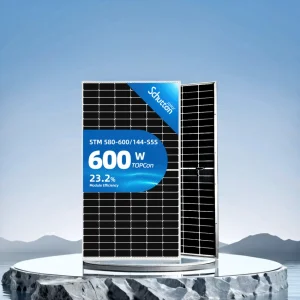
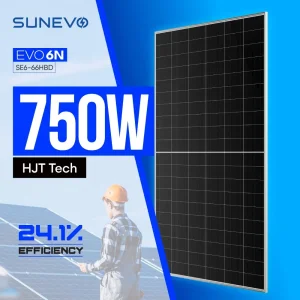
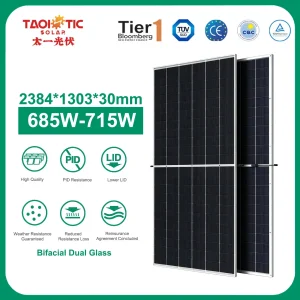
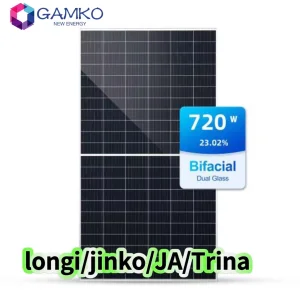
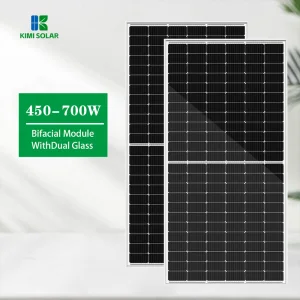
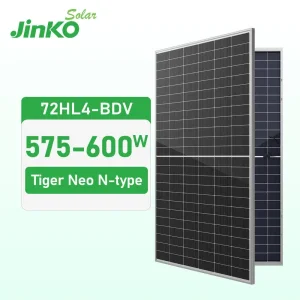
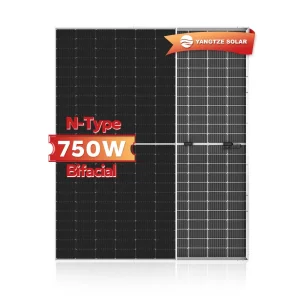
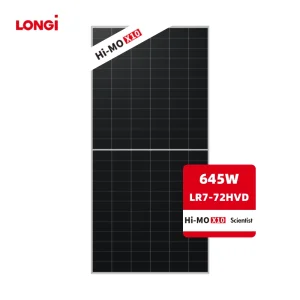
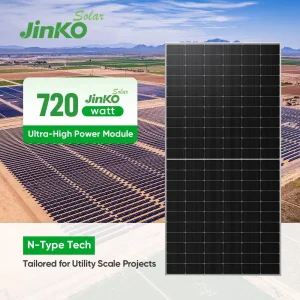
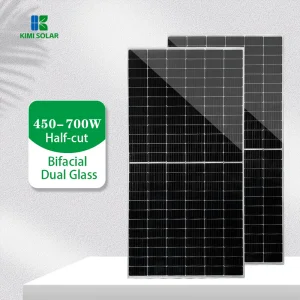
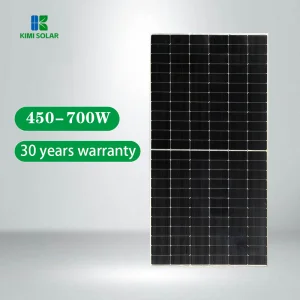
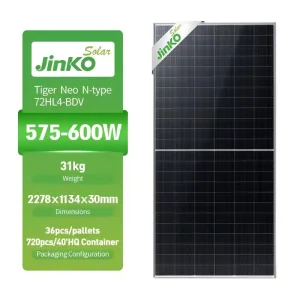
Seoul, as a metropolitan hub, faces unique energy challenges: high power density requirements and limited land availability. The shift toward Bifacial Solar Panel technology represents a strategic pivot for industrial and commercial entities in South Korea. By leveraging albedo (reflected light from surfaces like white rooftops or concrete), bifacial modules offer up to 25% higher energy yield compared to traditional monofacial panels.
Xiamen ConTech Solar Co., Ltd. is not just a manufacturer; we are your strategic partner in the energy transition. Our R&D focus is firmly on N-Type TOPCon and HJT technology, which provides superior low-light performance—a crucial factor for Seoul’s climate. With strict international quality control and scalable production lines, we ensure that global procurement managers receive a consistent, high-yield product supply.
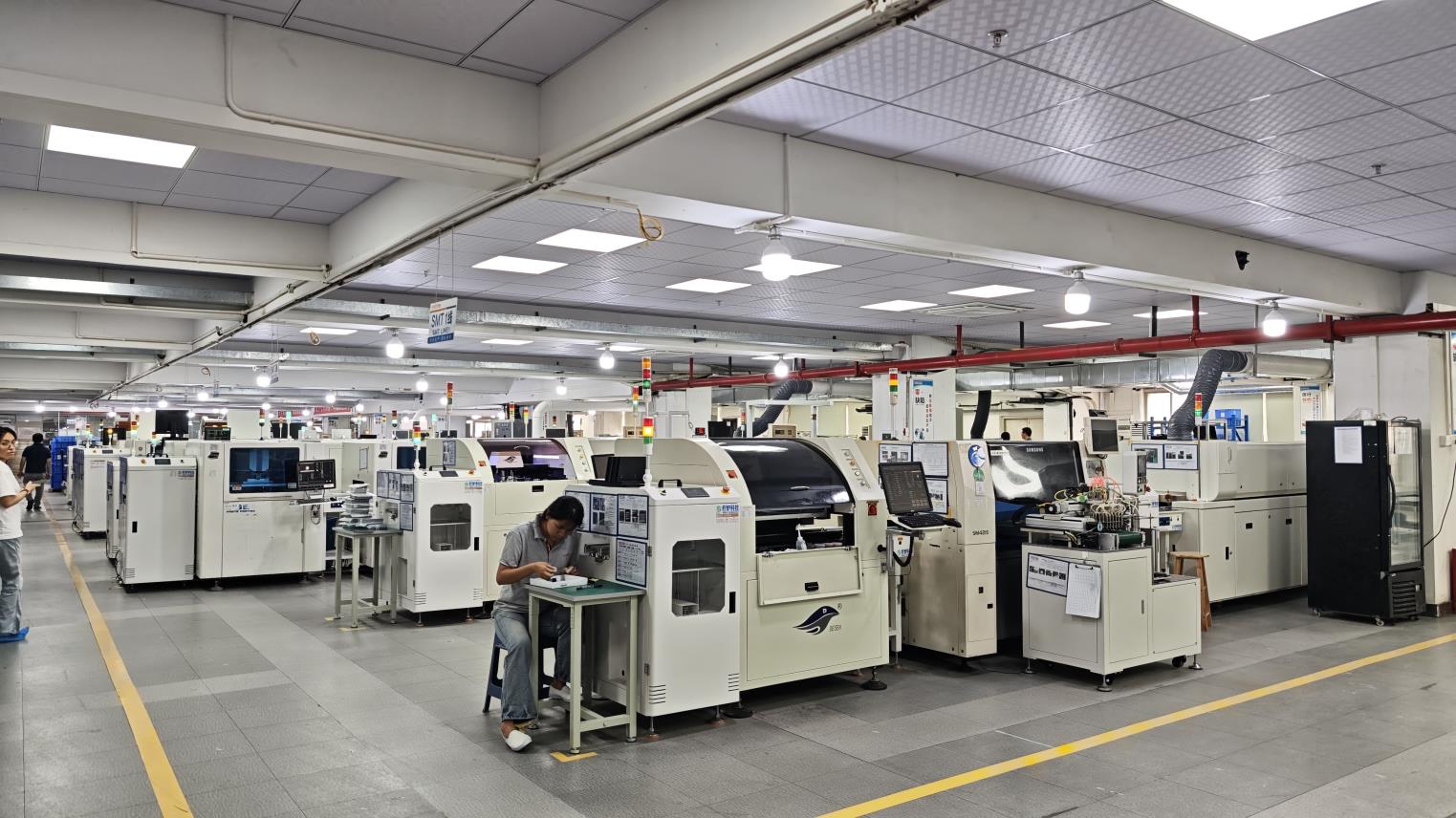
SMT Precision
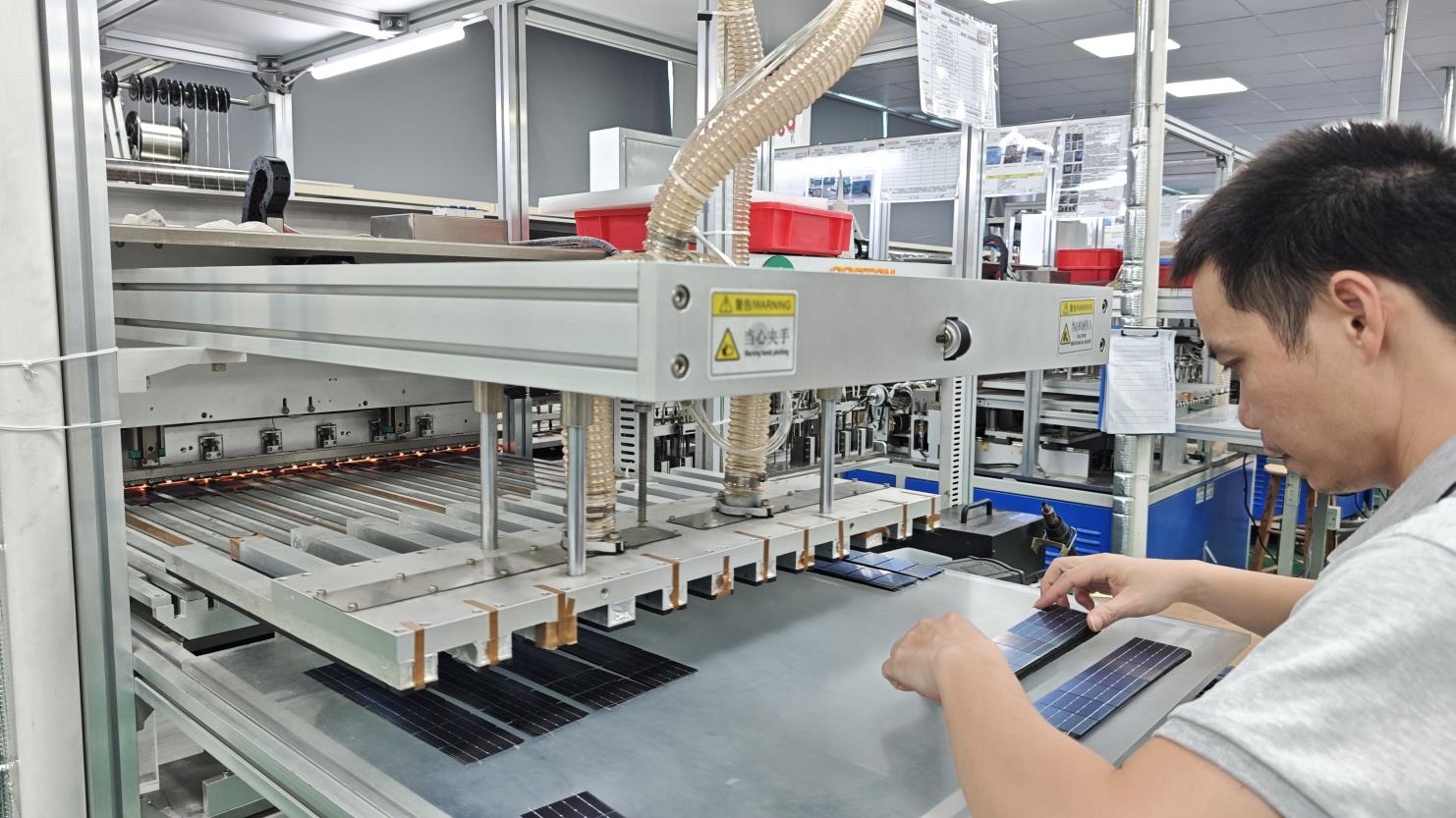
Series Welding
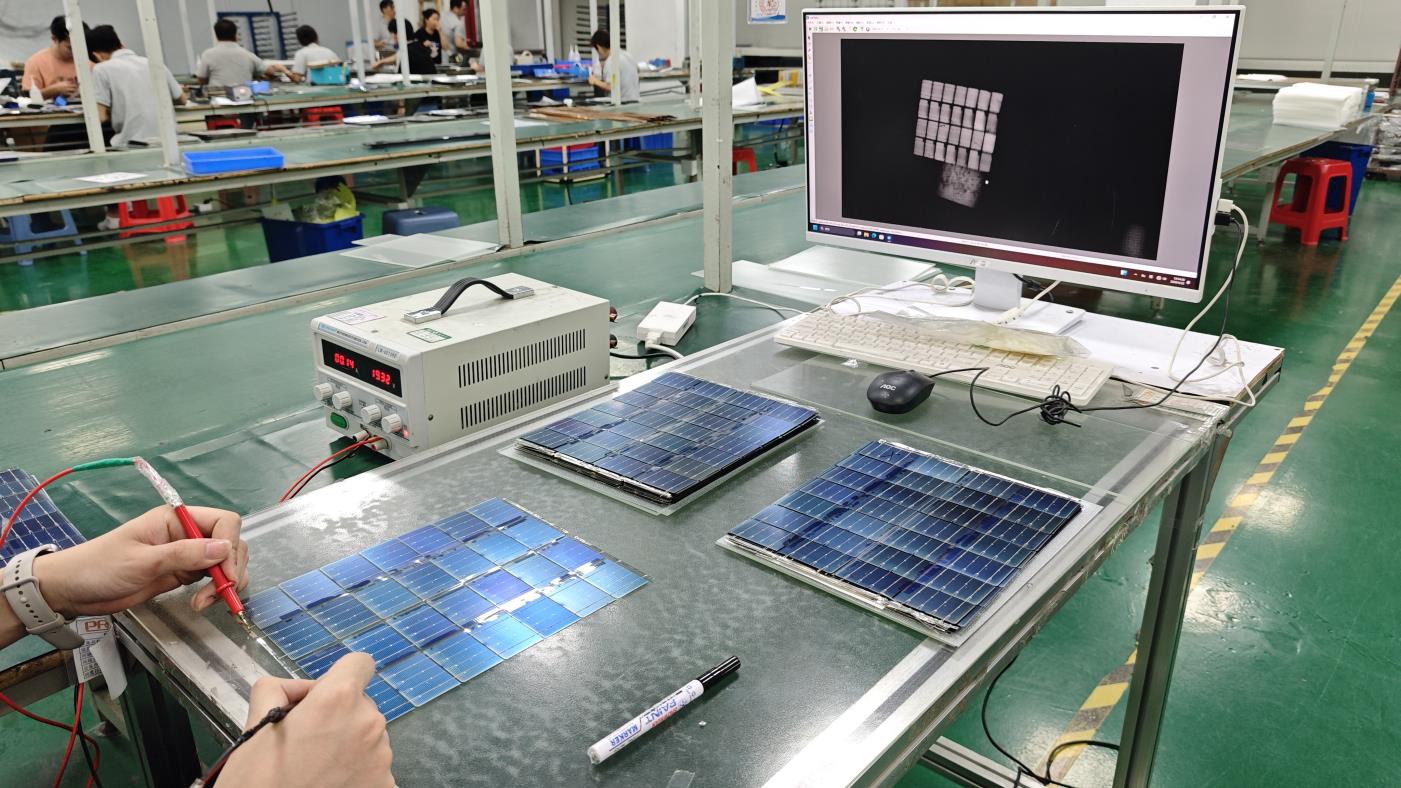
Rigorous Testing
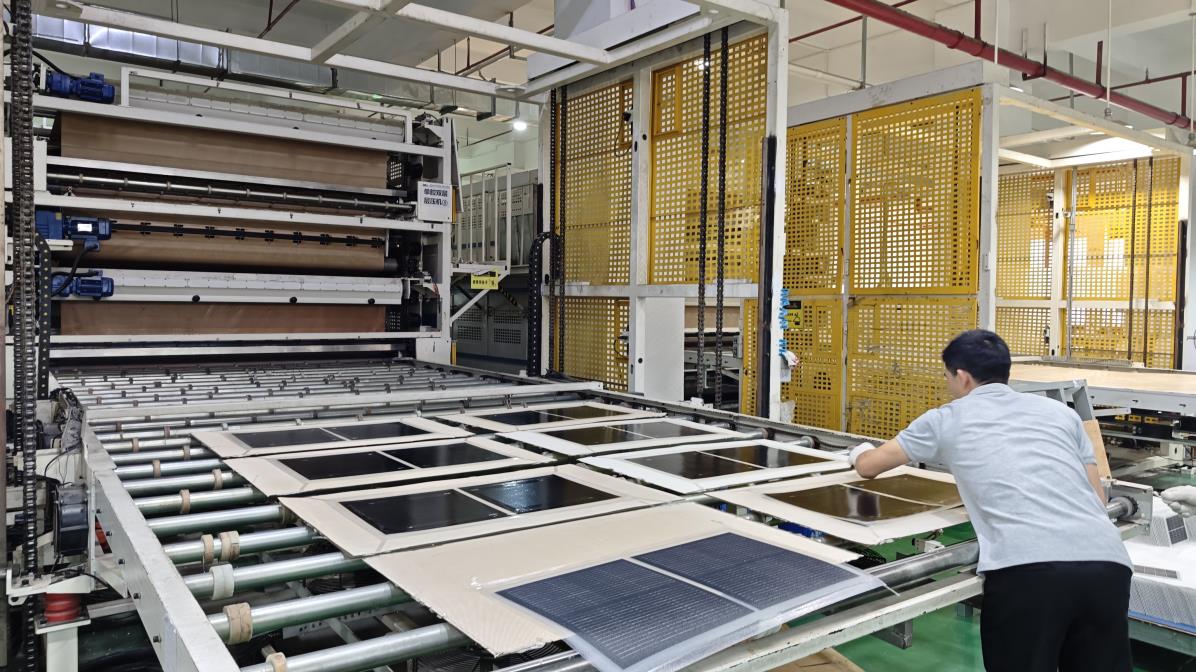
Panel Laminating
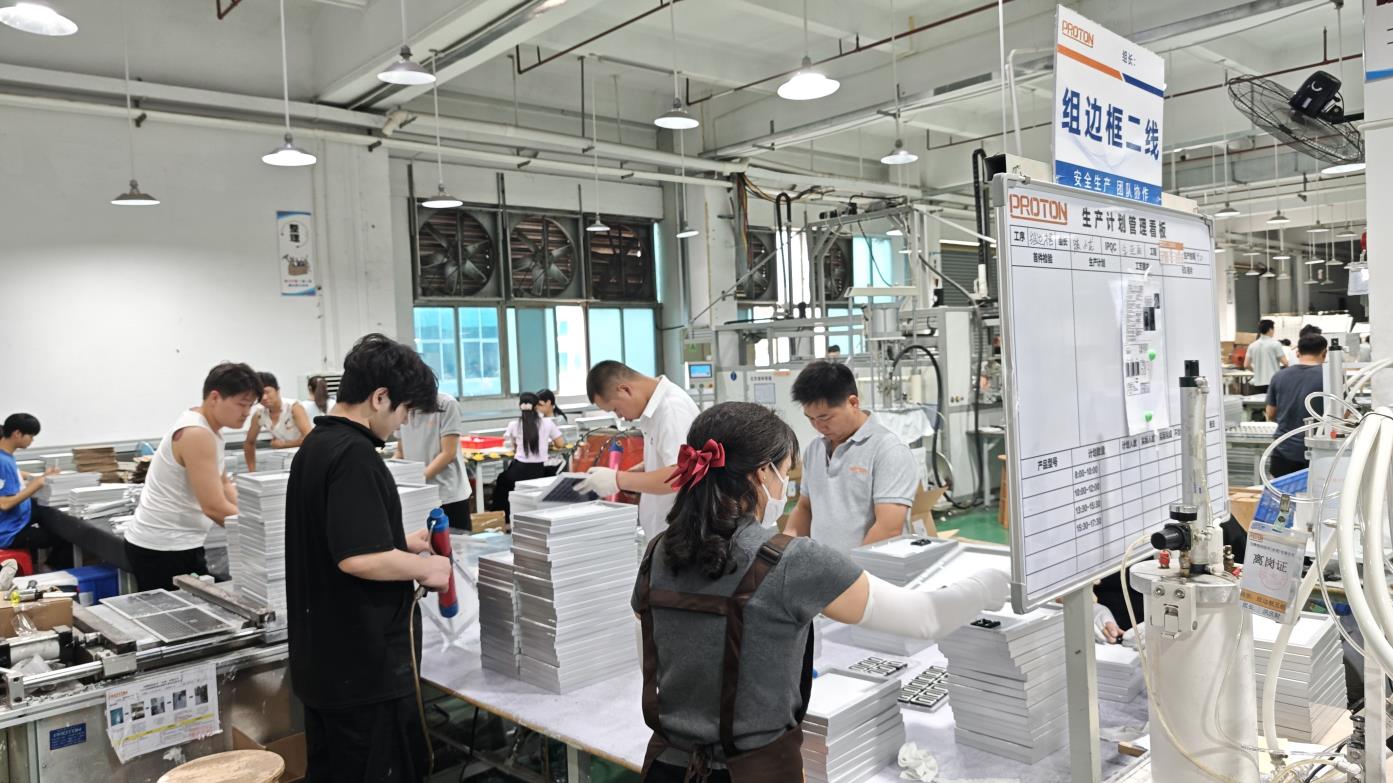
Advanced Assembly
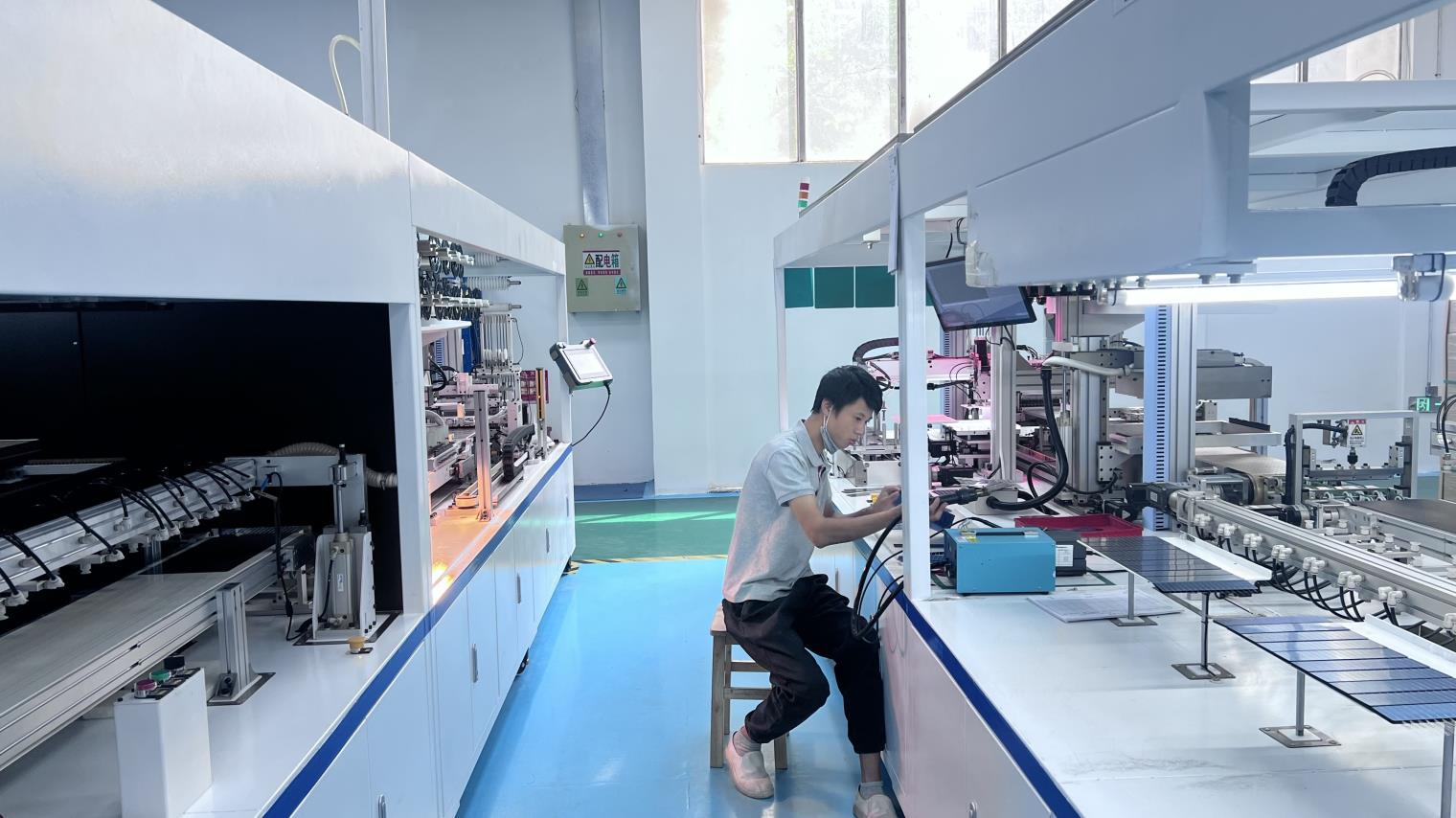
Automatic Welding
1. Why are Bifacial Panels preferred for commercial projects in Seoul?
Bifacial panels capture sunlight from both the front and the back. In urban Seoul, where roof reflections from white surfaces are common, this "albedo gain" significantly increases ROI compared to standard monofacial modules.
2. How do Chinese manufacturers support the South Korean market?
We provide full-scale support, including competitive pricing, logistics coordination for international shipping, technical data sheets (TDS) for local certification, and warranty assurance for Tier-1 projects.
3. What is the difference between TOPCon and HJT bifacial panels?
TOPCon offers an excellent balance of cost and efficiency. HJT (Heterojunction) offers higher conversion efficiency and lower temperature coefficients, making it ideal for high-performance applications where space is extremely limited.
 ConTech Solar