ConTech Solar
Equatorial Guinea Energy Profile: Why Bifacial PV is Vital
Located in the heart of Central Africa's Gulf of Guinea, Equatorial Guinea experience a highly distinctive equatorial climate characterized by persistent cloud cover, high relative humidity (often exceeding 85%), and intense localized coastal heat. These microclimates present unique hurdles for traditional monofacial photovoltaic modules, which suffer from severe efficiency losses due to elevated temperatures and light attenuation from persistent atmospheric water vapor.
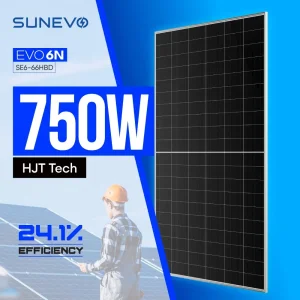
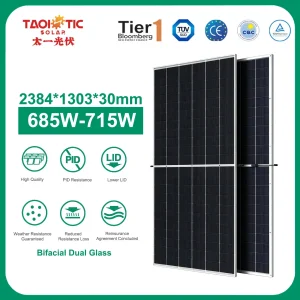
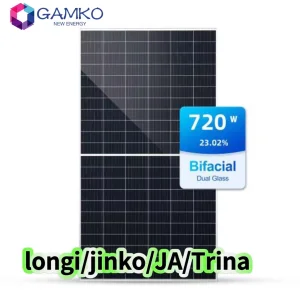
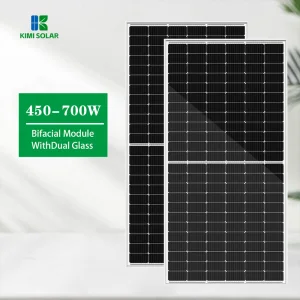
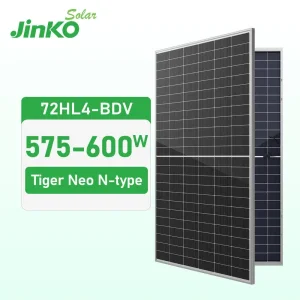
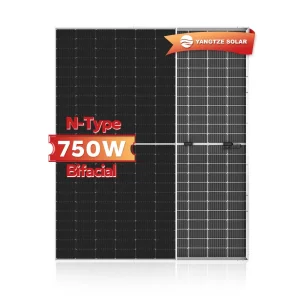
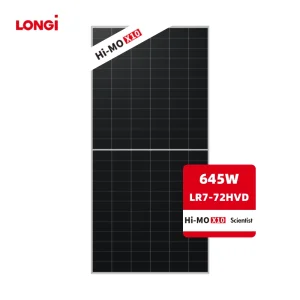
In locations like Malabo, Bioko Island, and coastal Bata, diffuse radiation makes up a massive percentage of the total Global Horizontal Irradiation (GHI). Ordinary panels only capture direct overhead sun rays. Conversely, Bifacial Solar Panels excel under these exact conditions. By utilizing double-glass construction and active rear-side monocrystalline cells, they capture diffuse light reflected from the surrounding clouds, humid air masses, and high-albedo ground surfaces such as light-colored sandy terrains, concrete platforms, or aluminum structures.
SEO Insight & Scientific Data: Implementing dual-glass bifacial solar modules in Equatorial Guinea's coastal areas can increase total system yields by 12% to 30% compared to monofacial modules of the same front-side wattage. This significantly lowers the Levelized Cost of Energy (LCOE) for commercial, industrial, and off-grid mining microgrids throughout the region.
Technical Roadmap: TOPCon vs. HJT in Equatorial Climates
Choosing the correct cell technology is crucial for project profitability in Central Africa. Currently, two primary N-type technologies dominate the high-efficiency bifacial solar market: Tunnel Oxide Passivated Contact (TOPCon) and Heterojunction Technology (HJT). Both offer critical upgrades over older P-type PERC structures.
| Technology Parameter | N-Type TOPCon | N-Type HJT | Equatorial Guinea Climate Impact |
|---|---|---|---|
| Bifaciality Factor | 80% - 85% | 85% - 95% | HJT captures up to 10% more rear-side diffuse light from humid/cloudy skies. |
| Temperature Coefficient | -0.30% / °C | -0.26% / °C | HJT performs significantly better during the hottest afternoon peaks in Bata. |
| LID / LeTID Degradation | Near Zero | Absolute Zero | Both prevent the sudden power loss common in older PERC arrays in tropical areas. |
| Structure Design | Dual-Glass (highly robust) | Dual-Glass (ultra robust) | Dual-glass encapsulation blocks salt-spray and moisture ingress, preventing PID. |
For high-humidity zones, double-glass packaging is mandatory. Monofacial panels with plastic backsheets degrade rapidly due to moisture penetration, leading to internal cell corrosion and PID (Potential Induced Degradation). Our dual-glass bifacial panels employ POE (Polyolefin Elastomer) encapsulation instead of standard EVA, guaranteeing a superior water vapor transmission rate (WVTR) and extending the operational lifetime of projects past 30 years.
Macro-Industrial Solutions: Solar-Diesel Hybrid & Microgrids
Equatorial Guinea's industrial grid faces infrastructure challenges, particularly on Bioko Island and remote mainland provinces like Wele-Nzas and Centro Sur. Commercial entities, agro-industries, and mining companies frequently rely on expensive diesel generators. Our Bifacial Solar modules provide an ideal foundation for Solar-Diesel Hybrid Systems and smart microgrids.
- LCOE Reduction: Integrating N-type bifacial panels with intelligent battery energy storage systems (BESS) drops diesel consumption by up to 65%.
- Consistent Base Load: Under overcast sky conditions, the high sensitivity of HJT/TOPCon bifacial modules generates stable, low-level power throughout the daytime, easing the ramp-up load on diesel gensets.
- Harsh Environment Protection: High-resistance aluminum alloy frames with corrosion-resistant layers prevent structural breakdown near maritime shipping lanes and heavy offshore oil-extraction facilities.
Deploying an Industrial Project in Equatorial Guinea?
Get a customized structural layout, engineering assessment, and direct wholesale pricing from our technical division.
Request Project ProposalChina Industry 4.0: Supply Chain Resilience & Quality Excellence
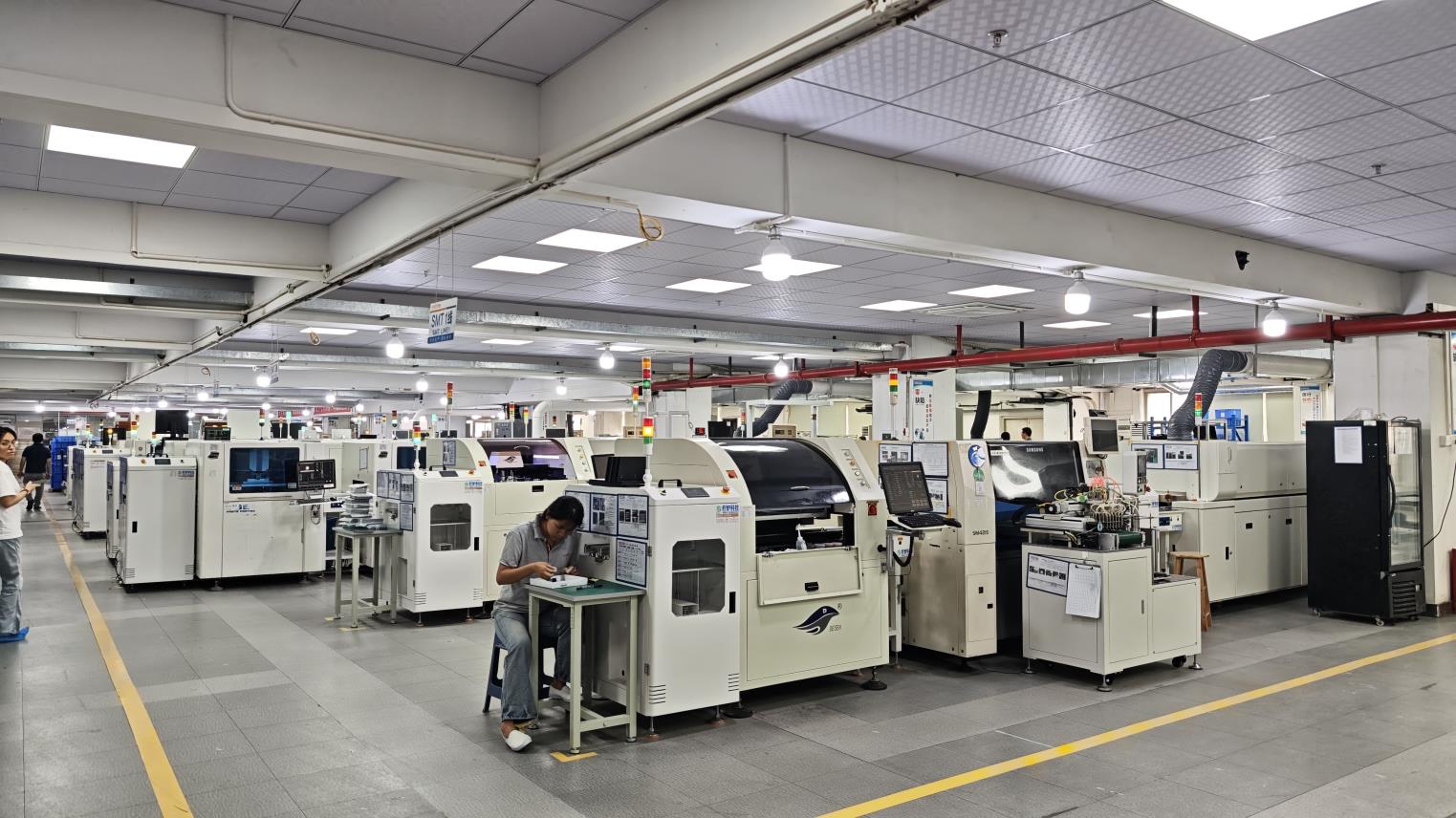
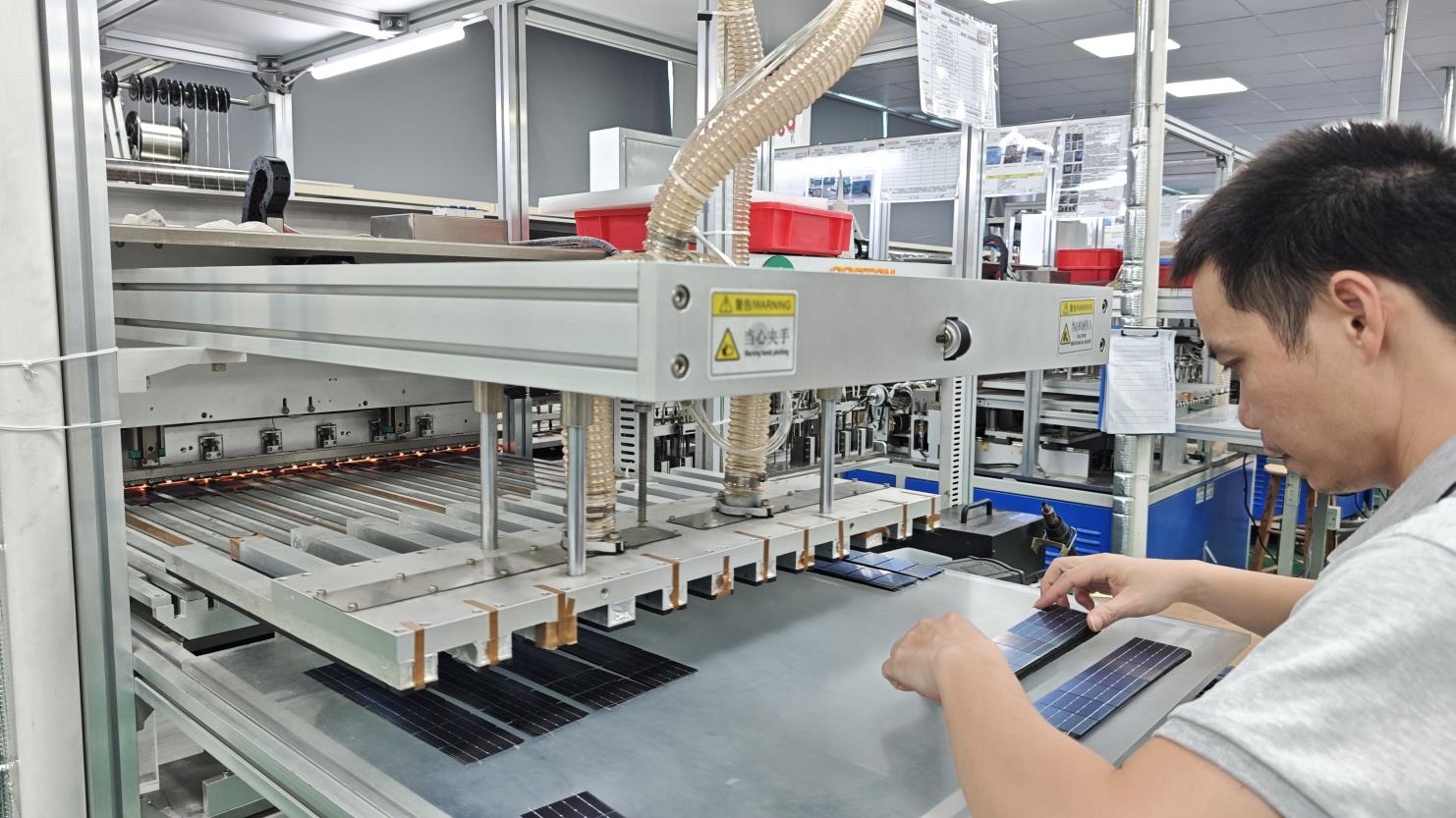
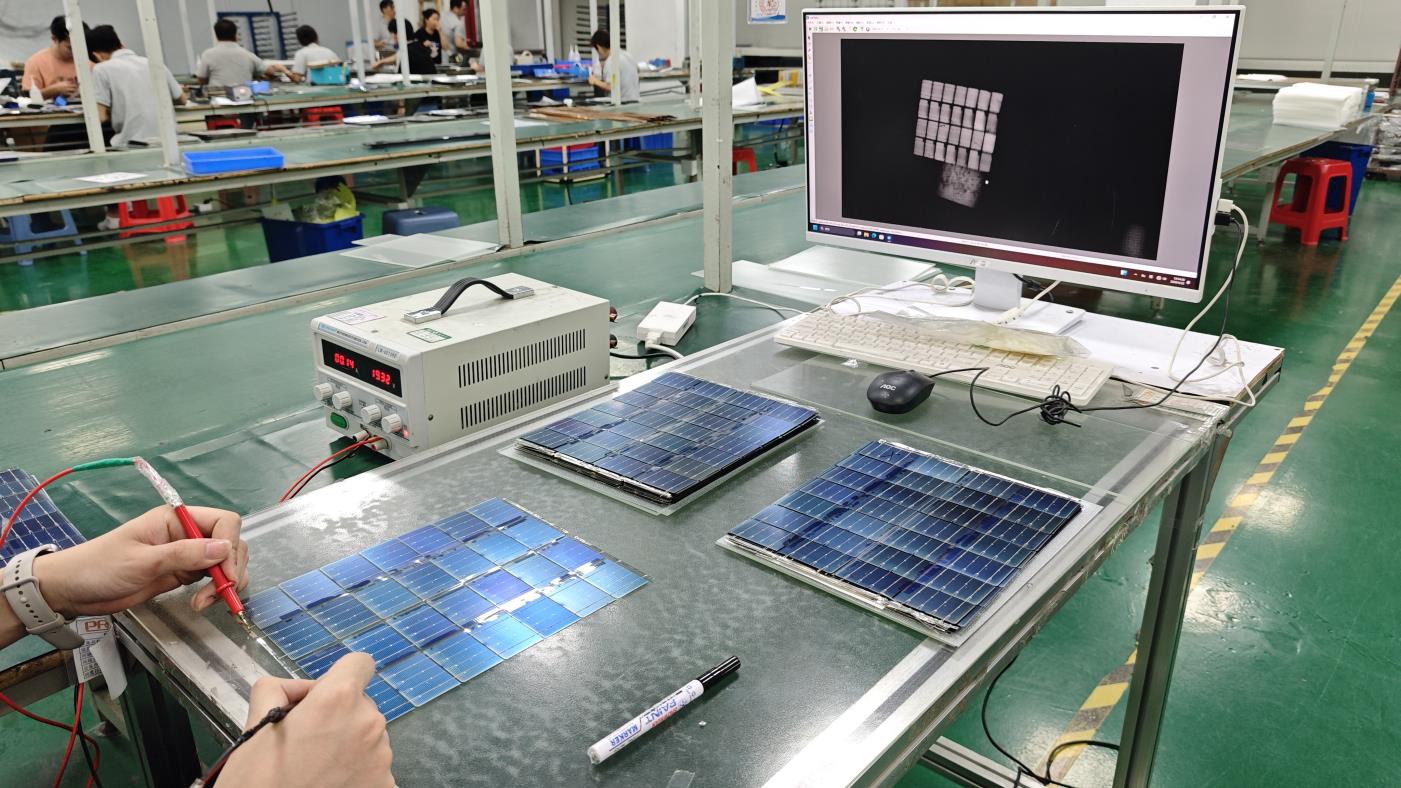
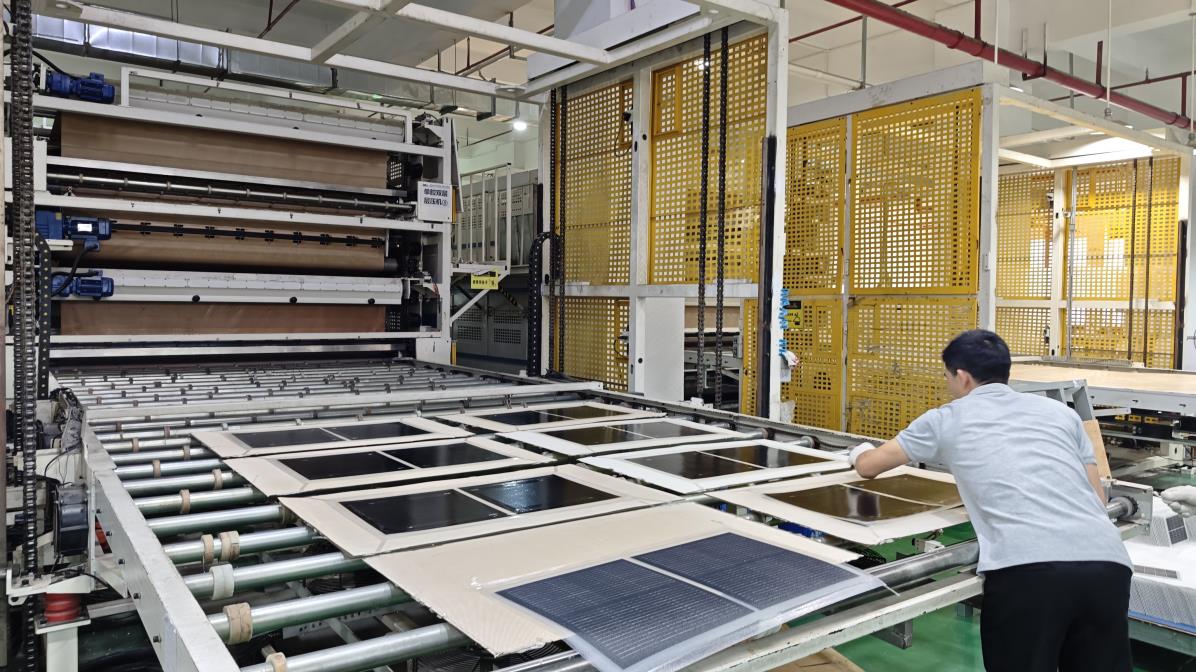
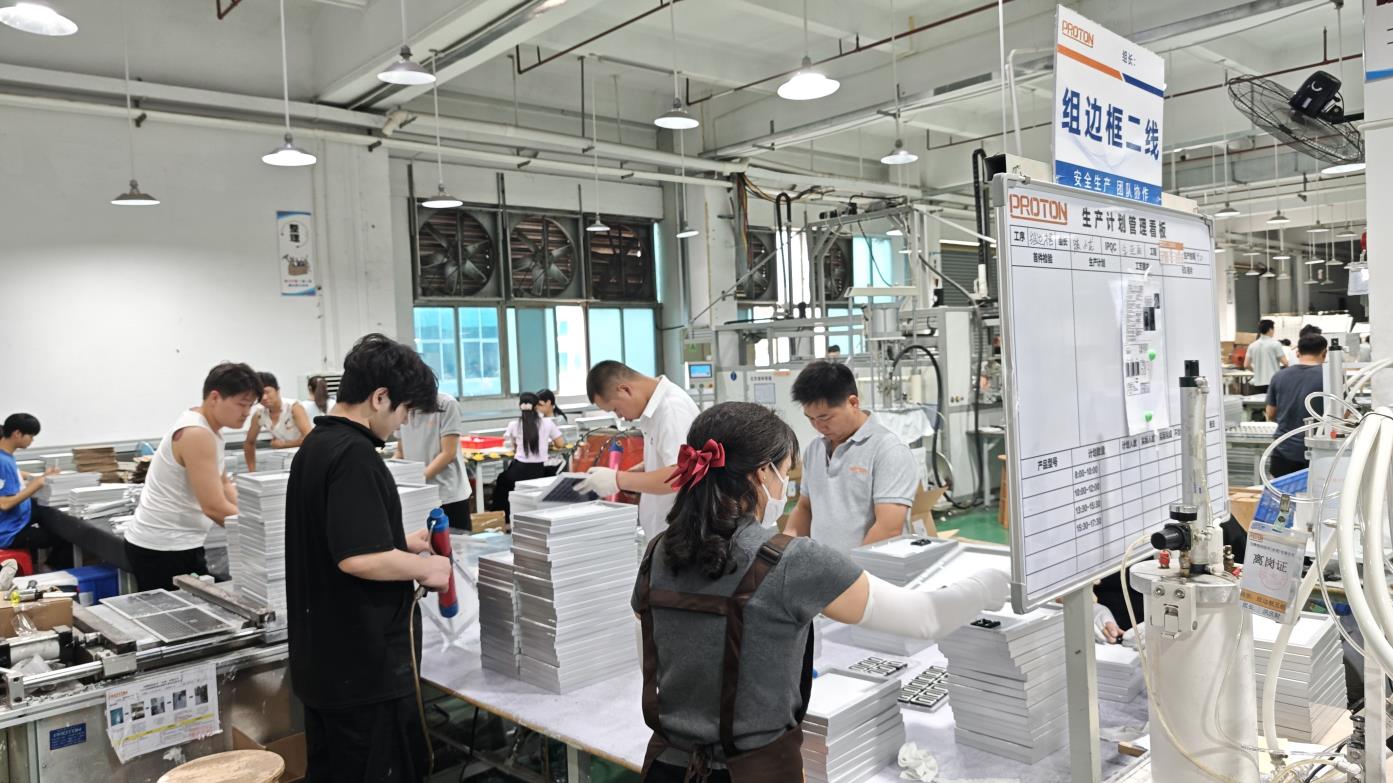
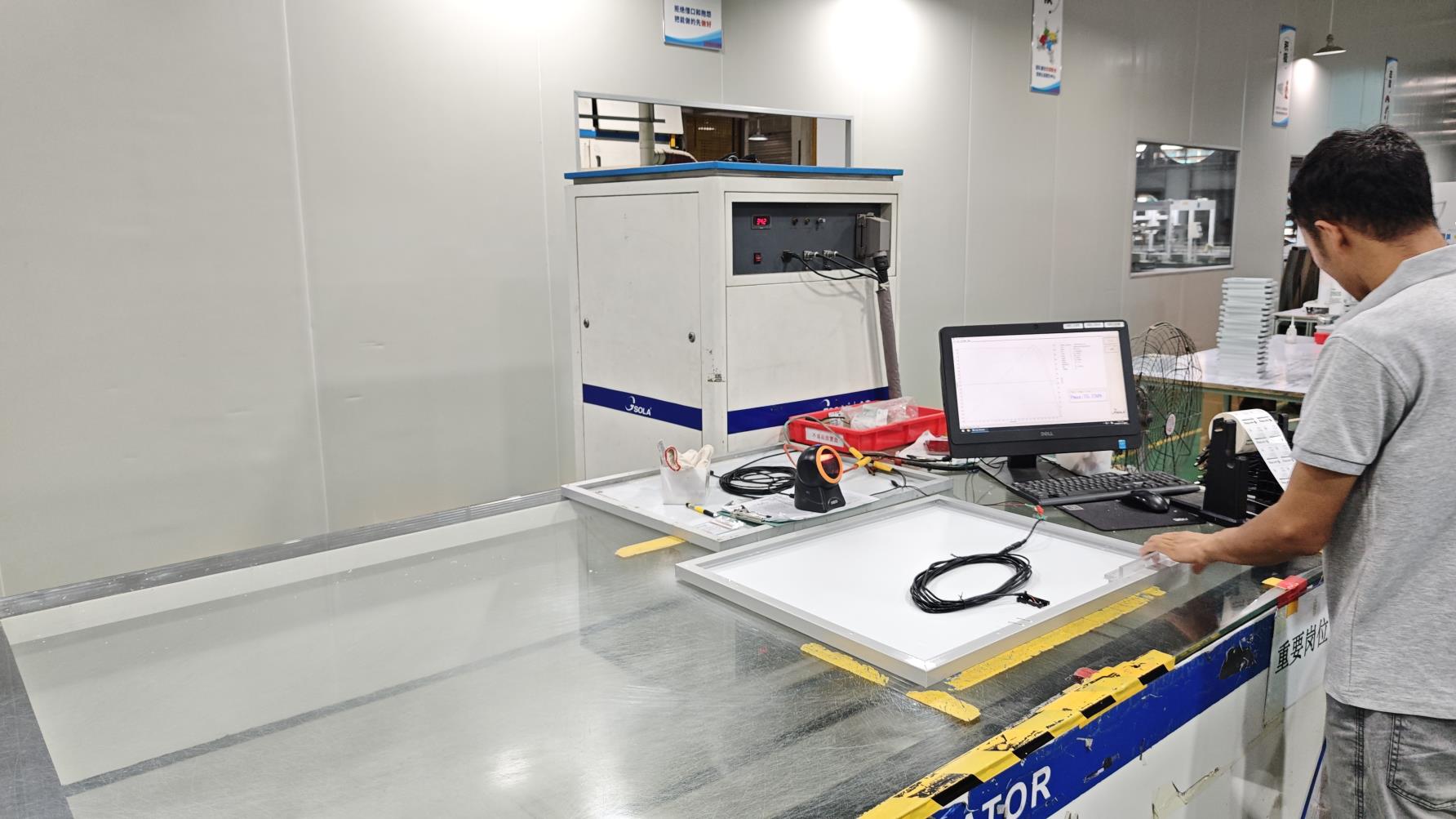
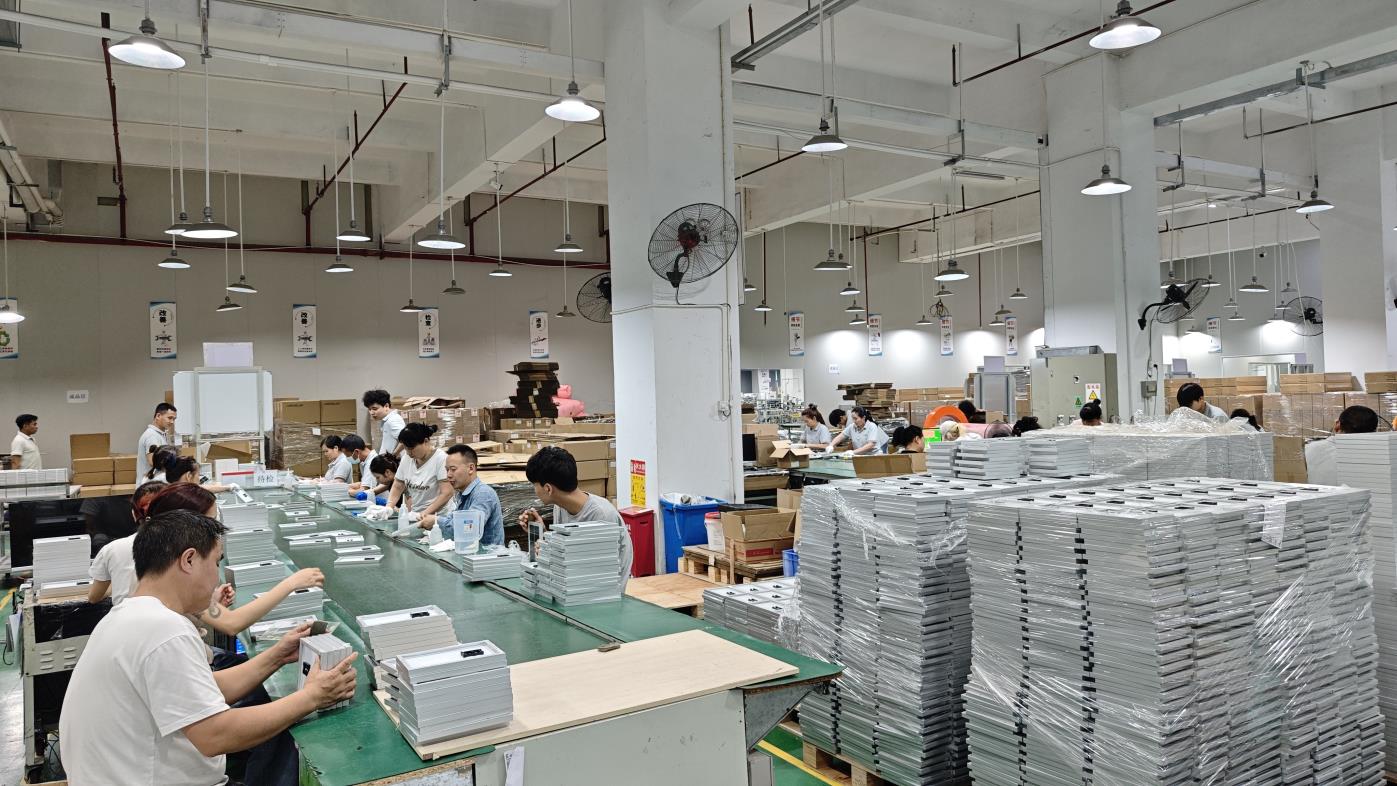
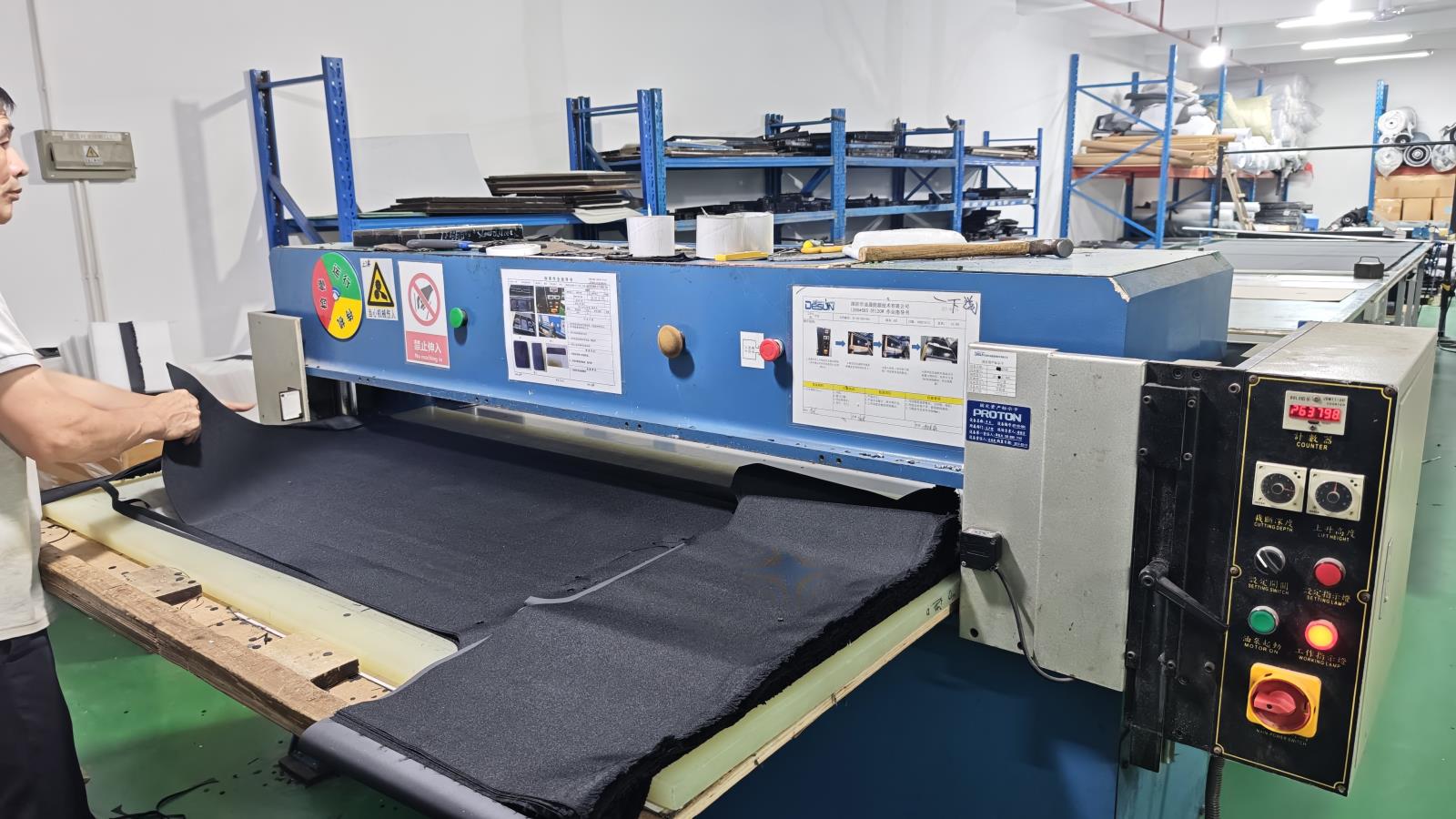
Xiamen ConTech Solar Co., Ltd. utilizes an advanced Industry 4.0 manufacturing workflow to guarantee maximum component integrity. By deploying automated laser cutting, string welding, and multi-junction visual inspection stations, our production line eliminates the human error factors that cause micro-cracks in cells.
Our Quality Control workflow ensures that every module dispatched to Central Africa can withstand harsh transport routes and rough coastal seas. From incoming raw materials to final packaging, every step is rigorously monitored.
Our Industry 4.0 Manufacturing Workflow
Localized Support, Logistics & Compliance for Equatorial Guinea
Direct supply to Equatorial Guinea requires strict adherence to regional customs regulations, logistics coordination, and localized certification standards. ConTech Solar has robust shipping strategies in place to serve major ports such as Bata Port (mainland region) and Malabo Port (Bioko Island).
Our logistics team handles all mandatory compliance procedures, including generating SGS inspections, obtaining Certificates of Conformity (CoC), and aligning with CEMAC (Central African Economic and Monetary Community) trade standards. In addition, our components carry international certifications including CE, TUV, IEC 61215, and IEC 61730, ensuring quick clearance at destination ports.