Switzerland’s ambitious transition toward a net-zero energy grid by 2050 has sparked a monumental shift in utility-scale and commercial rooftop photovoltaic deployments. Under the framework of the federal "Winter-Strom-Express" initiative, the demand for solar generation during low-irradiance winter months has become paramount. This is precisely where Bifacial Solar Technology transforms from a premium alternative into a core structural mandate.
Xiamen ConTech Solar Co., Ltd. addresses this specific geographical need. By engineering high-capacity N-Type Tunnel Oxide Passivated Contact (TOPCon) and Heterojunction (HJT) architectures, we supply the Swiss market with structural solutions engineered for heavy snow loading profiles and maximized rear-side yield calculation metrics.
Deploying photovoltaic systems across the Swiss plateau or within high-altitude alpine regions requires deep mechanical and thermal optimizations. Our modules are configured to deliver:
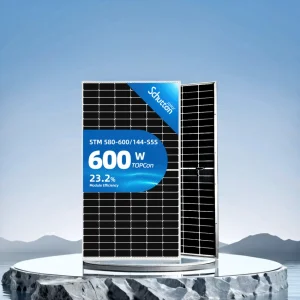
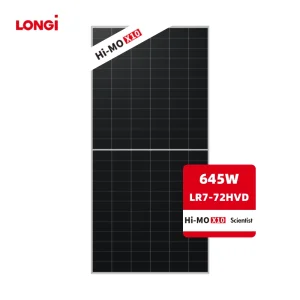
High-efficiency, double-glass bifacial modules fully compliant with METAS certifications and optimized for Swiss utility and commercial portfolios.
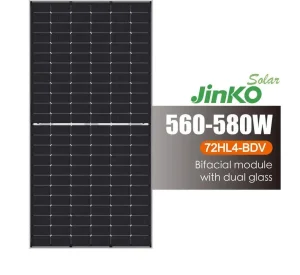
Quantifying the precise generation metrics of double-glass architectures under complex Swiss geographical layouts.
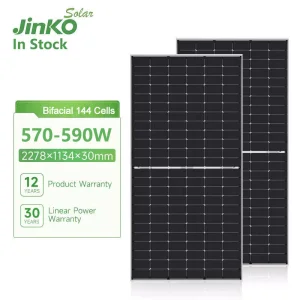
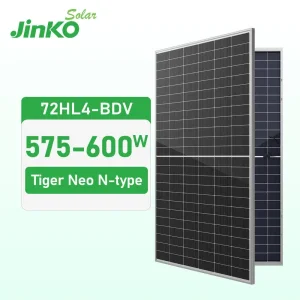
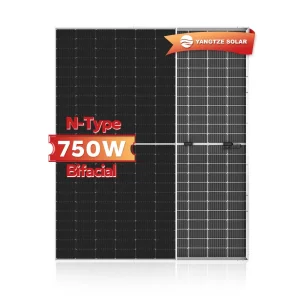
Our modules present an industry-standard bifaciality factor exceeding 80–85%. By deploying these systems over highly reflective surfaces such as gravel rooftops in Zurich or snowfields in the Grisons, the rear side absorbs diffuse and reflected radiation, generating substantial amperage gains without expanding the physical installation footprint.
In high-altitude Swiss arrays, traditional low-tilt angles fail due to heavy snow accumulation and minimal winter sun elevation. ConTech’s engineering frameworks recommend dynamic vertical (90°) or steep-angle (60°–75°) bifacial mounting configurations. This eliminates snow masking, optimizes winter solar capturing angles, and exploits the ground-level snow albedo maximize curves.
Replacing traditional polymer backsheets with POE (Polyolefin Elastomer) encapsulated dual-glass configurations completely isolates solar cells from moisture ingress, ammonia exposure in agricultural valleys, and thermal stress cracking. This guarantees a verified 30-year linear performance retention rate above 87.4%.
Xiamen ConTech Solar Co., Ltd. integrates advanced robotics, end-to-end quality validation protocols, and elite supply chain management.
Xiamen ConTech Solar Co., Ltd. is a professional high-tech enterprise specializing in the research, development, production, and sales of solar energy products. Since its establishment, the company has been committed to providing efficient, reliable, and environmentally friendly solar solutions to customers worldwide. Guided by the business philosophy of "Innovative Technology, Superior Quality, and Sustainable Development," ConTech Solar continuously strengthens its technological innovation and product development capabilities.
With a strong R&D team and advanced manufacturing technology, Xiamen ConTech Solar Co., Ltd. mainly produces solar panels, solar controllers, solar energy systems, and related photovoltaic products. These products are widely used in residential rooftops, commercial and industrial solar projects, large-scale photovoltaic power stations, agricultural applications, street lighting systems, and off-grid energy solutions.
The company is equipped with advanced production facilities and strict quality control systems to ensure the stability and reliability of every product. ConTech Solar has established a comprehensive quality management system and continuously improves production efficiency and product performance to meet international standards and customer requirements.
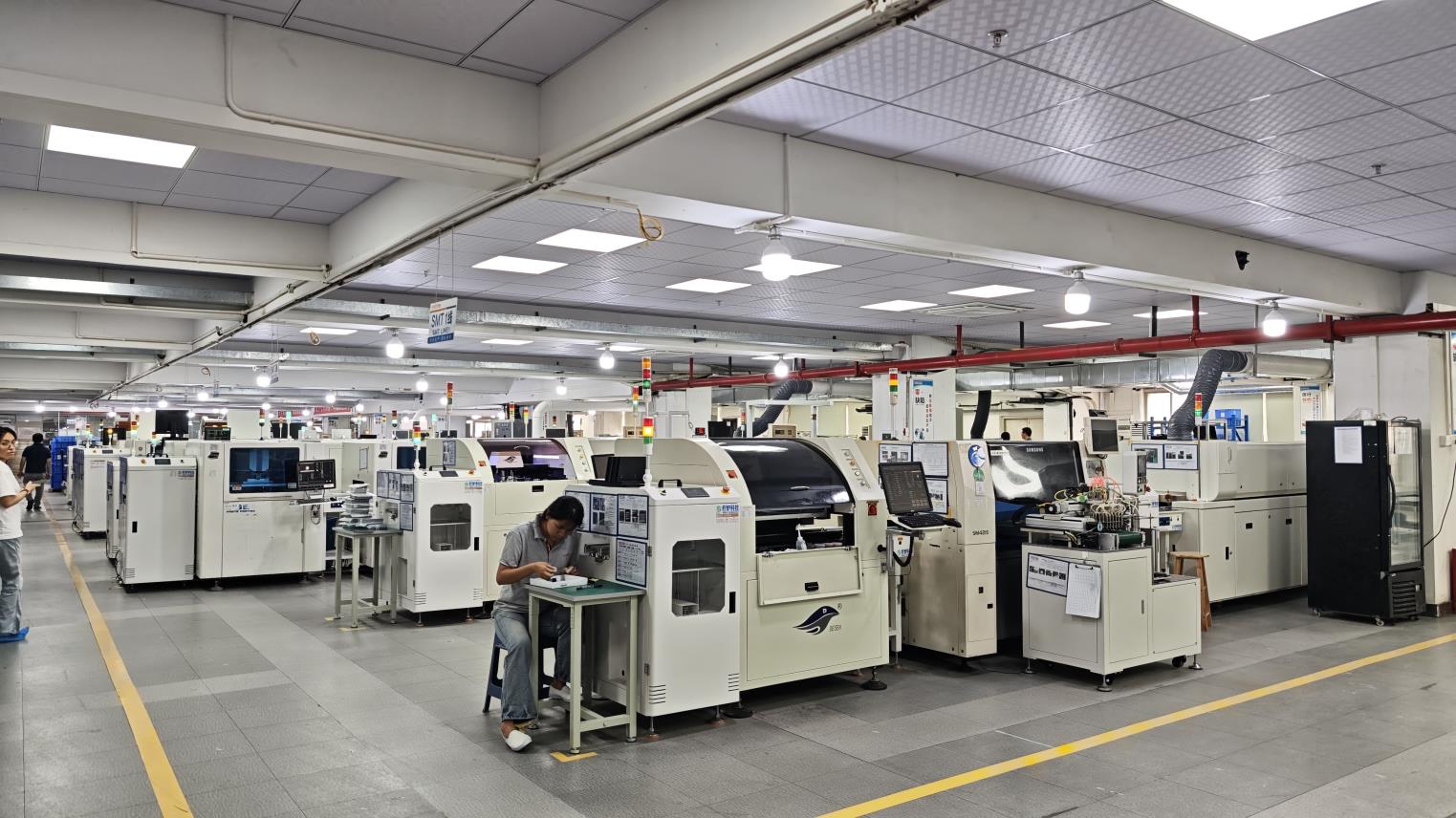
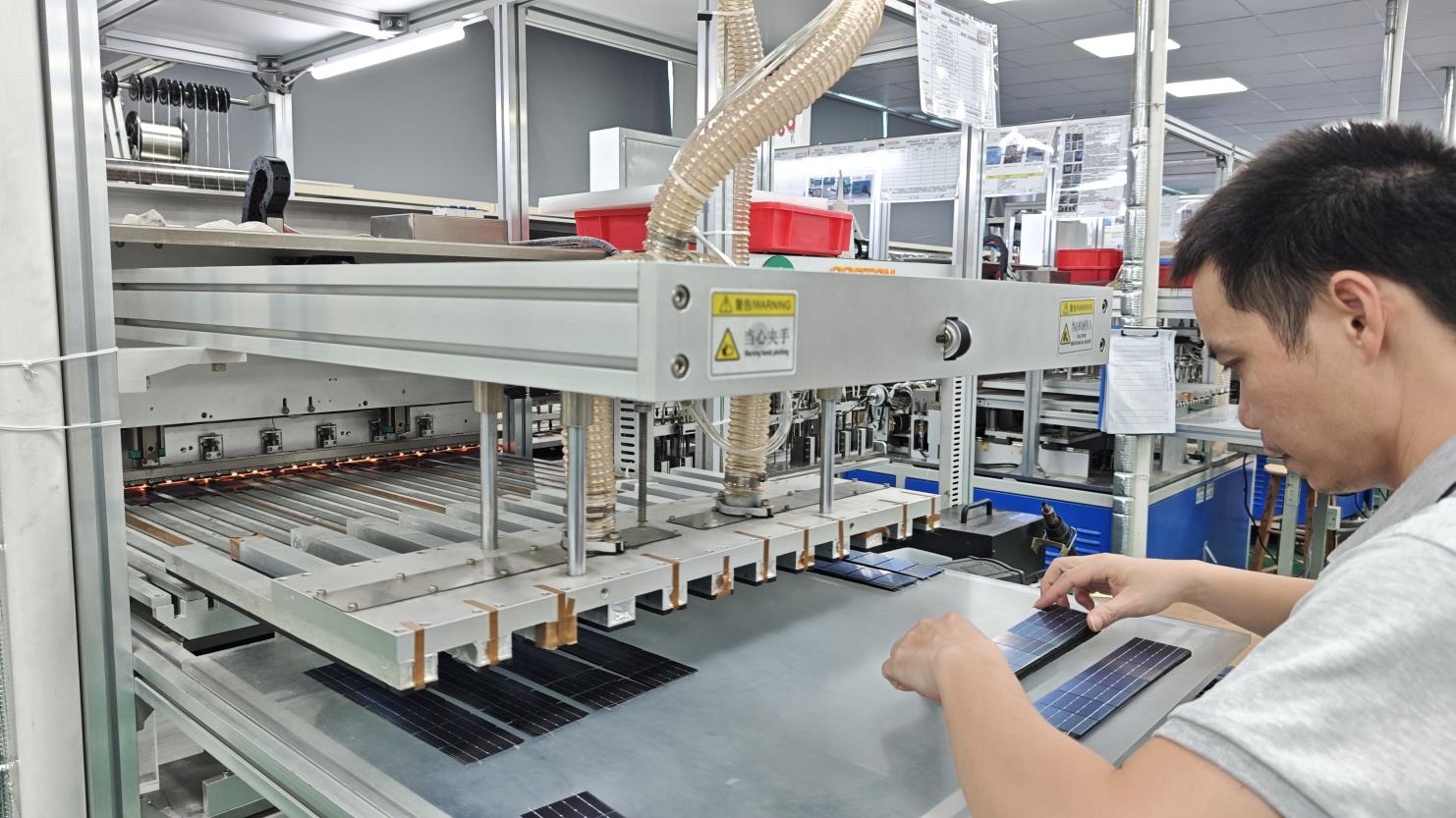
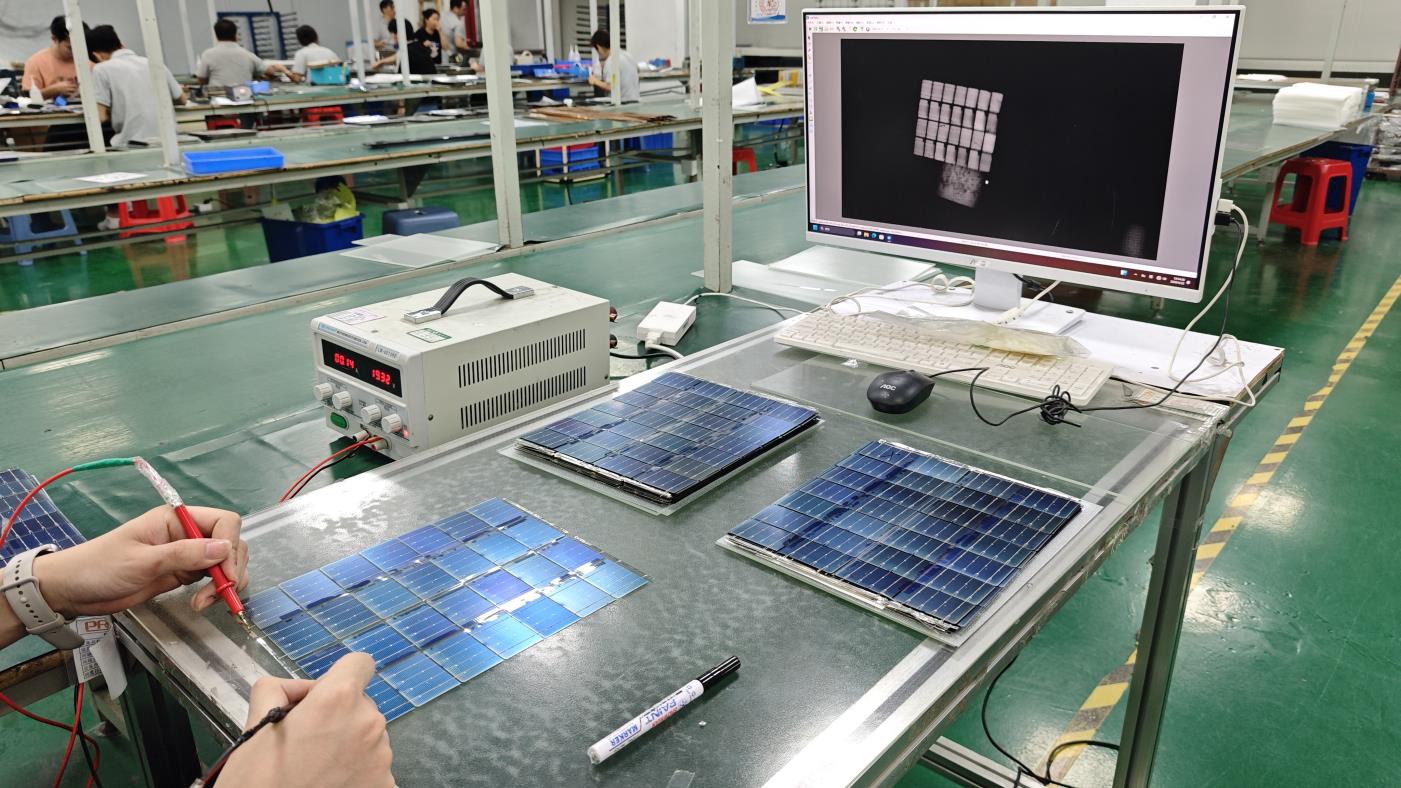

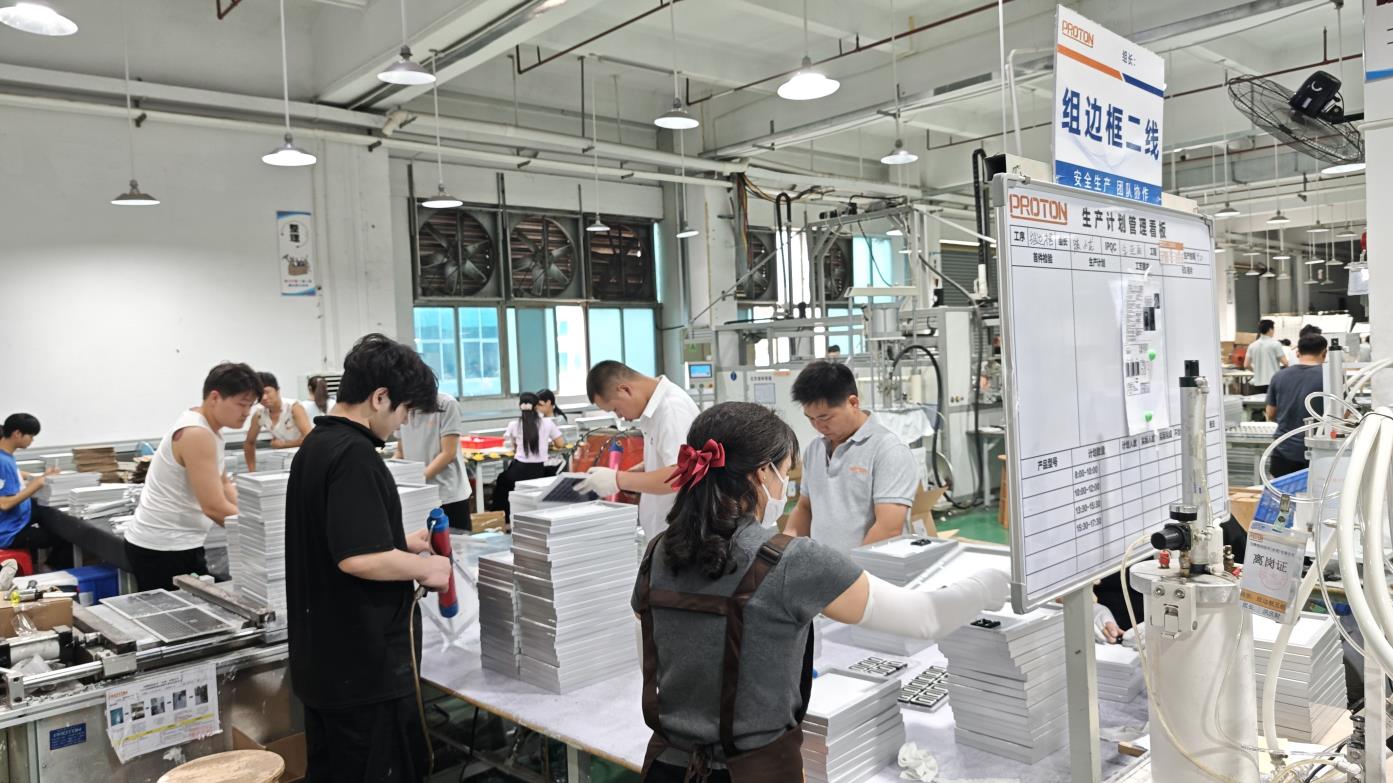
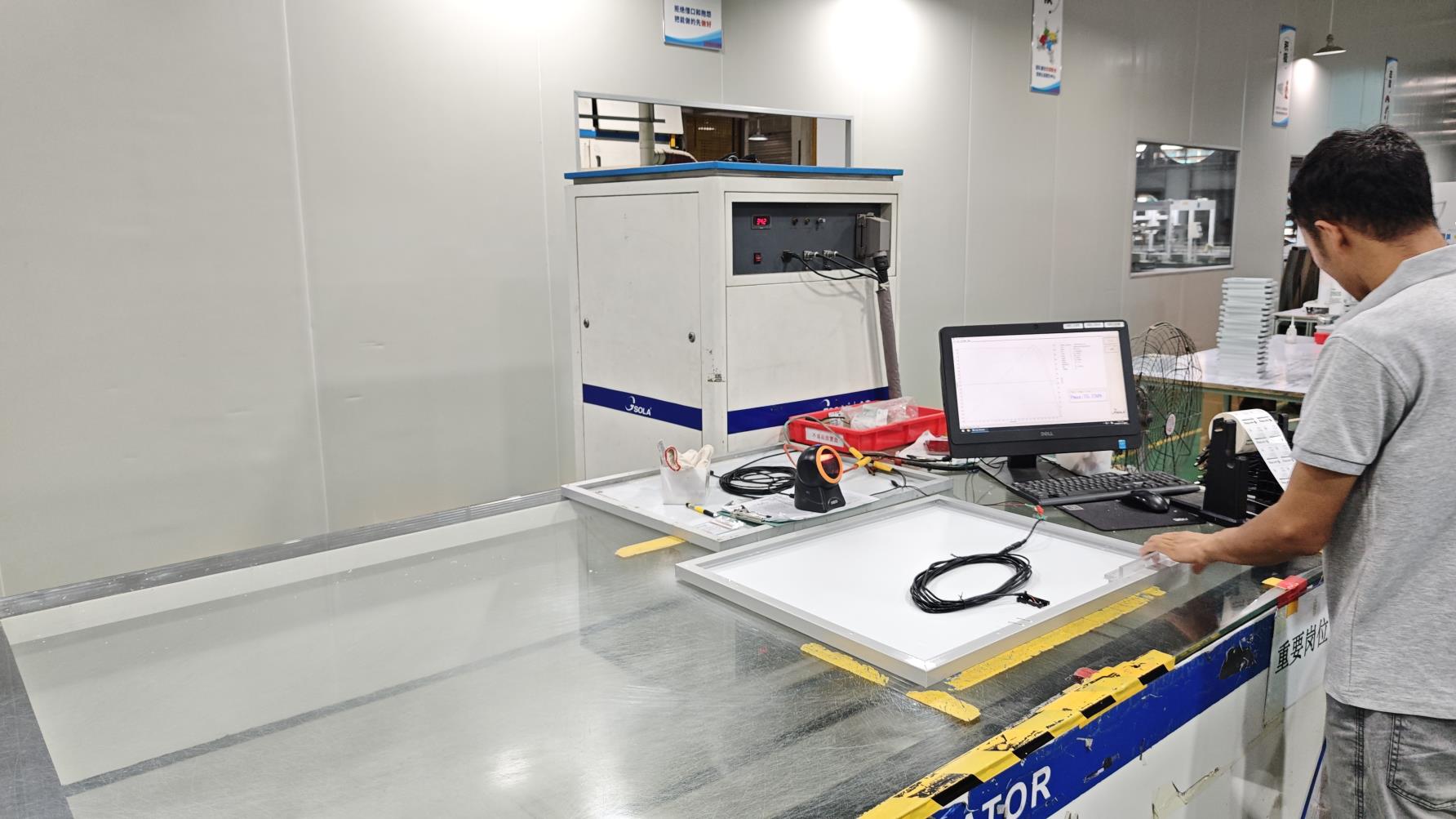
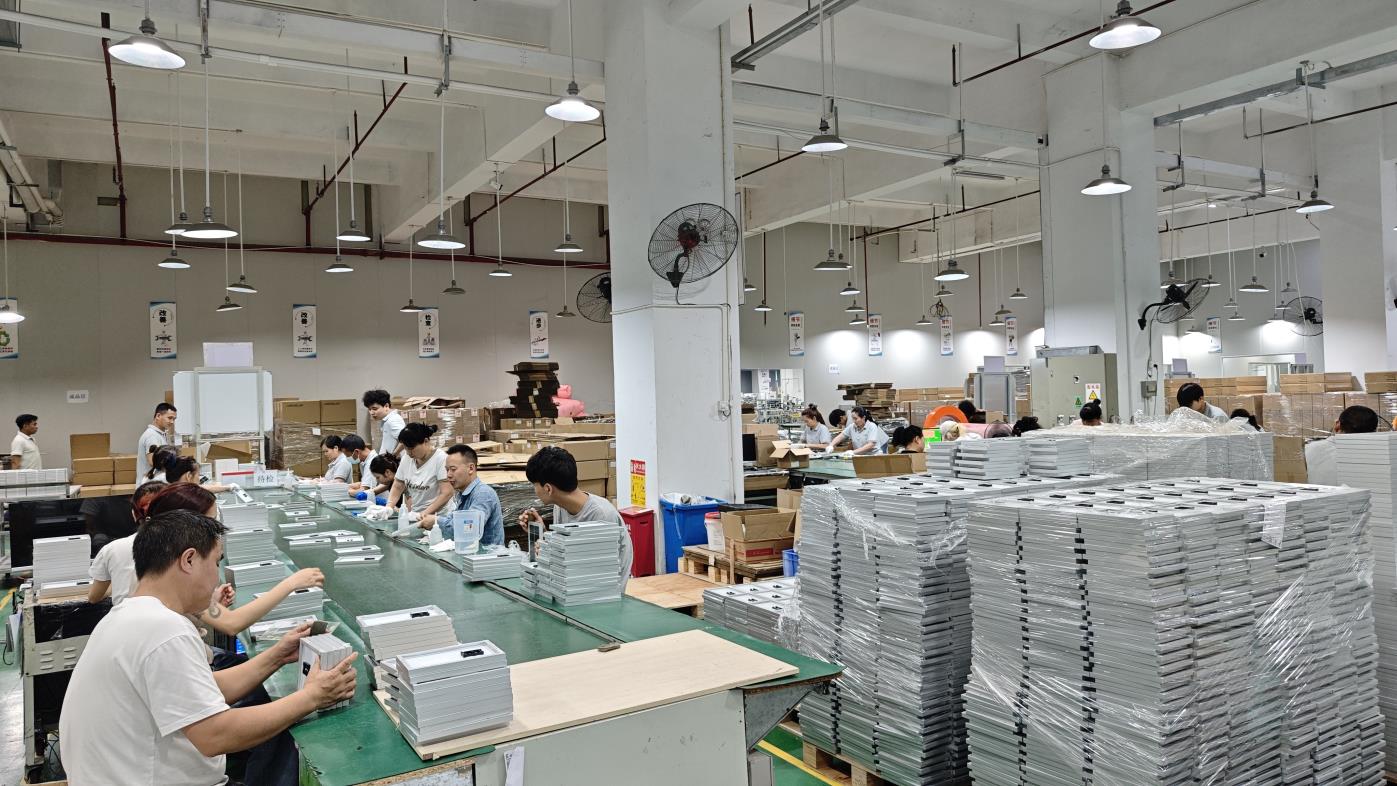
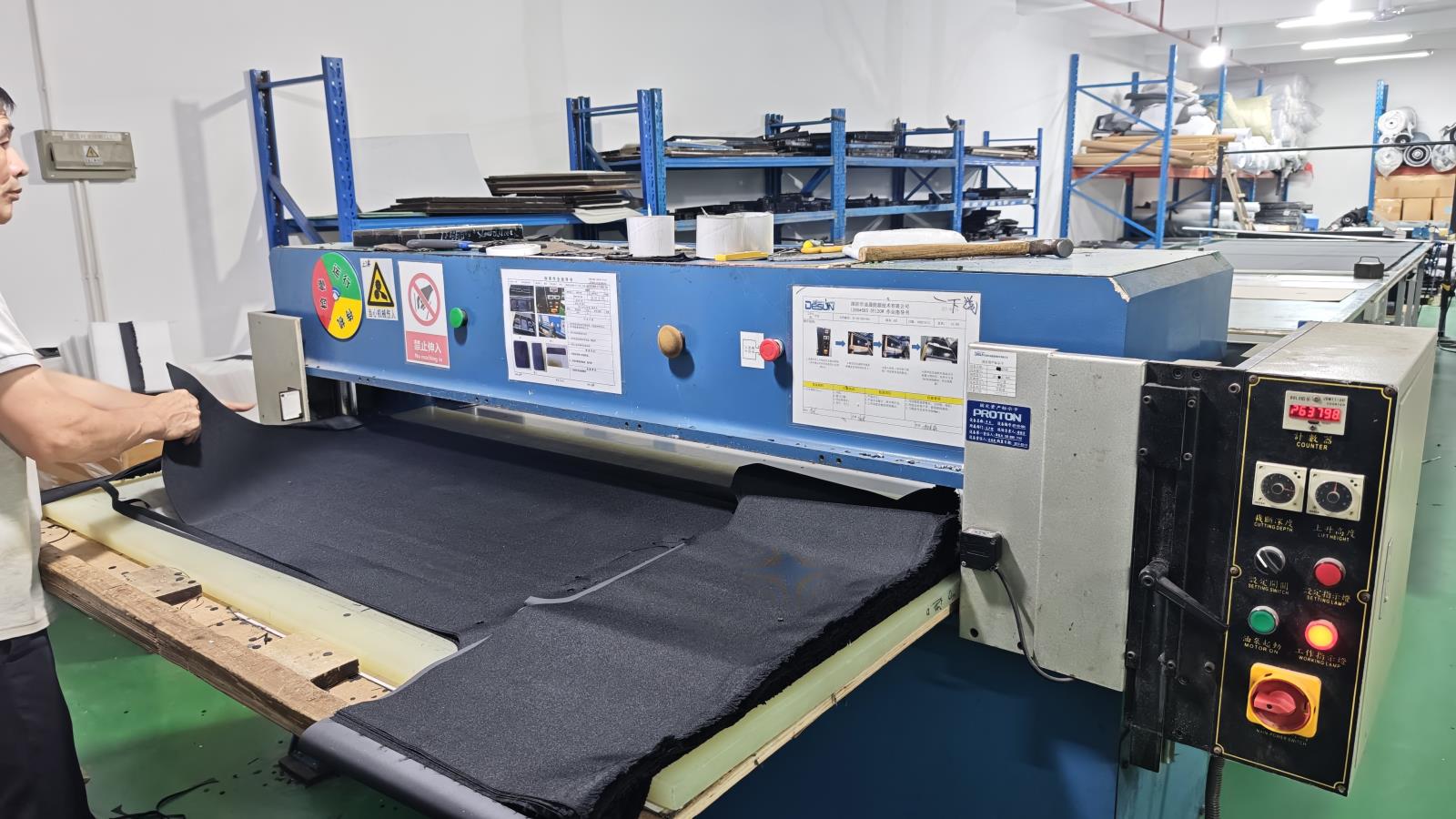
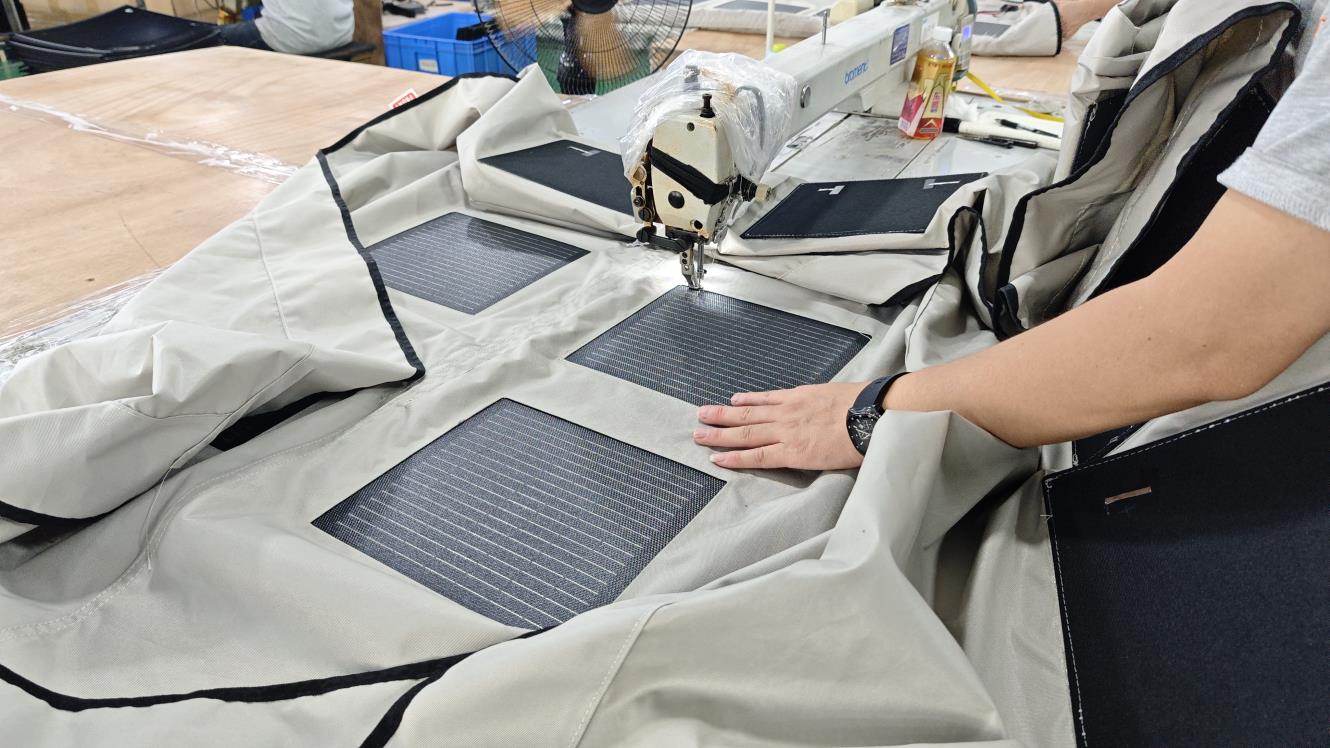
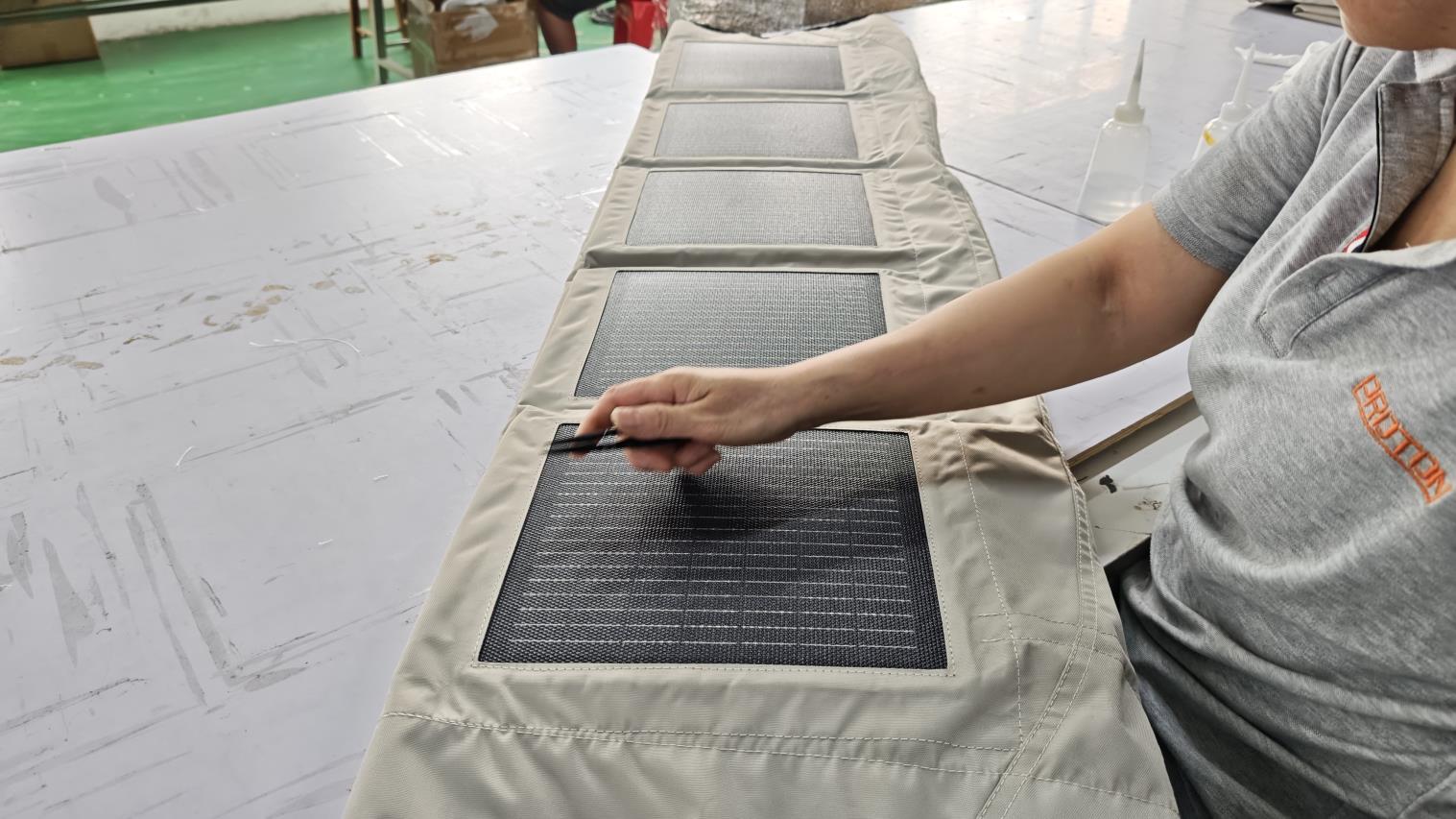
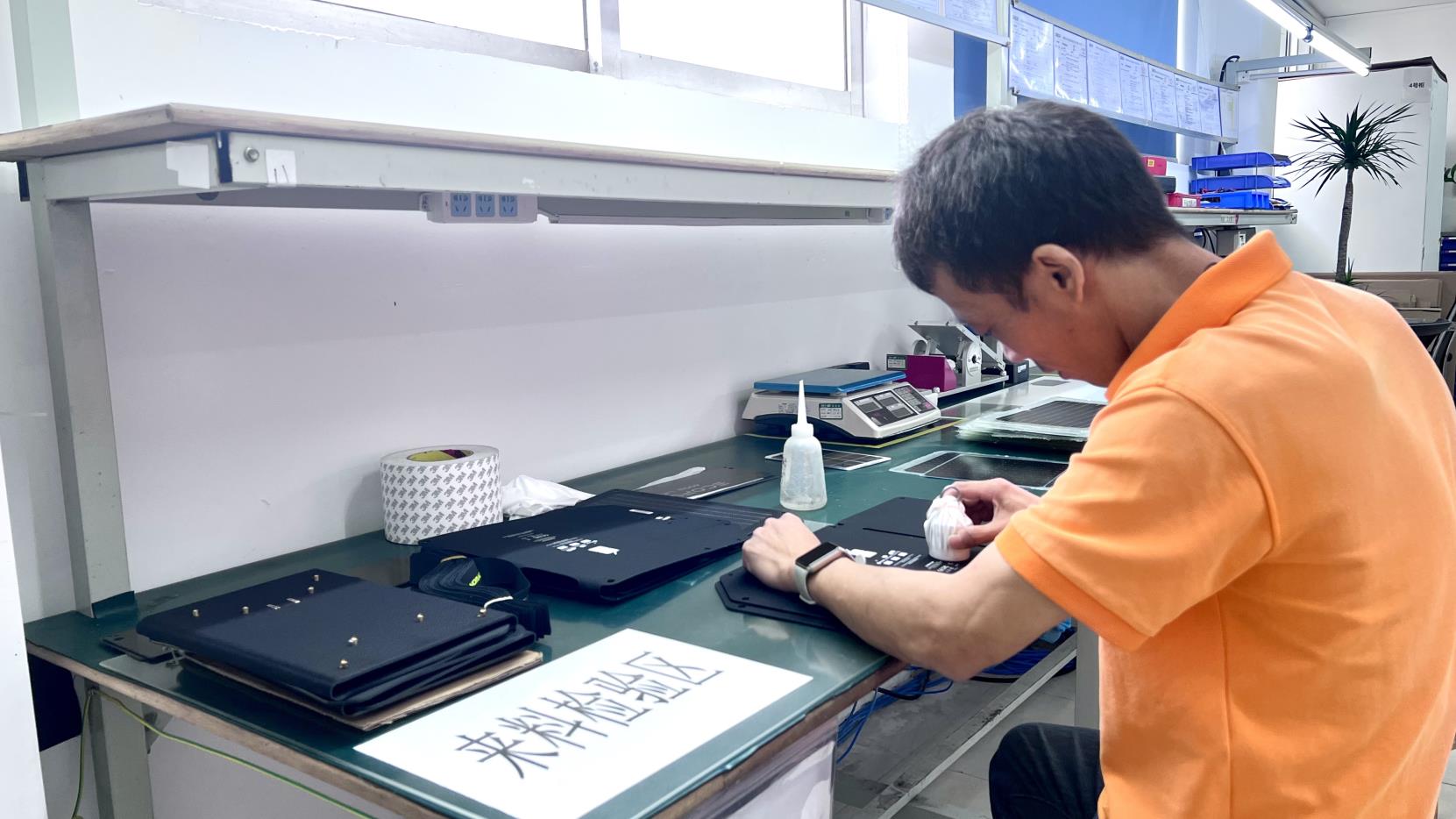
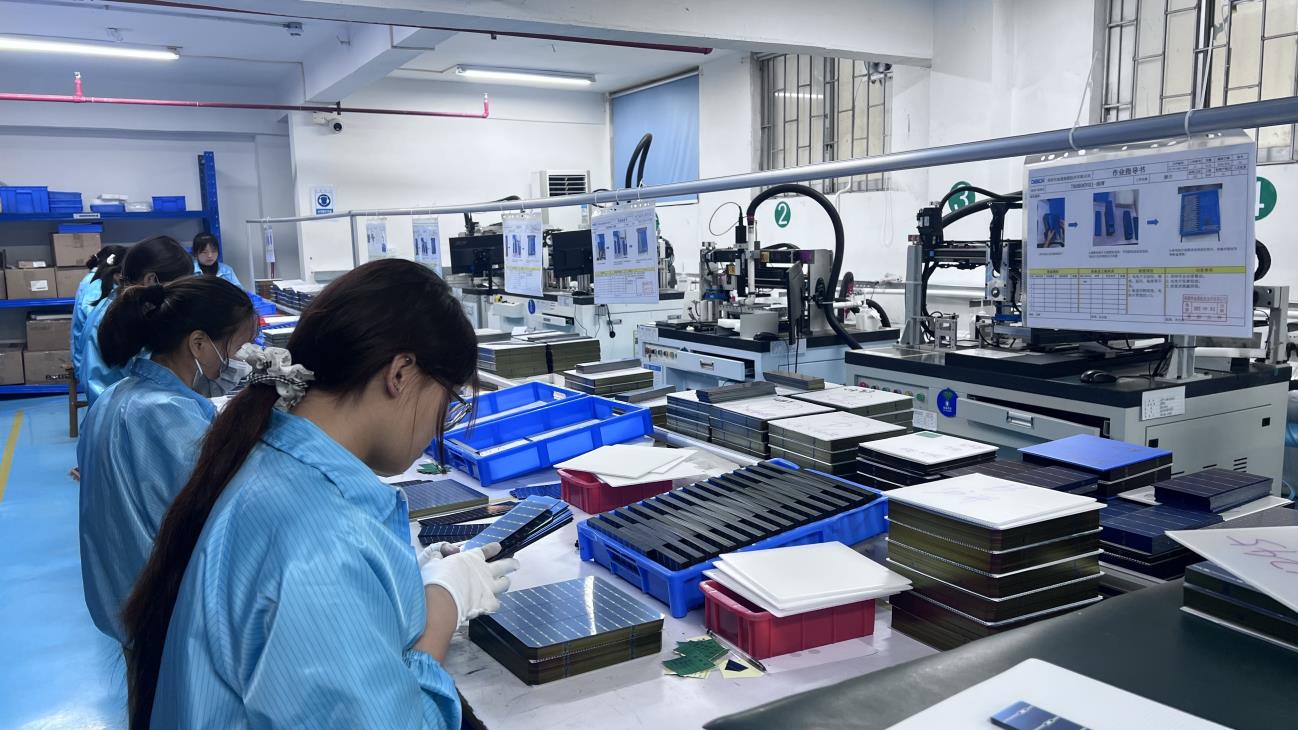
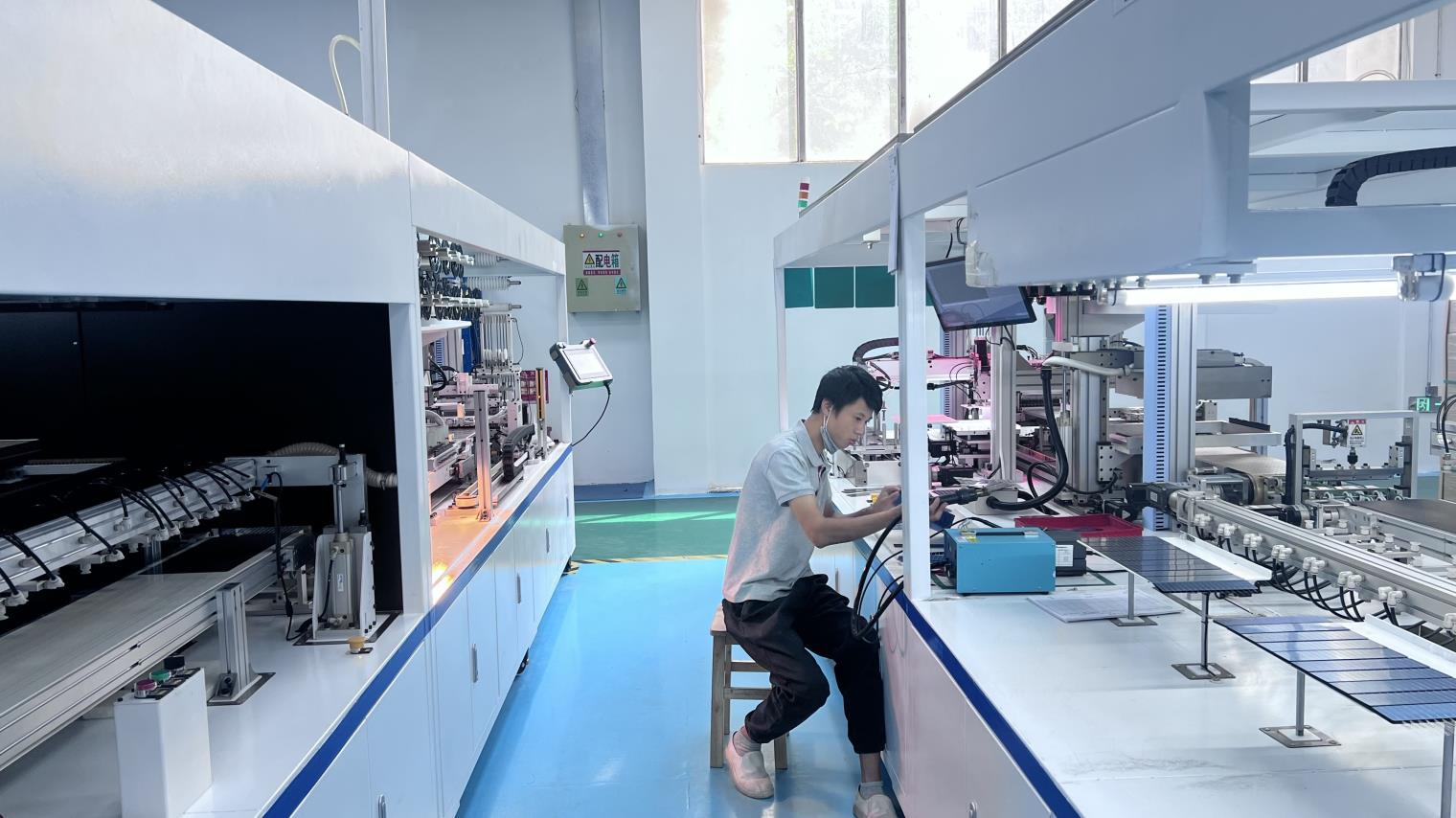
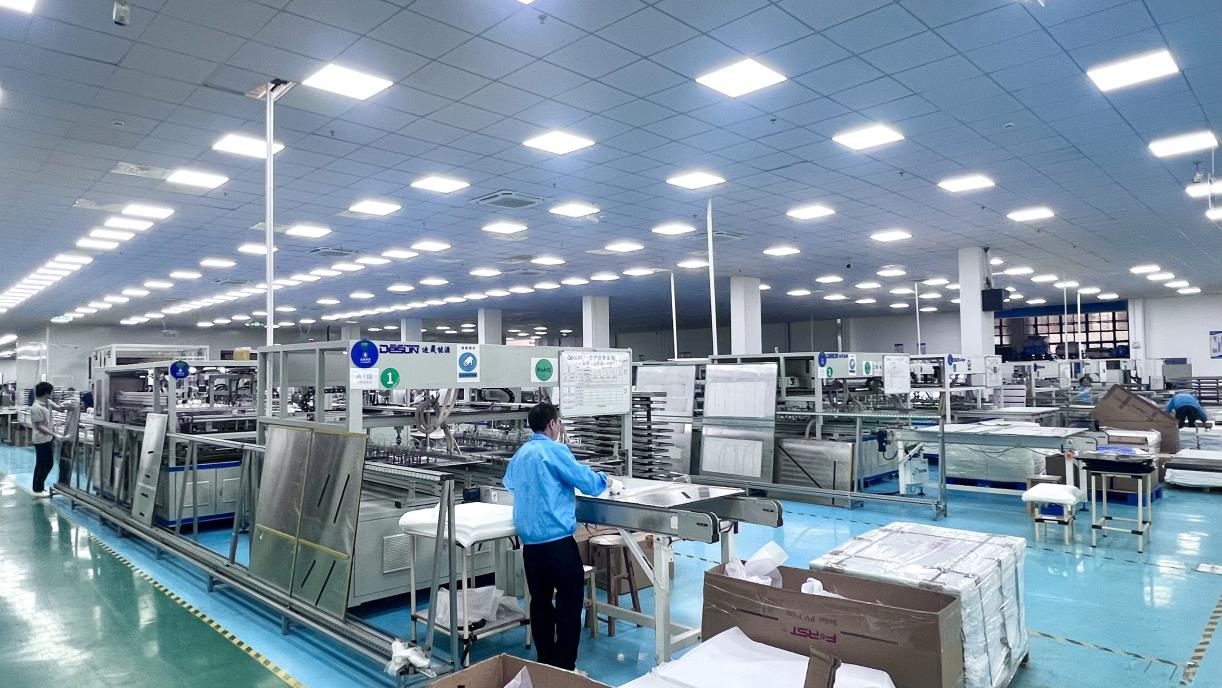
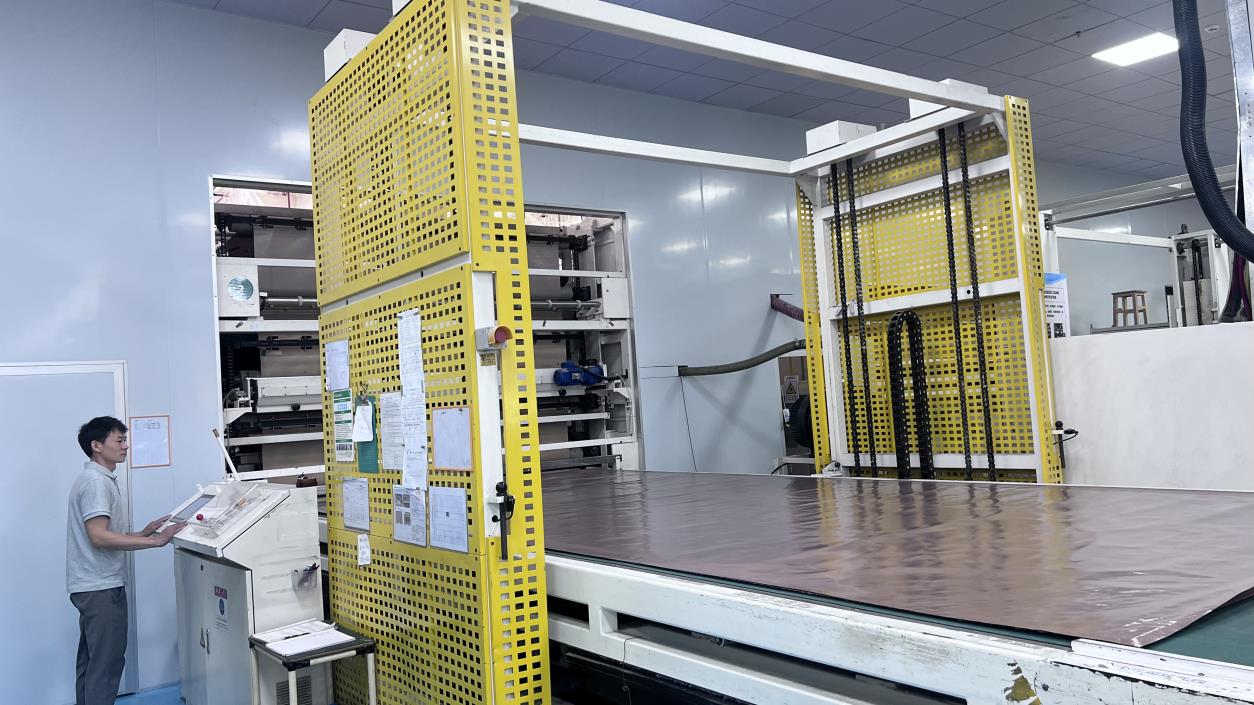
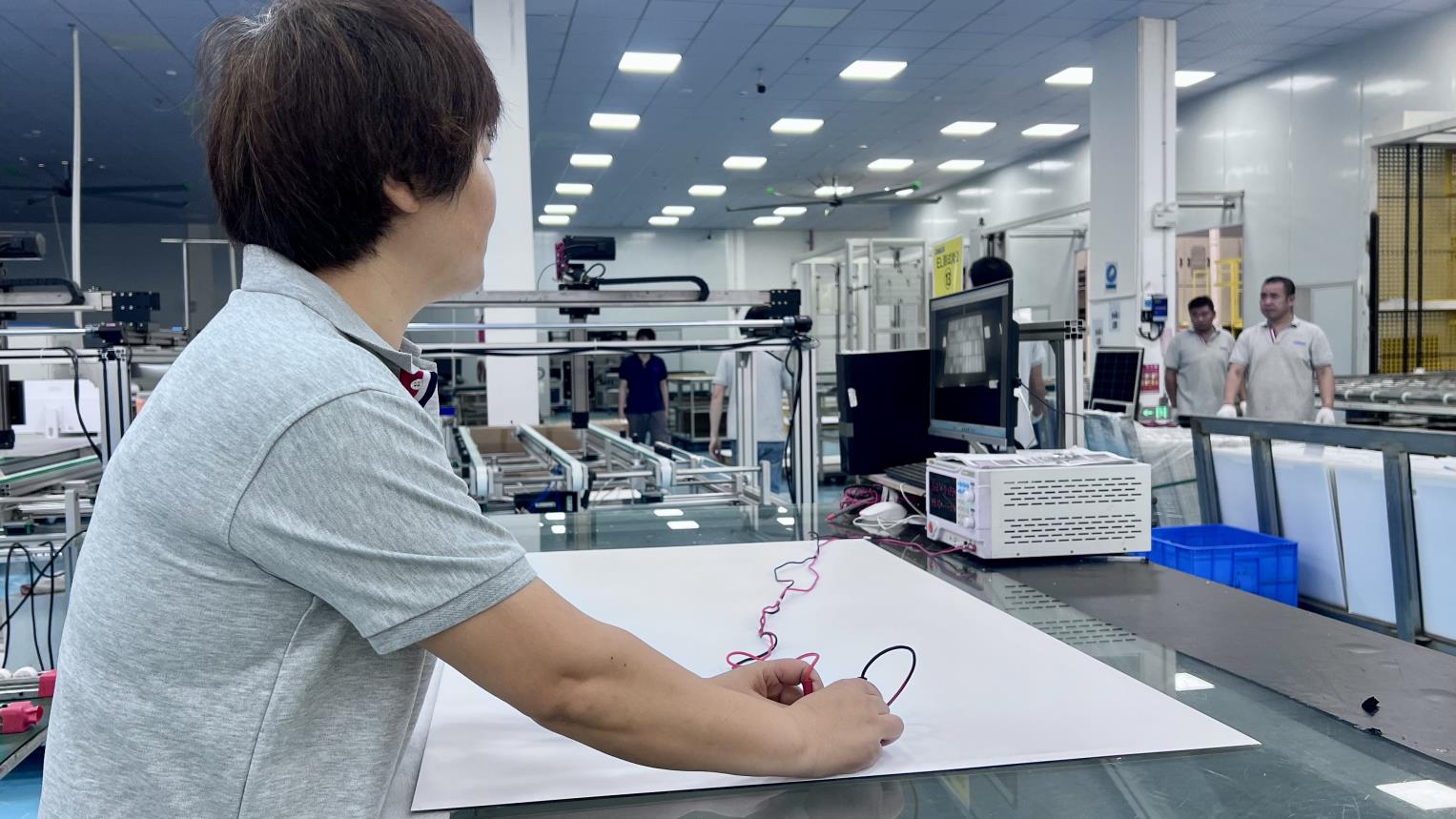
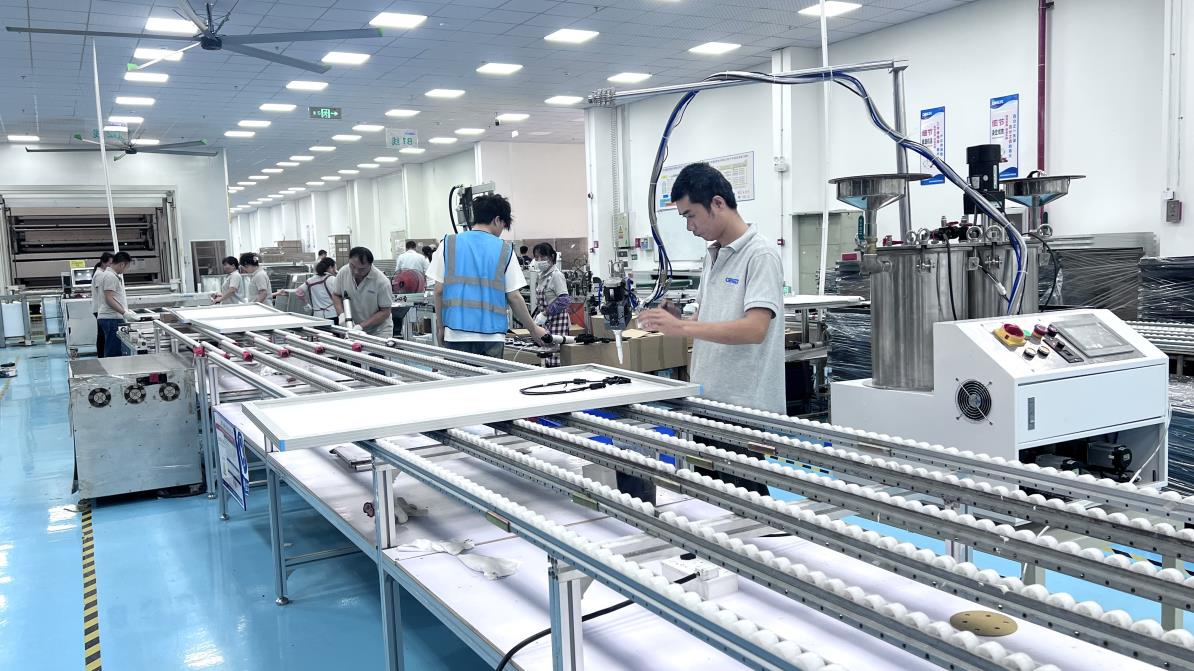
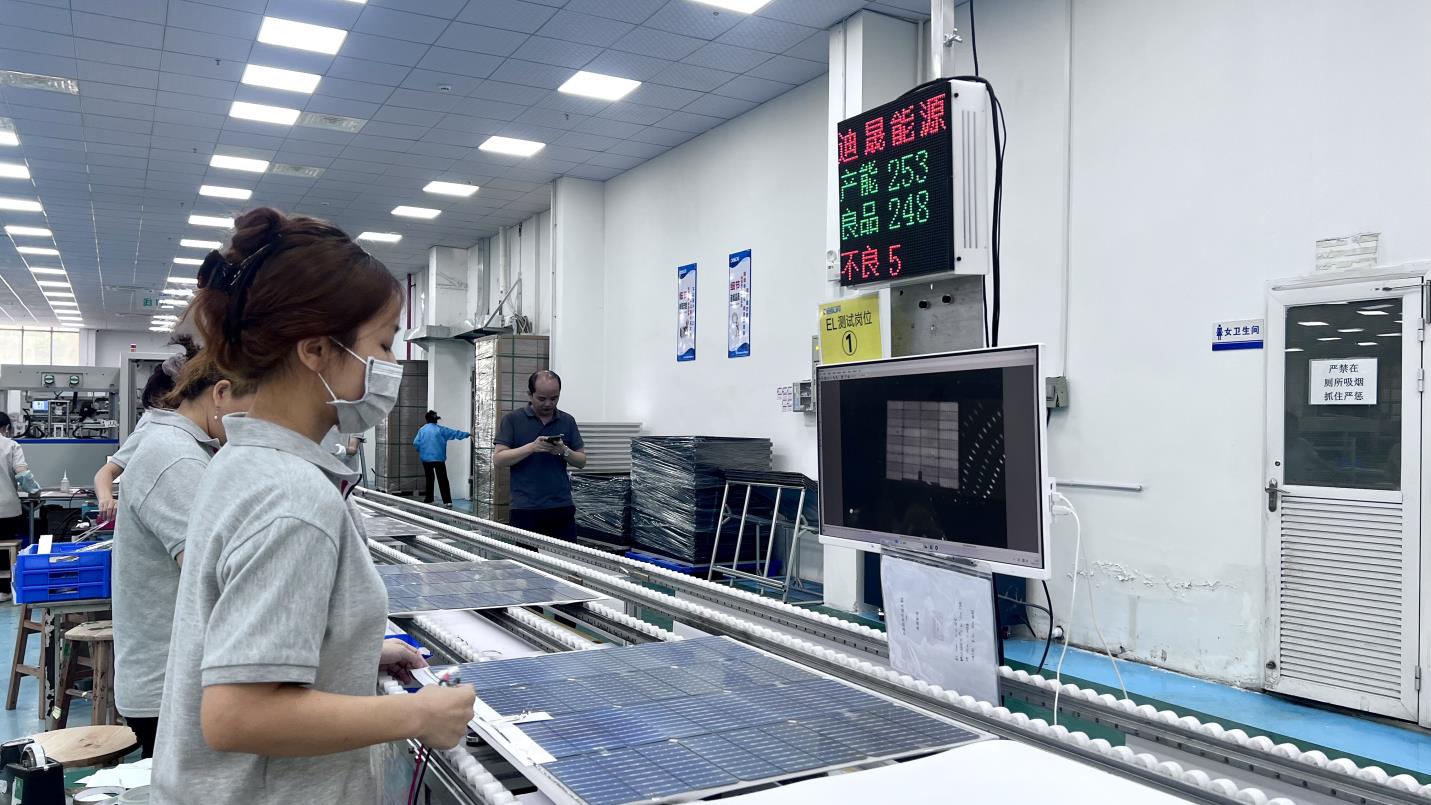
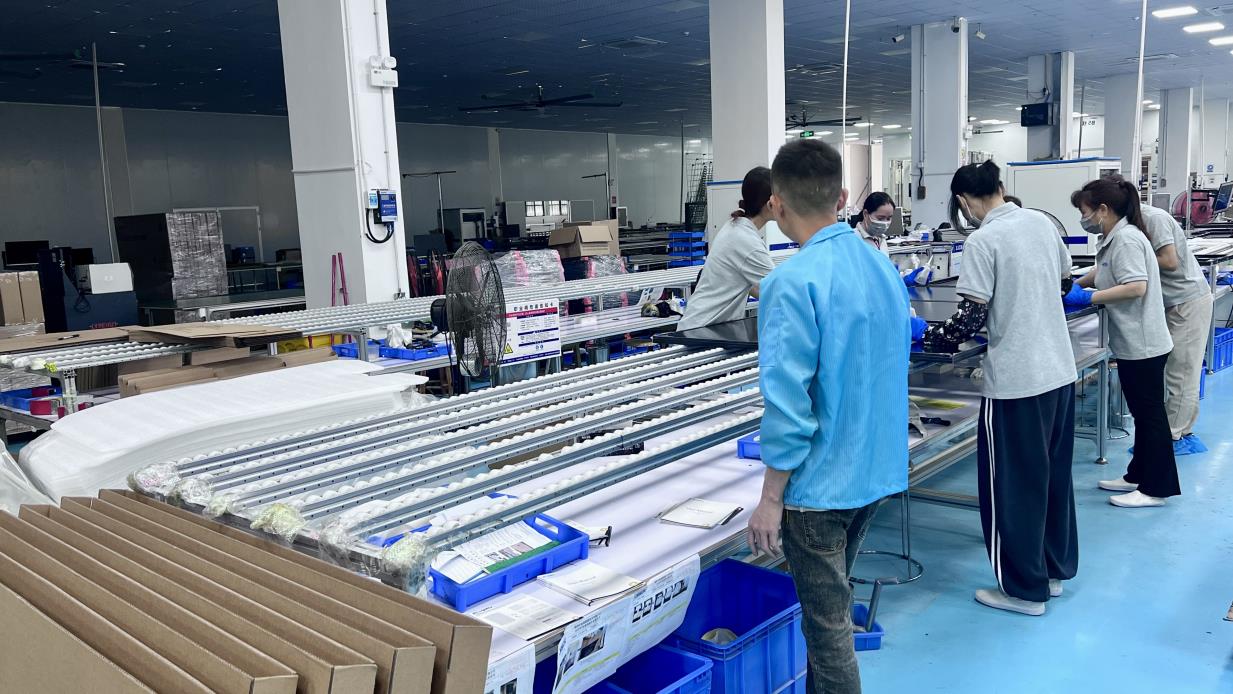
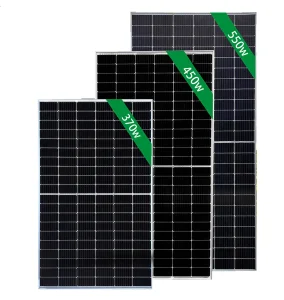
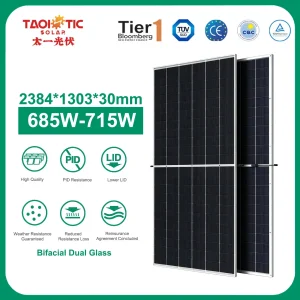
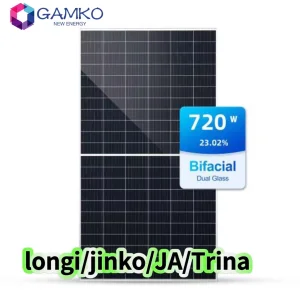
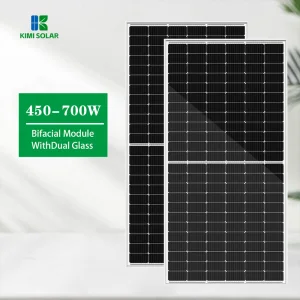
Extended technical configurations featuring Tier-1 internal wafer processing and advanced double-glass physical packaging architectures.
Navigating the complex statutory environments of local cantonal energy inspectors and federal verification agencies.
To successfully access the Pronovo Einmalvergütung (EIV) federal subsidies, all photovoltaic products deployed in Switzerland must adhere strictly to the CE declarations and IEC 61215 / IEC 61730 parameters enforced by the Eidgenössisches Starkstrominspektorat (ESTI). ConTech modules pass exhaustive independent testing sequences ensuring electrical arc containment, salt-mist resistance for lower valley locations, and precise harmonic stability matching Swissgrid grid-code requirements.
In accordance with Switzerland’s circular economy mandates, ConTech ensures cross-border accountability through full structural preparation for the SENS e-recycling scheme. The high material recyclability profile of our glass-glass compositions guarantees minimal lifecycle impact ratings, ensuring your commercial bid secures optimal points under sustainable public tender criteria (KBOB guidelines).
Connect directly with our senior global technical sales division to organize container-load logistics, customized frame adaptations, and kantonal compliance certificates.
Send Inquiry NowExpert insights mapping semantic operational inquiries raised by Swiss structural engineers and project developers.
When engineering bifacial arrays for locations like the Swiss Alps or the Mittelland, inverter sizing models must account for a typical 10% to 25% "Bifacial Gain". For a module with a 500W front-side rating and an expected 15% rear gain under standard snow cover, the nominal design point shifts to 575W. Inverters must be sized to prevent excessive clipping during peak winter albedo conditions while keeping the Maximum Power Point Tracking (MPPT) voltage window optimized for early morning string wake-up sequences.
N-type architectures (TOPCon and HJT) possess zero Light-Induced Degradation (LID) and near-zero LeTID because they are doped with phosphorus instead of boron. In high-altitude alpine areas where UV exposure is exceptionally intense, P-type systems degrade rapidly in their initial months of deployment. Furthermore, N-type technologies boast a significantly higher bifaciality factor (80-85%) compared to traditional PERC systems (65-70%), extracting substantially more value from ground reflections.
Our modules feature dual tempered glass (typically 2.0mm or 2.5mm per layer) integrated with a high-tensile anodized aluminum alloy frame. This structural combination distributes physical mechanical stress across the entire pane surface, allowing the module to withstand certified down-force loads of up to 5400 Pa (equivalent to heavy snow pack accumulations) and uplift forces of 2400 Pa (resisting high-velocity alpine wind shear conditions).
Absolutely. Bifacial technology is uniquely suited for vertical agrivoltaic installations (East-West configurations). This configuration produces a dual-peak generation profile (morning and evening), matching electricity demand patterns much more effectively than south-facing fixed installations. ConTech offers specialized cross-compatible framing structures that integrate seamlessly with advanced single-axis tracking systems and vertical structural anchors.
 ConTech Solar