 ConTech Solar
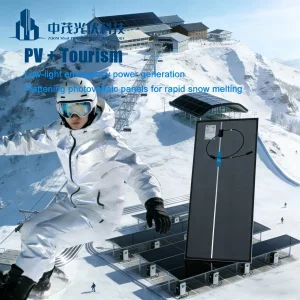
Elevating Sustainable Architecture in the Mountain Kingdom with High-Gain, Resilient Building Integrated Photovoltaics (BIPV)
Engineered to withstand high-altitude UV radiation, extreme temperature fluctuations, and demanding wind/snow loads across Lesotho's rugged terrain.
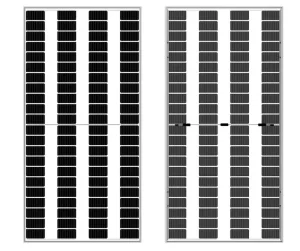
Lesotho, historically dependent on imports from neighboring South Africa to satisfy peak energy demands, stands at a transformative energy crossroads. The country's unique geographical profile—often styled as the "Kingdom in the Sky"—features the highest lowest-point of any nation globally, sitting entirely above 1,400 meters. This high altitude translates into high-intensity Direct Normal Irradiance (DNI) and a cooler ambient climate: a combination that is extraordinarily beneficial for solar photovoltaic (PV) performance.
However, traditional roof-mounted installations (BAPV) face severe structural and environmental constraints. Lesotho's mountainous geography subjects building structures to aggressive wind loads, heavy seasonal snowfall in regions like the Maloti Range, and intense alpine UV exposure. Building Integrated Photovoltaics (BIPV) solve these limitations by combining the building envelope itself with electricity-generating components, offering enhanced structural resilience, eliminating structural redundancies, and lowering long-term Levelized Cost of Energy (LCOE).
With the government’s focus under the Lesotho National Strategic Development Plan (NSDP II) to achieve energy security, the industrial and commercial sectors in Maseru, Maputsoe, and mining districts such as Letšeng are rapidly transitioning toward local, decentralized generation. High-performance BIPV facades, windows, and roof tiles provide a crucial solution for businesses striving to insulate themselves from grid volatility while meeting high architectural standards.
As architectures evolve toward Net-Zero buildings, BIPV technologies have diversified into advanced chemical and physical configurations, each catering to specific load and aesthetic challenges.
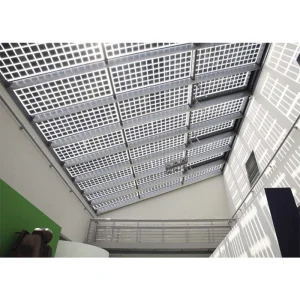
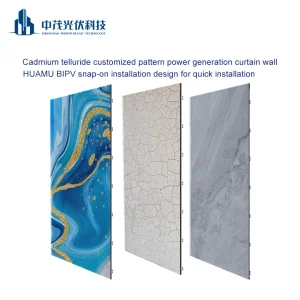
CdTe is highly suited for architectural facades due to its superior low-light absorption and low temperature coefficient (-0.21%/°C). In Lesotho's cloudy mountain periods, CdTe glass continues to generate energy from diffuse light. Its configurable transparency (up to 50%) allows seamless integration into double-glazed windows, reducing solar heat gain coefficient (SHGC) for commercial buildings.
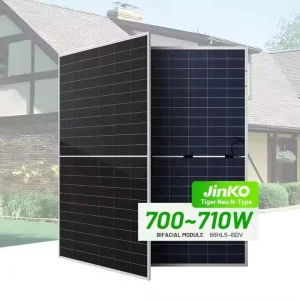
For maximum power generation per square meter, N-type monocrystalline cells with bifacial capability offer efficiencies above 22.5%. These are typically embedded within double-tempered safety glass for high-load roofs, solar carports, and industrial canopies, providing maximum power yield in areas with restricted building footprints.
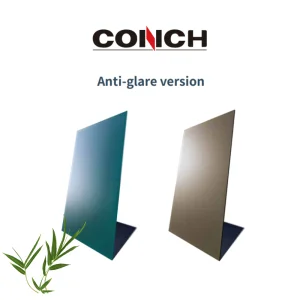
Maintaining architectural heritage is essential in municipal zoning. Standard colored PV modules (like sandstone, orange, and charcoal tiles) harmonize with Lesotho's traditional stone architecture. Advanced mineral coatings ensure that colored layers maintain up to 85% of standard cell efficiency while ensuring complete aesthetic integration.
In Maseru and mountain resort projects, BIPV is reshaping building design. Standard glass facades are replaced with semi-transparent CdTe double-glazed window structures. This cuts down HVAC cooling expenses during hot summers, minimizes glare, and generates steady baseboard electricity to power essential building networks, servers, and emergency systems.
Industrial parks in Thetsane can utilize high-load monocrystalline BIPV roof tiles and integrated standing-seam PV roofs. These configurations replace heavy legacy roofing sheets with light, ultra-durable, waterproof photovoltaic structures. They deliver direct-consumption power to factory machinery, significantly reducing high demand tariffs imposed by the Lesotho Electricity Company (LEC).
Mining operations located deep within the Maloti Mountains demand extreme power stability and structural resilience against sub-zero conditions, wind shear, and heavy snow load. Wall-integrated vertical BIPV systems utilize seasonal albedo effect (sunlight reflecting off the snow) to generate significant power, even when horizontal panels are covered in snow.
BIPV greenhouse glass structures allow selective light transmission optimized for plant growth while converting excess solar energy into power for automated drip irrigation and ventilation systems. This dual-use spatial integration is key to enhancing Lesotho's rural food security and energy independence.
Successful commercial PV projects in Lesotho demand strict alignment with localized mechanical and electrical standards. As an experienced BIPV supplier, Xiamen ConTech Solar Co., Ltd. ensures that all exported systems comply with the regulatory frameworks established by the Lesotho Electricity and Water Authority (LEWA) and the Lesotho Electricity Company (LEC).
Our BIPV modules are certified in compliance with Southern African Development Community (SADC) regional standards, ensuring smooth customs processing at ports of entry, such as Durban, and transit to Maseru.
Calculations are performed for alpine wind loads up to 1.8 kPa and structural snow loads up to 1.5 kN/m² in accordance with SANS 10160 structural design codes, guaranteeing the mechanical durability of integrated building components.
All system designs include certified anti-islanding mechanisms, grid-tied inverter compliance, and smart power management limits compliant with the latest LEC distribution network grid requirements.
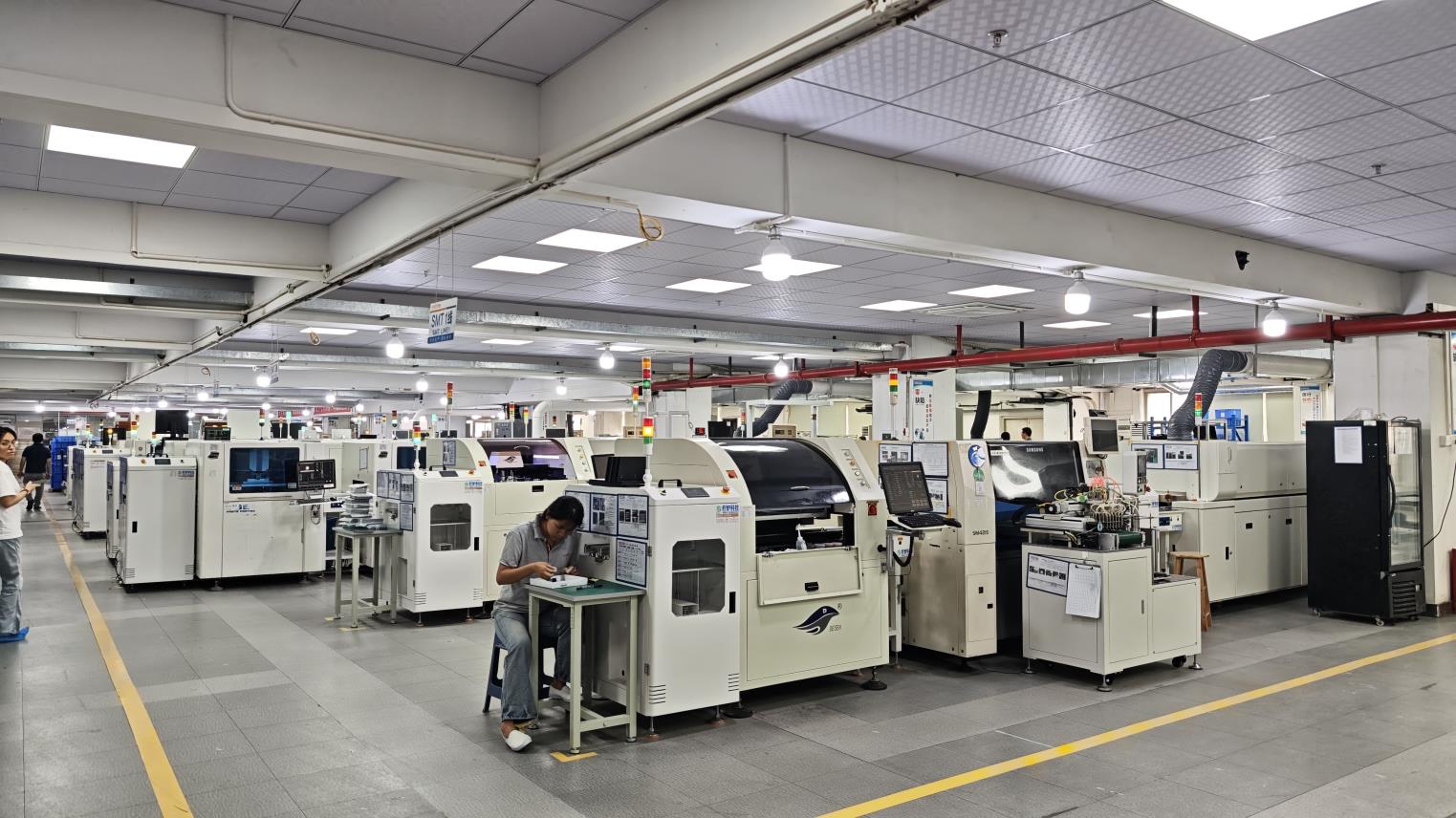
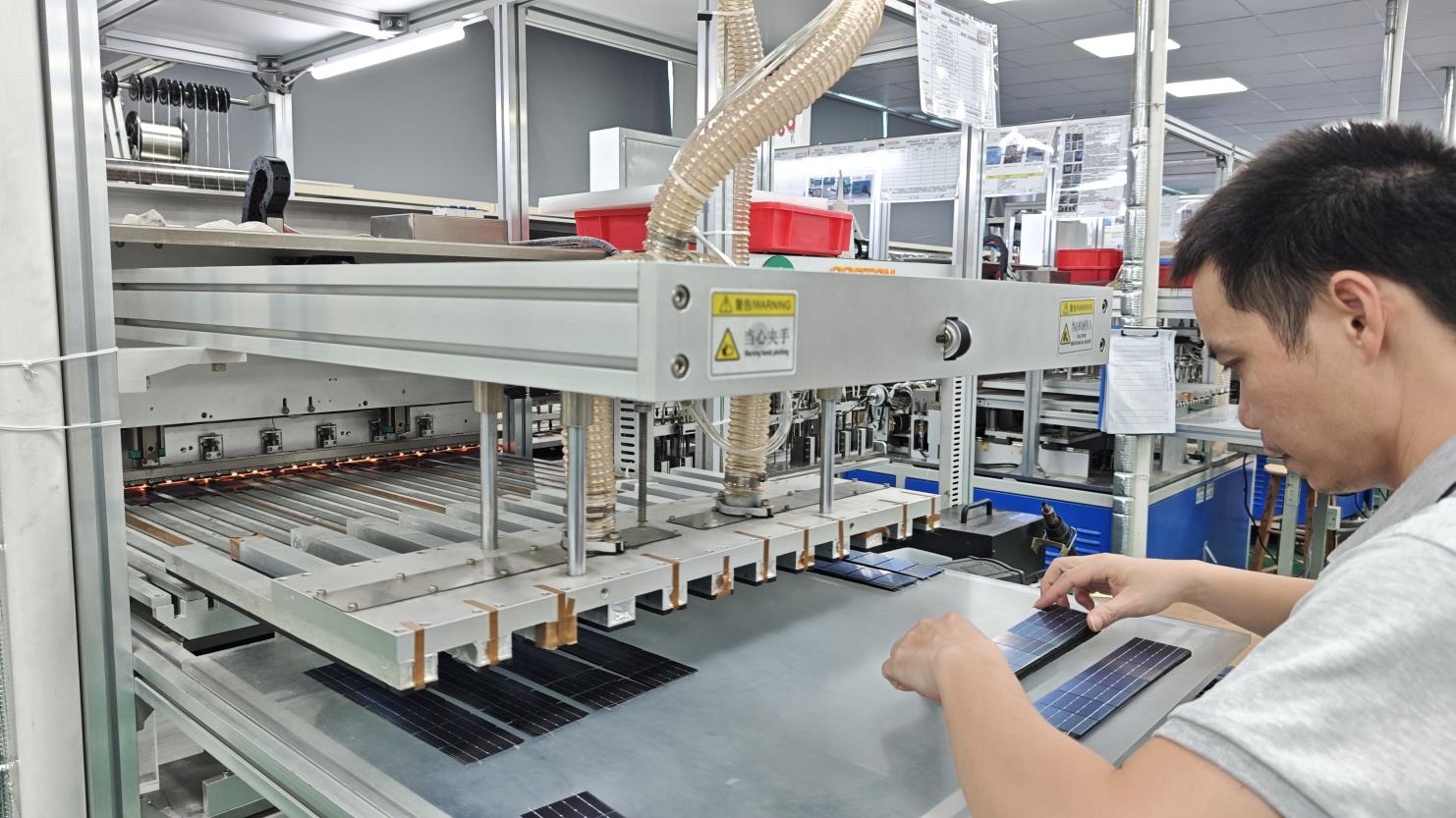
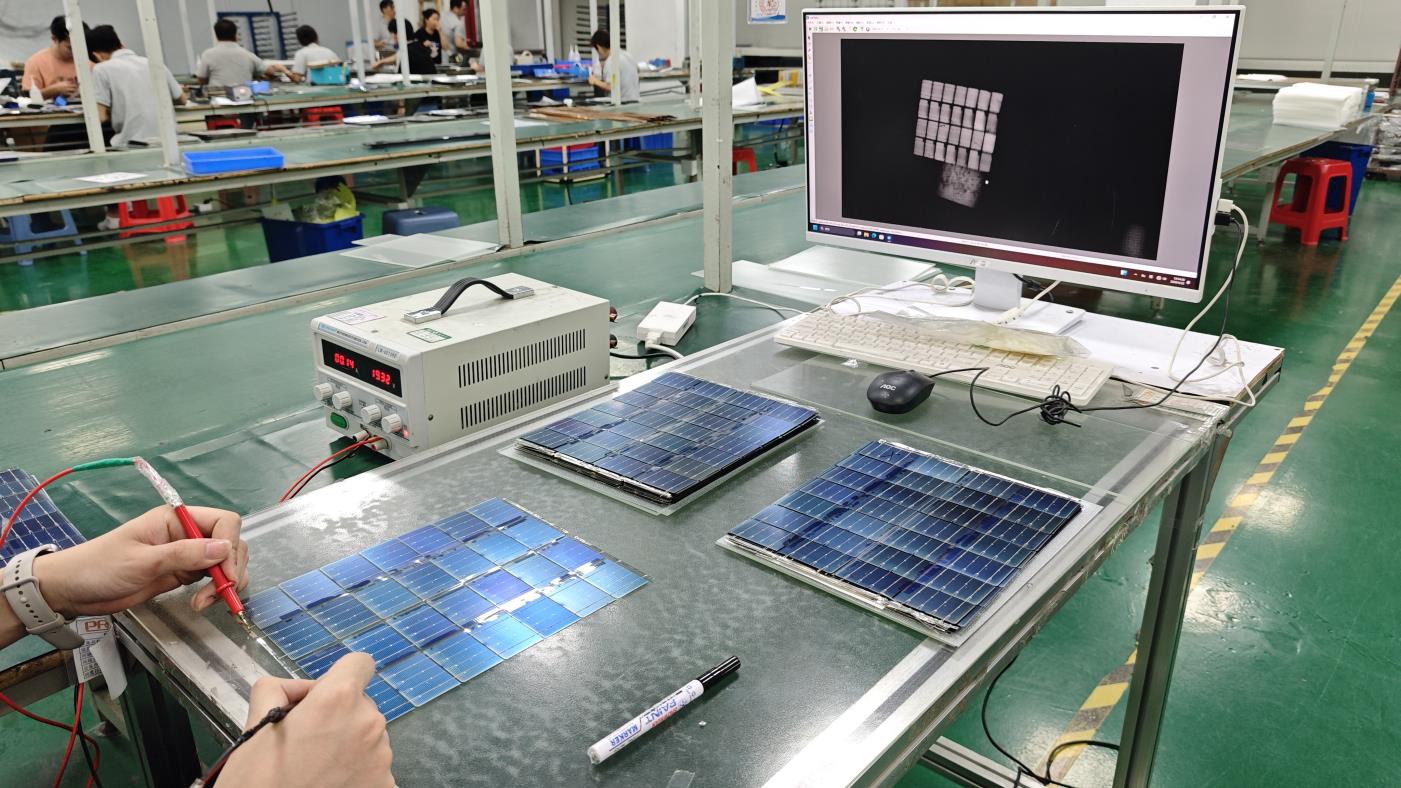
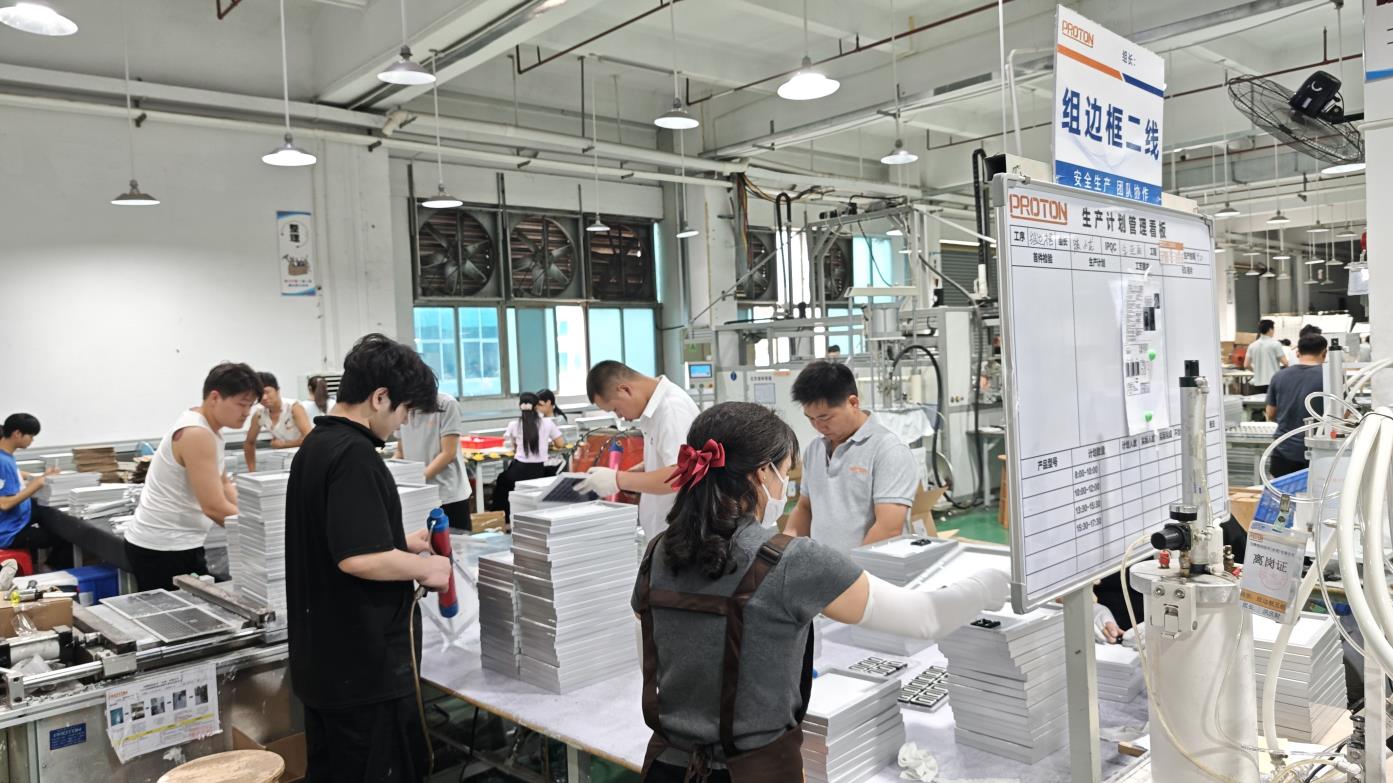
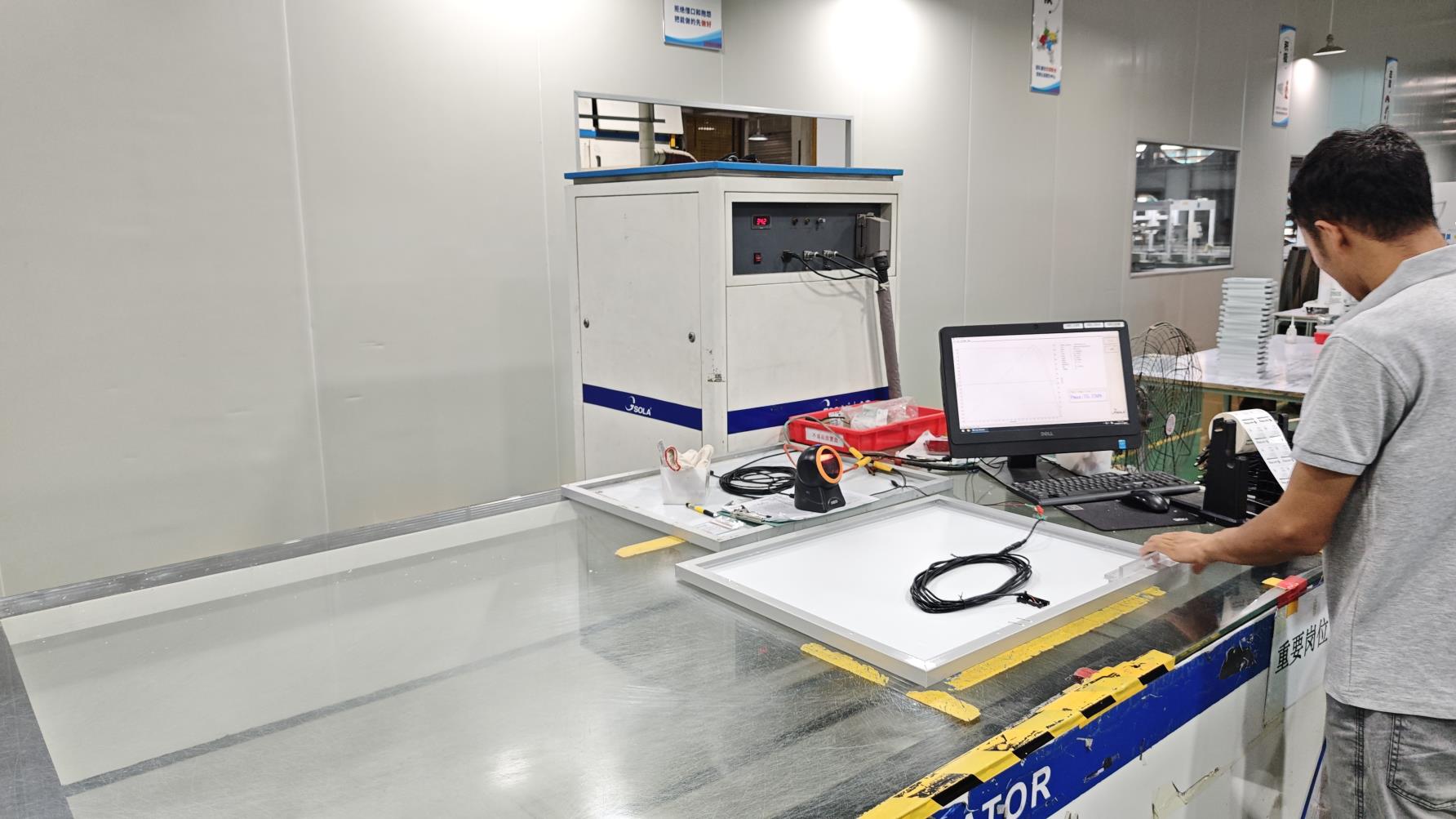
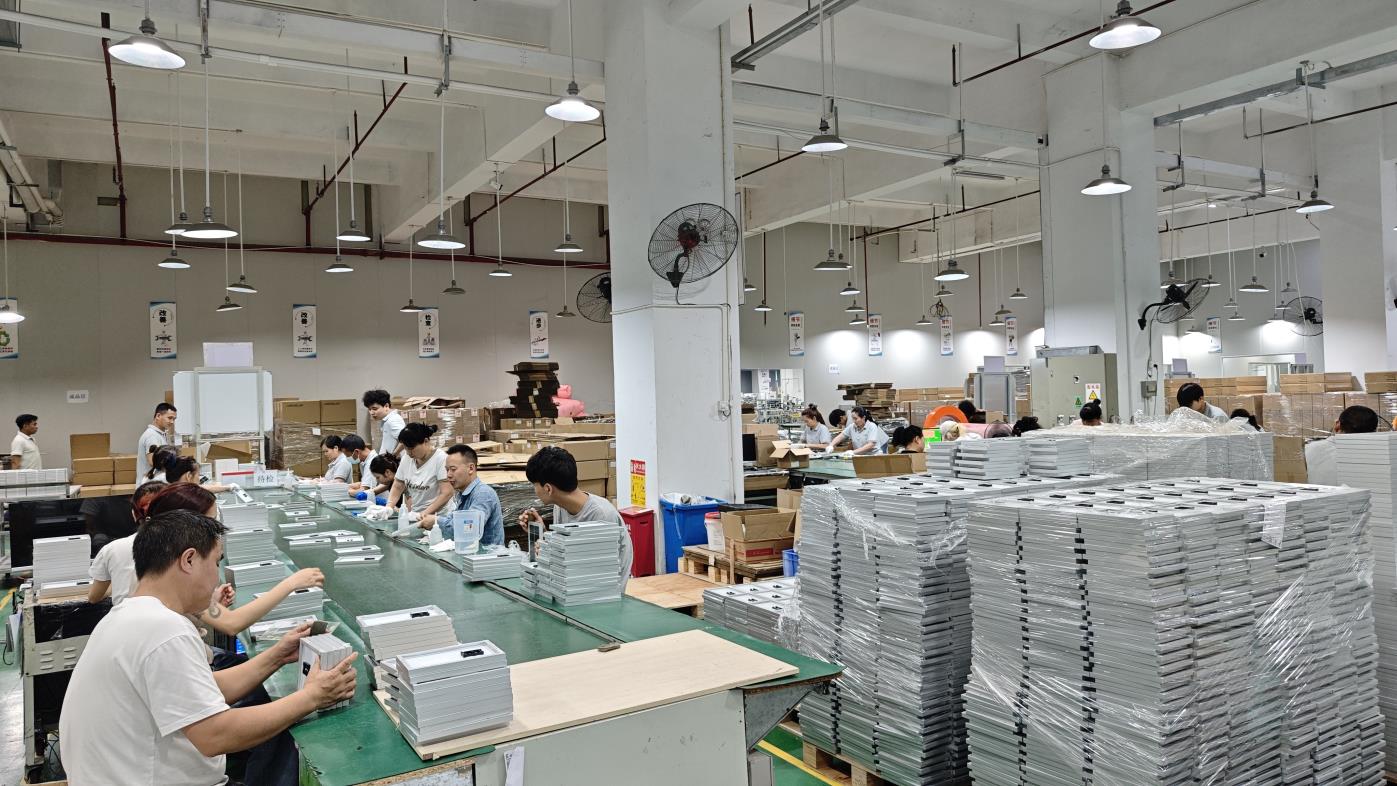
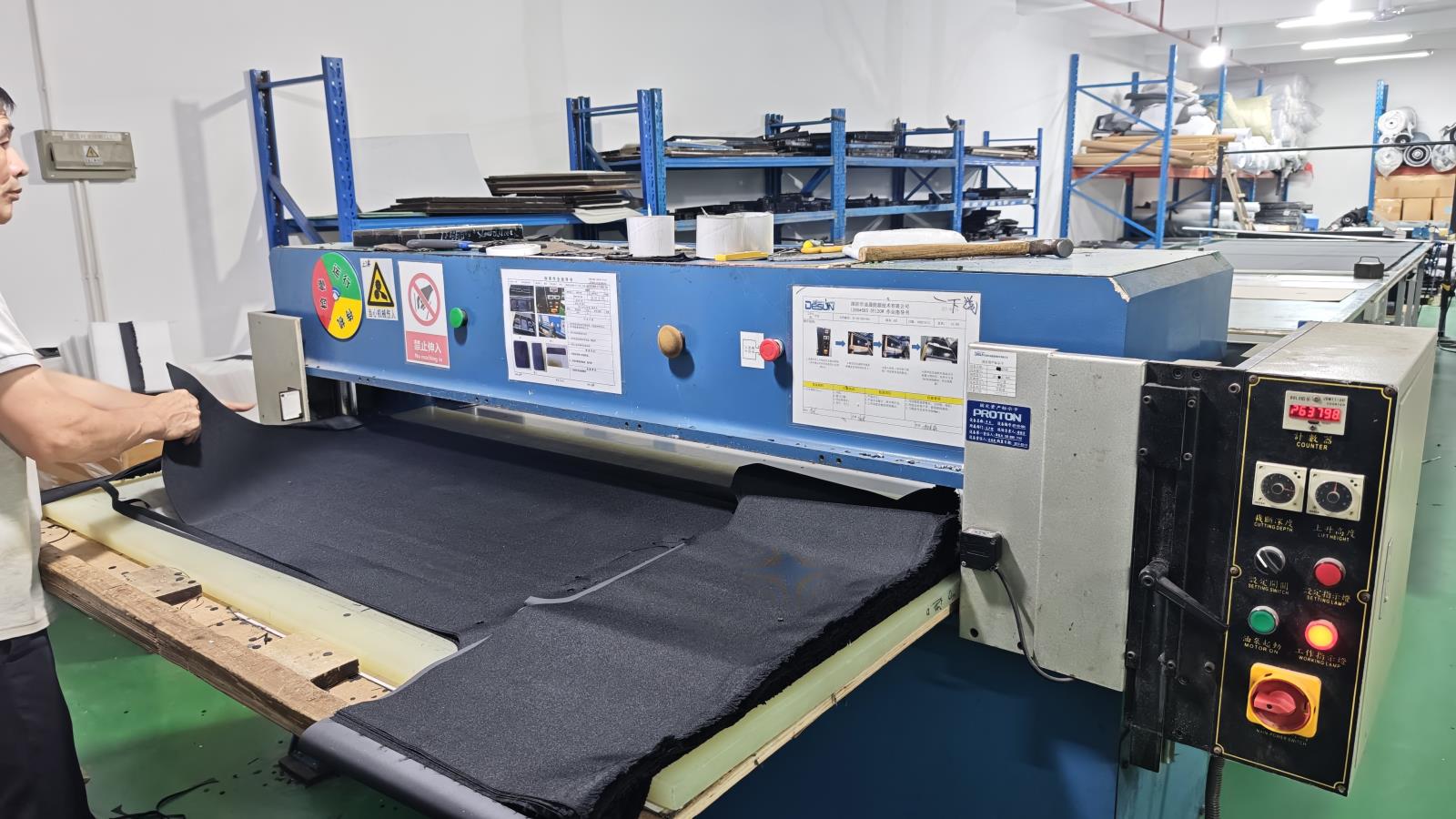
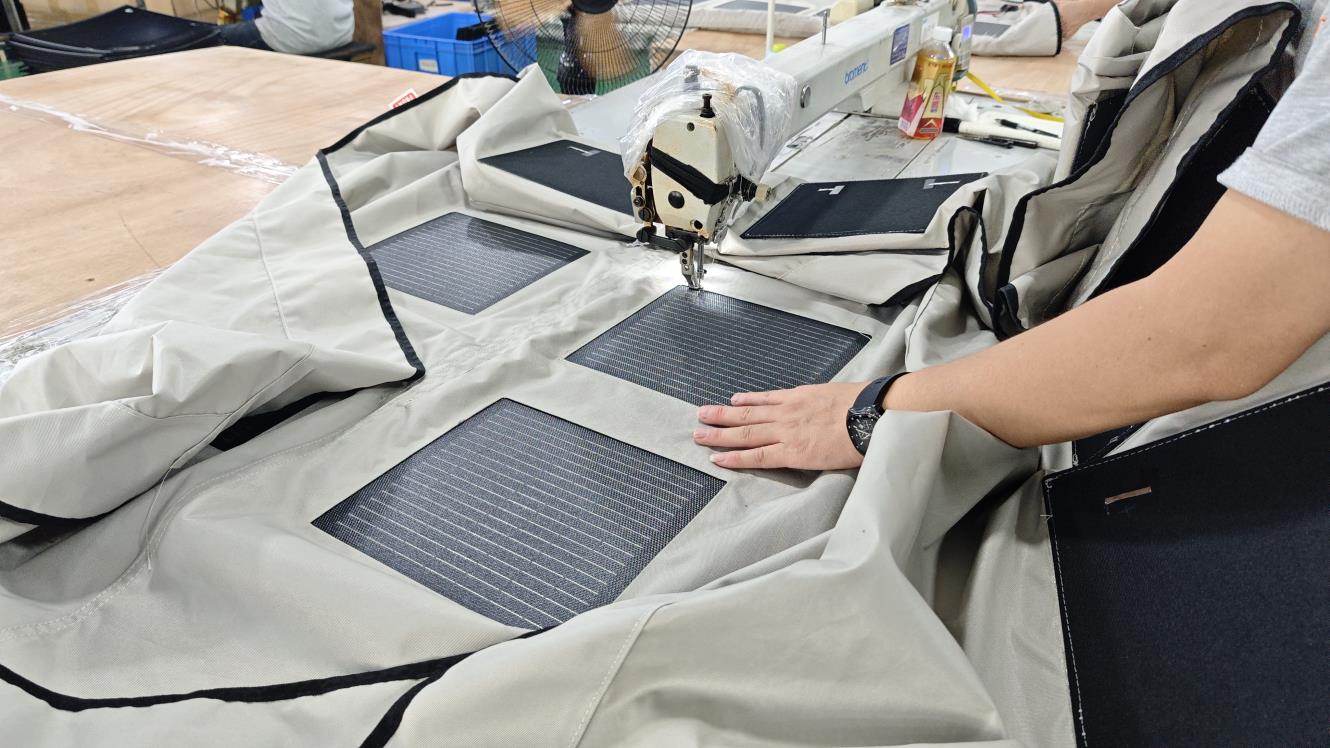
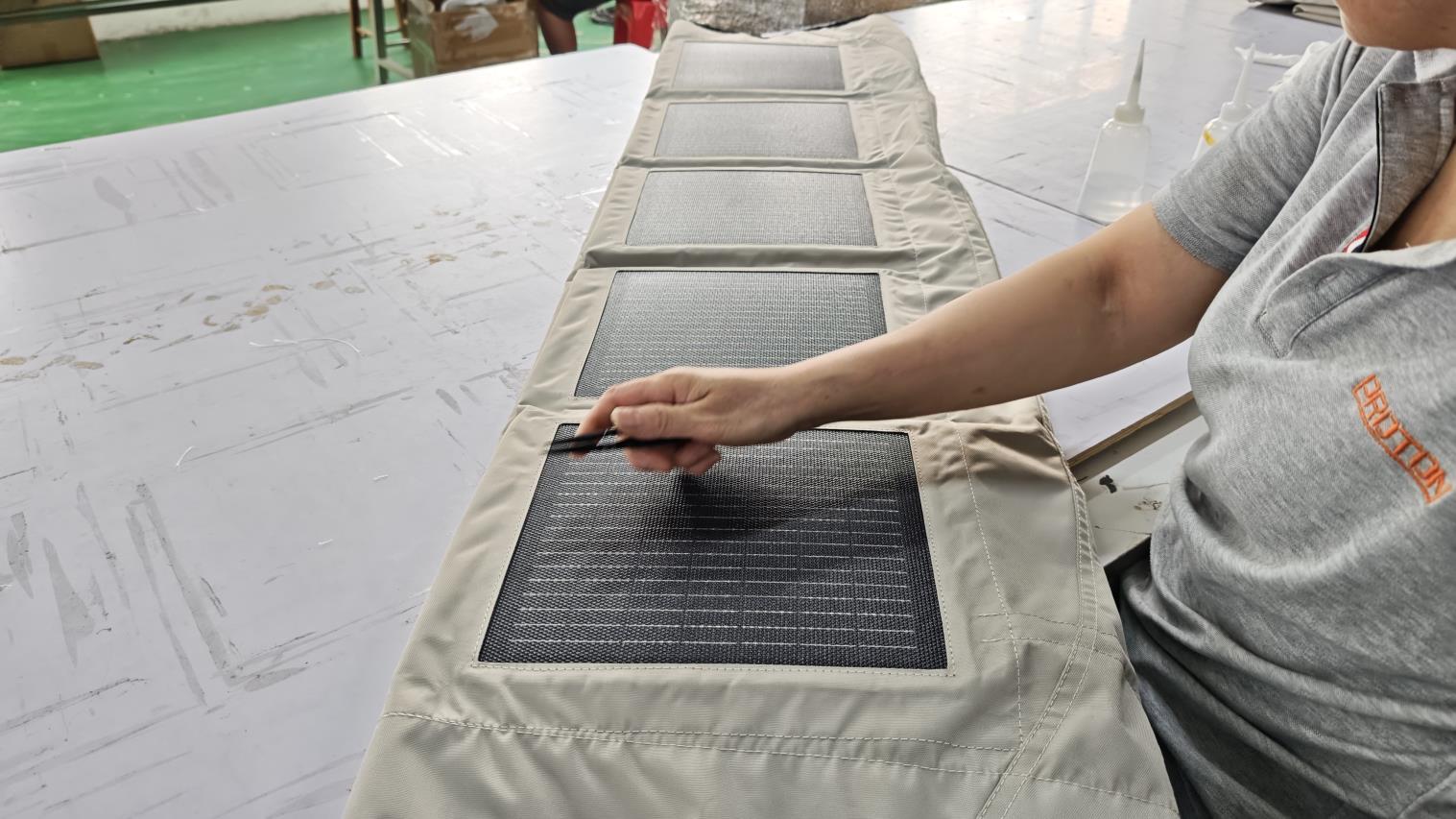
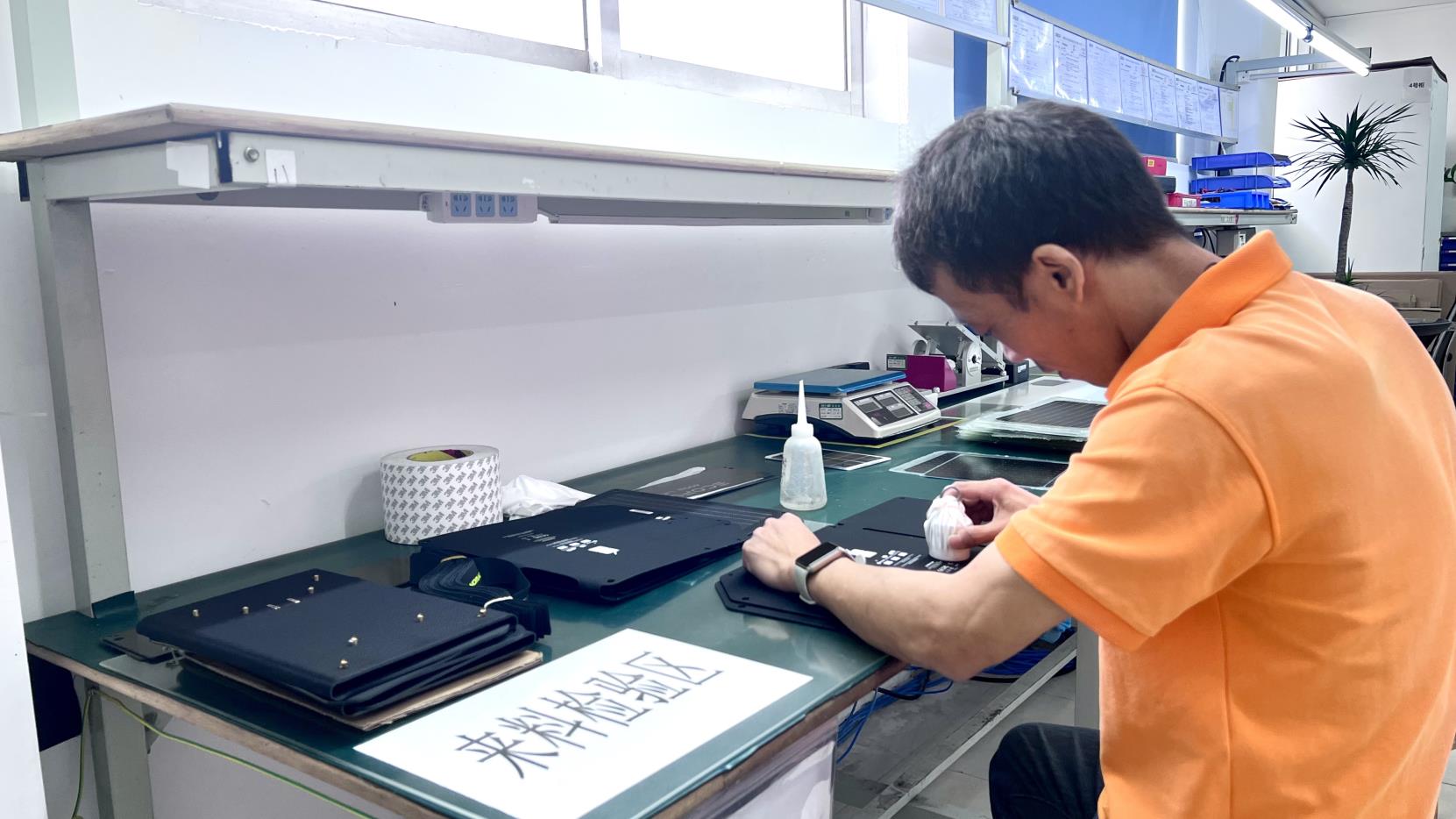
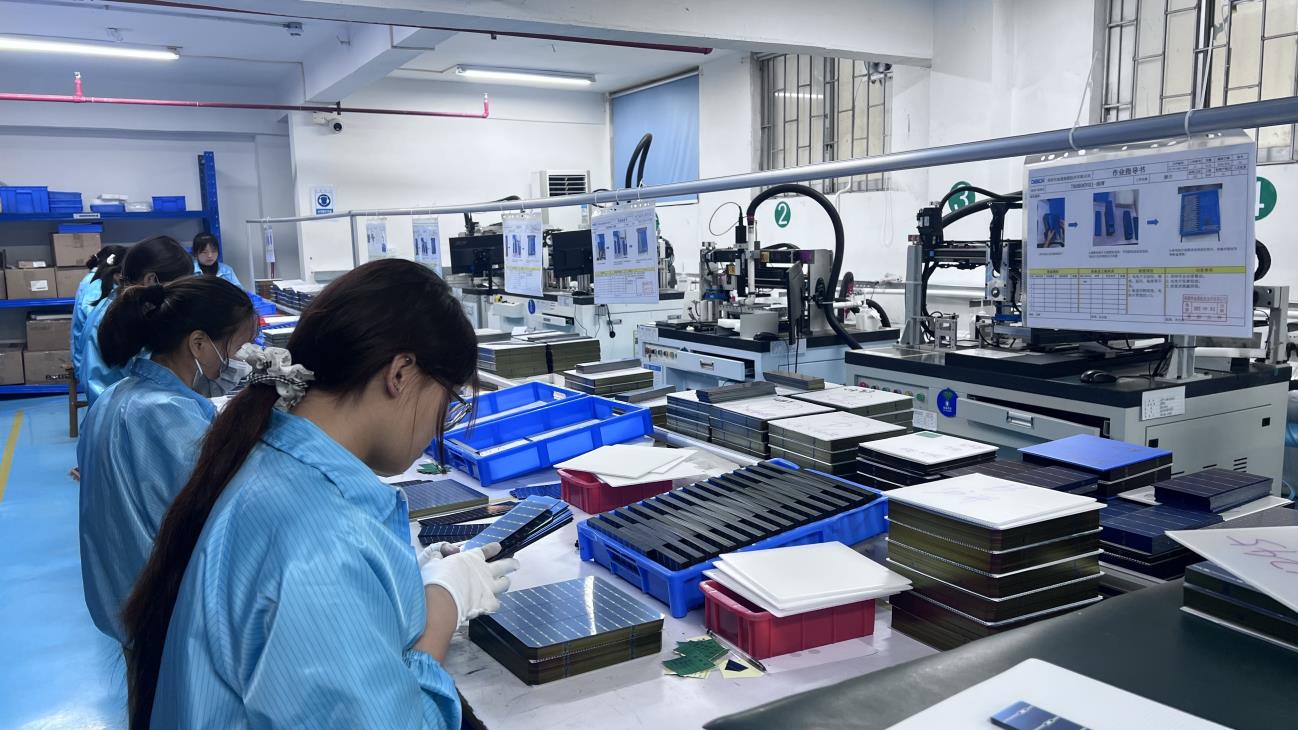
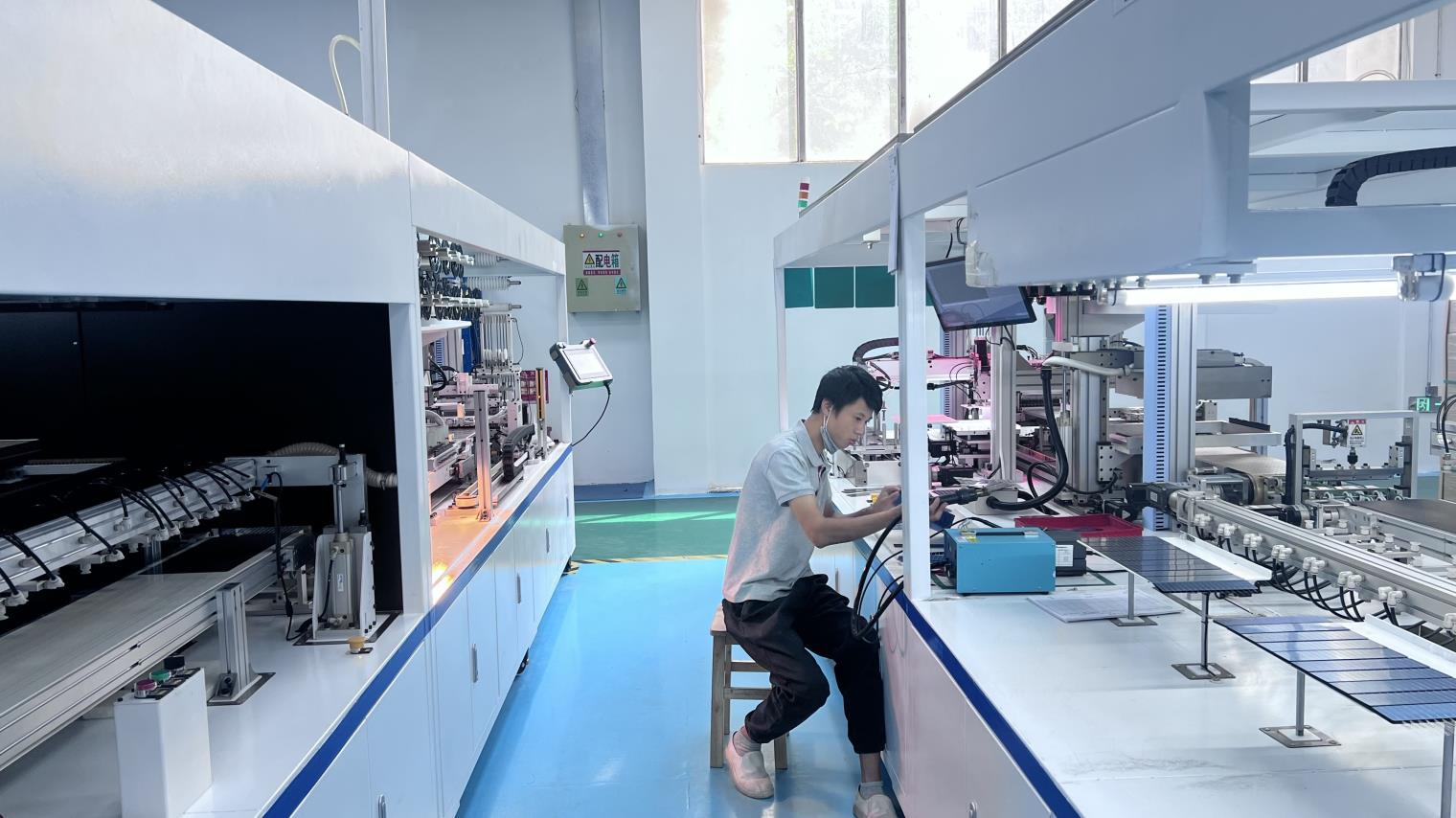
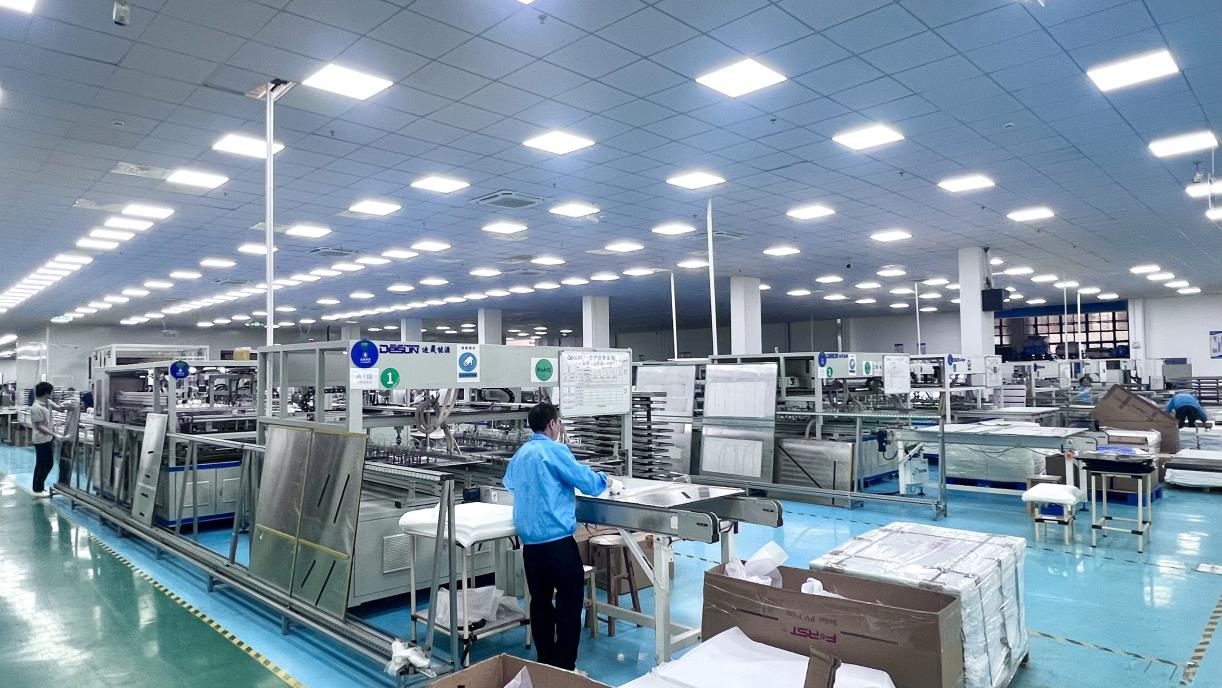
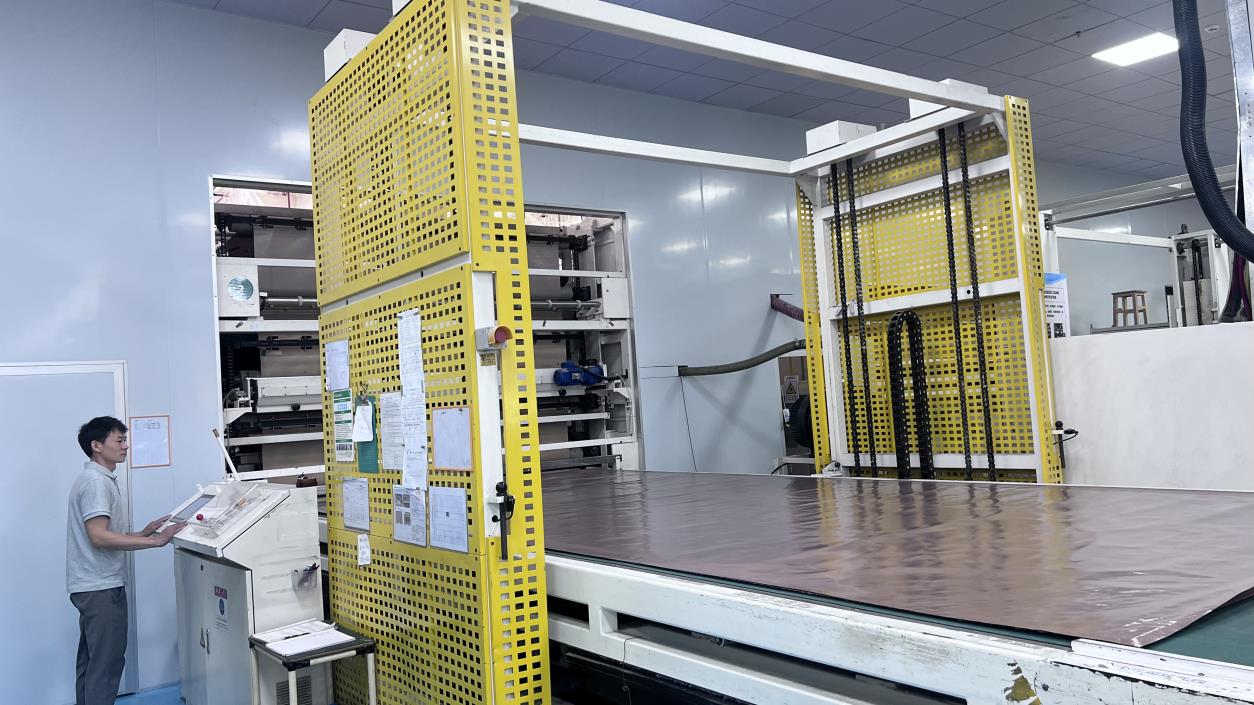
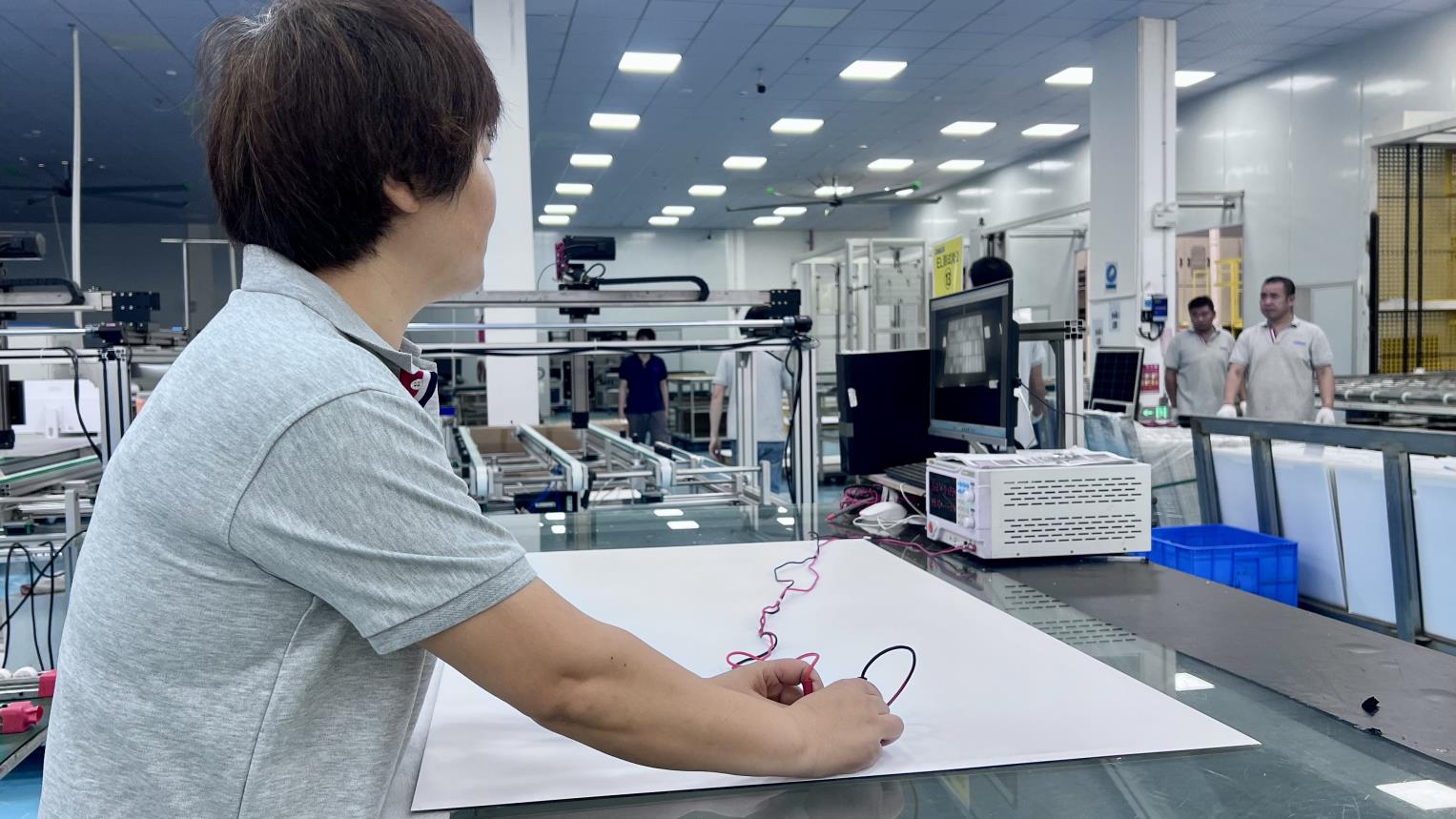
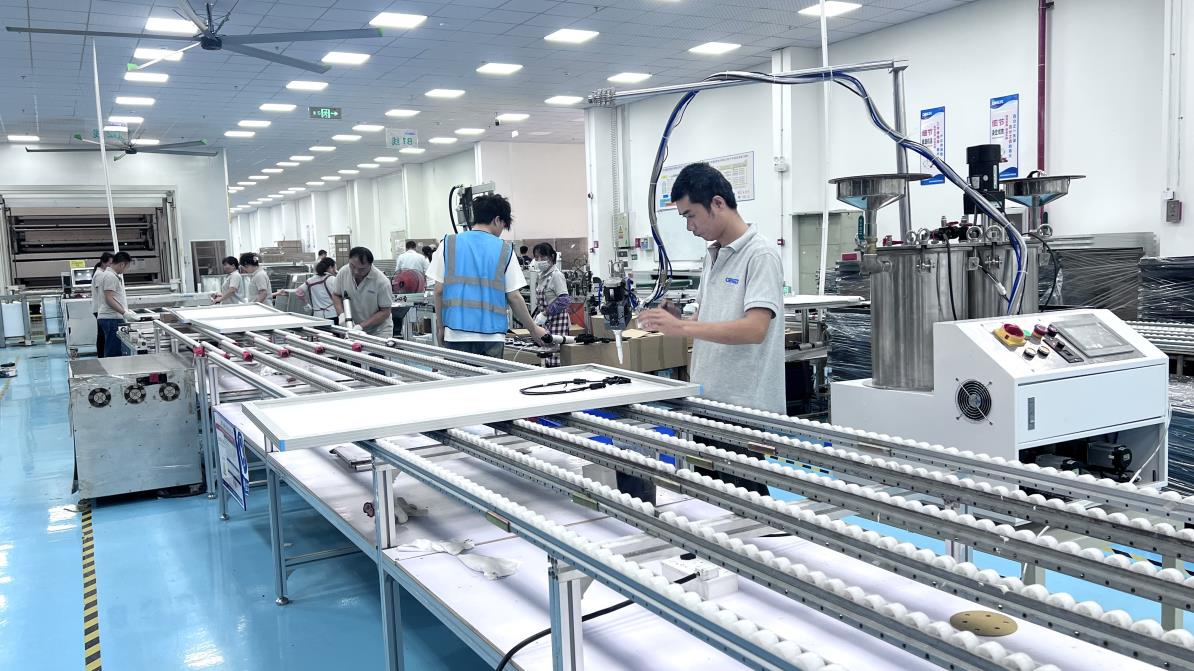
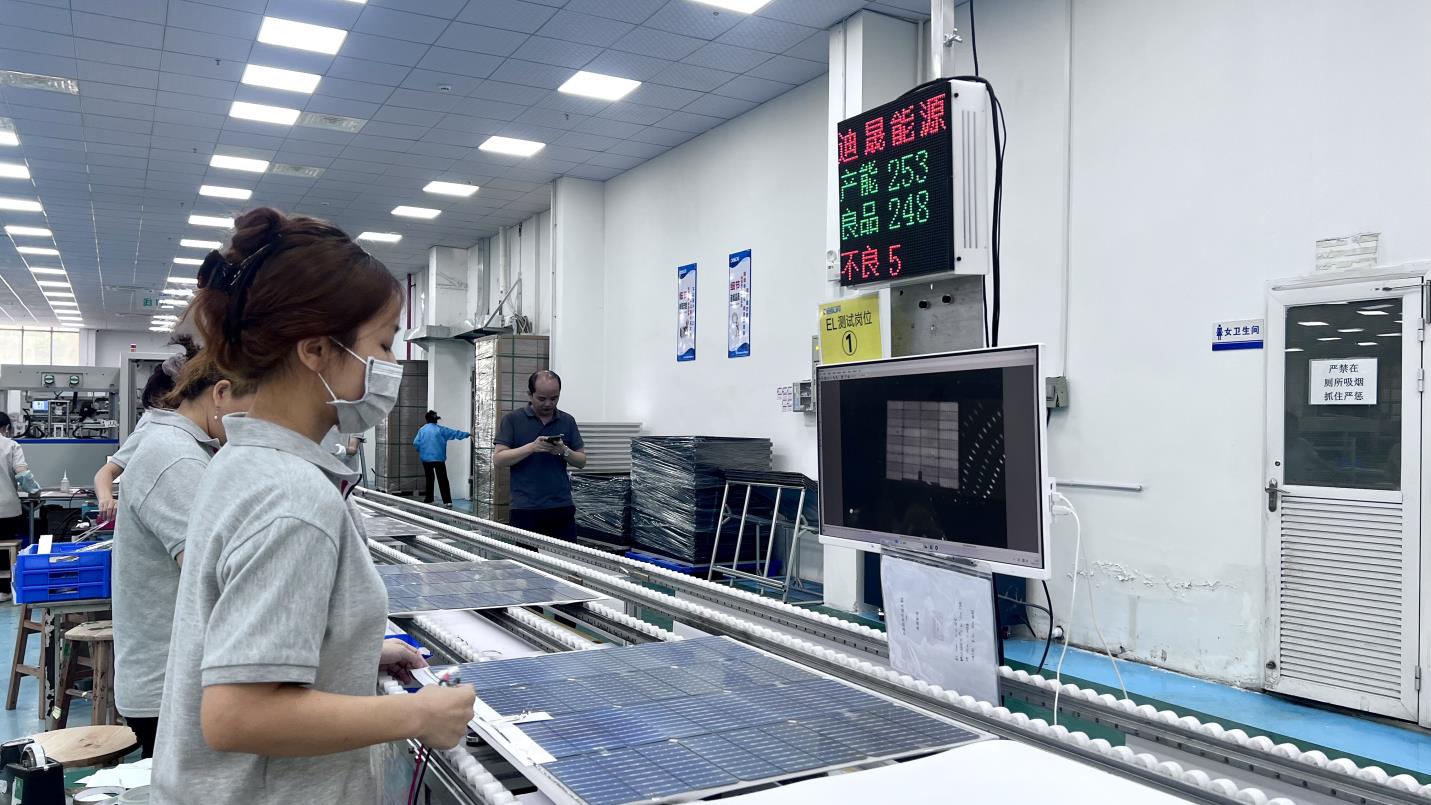
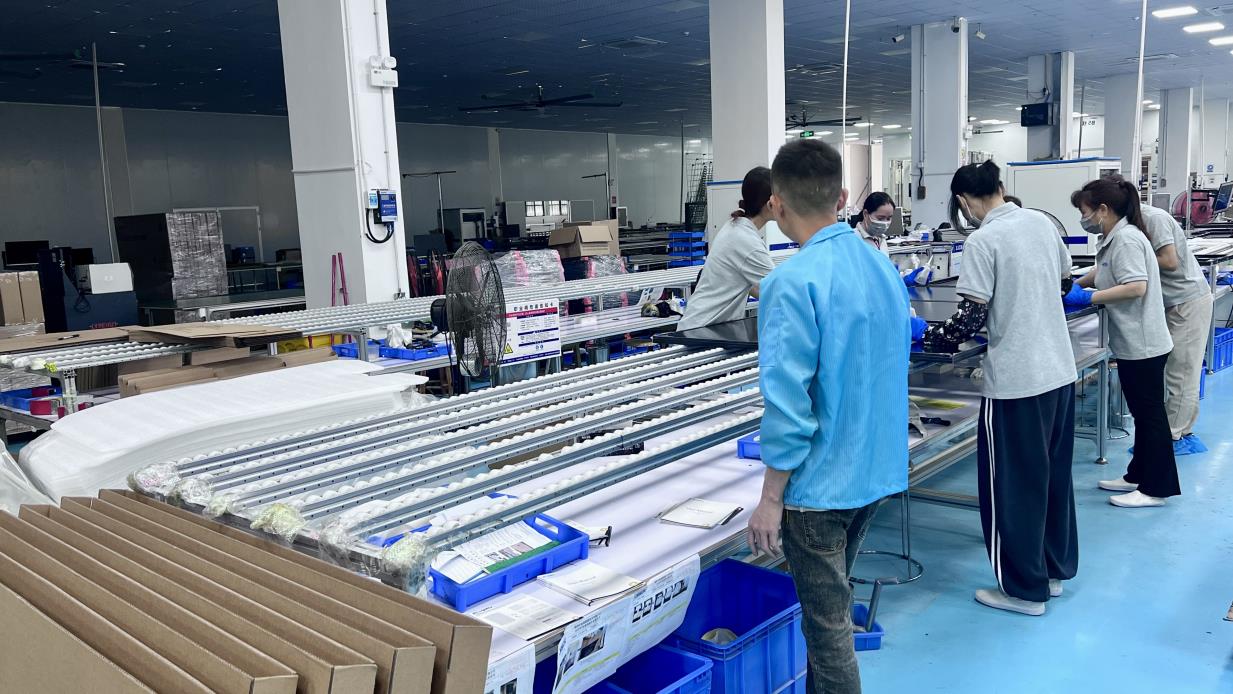
Xiamen ConTech Solar Co., Ltd. operates a state-of-the-art production facility optimized for advanced BIPV fabrication. Our rigorous automated stages guarantee maximum physical resilience, high electrical efficiency, and strict quality control standards.
Xiamen ConTech Solar Co., Ltd. is a professional high-tech enterprise specializing in the research, development, production, and sales of solar energy products. Since its establishment, the company has been committed to providing efficient, reliable, and environmentally friendly solar solutions to customers worldwide. Guided by the business philosophy of “Innovative Technology, Superior Quality, and Sustainable Development,” ConTech Solar continuously strengthens its technological innovation and product development capabilities.
With a strong R&D team and advanced manufacturing technology, Xiamen ConTech Solar Co., Ltd. mainly produces solar panels, solar controllers, solar energy systems, and related photovoltaic products. These products are widely used in residential rooftops, commercial and industrial solar projects, large-scale photovoltaic power stations, agricultural applications, street lighting systems, and off-grid energy solutions.
The company is equipped with advanced production facilities and strict quality control systems to ensure the stability and reliability of every product. ConTech Solar has established a comprehensive quality management system and continuously improves production efficiency and product performance to meet international standards and customer requirements. Adhering to the principle of “Customer First, Quality Foremost,” Xiamen ConTech Solar Co., Ltd. has earned a strong reputation in both domestic and international markets through competitive pricing, professional technical support, and excellent after-sales service.

Procuring BIPV solutions for Lesotho requires coordination across custom engineering, shipping routes, and on-site integration. Unlike standard photovoltaic modules, BIPV acts as the building's facade, glass, or roofing membrane. Consequently, early-stage engineering customization is vital to align with localized building codes.
Select from double-glass, triple-glass insulated glazing units (IGUs) filled with Argon gas for sound attenuation and thermal resistance (U-values up to 1.1 W/m²K), matching your local HVAC reduction goals in Maseru.
Optimize the visible light transmittance (VLT) from 10% to 50% for facade glass. We match structural colors (including customized orange and sandstone shades) to harmonize with local aesthetic regulations.
Sea freight routing through Xiamen Port to Durban Port, South Africa, followed by dedicated bonded container trucking to Lesotho sites, ensuring zero-damage handling of glass solar panels.
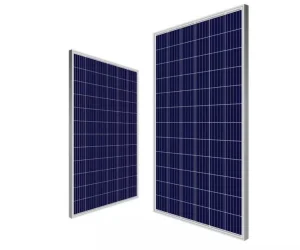
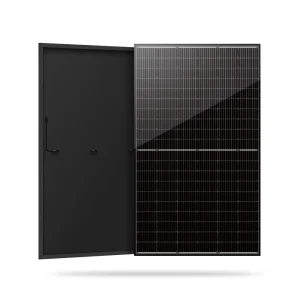
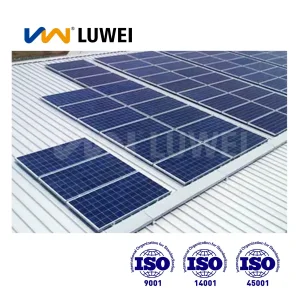
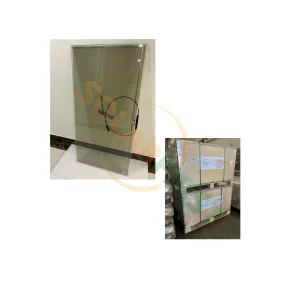
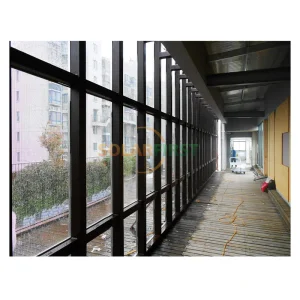
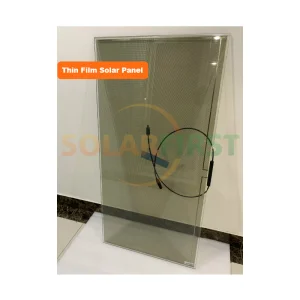
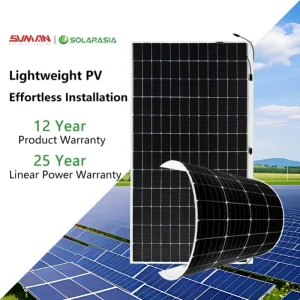
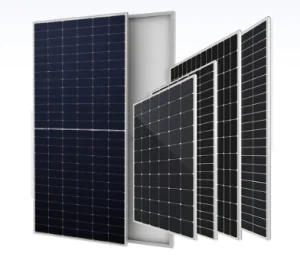
Explore our standard and customizable BIPV line-up engineered with cutting-edge cell technology and durable weather-proof materials.

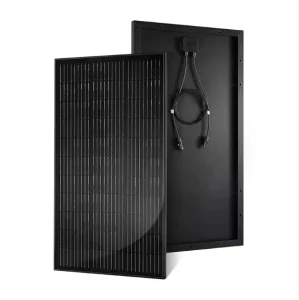
Expert answers to technical questions concerning the procurement, deployment, and performance of Building Integrated Photovoltaics in the Lesotho climate.
Contact Xiamen ConTech Solar Co., Ltd. for comprehensive project engineering, load calculations, custom dimensions, and pricing models suited to your site's specific structural demands.