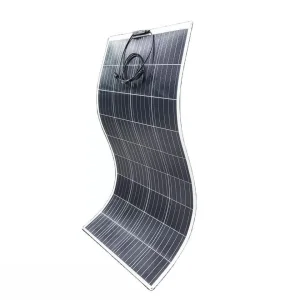
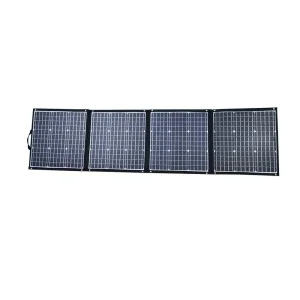
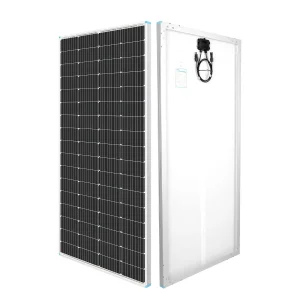
Below are our highly customized marine solar systems deployed across Greek yachts, luxury catamaran fleets, and coastal marine environments.
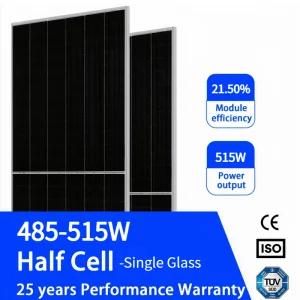
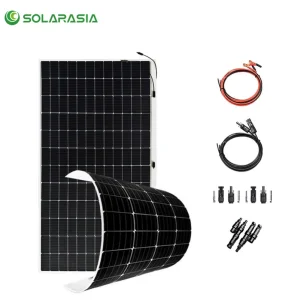
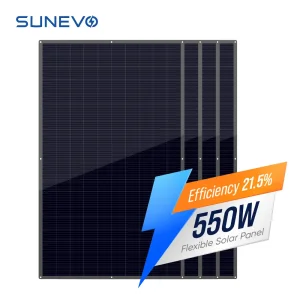
The Greek maritime sector stands at a critical juncture. As the nation controls over 20% of the world’s merchant shipping tonnage and supports a thriving marine tourism, yacht charter, and coastal passenger transport industry, the integration of solar power is no longer merely a decorative luxury. It is a critical component of regional energy security and international regulatory compliance. Under the International Maritime Organization (IMO) mandates and the European Union’s Fit for 55 package, vessel operators are pressured to adopt hybrid energy architectures that actively minimize fuel consumption during anchorage.
Greece’s unique geography—encompassing over 6,000 islands and islets with more than 16,000 kilometers of coastline—creates a highly distributed marine economy. From the dense logistics ports of Piraeus, Thessaloniki, and Patras to the luxury yacht charter networks anchoring around Mykonos, Santorini, Lefkada, and Corfu, the demand for off-grid auxiliary power systems is soaring. Modern marine operators are shifting away from loud, high-maintenance diesel generators toward high-durability Marine Photovoltaic (PV) arrays to power baseline hotel loads, including watermakers, air conditioning units, communication navigation modules, and bilge systems.
However, the Greek micro-climate presents a challenging dual reality. While the Aegean and Ionian seas receive more than 3,000 hours of high-irradiance sunlight annually, they also expose marine equipment to severe environmental stressors. High UV index rates degrade standard plastics within seasons, intense salt spray accelerates electrochemical corrosion, and high ambient summer temperatures can trigger thermal power degradation in conventional solar panels. Solving these issues requires advanced raw-material physics and robust, marine-grade design engineering, which are core focal areas of Xiamen ConTech Solar's research division.
Deploying solar energy in a marine environment requires a fundamental departure from standard residential or commercial PV architectural practices. Sea salt spray acts as a highly conductive electrolyte. Once moisture penetrates a solar panel's protective encapsulation, it accelerates galvanic corrosion between dissimilar metals (such as copper ribbon interconnects and aluminum grids), ultimately leading to cell cracking, high series resistance, and catastrophic system failure.
To eliminate these degradation vectors, advanced marine solar panel manufacturers utilize premium ETFE (Ethylene Tetrafluoroethylene) co-polymer surface films instead of cheaper, volatile PET (Polyethylene Terephthalate) or TPU laminates. ETFE possesses superior UV stability, a high thermal rating, and a distinct non-adhesive surface texture. This creates a self-cleaning surface that shrugs off salt-crust buildup and marine grime under normal wave and rainfall dynamics. Furthermore, the structural integration of N-type Shingled Monocrystalline Cells eliminates the traditional silver-plated copper ribbon interconnects. By overlapping the cell edges and joining them using electrically conductive adhesives (ECA), shingled modules eliminate localized mechanical stress points, rendering them highly resilient to the heavy hull vibrations, deck-stepping impacts, and wave slamming common to sailing yachts and commercial workboats in the Aegean Sea.
Ultra-durable fluoropolymer formulation blocks high Mediterranean UV rays while providing a hydrophobic, anti-soiling surface that prevents salt crusting.
Overlapped cell connection strips bypass traditional ribbons, entirely eliminating the risk of micro-cracks from structural deck vibrations and high wind forces.
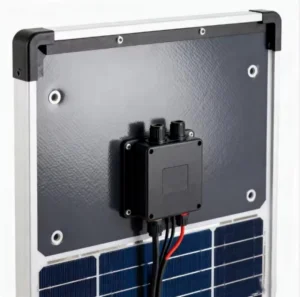
Meets strict IEC 61701 Level 6 severity testing guidelines. Fully potted IP68 junction boxes with bypass diodes prevent hot-spot occurrences in shaded sails.
Furthermore, standard solar arrays undergo significant voltage drop and power loss when the ambient temperature rises. In typical Greek summers, roof and deck temperatures can regularly exceed 70°C. ConTech Solar's marine panels are engineered with a lower temperature coefficient of -0.34%/°C, ensuring that even under maximum thermal loads, energy output remains stable and consistent, supplying critical power to onboard lithium-iron-phosphate (LiFePO4) storage banks.
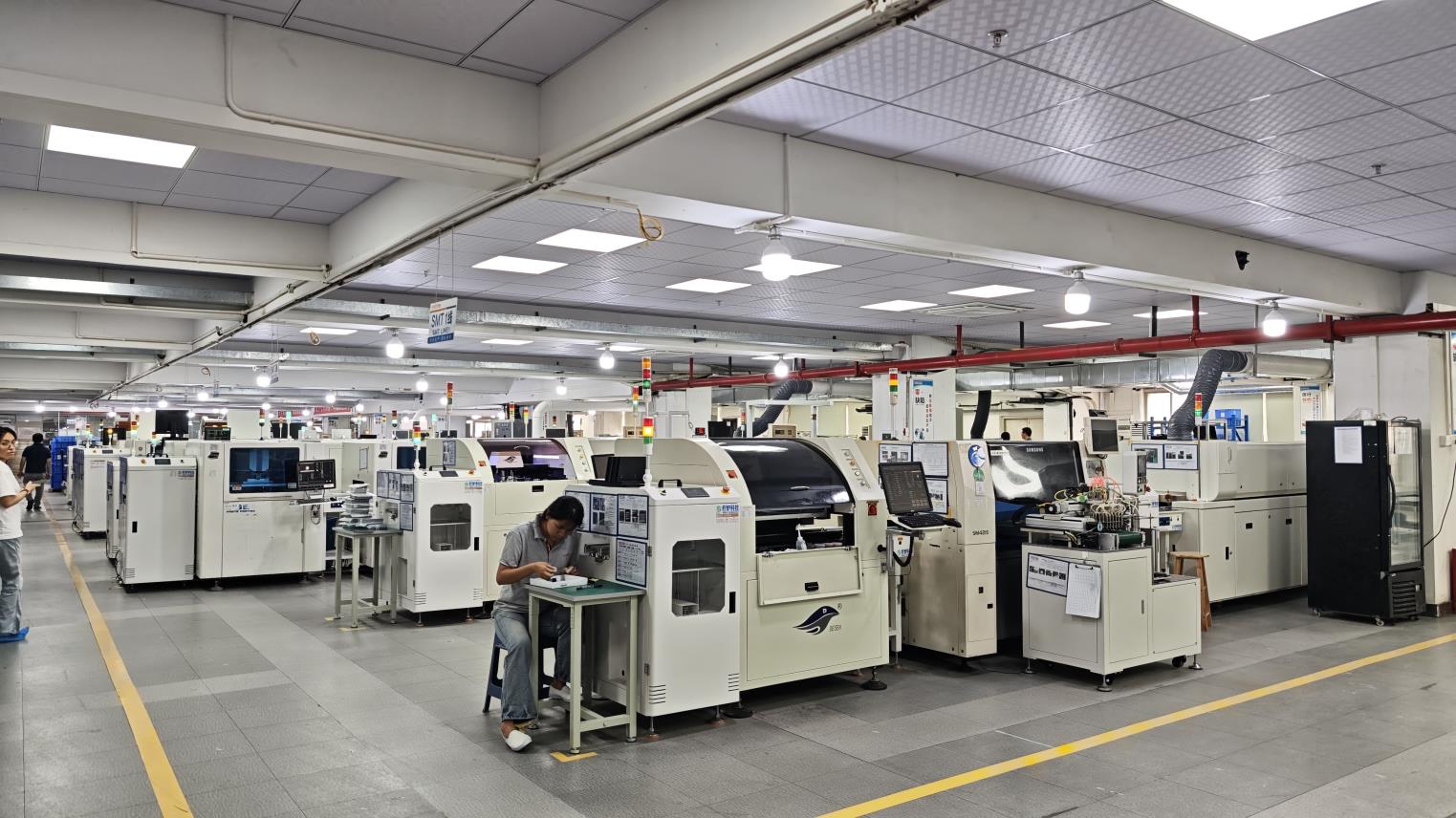
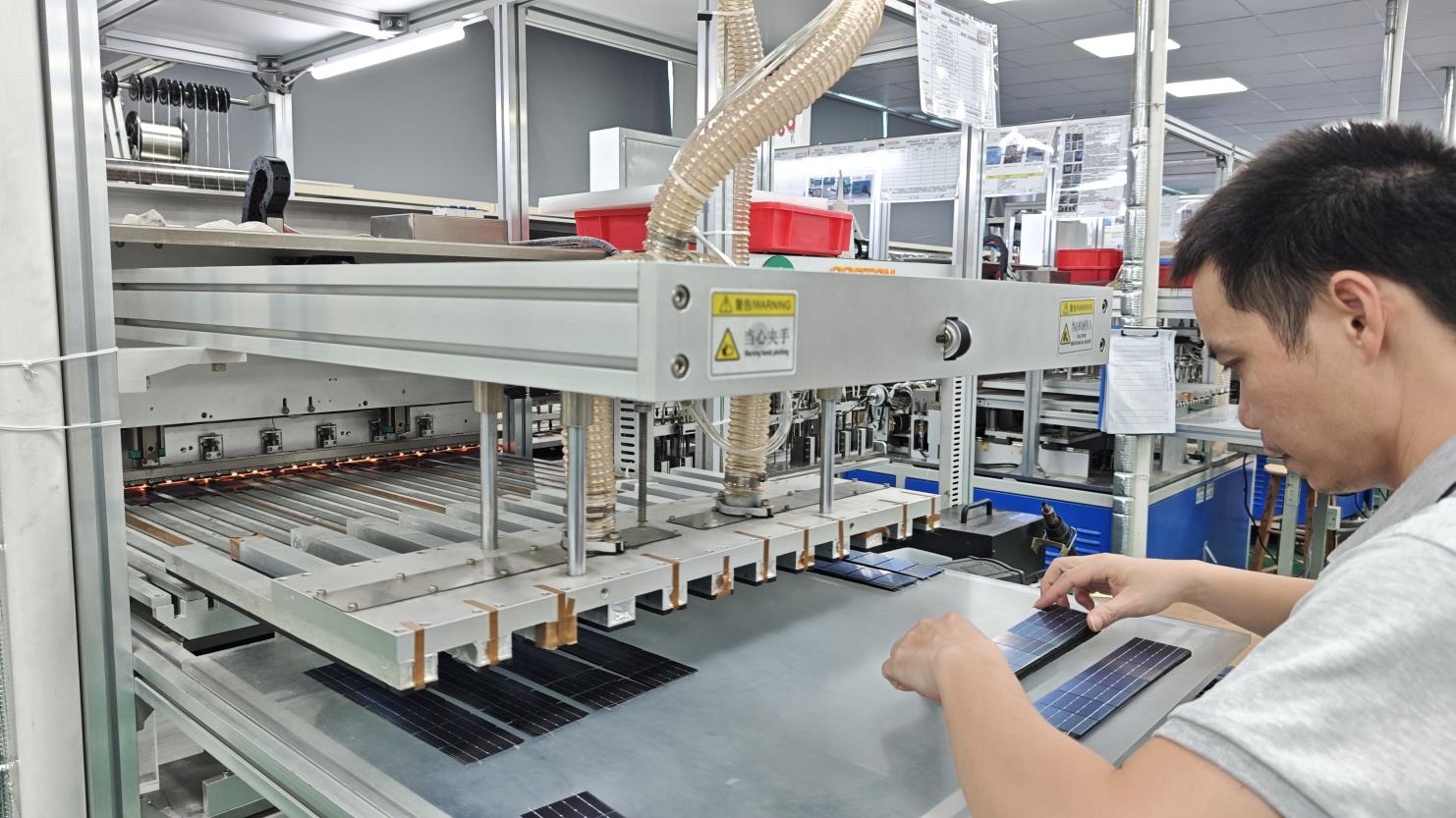
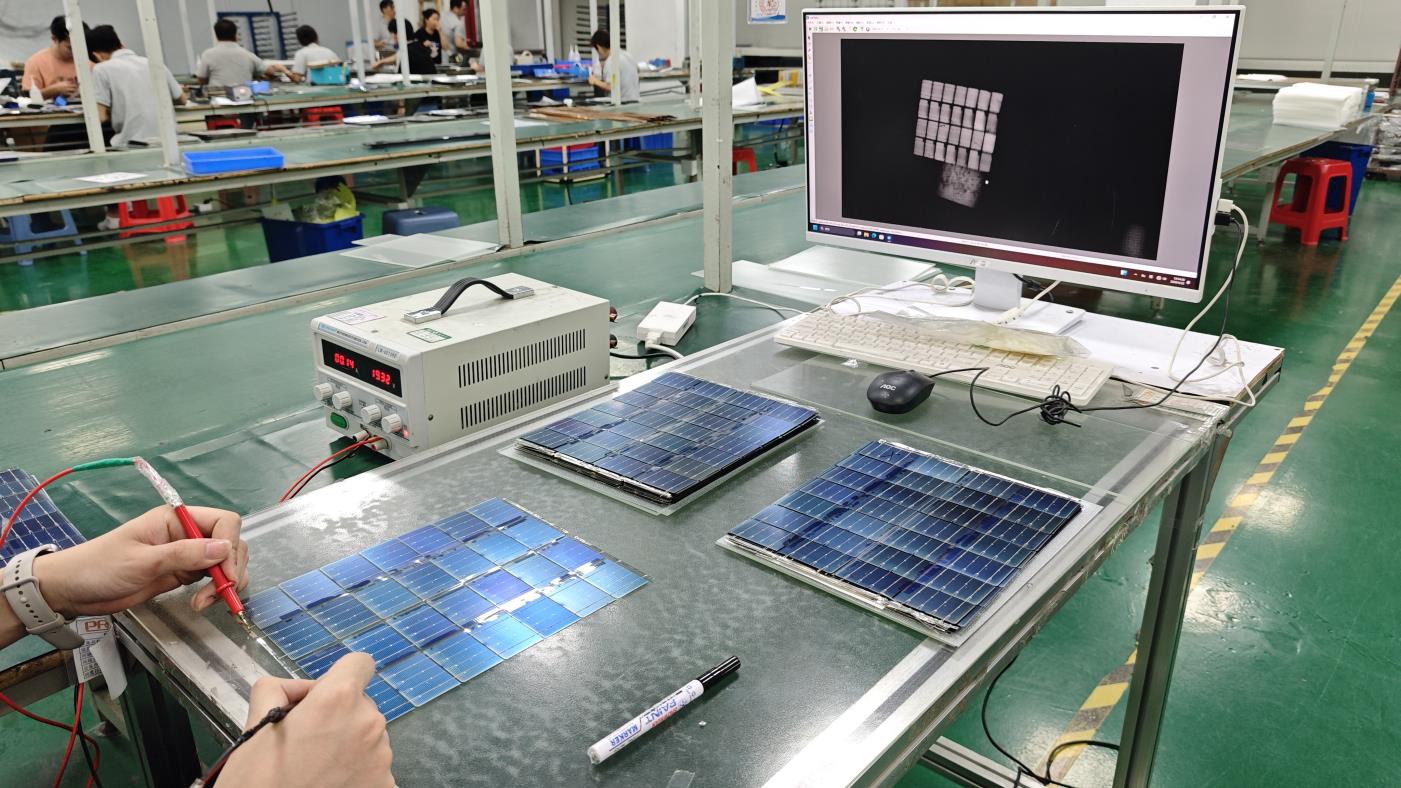
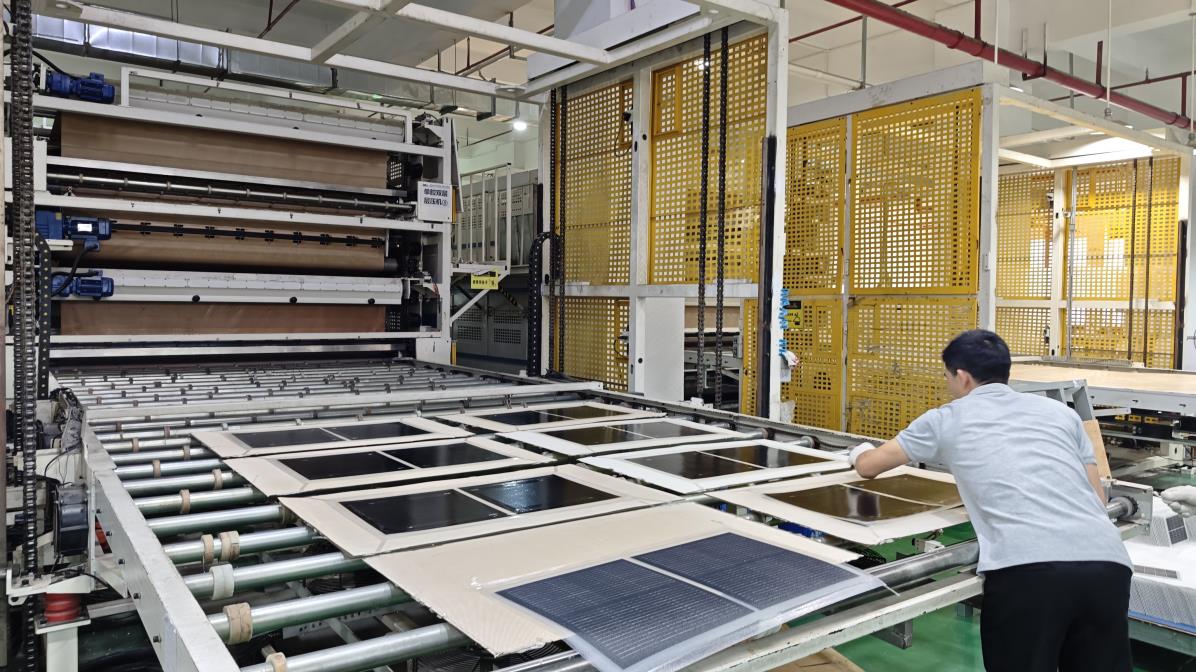
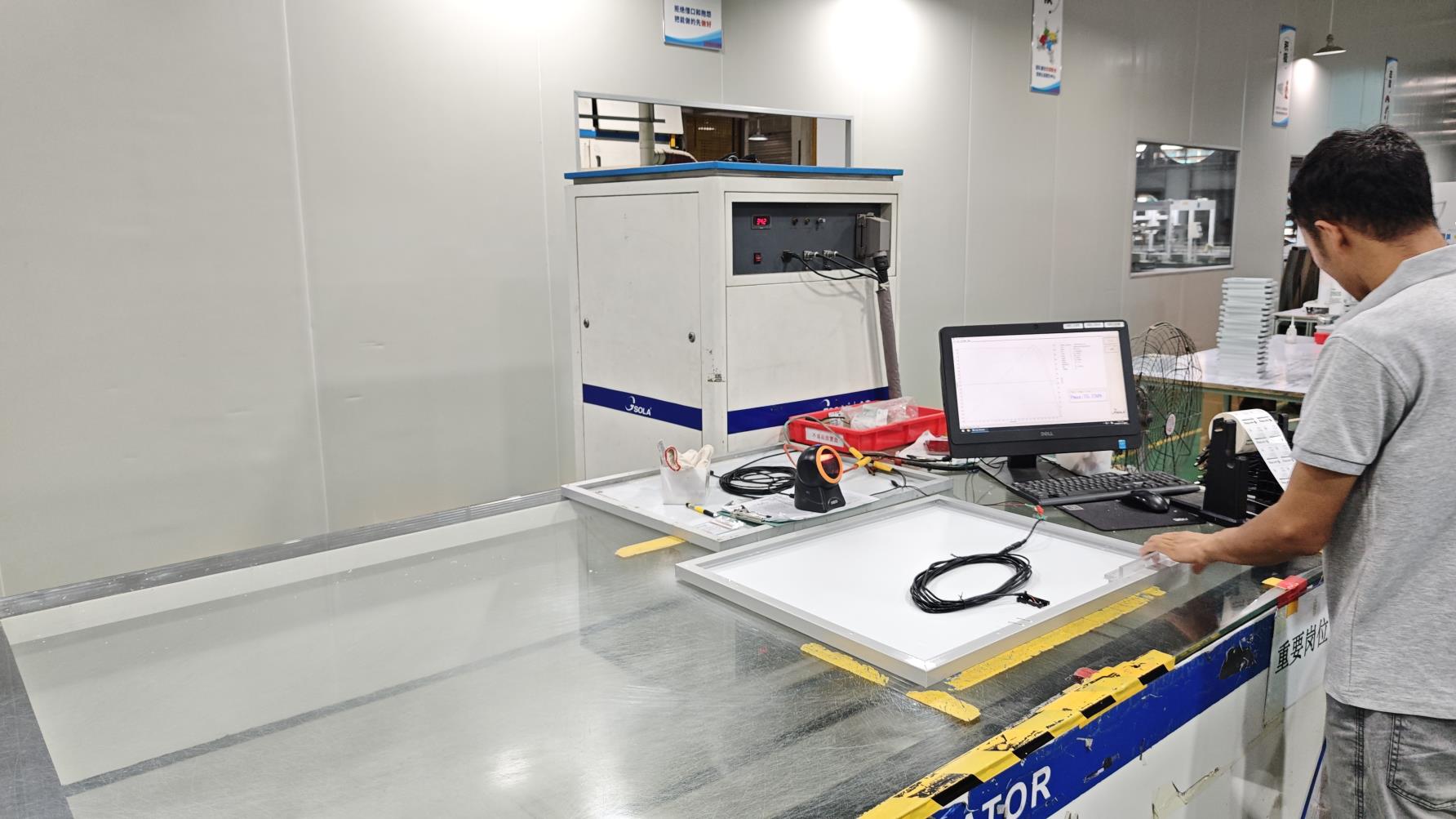
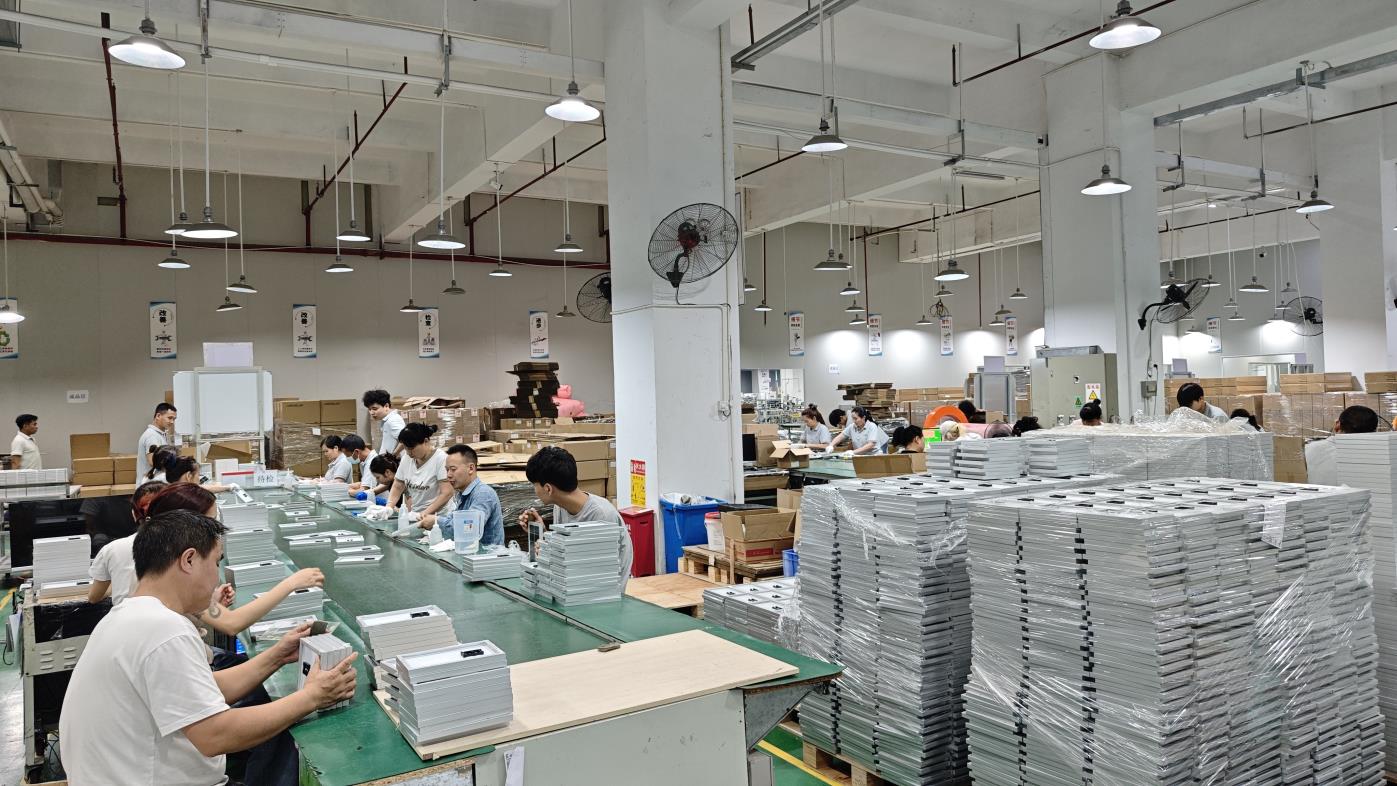
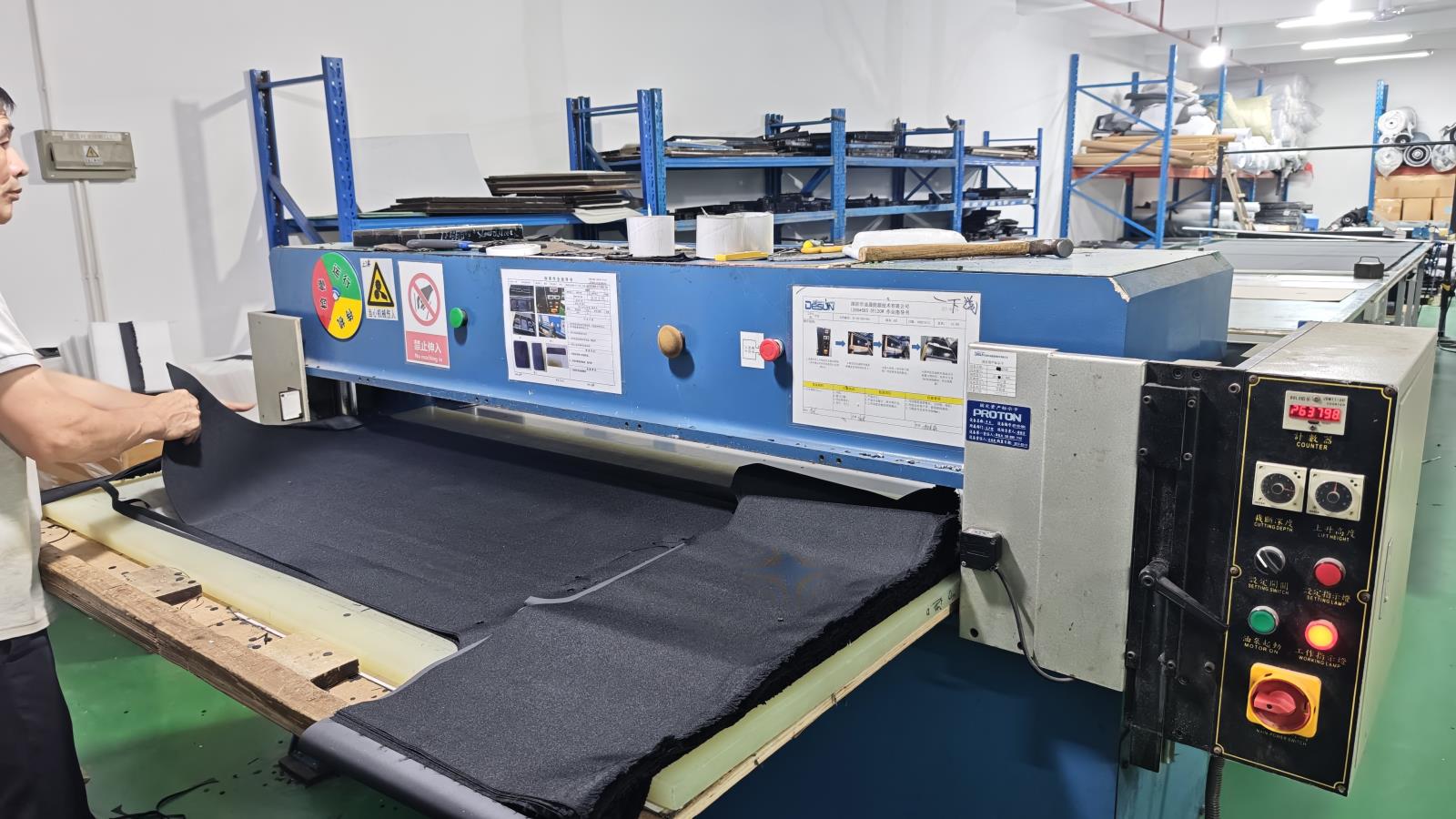
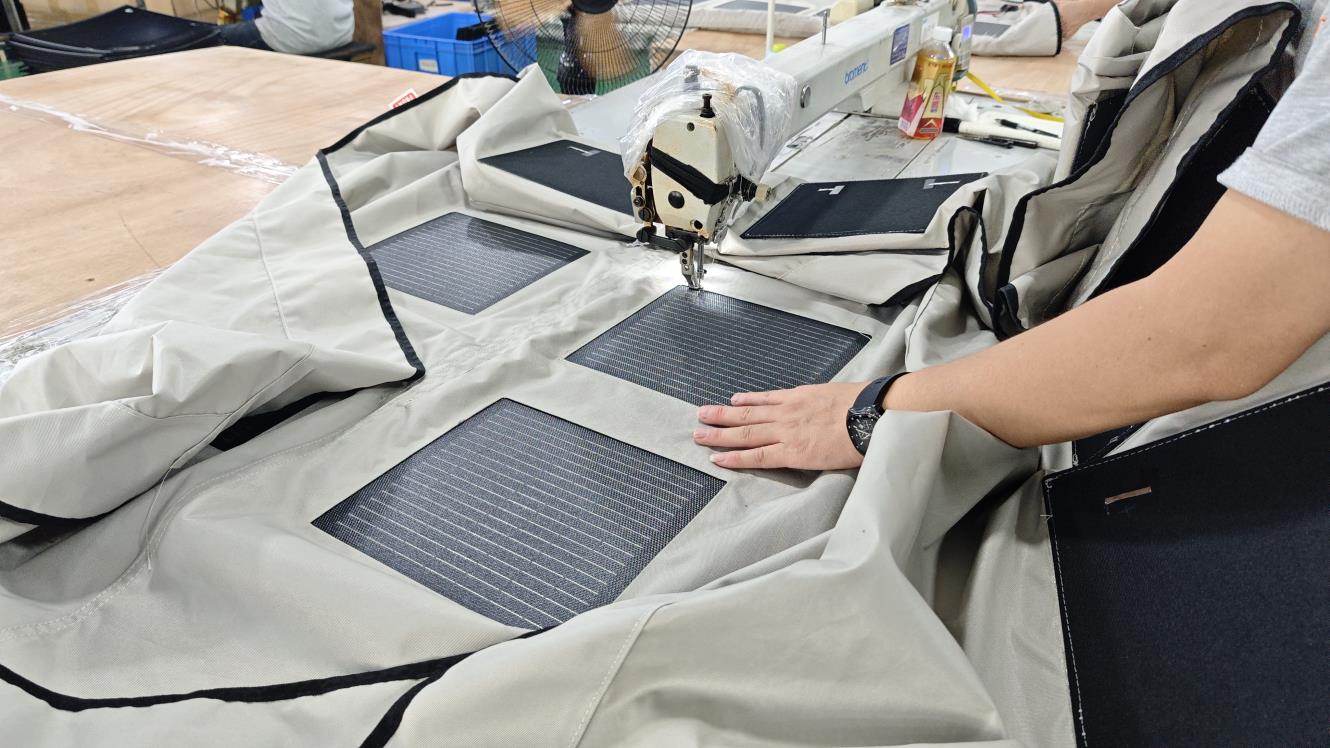
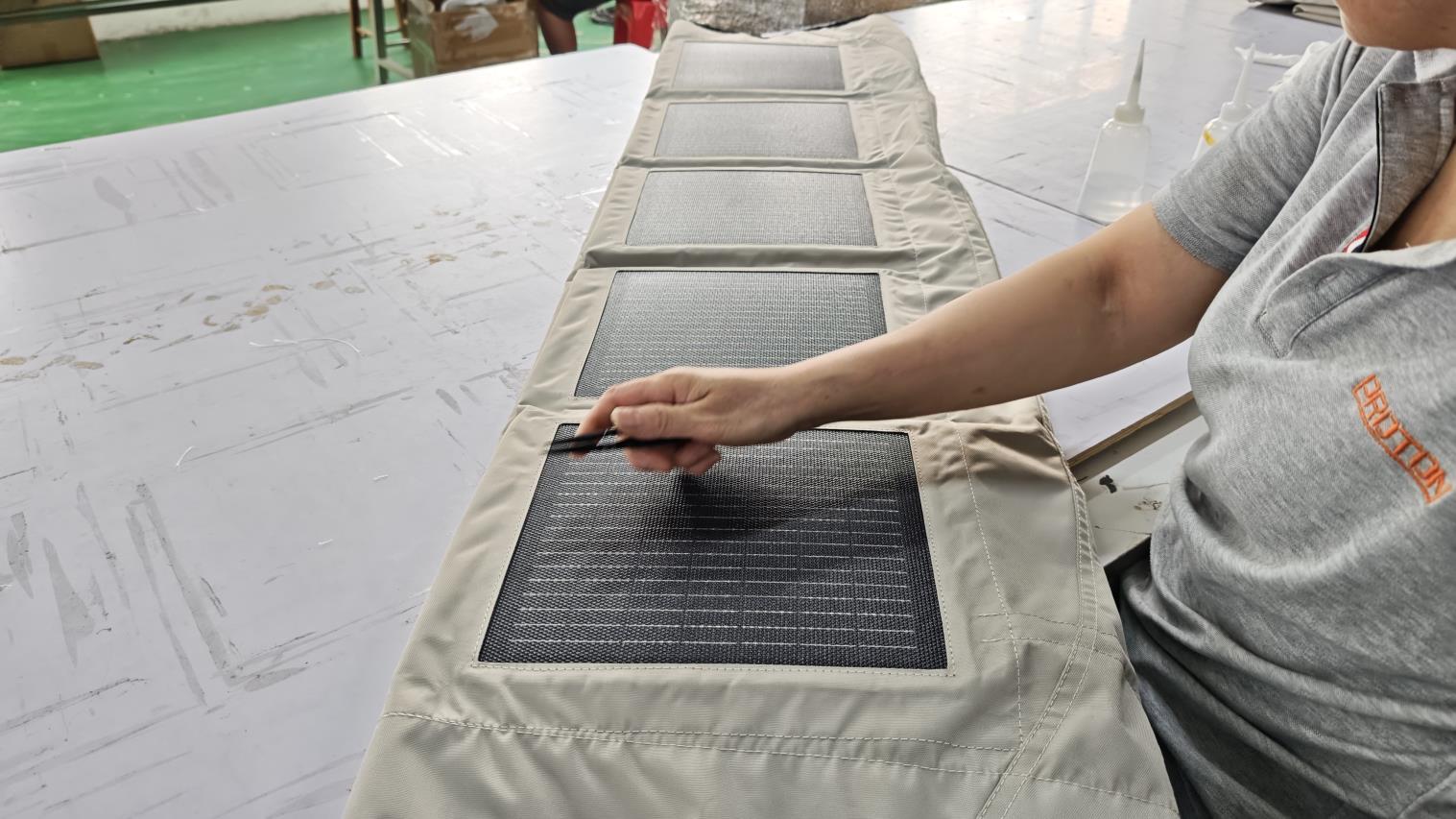
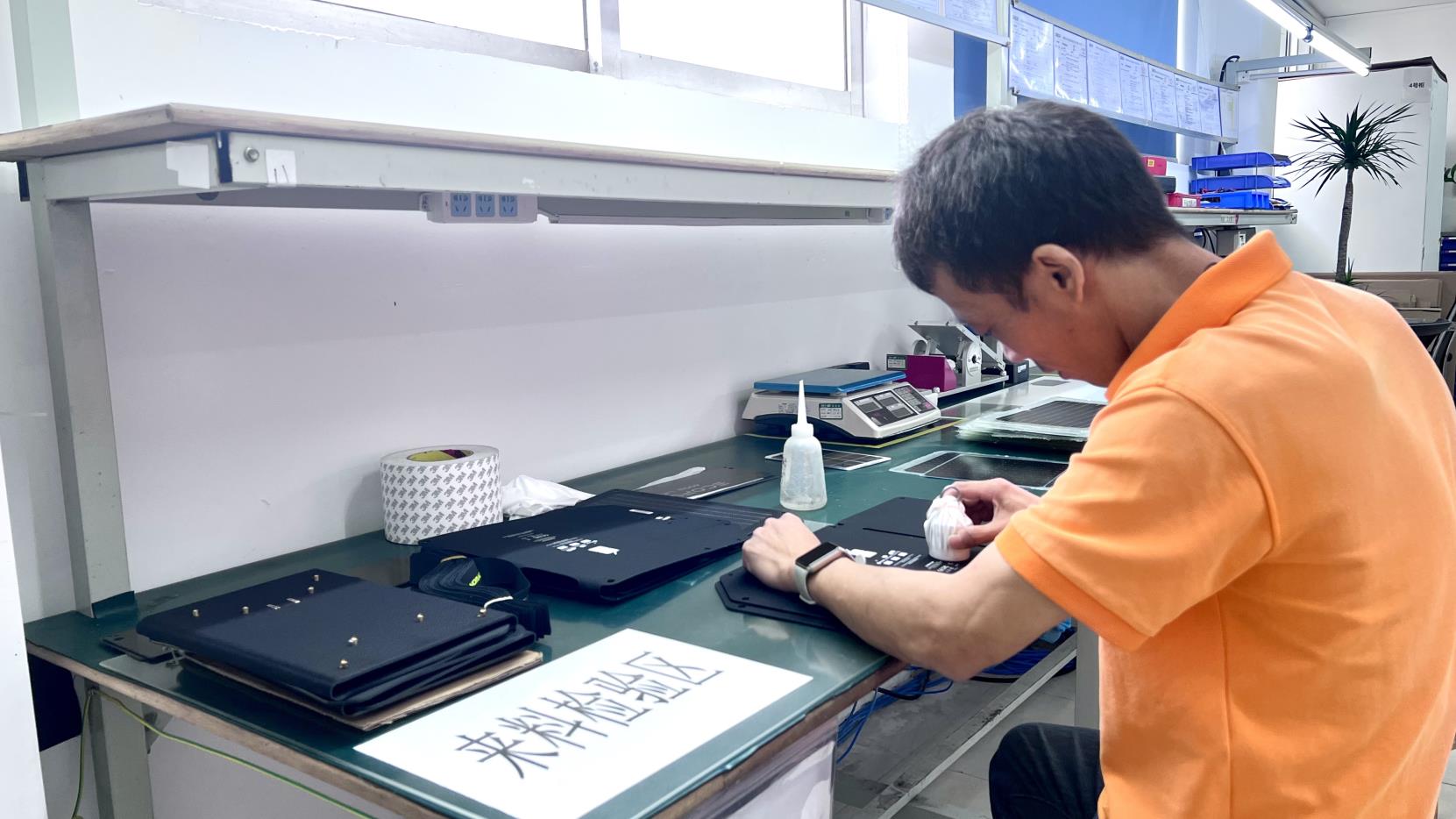
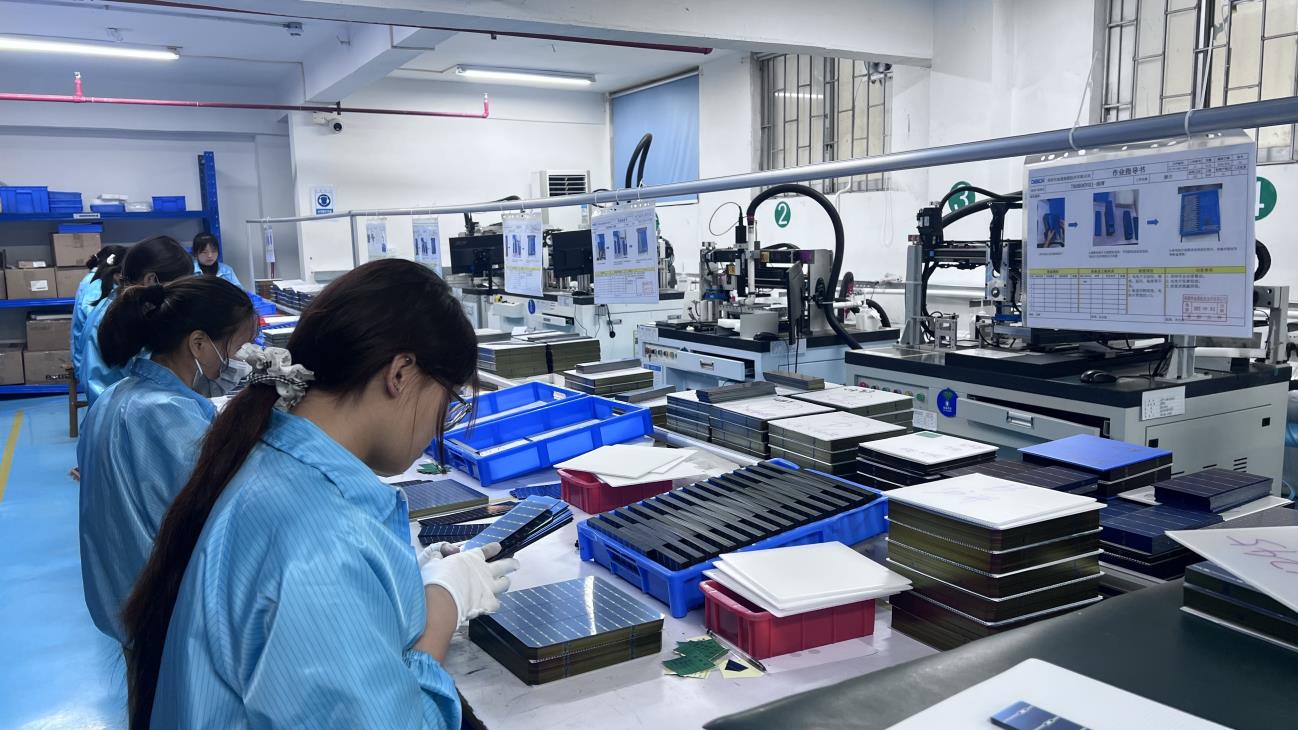
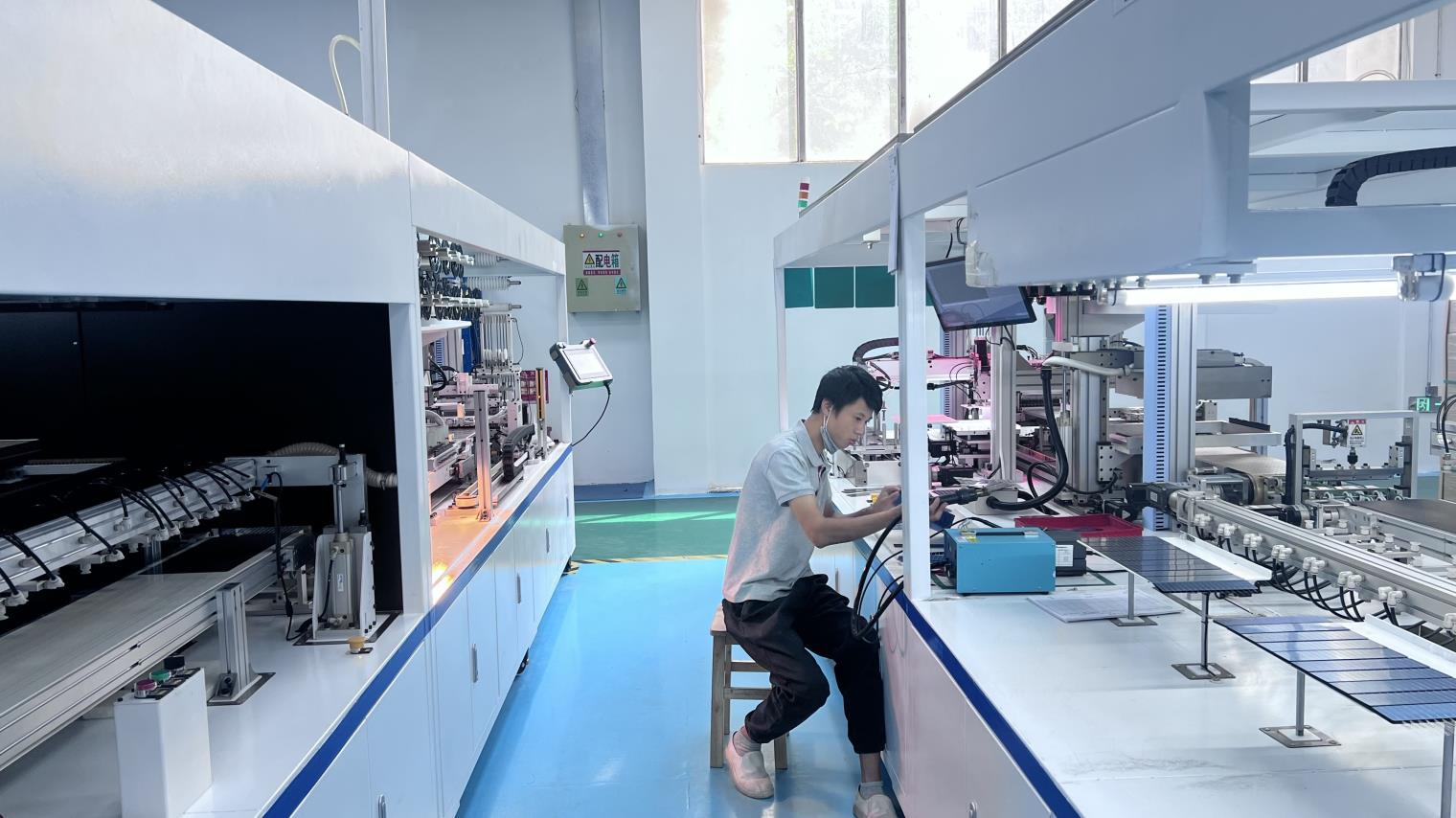
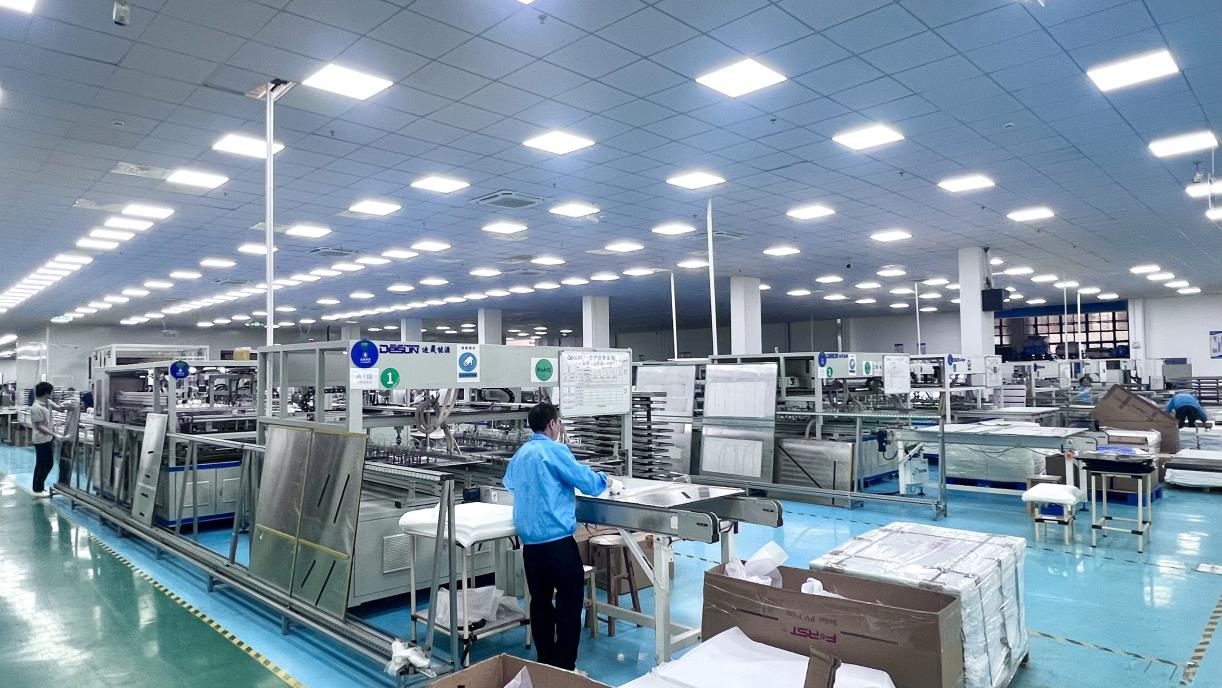
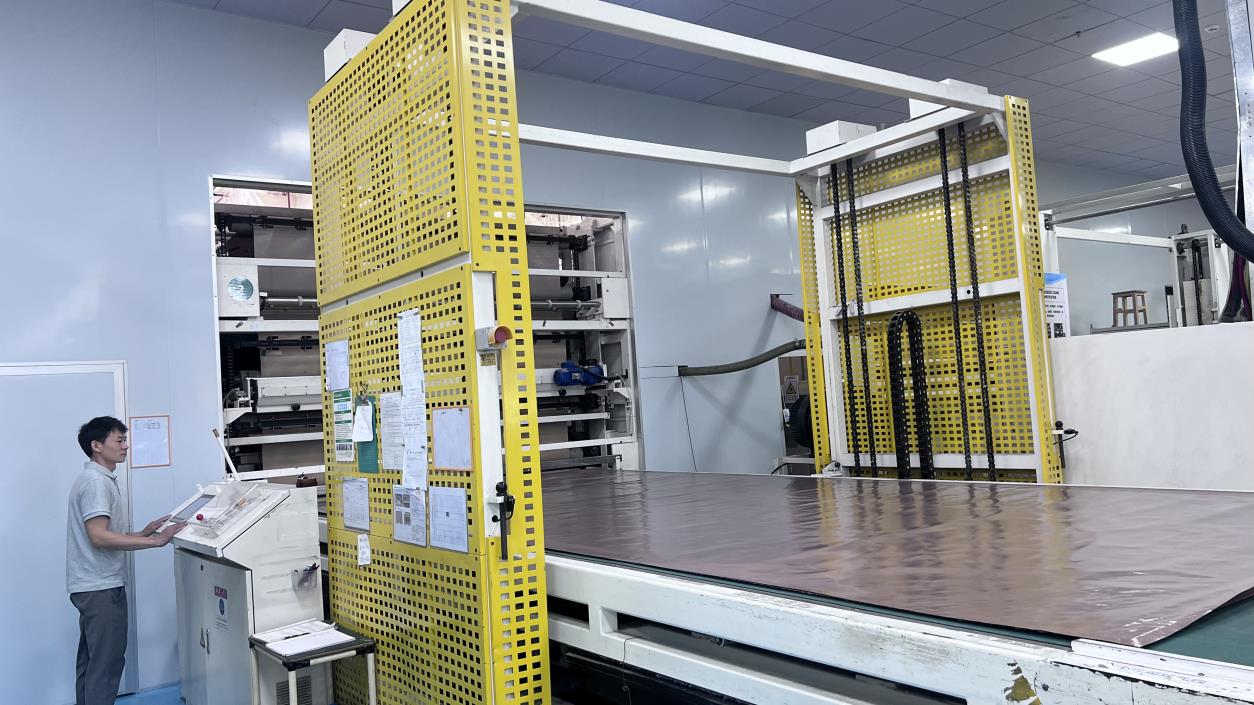
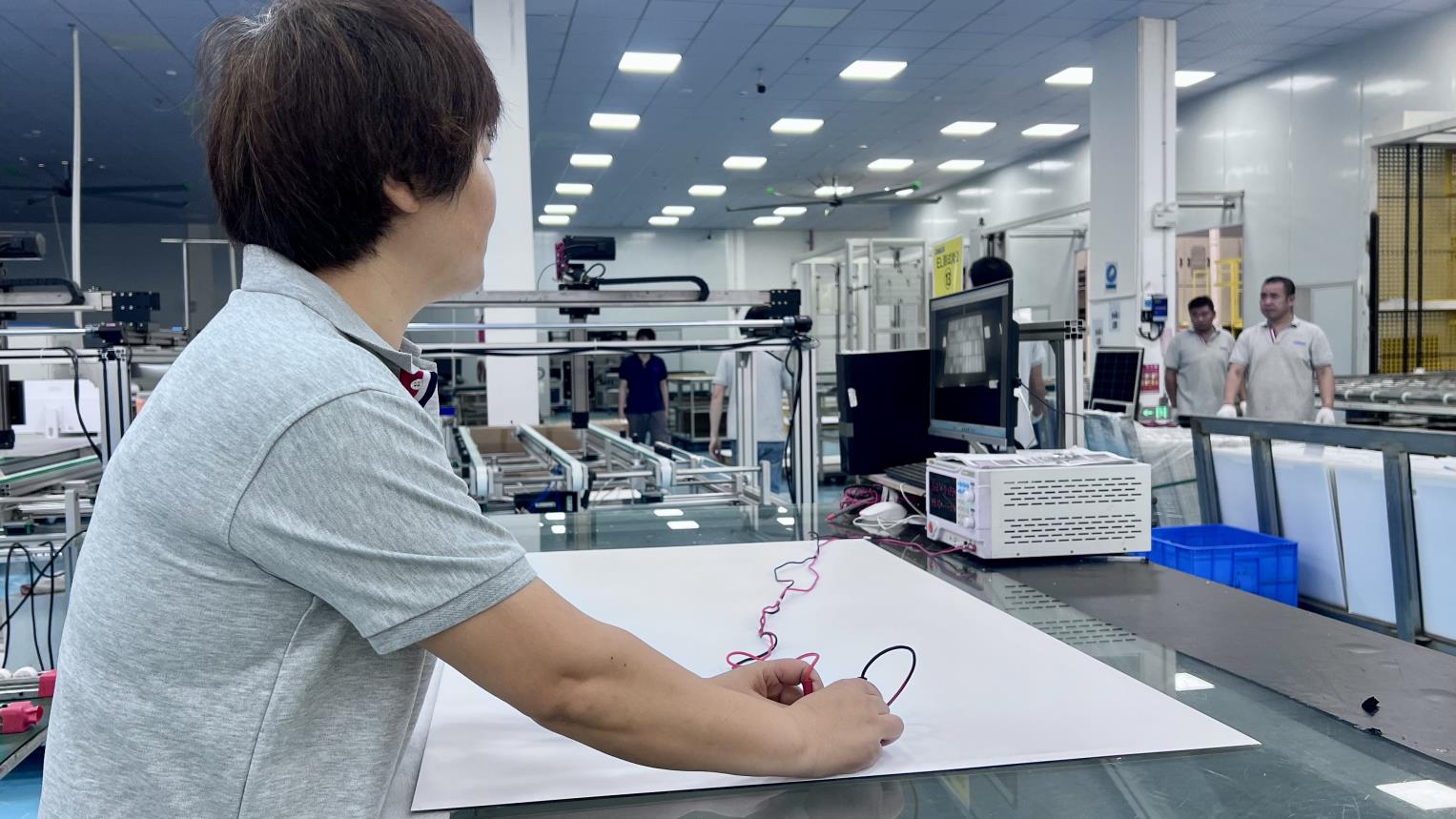
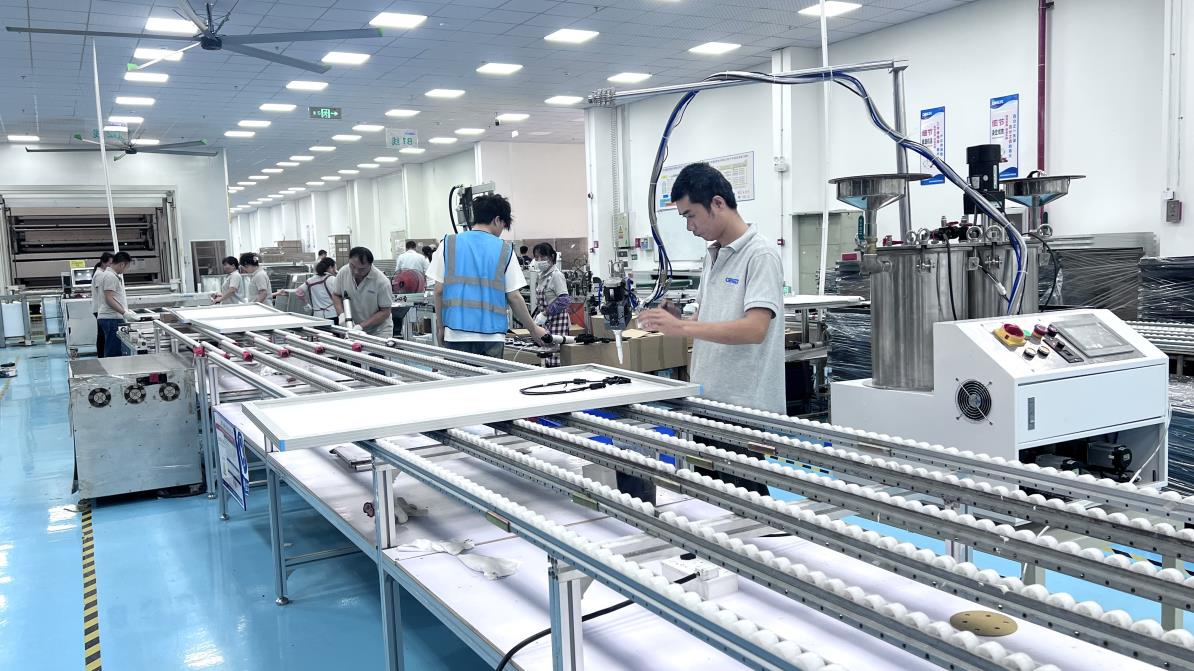
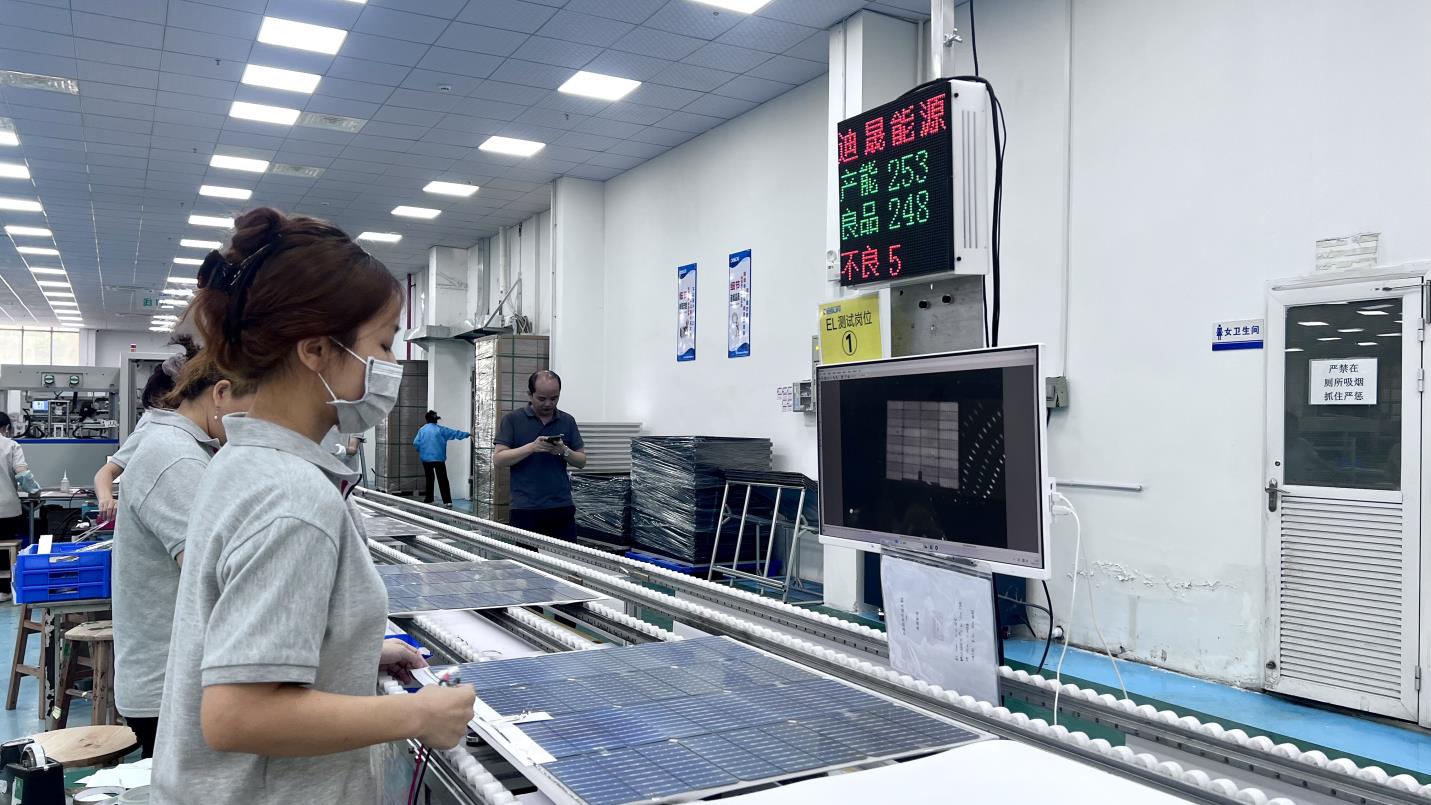
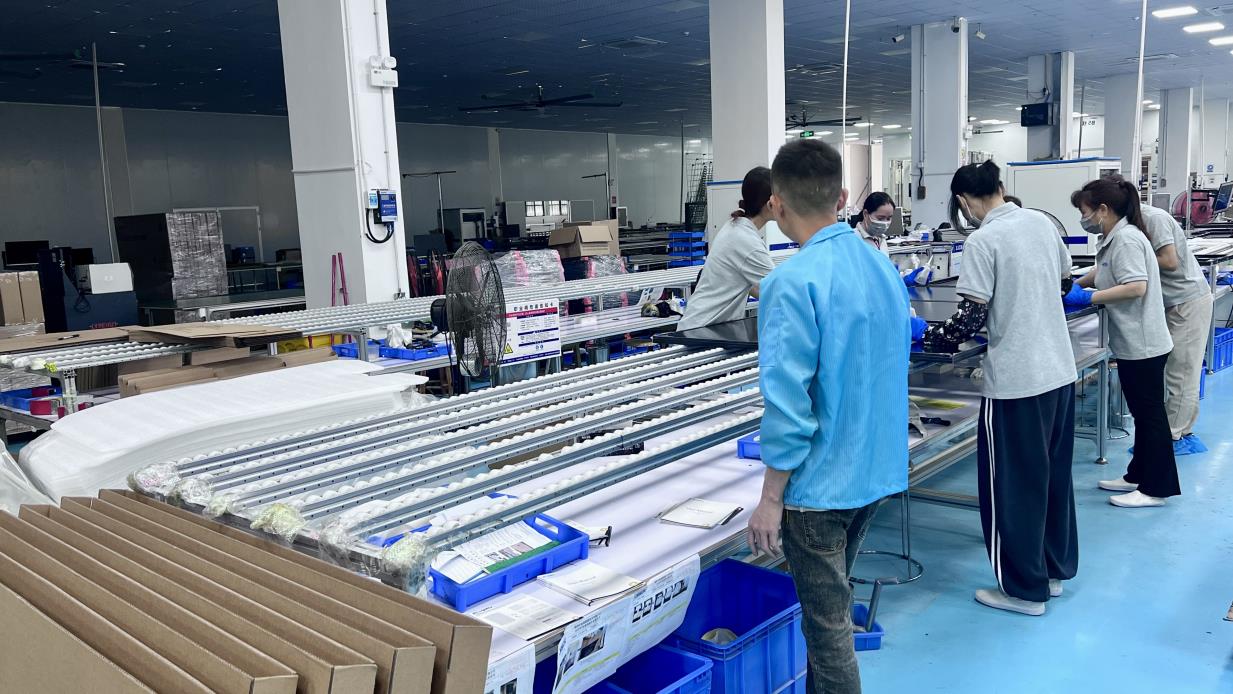
As a professional high-tech enterprise, Xiamen ConTech Solar Co., Ltd. controls a highly vertically integrated manufacturing process. Every step, from laser scribing to final packaging, is monitored under a rigorous quality management system to guarantee absolute reliability for our marine clients in Greece and worldwide.

A high-efficiency solar panel is only as effective as the charge regulation and battery storage network supporting it. In marine applications, power generation can be highly volatile due to sailboat canvas shading, changing vessel orientation relative to the sun, and momentary wave splashing. Standard PWM (Pulse Width Modulation) controllers struggle under these dynamic scenarios. To maintain maximum power yield, ConTech Solar integrates its off-grid marine packages with advanced high-speed MPPT (Maximum Power Point Tracking) solar charge controllers.
Our engineering division designs customized system solutions tailored for Greek vessel configurations:
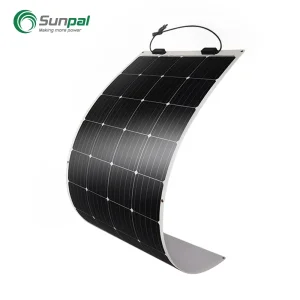
Designed primarily for sailboats under 40 feet and recreational motorboats. The layout utilizes two semi-flexible shingled 100W or 160W panels linked in series-parallel to feed a high-speed smart MPPT. This supplies critical constant charge currents to dedicated marine starter batteries and a secondary domestic LiFePO4 house battery bank. It safely covers basic safety system operations, including bilge pumps, VHF radios, LED cabins, and mini refrigerators, during multi-week anchoring in remote Aegean coves without generator assistance.
Large luxury catamaran fleets operating out of Alimos Marina or Lavrio Port feature high daily electrical loads due to extensive air conditioning, induction cooktops, internal entertainment centers, and massive watermakers. For these systems, we propose utilizing high-voltage semi-flexible arrays (up to 520W modules) mounted directly onto customized rigid cockpit biminis and coachroof areas. Using N-type high-density monocrystalline layers allows the vessel to generate up to 4kW of clean solar power, eliminating daily diesel generator operations and providing a silent, odor-free experience for charter guests.
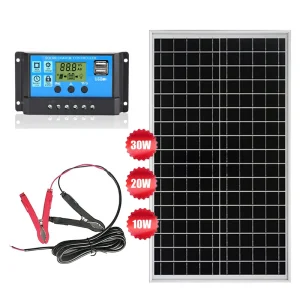
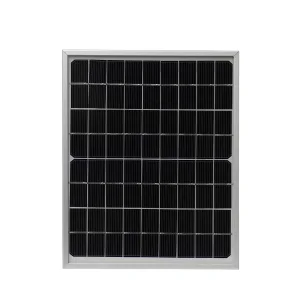
Essential compact components for smaller marine hulls, backup trickle-charging, off-grid garden-lighting beacons, and automated IoT sensor buoys.
For Greek shipyards, marine electronics distributors, and yacht builders, having a highly dependable manufacturing partner is critical. Xiamen ConTech Solar Co., Ltd. provides comprehensive OEM and ODM support, optimizing marine PV structures for specialized requirements. We offer tailor-made module dimensions, targeted backing sheet colors, customized cable connector configurations, and high-performance junction boxes designed to align with Hellenic maritime compliance standards.
Our streamlined supply chain logistics ensure high-security transport for all maritime cargo. From our modern industrial production zones in Xiamen, products are safely packed and loaded onto direct ocean freight vessels routing through the Suez Canal to the Port of Piraeus (PIR), Athens. We provide comprehensive export documentation, including CE certification, ISO 9001/14001, RoHS, and marine-specific safety declarations. This helps our Greek business partners bypass complicated customs delays and complete installations on tight shipyard schedules.
The next decade of marine solar technology will be defined by massive jumps in structural integration and spatial efficiency. ConTech Solar's research division is actively exploring two critical technical avenues:
1. Bifacial Marine Glass Modules: Leveraging glass-on-glass designs to capture both direct overhead sunlight and secondary albedo reflection off the water surface. When integrated onto catamaran davits and perimeter railing networks, bifacial marine systems can increase net daily power generation by up to 22% compared to standard mono-facial arrays.
2. Perovskite-Silicon Tandem Cells: Our advanced solid-state engineering teams are working to stack thin-film perovskite layers directly over traditional crystalline silicon structures. This captures a broader spectrum of blue and red wavelengths, raising theoretical cell efficiency beyond 30%. This will allow smaller yacht decks to generate the high levels of electricity historically reserved for commercial vessels.
Technical questions frequently raised by Greek marine contractors, naval architects, and B2B procurement officers.
Our premium marine PV systems feature dual-encapsulated ETFE polymer layers coupled with fully potted, silicone-injected IP68 junction boxes. This prevents humid saltwater mist from making contact with the electrical circuitry, avoiding the risk of galvanic corrosion and mechanical cell degradation. Every batch undergoes strict testing to meet IEC 61701 salt mist corrosion standards.
Yes. Our high-efficiency shingled cell systems utilize a robust, semi-rigid structural design. The N-Type monocrystalline layer is bonded using an elastic conductive adhesive instead of fragile metal ribbon connections. When properly flush-mounted on solid, flat yacht decks, the panels can be safely stepped on with standard soft-soled boat deck shoes without damaging the cells.
PET materials suffer from rapid UV degradation, turning yellow and cracking within 1-2 years under high Mediterranean sunlight. This lets moisture leak in and leads to delamination. ETFE is a high-grade fluoropolymer offering more than 95% light transmission, exceptional UV stability, and self-cleaning hydrophobic properties that naturally wash off salt crusts and grime.
Traditional solar panels use series-wired cells where a shadow on a single cell can choke the performance of the entire module. Our shingled modules employ a parallel circuit architecture. When sails, masts, or rigging cast localized shadows on parts of the panel, the unaffected parallel columns continue to generate power, drastically improving overall efficiency in real-world anchoring conditions.
We recommend using a dedicated MPPT (Maximum Power Point Tracking) charge controller. Unlike cheap PWM models, an MPPT constantly scans and tracks the optimal electrical operating point of the solar panel. This helps recover up to 30% more energy, especially during hazy mornings or when partial shading occurs from yacht rigging.
All ConTech Solar marine panels are fully certified under CE, RoHS, ISO 9001 for quality control, and ISO 14001 for environmental management. Additionally, our specialized marine lines are built to withstand rigorous salt spray (IEC 61701 Level 6) and dynamic mechanical load requirements.
Yes, we specialize in OEM/ODM services. We can customize the dimensions, backing material, cable routing, and terminal blocks to match specific naval architectural drawings. Please contact our technical sales team with your structural designs and off-grid load requirements.
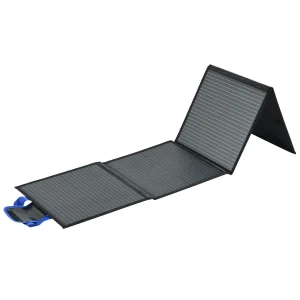
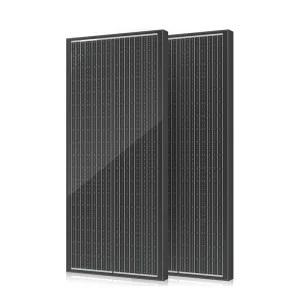
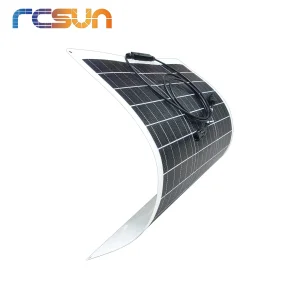
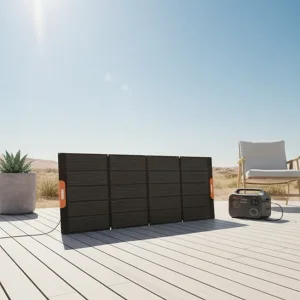
A comprehensive suite of heavy-duty, ultra-lightweight, and high-voltage monocrystalline solar panels engineered for demanding maritime installations.
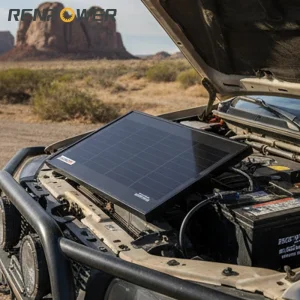
Partner with a leading global manufacturer to equip your vessels with the ultimate protection against salt spray and extreme UV. Talk directly with our senior application engineers to design your customized yacht or commercial ship hybrid micro-grids.
Send Inquiry Now ConTech Solar