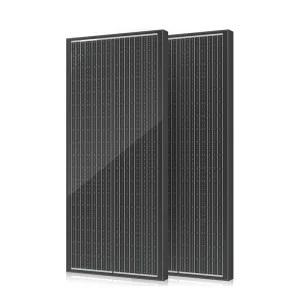
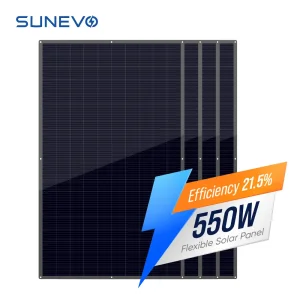
Engineered for high-humidity, high-salinity coastal environments and marine vessel integration.
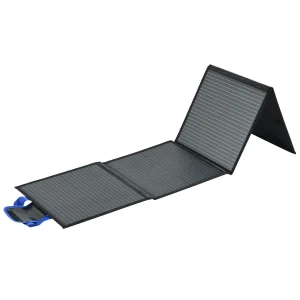
As Vietnam's third-largest city and the primary maritime hub of the northern region, Hai Phong is undergoing a major industrial upgrade. The Lach Huyen Deep-Sea Port, alongside the Dinh Vu industrial clusters, is positioning the city as a gateway for international trade. However, this growth brings environmental challenges and strict regulatory demands under the International Maritime Organization (IMO) carbon reduction guidelines.
Integrating high-efficiency photovoltaic systems on vessels, offshore aquaculture rafts, and port infrastructure is no longer just a sustainable initiative—it is a critical economic strategy. Marine solar panels must withstand intense tropical sunlight, high humidity, wind shear, and continuous exposure to corrosive salt spray (NaCl). Standard residential or commercial solar panels fail rapidly under these conditions. Specialised marine-grade engineering is essential.
Oceanic installations present unique challenges that render standard PV modules unusable. Deep-sea shipping, coastal fishing, and port maintenance vessels experience constant vibration and multi-axial mechanical stress. Saltwater acts as an electrolyte, accelerating galvanic corrosion if materials are not properly isolated.
How automation, precision testing, and supply chain control deliver high-reliability marine PV modules.
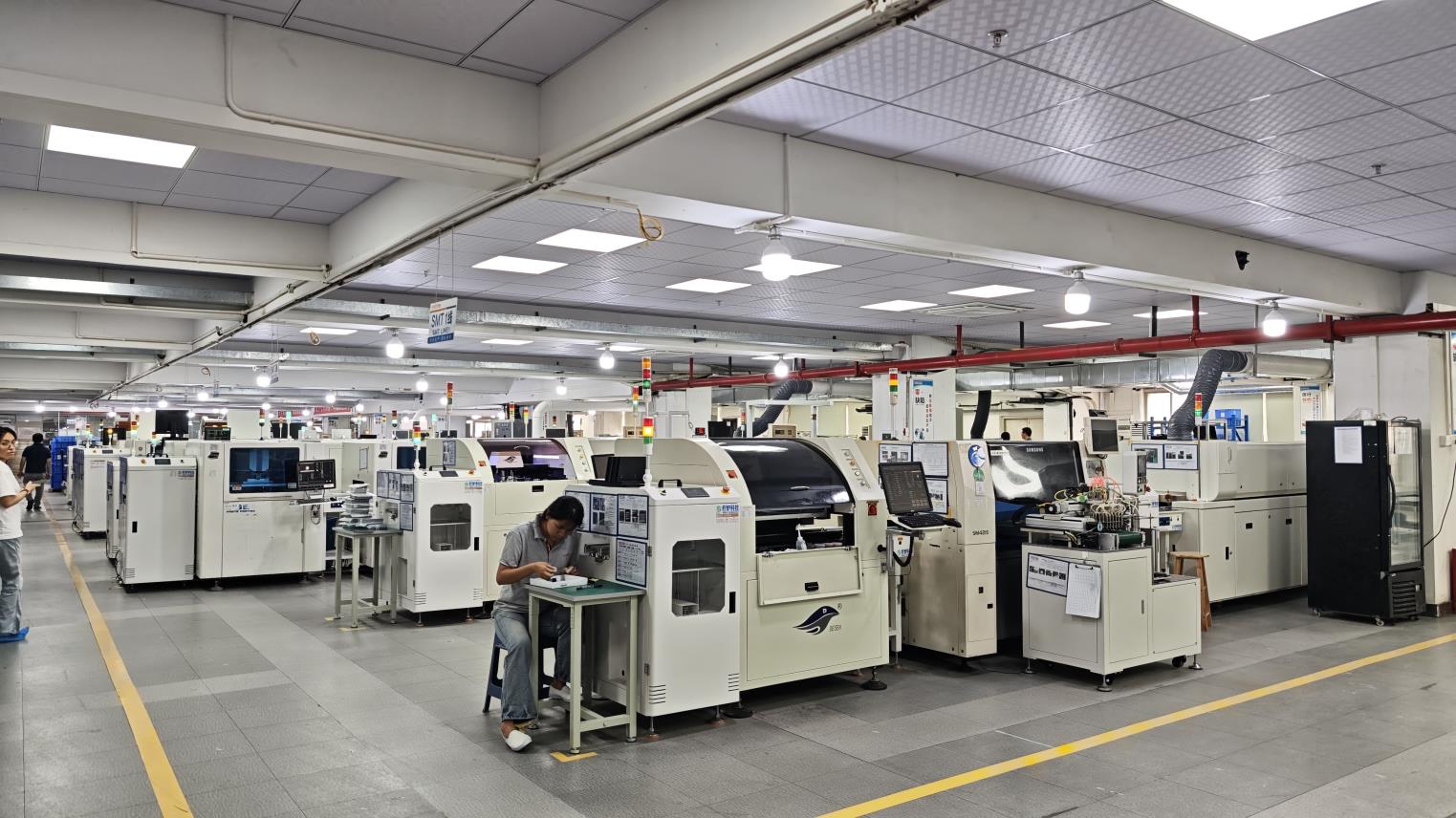
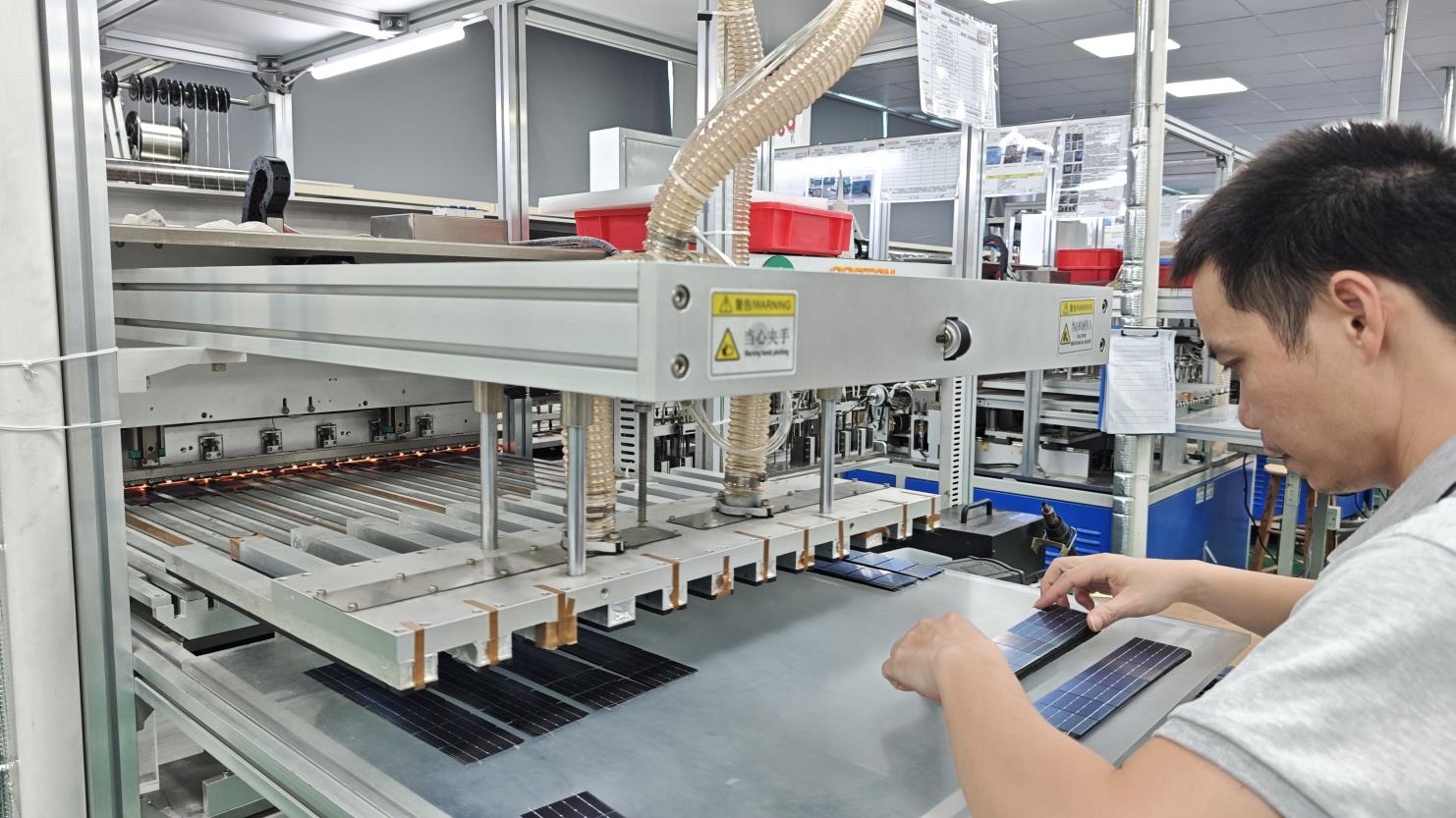
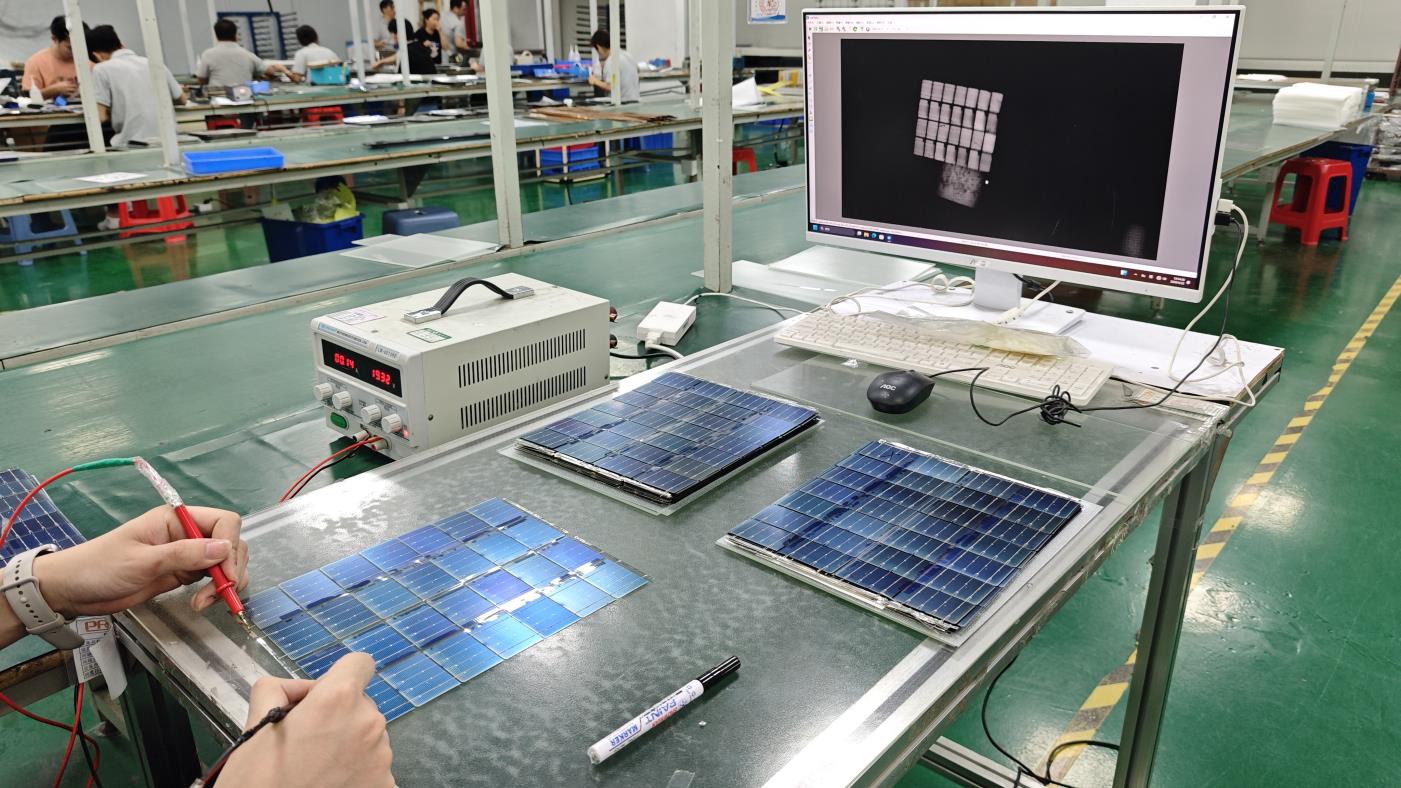
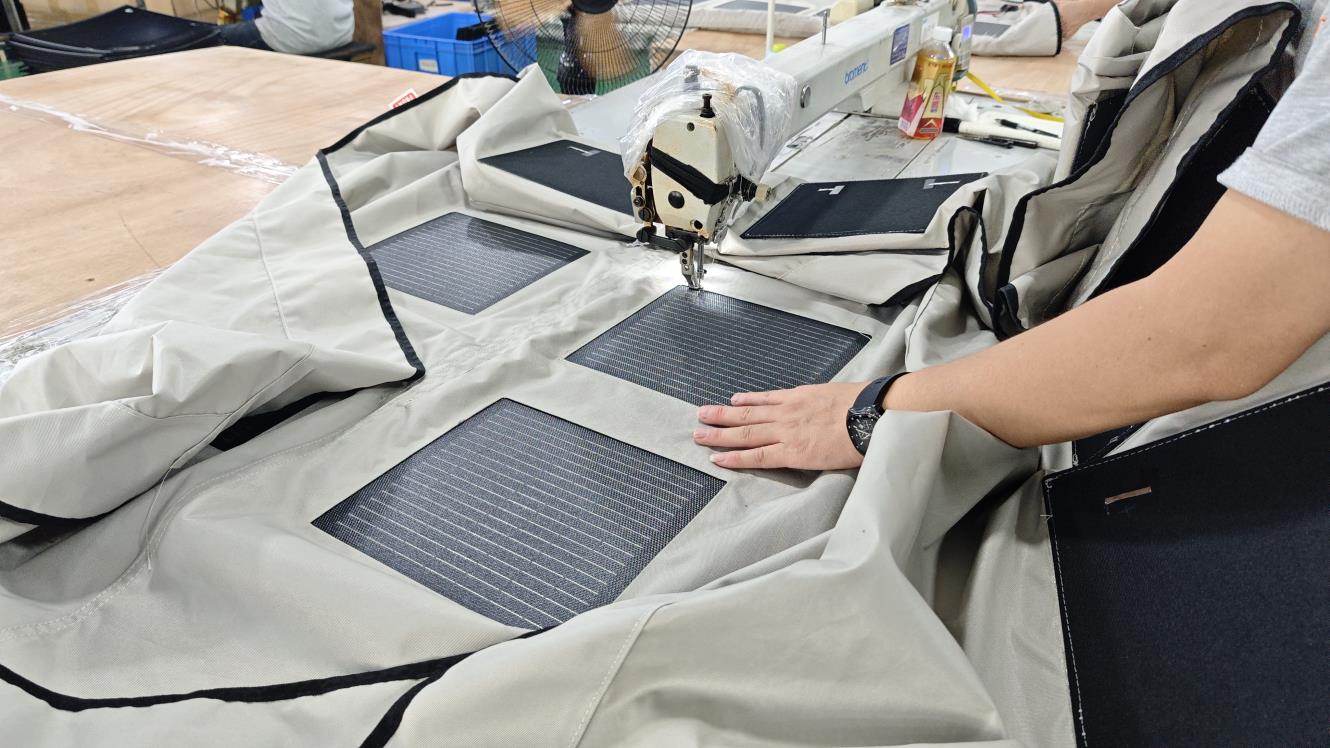
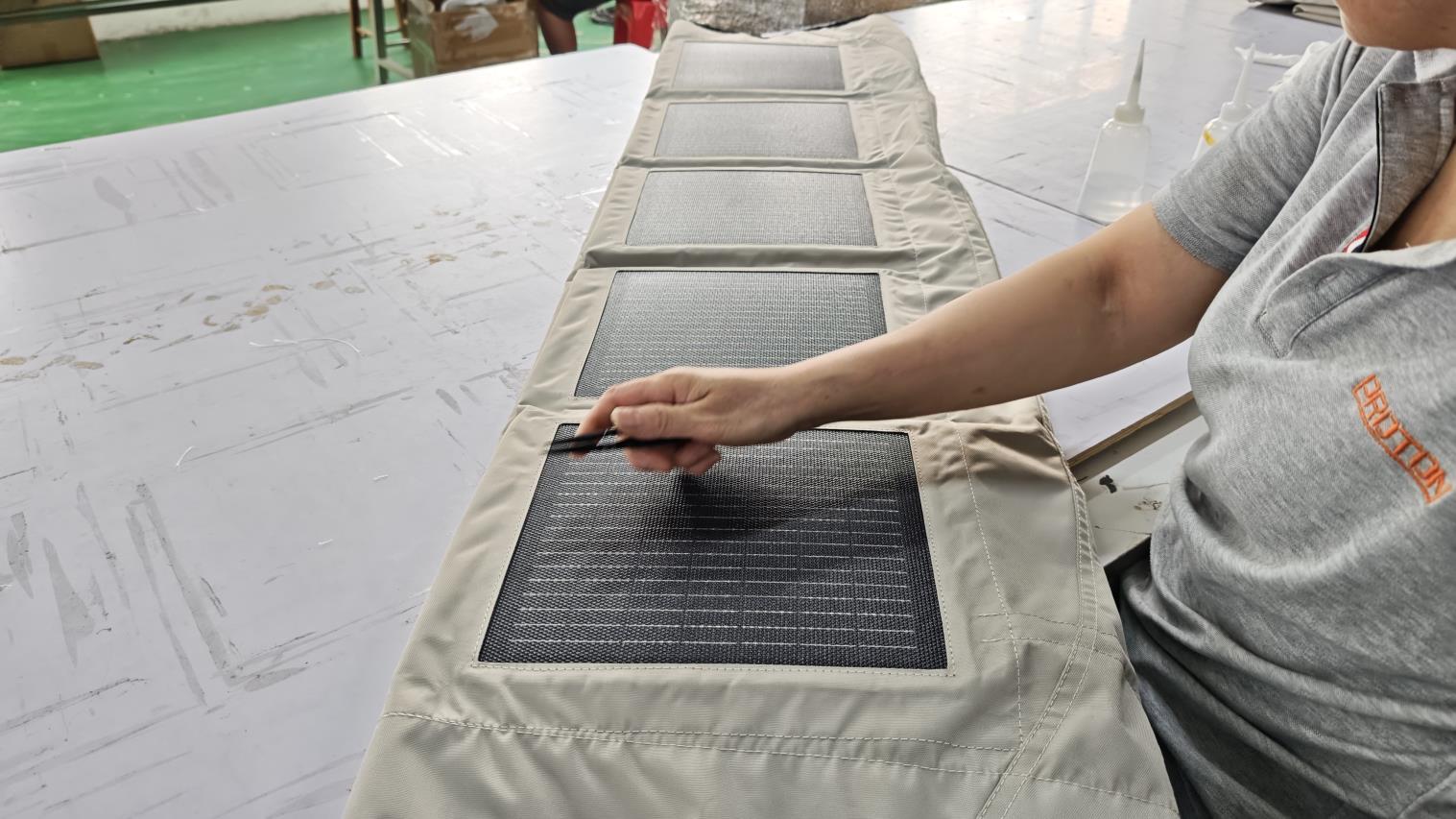
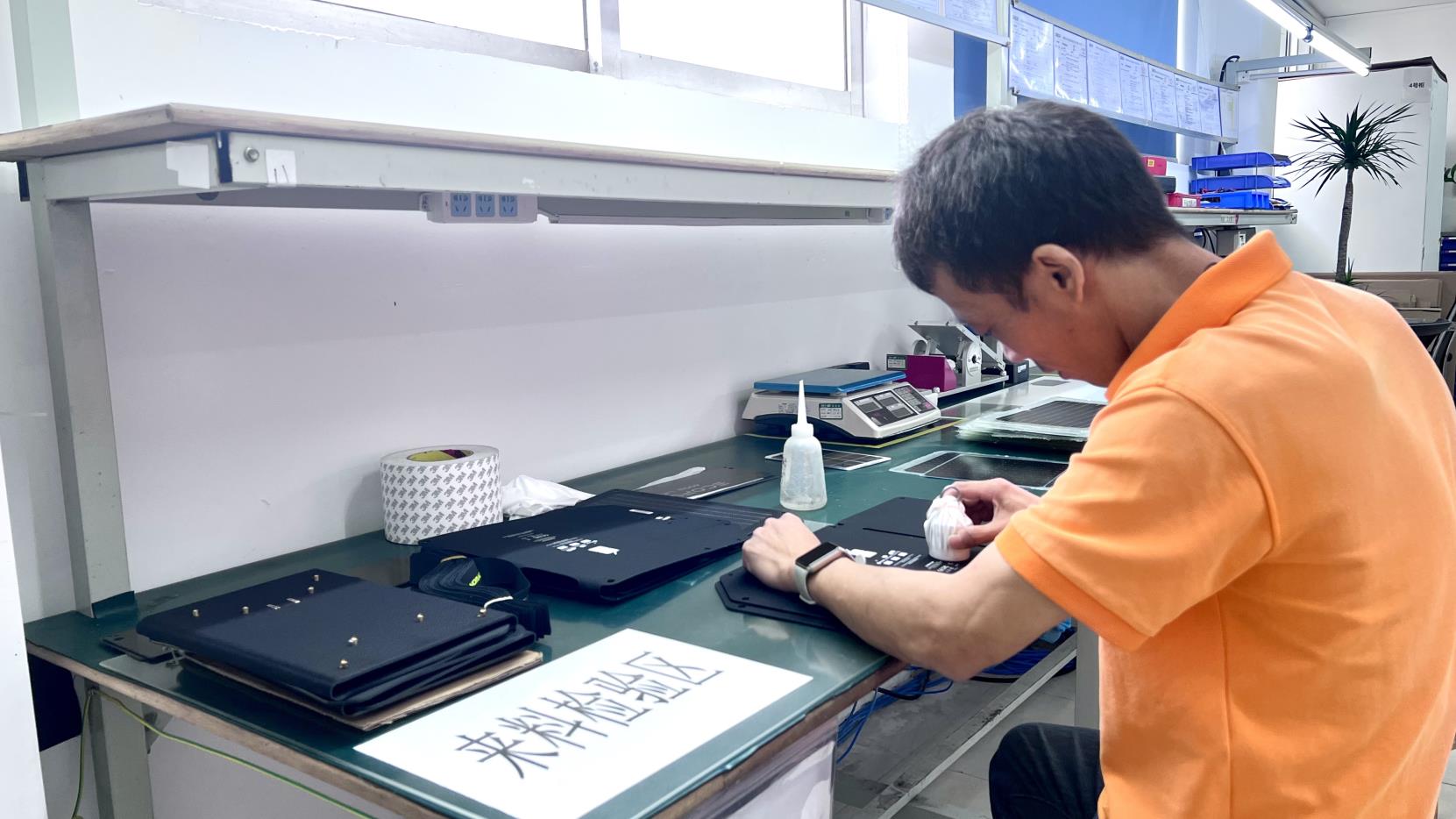
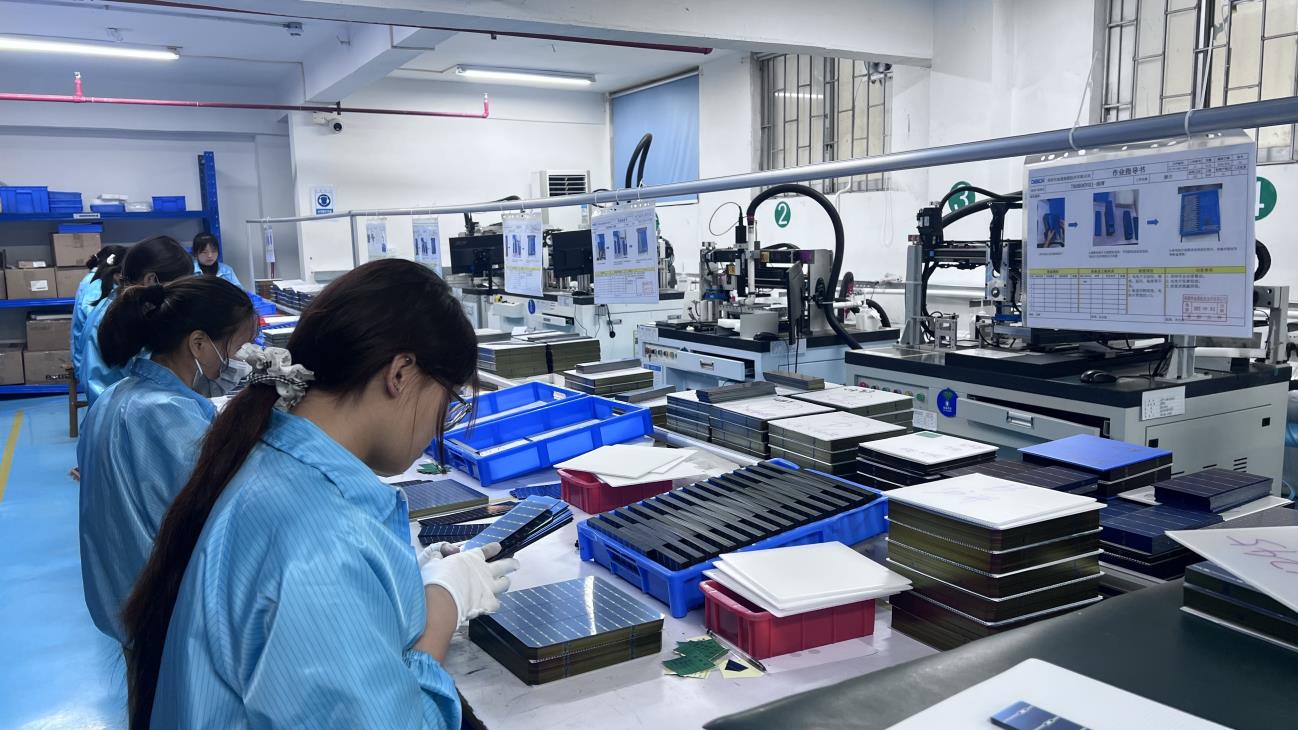
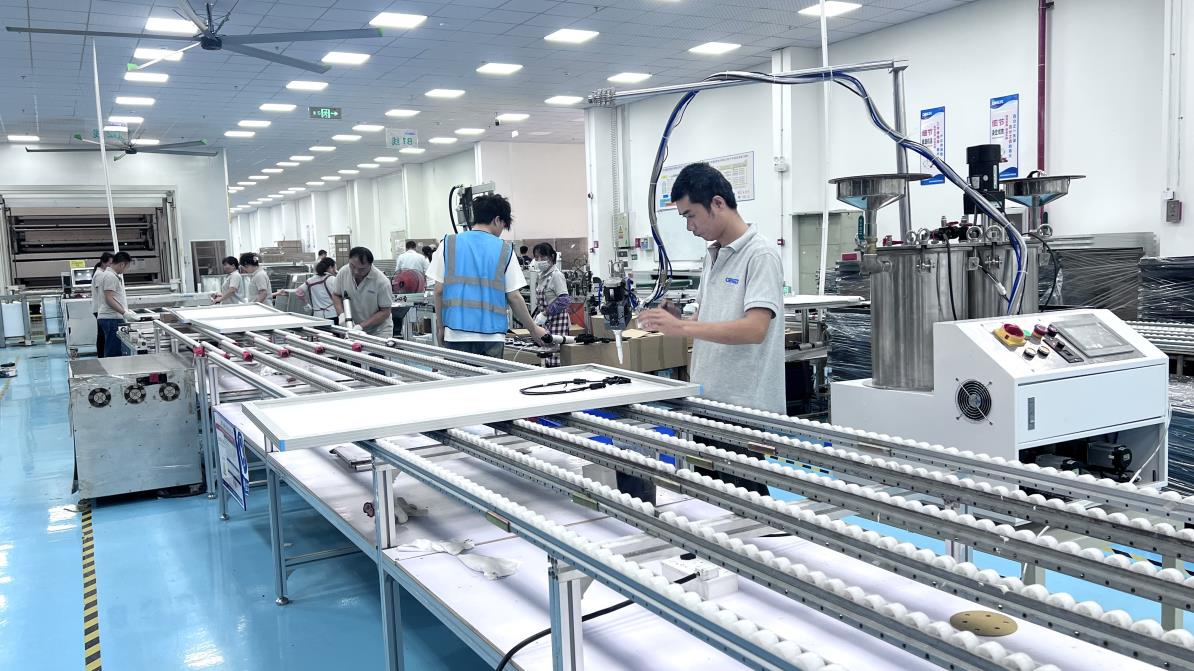
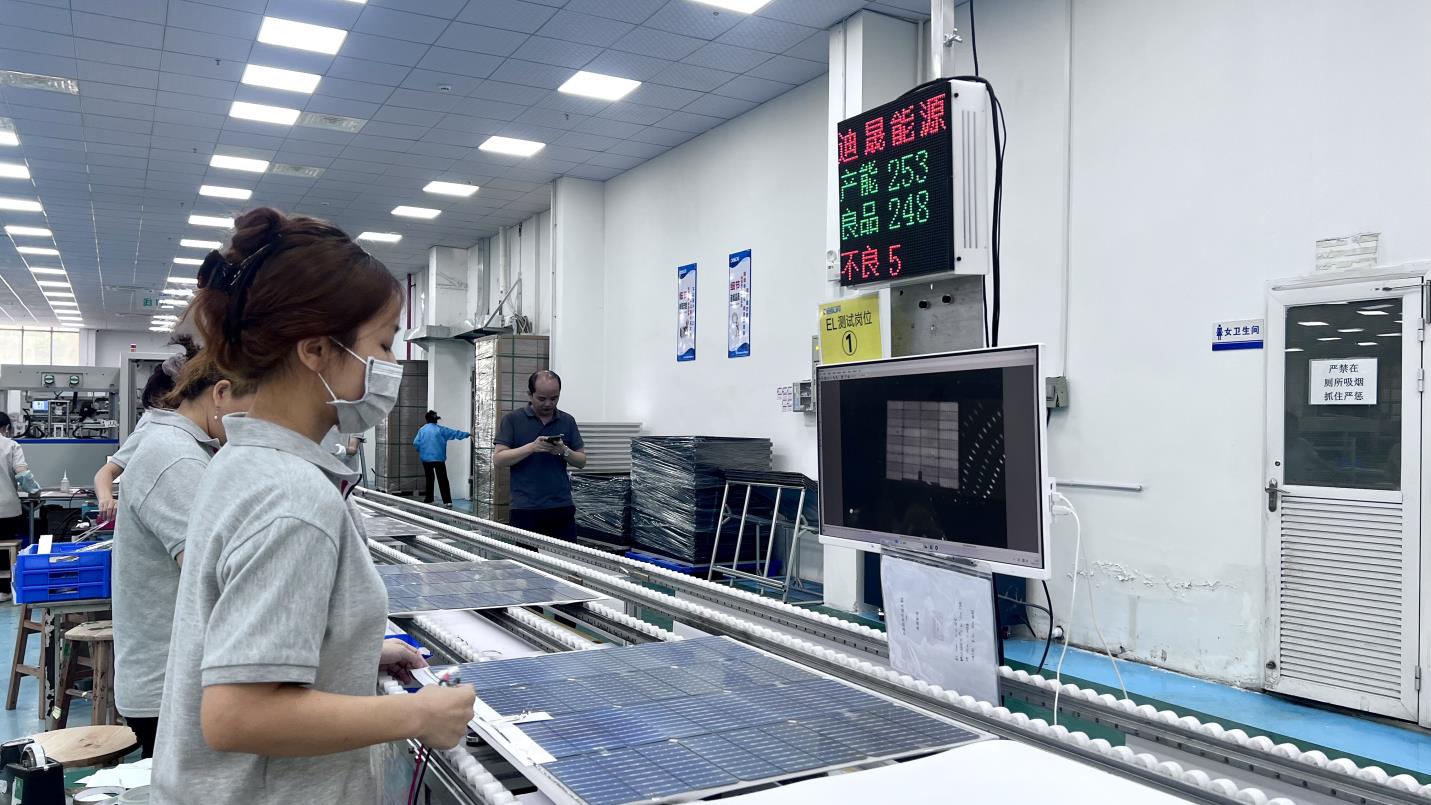
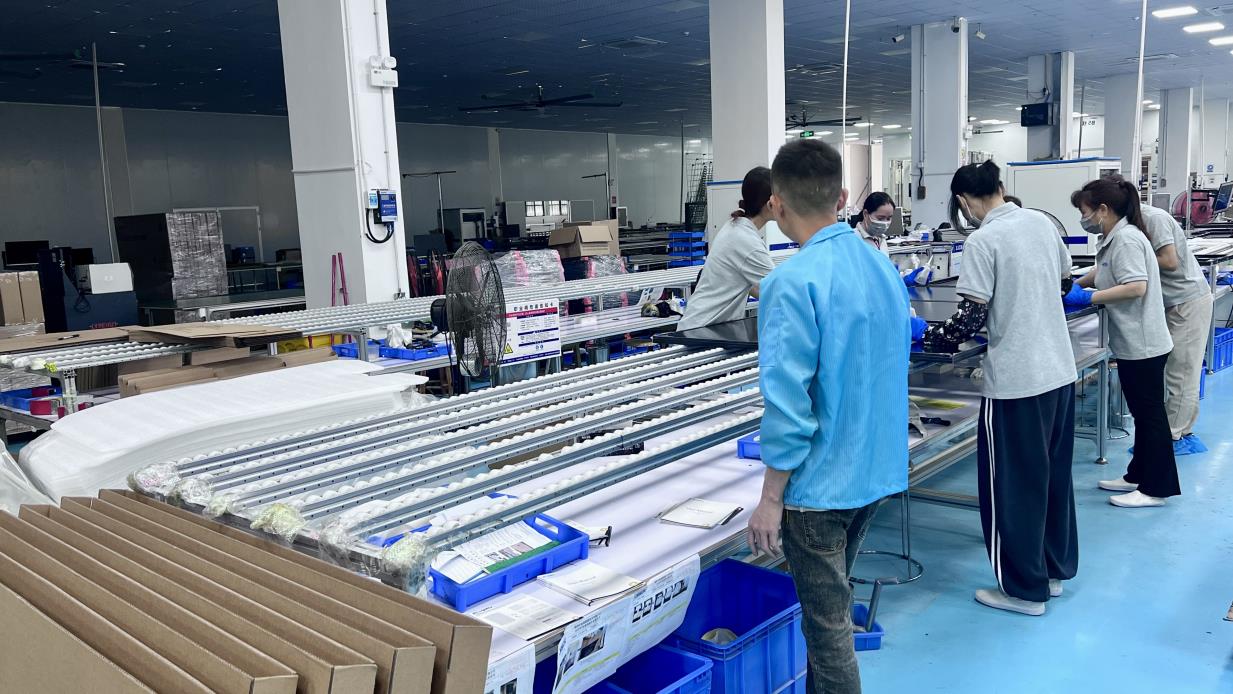
Xiamen ConTech Solar Co., Ltd. operates a high-tech manufacturing facility. By implementing Factory 4.0 automation, we ensure that every marine solar module meets strict tolerances. This control is critical because a single sub-standard solder joint or lamination layer can lead to water intrusion and system failure under rough sea conditions.
Our supply chain model balances raw material procurement, localized sub-assembly testing, and automated quality control. This approach allows us to deliver customized ODM and OEM products to maritime engineering companies, shipbuilders, and distributors in Hai Phong and across the globe.

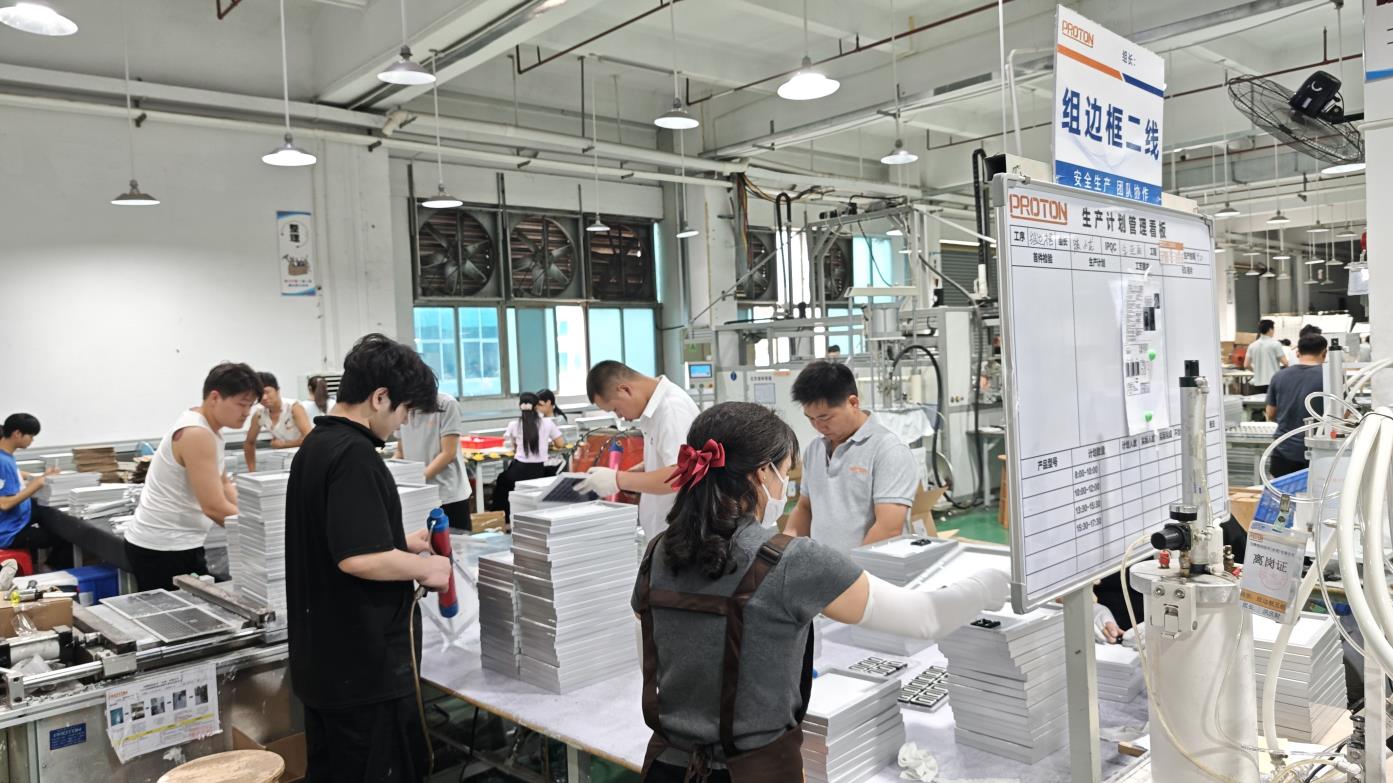
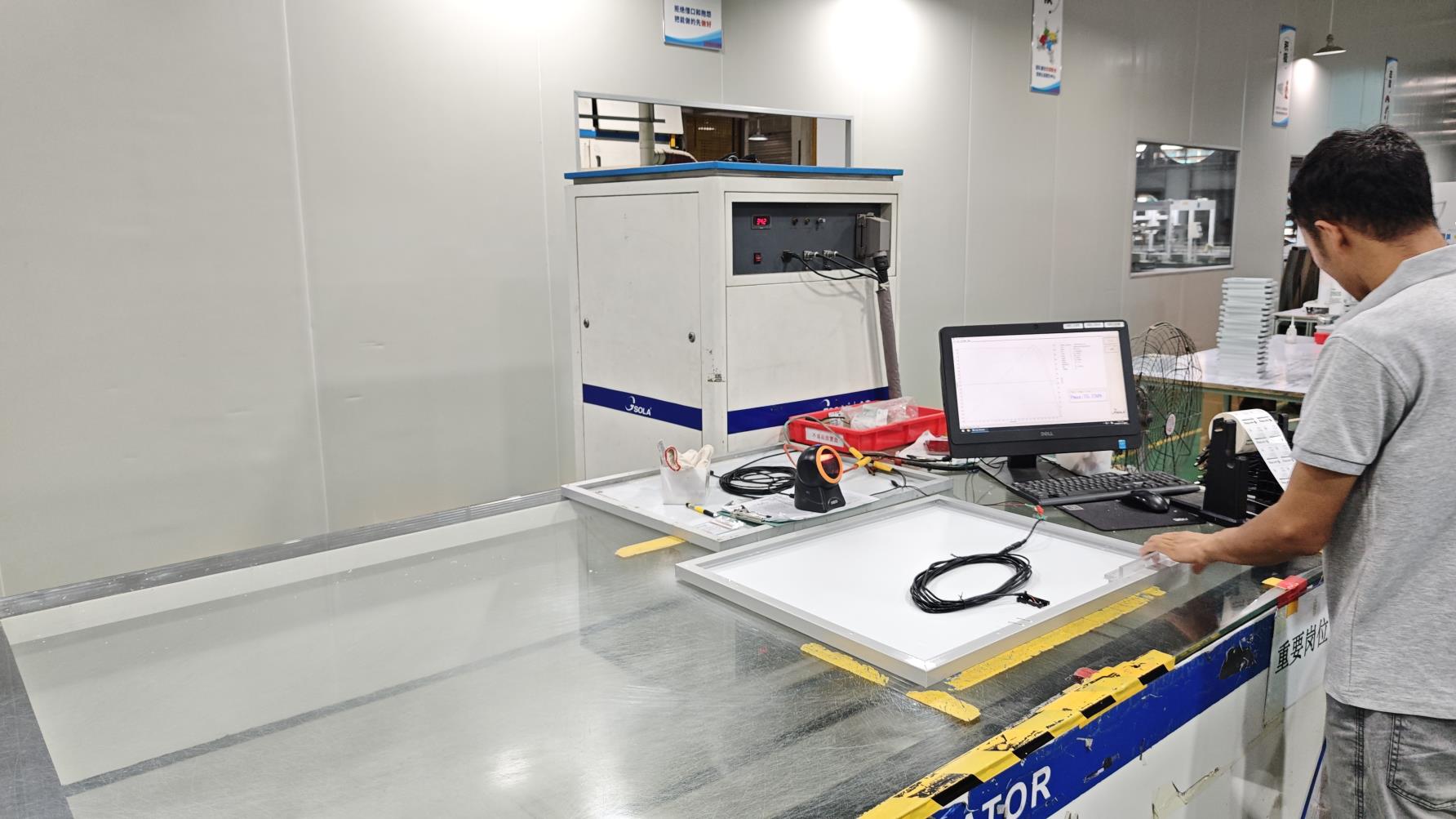
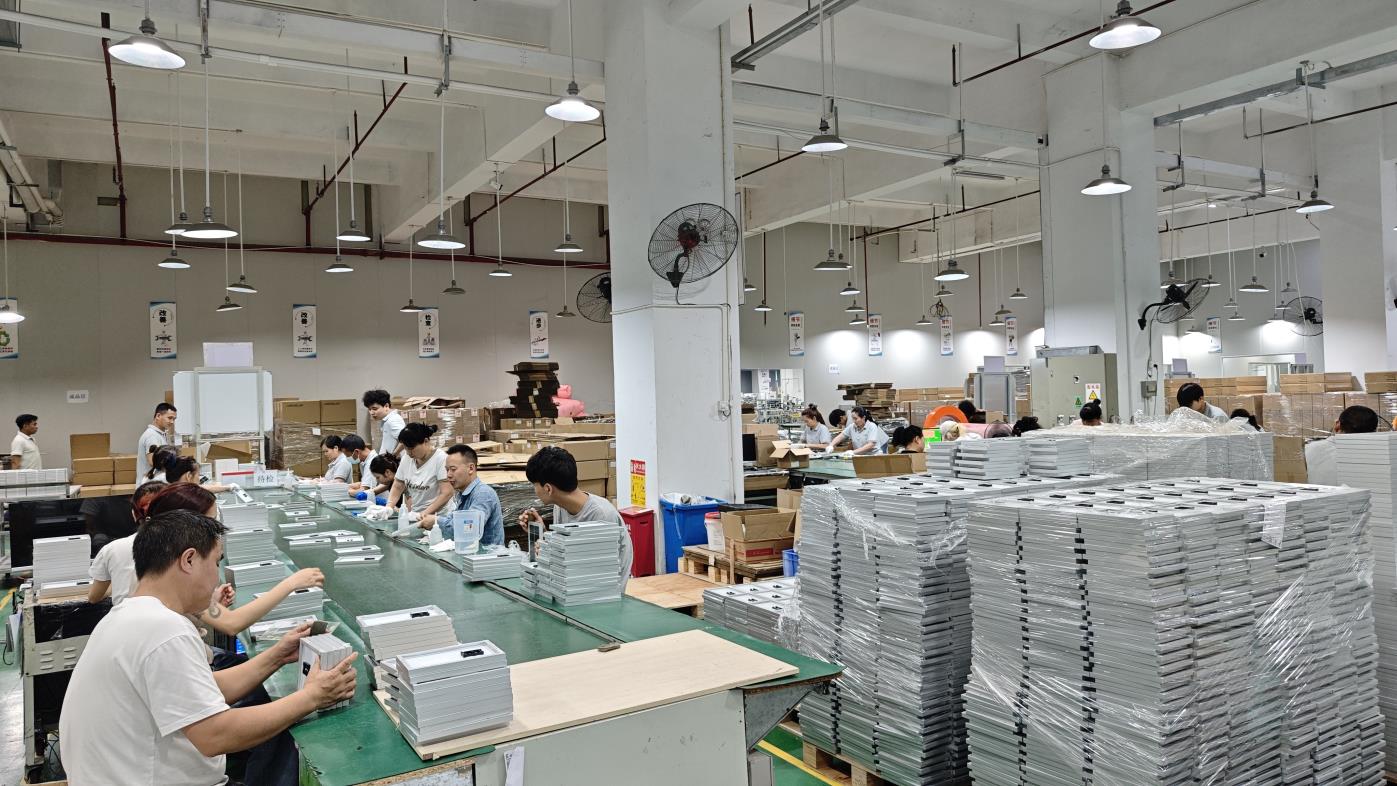
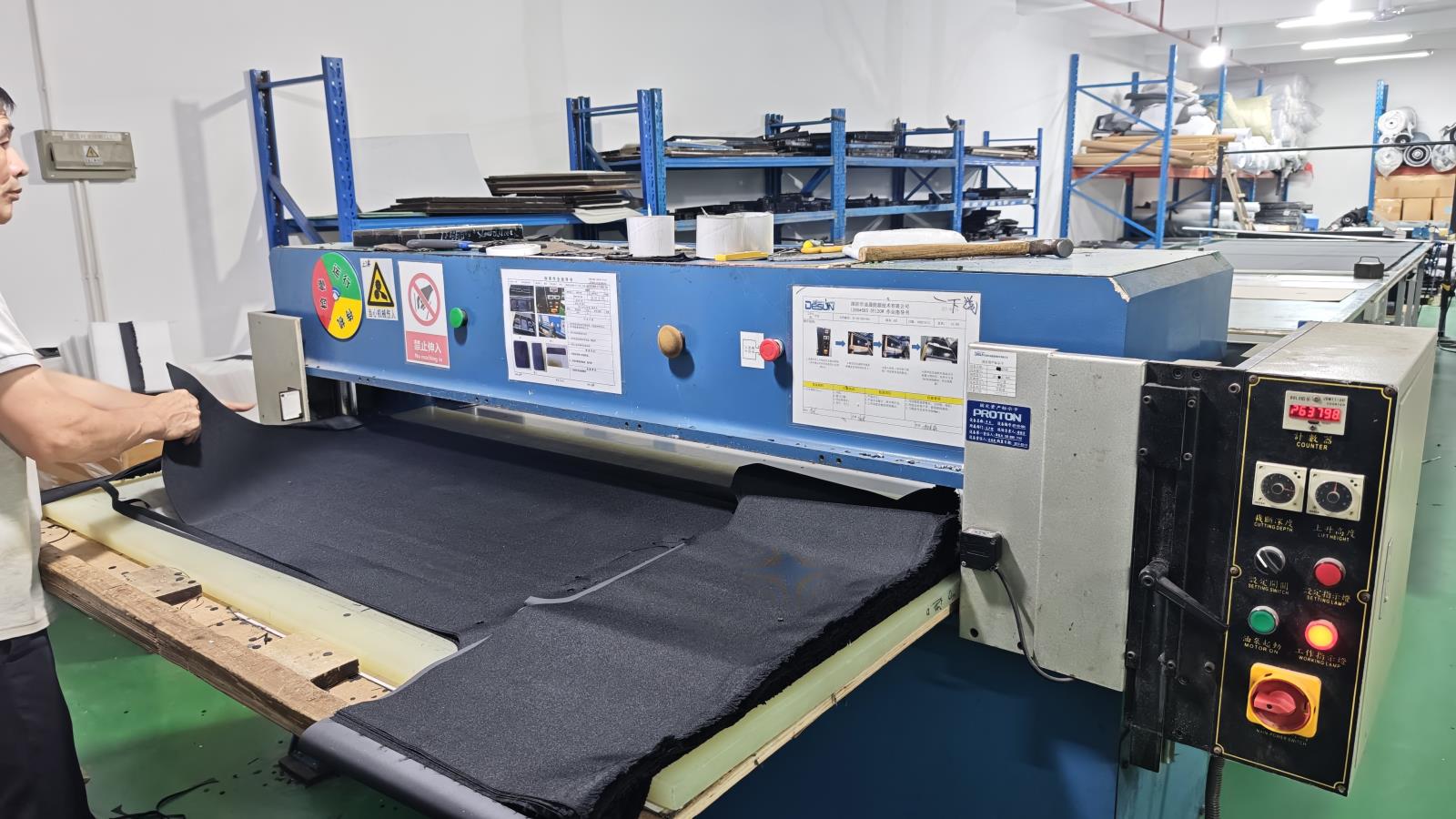
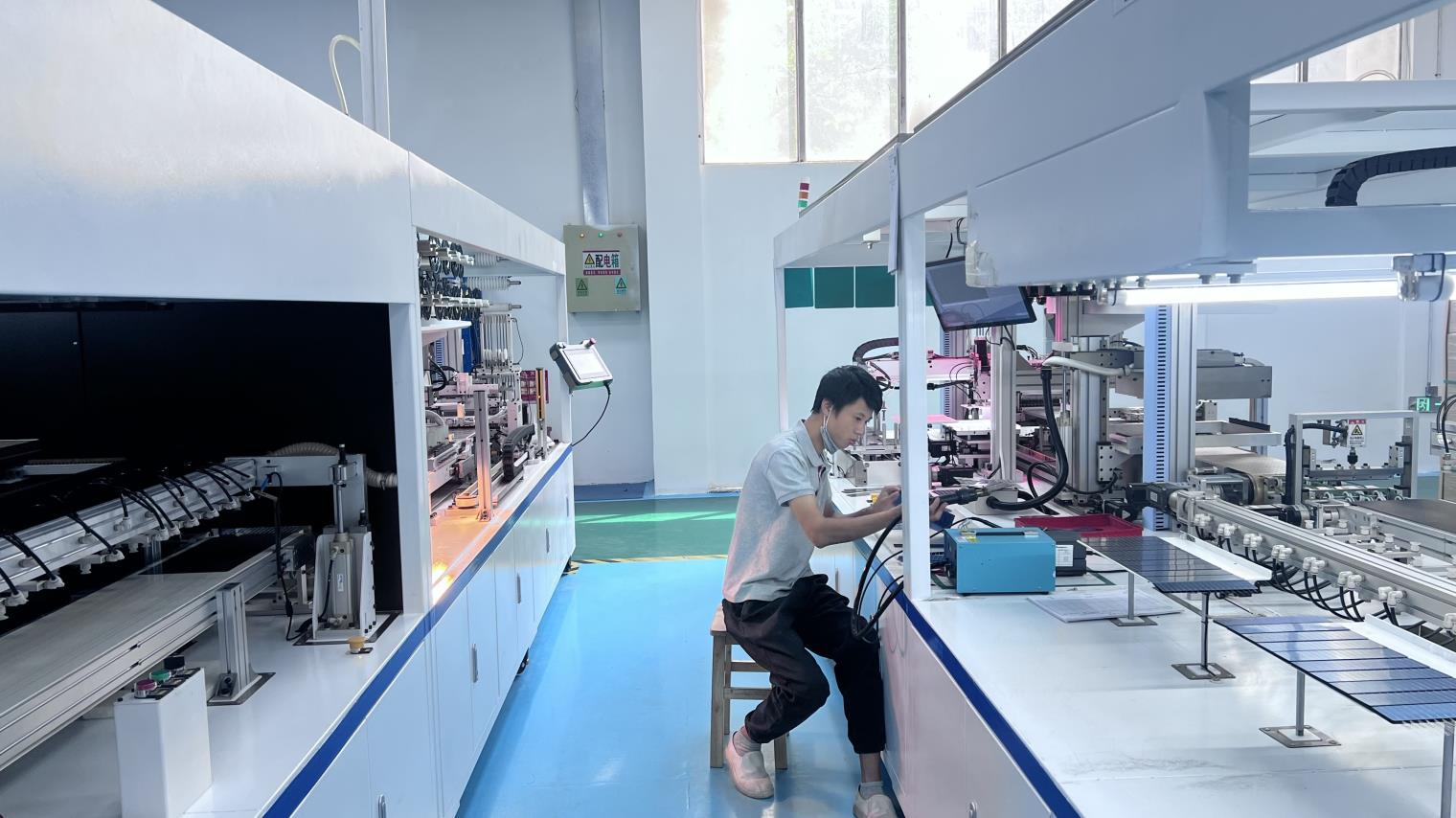
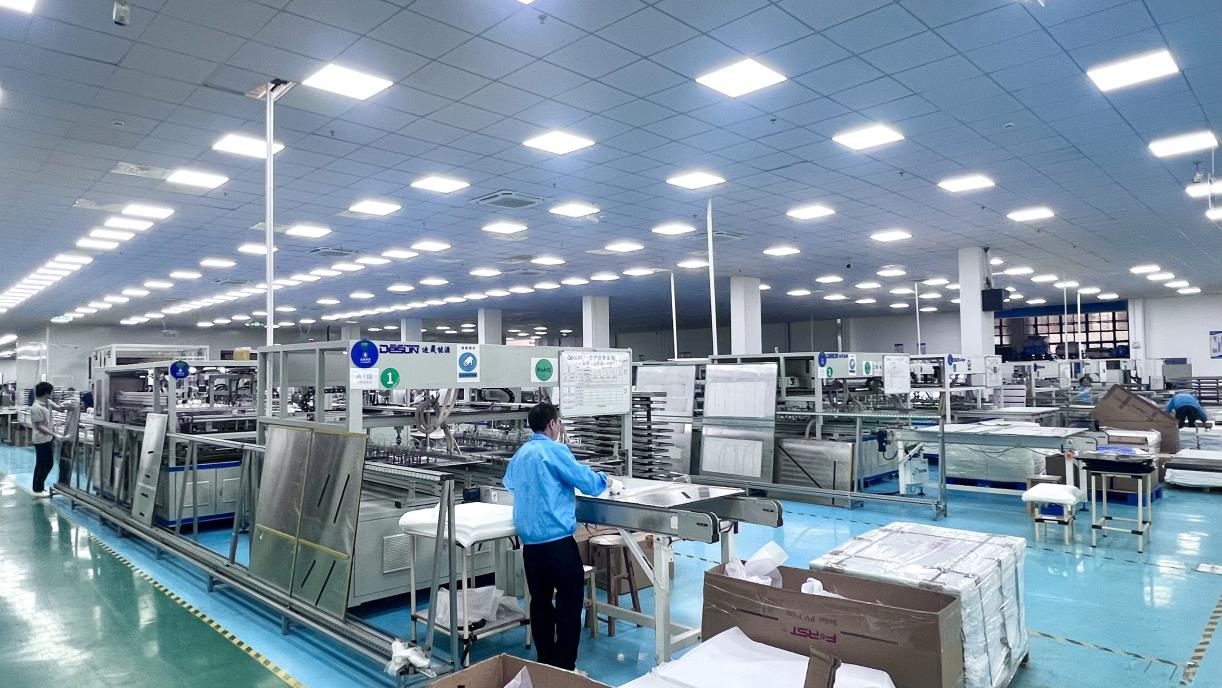
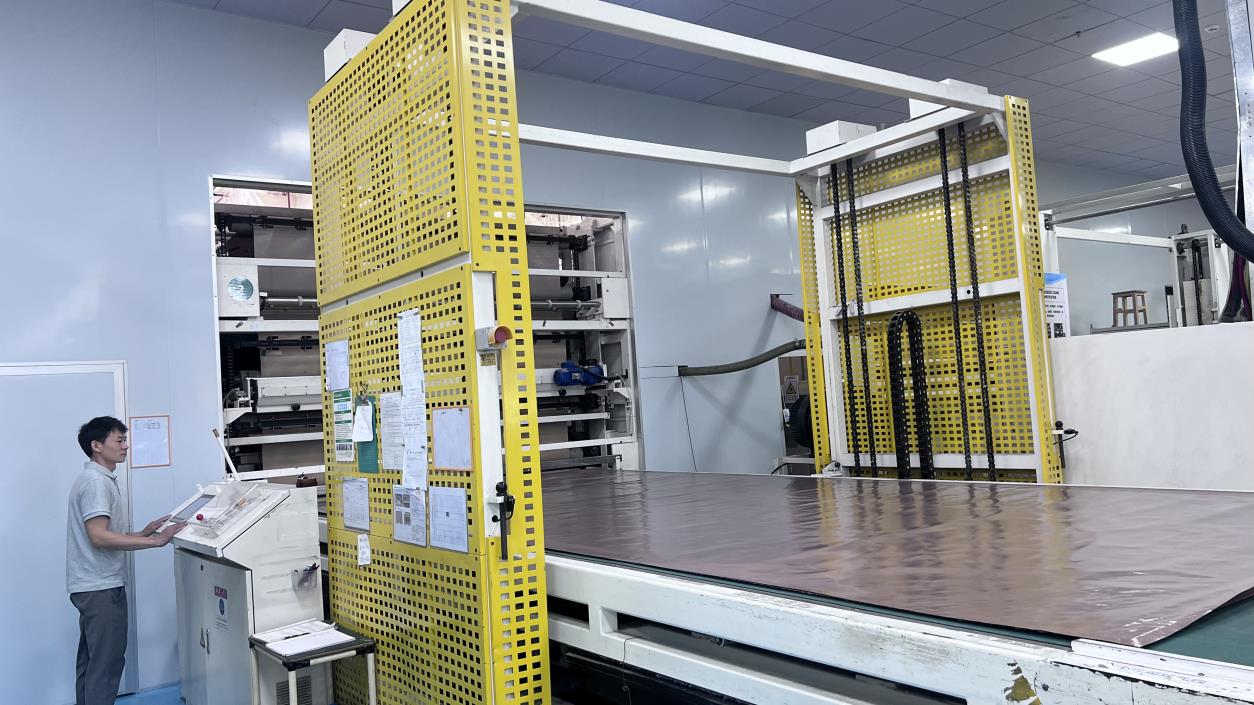
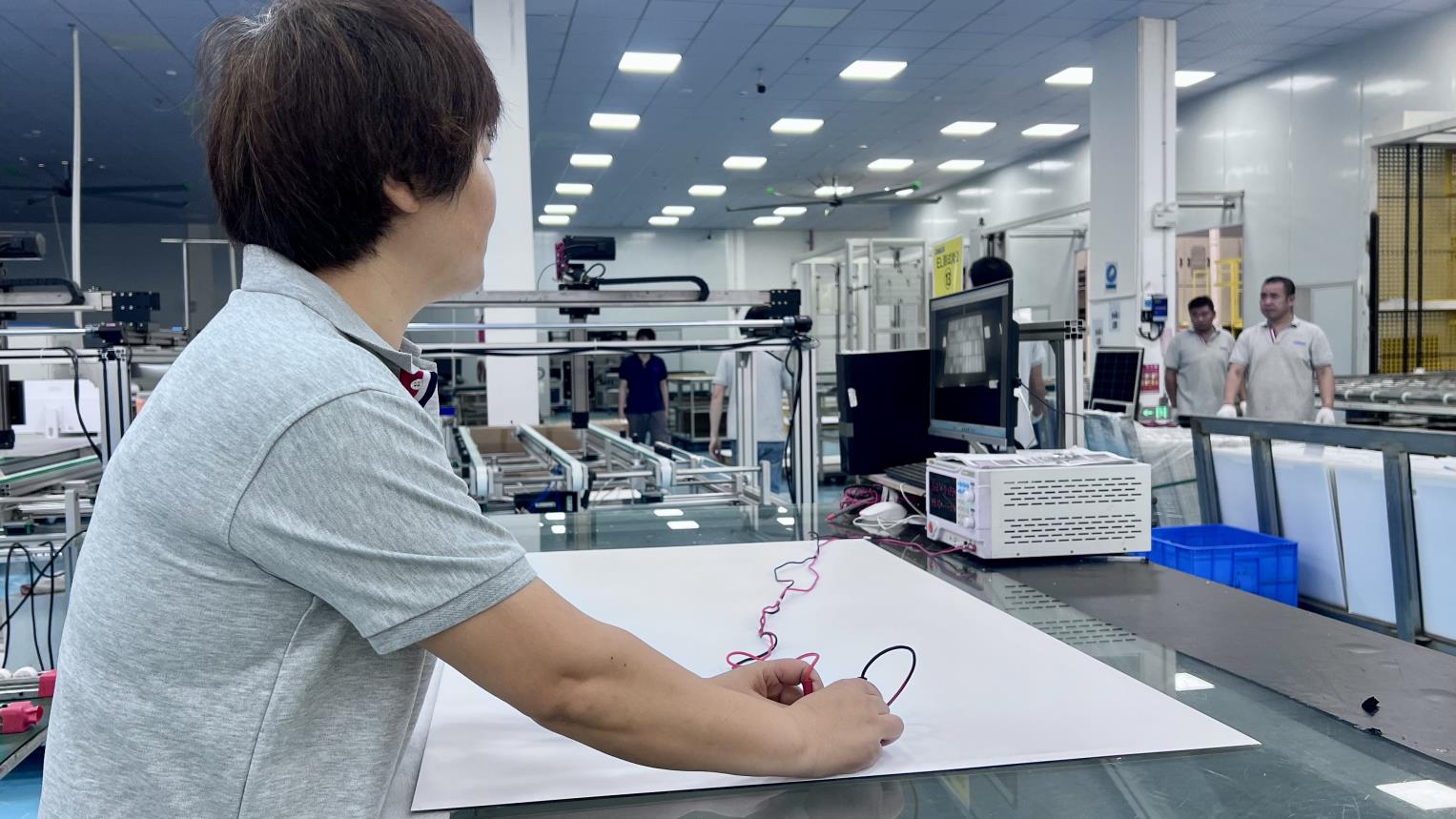
Customized configurations designed to solve specific energy challenges in Northern Vietnam.
Auxiliary power systems offset generator loads, lowering diesel consumption and reducing carbon emissions during long stays at the Lach Huyen port terminal.
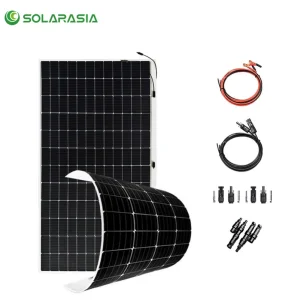
Offshore fish and pearl farms in the Cat Ba archipelago use custom flexible solar grids to power aerators, lighting, and telemetry equipment without noisy, polluting generators.
Ha Long and Lan Ha Bay cruise ships use integrated, low-profile solar arrays to maintain silent, emission-free electric power systems for guests.
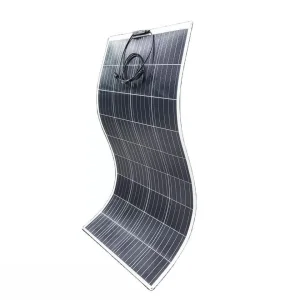
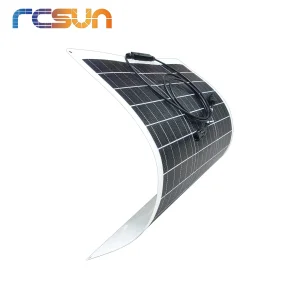
For marine installations, traditional tempered glass modules are often too heavy and rigid, especially on curved yacht decks or small boat cabins. That is why Xiamen ConTech Solar has pioneered advanced ETFE (Ethylene Tetrafluoroethylene) film coatings. Unlike cheap PET laminates, ETFE offers:
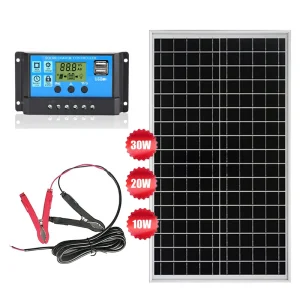
From custom dimensions and voltage configurations to specialized adhesive backings and marine wire harnesses, our engineering team designs systems tailored to your specific technical requirements.
Send Inquiry NowSourcing PV components for marine projects requires strict technical evaluation. Shipyards, EPC contractors, and fleet owners should evaluate manufacturers against the following parameters:
Verify that modules have passed Severity 6 testing, which involves cycling salt spray, high humidity, and drying phases. This ensures the bypass diodes, frame anodization, and backsheets will not corrode in offshore environments.
For deck-mounted arrays, structural wind loading can exceed 120 mph (5400 Pa). Rigid glass modules need heavy-duty anodized marine aluminum frames (minimum 35mm profile) and double-isolated stainless steel hardware to prevent galvanic corrosion. Flexible modules should use marine-grade 3M adhesive backings combined with reinforced stainless steel eyelets.
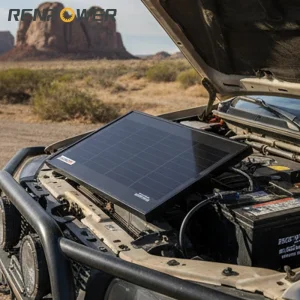
Vessels often experience partial shading from masts, rigging, or exhaust stacks. To maintain system performance under these conditions, specify modules with integrated bypass diodes and pair them with high-frequency MPPT (Maximum Power Point Tracking) charge controllers. This setup maximizes power output even when sections of the array are shaded.
Answers to common design, engineering, and maintenance questions from maritime professionals.
Lifespan is highly dependent on the encapsulation material. Standard PET-based flexible panels typically degrade within 2 to 3 years due to UV exposure and salt water intrusion. However, our marine-grade ETFE-encapsulated panels are designed and tested to withstand marine conditions for 10 to 15 years, retaining over 80% of their rated output power.
Galvanic corrosion occurs when dissimilar metals (like aluminum and steel) make contact in the presence of saltwater. We prevent this by anodizing all aluminum frames to 15 microns and recommending non-conductive rubber isolation gaskets or polymer mounting brackets. For frameless flexible panels, we use high-grade polymer backsheets that avoid metal contact entirely.
Only specialized, reinforced walk-on modules should be subjected to foot traffic. While our ETFE panels are highly durable and slip-resistant, constant walking can create microscopic fractures in the silicon cells, eventually reducing energy output. If a deck area requires frequent foot traffic, we recommend using our walk-on series, which features a reinforced fiberglass backing sheet.
An MPPT (Maximum Power Point Tracking) controller is highly recommended over a standard PWM controller. Shading from sails, rigging, or cabins is common on boats, and an MPPT controller adjusts dynamically to maximize power harvest from shaded arrays. Additionally, select controllers with conformal-coated electronics to prevent humidity-induced circuit corrosion.
Our marine-grade rigid panels are rated to withstand wind loads up to 5400 Pa, which is equivalent to over 130 mph winds. For flexible configurations, adhering the panel directly to the deck eliminates the gap underneath, preventing wind lift and securing the panel against strong waves.
Explore our full range of marine PV equipment, customizable for local vessel integration in Hai Phong.
 ConTech Solar