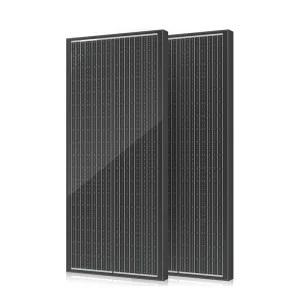
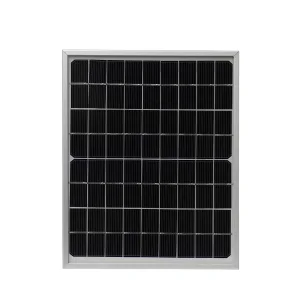
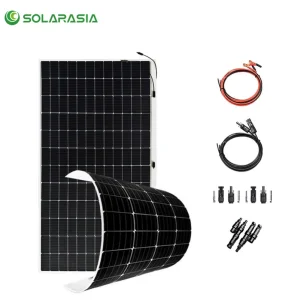
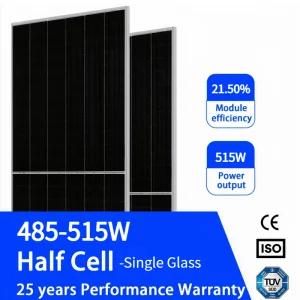
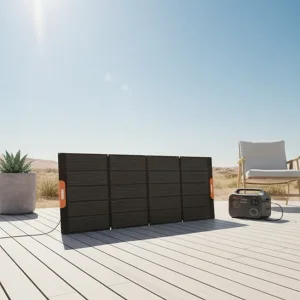
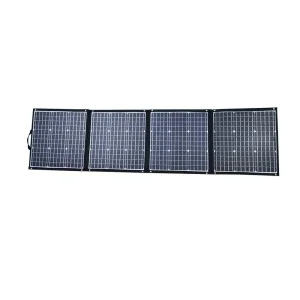
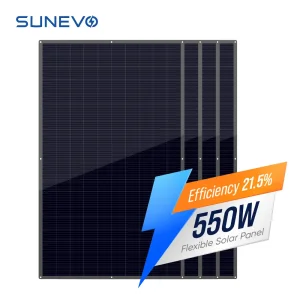
Optimized for premium Romanian maritime environments, recreational yachting networks, and harsh offshore applications. These models represent our primary engineering standards for rapid deployment in Constanța, Mangalia, and the Danube Delta.
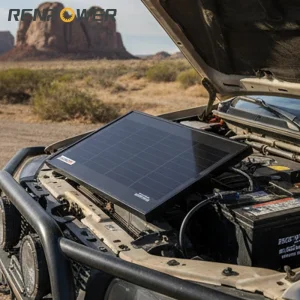
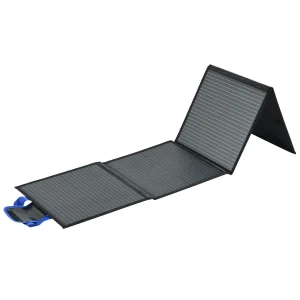
Romania’s geographic configuration—combining the extensive maritime gateways of the Black Sea with the delicate ecological corridors of the Danube Delta—demands a paradigm shift in off-grid energy systems. As Romania aligns with the EU Green Deal and national decarbonization mandates, conventional diesel auxiliary generation on vessels and marine structures is undergoing heavy phaseouts. From municipal harbor operations in Constanța to specialized environmental research flotillas, the demand for highly resilient, salt-water immune photovoltaic hardware has surged dramatically.
Commercial fishing networks and offshore petroleum telemetry devices in Romania operate under severe salt-mist exposure and wind-shear cycles. Our advanced marine solar panels implement double-encapsulated ETFE profiles that are structurally rated to withstand chemical degradation and perpetual swell oscillations without microcracking.
The Danube Delta Biosphere Reserve enforces strict zero-emission and noise-pollution zones. Recreational tour operators, research houseboats, and conservation vessels must rely on continuous solar energy capture. High-efficiency monocrystalline systems allow zero-impact exploration through self-sustaining solar drivetrains.
Romania experiences distinct season variations, from hot, intense UV summers along the Dobrogea littoral to heavy winter snow loads and freezing winds. Our standard glass and flexible portfolios utilize premium PID-free N-Type solar cells engineered with low temperature-coefficients to deliver optimal output despite severe seasonal fluctuations.
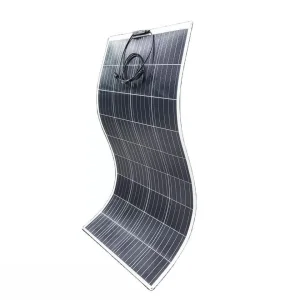
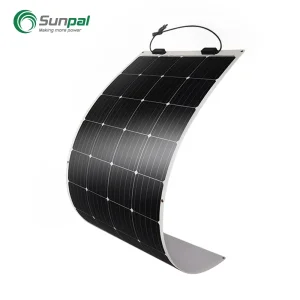
Engineered specifically for structural curves, deck integrations, and variable off-grid voltage management. These solutions utilize aerospace-grade polymer formulations to guarantee operational integrity under mechanical deflection.
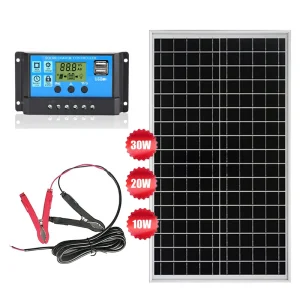
Xiamen ConTech Solar Co., Ltd. is a leading high-tech enterprise specializing in the research, development, production, and global export of advanced marine-grade photovoltaic hardware. Rooted in years of technological expertise, ConTech maintains deep commitments to global maritime markets. Our products undergo relentless environmental simulation testing to survive the combined degradative forces of seawater, high ozone concentrations, and ultraviolet stress.
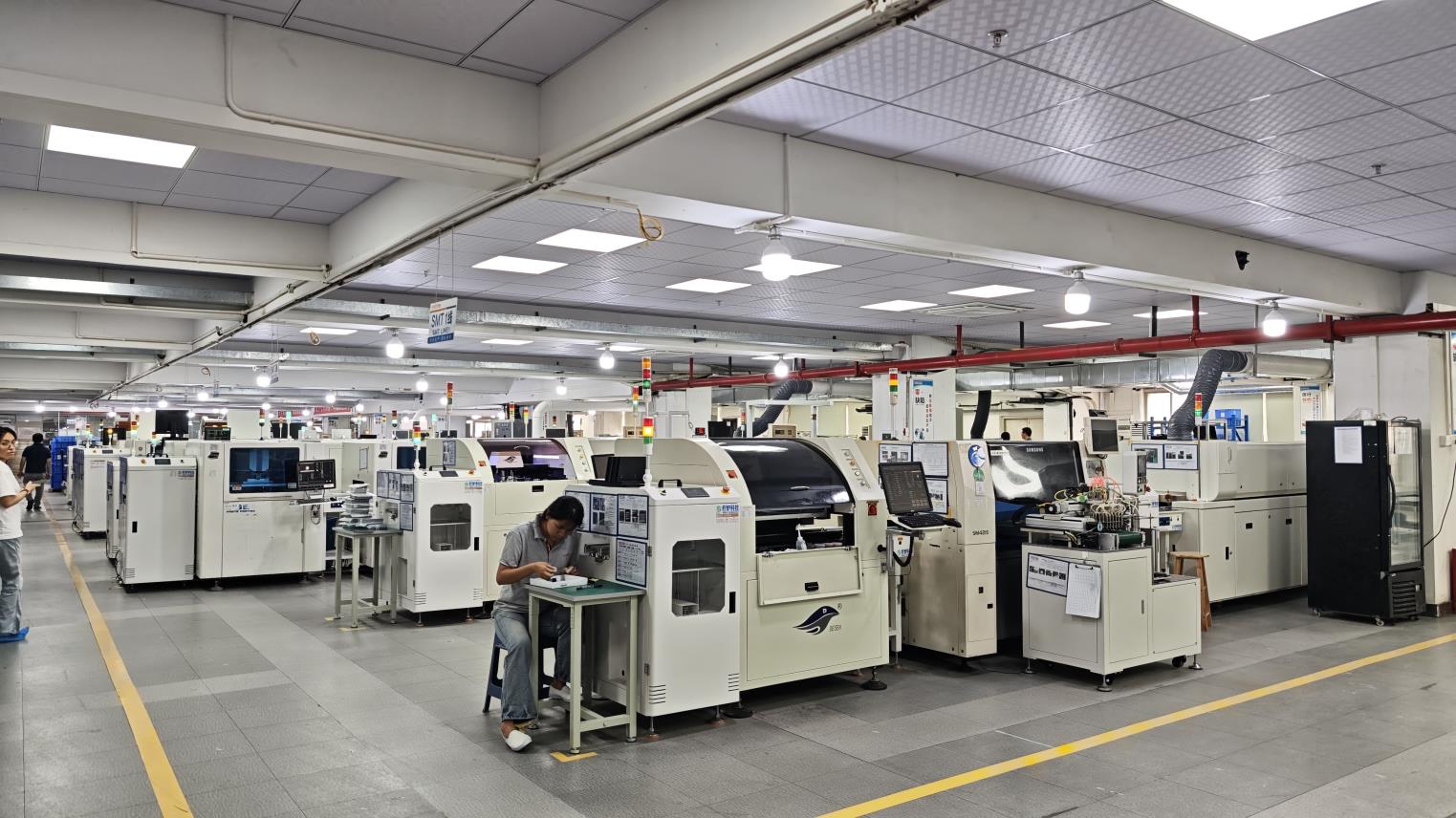
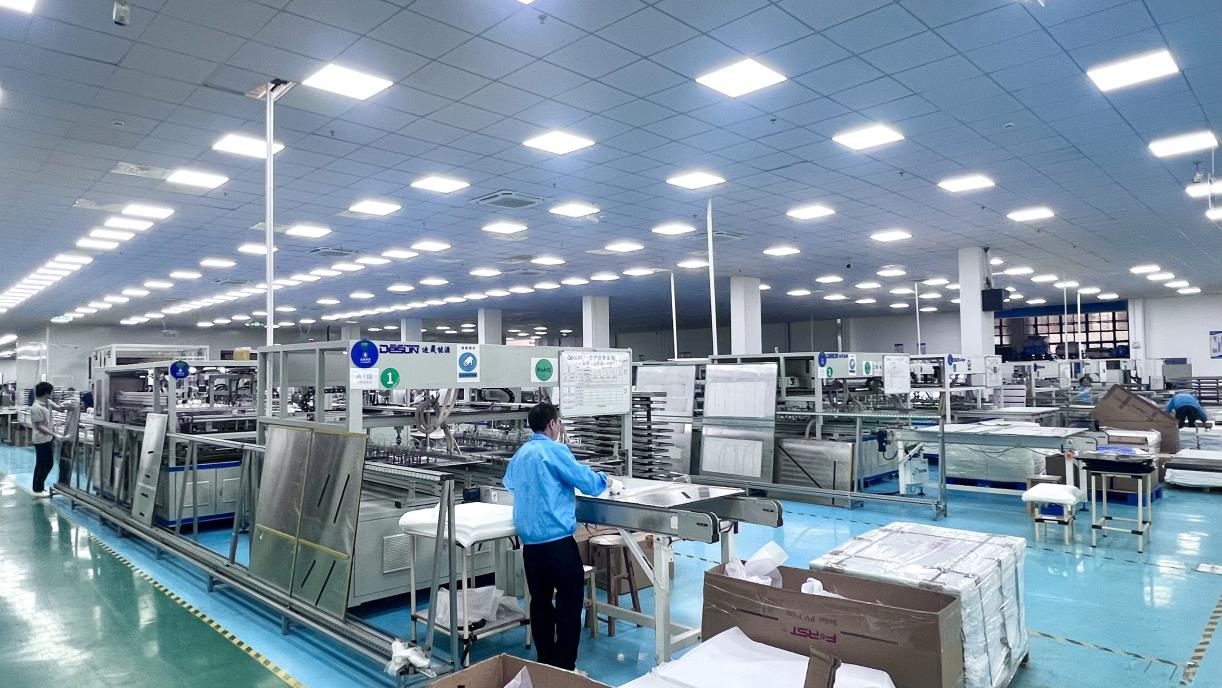
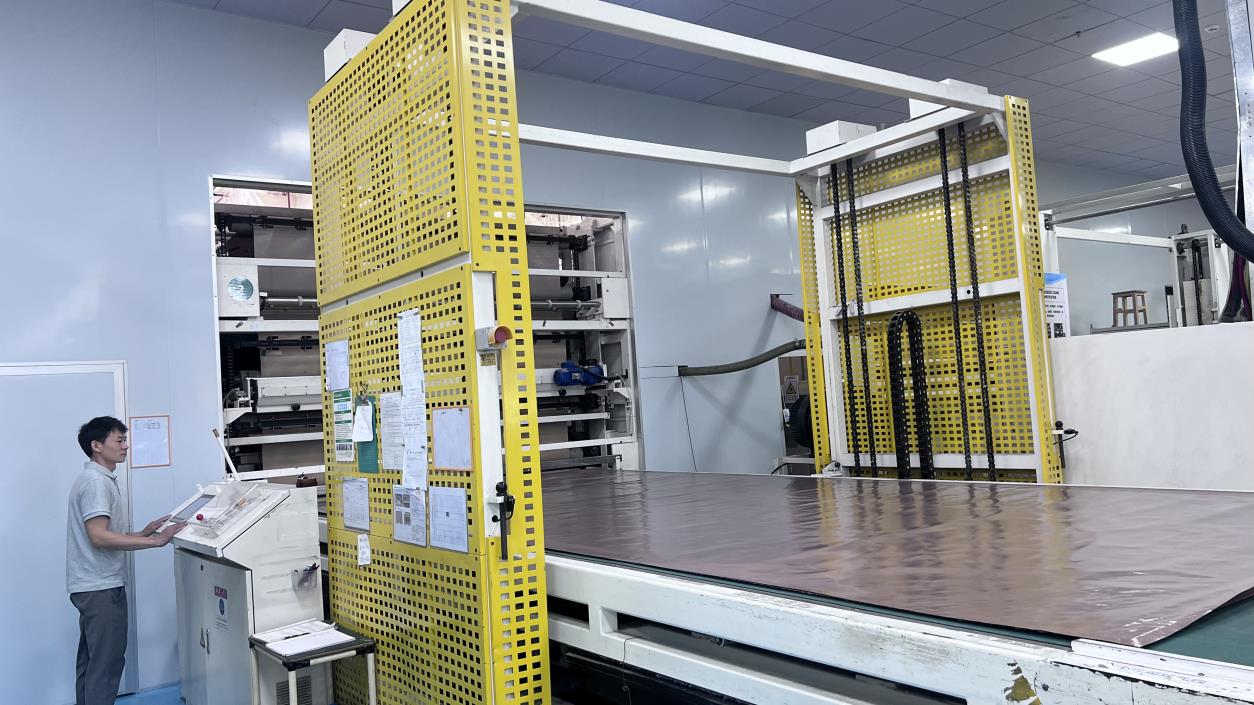
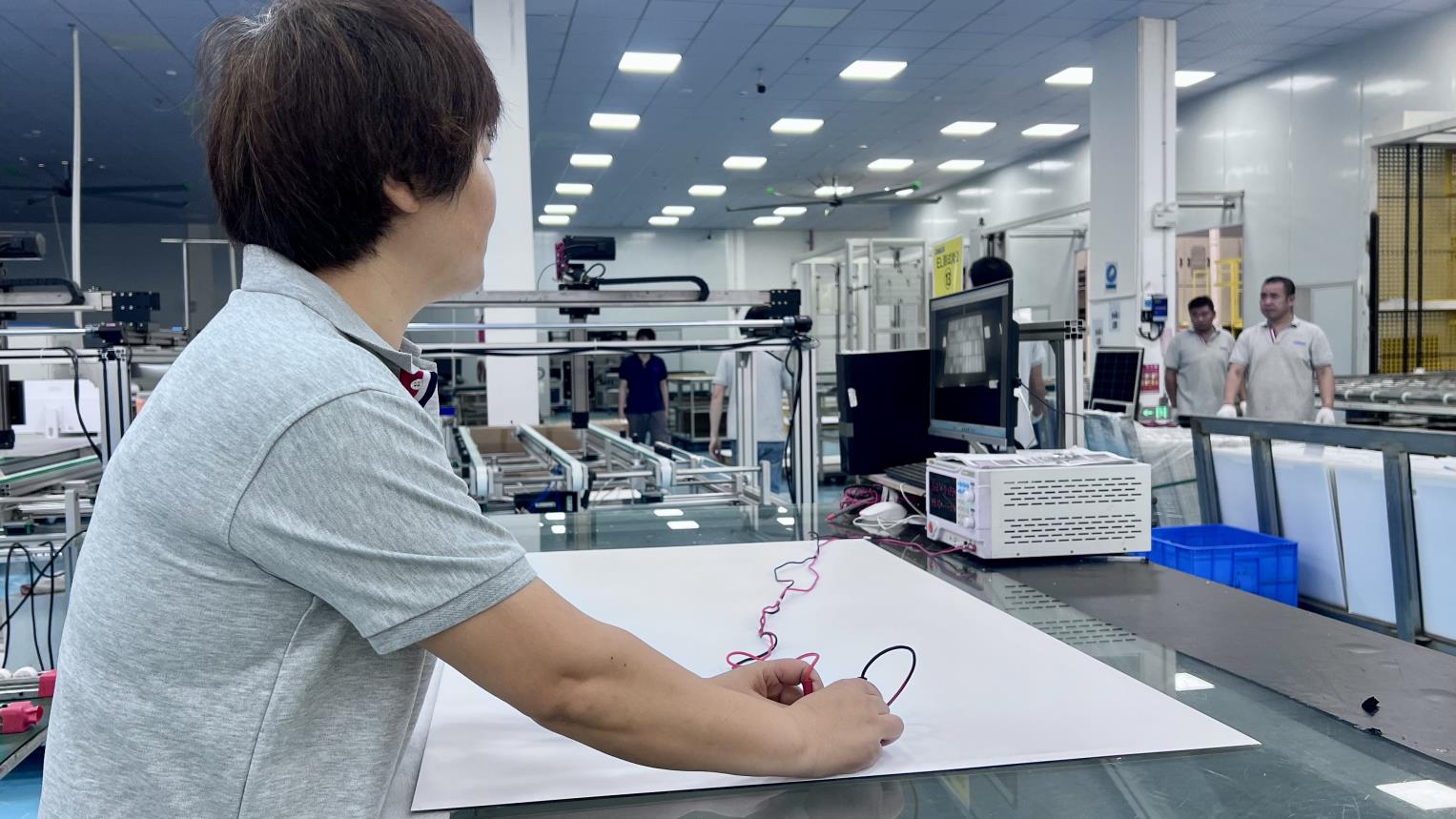
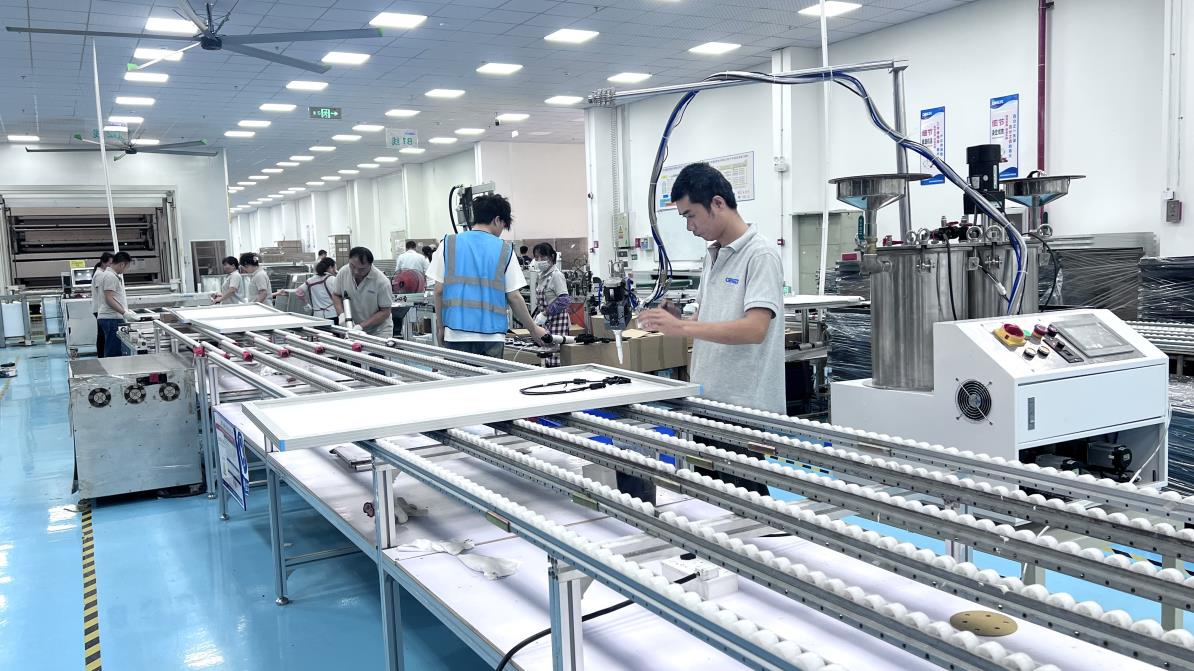
By leveraging intelligent automation at our production facility, we maintain absolute stability in cell efficiency and connection integrity. Every marine solar panel in our catalog features N-type monocrystalline configurations, enhanced multi-busbar designs, and specialized polymer edge-sealing to prevent moisture ingress. This guarantees a highly reliable performance threshold for Romanian shipbuilders, local energy contractors, and offshore industrial operators alike.
ConTech operates dynamic manufacturing lines capable of rapid mass-customization. From custom-dimensioned flexible profiles for high-performance sailing hulls to structurally reinforced glass layouts for Black Sea commercial shipping vessels, our plant leverages extreme supply chain resilience to optimize cost-efficiency without compromising international quality baselines. Our close collaborations with international logistics networks ensure seamless import operations directly to Constanța and other major EU ports.
Every module imported to Romania undergoes 19 critical manufacturing steps inside our state-of-the-art facility, ensuring 100% compliance with strict international ISO standards and CE requirements.
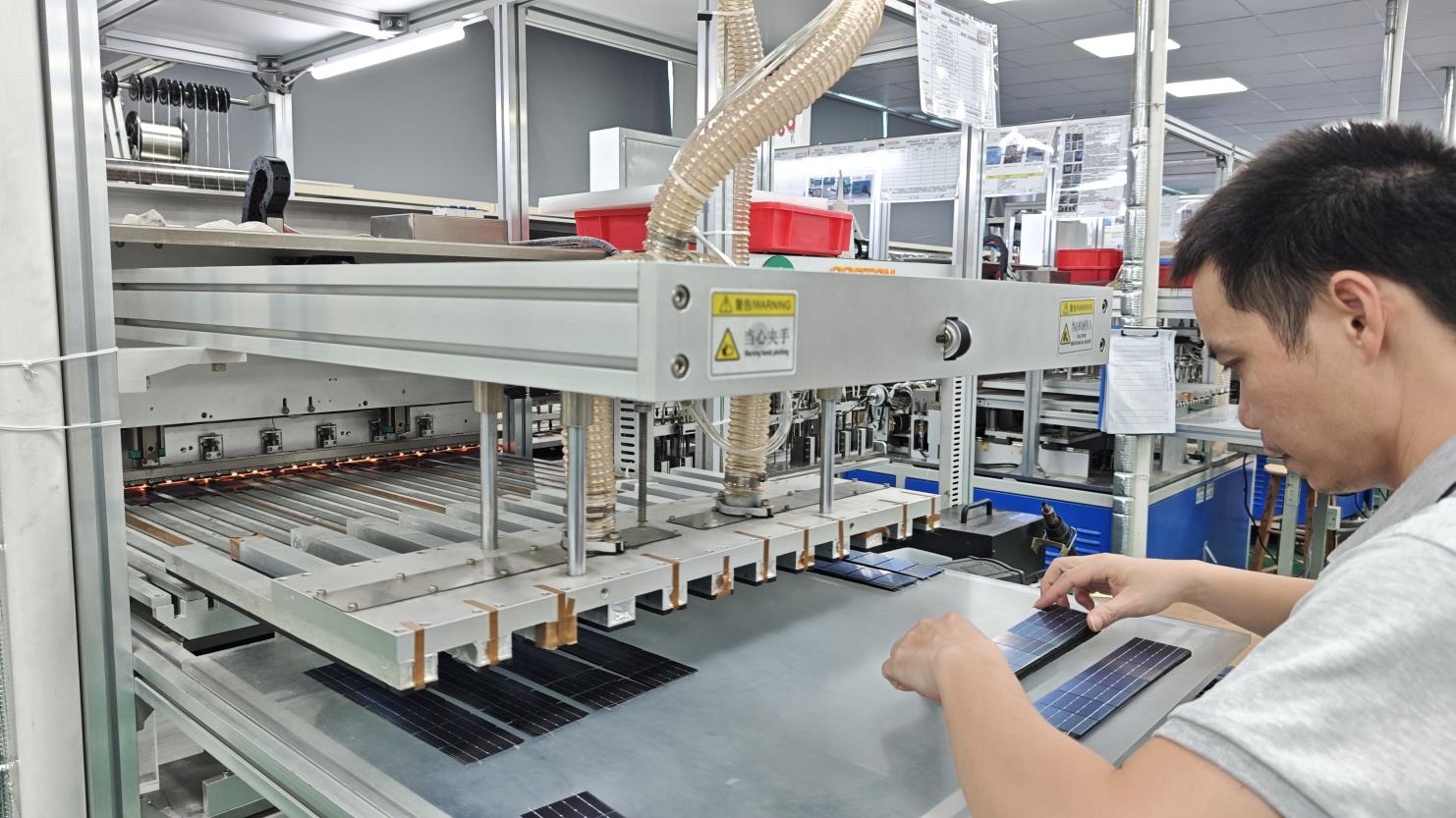
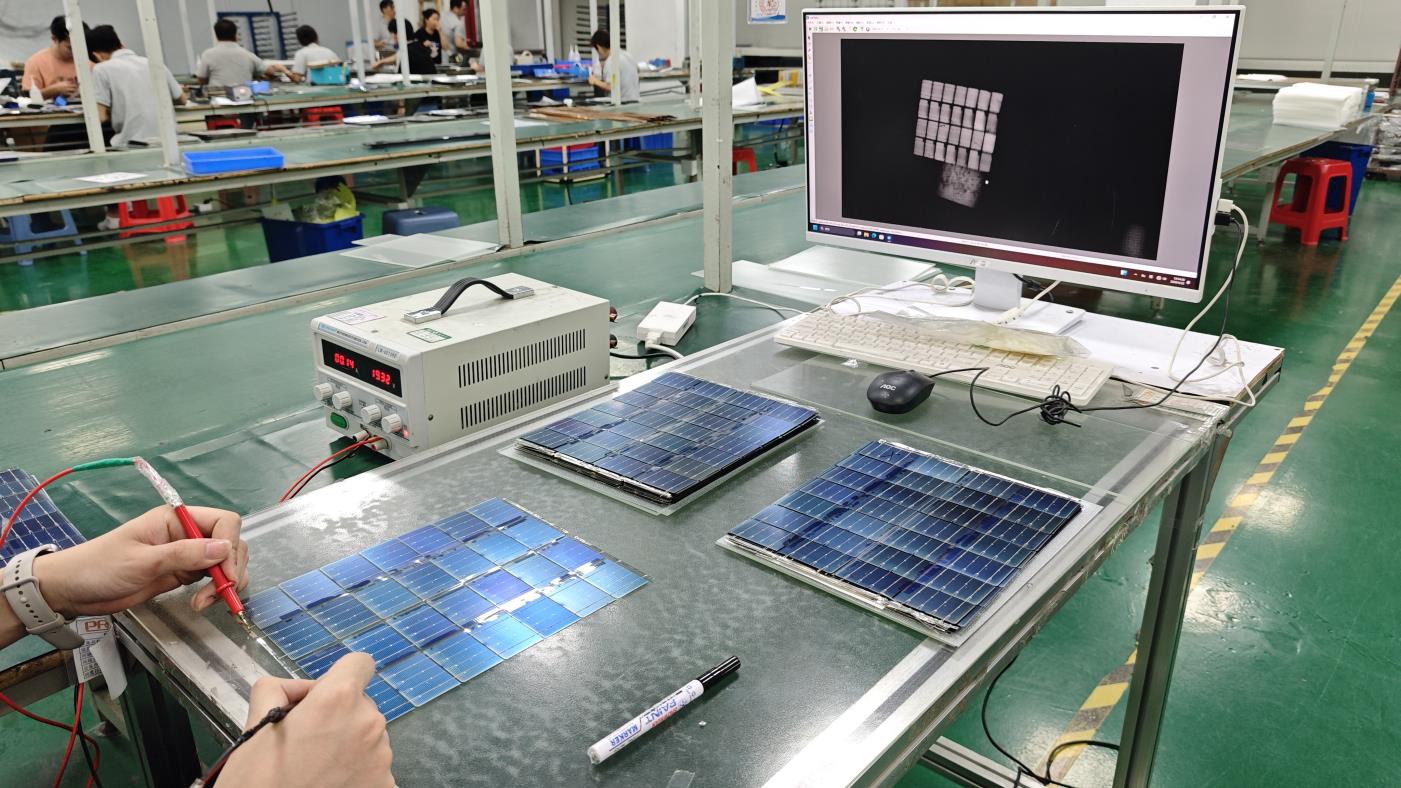
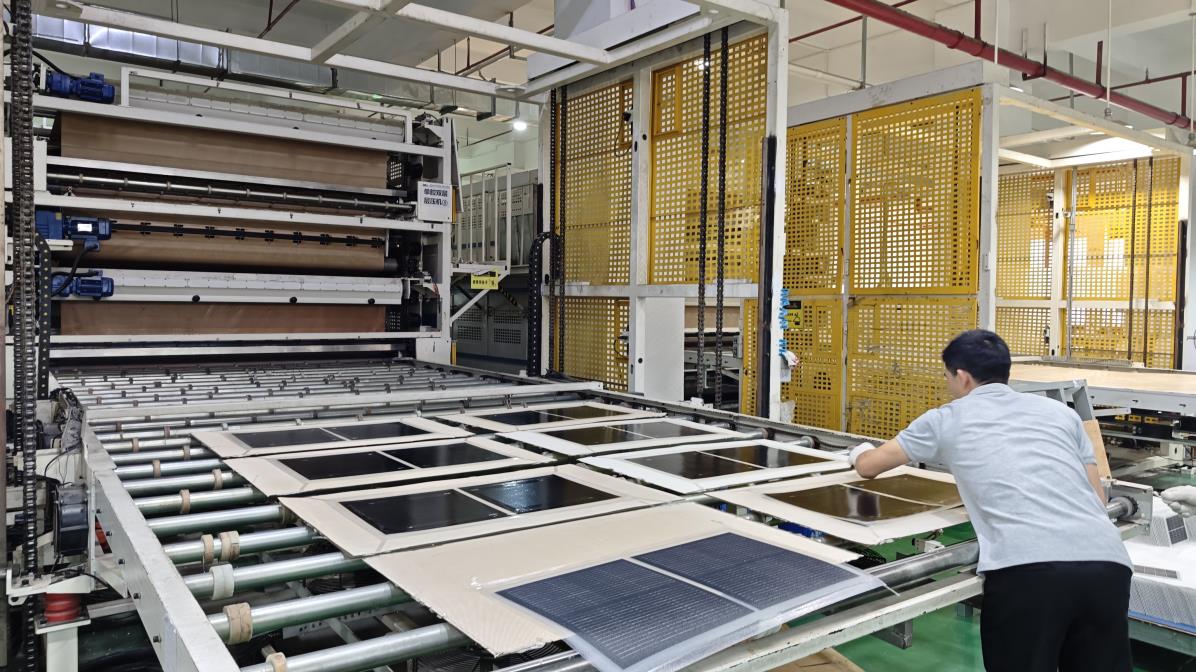
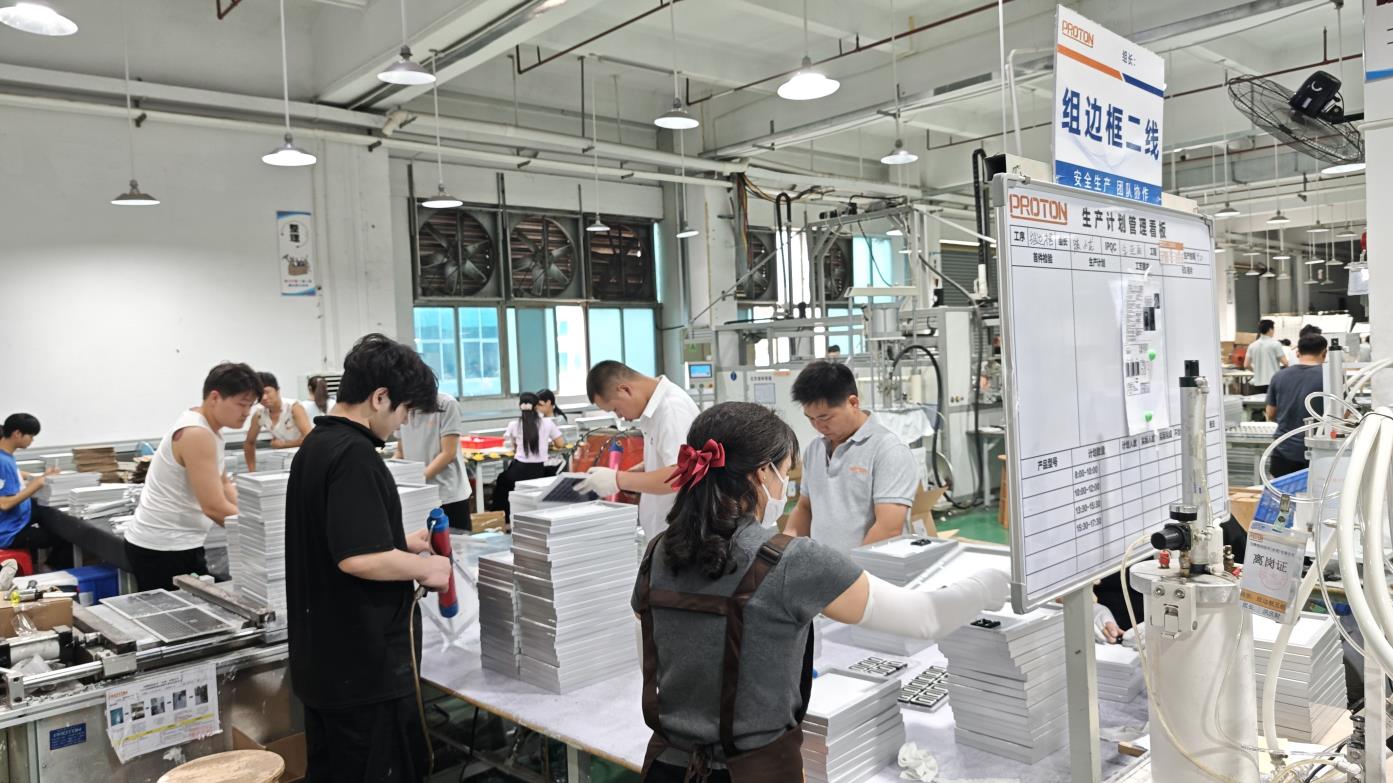
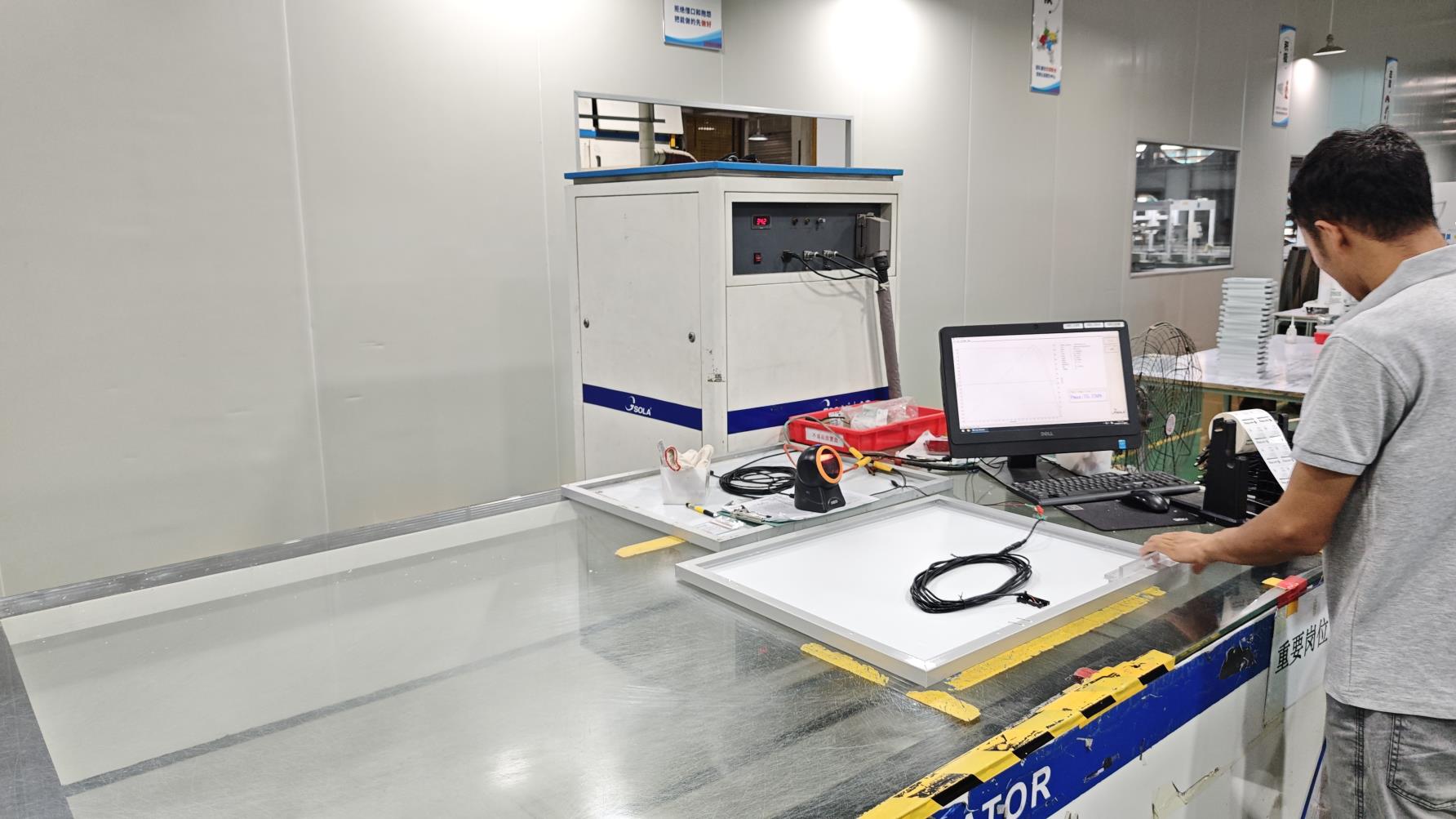
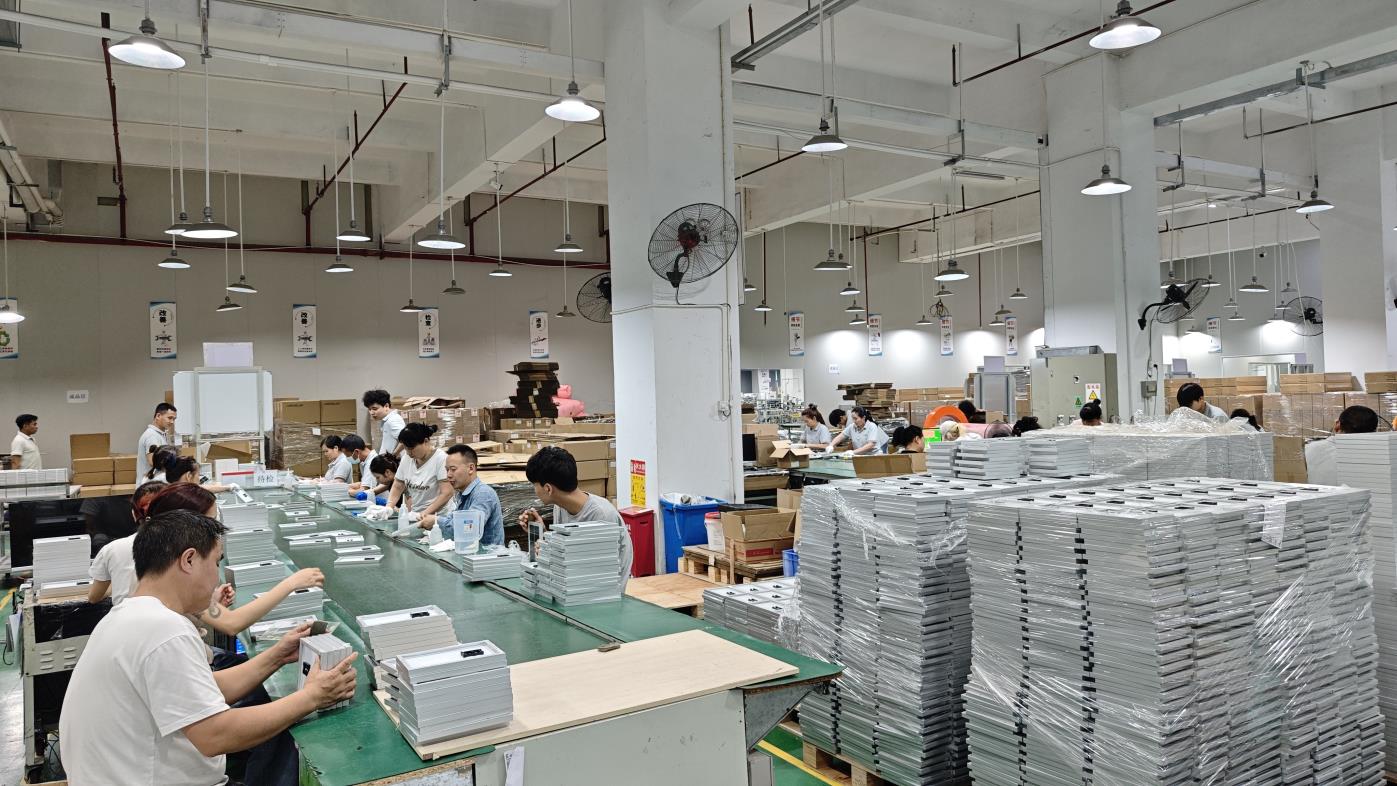
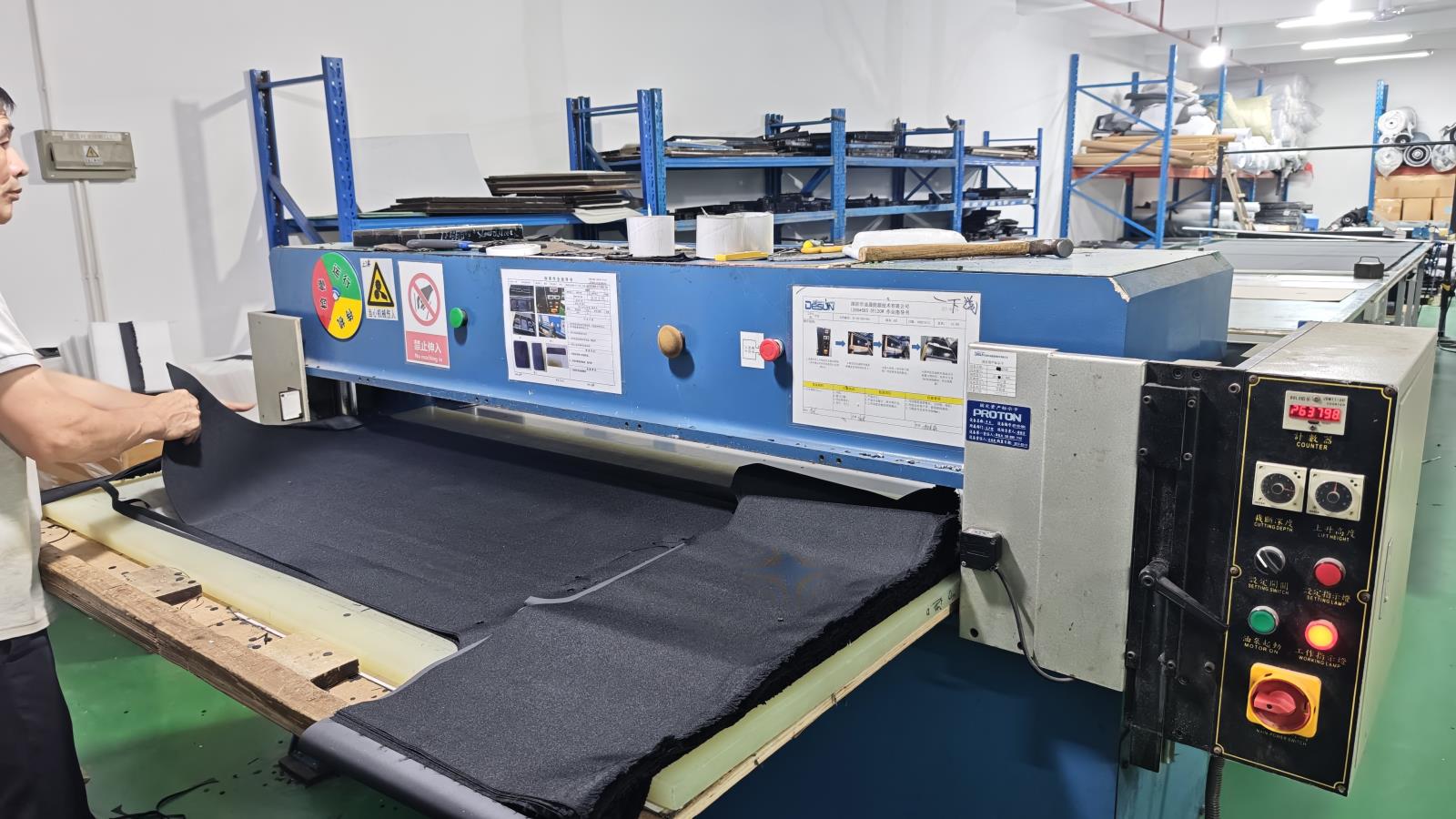
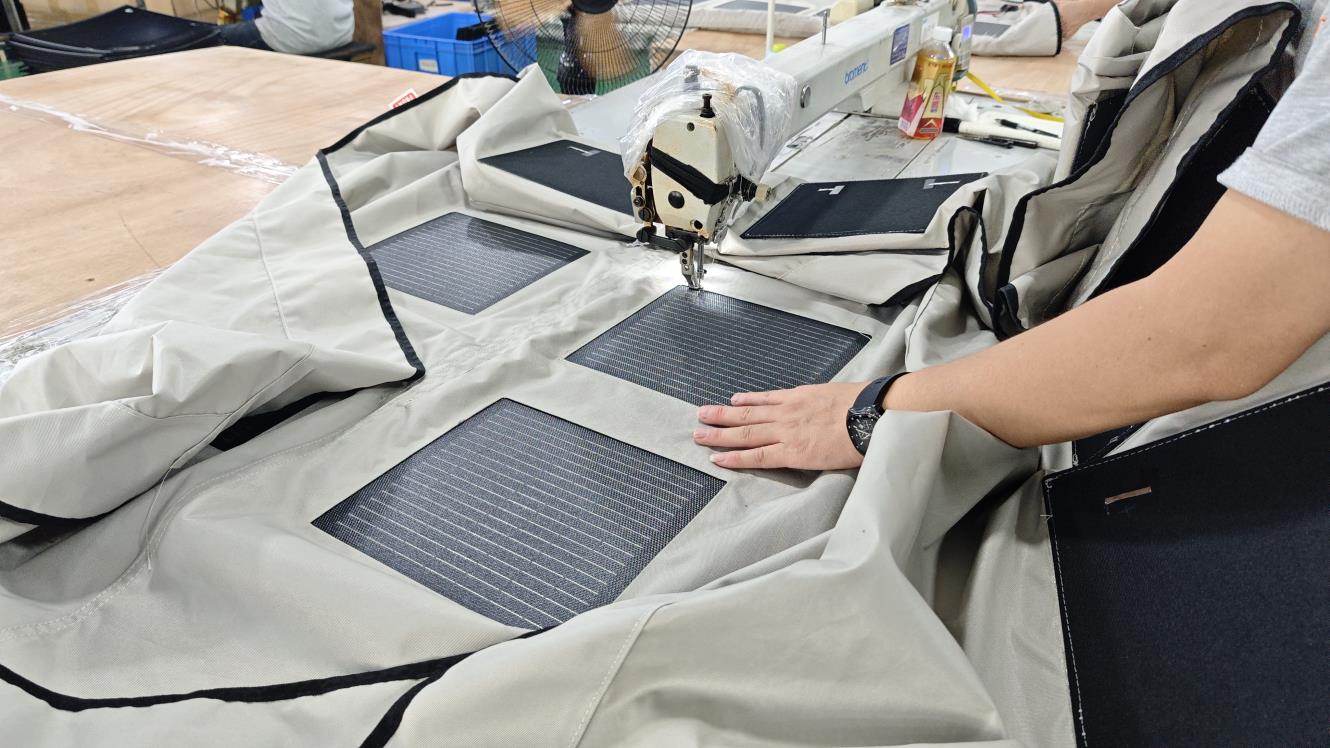
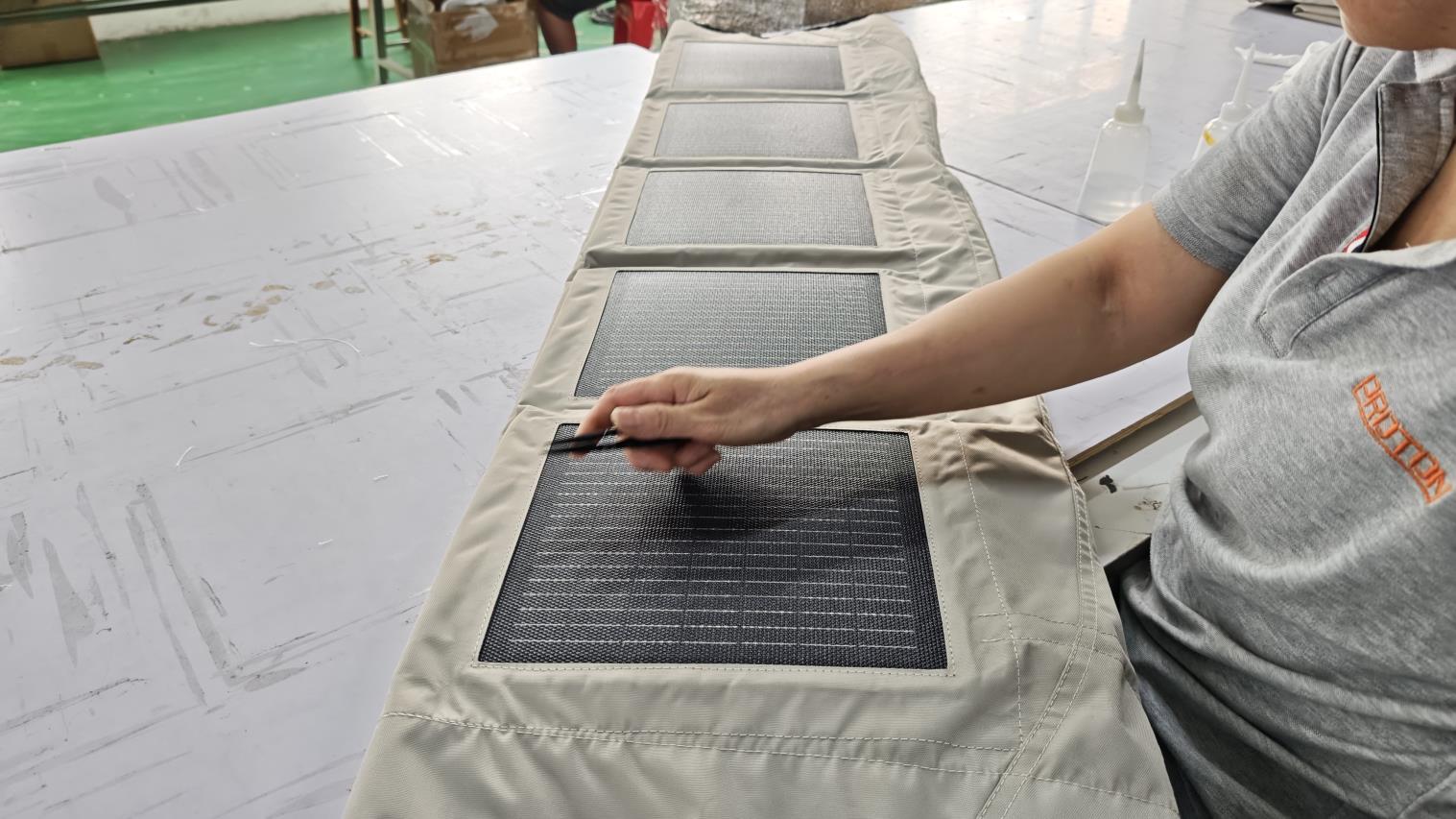
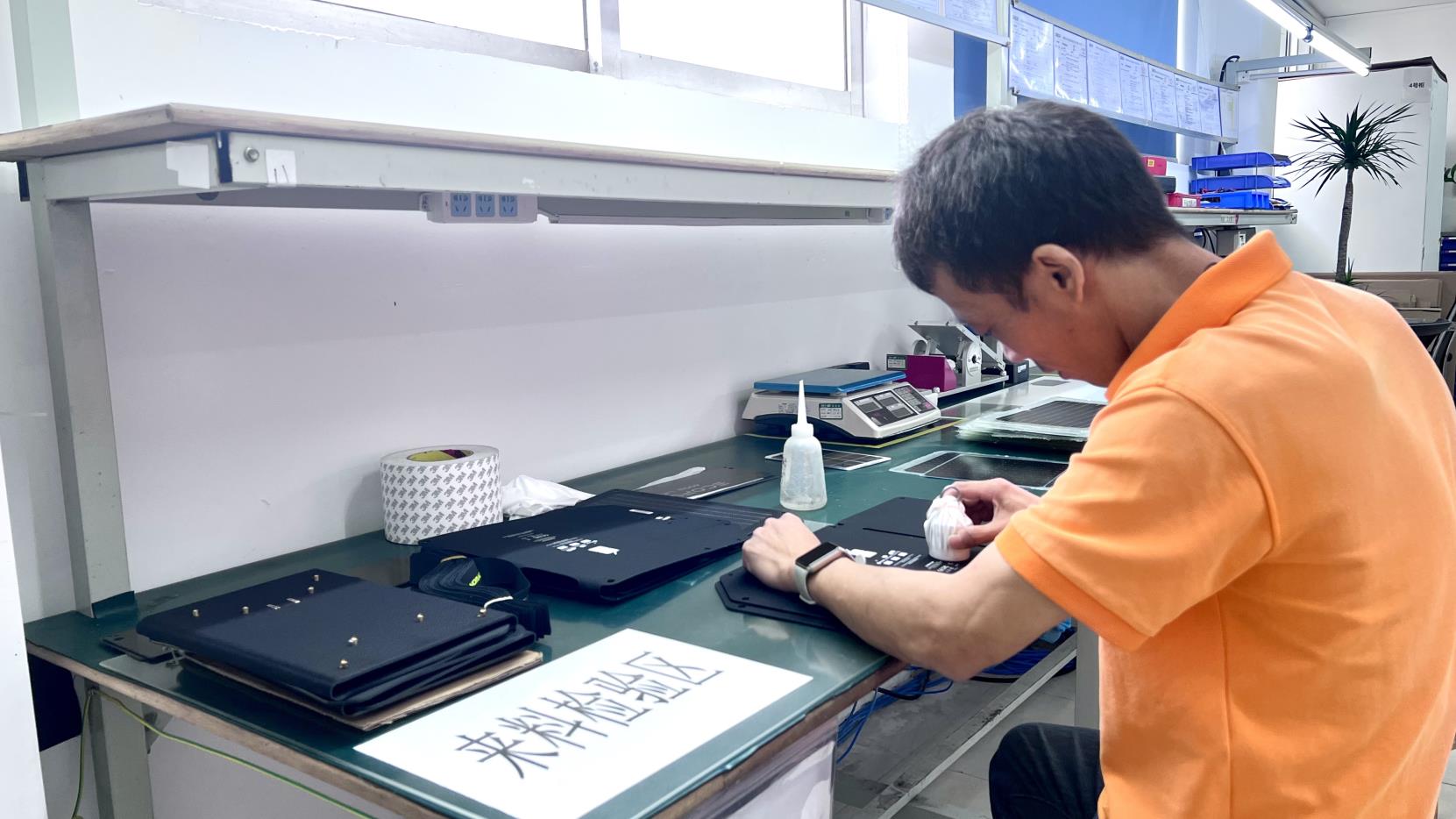
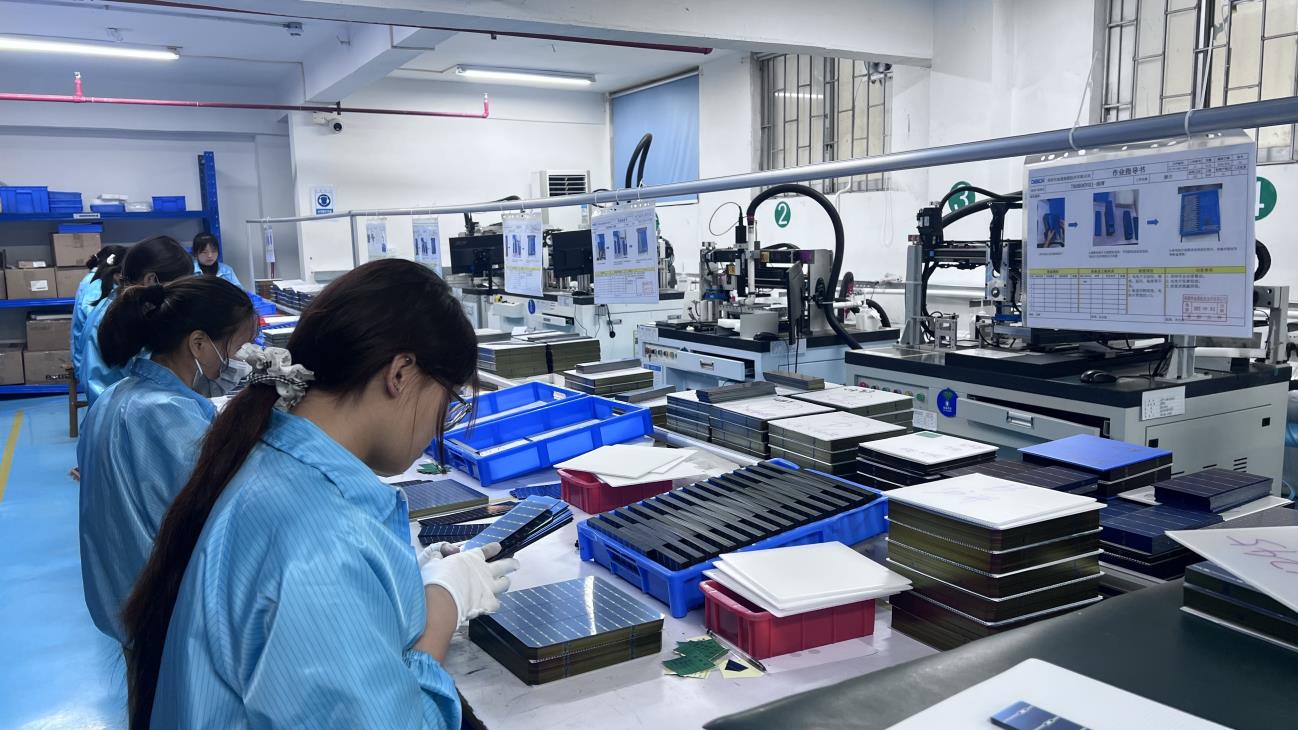
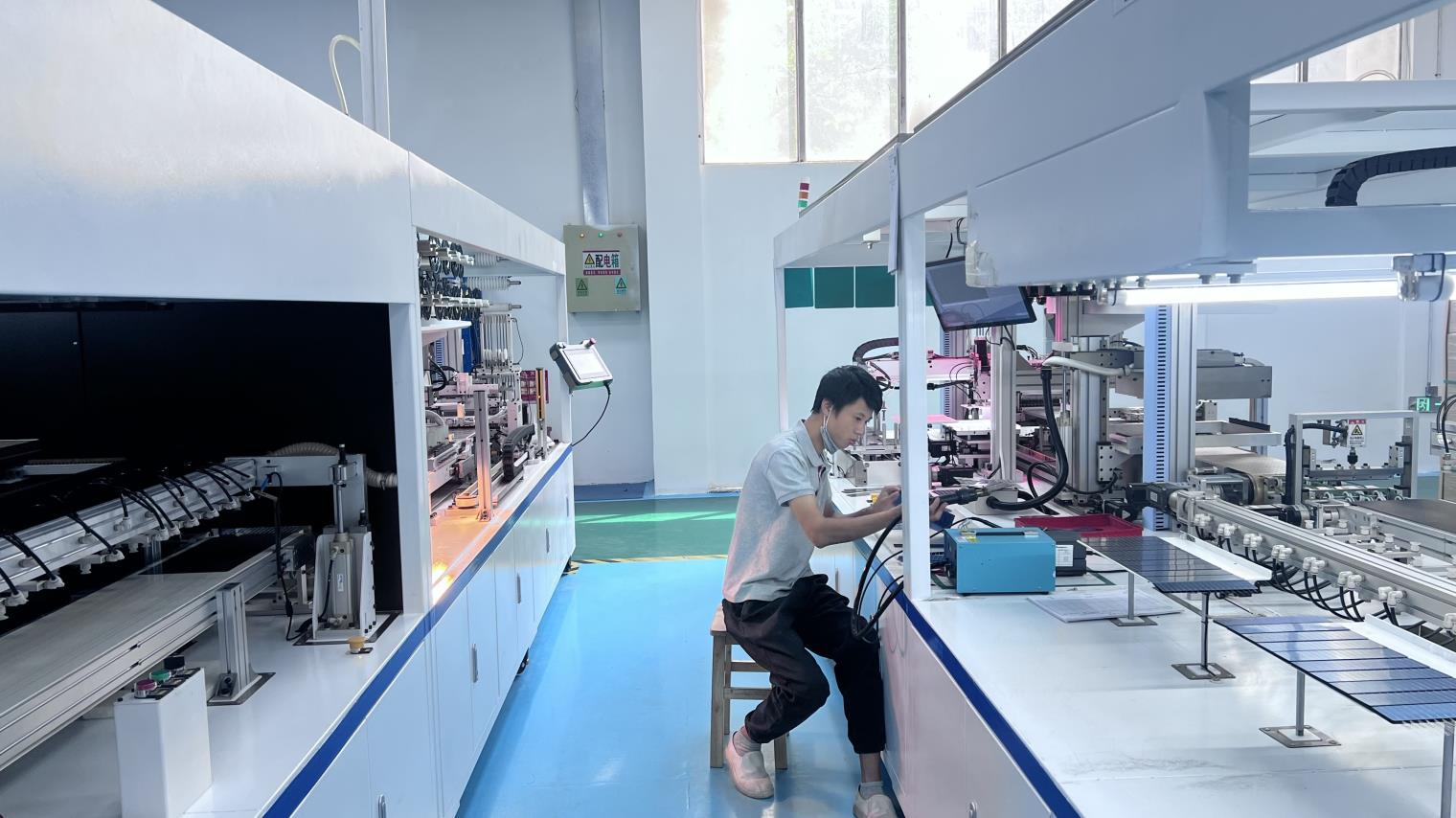
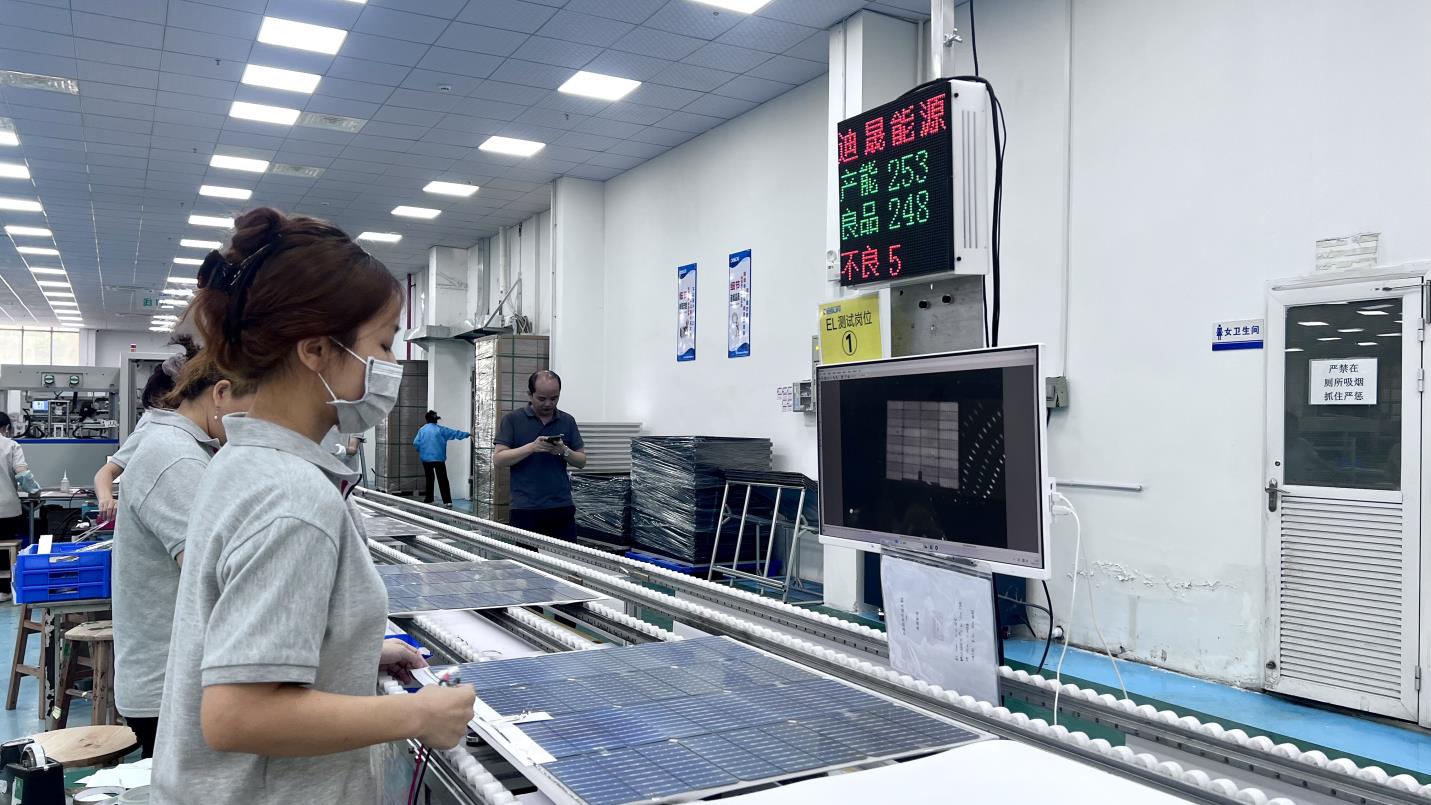
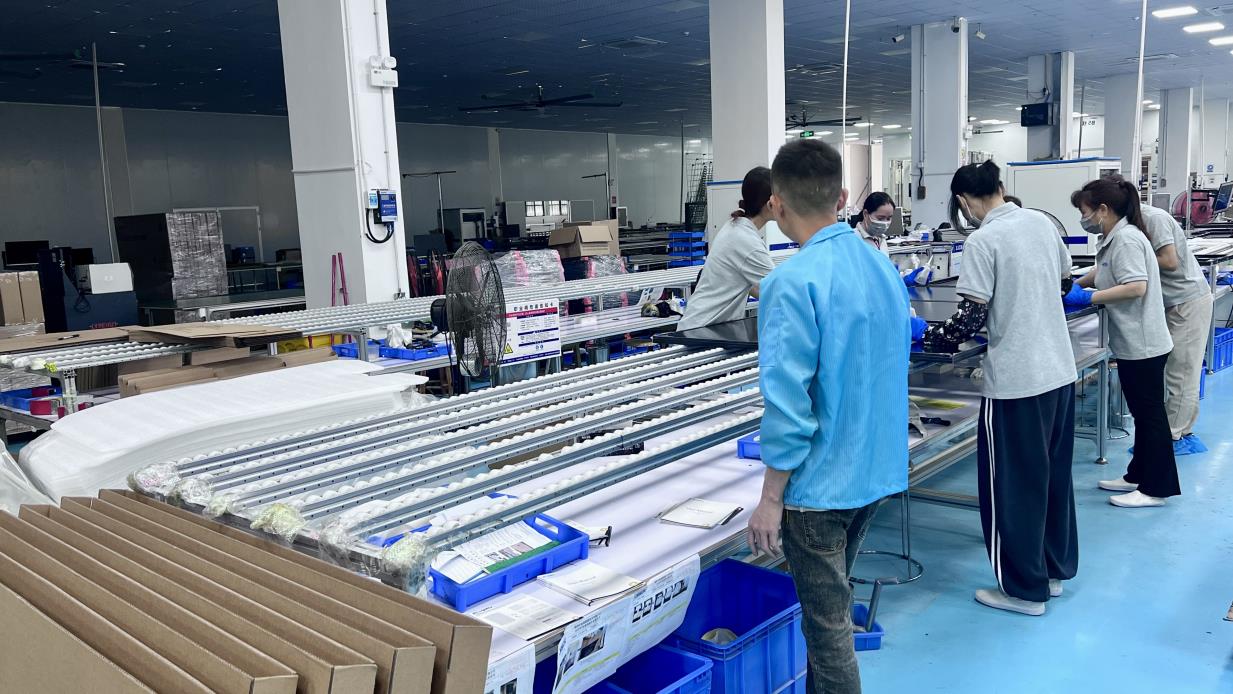
Operating a photovoltaic cell arrays on water presents distinct hydrodynamic and environmental challenges. To ensure long-term energy yields and mitigate electrical degradation, systems must conform to severe engineering standards.
Typical solar panels degrade rapidly in maritime conditions due to salt-spray oxidation of the busbars and delamination of the encapsulating layers. ConTech’s panels utilize high-transmittance ETFE (Ethylene Tetrafluoroethylene) coatings which boast superb UV immunity, exceptional thermal range, and high self-cleaning capacities. Standard polyester (PET) alternatives cloud and crack within 24 months of marine exposure, but ETFE remains structurally transparent for decades.
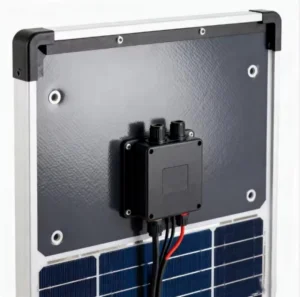
Additionally, all internal connections are lead-free and coated with high-resistance anti-corrosive fluxes, meeting IEC 61701 salt mist corrosion standards. Junction boxes are potted with deep silicon elastomers to assure IP67/IP68 rating compliance.
Mechanical vibration represents a silent killer of solar efficiency. On yacht hulls or offshore telemetry platforms, wave-induced flexing triggers internal microcracks in traditional silicon structures. To combat this, our flexible product lines utilize advanced shingle-cell structures and specialized backing sheets.
By overlapping cells with conductive adhesive rather than hard metal ribbon links, we allow the module to flex naturally with the boat's shape. This reduces local mechanical stress concentrations, prevents localized hotspots, and ensures maximum energy flow through complex dynamic bends.
Deep scientific answers addressing the specific mechanical, chemical, and design concerns faced by Romanian fleet administrators, shipbuilders, and marine engineers.
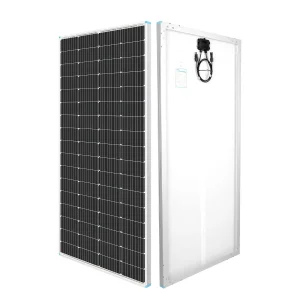
Browse our full catalog of certified marine solar components. Each design has been thoroughly analyzed for robust service on the Romanian coastline, providing continuous power under harsh marine conditions.
Whether you are designing a high-end luxury yacht fleet in Limanu, managing port telemetry networks, or engineering commercial fishing vessels for the Black Sea, our engineering team is ready to design a robust, low-maintenance solar solution tailored to your requirements.
 ConTech Solar