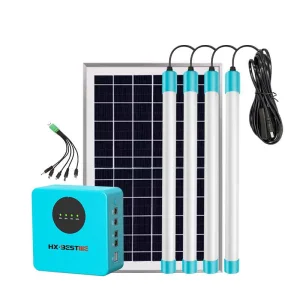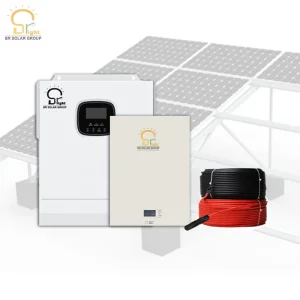
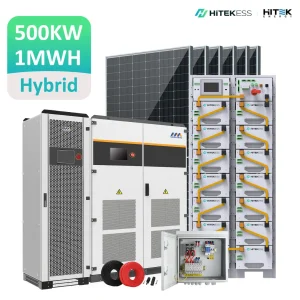
As a Small Island Developing State (SIDS) located in the Indian Ocean, the Republic of Seychelles faces unique and profound energy challenges. Historically, the nation has relied almost exclusively on imported fossil fuels, specifically heavy fuel oil (HFO) and automotive diesel oil (ADO), to generate electricity. This reliance subjects the local economy to global oil market volatility, high operational generation costs, and significant greenhouse gas footprints. In response, the Seychelles government, through its National Energy Policy, has set aggressive targets to achieve 15% renewable energy integration by 2030, scaling to a decarbonized electricity sector in the following decades.
Transitioning to utility-scale and distributed on-grid solar photovoltaic (PV) systems is the primary mechanism to achieve these goals. However, integrating intermittent solar capacity into isolated island microgrids managed by the Public Utilities Corporation (PUC) demands highly specialized technology. Normal off-the-shelf on-grid systems can introduce voltage instability, frequency fluctuations, and harmonic issues if not managed properly. As a premium manufacturer, our manufacturing platforms configure systems with grid-forming inverters, power factor controllers, and real-time SCADA interfaces to stabilize localized grids on Mahé, Praslin, and La Digue.
The maritime tropical environment of the Seychelles features high relative humidity, elevated levels of ambient salt spray, and intense UV exposure. Standard mounting brackets and structural supports fail rapidly under these conditions, leading to galvanic corrosion and structural failure of solar arrays. Our factories address this with specialized metallurgy and coating procedures:
To connect to the PUC distribution grid, on-grid inverters must meet rigorous power quality criteria to safeguard utility assets. Our technical architecture is designed to support the local grid structure through active power management features, including dynamic reactive power regulation, low-voltage ride-through (LVRT) capabilities, and precise frequency control. These parameters prevent grid decoupling during localized cloud transients, ensuring stable power delivery across commercial resort complexes and municipal microgrids alike.
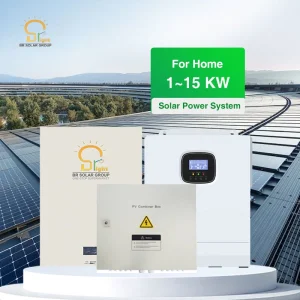
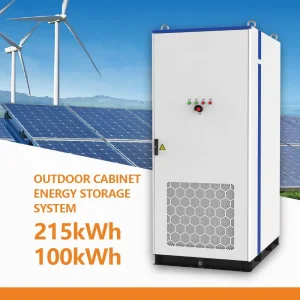
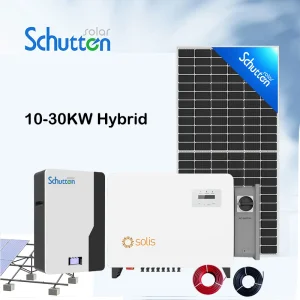
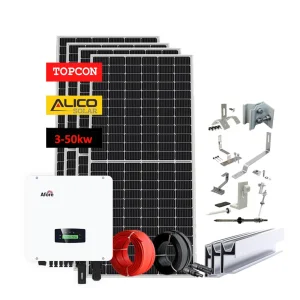
Developing an optimal photovoltaic generation portfolio in Seychelles requires analyzing architectural constraints, local microclimates, and load profiles. When designing rooftop or ground-mount systems, engineers must evaluate the trade-offs between N-Type TOPCon and conventional P-Type Mono PERC technologies. Given the limited footprint of island installations, prioritizing spatial efficiency and high-temperature performance yields a significantly lower Levelized Cost of Energy (LCOE).
| Technical Parameter | N-Type TOPCon (Highly Recommended) | P-Type Mono PERC (Standard) | Impact on Seychelles Projects |
|---|---|---|---|
| Temperature Coefficient | -0.30% / °C | -0.35% / °C | Reduces thermal derating in hot tropical climates like Mahé and Praslin. |
| Bifaciality Factor | 80% - 85% | 70% - 75% | Captures diffuse albedo reflection from sandy soils and maritime surfaces. |
| First-Year Degradation | < 1.0% | < 2.0% | Preserves initial generation yields and speeds up ROI. |
| Annual Degradation Rate | -0.40% / Year | -0.55% / Year | Extends system operational life over 30 years of utility feed-in. |
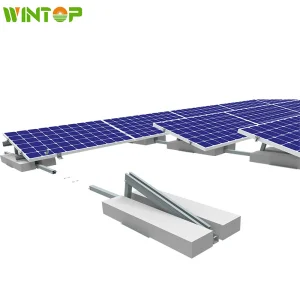
While Seychelles lies outside the main cyclone belt, extreme meteorological events and localized gusts can exceed speeds of 150 km/h. To secure large-scale commercial rooftop and utility assets, our design team executes strict finite element analysis (FEA) modeling. The ballasted and mechanical anchor racking arrays are engineered to sustain continuous wind velocities of up to 240 km/h.
By utilizing specialized self-drilling fasteners with EPDM sealing washers, our mounting configurations preserve roof membrane integrity. This approach provides robust mechanical support without creating structural water ingress paths, protecting buildings from heavy seasonal monsoons.
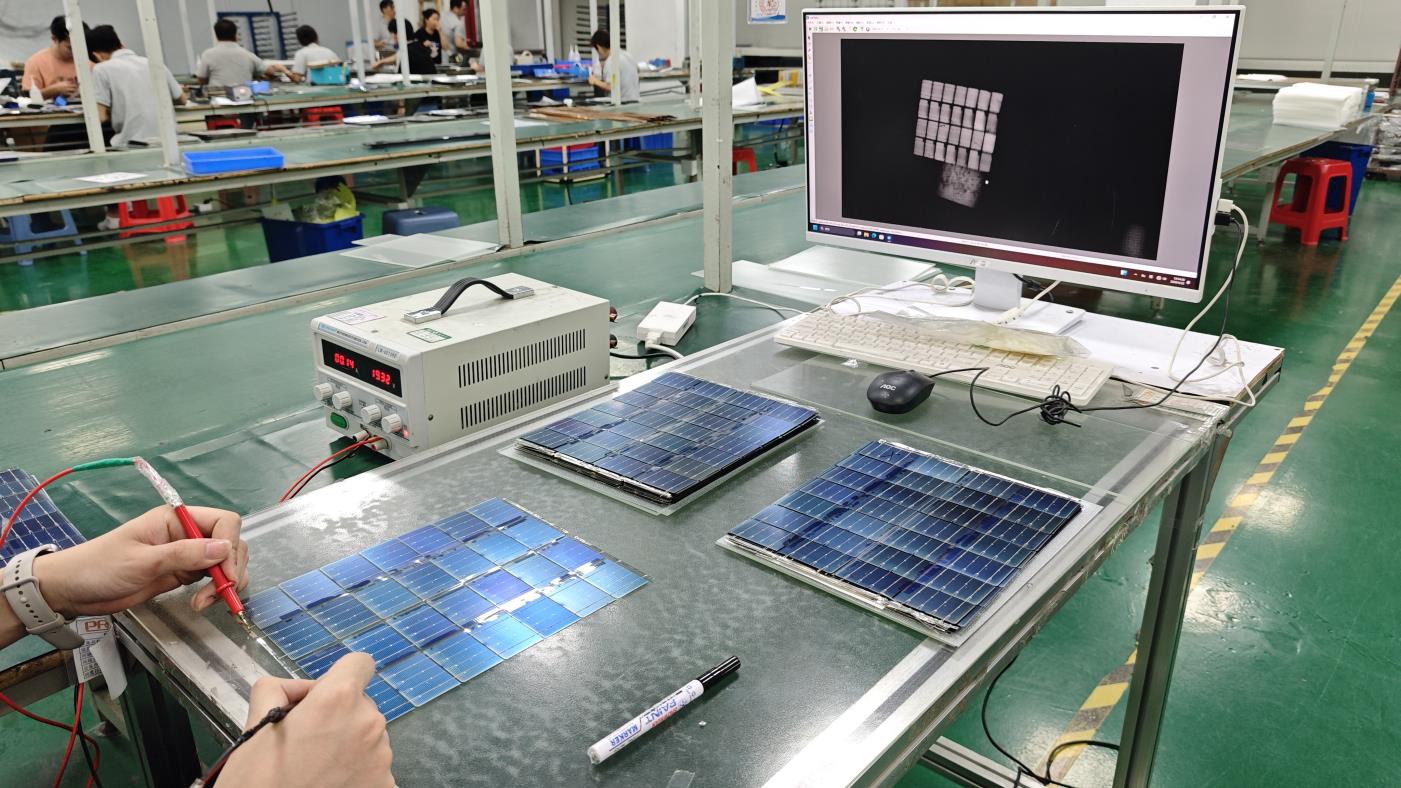
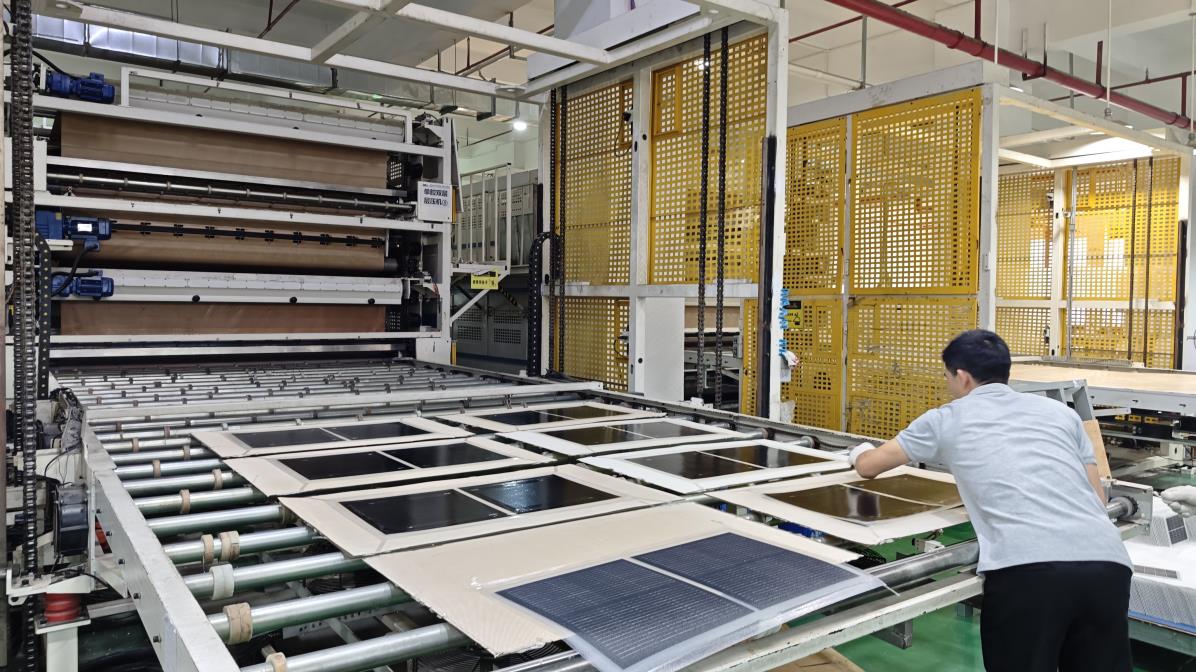
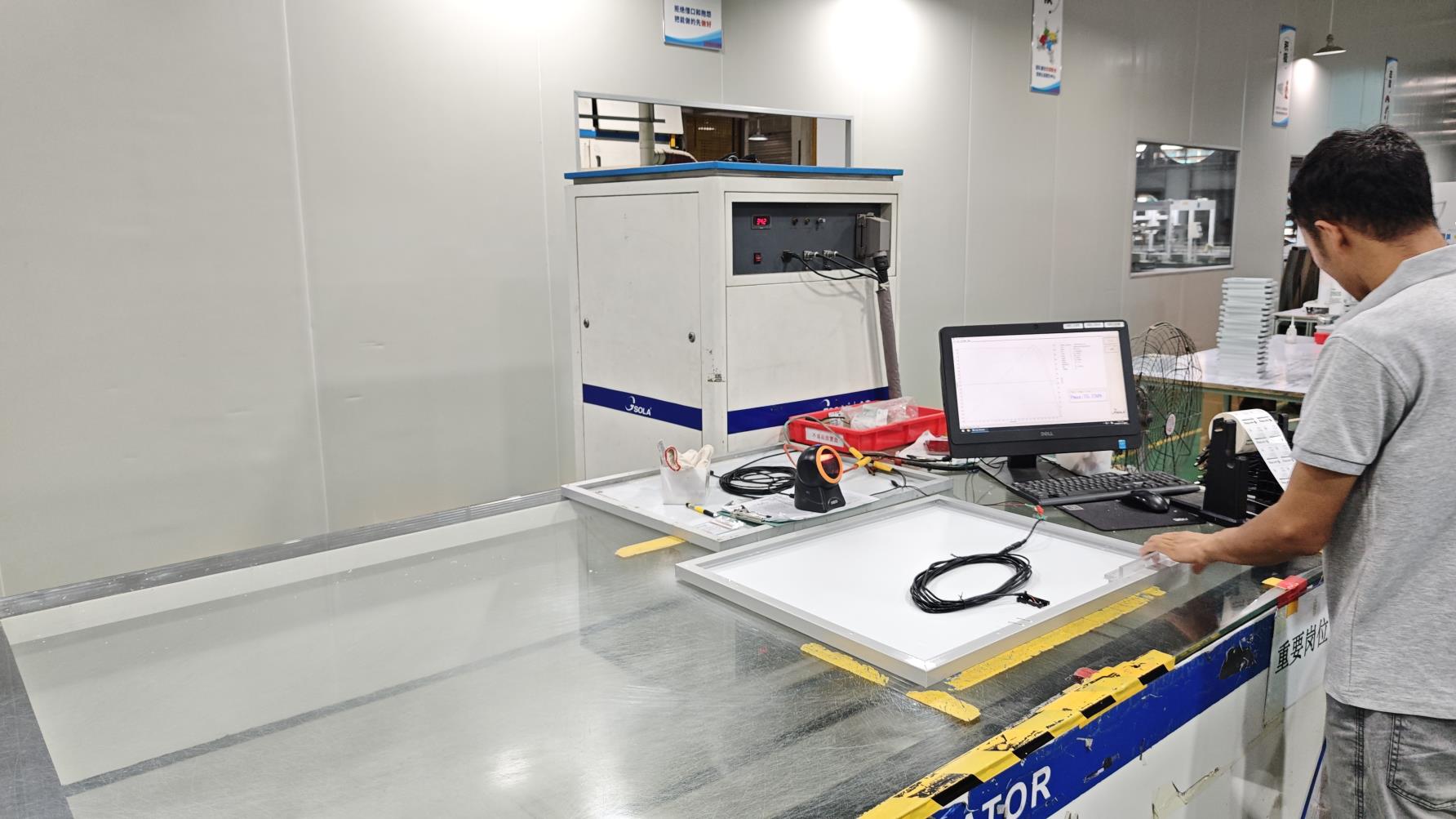
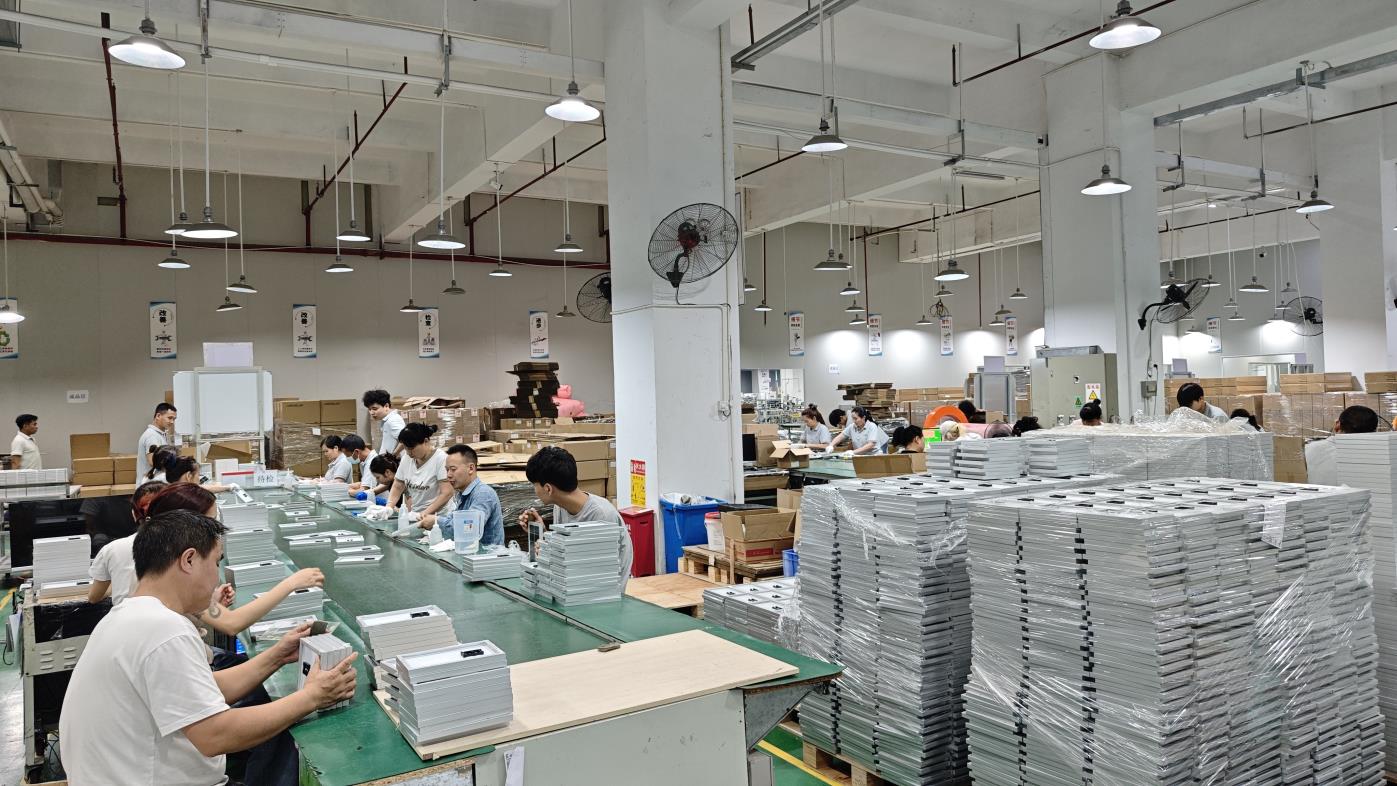
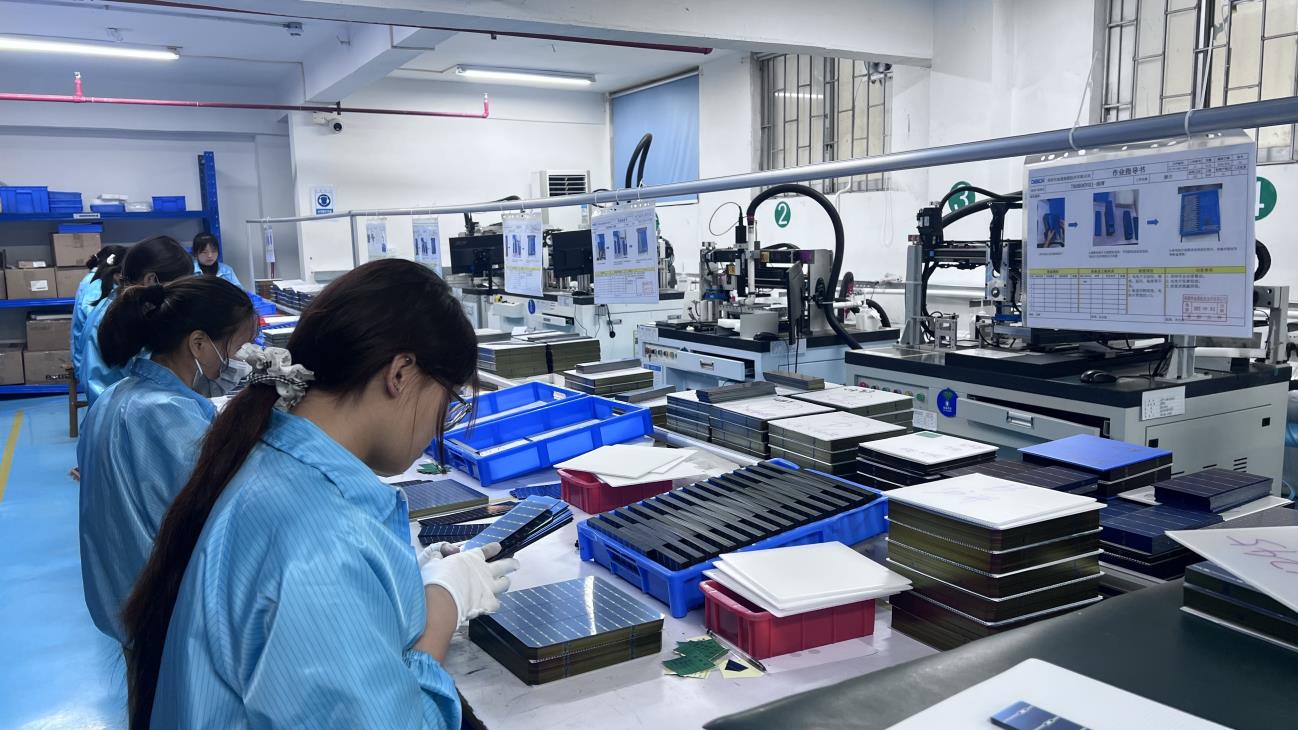
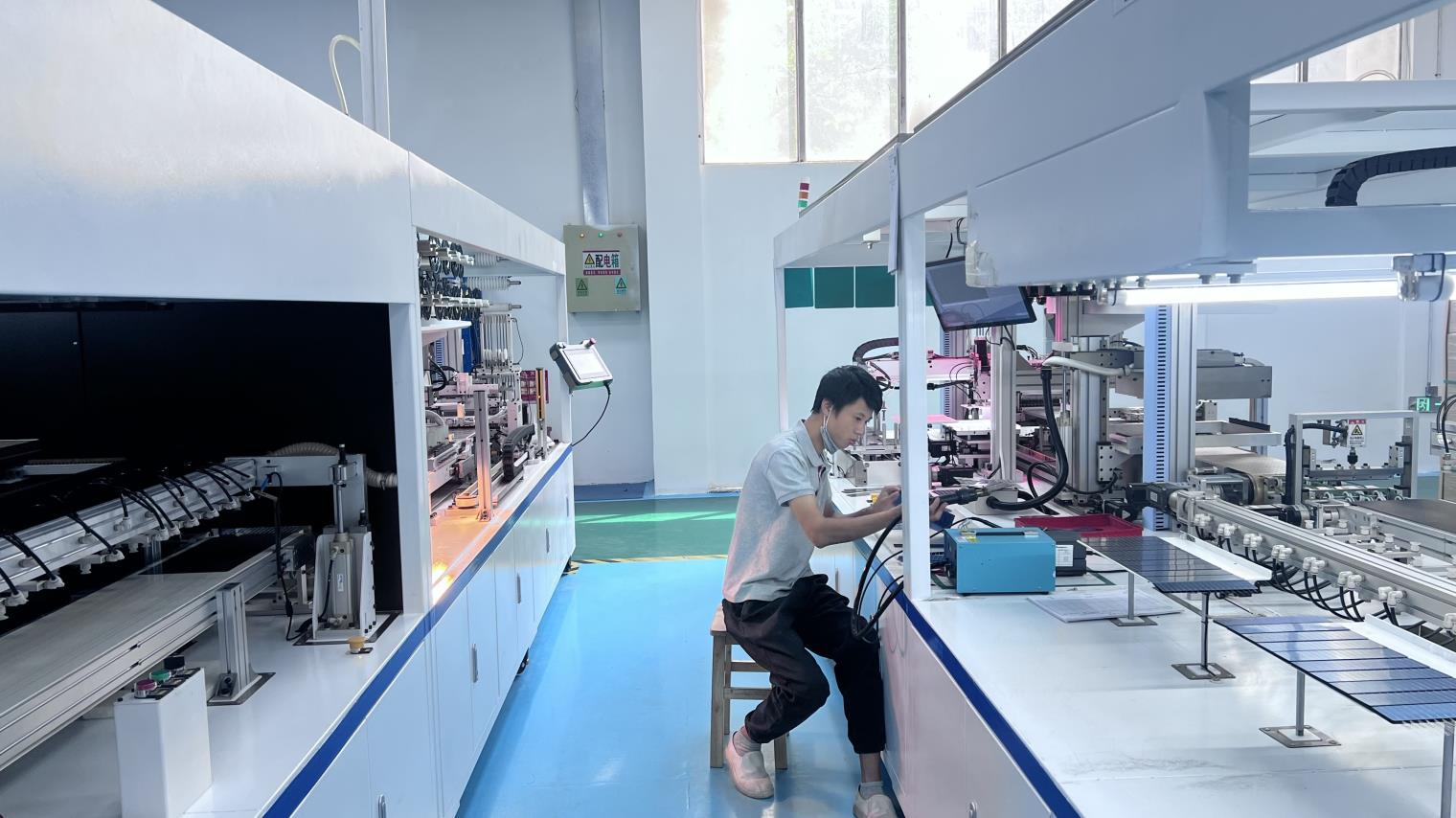
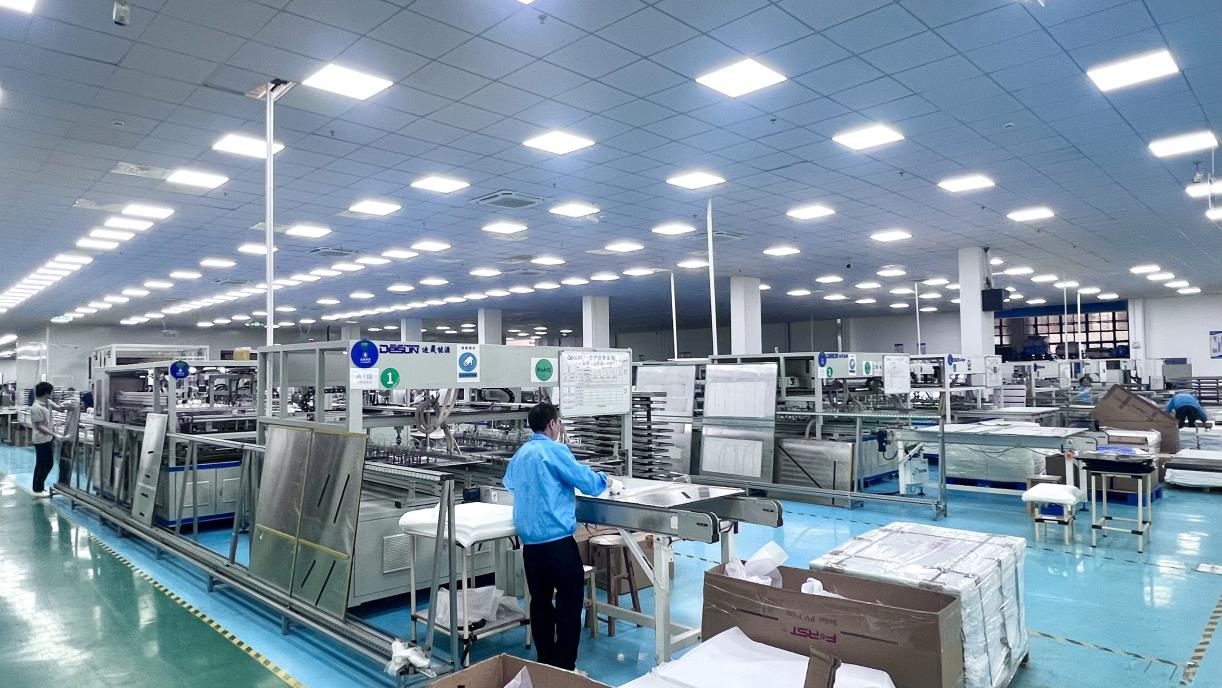
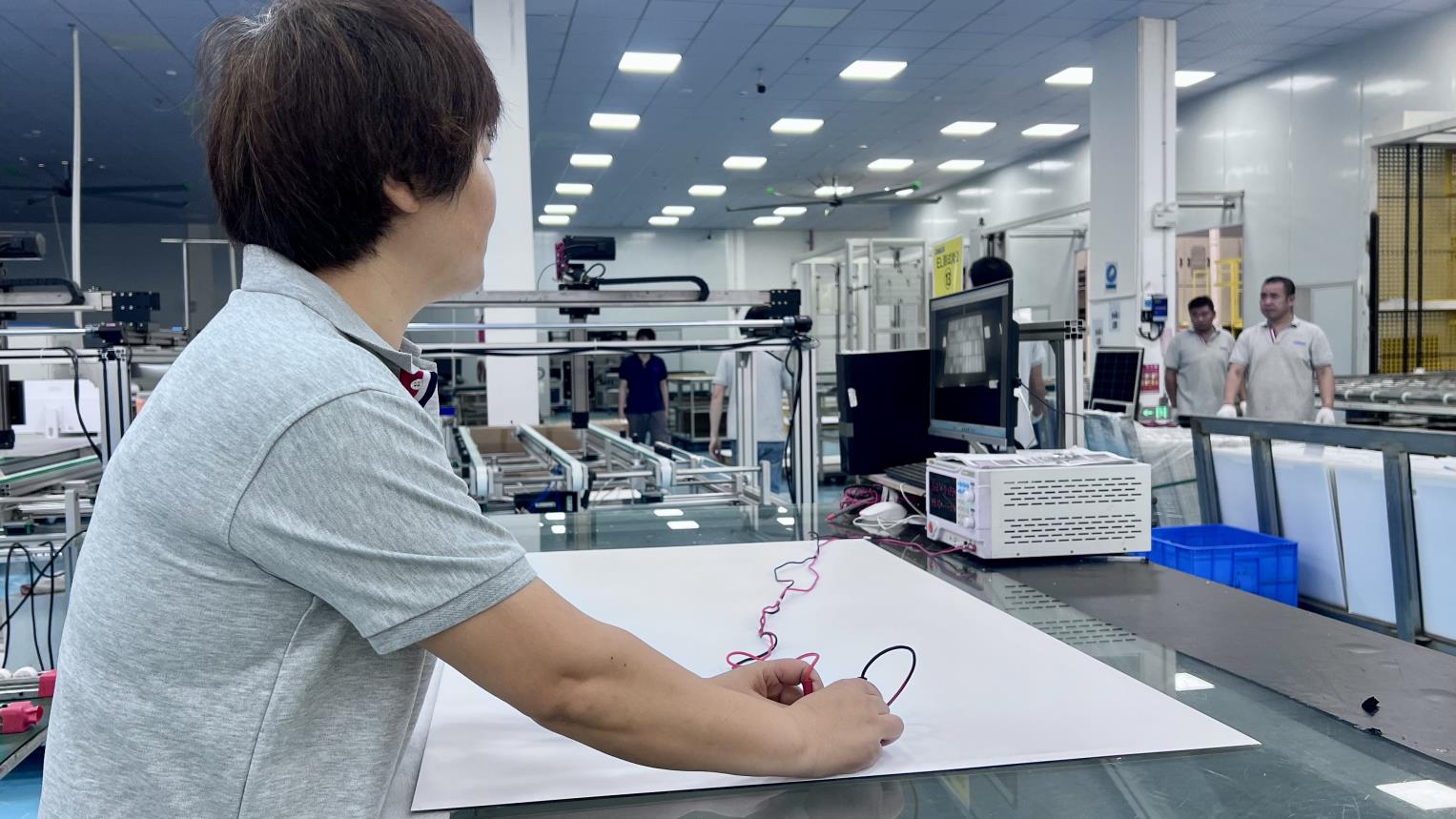
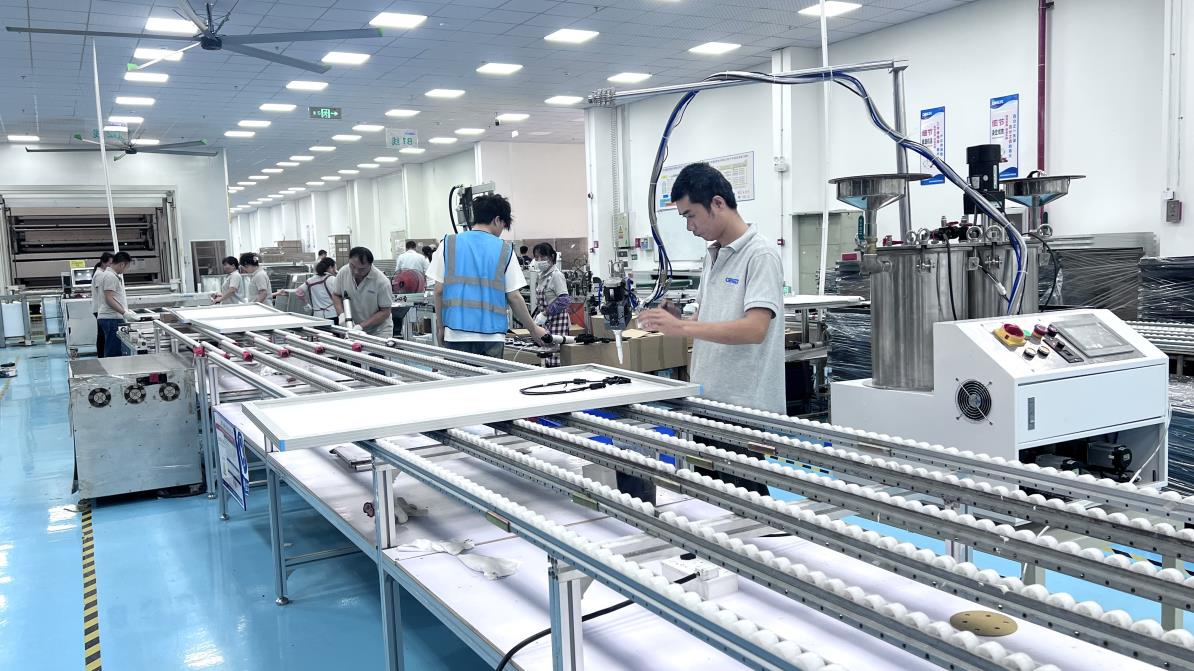
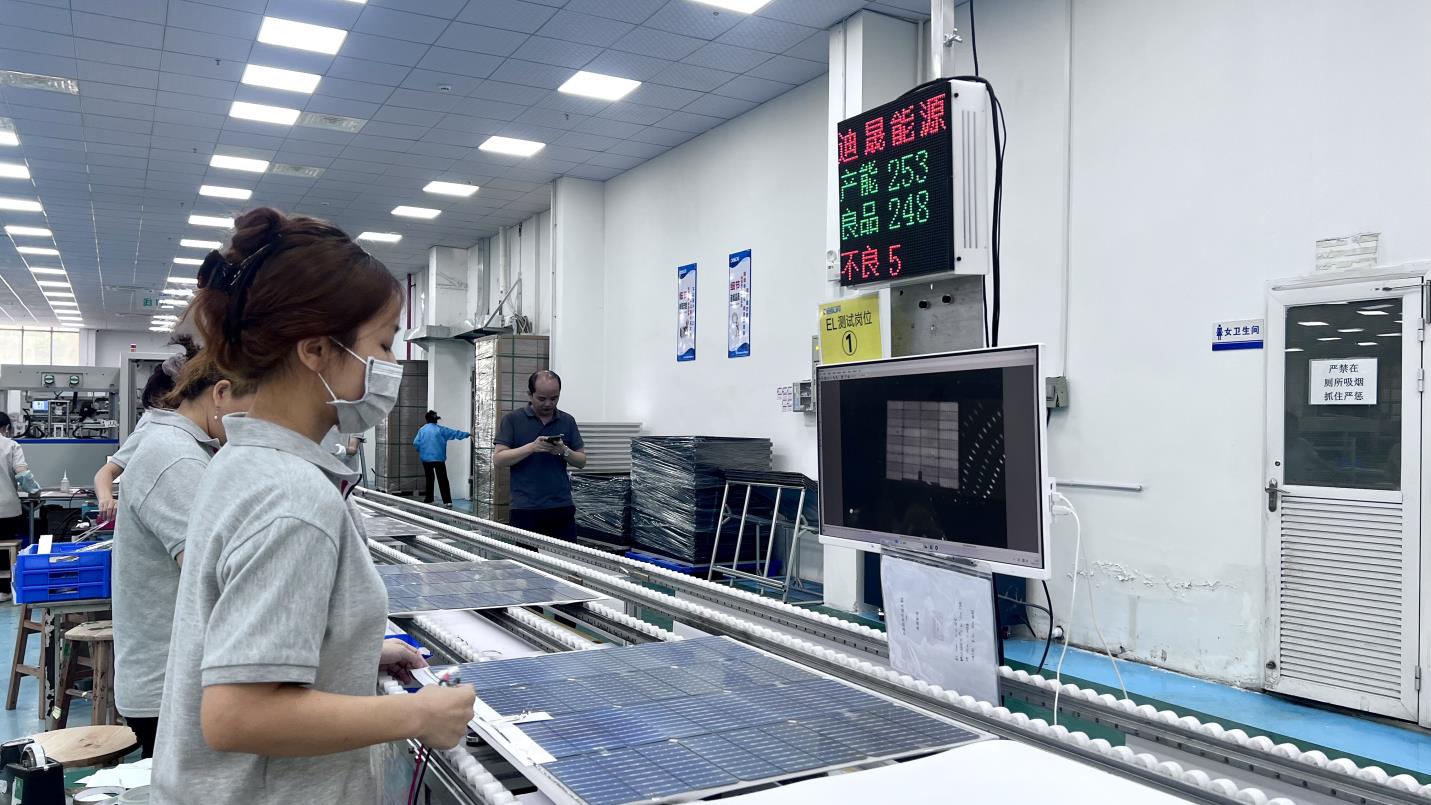
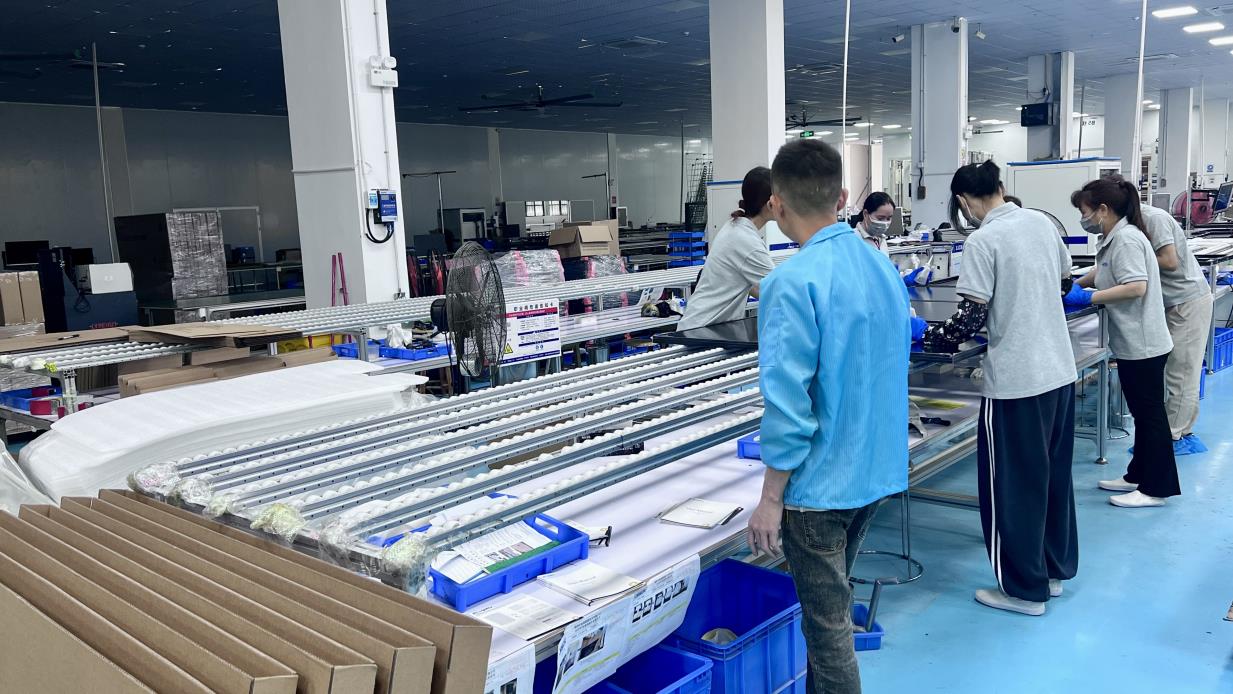
Xiamen ConTech Solar Co., Ltd. is a high-tech enterprise specializing in the research, development, production, and sales of premium solar energy products. Guided by our business philosophy of "Innovative Technology, Superior Quality, and Sustainable Development," we supply advanced solar panels, charge controllers, integrated grid-tied and hybrid power systems, and specialized racking structures to global markets.
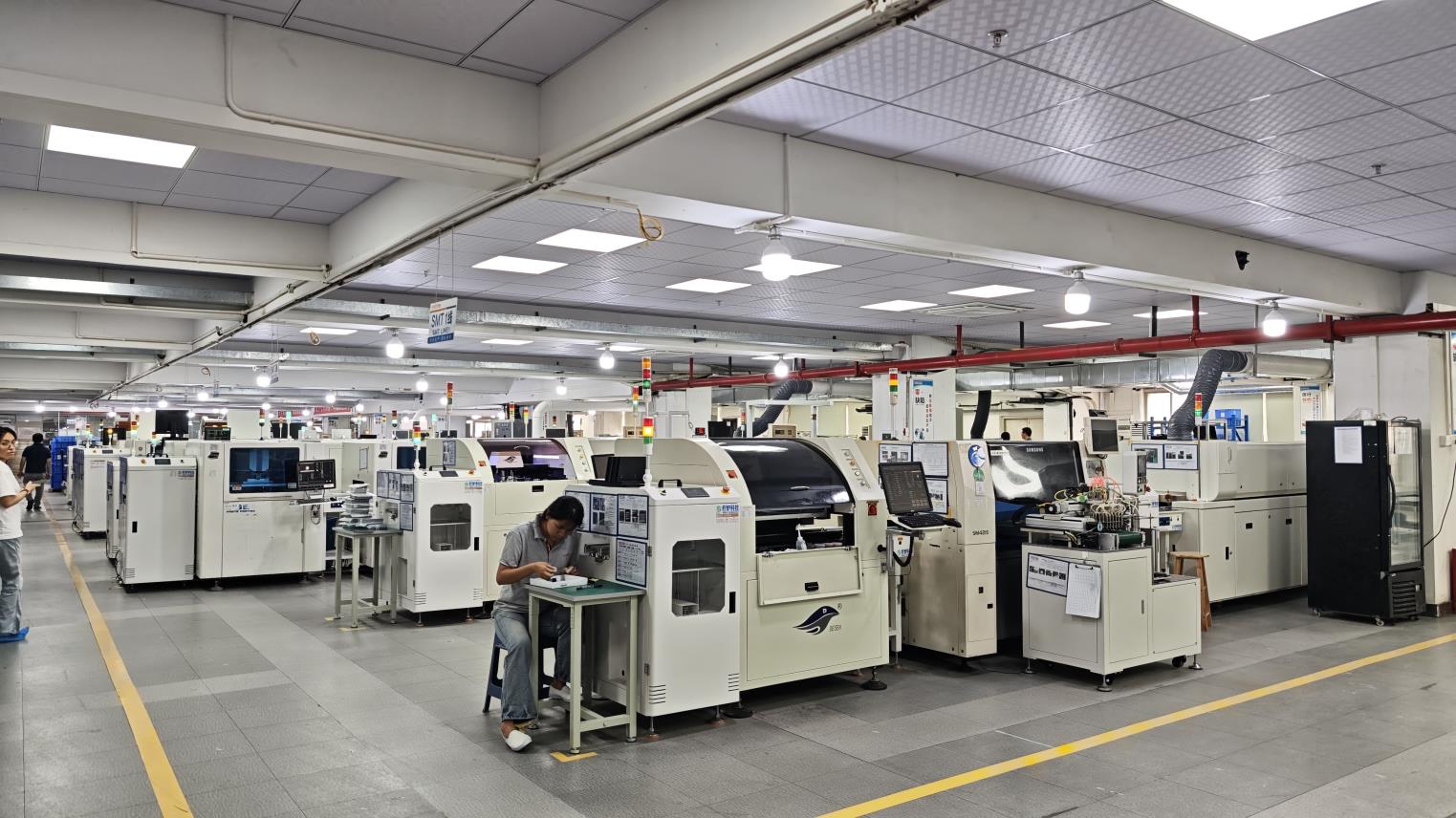
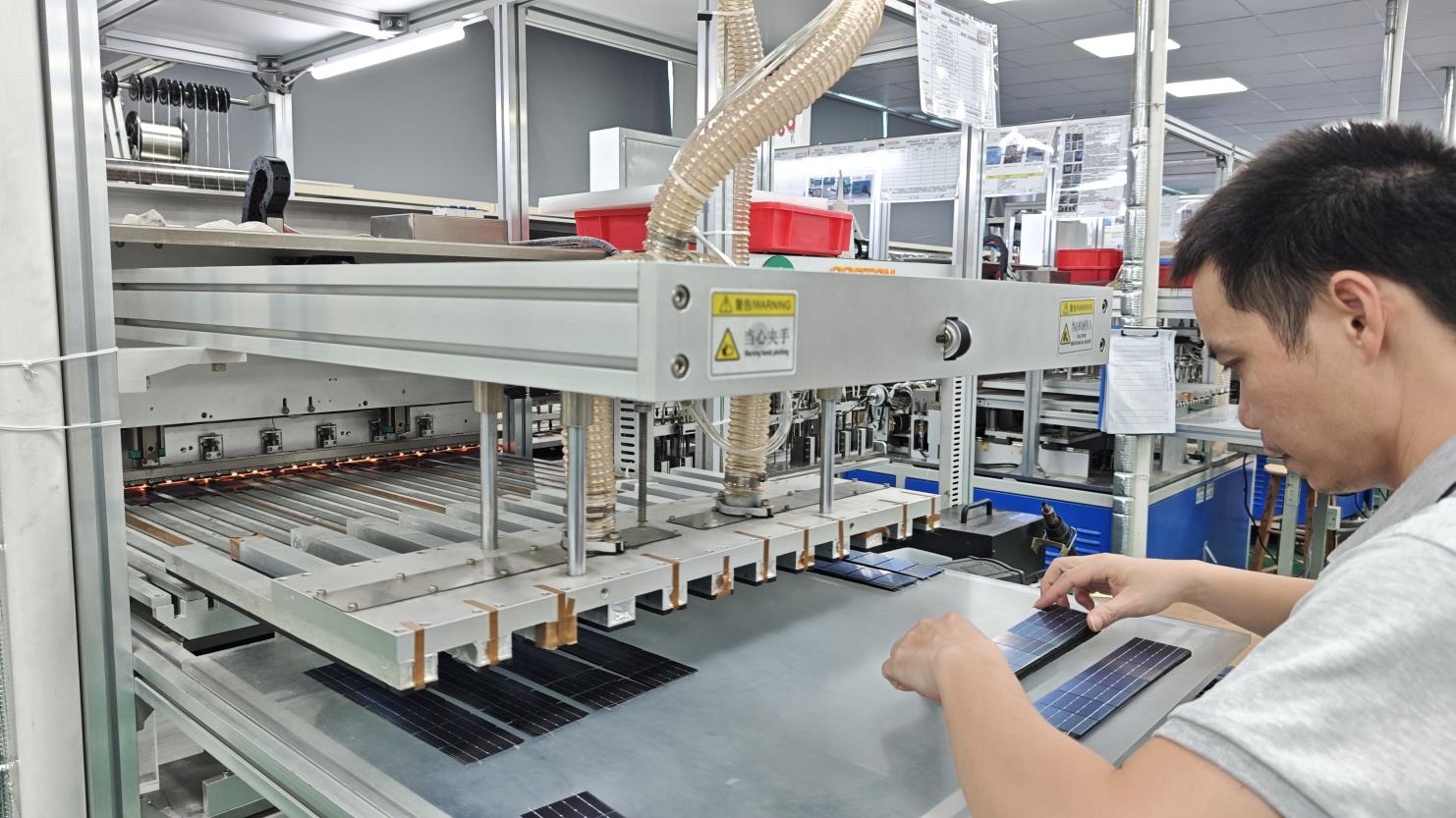
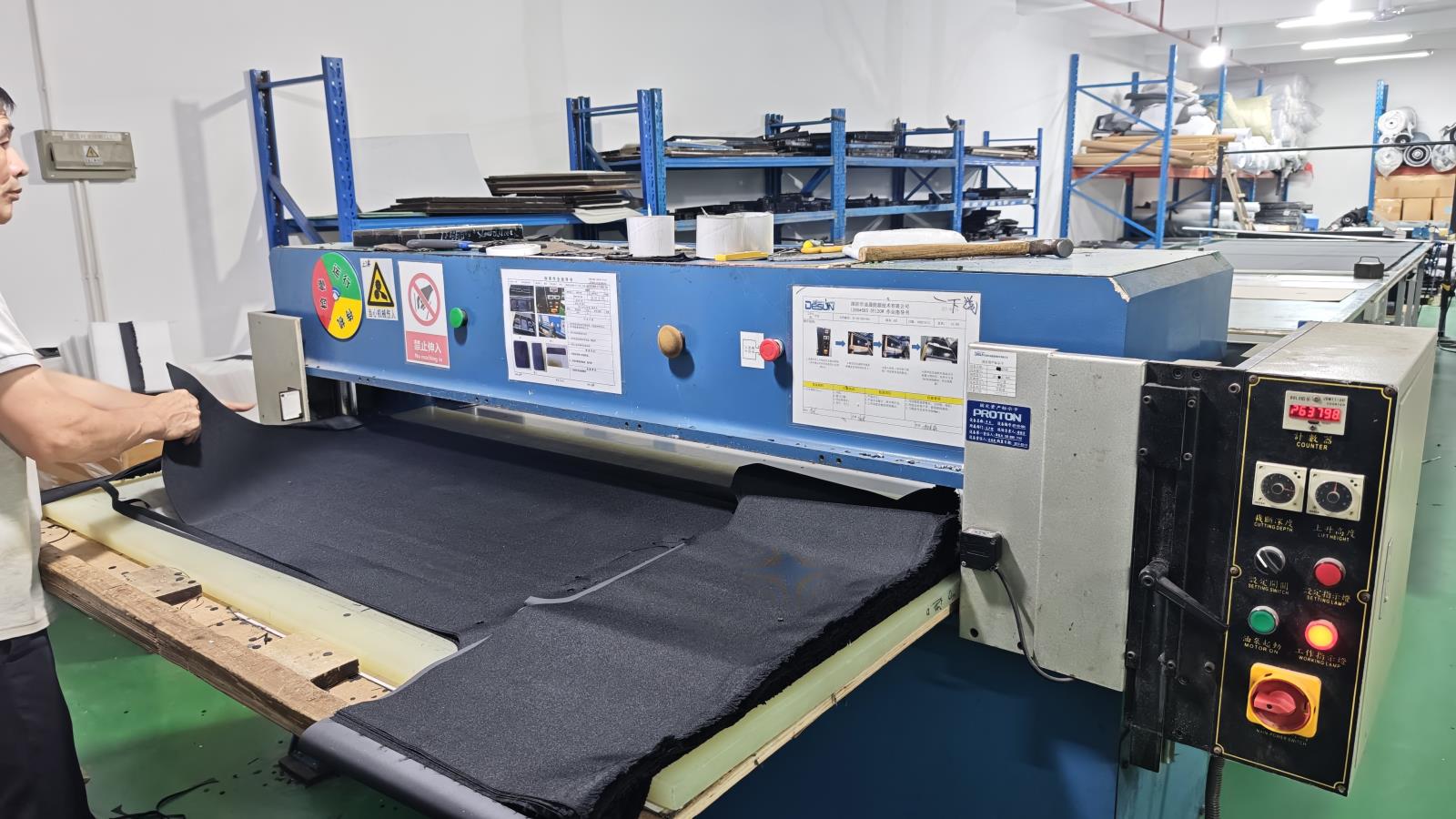
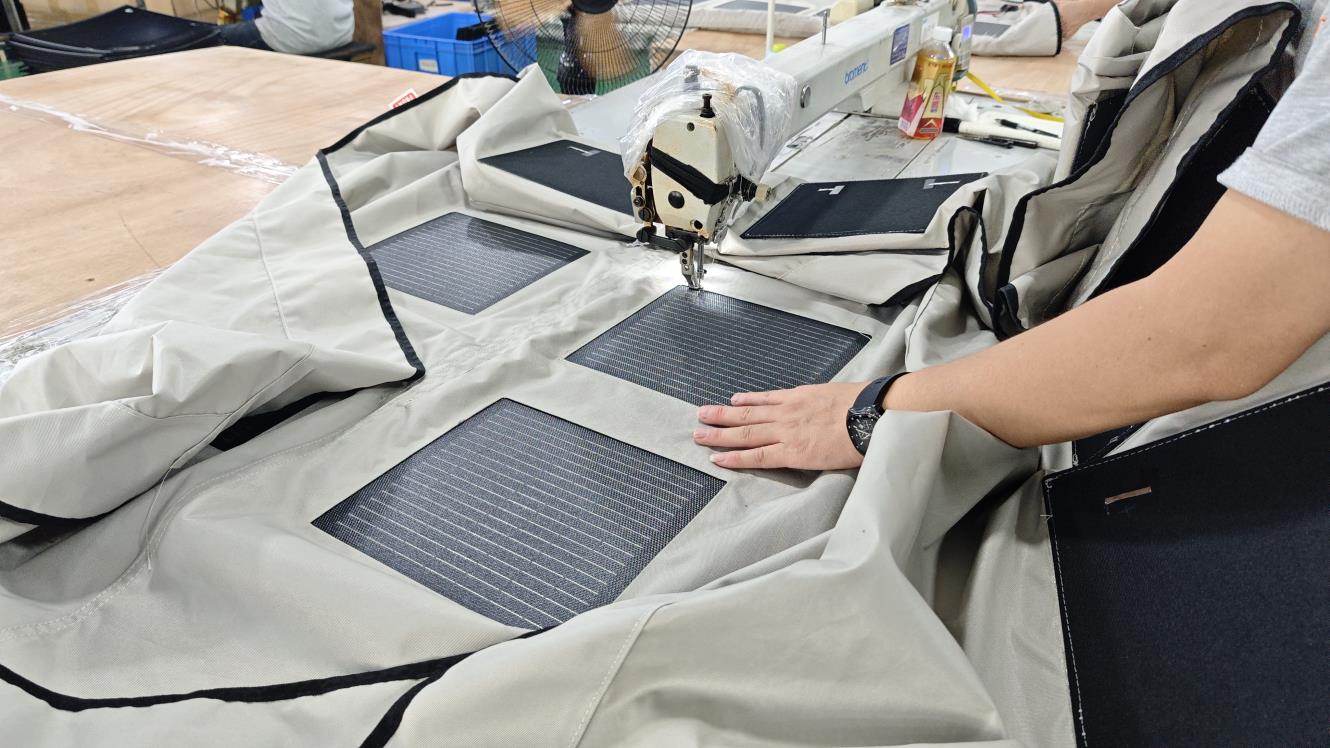
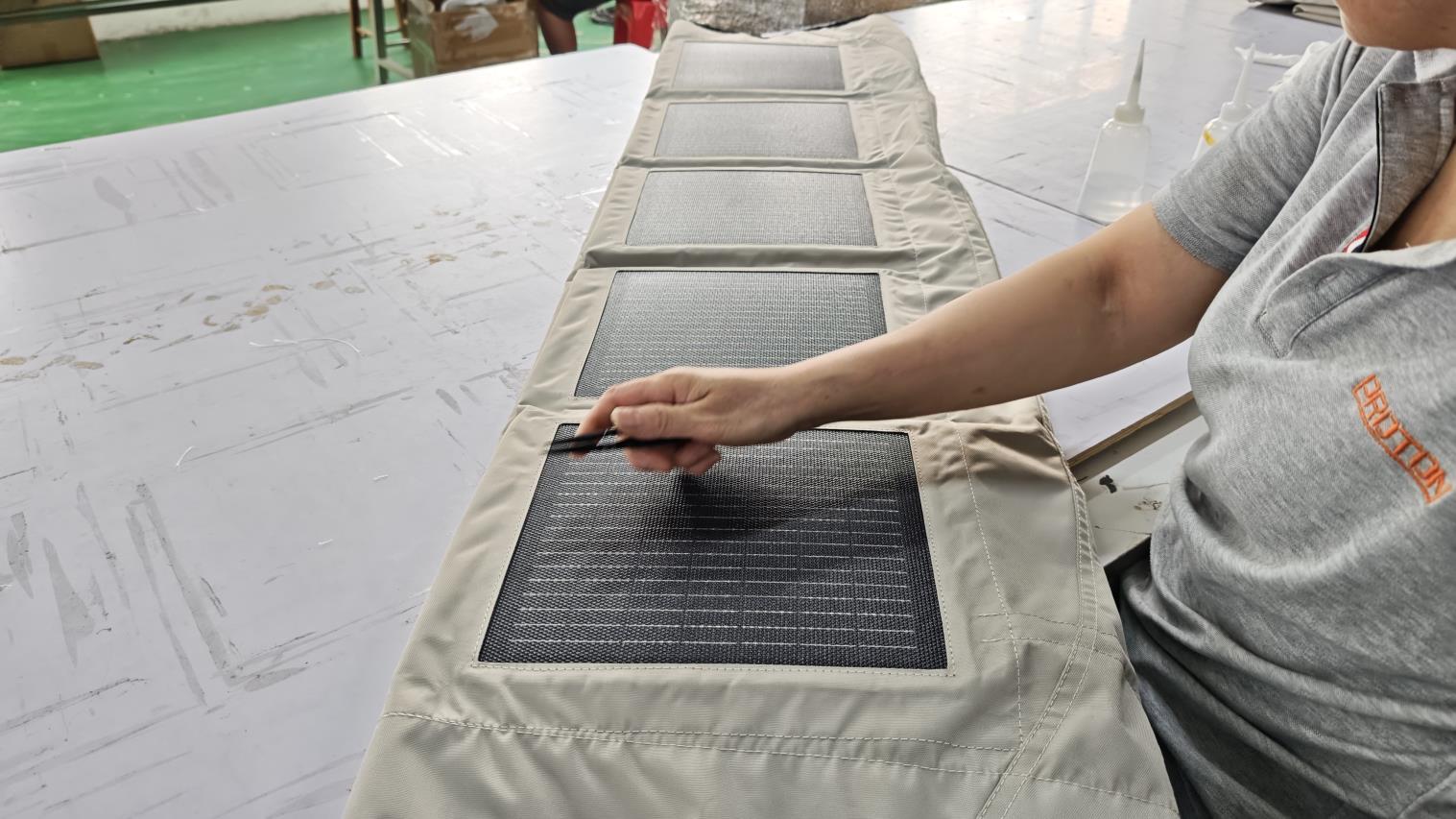
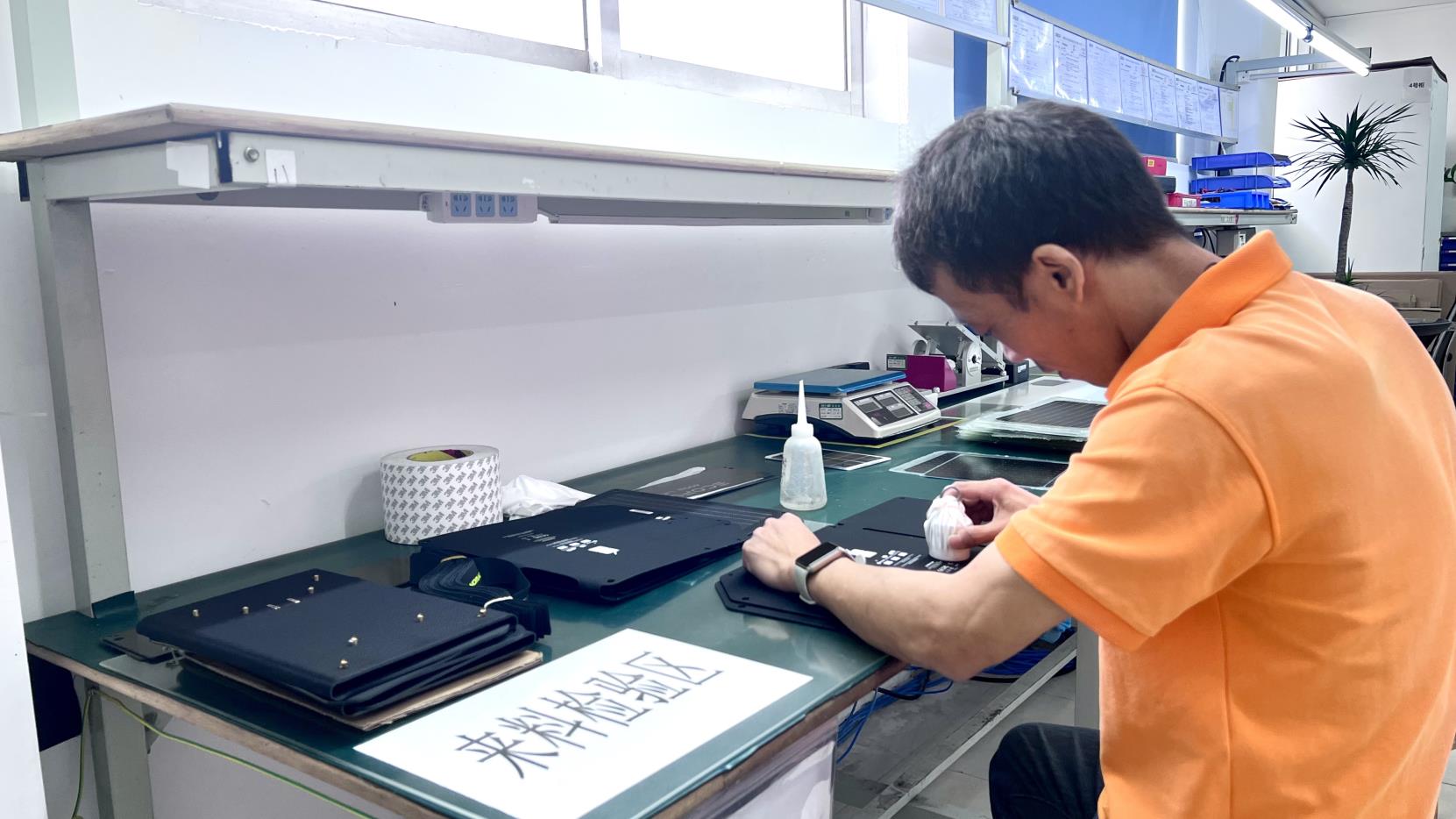
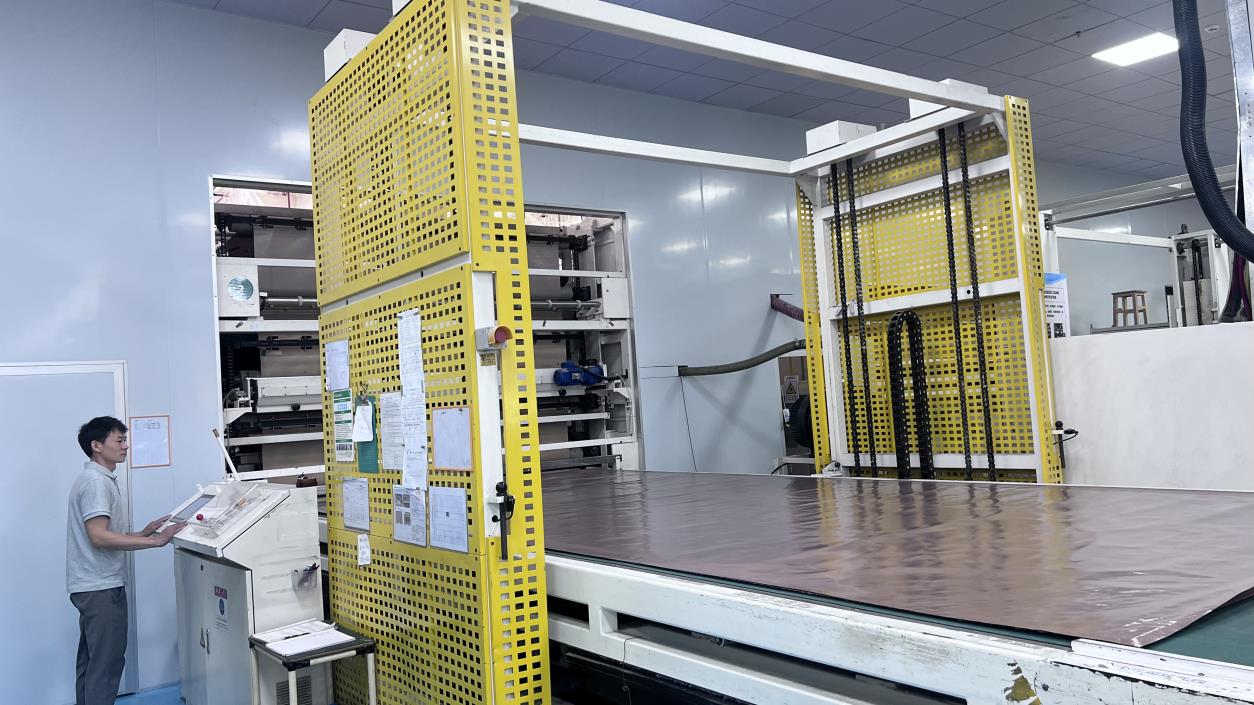
Our modern production facilities utilize automated assembly technology and strict quality control protocols to ensure every system meets international performance and safety standards. From primary material inspection to final functional verification, each step is optimized to deliver reliable field operations under challenging island conditions.

Transitioning to renewable energy requires scalable and adaptable system designs. To support this growth, our technology path focuses on key integration milestones:
Consult with our engineering and logistics specialists. We deliver customized designs, structural wind load analysis, and complete shipping coordination to Port Victoria.
Send Inquiry Now
 ConTech Solar