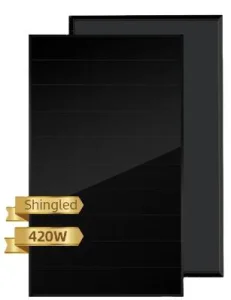
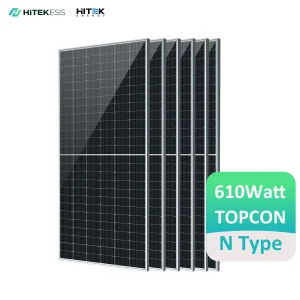
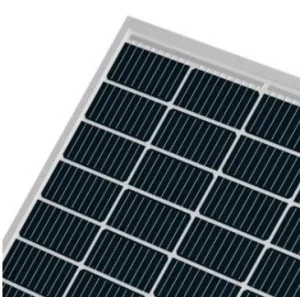
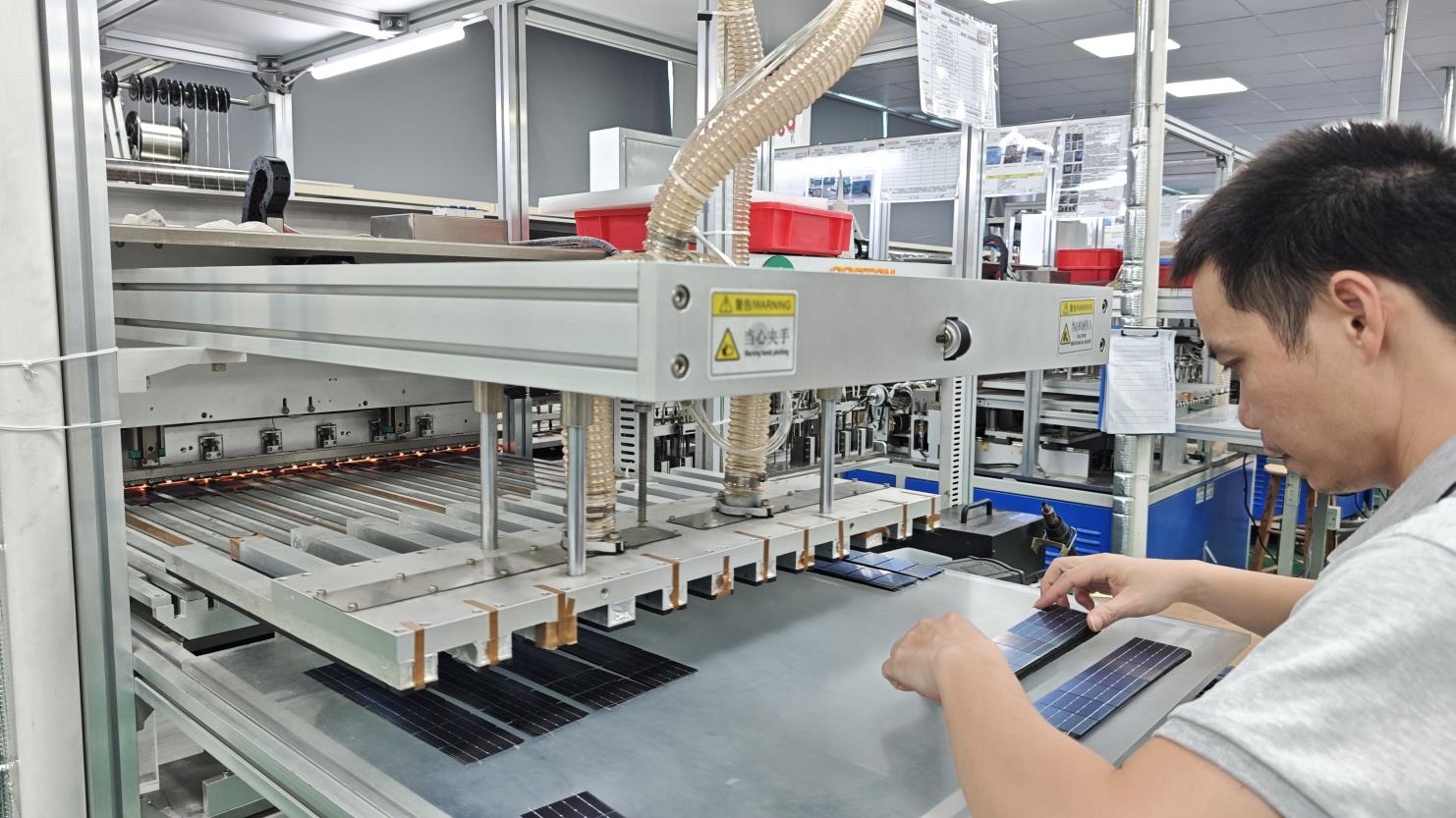
The global energy landscape is undergoing a radical shift, with photovoltaic (PV) technology at its epicenter. As the quest for higher Levelized Cost of Energy (LCOE) efficiency intensifies, Shingled Technology has emerged as a disruptive innovation, surpassing traditional ribbon-based interconnections. Unlike standard modules that leave gaps between cells, shingled modules utilize laser-cut cell strips overlapped like roof shingles, bonded with Electrically Conductive Adhesive (ECA). This elimination of inactive space not only boosts energy density but also provides superior resistance to mechanical stress and shading.
Xiamen ConTech Solar Co., Ltd., a vanguard in the China Shingled Technology Factory landscape, integrates advanced R&D with high-precision manufacturing. By focusing on "Information Gain" in production—such as optimizing thermal expansion coefficients in ECA and perfecting laser scribing depths—we provide global partners with modules that outperform in both arctic and tropical climates. This white paper explores the macro-industrial shift, technical intricacies, and the localization strategies that define modern solar leadership.
Lower Internal Resistance
The elimination of copper ribbons reduces resistive losses, significantly improving module fill factor.Cell Gap Optimization
Maximum utilization of the module surface area leads to higher wattage output in smaller footprints.Better Shade Tolerance
Parallel-series circuit design ensures that partial shading on one row doesn't shut down the entire panel.From a Semantic Search perspective, users often look for "Hotspot mitigation" and "Micro-crack resistance." Shingled technology addresses these by removing the high-temperature soldering process required for busbars. By using a flexible conductive glue, the cells can "breathe" during thermal cycling, preventing the micro-cracks that plague traditional PERC modules over a 25-year lifespan.
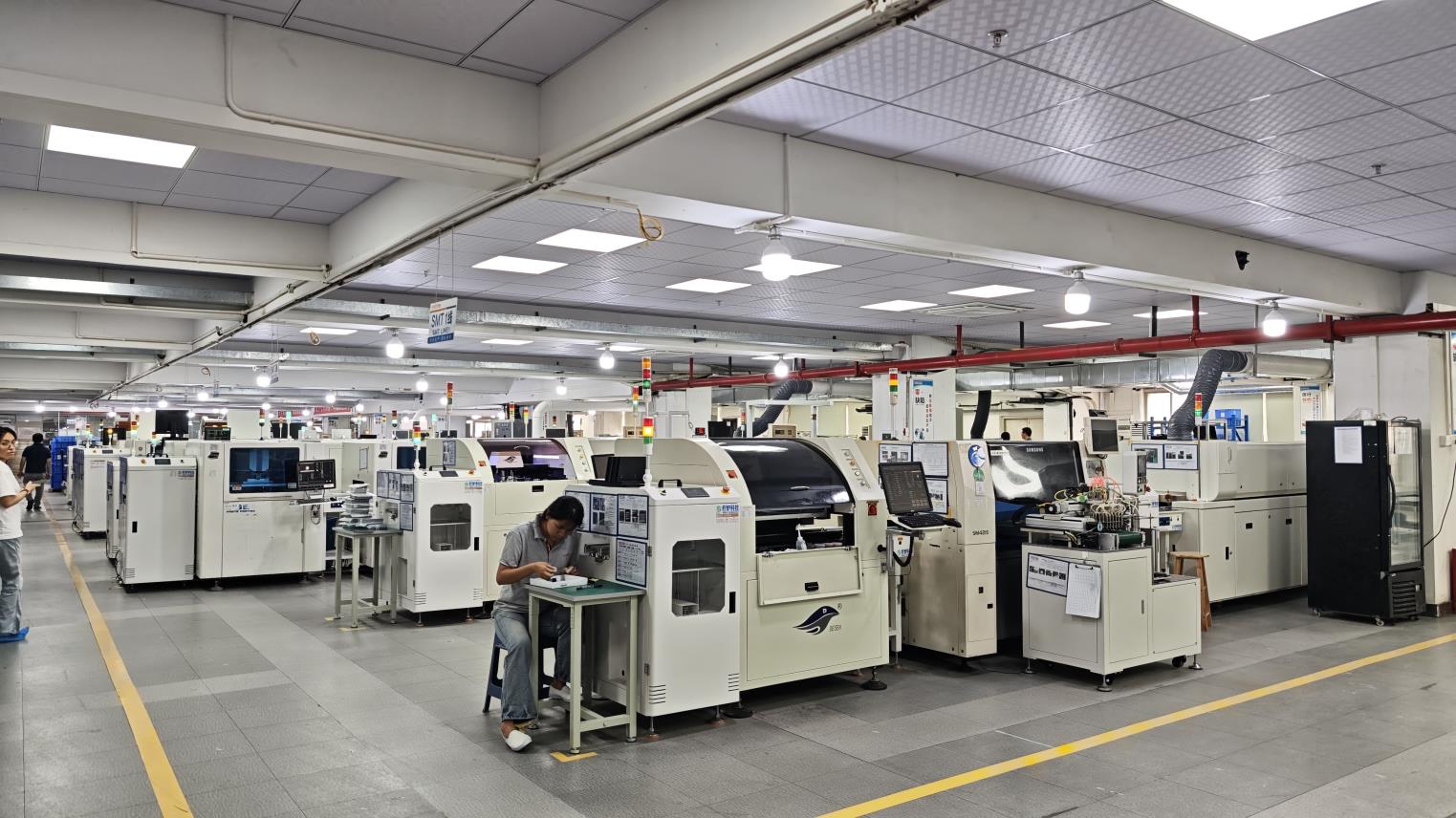
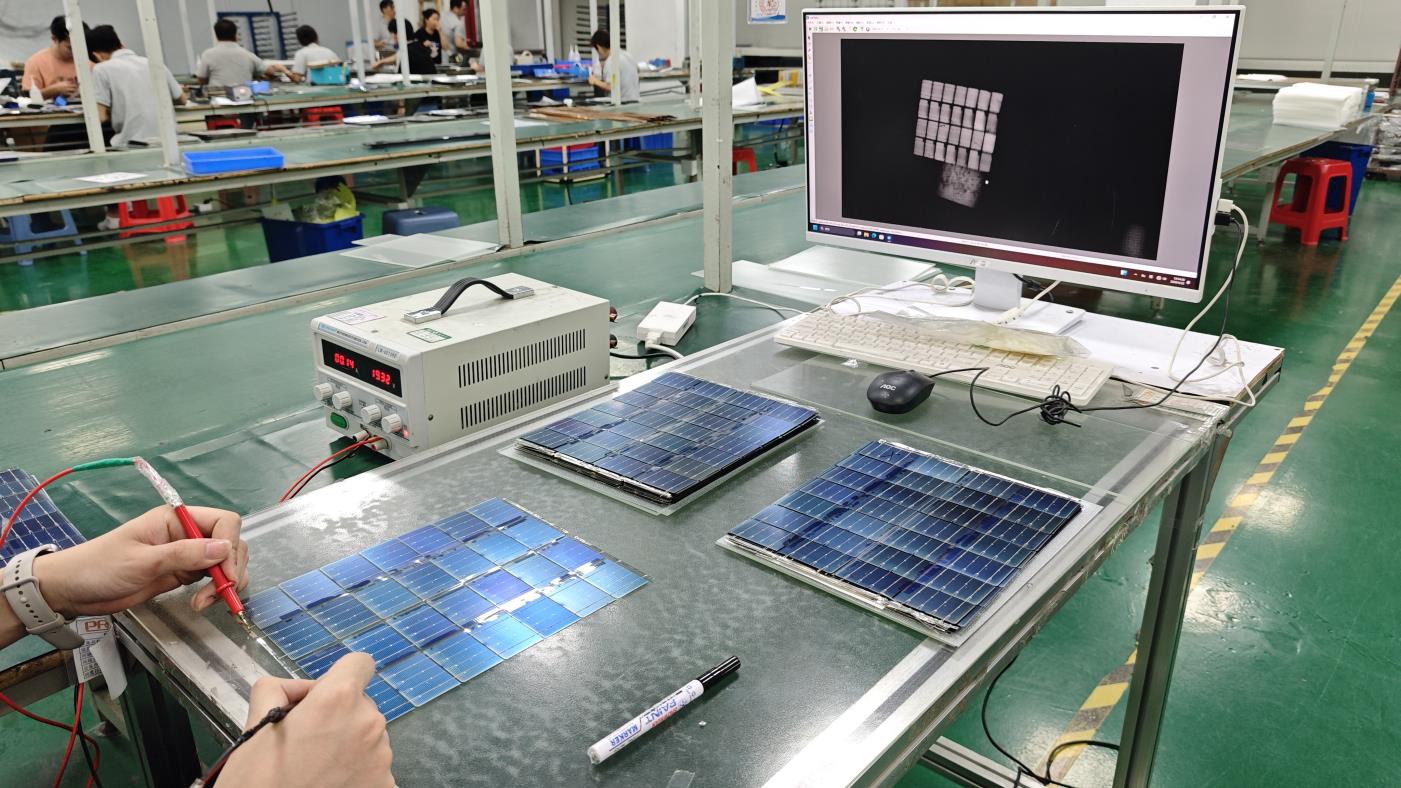
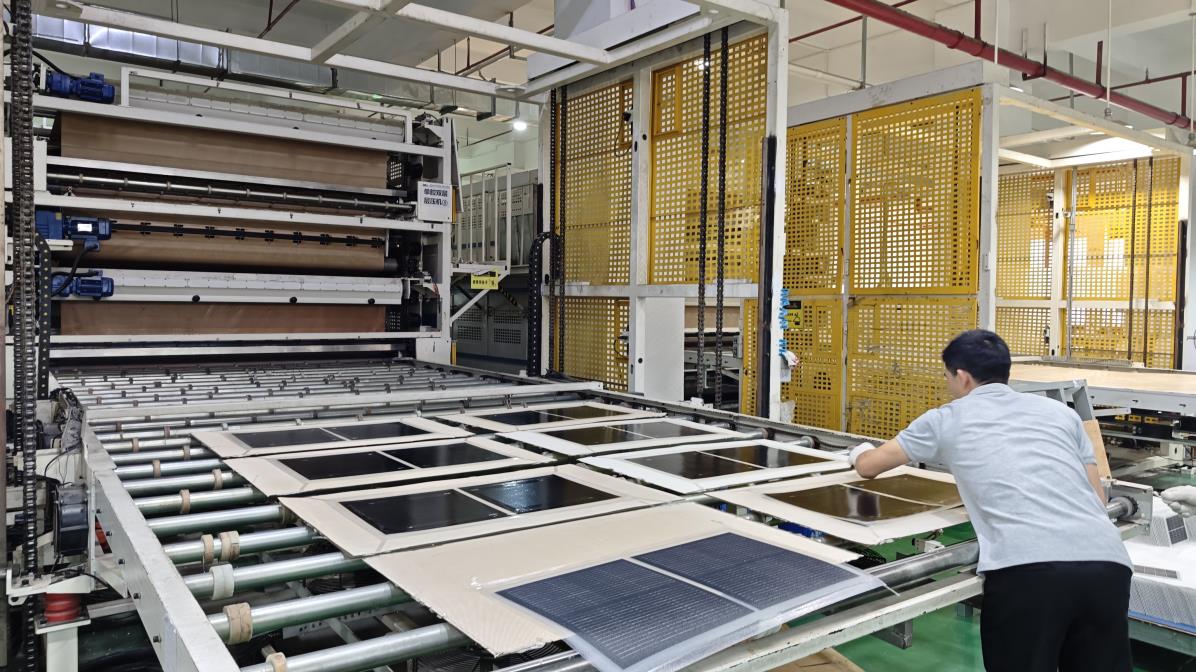
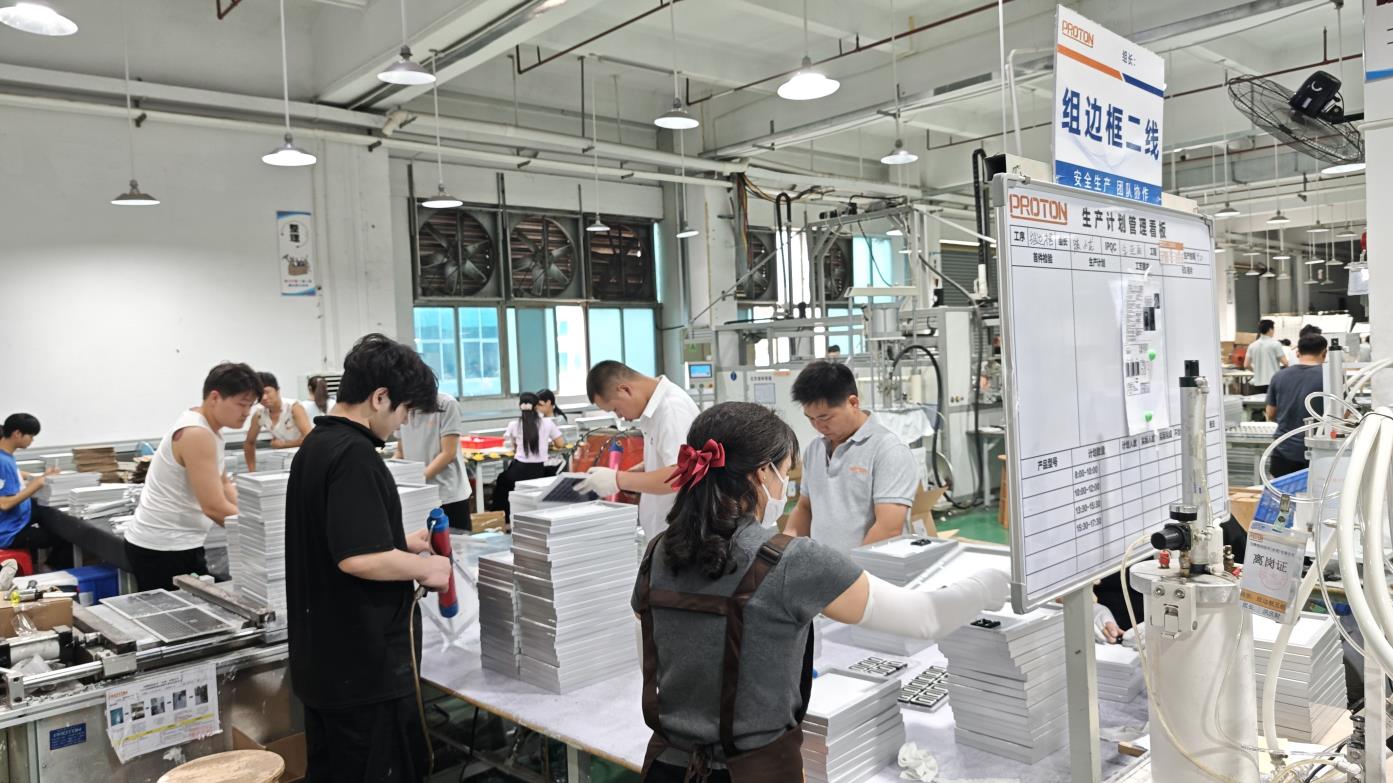
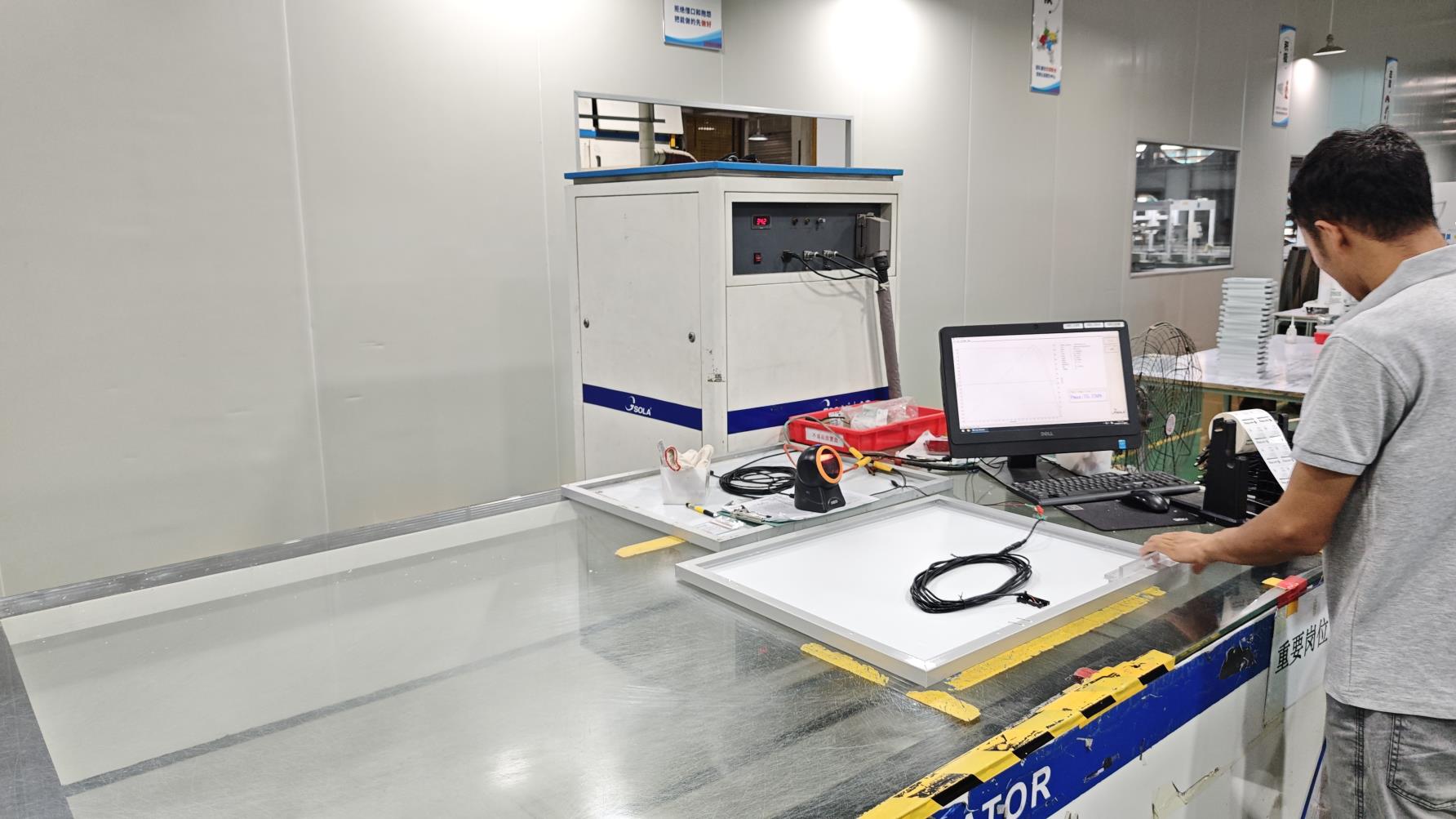
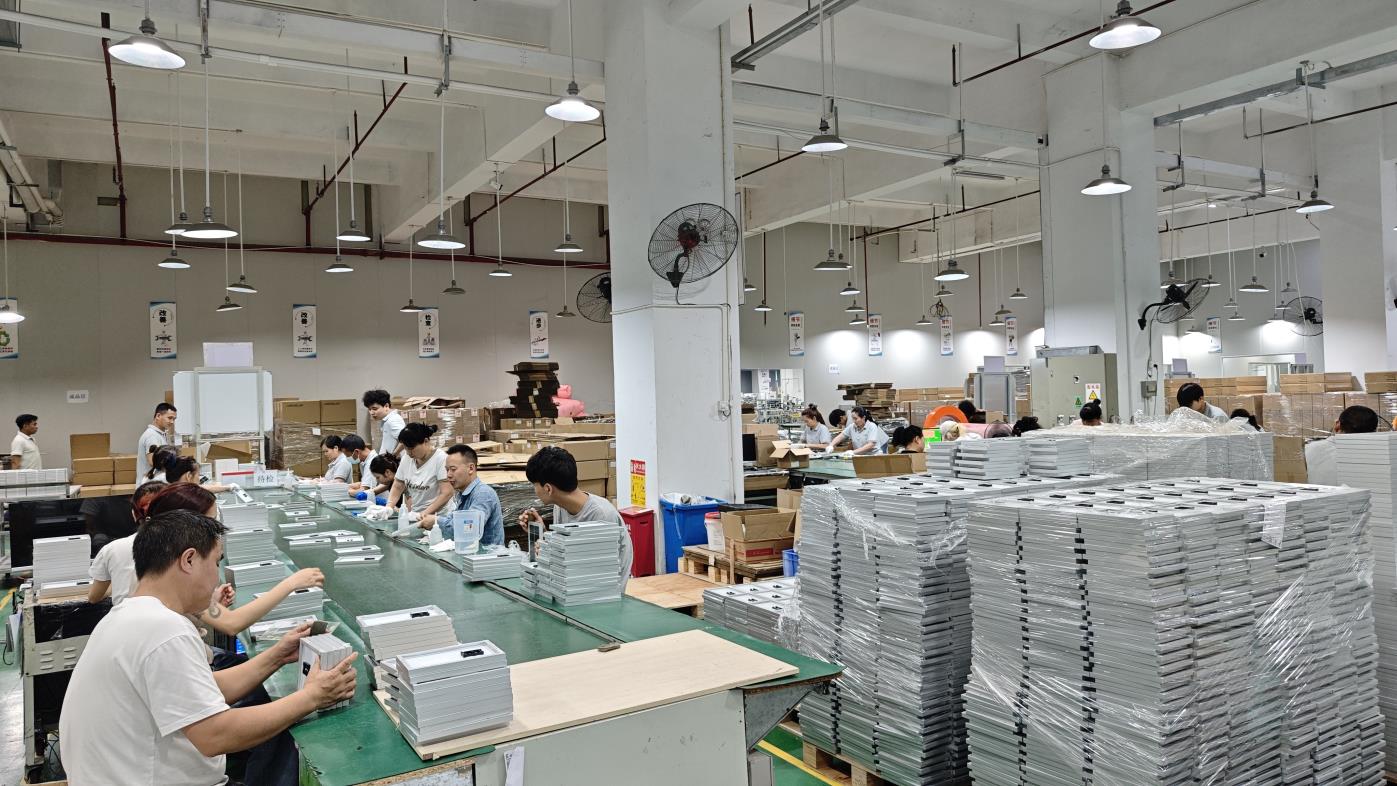
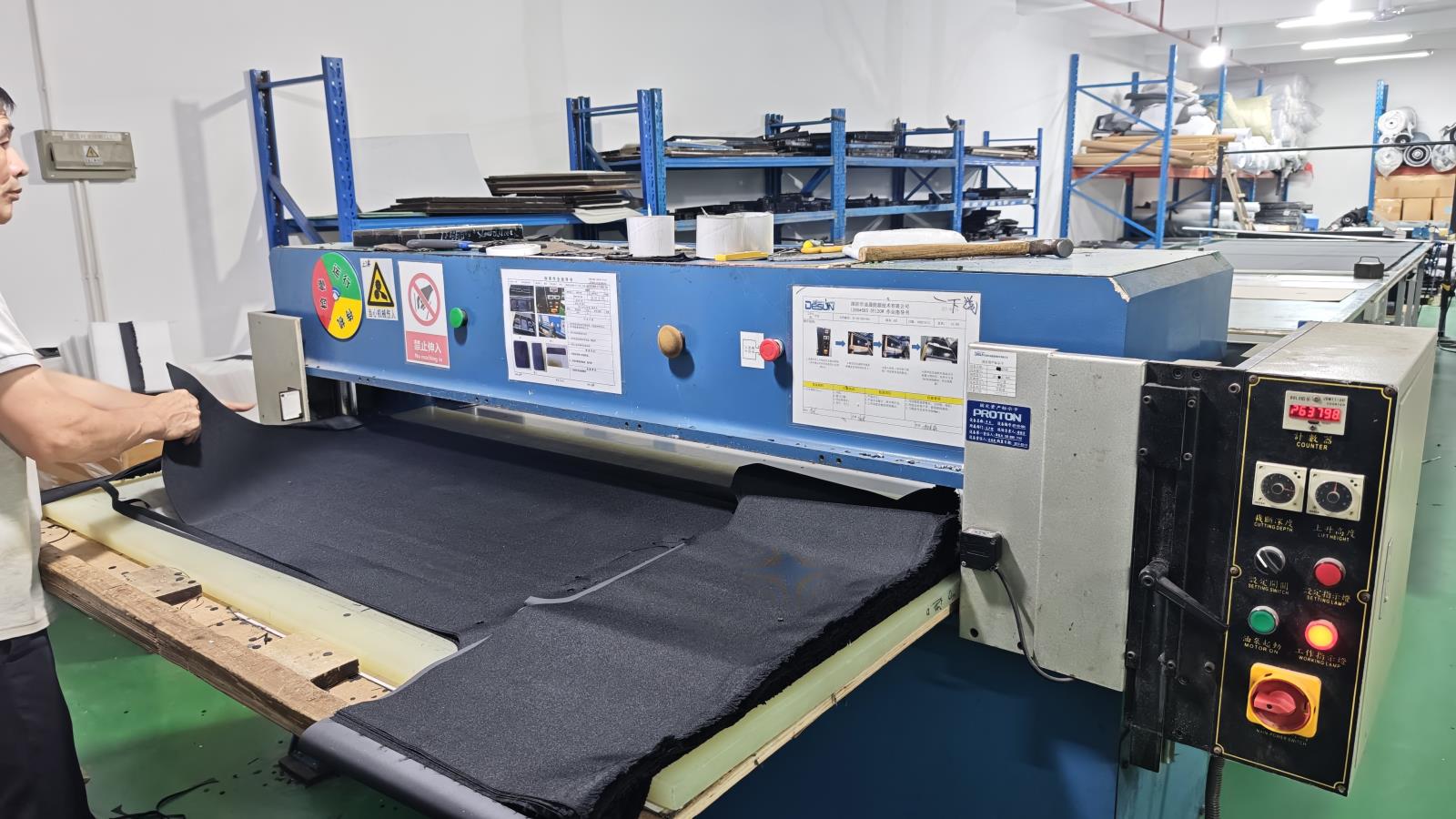
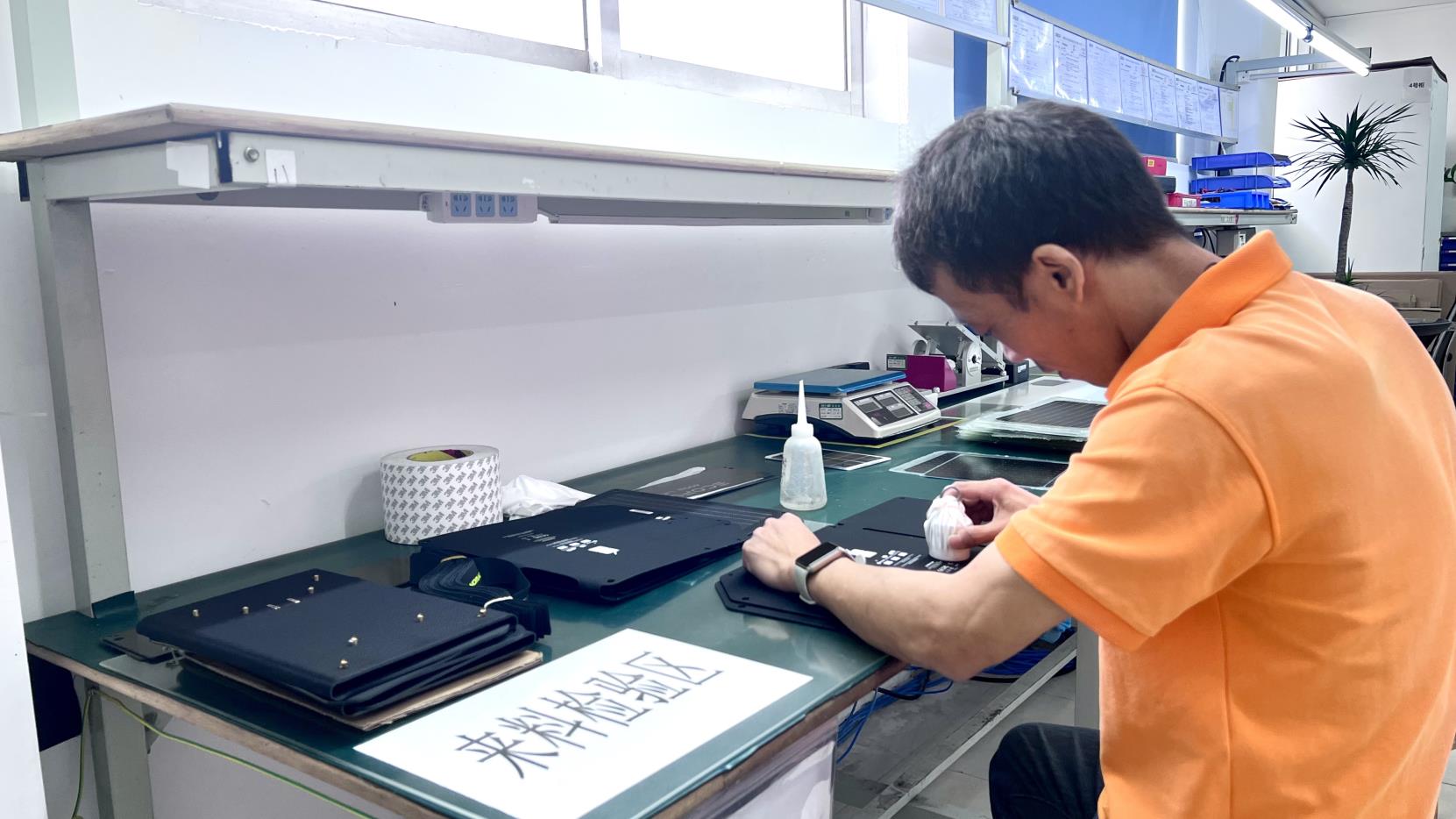
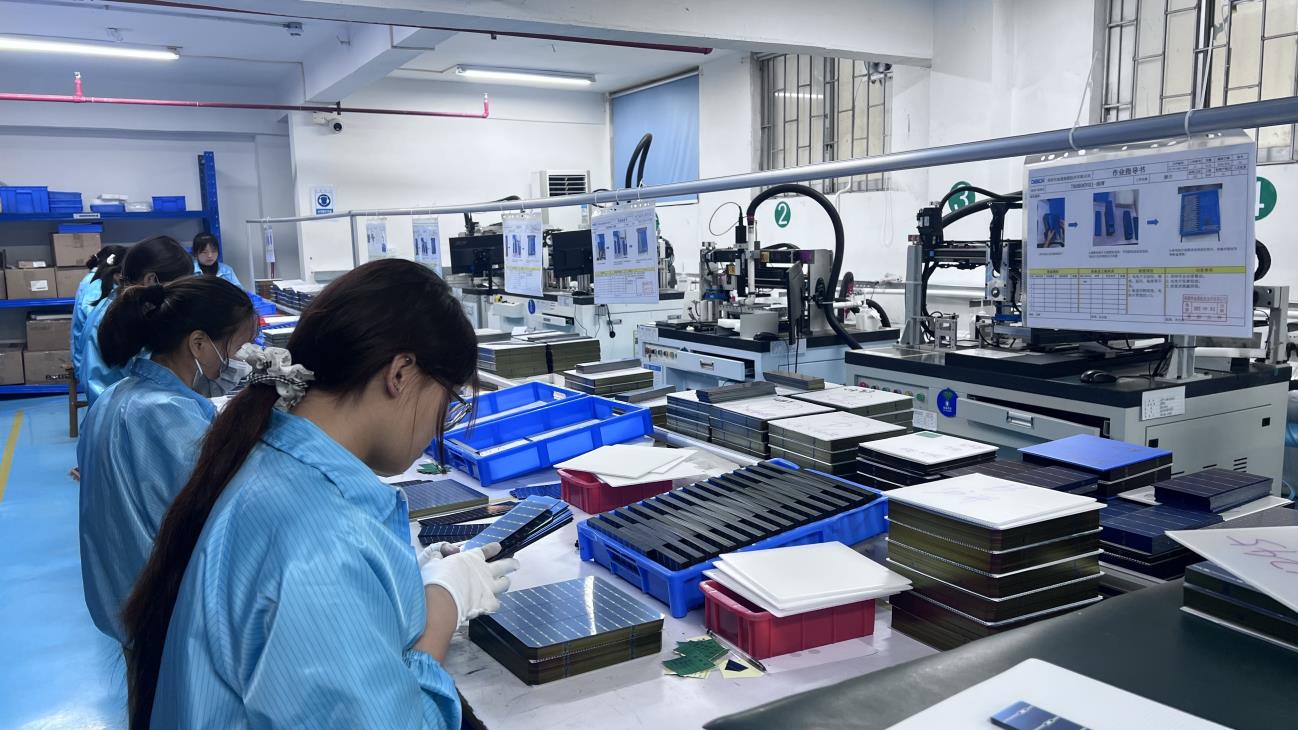
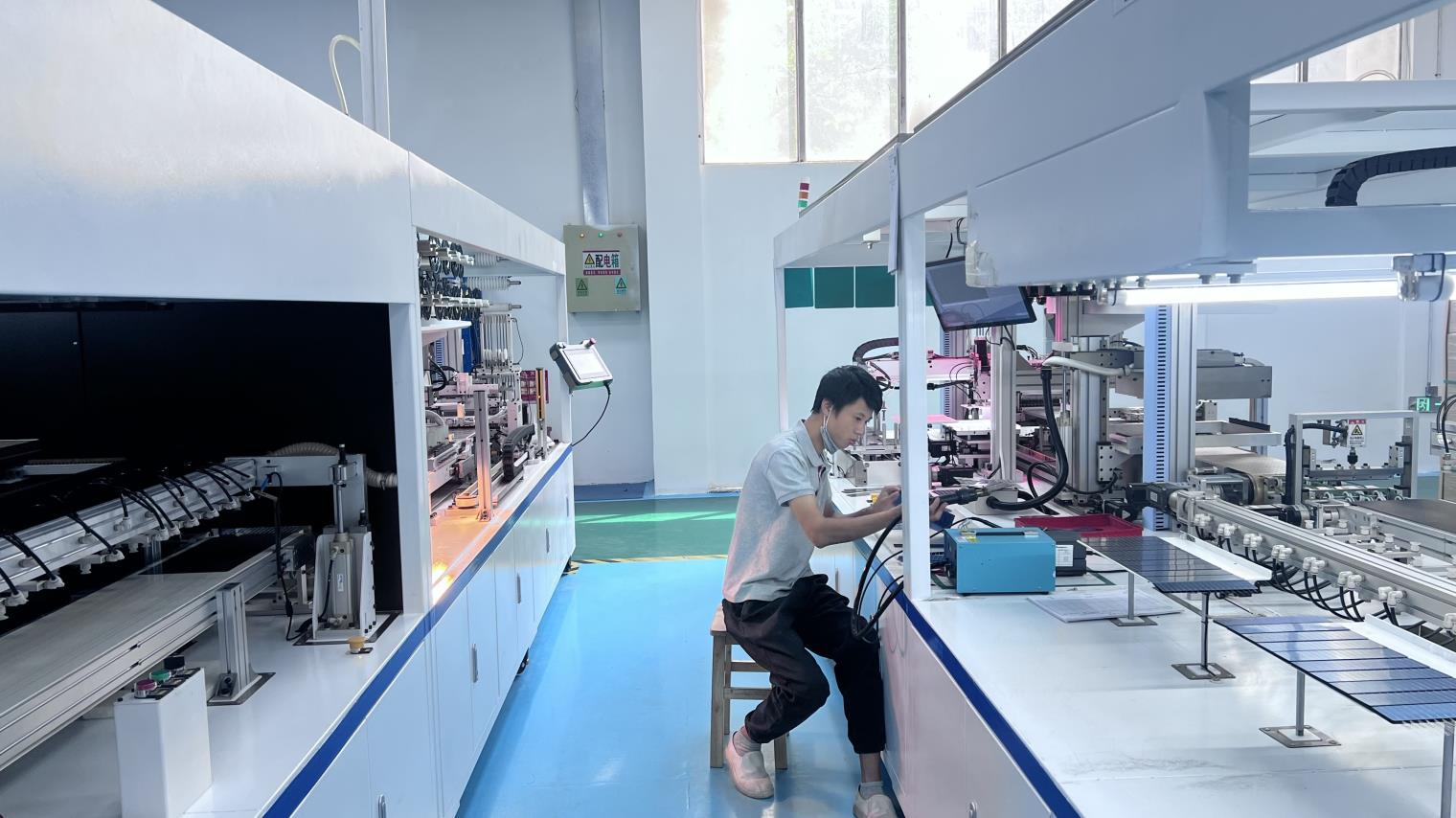
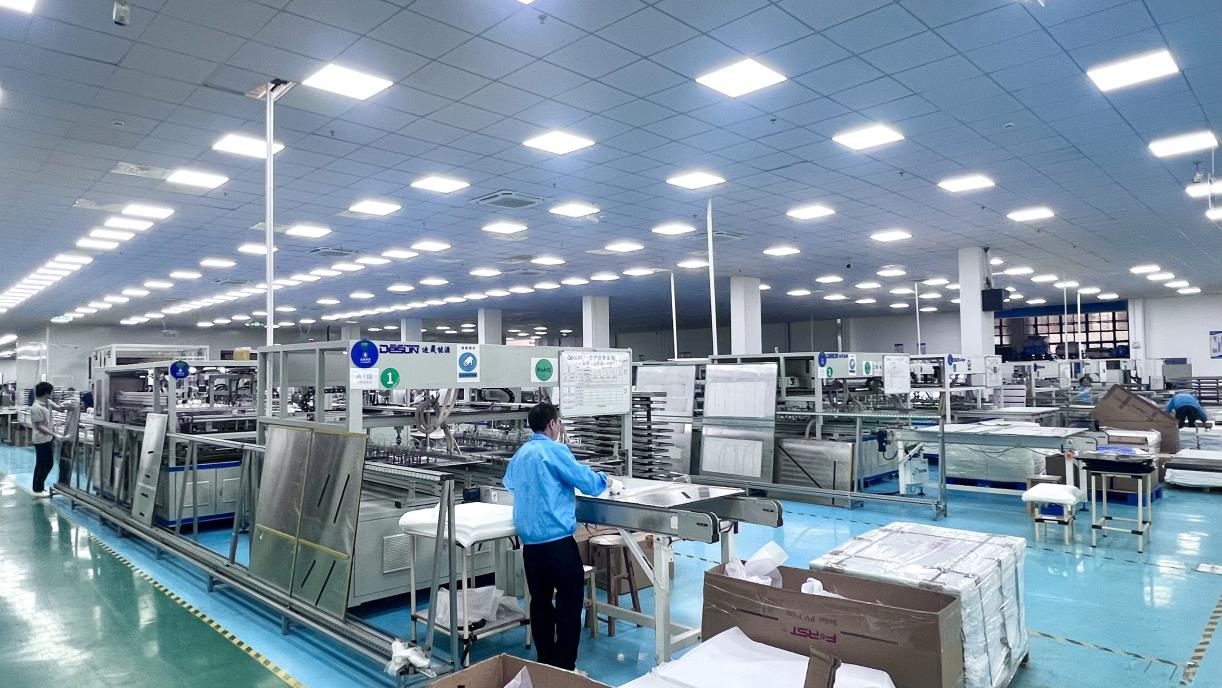
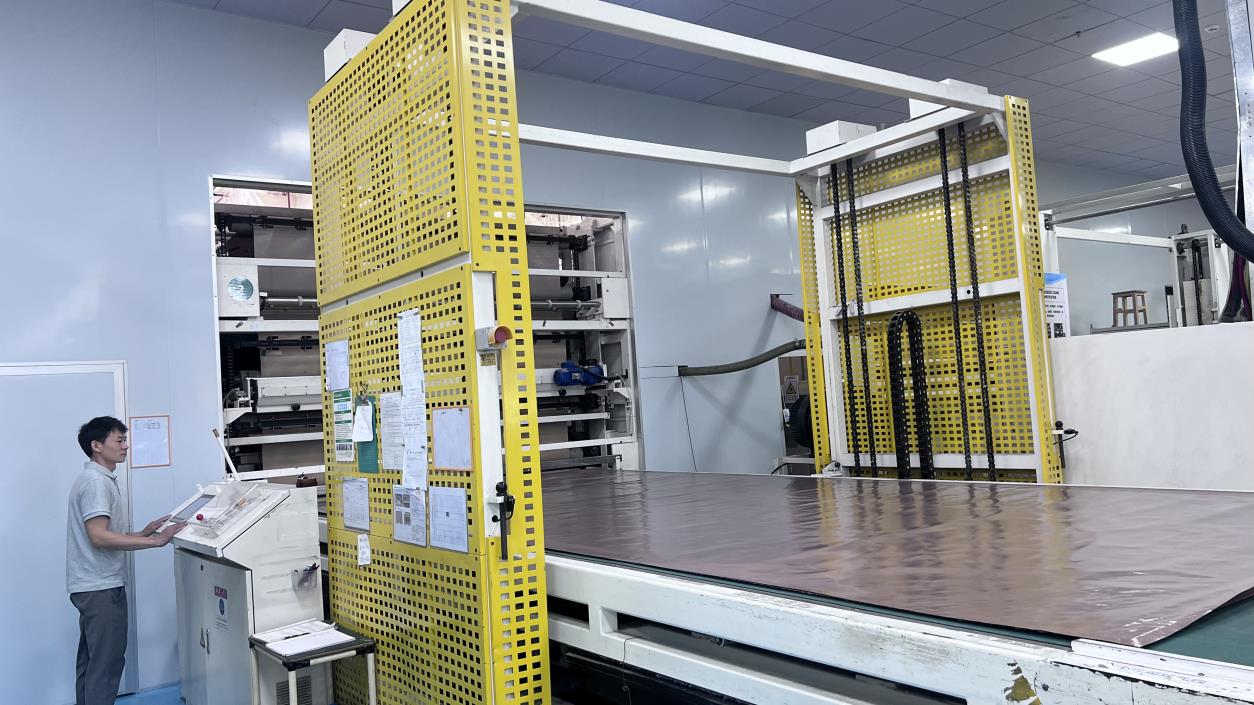
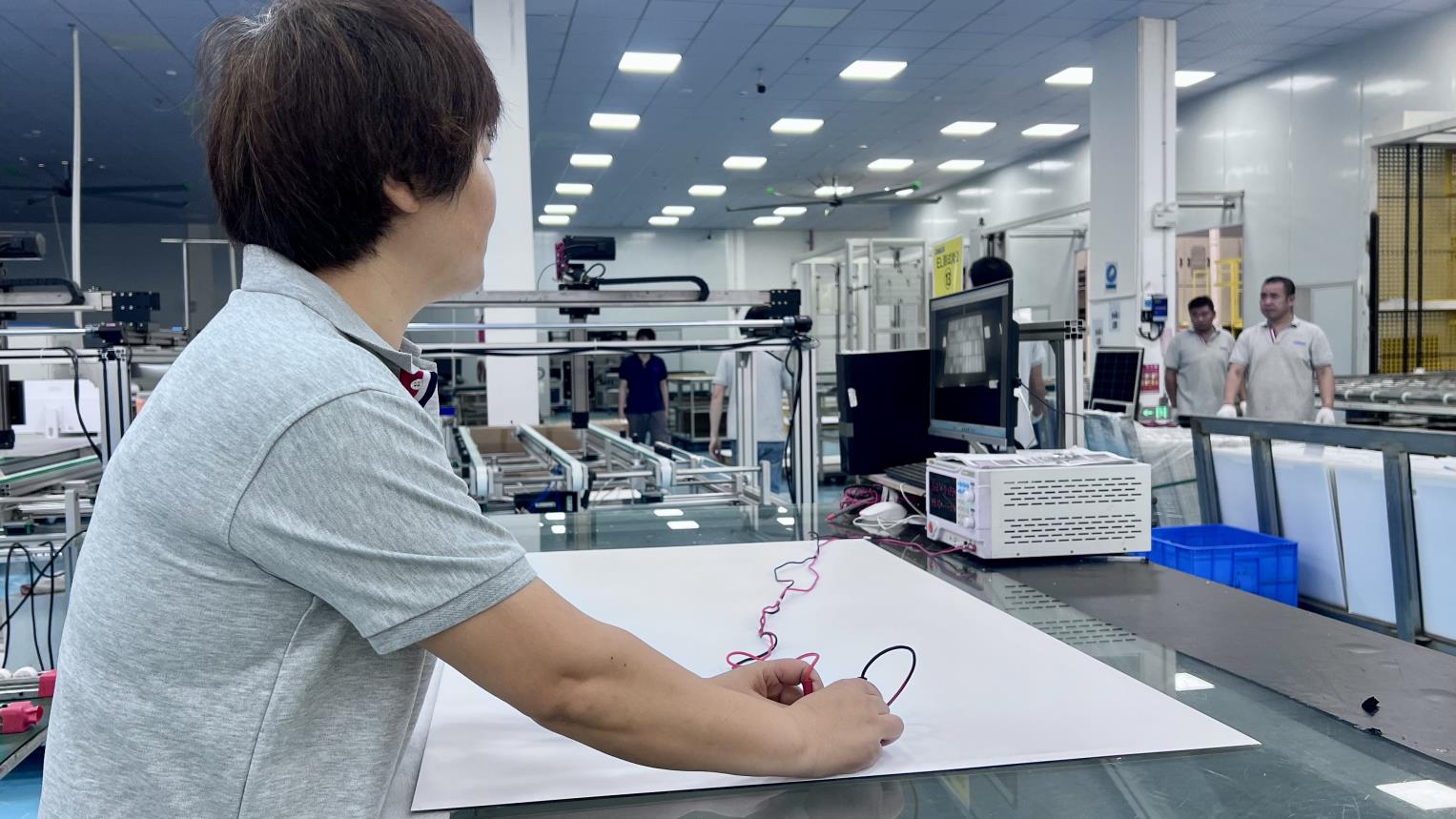
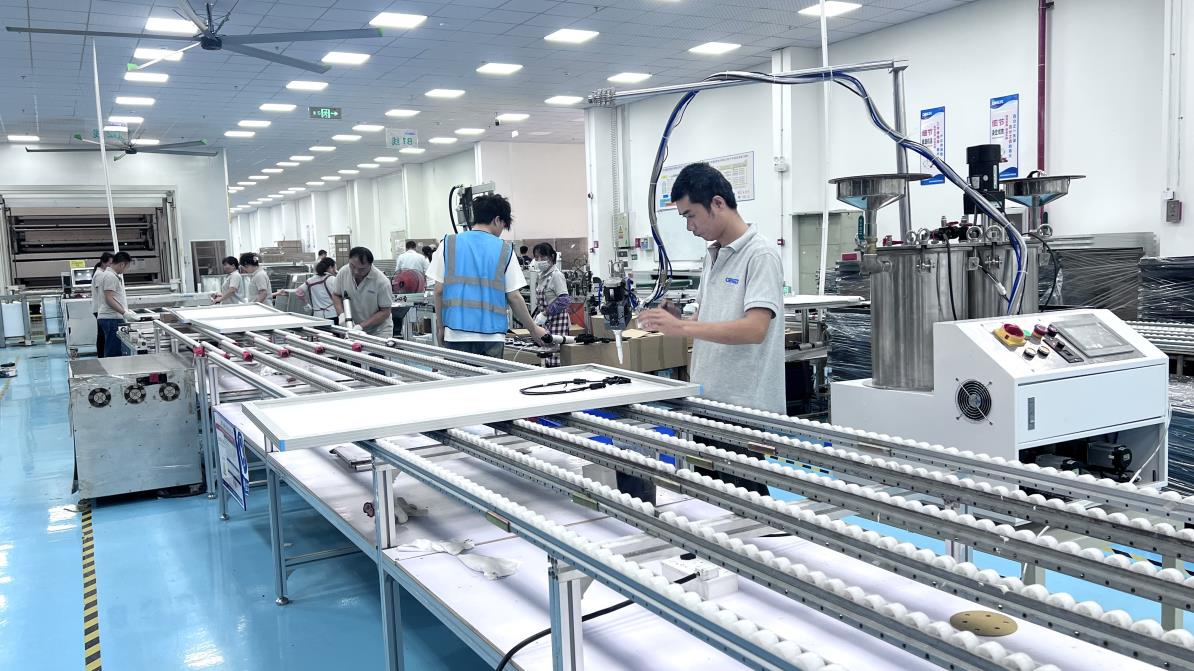
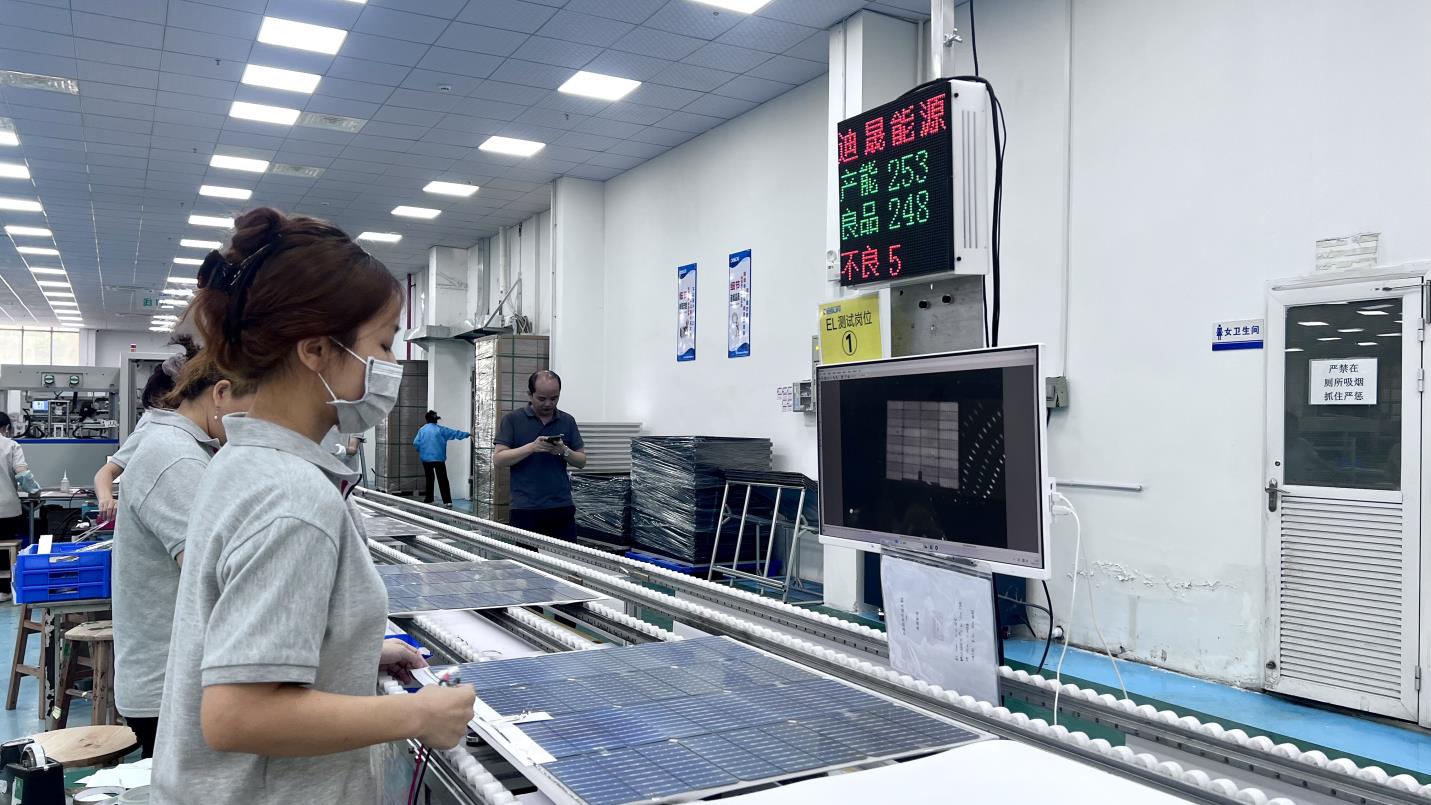
Our manufacturing facility represents the pinnacle of Industry 4.0 integration. Each step is monitored via AI-driven QC systems to ensure 0% defect rates.
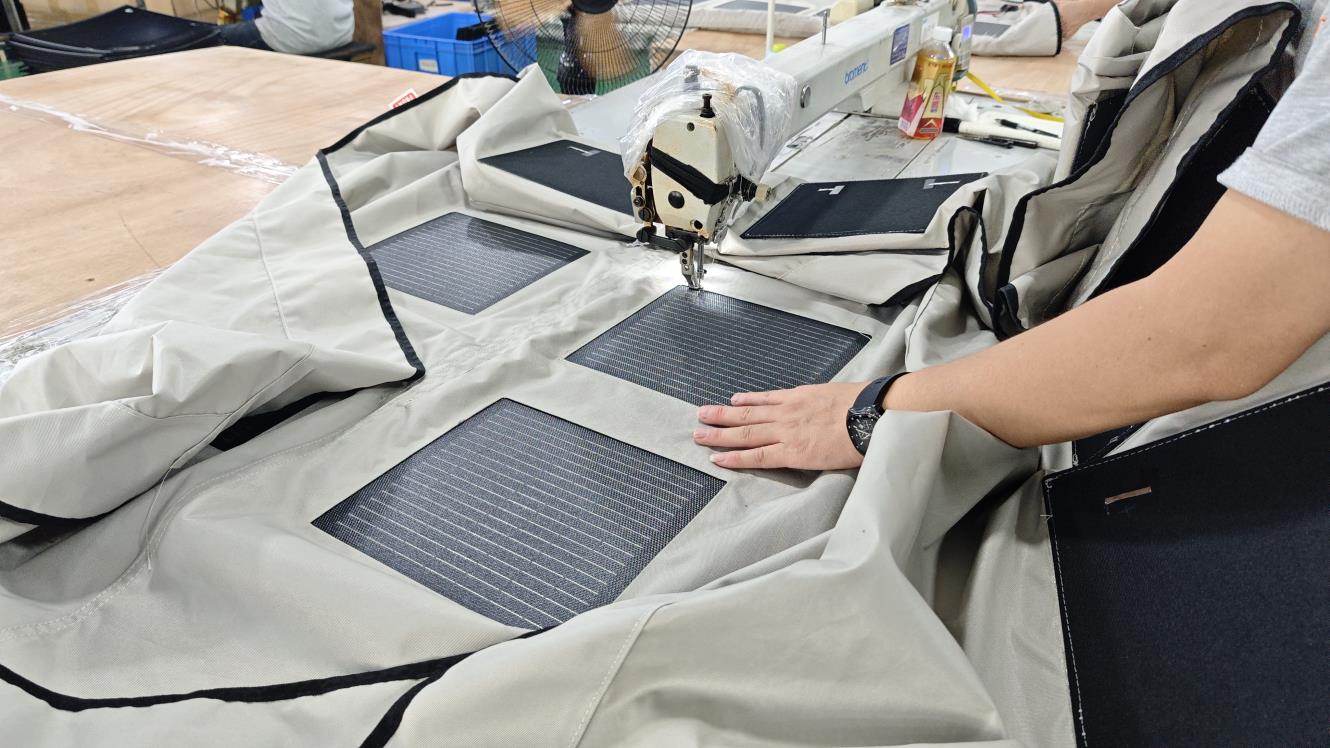
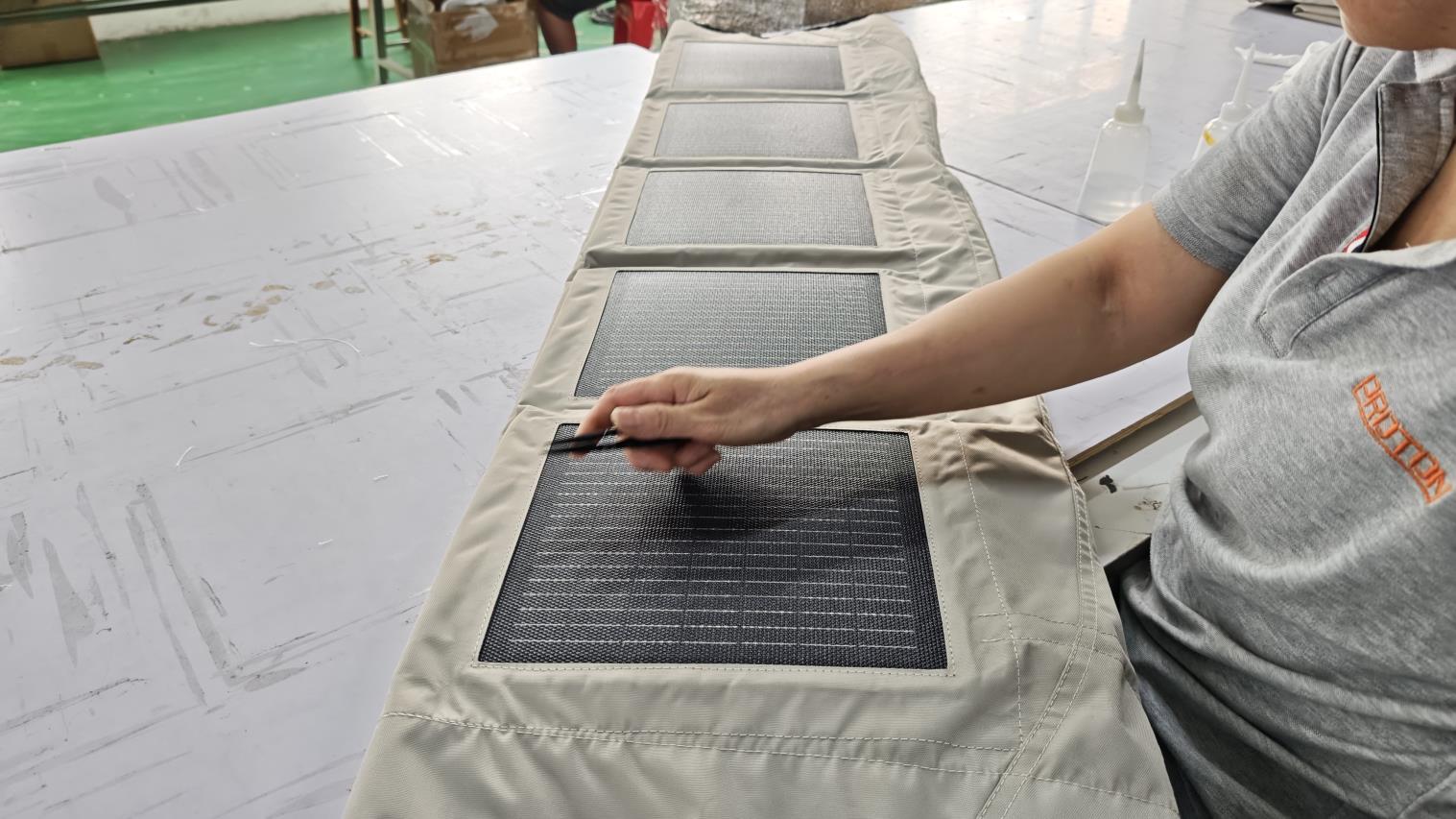
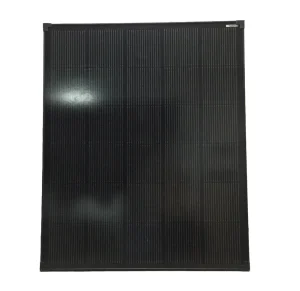
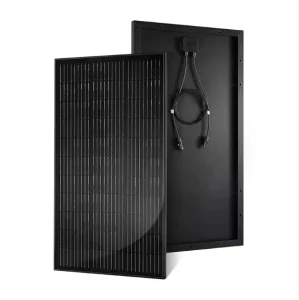
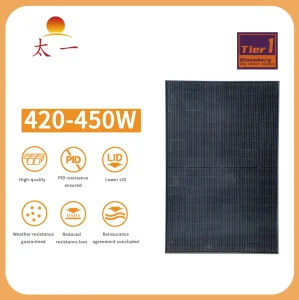
With "All Black" shingled modules, homeowners no longer choose between aesthetics and power. Our panels blend seamlessly into modern architecture while providing 20% more power than traditional residential setups.
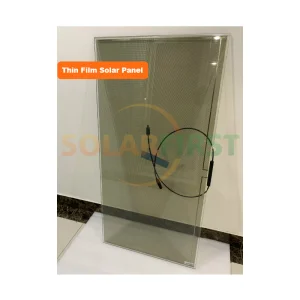
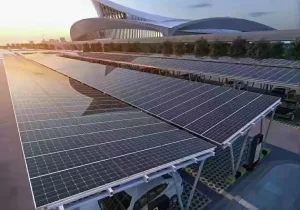
For large-scale carports and rooftop factories, BIPV (Building Integrated Photovoltaics) using transparent Cdte thin-film allows for dual-use infrastructure: energy generation and architectural shade.
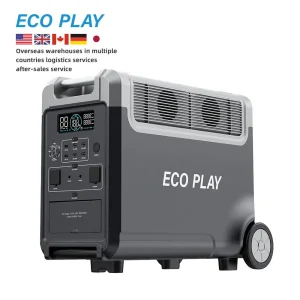
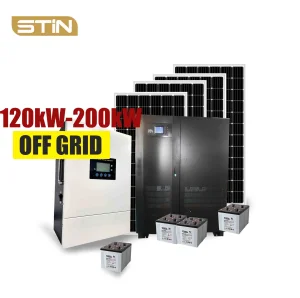
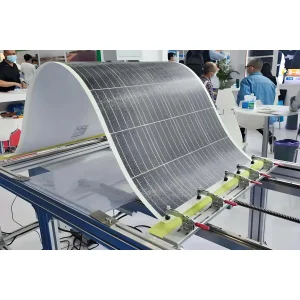
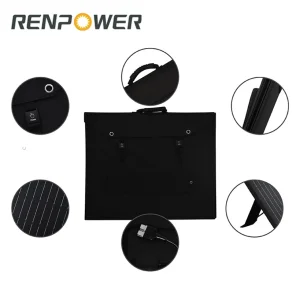
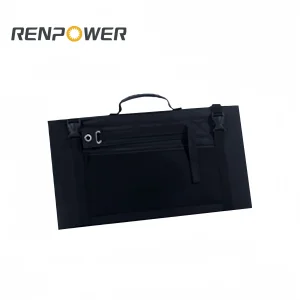
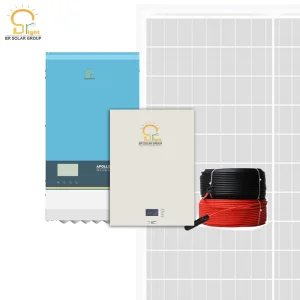
From 3600W portable generators to flexible ETFE panels for yachts, we enable energy independence in the most remote corners of the world, supported by LiFePO4 storage technology.
Navigating the global trade environment requires more than just high-quality products; it requires Trust and Reliability (E-E-A-T). Xiamen ConTech ensures all products meet:
The next decade of PV evolution will be defined by Heterojunction (HJT) + Shingling. By combining the high voltage of HJT cells with the zero-gap design of shingled technology, we are targeting module efficiencies exceeding 24.5%. Furthermore, Xiamen ConTech is actively researching Perovskite-Silicon Tandem Shingled Modules, which promise to break the theoretical Shockley-Queisser limit of single-junction silicon.
Our R&D team is also pioneering "Smart Shingling," where micro-inverters or optimizers are integrated directly into the shingled string, allowing for module-level power electronics (MLPE) without the bulky external hardware.
A: Because shingled modules use Electrically Conductive Adhesive (ECA) and a parallel circuit architecture, the current density is lower. This naturally reduces the temperature of any potential hotspot caused by shading, significantly extending the module's lifespan.
A: Soldering involves high heat which stresses the silicon wafers. ECA is a cold-bonding process that is flexible, allowing the cells to withstand the mechanical vibrations and wind loads found in maritime or high-altitude environments without cracking.
A: Absolutely. Our All-Black and Transparent series are specifically designed for Building Integrated Photovoltaics, providing both the thermal insulation of a building material and the power generation of a high-end solar panel.
A: Depending on the customization (OEM/ODM), standard lead times range from 15 to 30 days. We maintain a robust supply chain to ensure consistent delivery even during global logistics fluctuations.
 ConTech Solar