Engineered for high mechanical stability and maximum generation under harsh marine and off-grid environments.
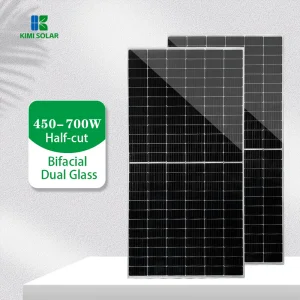
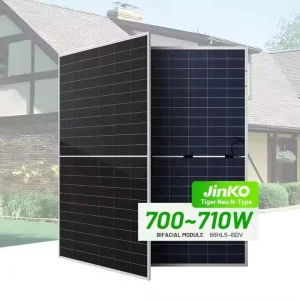
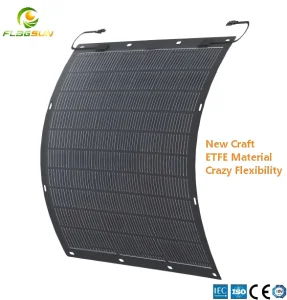
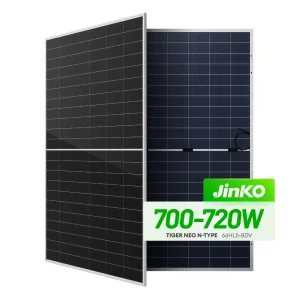
Analyzing key structural requirements, environmental barriers, and technological innovations in marine PV operations.
Installing solar systems in coastal and marine environments exposes materials to high-level stress. Salt-mist deposition, constant humidity, high winds, and structural flex demand rugged construction. Without proper engineering, components degrade prematurely, leading to potential-induced degradation (PID) and water ingress.
Modern commercial procurement focuses on maximizing lifetime yield. N-Type solar cells have a lower degradation rate and a superior temperature coefficient compared to standard P-type wafers, ensuring higher generation in warm coastal regions.
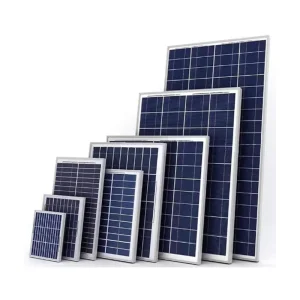
By leveraging double-sided glass designs, panels harvest reflected albedo light from surrounding water. Dual glass layers provide a hermetic seal, protecting inner cells from moisture ingress, mechanical impacts, and chemical corrosion.
"The choice of marine solar components directly impacts Levelized Cost of Energy (LCOE). Salt-mist resistant frameworks and UV-stabilized materials prevent early system failures, protecting the investment over decades."
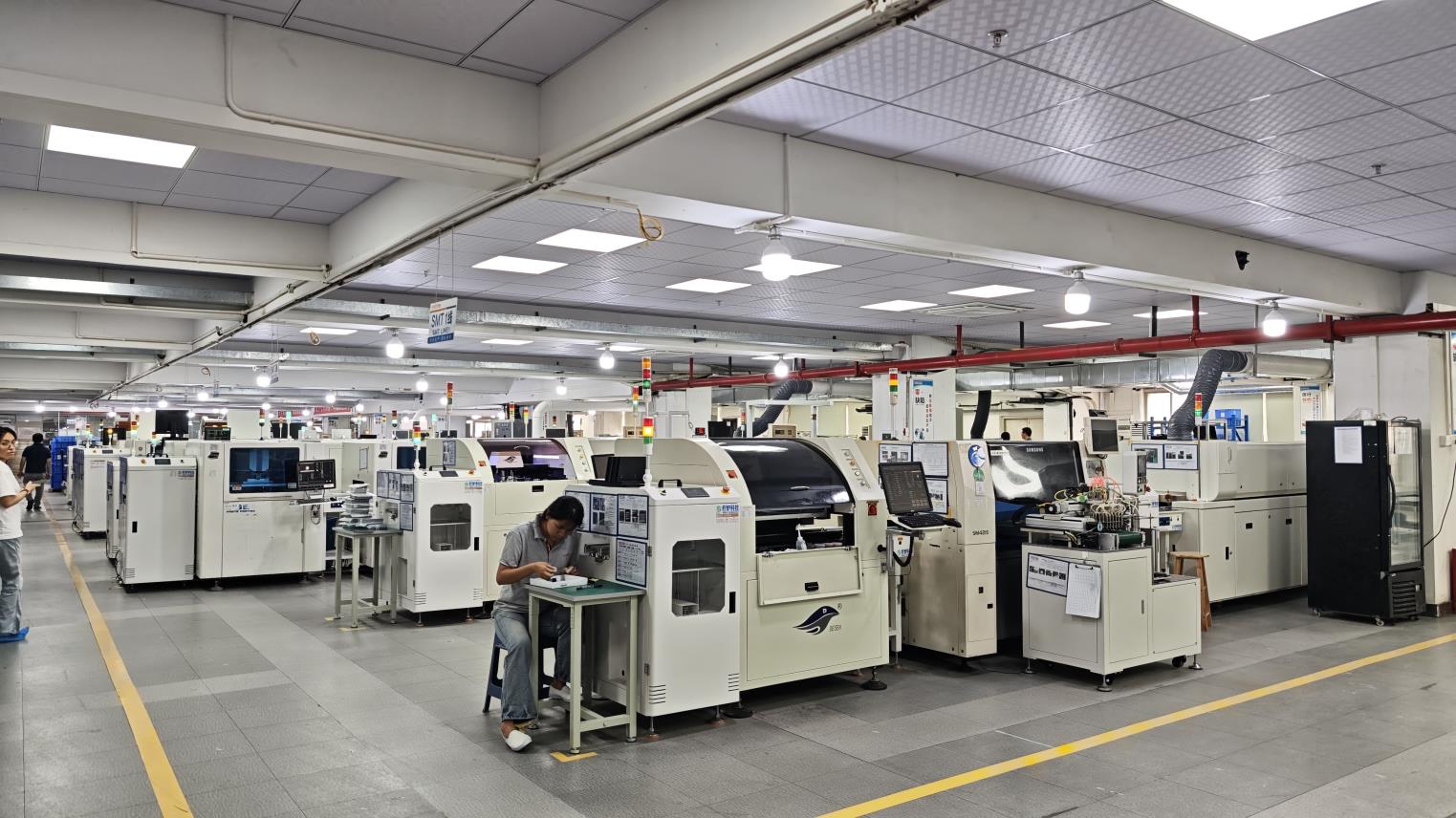
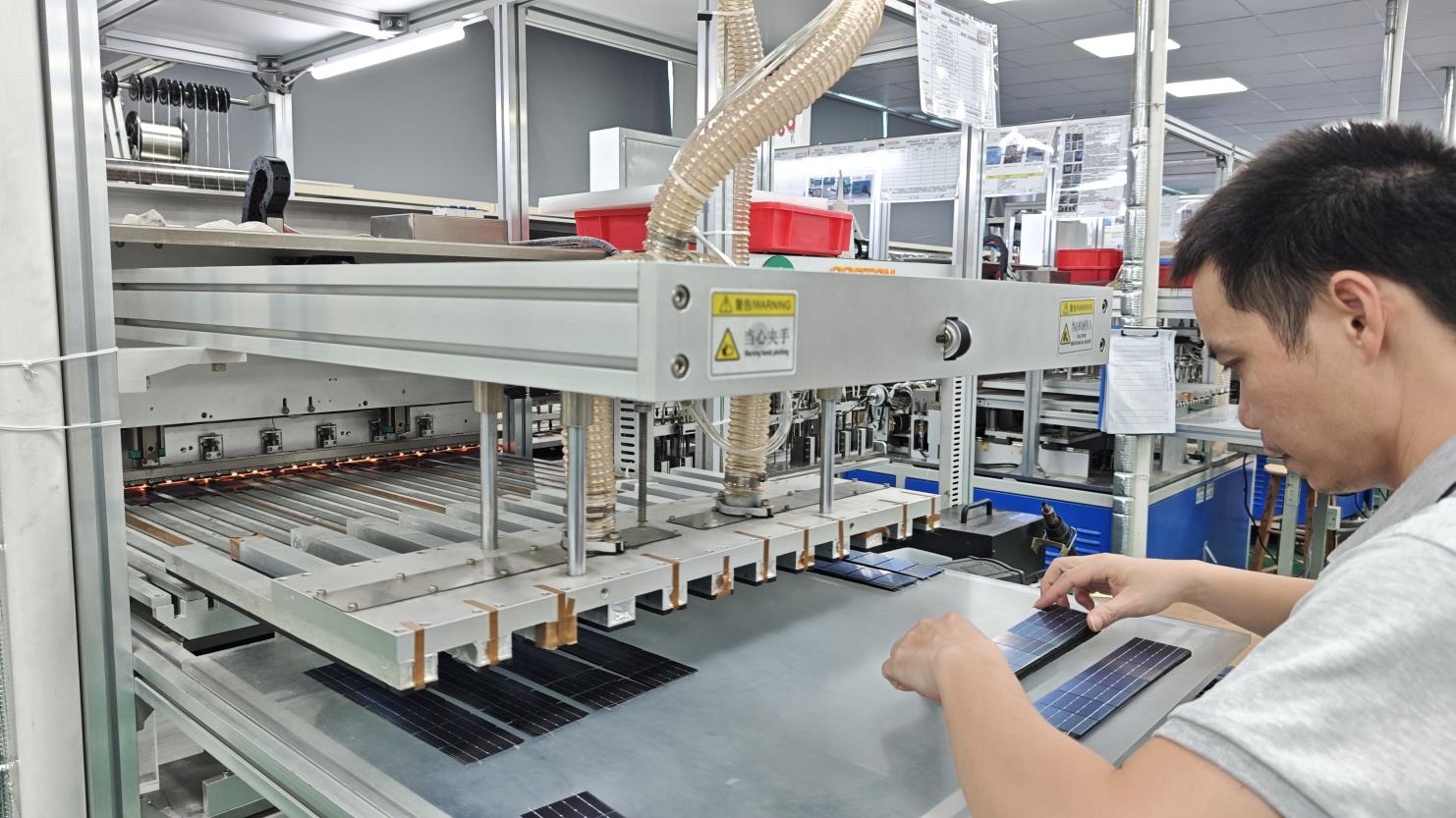
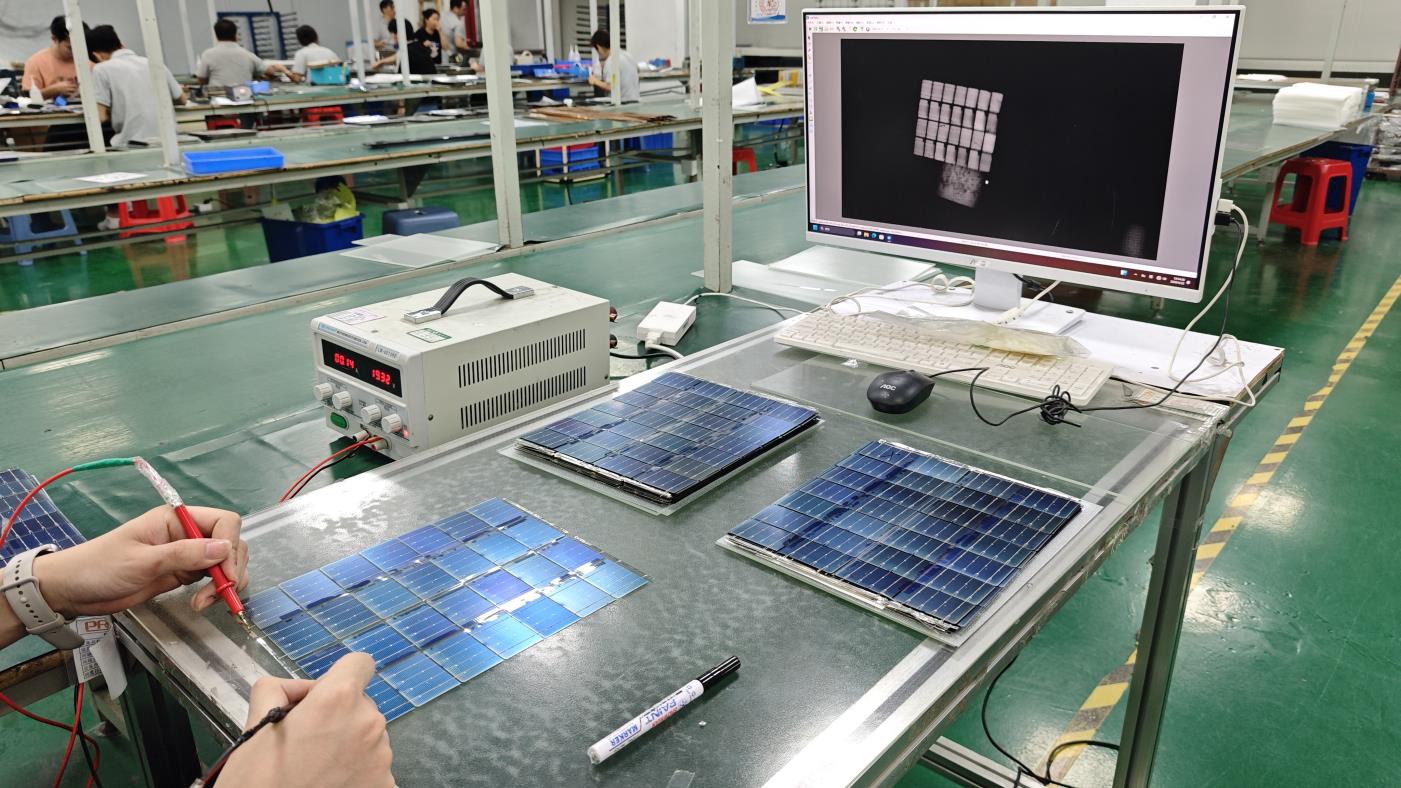
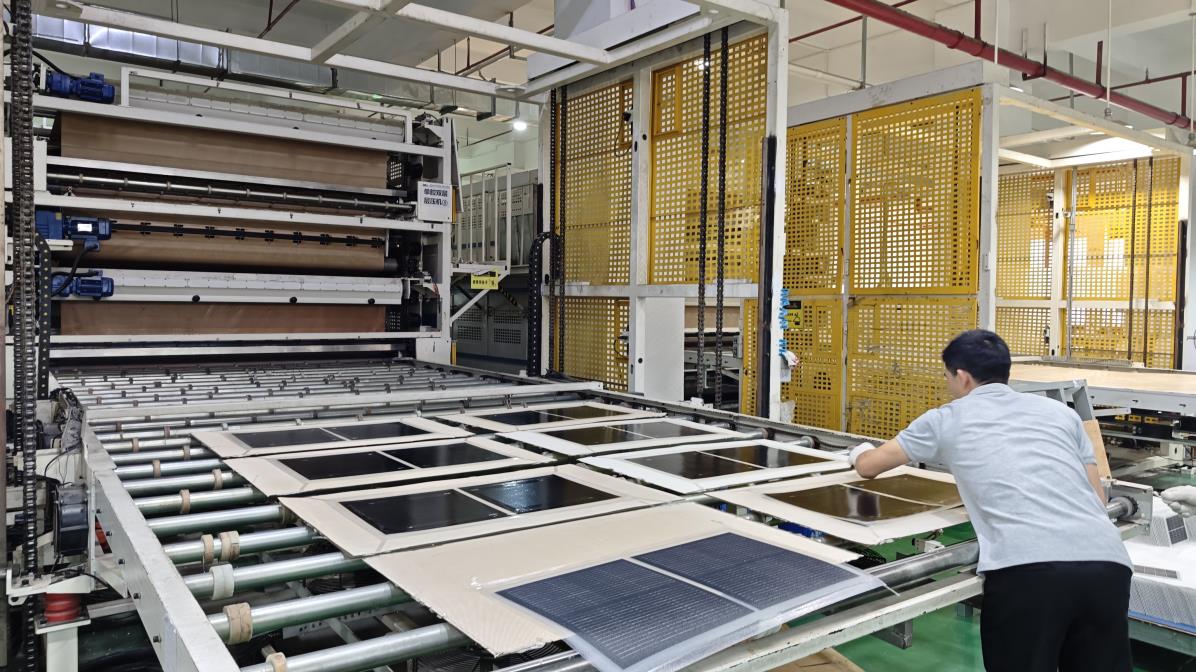
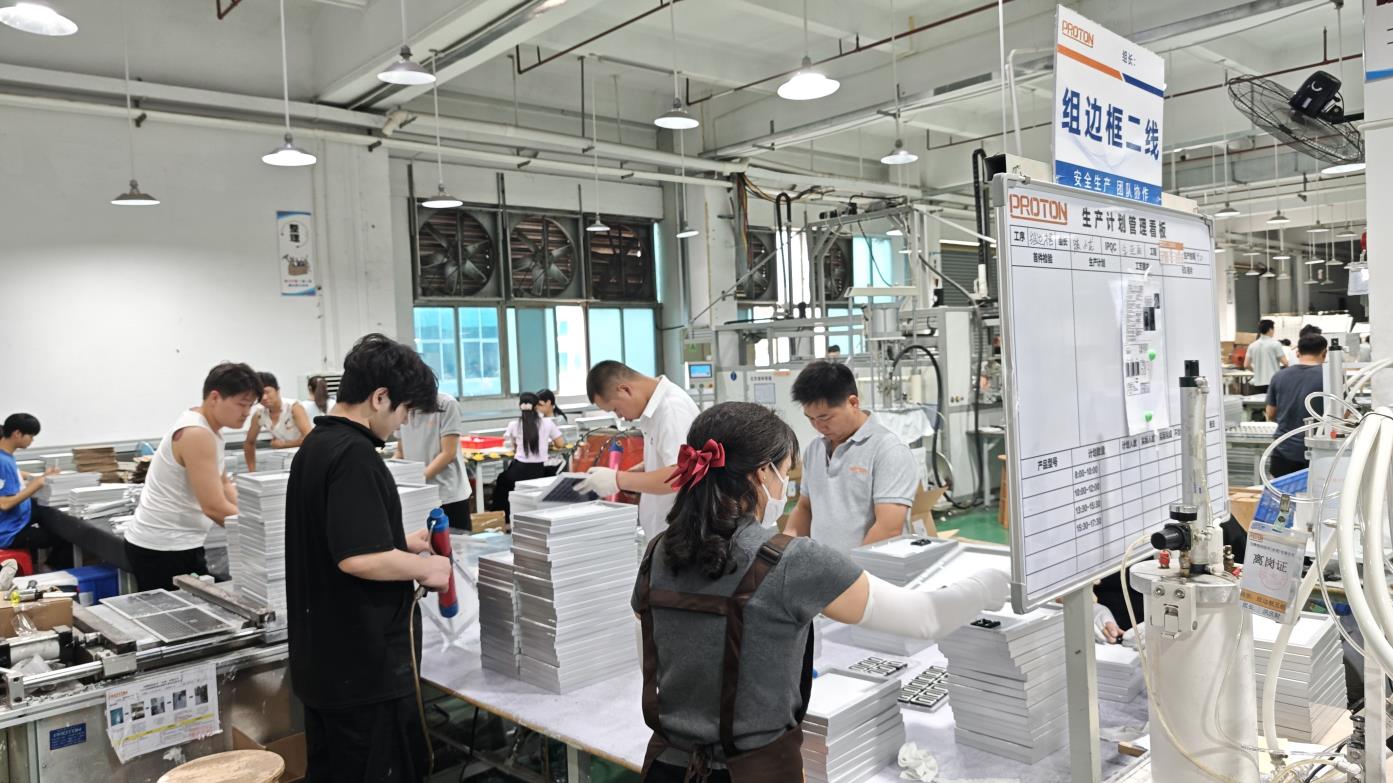
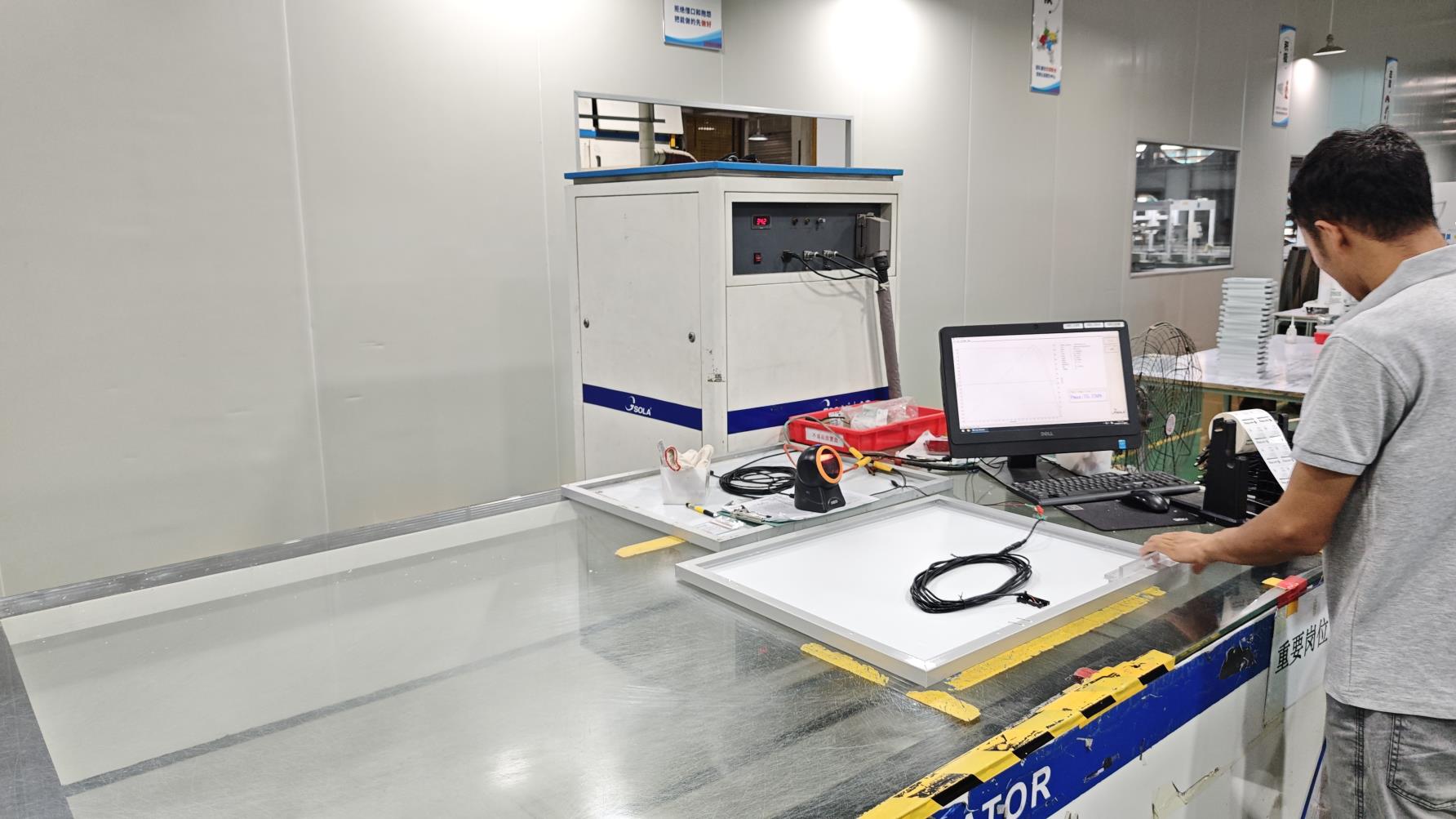
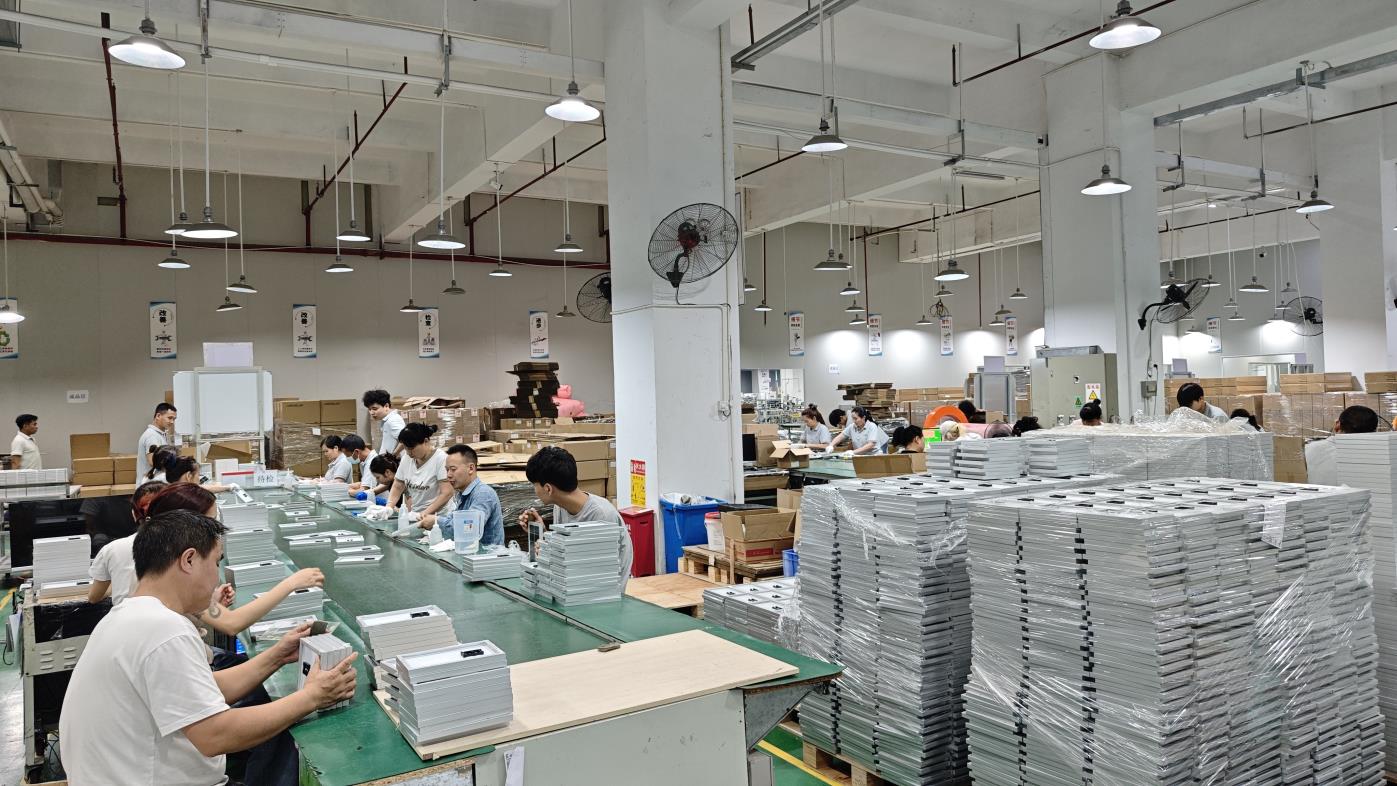
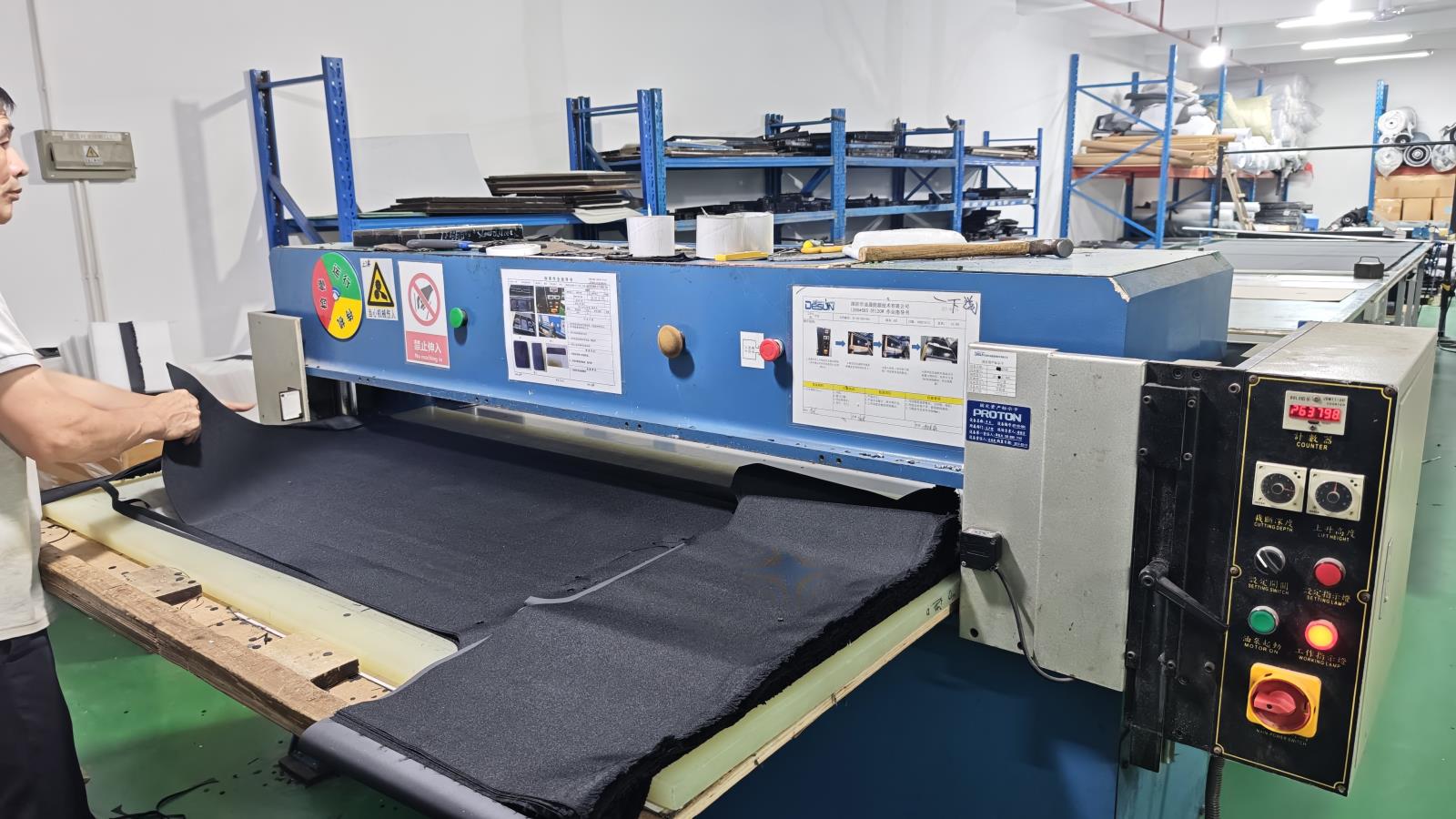
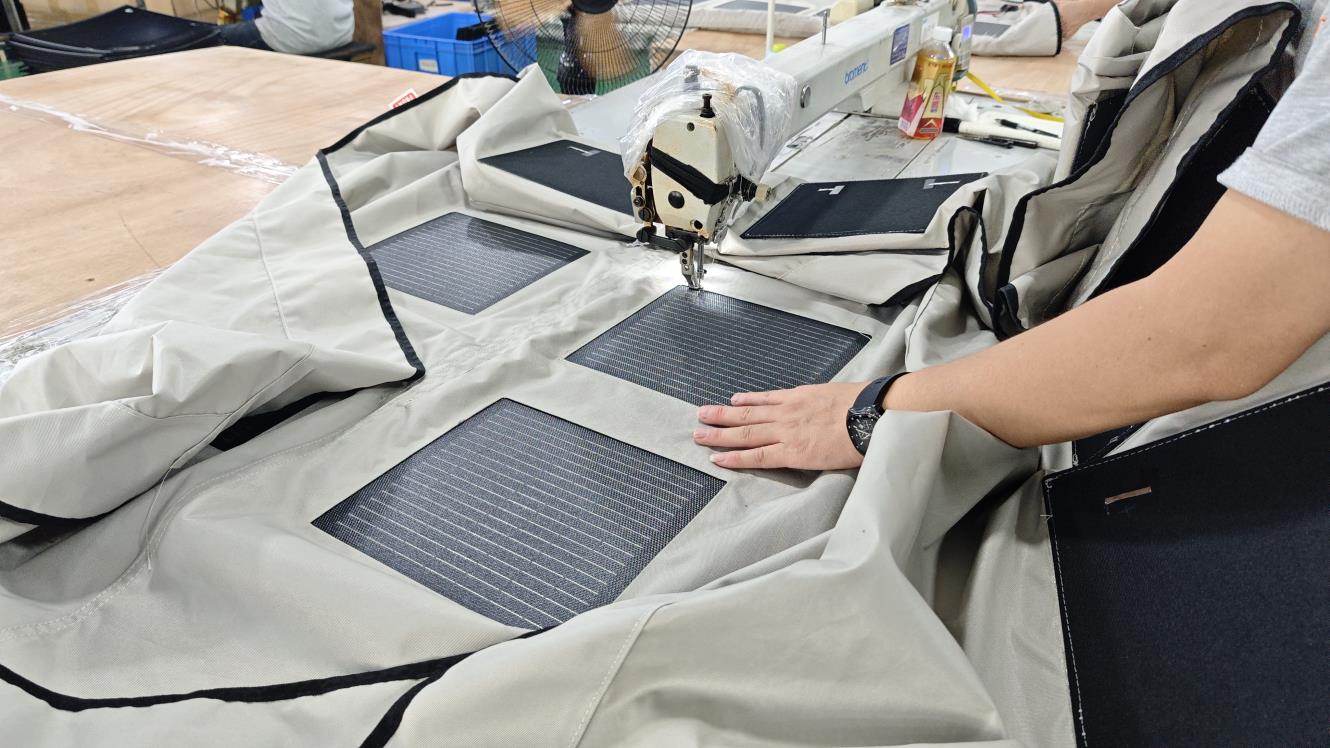
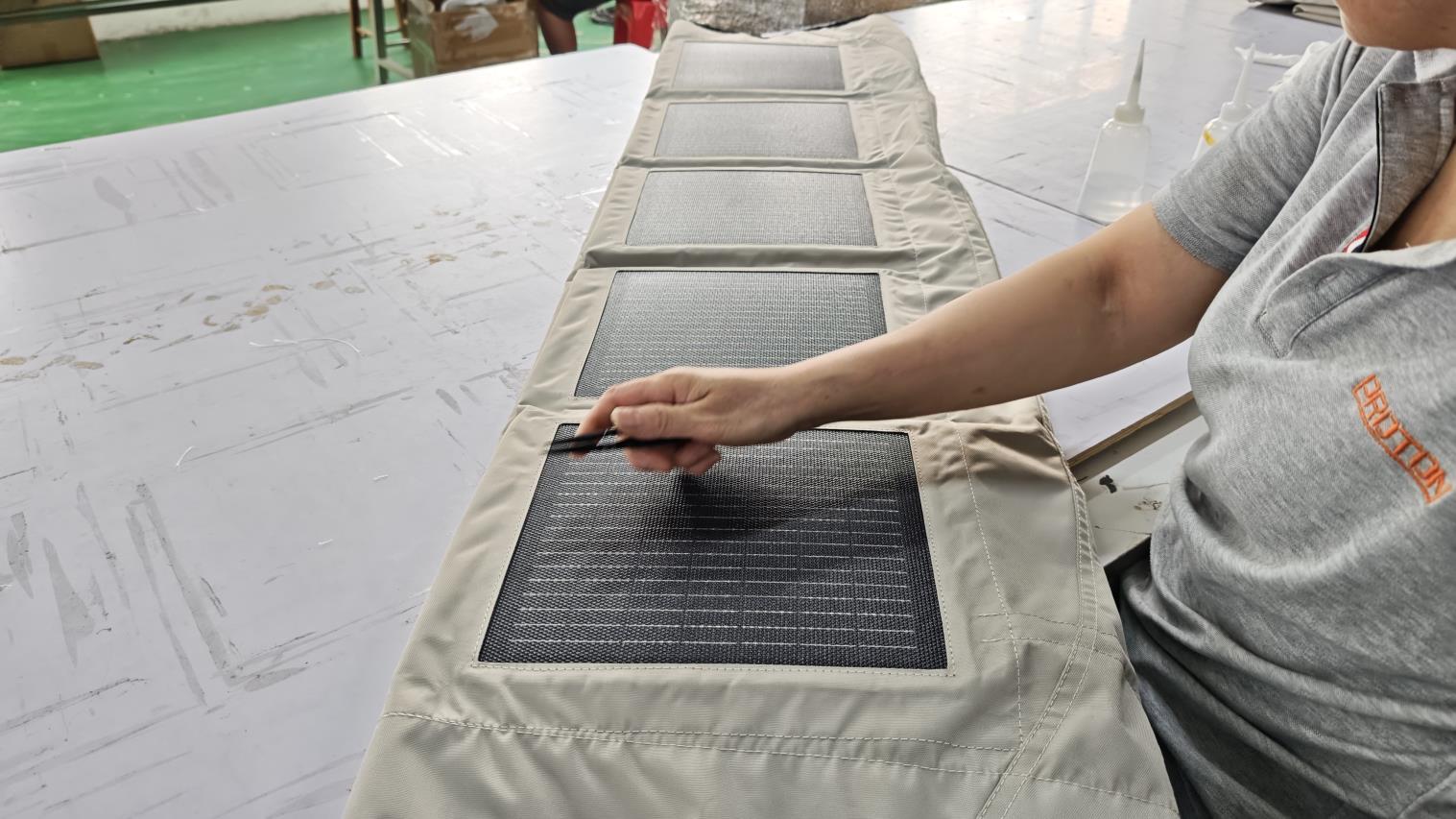
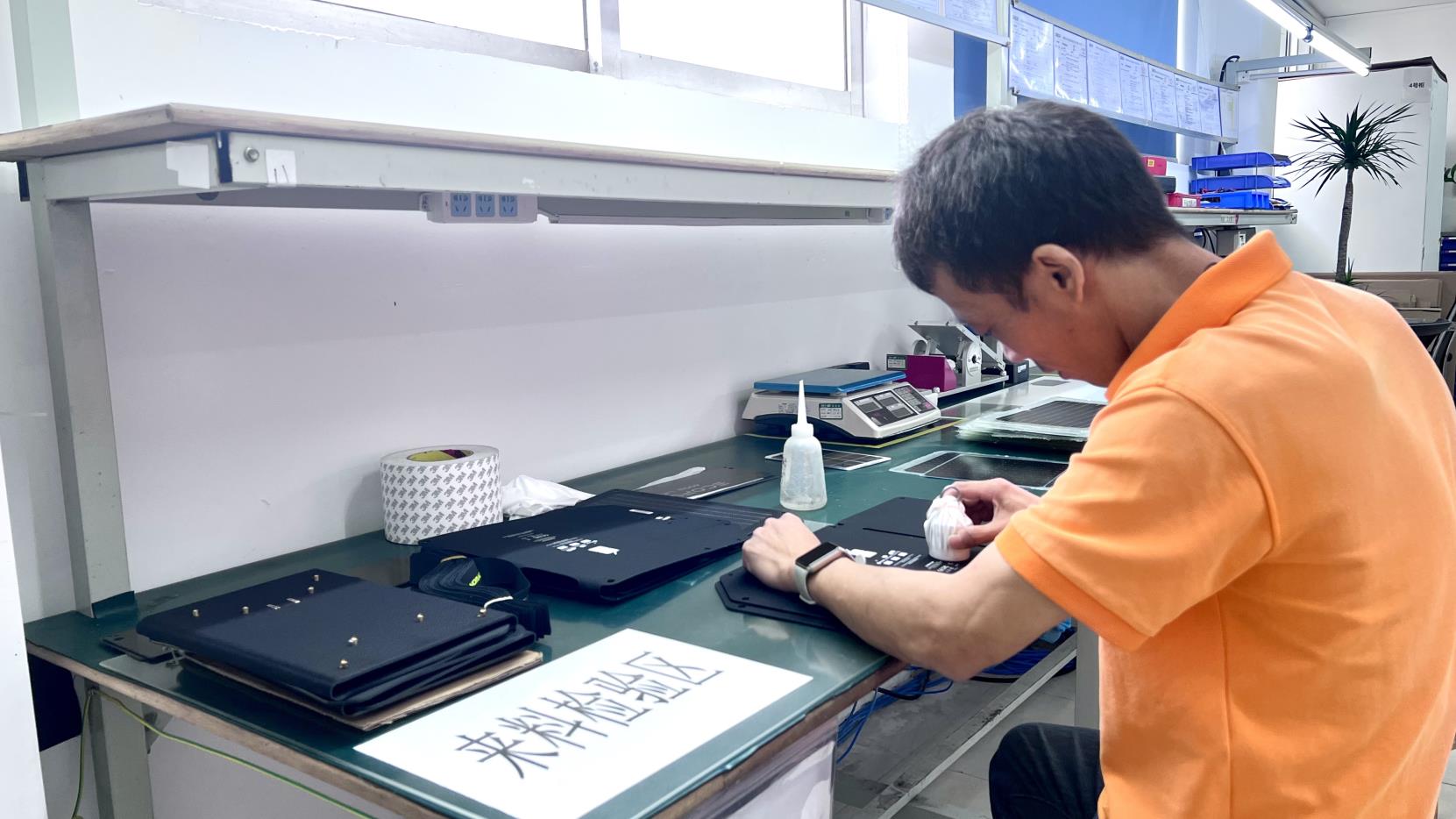
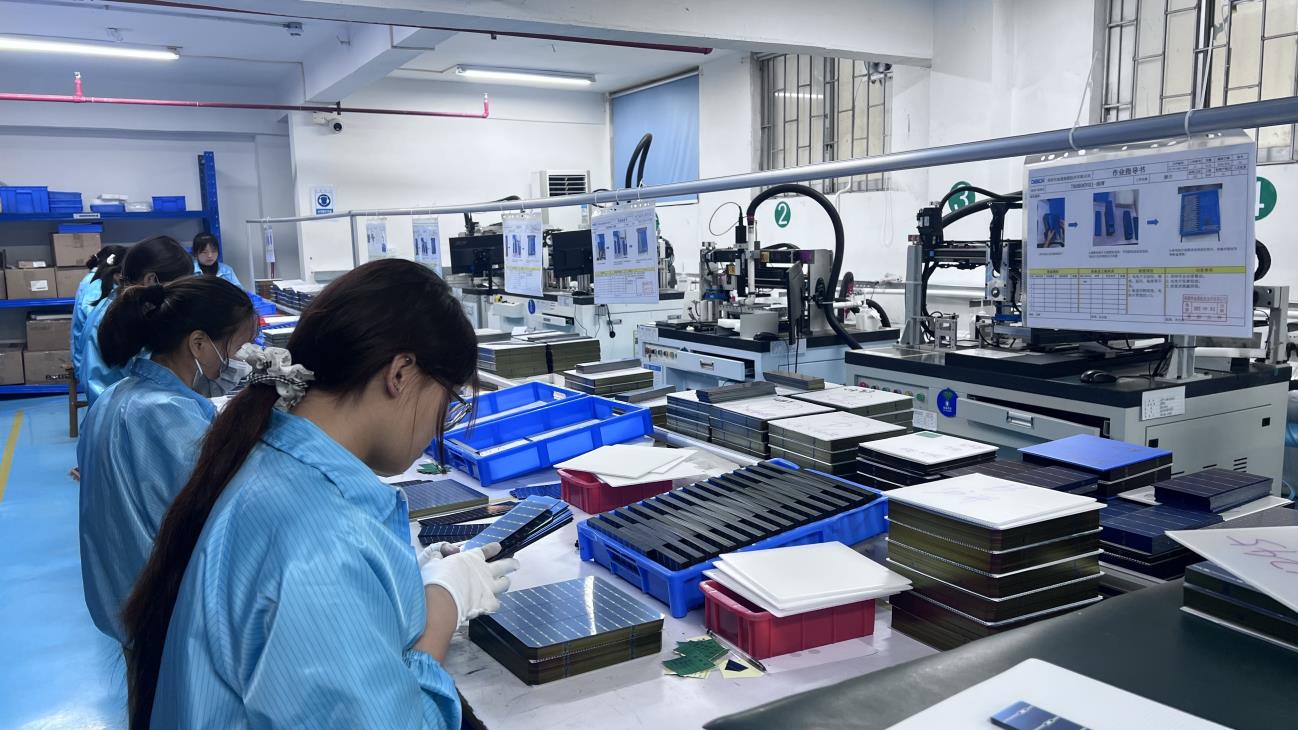
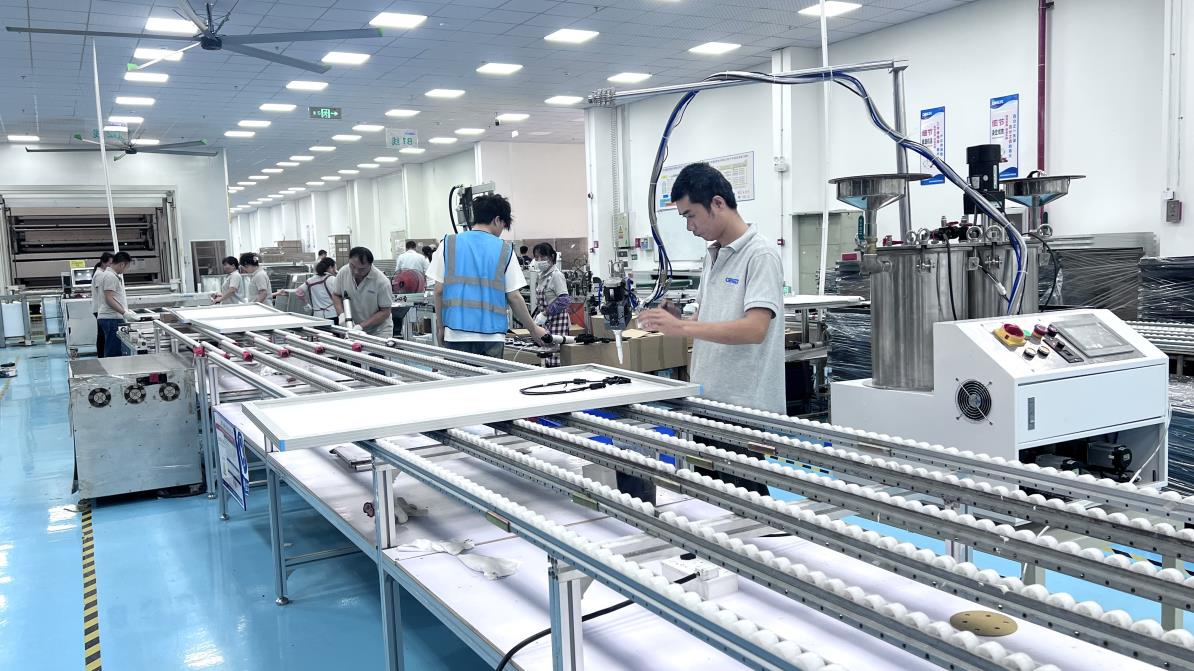
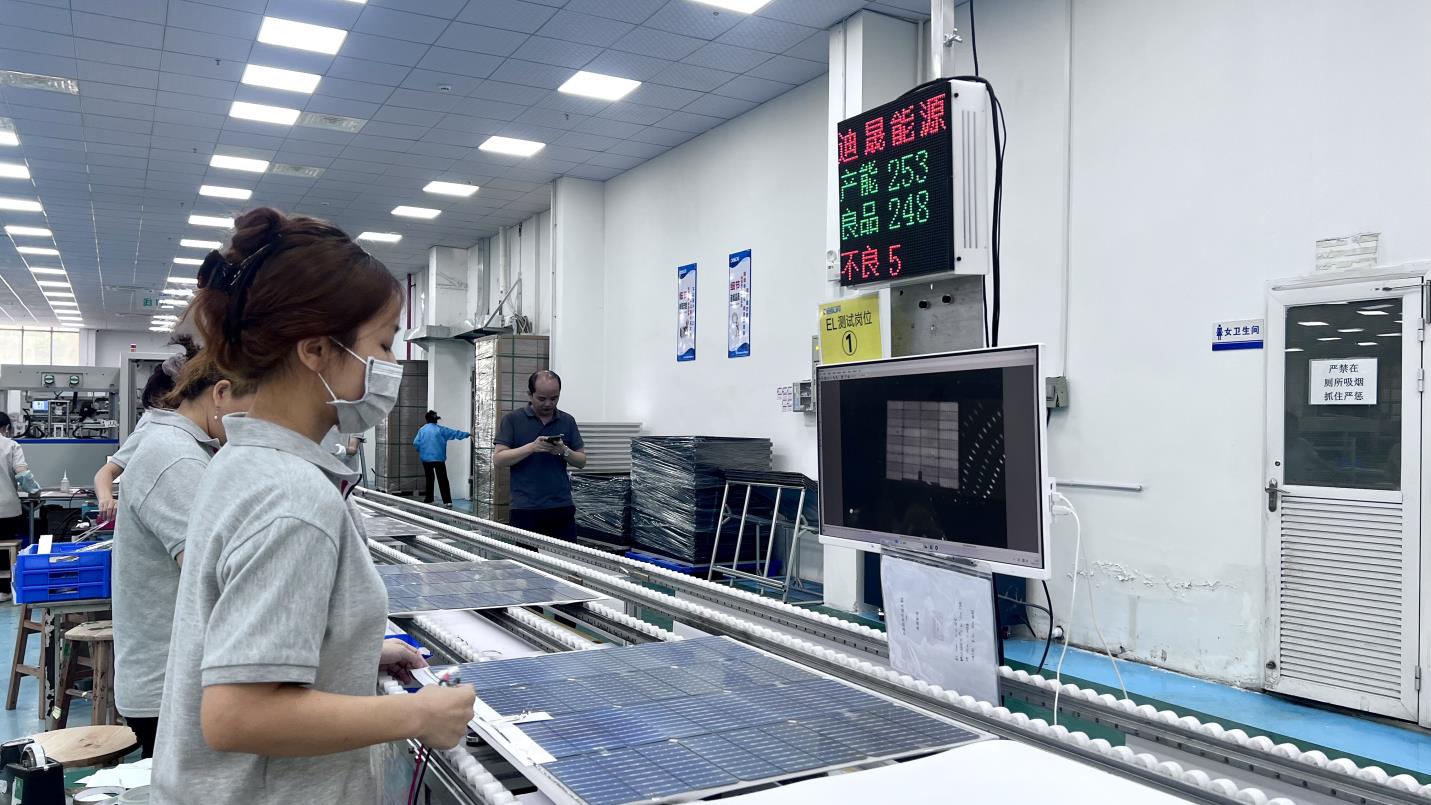
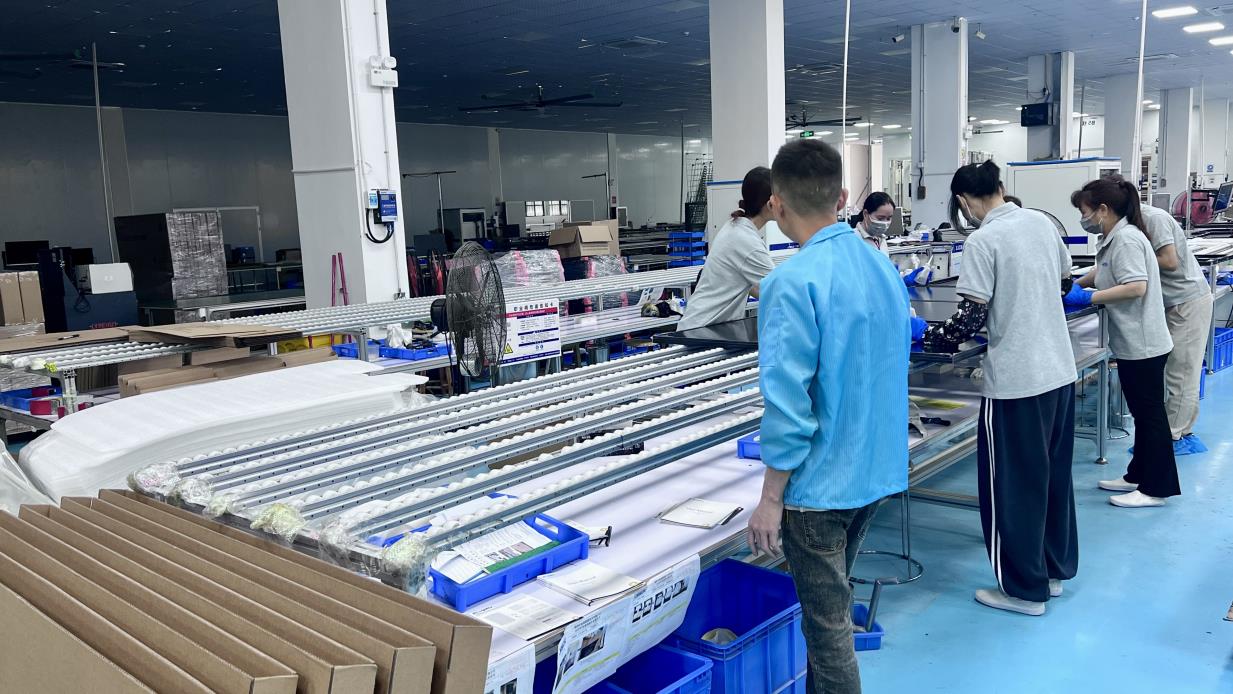
A look at Xiamen ConTech Solar Co., Ltd.'s modern manufacturing facilities and advanced quality inspection processes.
Xiamen ConTech Solar Co., Ltd. is a high-tech enterprise specializing in solar energy products. Focused on research, development, and sales, ConTech Solar provides reliable, efficient solar solutions worldwide. Emphasizing technology and quality, the company maintains rigorous testing procedures to ensure stability in demanding environments like marine, residential, and industrial applications.
Through Factory 4.0 principles, including laser scribing, automatic string welding, and automated laminating systems, ConTech Solar maintains high quality controls and consistent material sourcing.
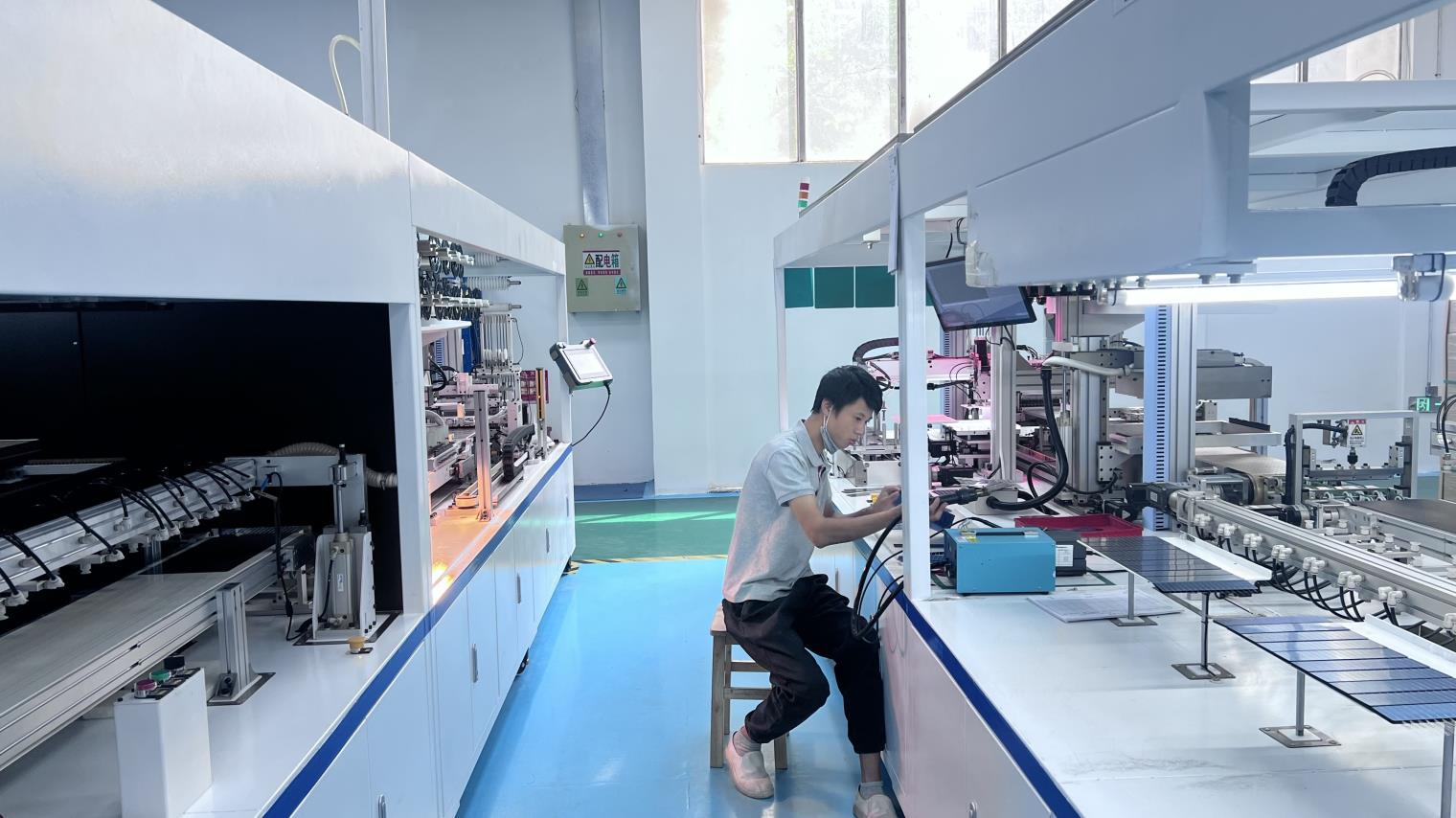
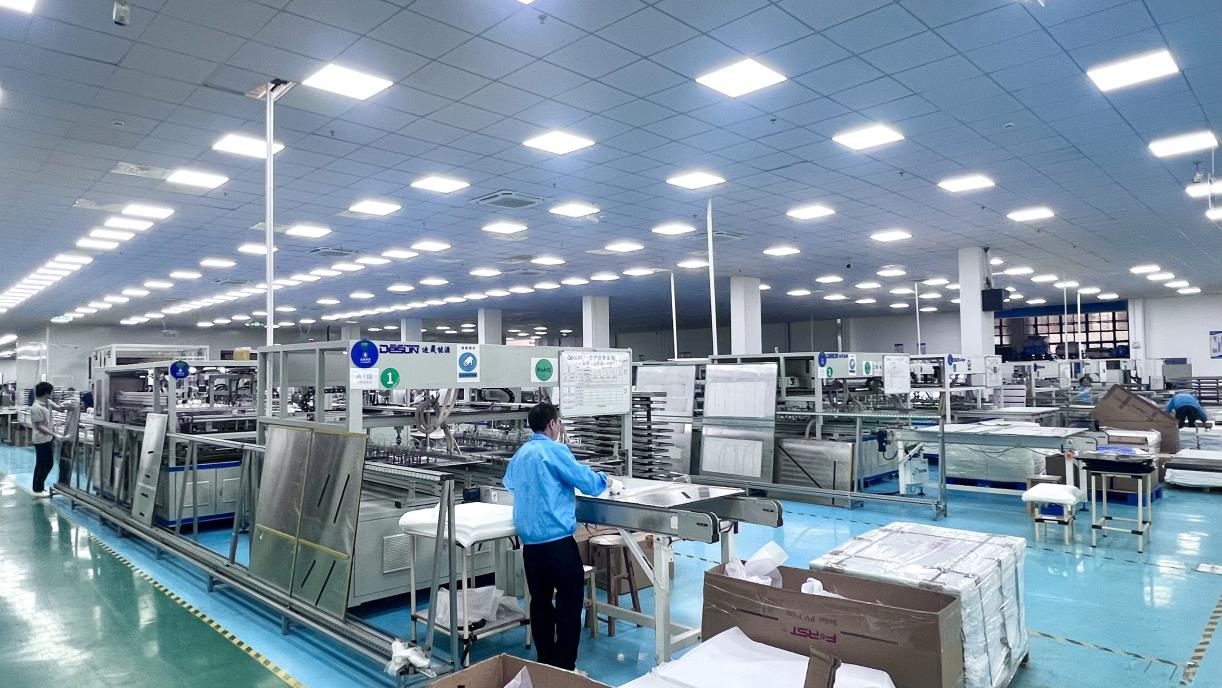
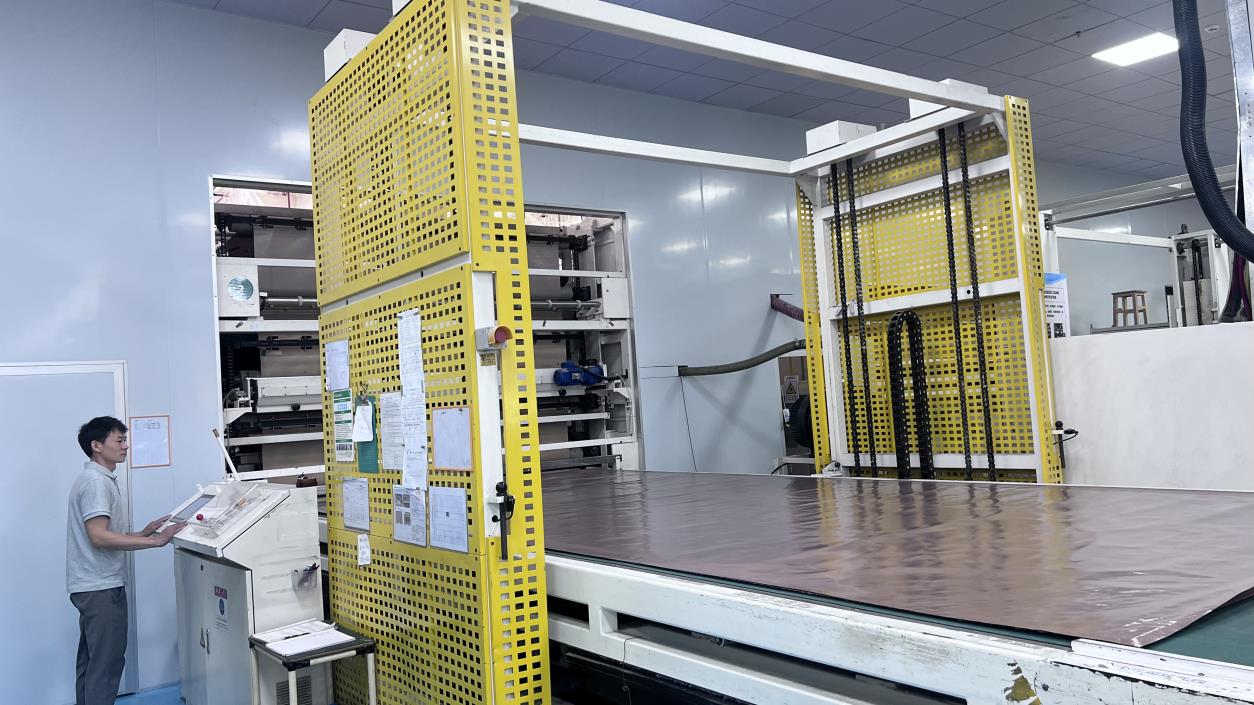
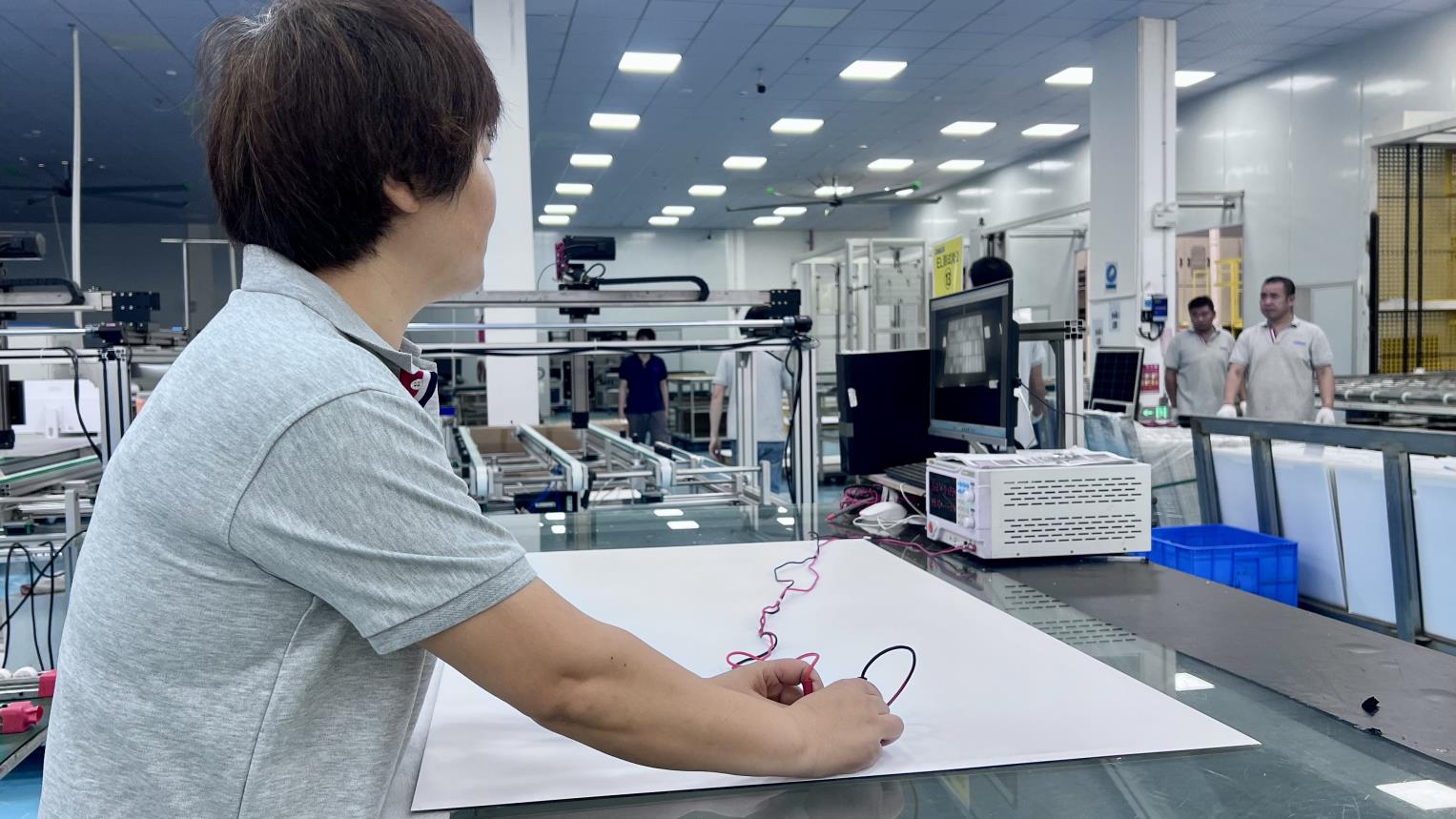
How flexible materials and specialized mounting kits operate across marine industries.
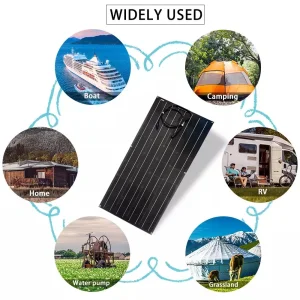
Traditional flat glass modules cannot conform to yacht curves. ETFE flexible solar modules and rollable silicon solutions stick directly to fiberglass decks, maintaining aesthetics while generating off-grid power.
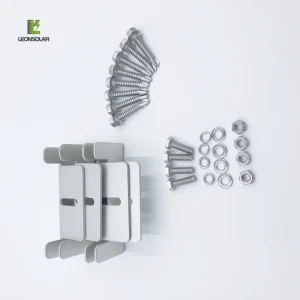
Deploying solar on seawater requires high resistance to waves and humidity. Double-glass bifacial panels, combined with specialized marine mounting kits, provide mechanical stability and protection from PID.
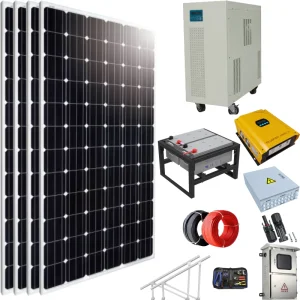
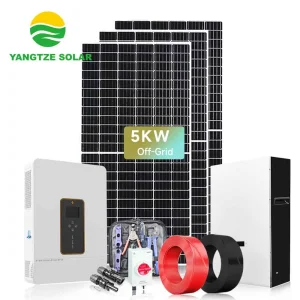
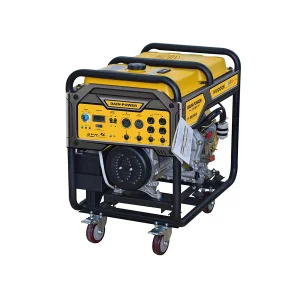
Offshore outposts and aquaculture farms depend on stable energy. Combining hybrid solar kits (5kW to 50kW) with diesel back-ups ensures reliable 24/7 power supply in remote locations.
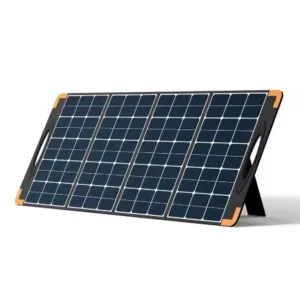
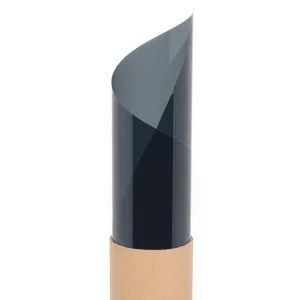
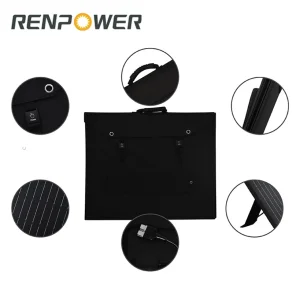
From flexible solar films to portable off-grid generators, these components complete the marine energy ecosystem.
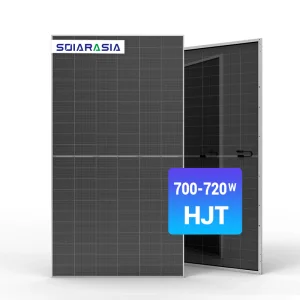
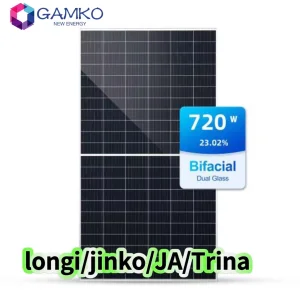
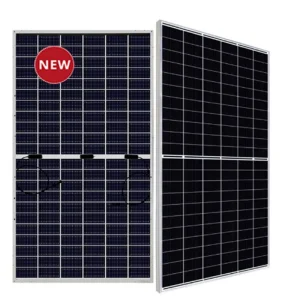
Addressing key engineering, procurement, and reliability considerations for marine and coastal solar installations.
 ConTech Solar