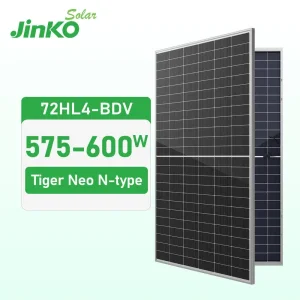
Explore our elite selection of grid-scale, hybrid, and portable clean energy infrastructure equipment, built to strict international safety compliance matrices.
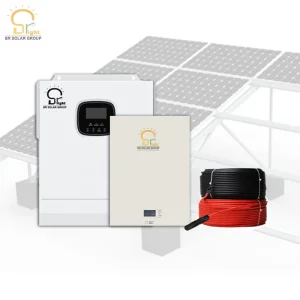

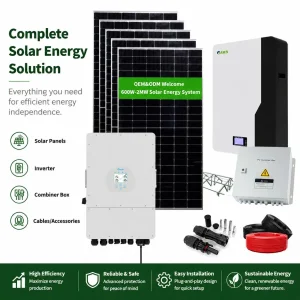
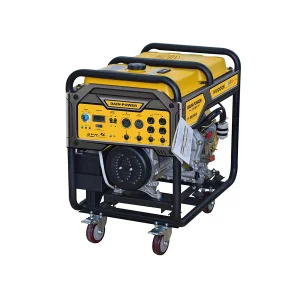
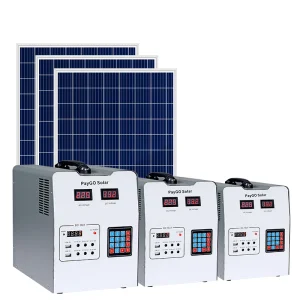
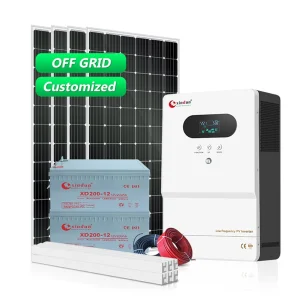
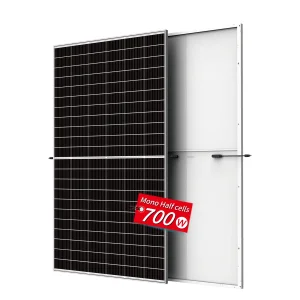
Analysis of Levelized Cost of Storage (LCOS), regulatory shifts, and the critical role of utility-scale infrastructure.
The global transition away from fossil-fuel reliance toward decentralized renewable frameworks has passed its initial phase. Today, grid systems encounter strict physical constraints: structural bottlenecking, high transmission losses, and deep-seated generation intermittency. Solar generation alone cannot stabilize modern industrial networks. Consequently, the commercial focus has pivoted decisively toward utility-scale and localized **Battery Energy Storage Systems (BESS)**. By decoupling power generation from real-time usage, modern energy systems mitigate peak load strain and eliminate high curtailment rates.
Key regulatory movements such as the European Union’s REPowerEU initiative and the US Inflation Reduction Act (IRA) have established explicit mandates for storage deployment. Globally, developers face stringent requirements regarding round-trip efficiency (RTE), cycle life stability, and safety certifications. In this evolving market, standard components are being replaced by intelligent, integrated solutions. Procurement groups no longer evaluate energy storage solely on initial expenditure; they analyze the comprehensive **Levelized Cost of Storage (LCOS)**, thermal security parameters, and long-term asset reliability over decades of service.
Technologically, Lithium Iron Phosphate (LiFePO4) remains the industry benchmark due to its superior thermal stability, structural longevity, and minimal environmental impact compared to nickel-based alternatives. Concurrently, advancements in smart Energy Management Systems (EMS) and multi-level Battery Management Systems (BMS) have transformed battery stacks from passive assets into active, grid-interactive units. These advanced systems are capable of sub-millisecond frequency regulation, automated peak shaving, and seamless algorithmic virtual power plant (VPP) market participation.
Deciphering the critical compliance, engineering bankability, and localization challenges faced by international EPC firms.
For international EPC contractors, utility developers, and commercial project managers, sourcing hardware involves rigorous risk-mitigation protocols. Bankability is the primary criterion for procurement decisions. Tier-1 energy systems must possess extensive field-testing documentation, verified manufacturing consistency, and robust warranty backing to secure non-recourse project financing from institutional lenders. This level of verification requires deep transparency throughout the entire production lifecycle, rather than standard testing certificates.
"Modern corporate procurement focuses on supply-chain traceability. From the raw refinement of lithium carbonate to final validation testing, every component must withstand strict technical audits. Hardware failure at an installation site can quickly eliminate project margins."
In addition, localization challenges frequently arise due to varying grid codes across jurisdictions, such as IEEE 1547 in North America and EN 50549 across Europe. Sourcing partners must deliver modular adaptability. Systems need to seamlessly interface with diversely configured legacy systems, handle wide voltage inputs, and operate reliably across extreme geographic environments—from high-salinity coastal areas to high-temperature desert regions. Consequently, global buyers seek manufacturers capable of combining localized engineering support with large-scale, automated production facilities.
Inside Xiamen ConTech Solar’s state-of-the-art manufacturing infrastructure, where automated precision meets rigorous quality assurance.
Xiamen ConTech Solar Co., Ltd. operates at the intersection of automated manufacturing precision and deep domain expertise. By establishing an integrated Factory 4.0 infrastructure, the company ensures that high-volume production remains exceptionally precise. Every step of the production process—from initial raw component inspection to advanced mechanical assembly—is monitored by a unified Manufacturing Execution System (MES). This end-to-end digitization enables real-time parameter tracking and complete component traceability.
By leveraging automated precision across our specialized processing stages, ConTech Solar minimizes micro-defects that lead to early system degradation. Our advanced facilities handle key production workflows in-house, maintaining exceptional quality standards throughout the manufacturing lifecycle:
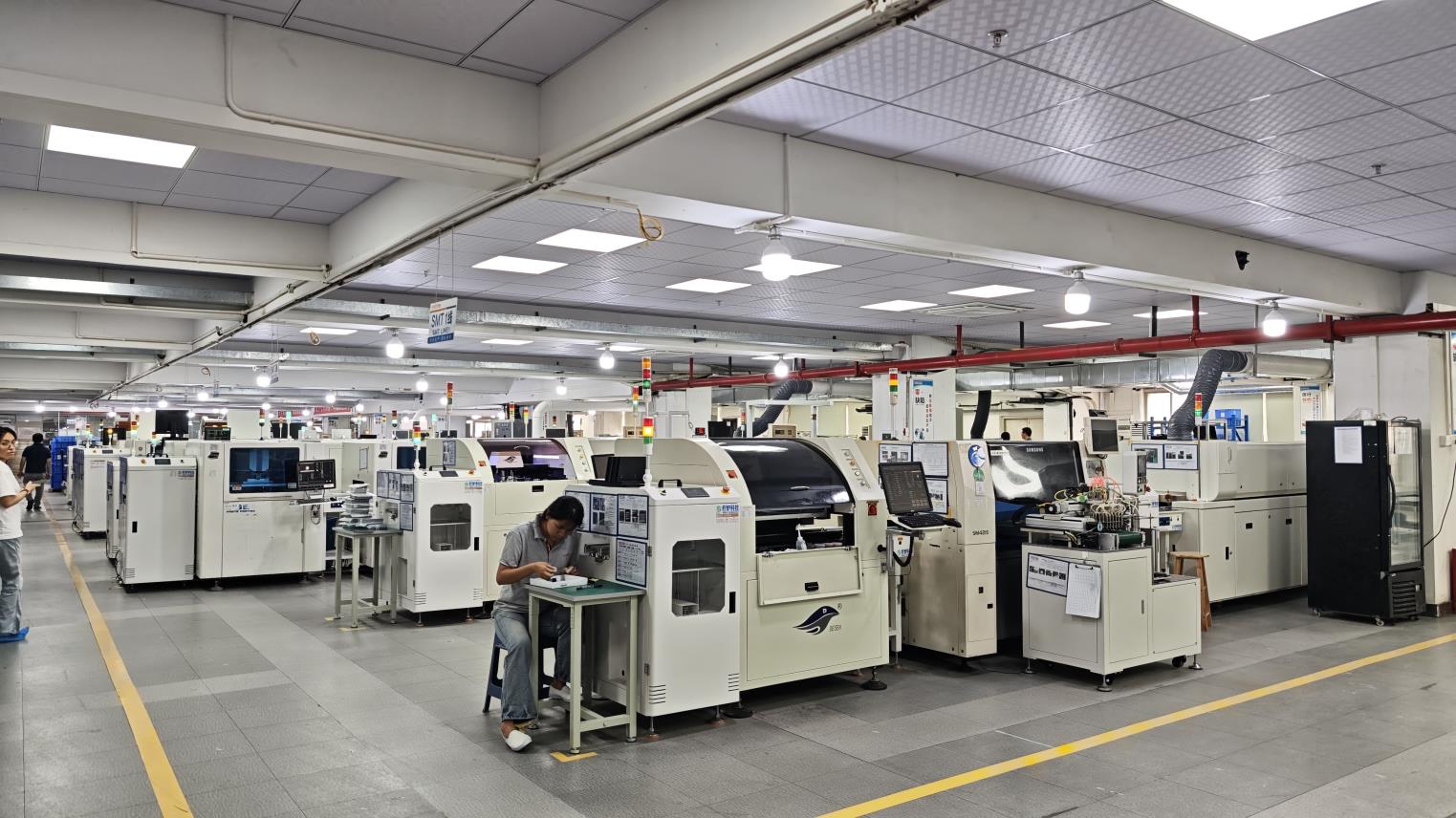
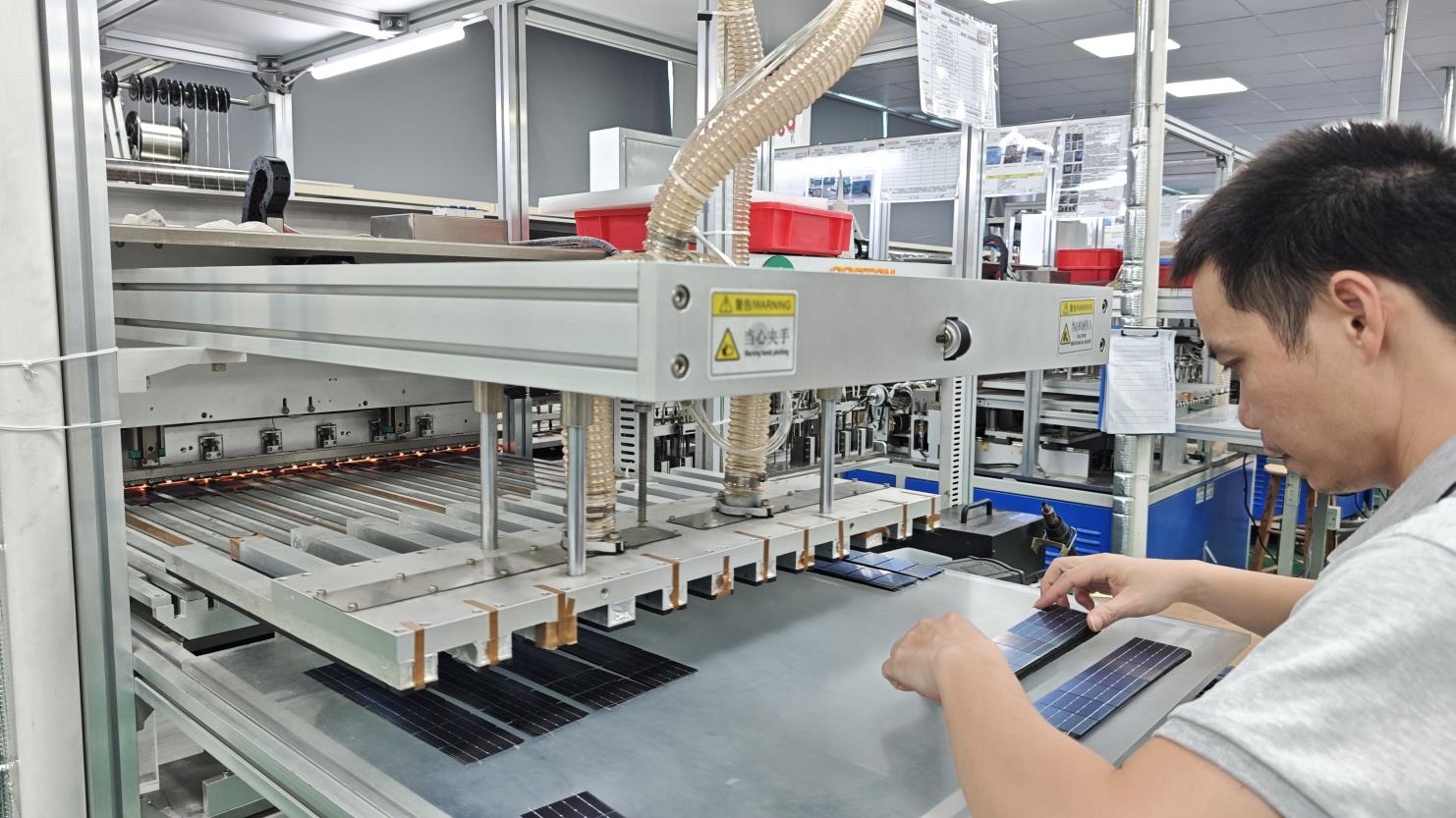
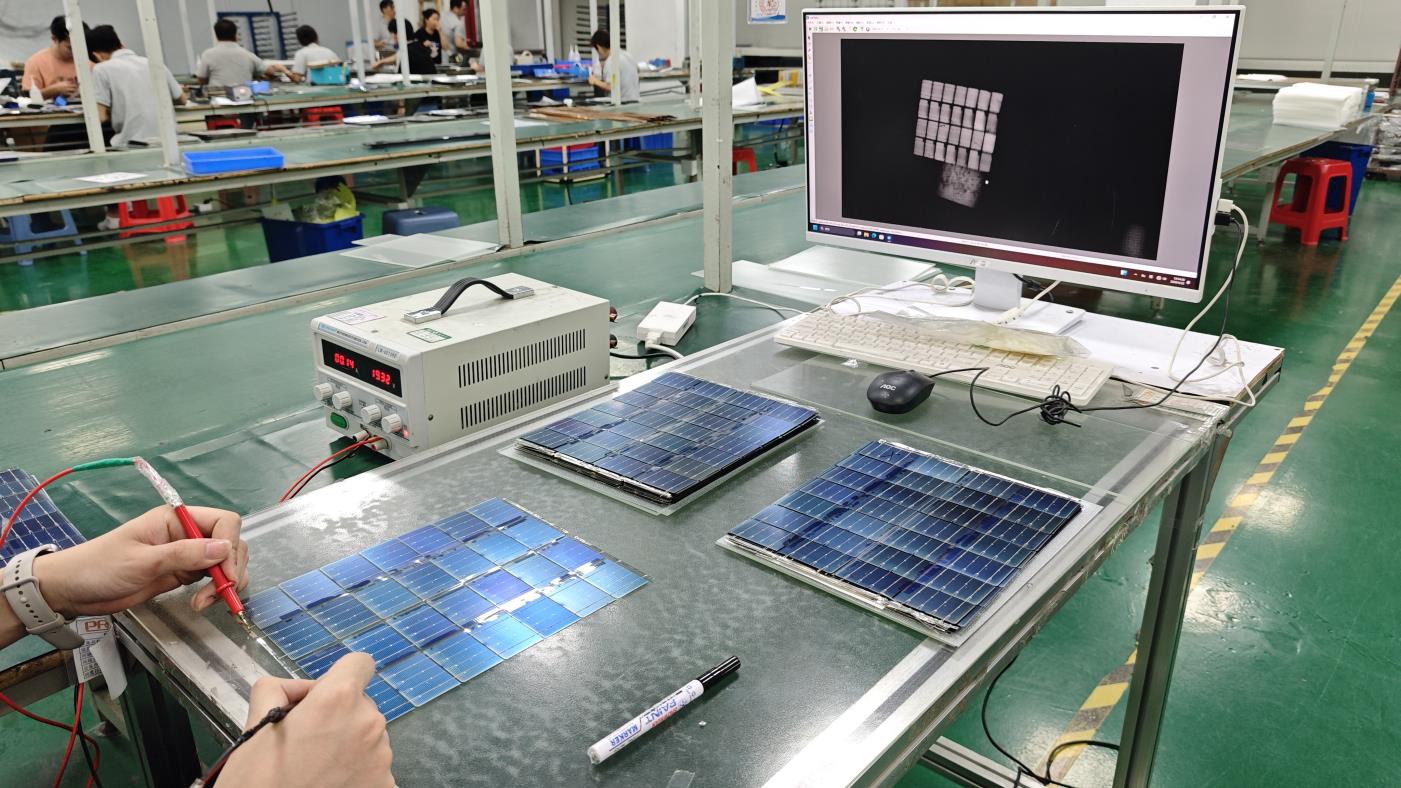
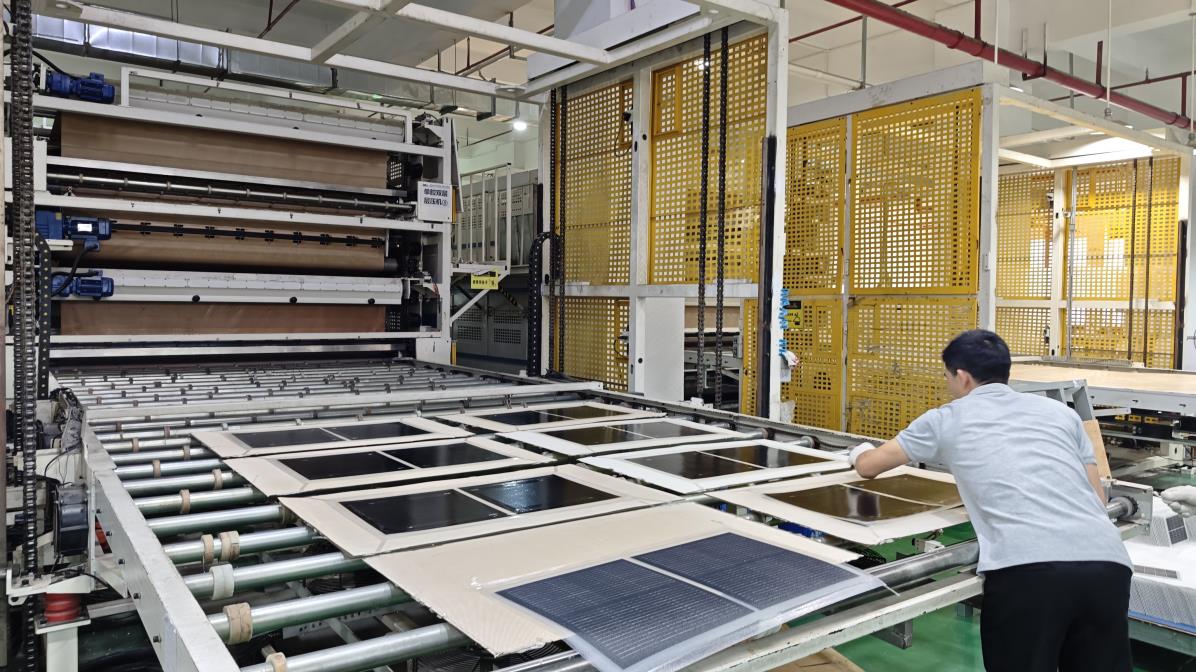
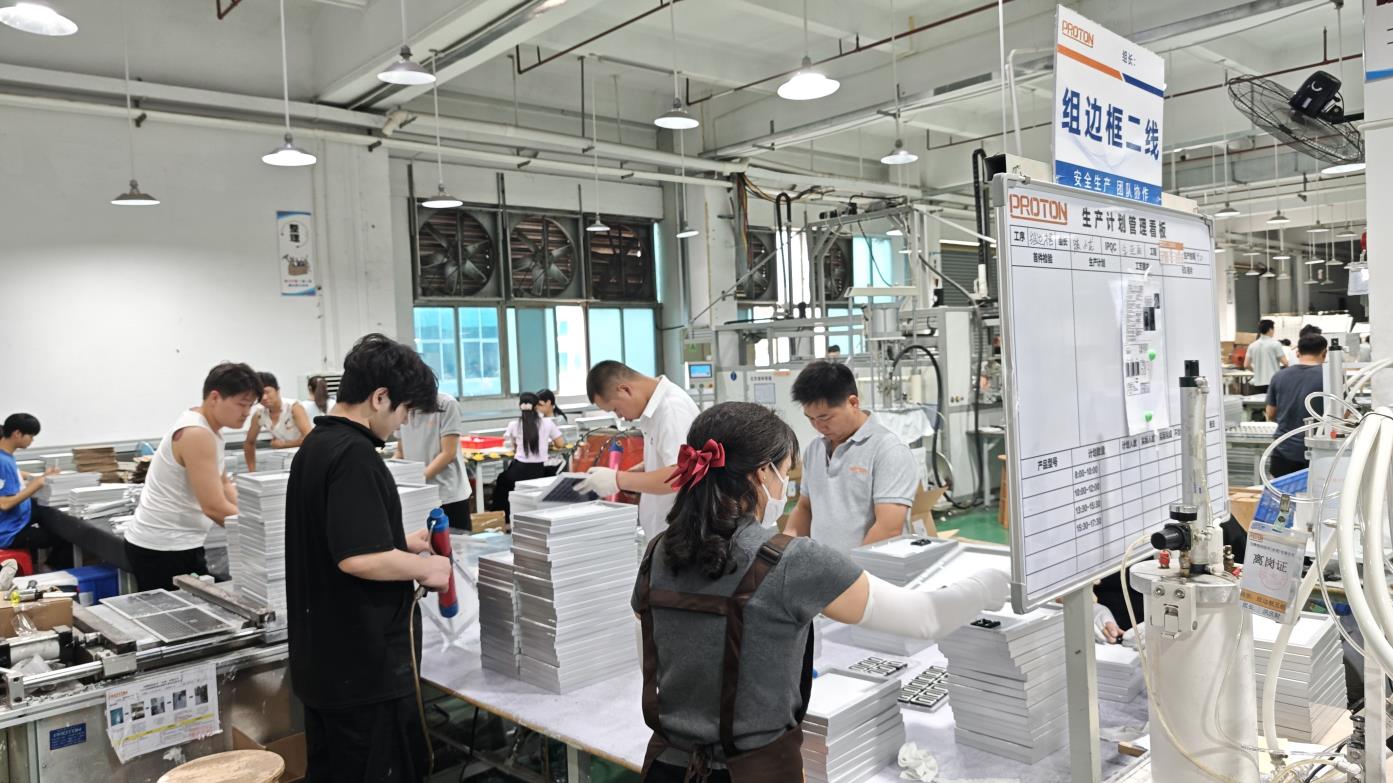
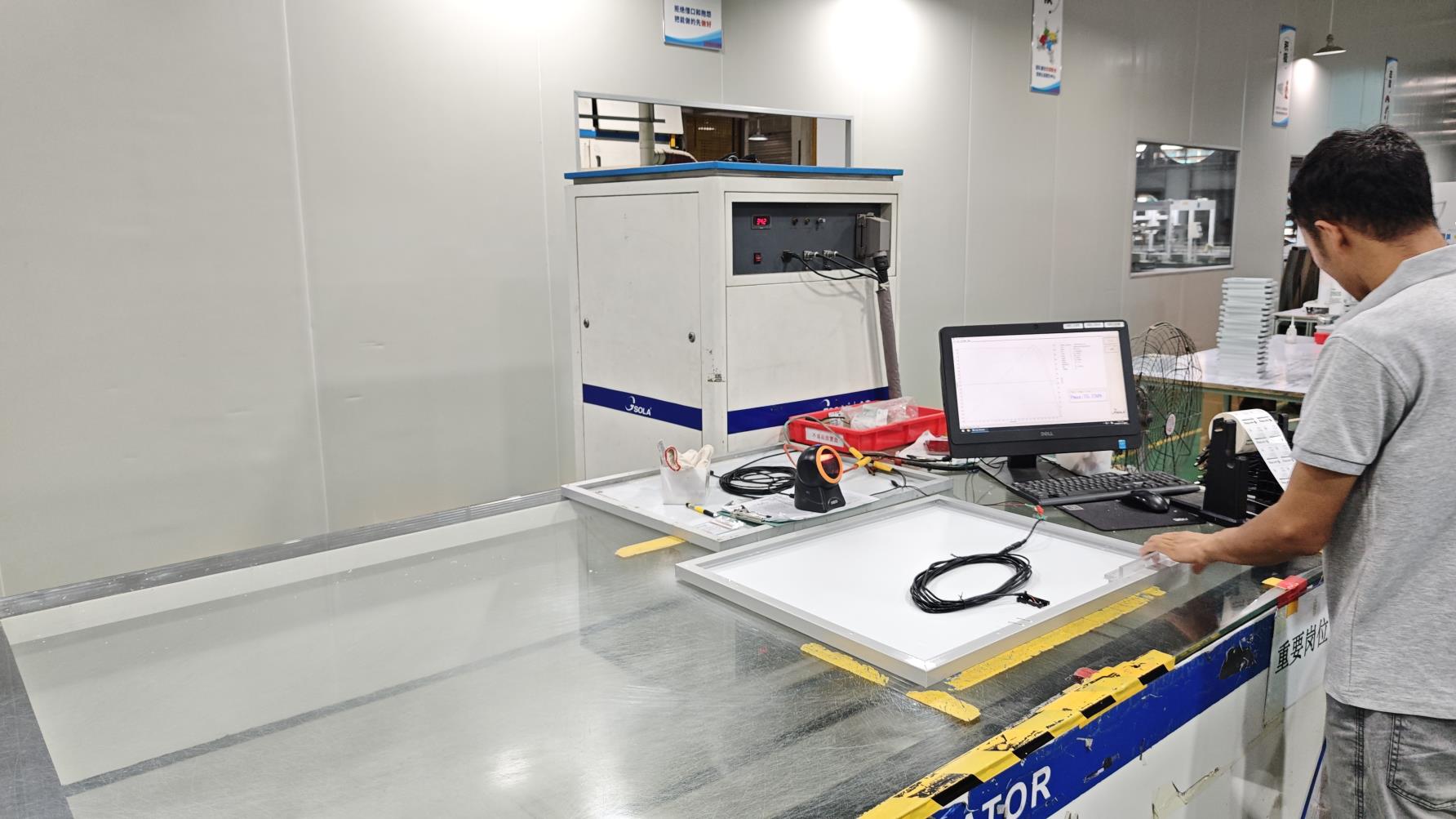
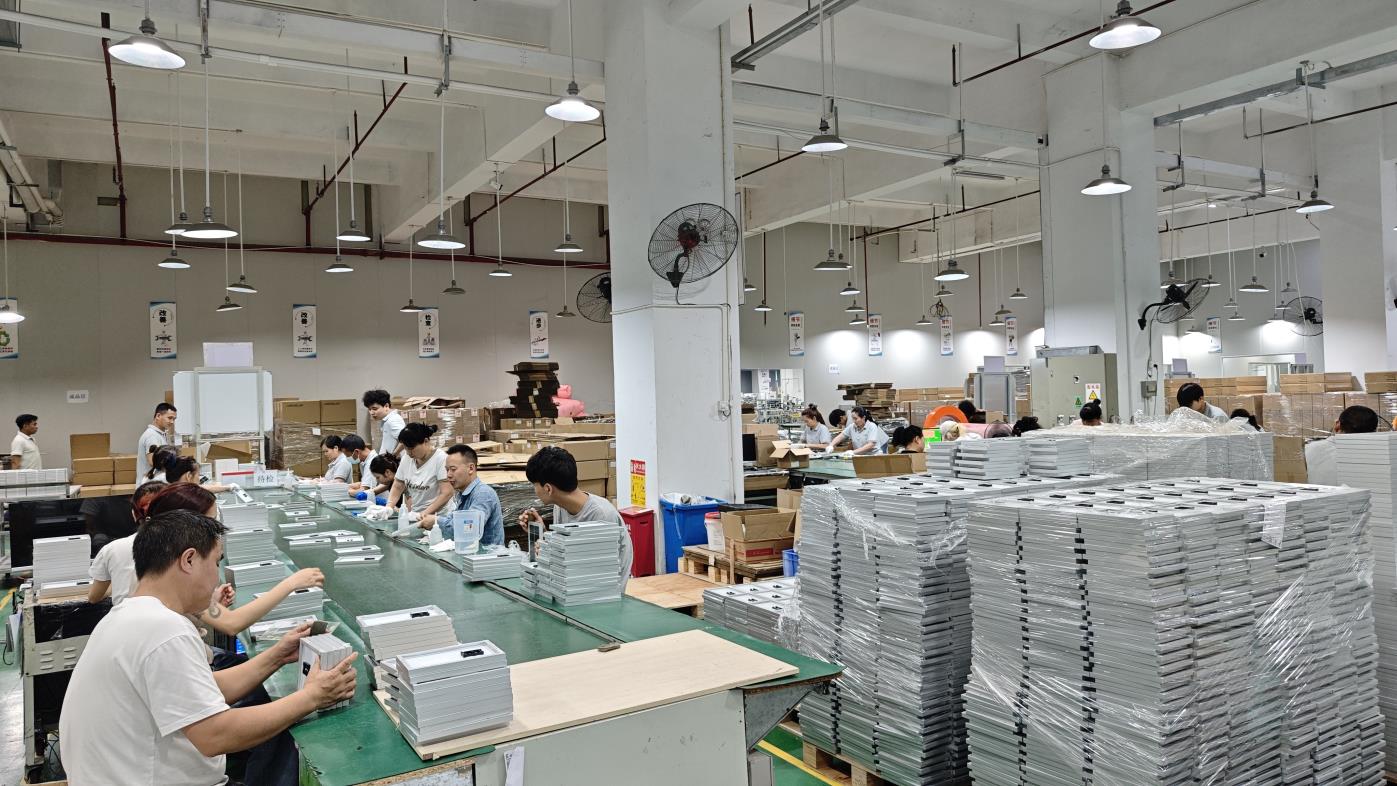
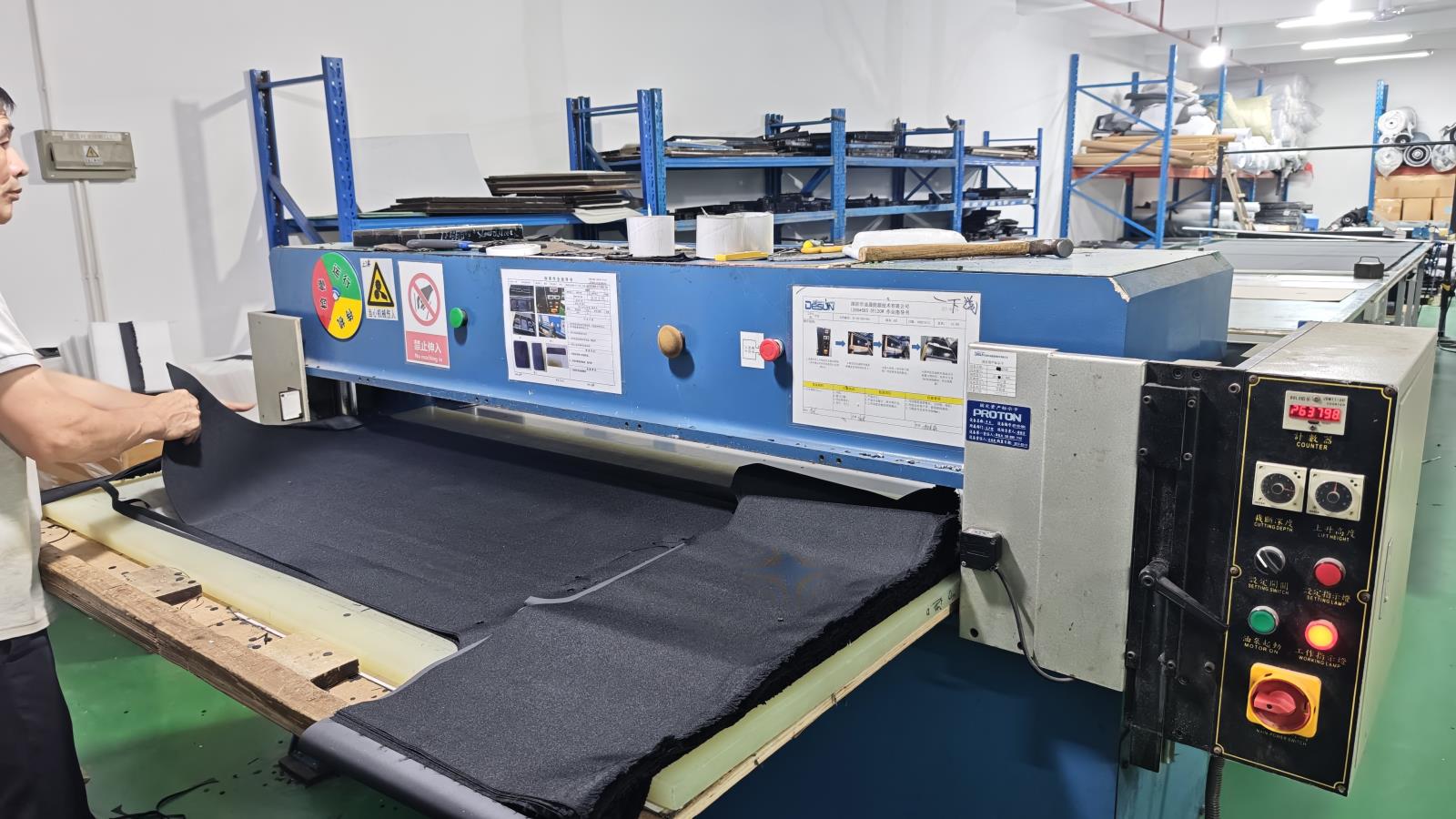
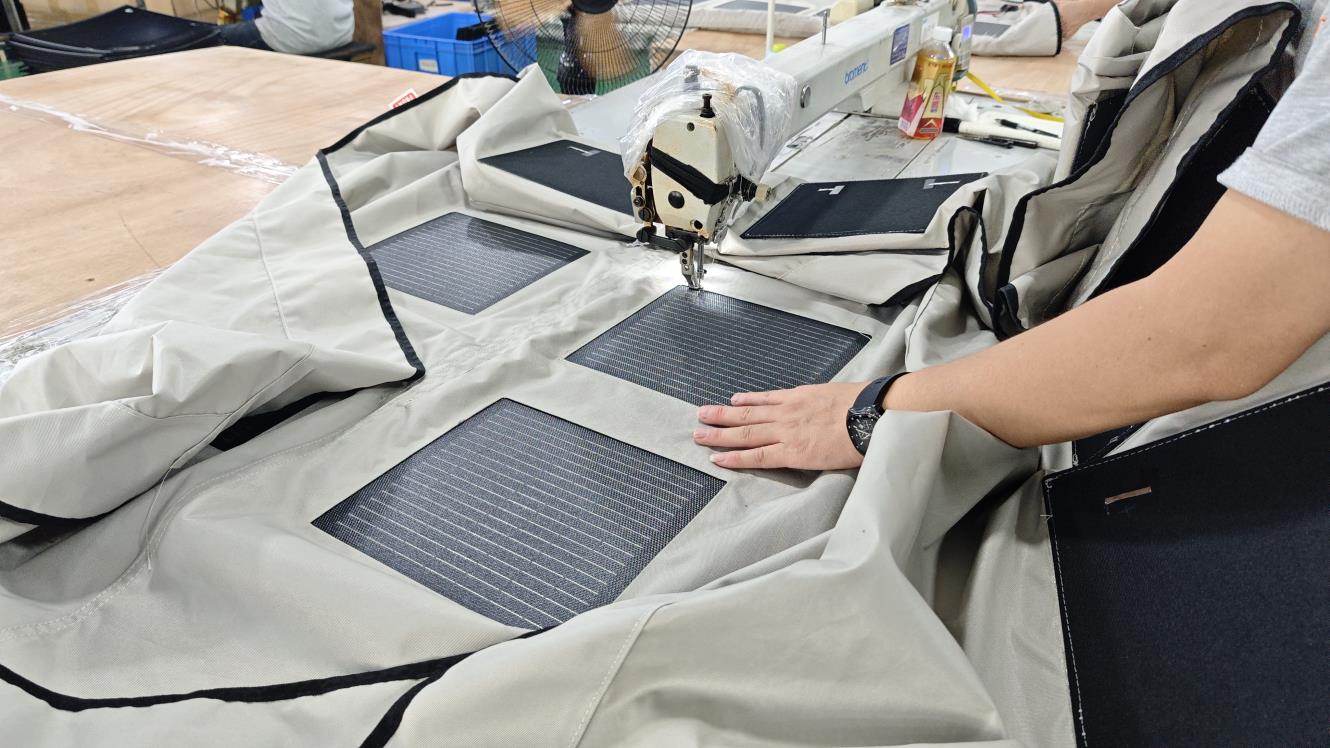
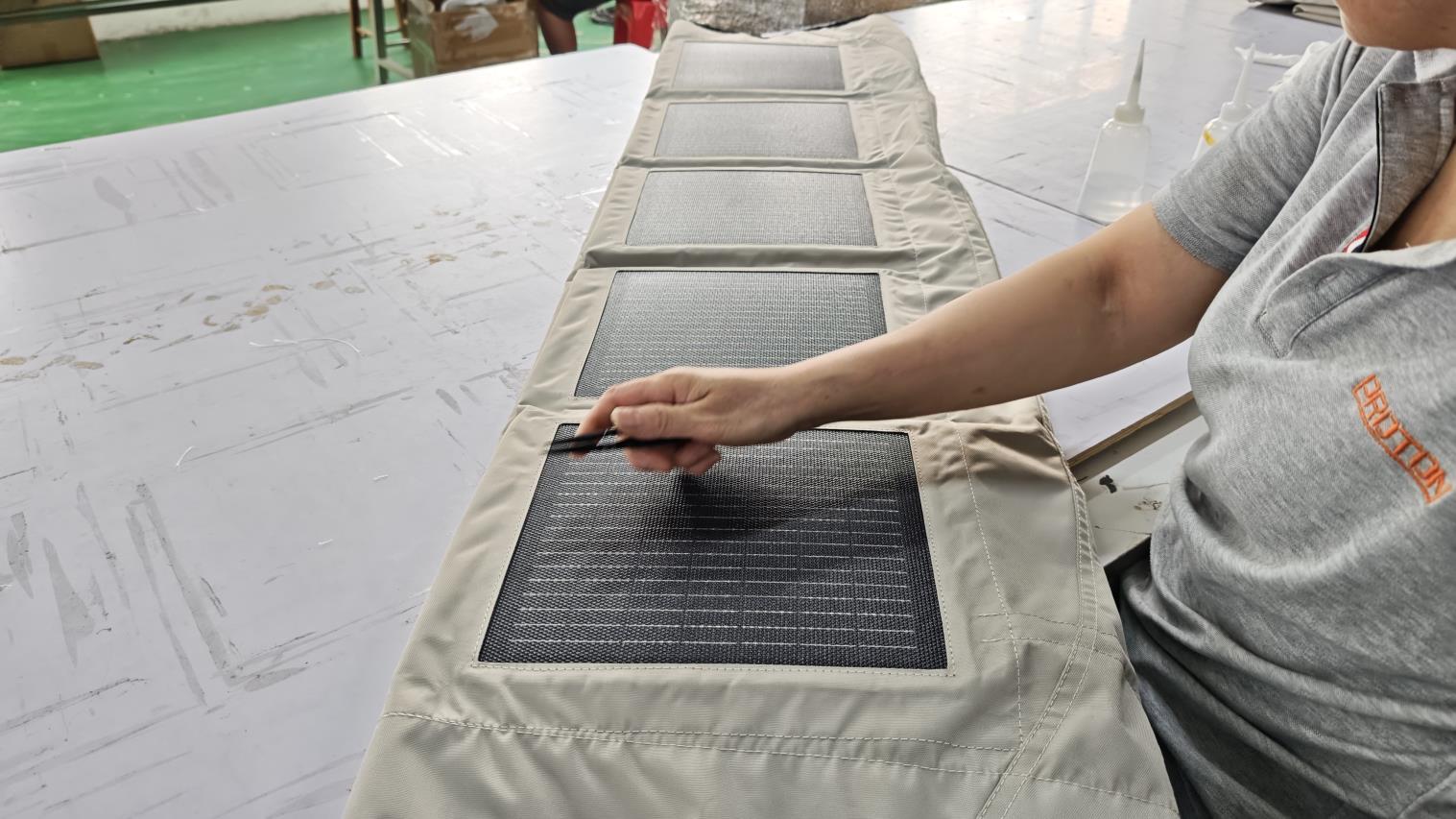

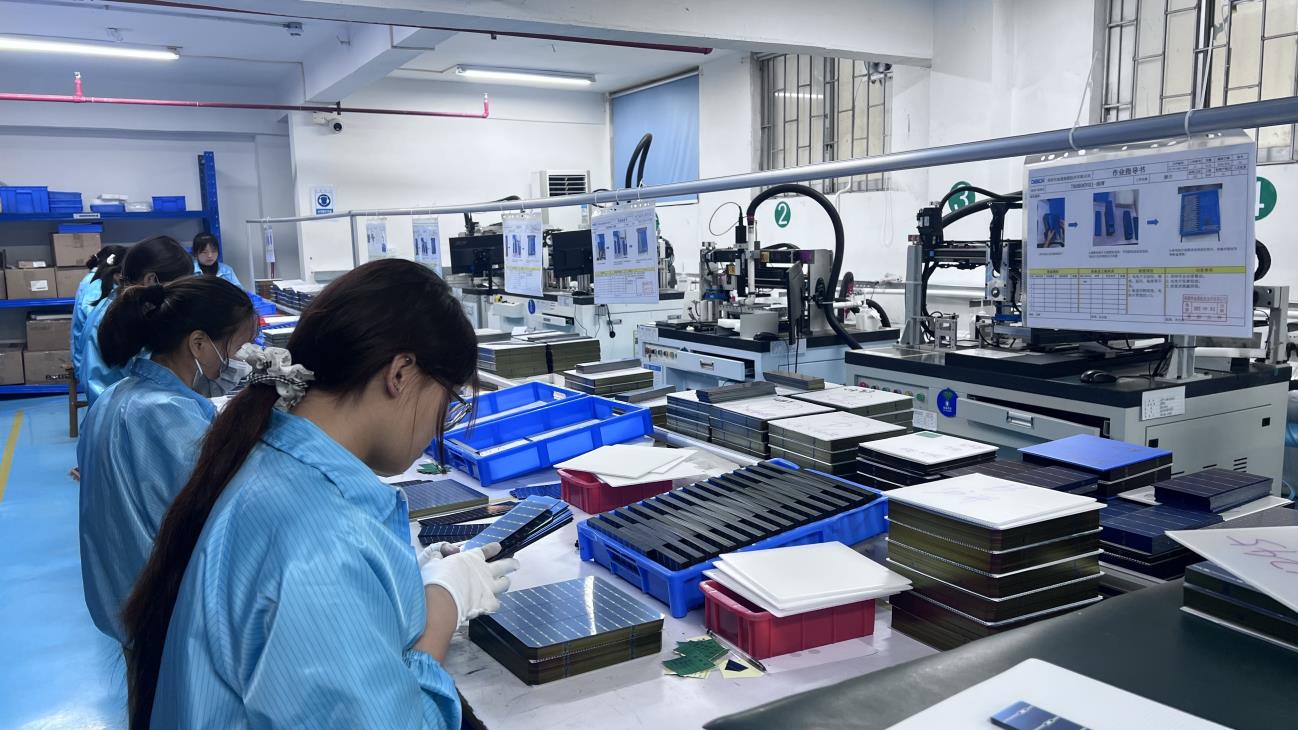
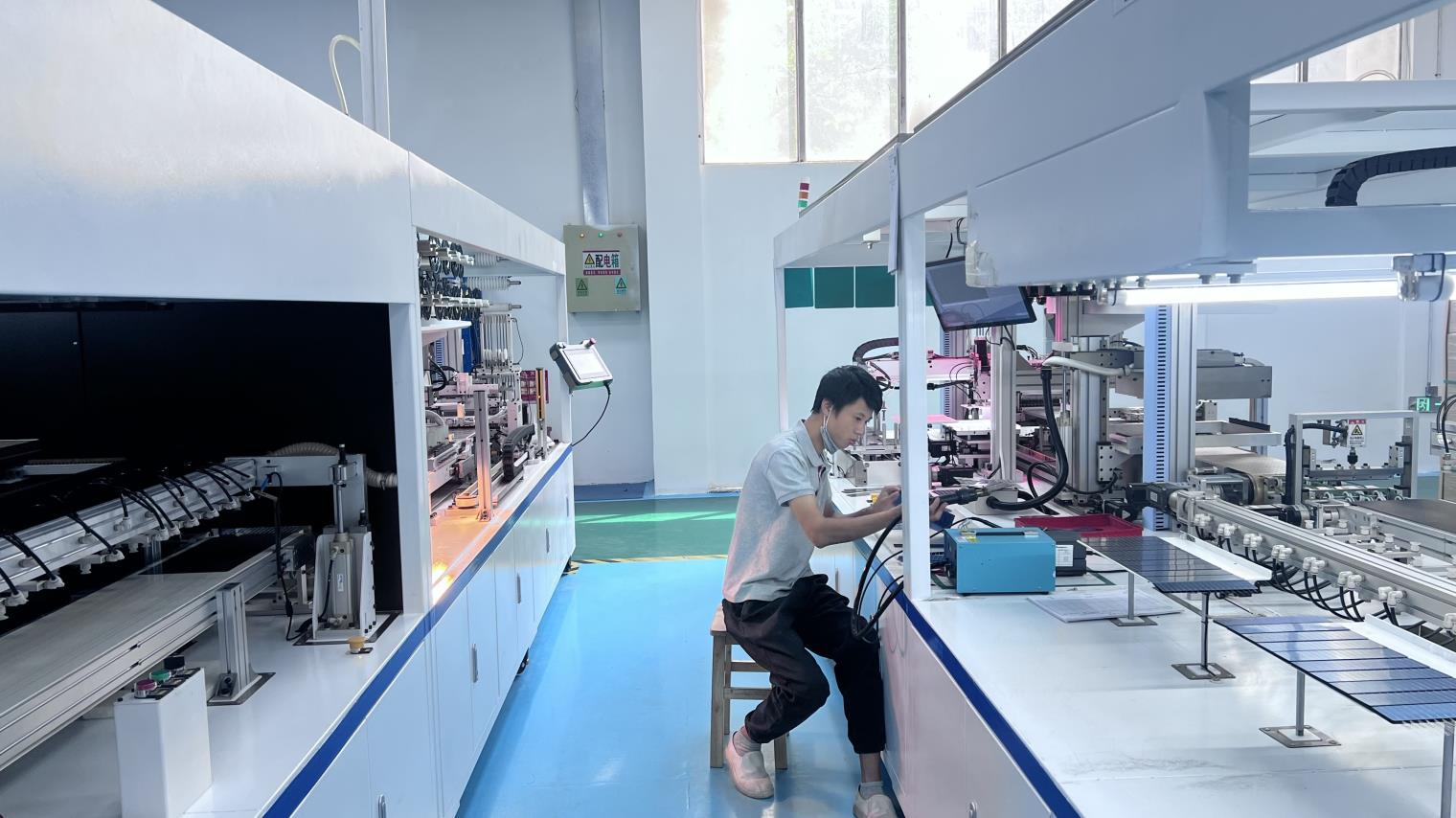
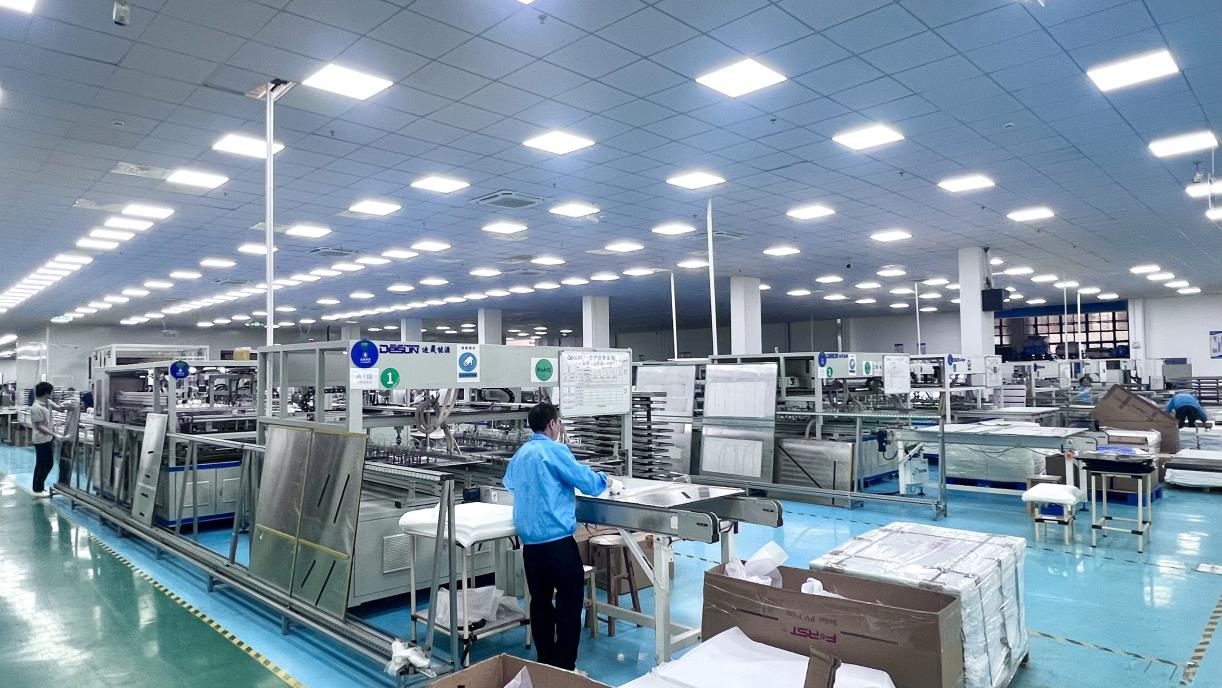
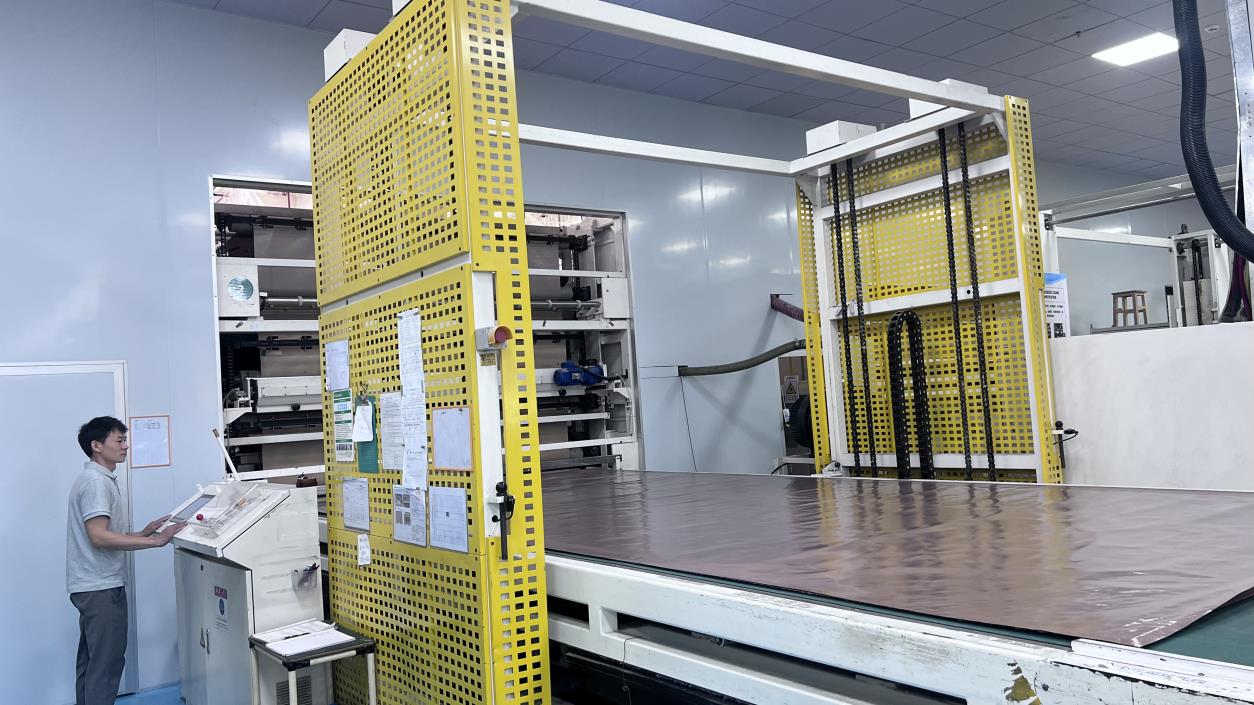
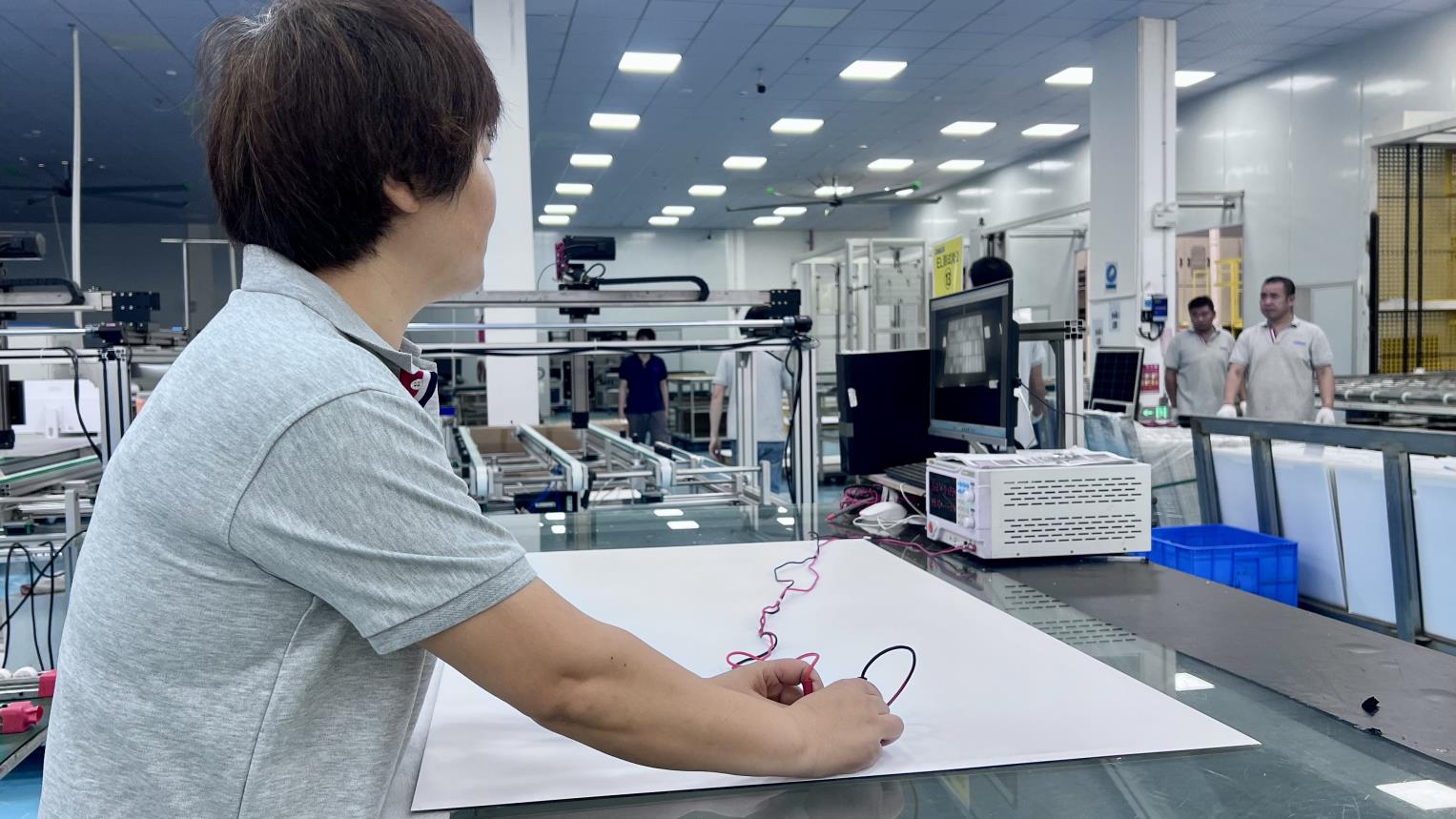
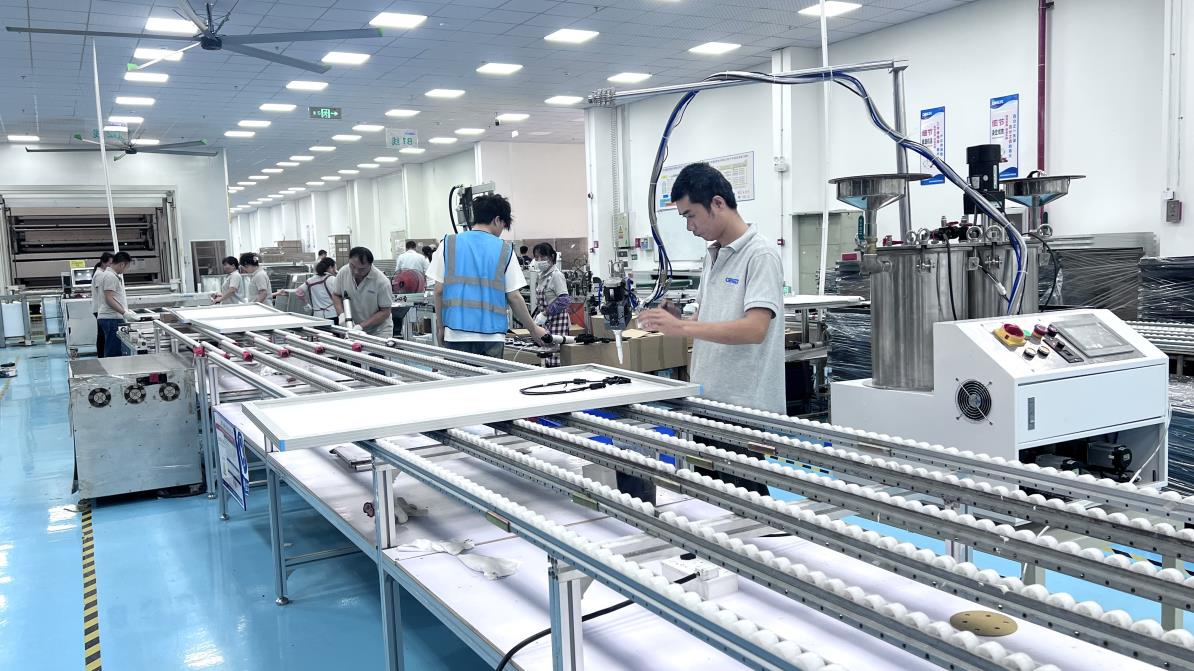
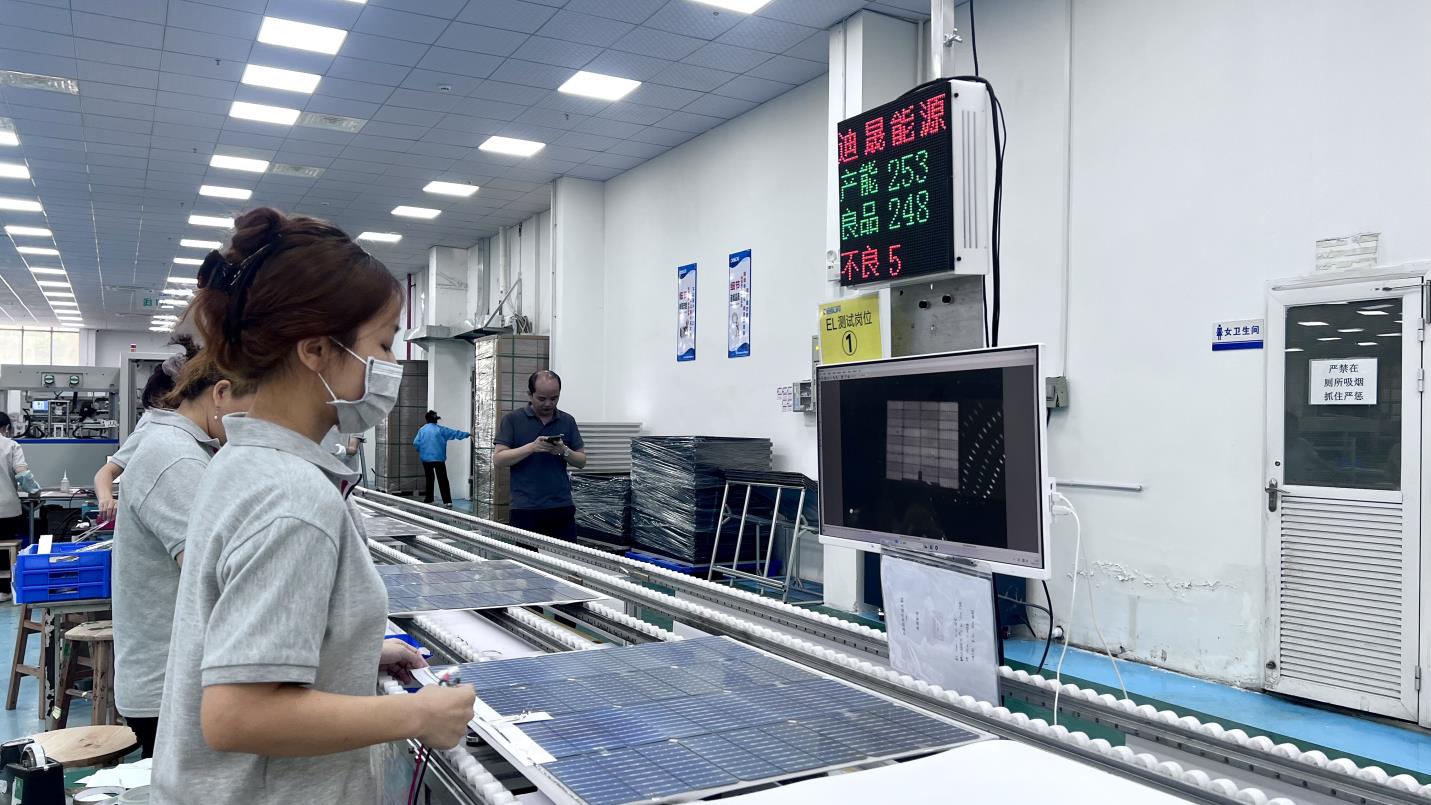
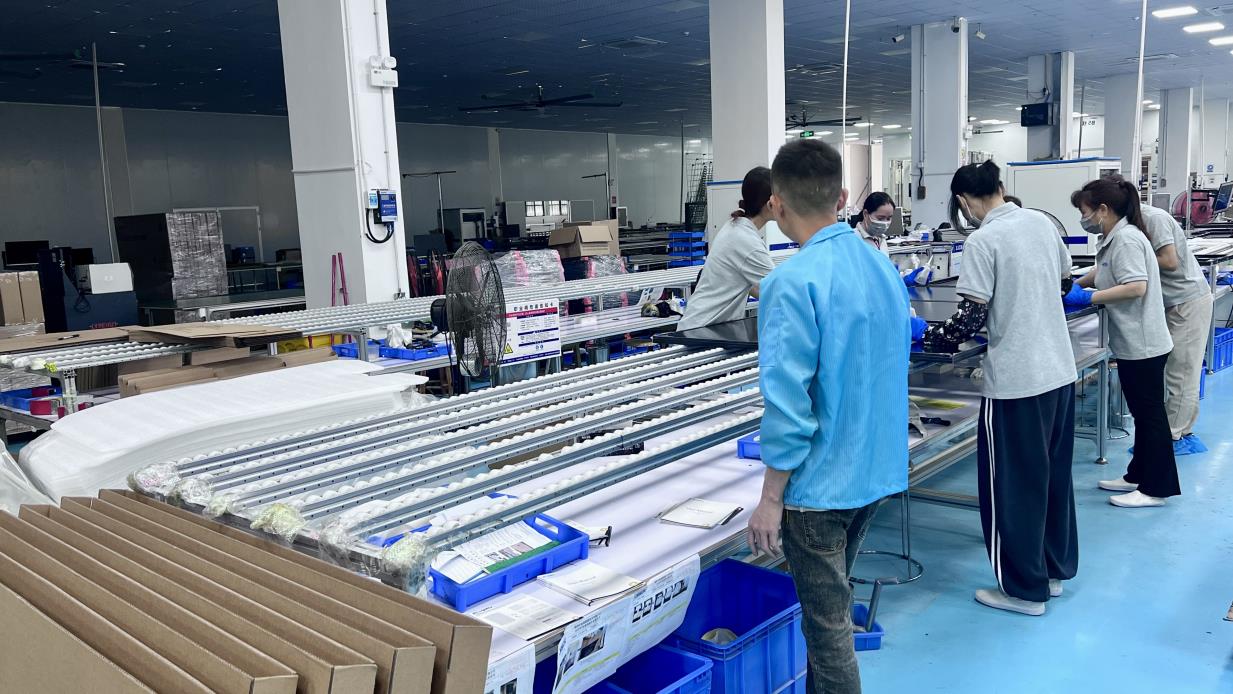
By executing these multi-tier verification steps, ConTech Solar maintains high supply chain resilience and throughput efficiency. For instance, our incoming raw material validation (IQC) tests electrochemical cell performance before modules enter the main assembly lines. Automated laser scribing and specialized string welding prevent micro-cracks and hotspots, which can cause field failures in standard systems. This comprehensive quality control process allows Xiamen ConTech Solar Co., Ltd. to deliver premium, reliable equipment to international energy markets.
Engineered architectural pathways designed to support decentralized infrastructure, off-grid systems, and critical residential power setups.
Enables manufacturing facilities and corporate campuses to lower peak demand fees through intelligent, automated battery discharge programs during high-tariff operational periods.
Provides critical backup power and voltage stabilization for remote installations, mining operations, and regional medical facilities disconnected from central utility infrastructure.
Integrates localized battery storage arrays with cloud-based control software, allowing commercial networks to aggregate and monetize surplus energy in real-time ancillary markets.
Optimized configurations designed for high-efficiency operation across diverse urban and residential environments.
Engineered for urban high-rise apartments, these space-conscious systems utilize lightweight, plug-and-play components to capture and store solar energy on balconies, reducing reliance on the municipal grid.
Featuring highly flexible, vibration-resistant solar panels and robust mobile storage banks, these specialized setups ensure continuous, reliable power delivery under challenging marine and overland travel conditions.
Combining intelligent wall-mounted LiFePO4 batteries with flexible solar arrays, our home systems provide automatic power backup during grid outages while maximizing daily self-consumption of clean energy.
Direct, engineering-focused answers regarding design standards, manufacturing tolerances, and system safety integration.
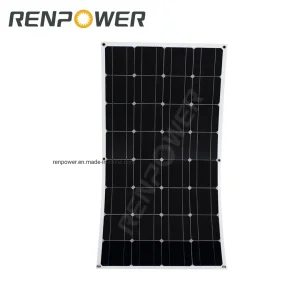
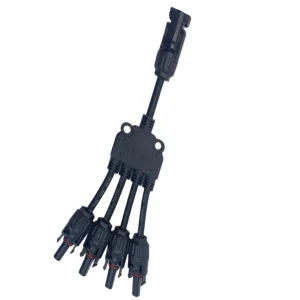
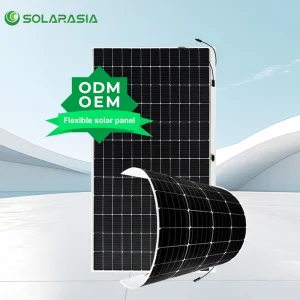
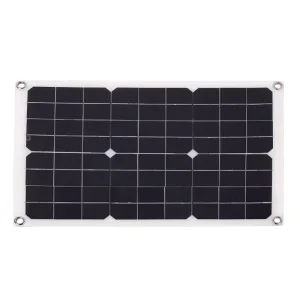
Review our secondary portfolio of high-efficiency components, monocrystalline modules, and specialized connection systems.
 ConTech Solar