High-efficiency photovoltaic modules, smart power stations, and custom engineered mounting systems optimized for global utility and industrial off-grid deployment.
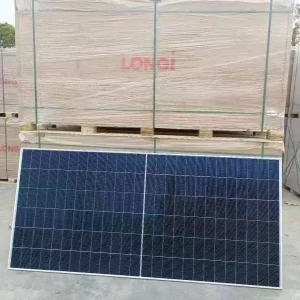
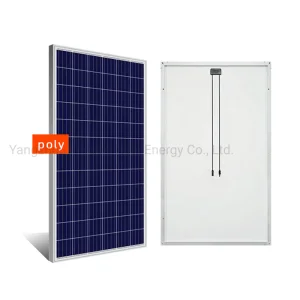
The global transition toward decentralized, resilient energy systems is driving a significant paradigm shift in how commercial, industrial (C&I), and emergency sectors approach electrical infrastructure. Compact Solar Generators have evolved from simple off-grid recreational accessories into critical infrastructural assets. Rapidly deployable, modular solar generator systems are now standard procurement requirements for emergency response networks, remote telecommunication stations, maritime defense, high-altitude research installations, and field medical units.
In mature economies such as North America and Europe, grid vulnerability, aging distribution infrastructure, and the frequency of severe weather events are compelling enterprises to integrate localized solar storage. Conversely, in developing regions across Sub-Saharan Africa, Latin America, and Southeast Asia, compact solar generators mitigate the prohibitive capital costs associated with grid expansion. These systems serve as primary municipal power units or secondary off-grid backups, facilitating the deployment of digital financial services, cloud-linked micro-agricultural operations, and continuous cold-chain pharmaceutical operations.
While traditional diesel-powered generator engines offer high initial power densities, their long-term operational costs—including fuel volatility, mechanical maintenance, transport logistics, and emission-compliance fees—result in a Levelized Cost of Energy (LCOE) up to 3 times greater than modern high-capacity, compact solar generators. By combining high-density Lithium Iron Phosphate (LiFePO4) chemistry with intelligent Multi-stage MPPT controllers, modern enterprises achieve complete capital amortization within 18 to 24 months.
The technical development of compact solar power stations is defined by advancements in three core technologies: high-density energy storage, high-frequency bidirectional power conversion, and smart, cloud-linked battery management algorithms.
Transitioning from NCM pouch cells to premium Lithium Iron Phosphate (LiFePO4) and early-stage solid-state batteries ensures unparalleled thermal stability, structural integrity, and service lives extending past 10 years of daily usage.
Integrating Gallium Nitride (GaN) and Silicon Carbide (SiC) in bidirectional high-frequency inverters reduces heat generation, increases conversion efficiency to 97.8%, and significantly decreases physical hardware dimensions.
Enterprise systems feature real-time active balancing BMS platforms integrated with cellular IoT. Dynamic diagnostic systems predict cell degradation, mitigate local hotspots, and maximize energy output automatically.
The shift toward Building Integrated Photovoltaics (BIPV) and ultra-lightweight rollable solar modules allows solar arrays to be integrated directly into temporary military tents, industrial shipping container roofs, and commercial vehicle architectures. This reduces setup times and ensures reliable power generation in diverse geographic locations.
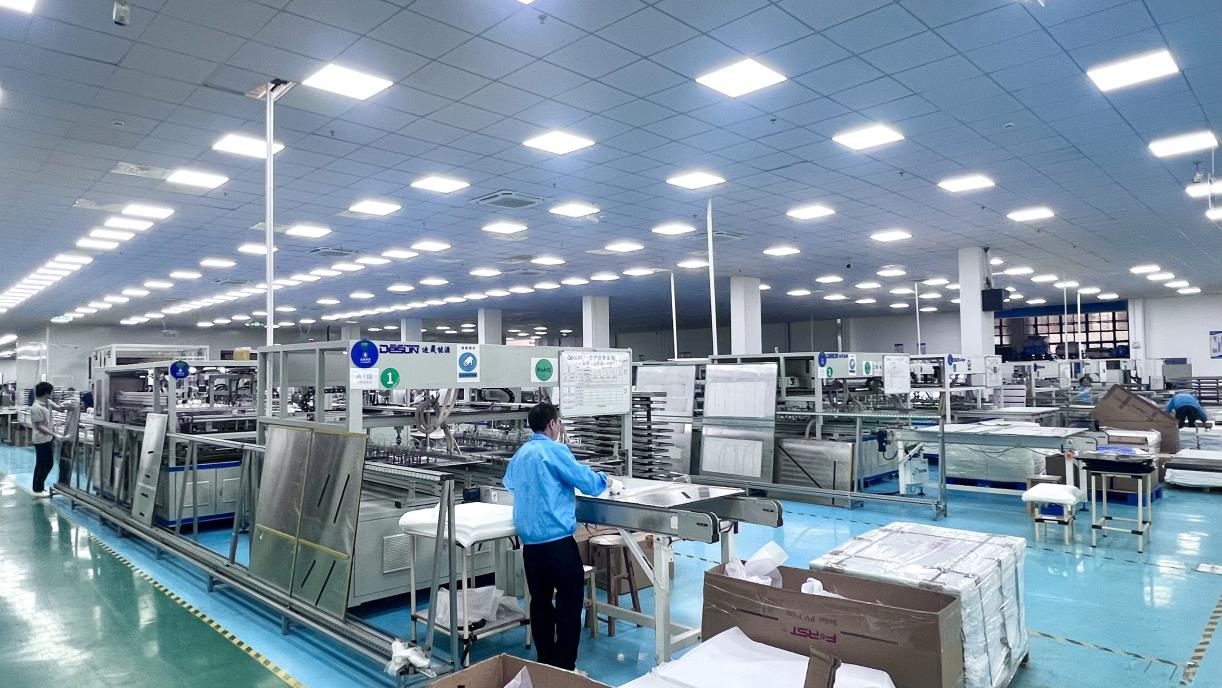
Xiamen ConTech Solar Co., Ltd. operates a highly standardized, fully vertical production infrastructure. Guided by "Innovative Technology, Superior Quality, and Sustainable Development," our operations are certified to meet rigorous global standards. Under strict ISO 9001 and ISO 14001 guidelines, our multi-stage quality assurance program guarantees that every module, circuit assembly, and power station achieves field-grade performance.
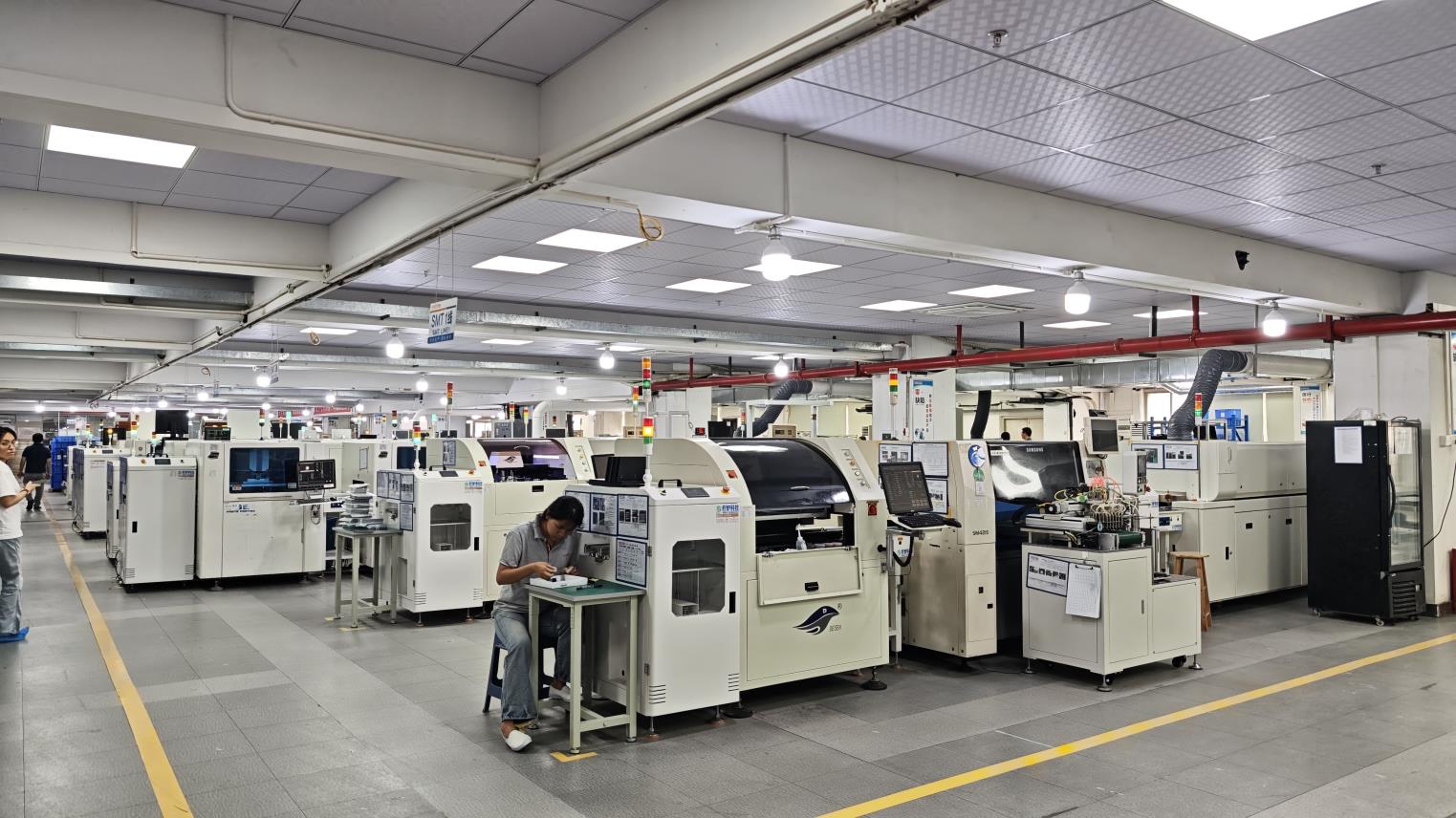
Surface Mount Technology (SMT)
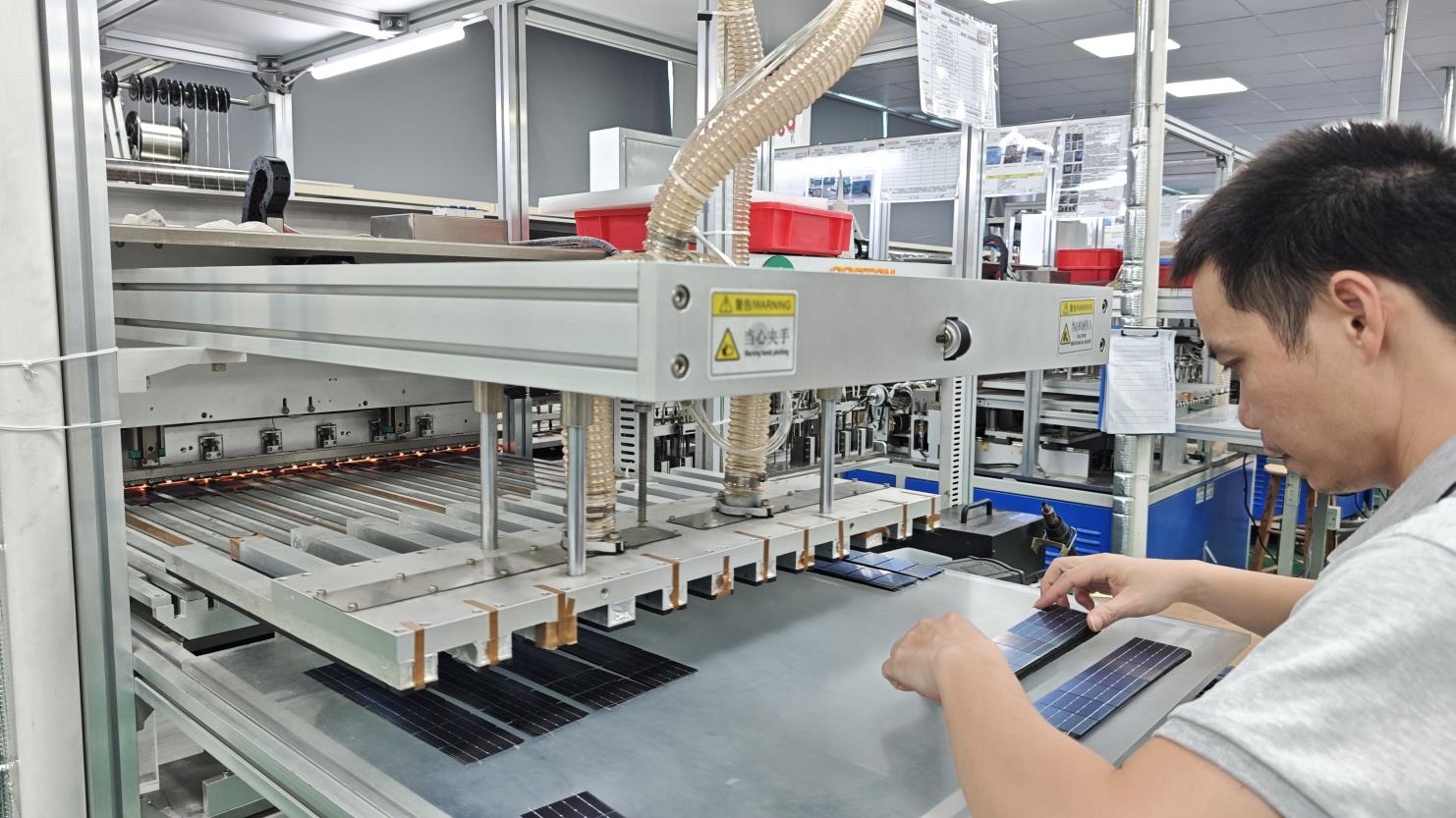
Series Welding
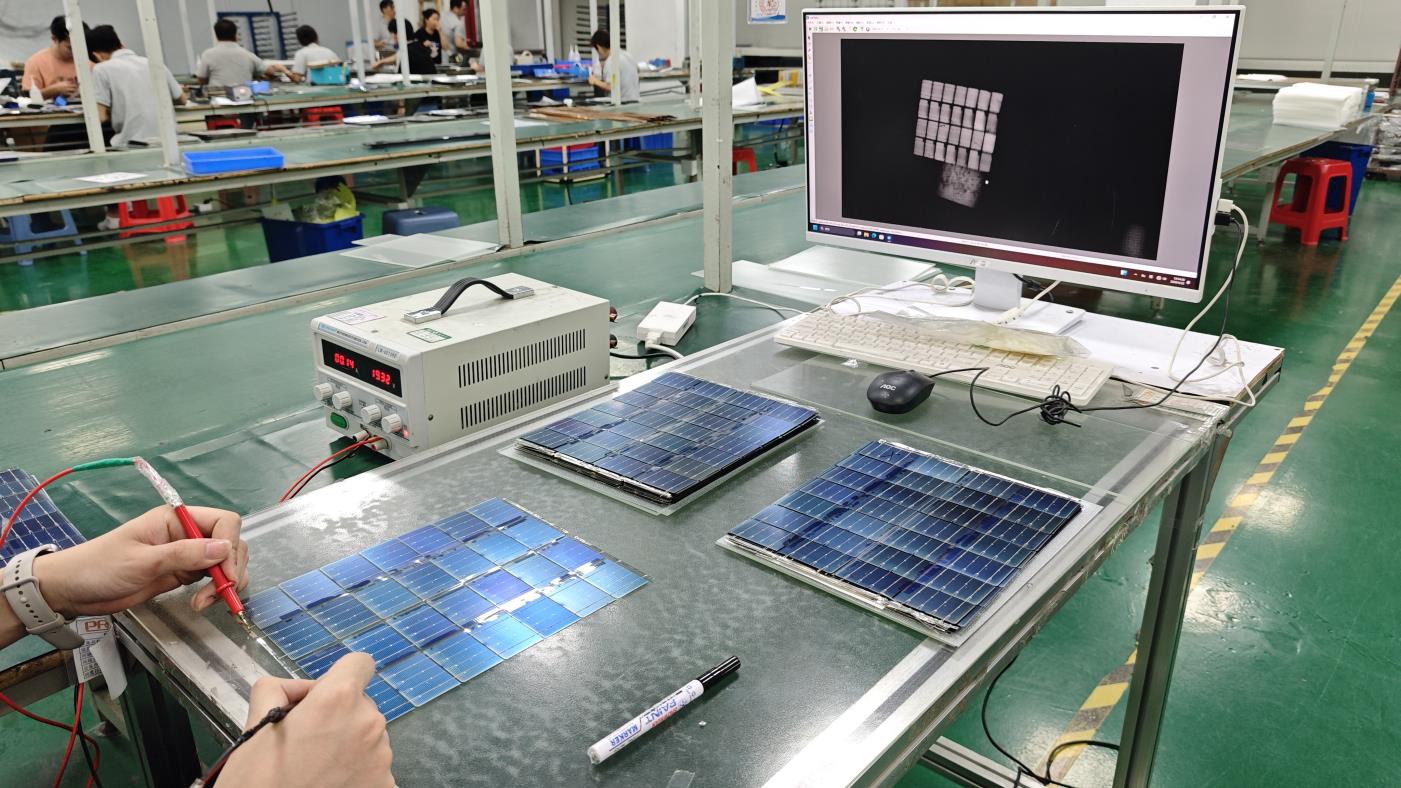
String Testing
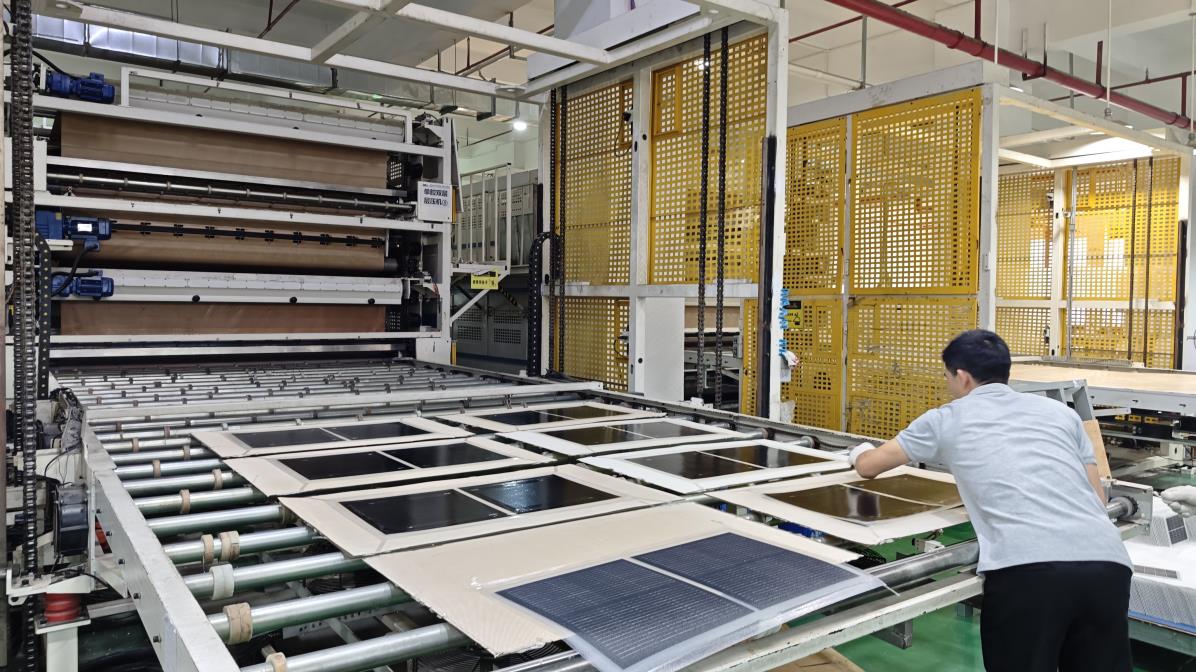
Module Laminating
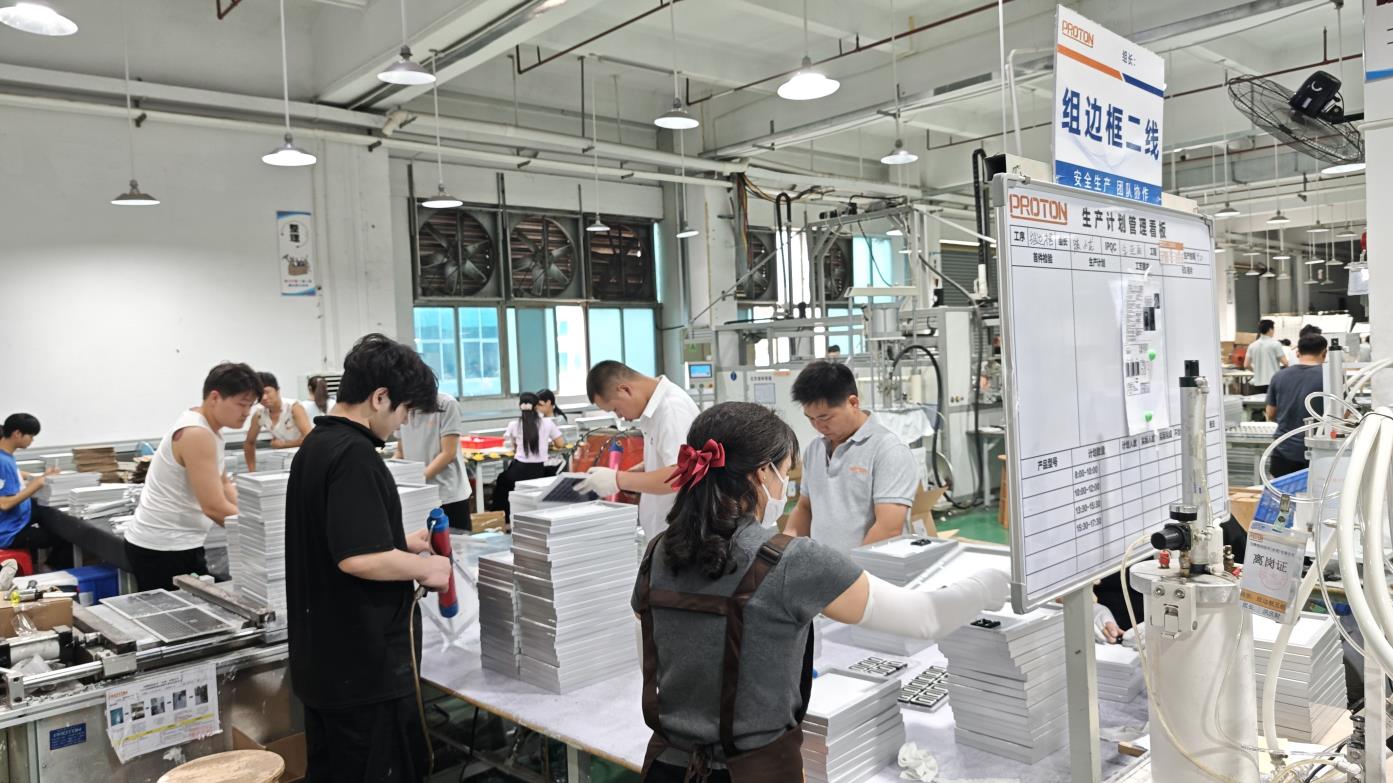
Mechanical Assembly
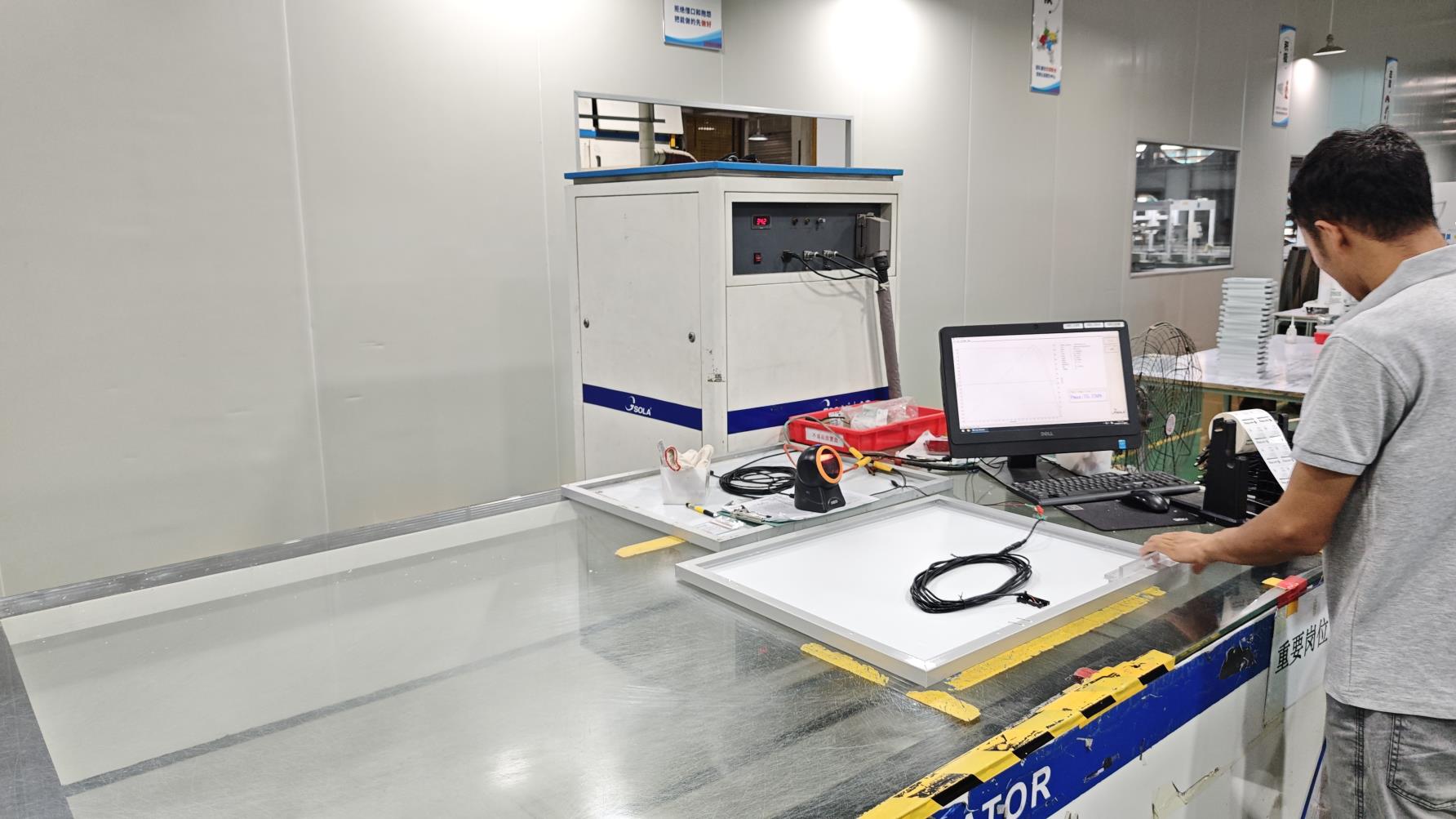
EL Inspection
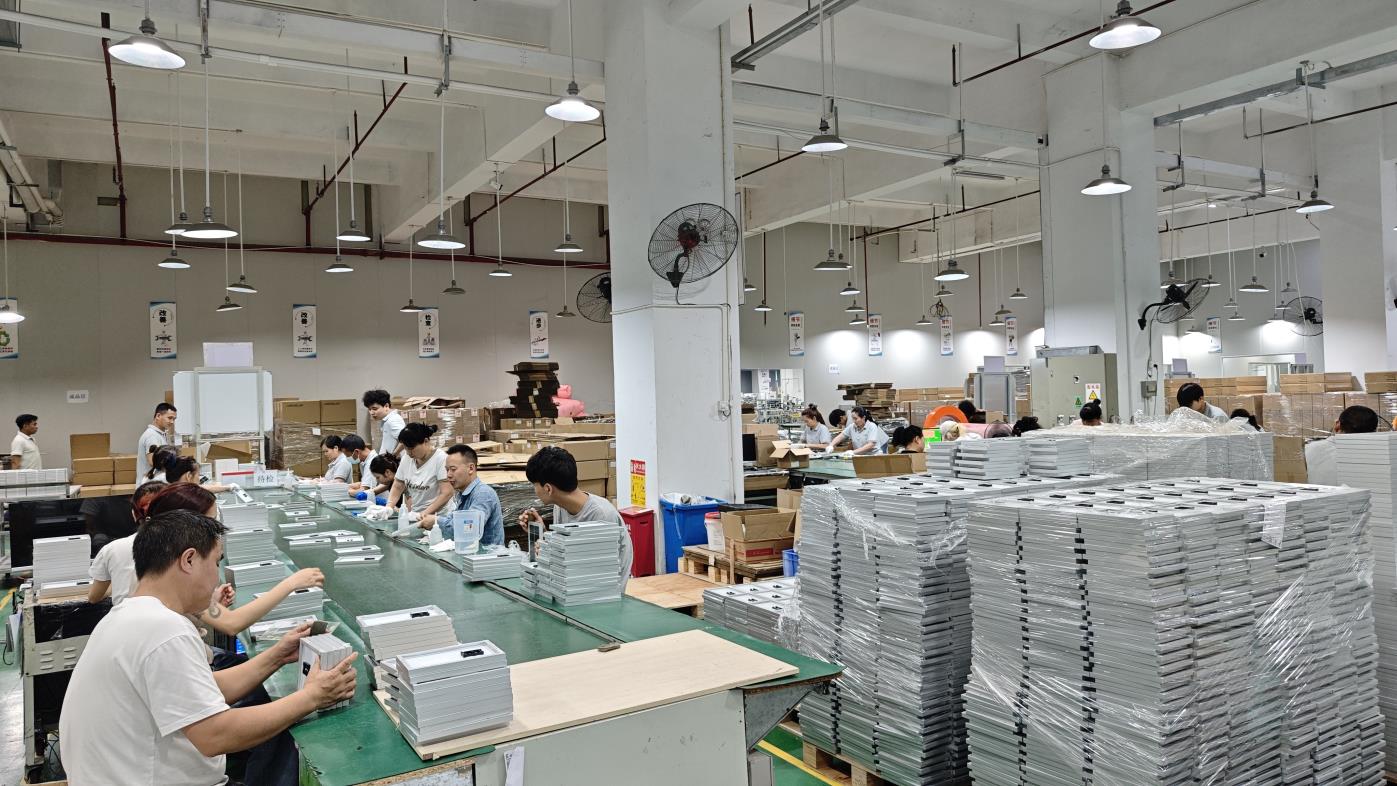
Secure Export Packaging
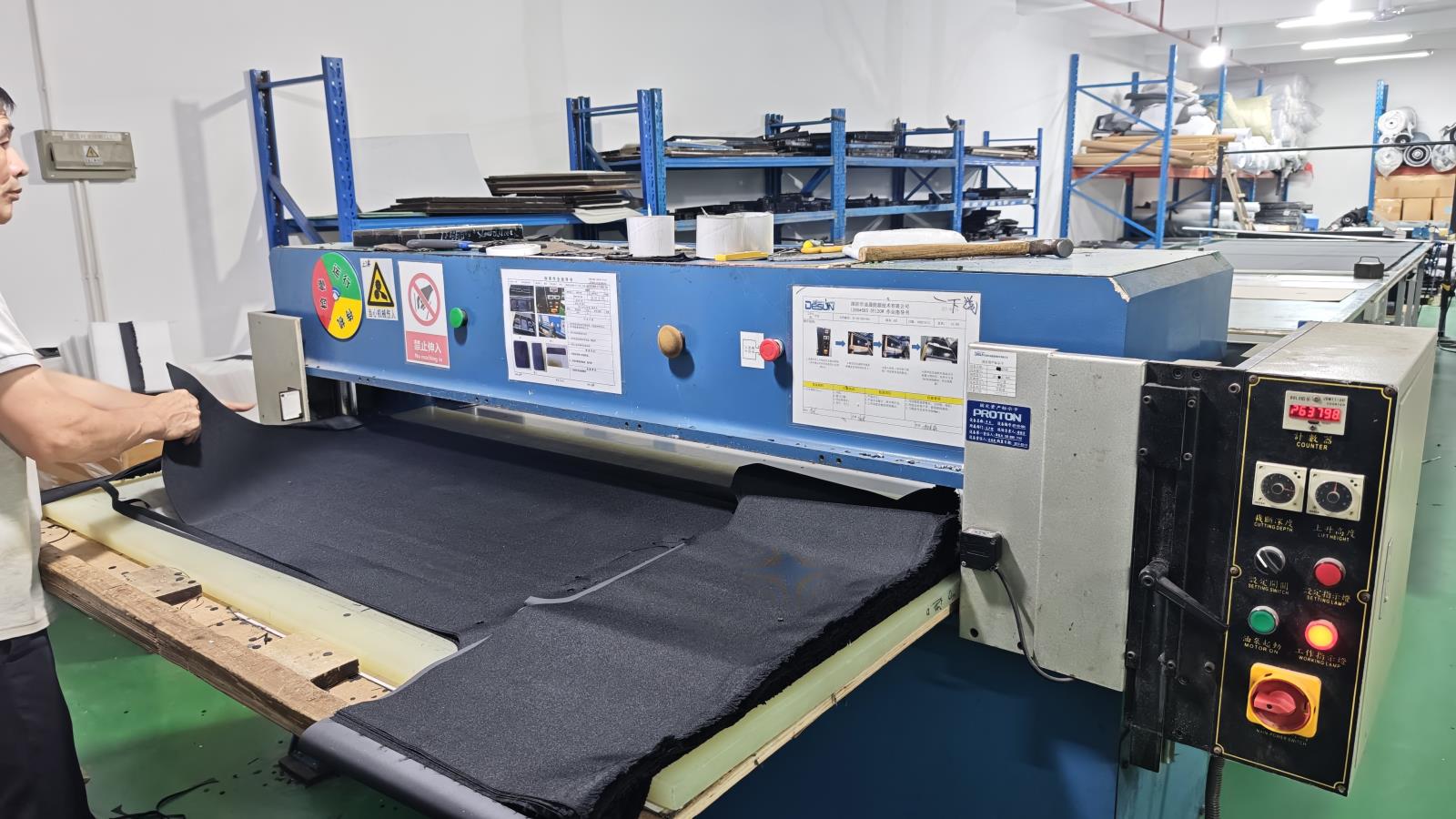
Precision Laser Cutting
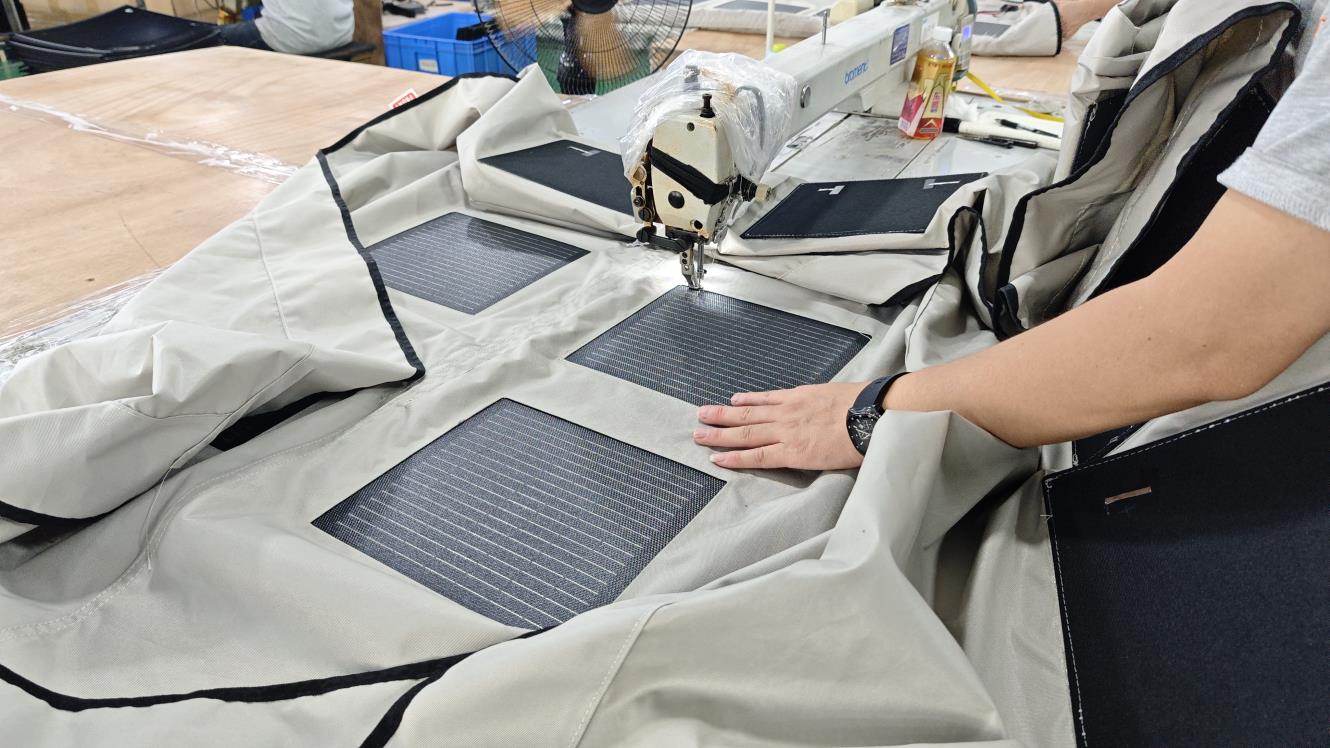
Protective Shell Sewing
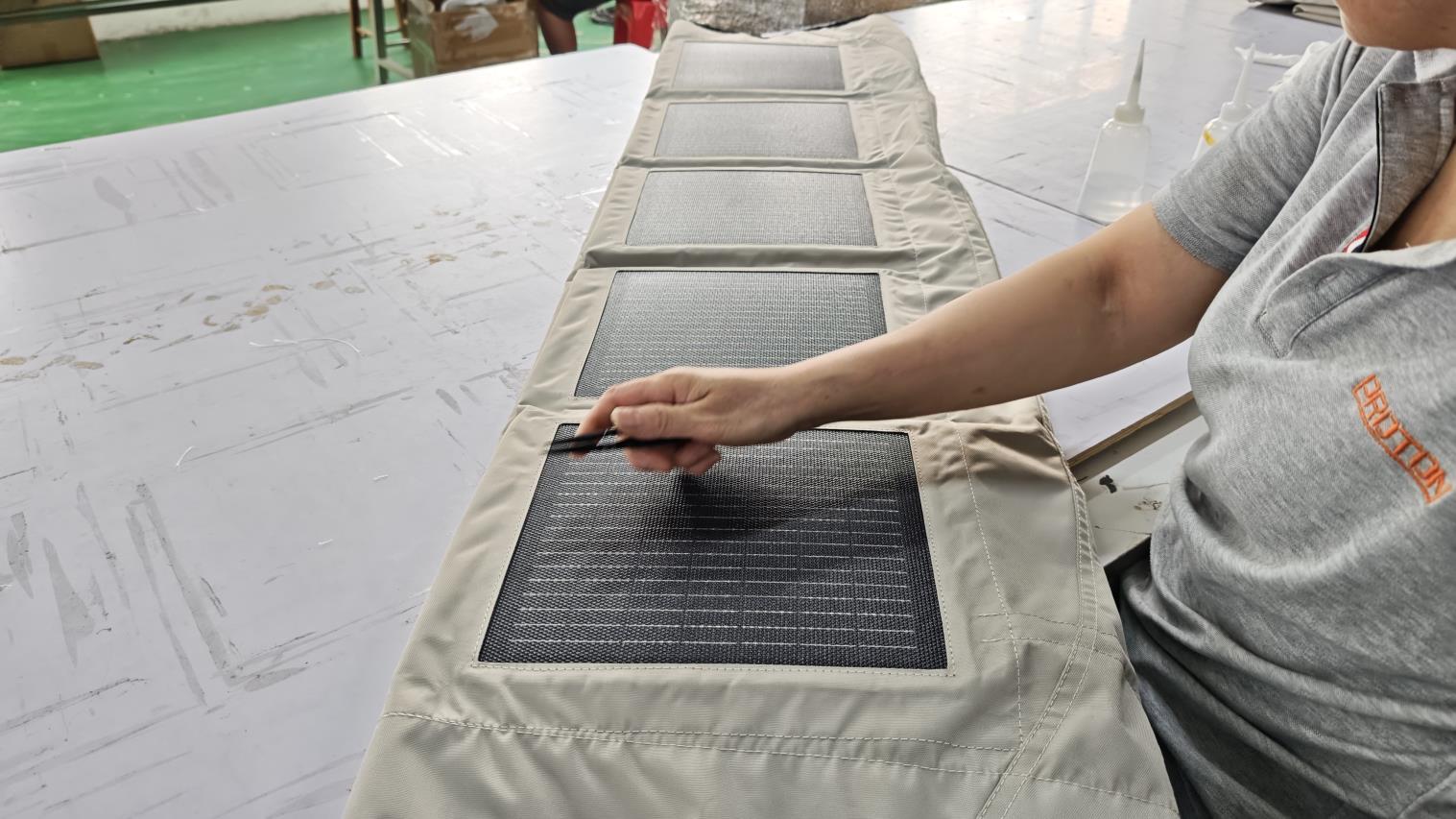
System Quality Control
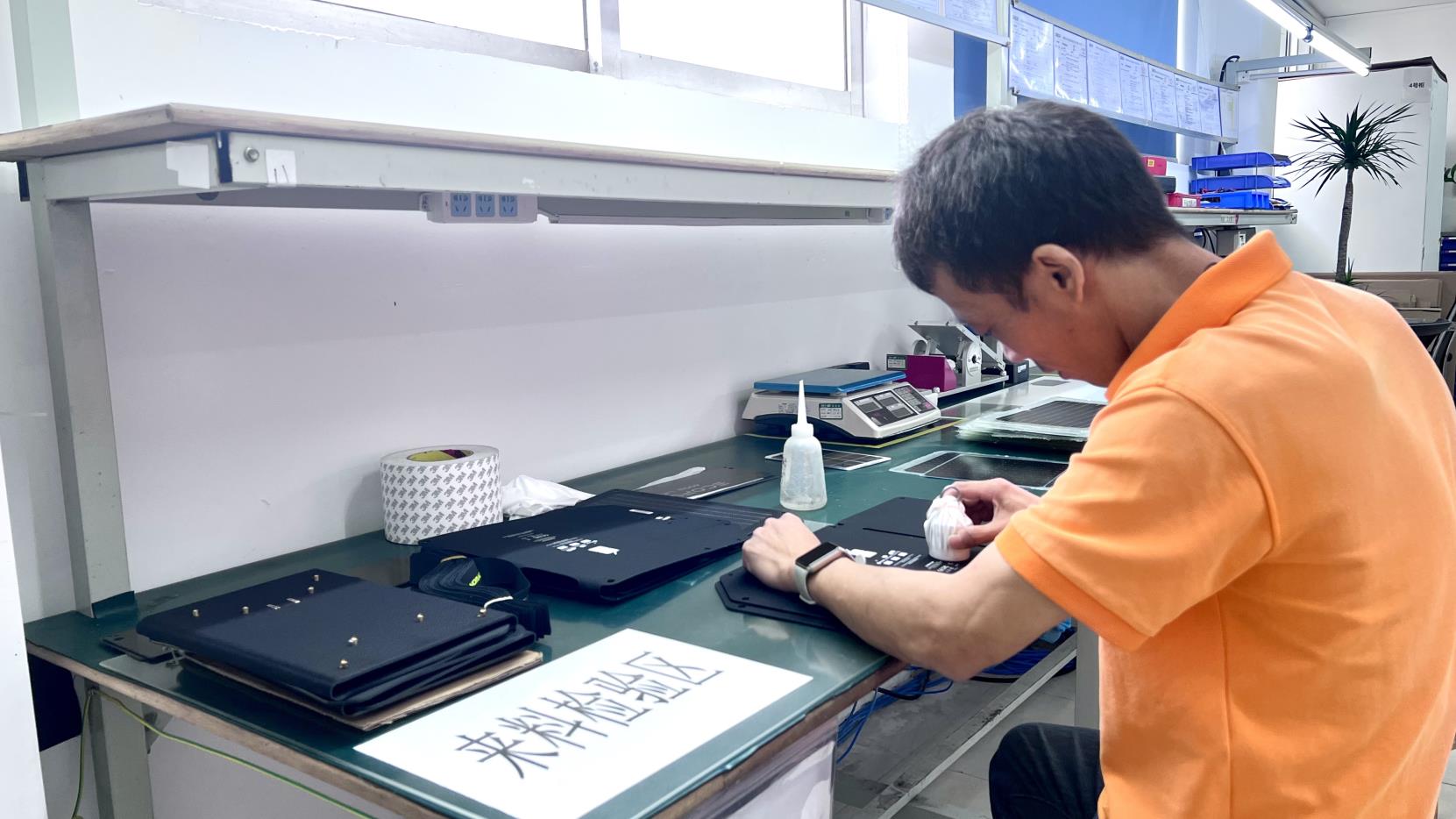
Incoming Quality Control
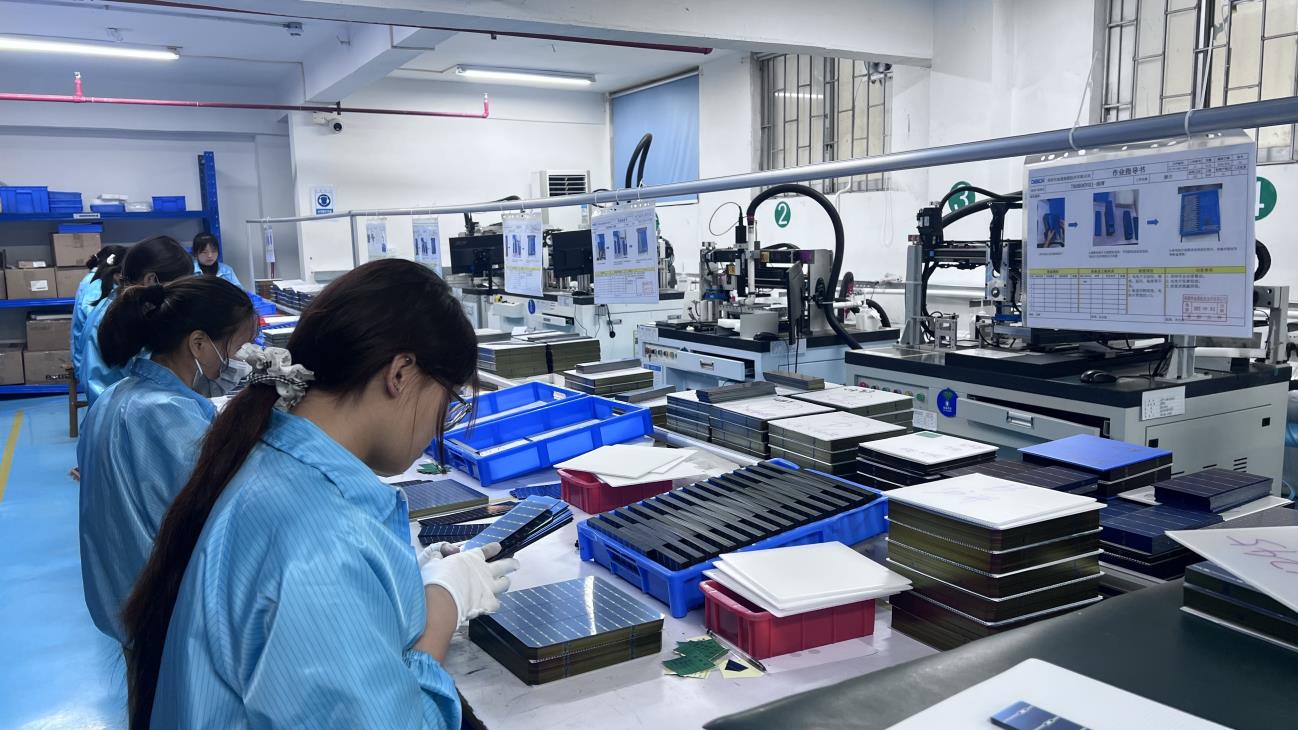
Laser Scribing
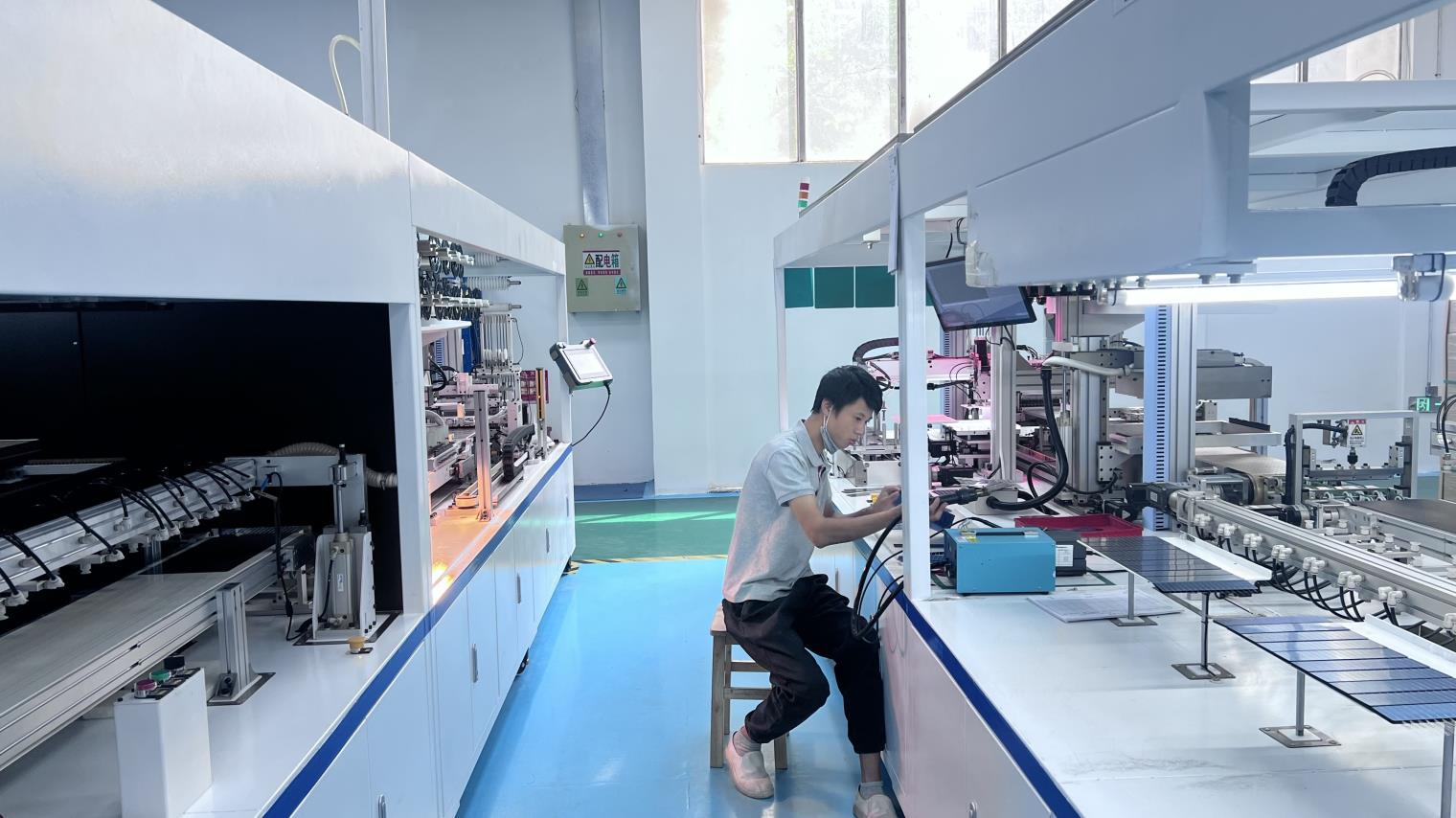
Automatic Welding
Solar Panel Stacking
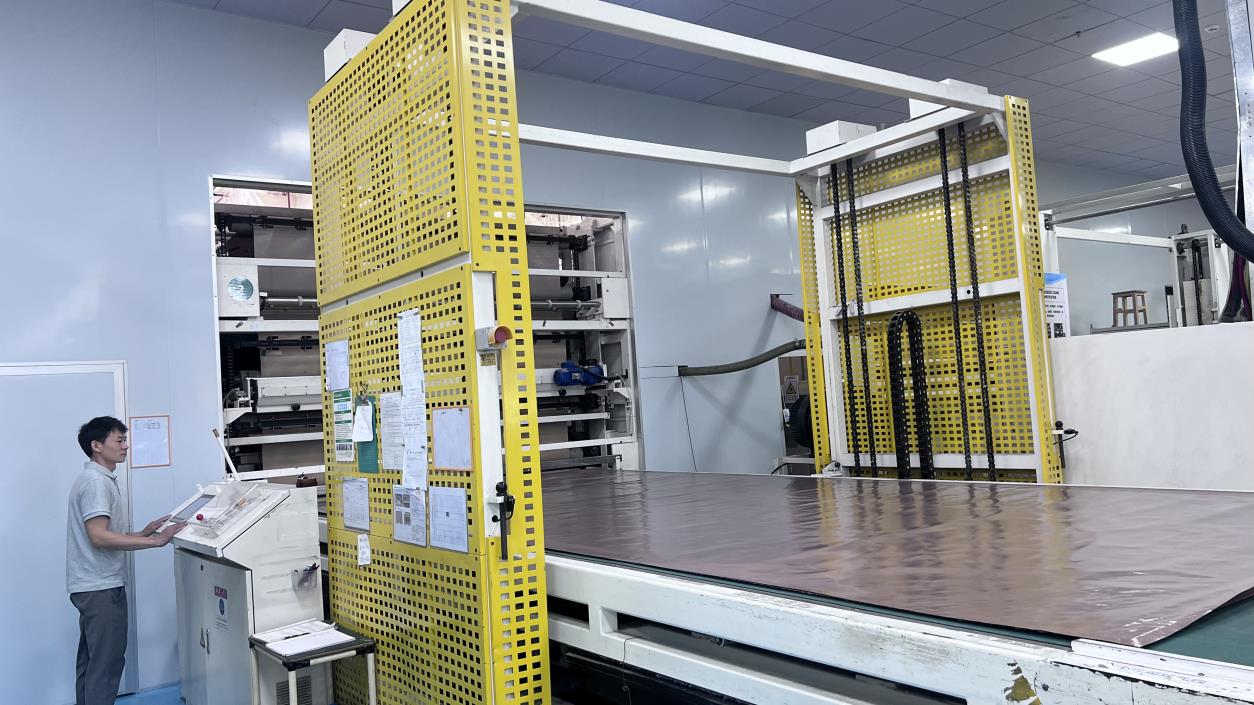
Panel Laminating
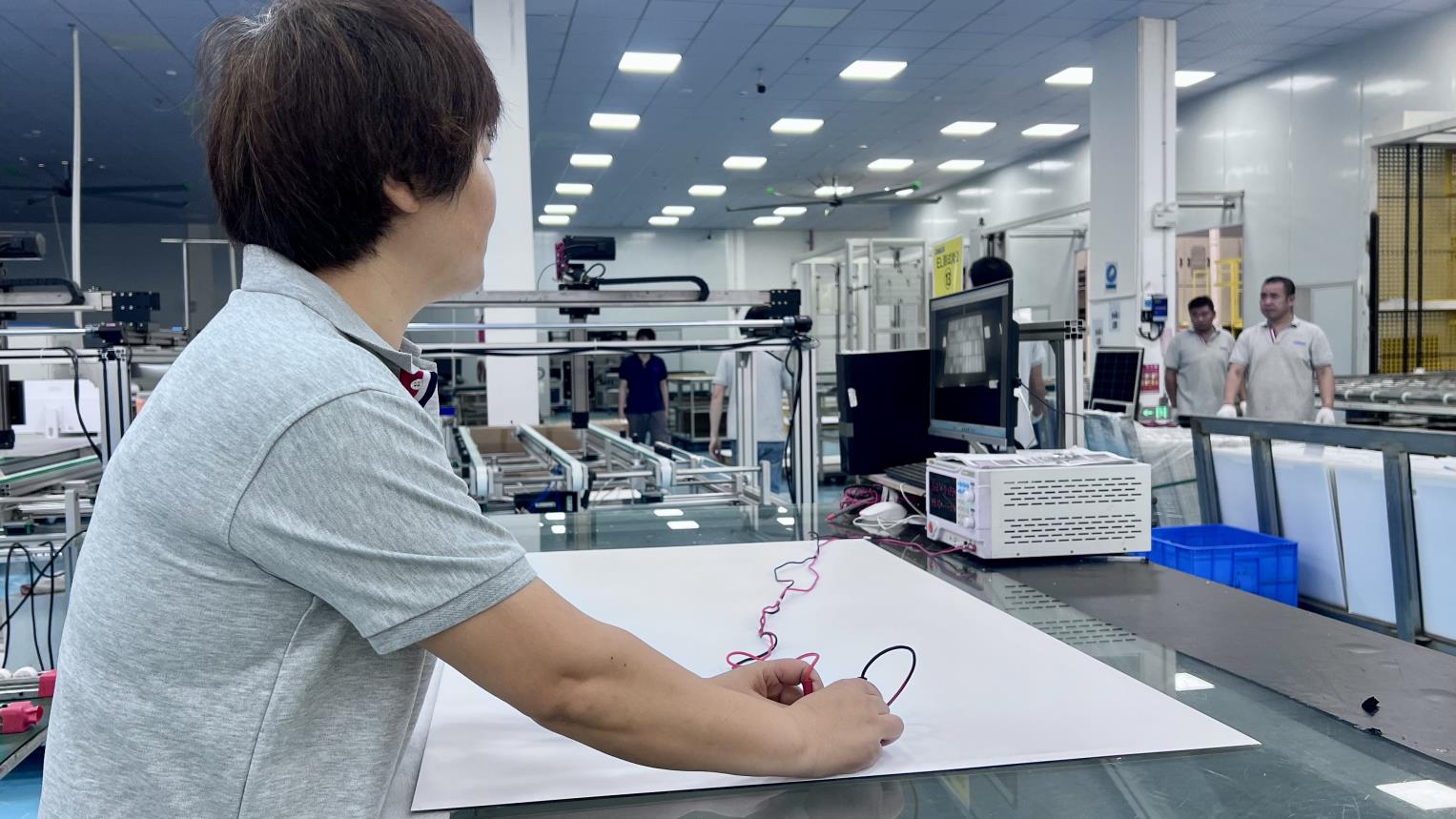
Semi-Finished Testing
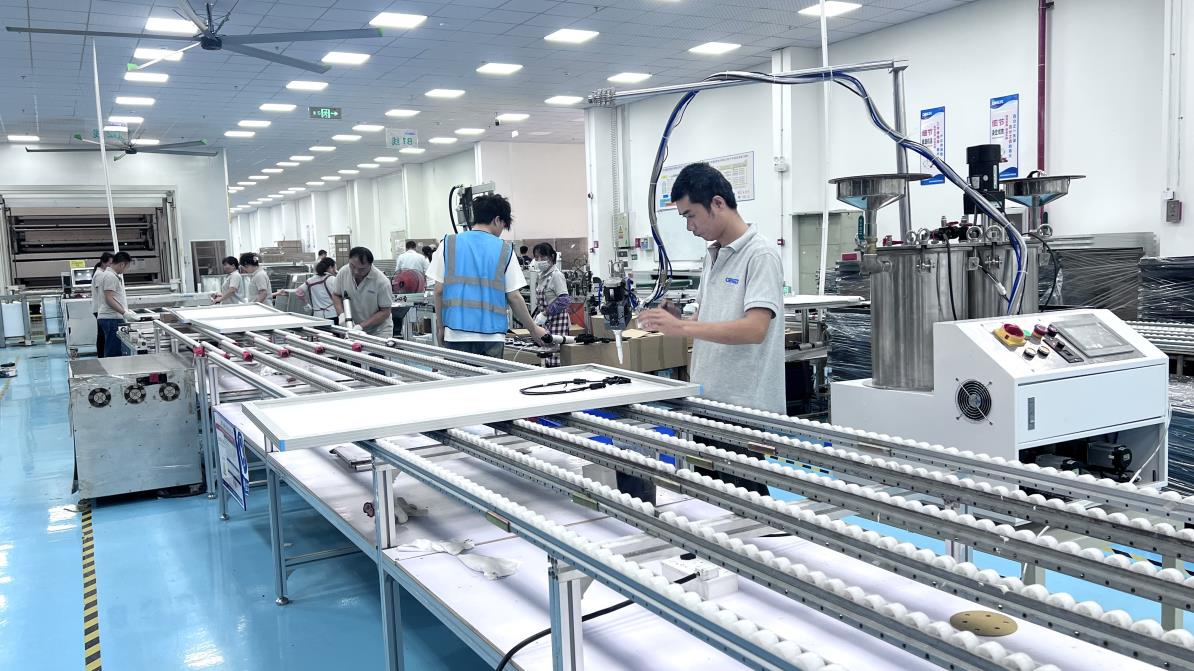
Final Assembly
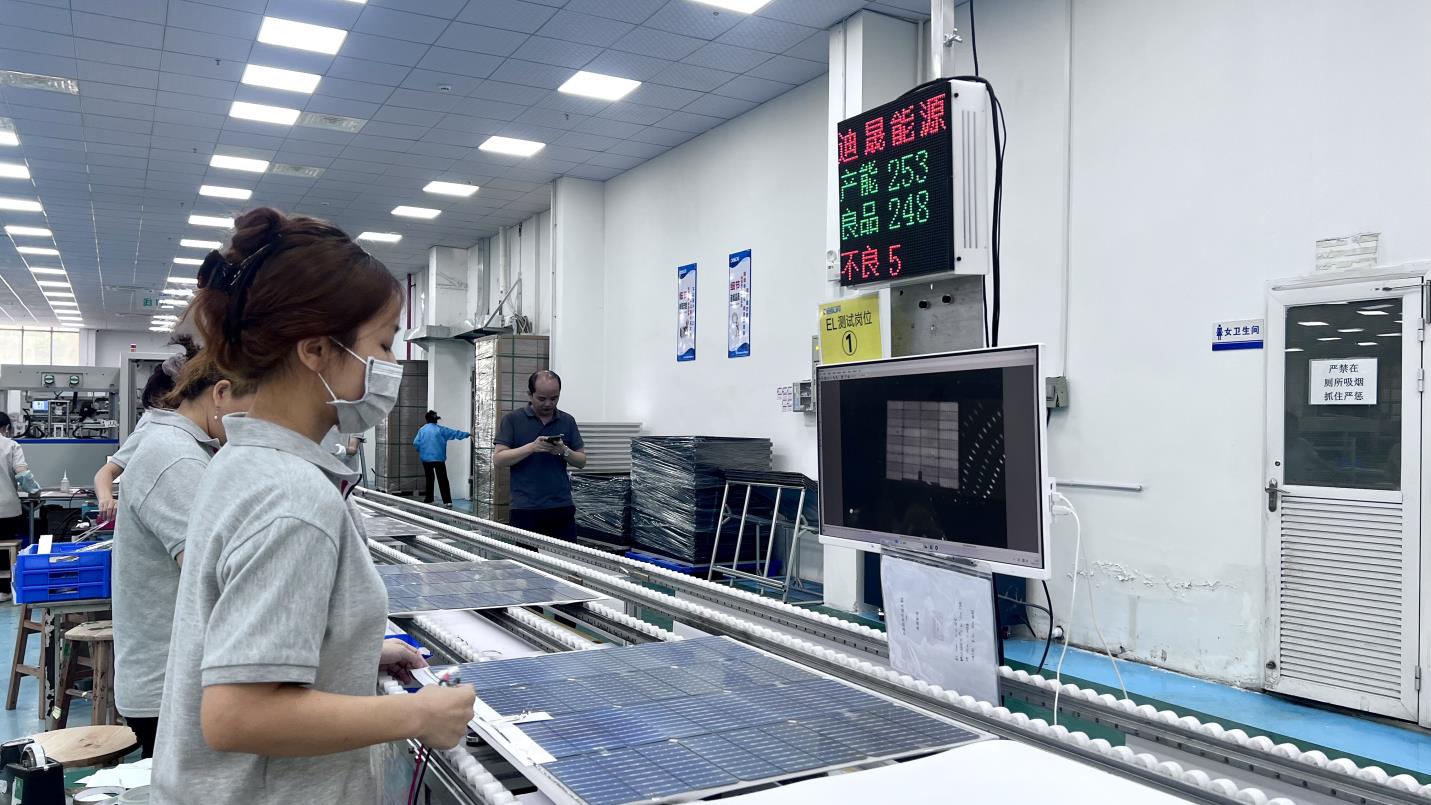
Finished Product Testing
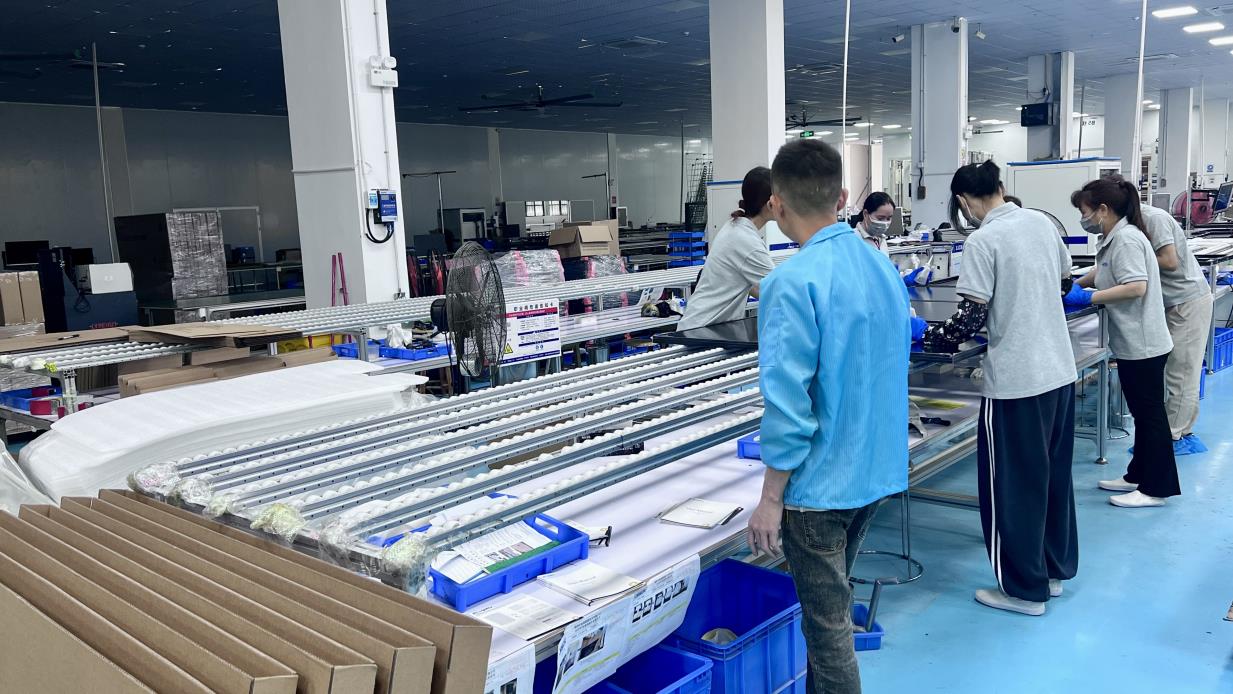
Cleaning & Packaging
Navigating the complex global market requires strict adherence to international electrical safety regulations and environmental guidelines.
All portable power stations and solar arrays exported by Xiamen ConTech Solar undergo rigorous independent testing. Our products carry CE, FCC, RoHS, UL 2743, UN38.3, and MSDS certifications. These credentials verify their safety under extreme transport and operation conditions, simplifying import customs clearance in European, North American, and Asia-Pacific ports.
ConTech Solar partners with third-party logistics firms to manage door-to-door delivery, warehousing, and local duty handling. We support our global B2B distributors, regional installers, and EPC contractors with localized engineering and customer support, providing field maintenance training, system scaling assistance, and modular components to ensure seamless integration and operational reliability.
Expert technical insights for procurement managers, design engineers, and commercial system integrators.
Our commercial-grade portable generators use premium Grade-A Lithium Iron Phosphate (LiFePO4) chemistry. LiFePO4 chemistry provides exceptional thermal stability and a long operational life. Under typical discharge cycles (80% Depth of Discharge at 1C rate), our batteries retain over 80% of their nominal capacity after 3,500 to 6,000 cycles, outlasting standard lithium-ion NCM batteries by 3 to 4 times.
Multi-stage Maximum Power Point Tracking (MPPT) algorithms actively monitor the real-time voltage and current outputs of connected PV modules. Under variable sunlight or partial shading, standard PWM controllers lock charging voltage near battery levels, losing up to 30% of potential energy. Our high-frequency MPPT tracking systems adjust the operating point continuously, converting excess solar voltage into charging current to maximize solar harvest.
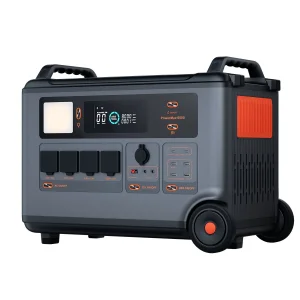
Yes. Our high-power portable stations (such as the 3000W and 6000W platforms) feature an integrated UPS bypass system. When grid power is active, current passes directly to connected devices while maintaining battery levels. If a grid outage occurs, internal control logic switches load power to the battery bank in under 10 milliseconds, preventing data loss or service disruption for sensitive IT, medical, and monitoring equipment.
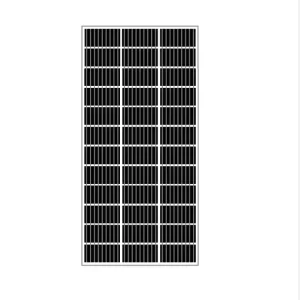
Shingled panels use overlapping monocrystalline strips connected with conductive adhesives, eliminating traditional copper ribbon busbars. This design reduces space requirements, increases active surface area, and lowers internal electrical resistance. Shingled arrays are also less prone to micro-cracks from thermal stress and offer better shade tolerance, maintaining power output even when sections are partially covered.
BIPV panels serve as dual-purpose structural elements, replacing conventional materials like glass facades or roof panels with power-generating surfaces. This eliminates the need for extra racking and mounting hardware. In industrial off-grid microgrids, BIPV installations maximize energy density on limited building footprints, providing architectural integration and clean power generation without compromising modern building aesthetics.
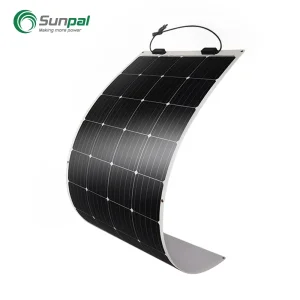
ConTech Solar specializes in custom OEM/ODM solutions for diverse mobile and off-grid applications. We manufacture flexible, semi-flexible, and rollable monocrystalline modules in custom sizes and voltage profiles. These low-profile panels can be mounted on curved surfaces like boat decks, RV roofs, and ventilation cowls, delivering reliable power generation in demanding marine and mobile environments.
High-efficiency mono-glass modules, BIPV glass, flexible rollable panels, and wall-mounted LiFePO4 home systems designed for residential, commercial, and hybrid applications.
 ConTech Solar