Engineered for high thermal resistance, advanced power allocation protocols, and maximum energy harvesting across off-grid environments.

Understanding the multi-bank charge allocation paradigms across commercial, heavy industrial, and marine solar platforms.
The industrial and commercial transition toward sustainable, decentralized energy requires advanced power allocation topologies. Among these, the Dual Battery Charge Controller stands as a critical component, designed to seamlessly manage and distribute photovoltaic energy into two distinct battery banks. Often structurally isolated, these banks usually consist of a Starter (Primary) Bank—reserved exclusively for engine ignition and critical system startup—and a Service/House (Secondary) Bank—allocated to auxiliary loads, communication instruments, climate control, and localized tooling.
Modern off-grid platforms are no longer restricted to single-chemistry energy configurations. Today’s commercial systems systematically integrate multi-chemistry layouts, pairing high-current Lead-Acid or Absorbed Glass Mat (AGM) starter batteries with high energy density Lithium Iron Phosphate (LiFePO4) storage banks. As a result, the charge controller must handle complex, multi-algorithm power distribution dynamically, transitioning between isolated charging regimes to ensure system durability and efficiency.
Integrating dual-bank controllers removes the need for manual battery isolators or low-efficiency voltage sensitive relays (VSRs). By utilizing intelligent silicon-level power path management, a single controller manages the solar input. The device continuously tracks the Maximum Power Point (MPP) while distributing energy proportionally. When the starter battery reaches its pre-configured float voltage, all excess power is immediately shunted to the service bank, optimizing solar utilization and preventing long-term sulfation or overcharging.
A technical evaluation of tracking algorithms, efficiency profiles, and heat dissipation dynamics for engineering procurement teams.
Procurement teams must carefully weigh the architectural differences between Pulse Width Modulation (PWM) and Maximum Power Point Tracking (MPPT) topologies when source-selecting controllers. While PWM dual-battery controllers offer a cost-effective solution for smaller off-grid platforms (such as 100W-200W solar modules on light vehicles), they rely on direct clamp-down voltage matching. This results in energy losses ranging from 20% to 30%, depending on the difference between the solar panel's operating voltage and the battery's real-time charge state.
Conversely, MPPT-enabled dual controllers feature high-frequency DC-to-DC step-down converters that continuously track the optimal V-I curve of the solar array. This allows the system to operate at high voltages (reducing transmission losses along thin wire runs) while stepping down the voltage at the controller to safely charge lower-voltage battery banks at high currents. The following table provides an analytical breakdown of these performance variables:
| Performance Metrics | PWM Dual Controllers | Advanced MPPT Dual Controllers | Industrial Grade Smart Dual Systems |
|---|---|---|---|
| Harvesting Efficiency | 70% - 75% | 95% - 98.5% | 99.2% - 99.8% |
| Multi-Chemistry Isolation | Common Ground (Shared Algorithm) | Independently Configurable Banks | Galvanically Isolated Intelligent Circuits |
| Max PV Input Voltage | 25V - 30V (For 12V Nominal Systems) | 50V - 150V DC | 150V - 250V DC |
| Transient Response Speed | Slow (Fixed Pulse Modulation) | Fast (Sweep frequency < 5s) | Ultra-Fast (Real-time sweep < 1s) |
| Thermal Throttling | Passive heatsink (Basic) | Smart Thermal Foldback Management | Liquid/Extruded Active Thermal Management |
For large commercial or heavy industrial installations—such as remote telecommunications towers, hybrid microgrids, or long-range marine research vessels—integrating high-efficiency MPPT controllers with custom charging profiles is critical to ensuring operational uptime and maximizing battery lifespan.
Critical benchmarks to evaluate during technical screening, compliance auditing, and production capacity assessment.
Identifying the top 10 dual battery charge controller suppliers requires a comprehensive scoring matrix that goes beyond simple unit costs. Procurement directors and electrical engineers evaluate manufacturers across several key performance indicators:
Compliance with internationally recognized safety standards is non-negotiable. Top suppliers guarantee compliance with TUV CE, IEC 62109, UL 1741, FCC Class B, and RoHS, assuring safety and legal compliance in all target jurisdictions.
Leading manufacturers prioritize firmware engineering, optimizing features like smart MPPT algorithms, programmable battery priority ratios (e.g., 80% starter / 20% auxiliary), and real-time remote monitoring via Modbus/CAN bus interfaces.
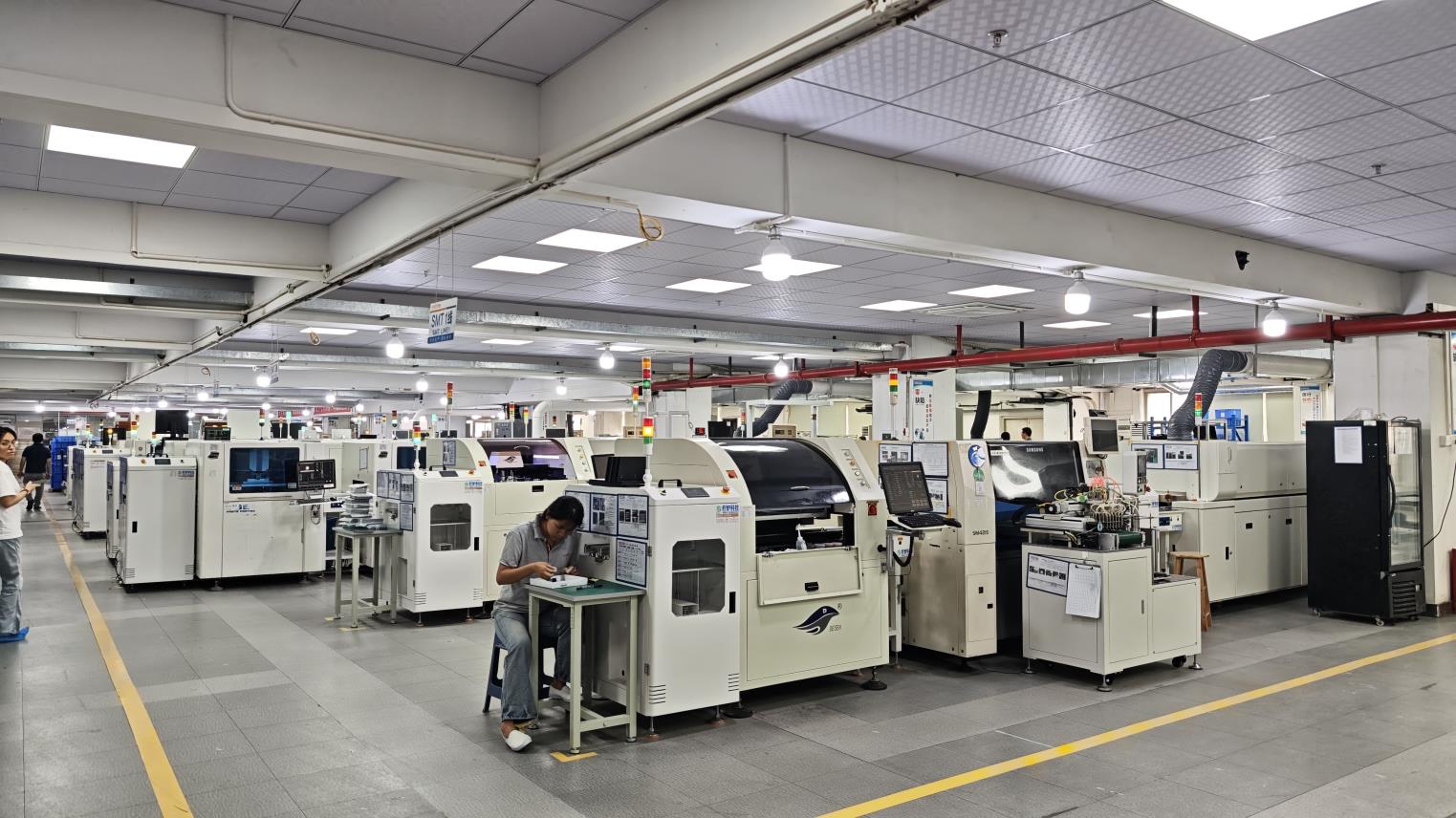
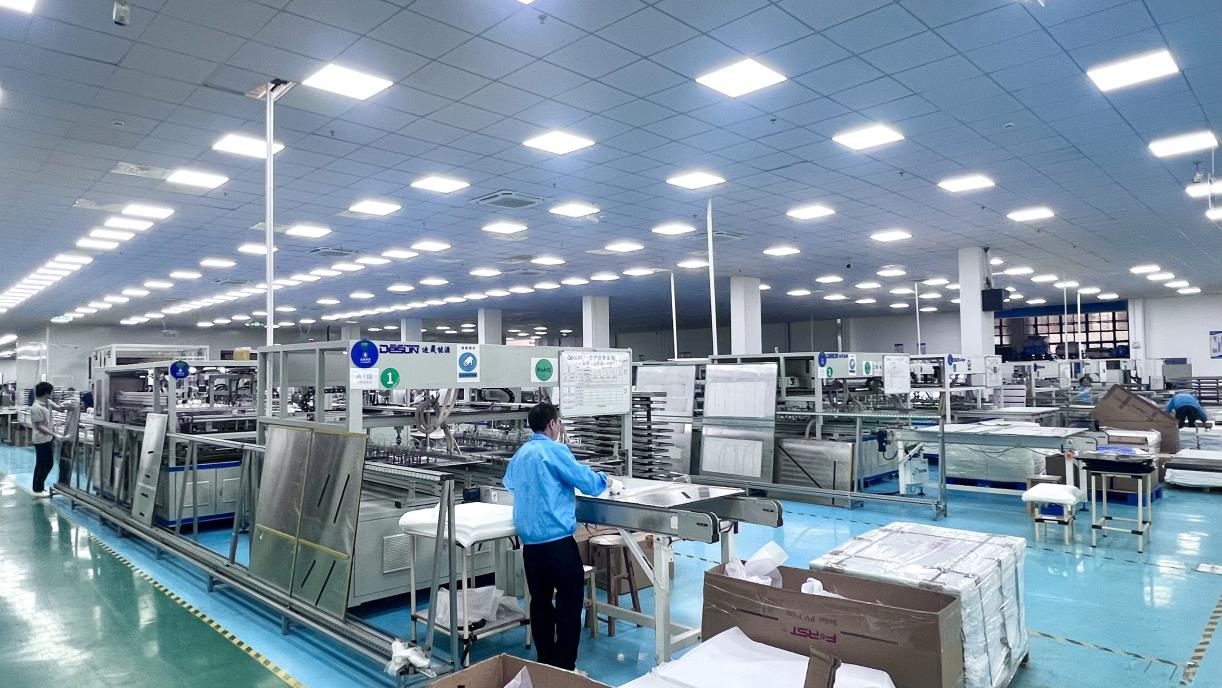
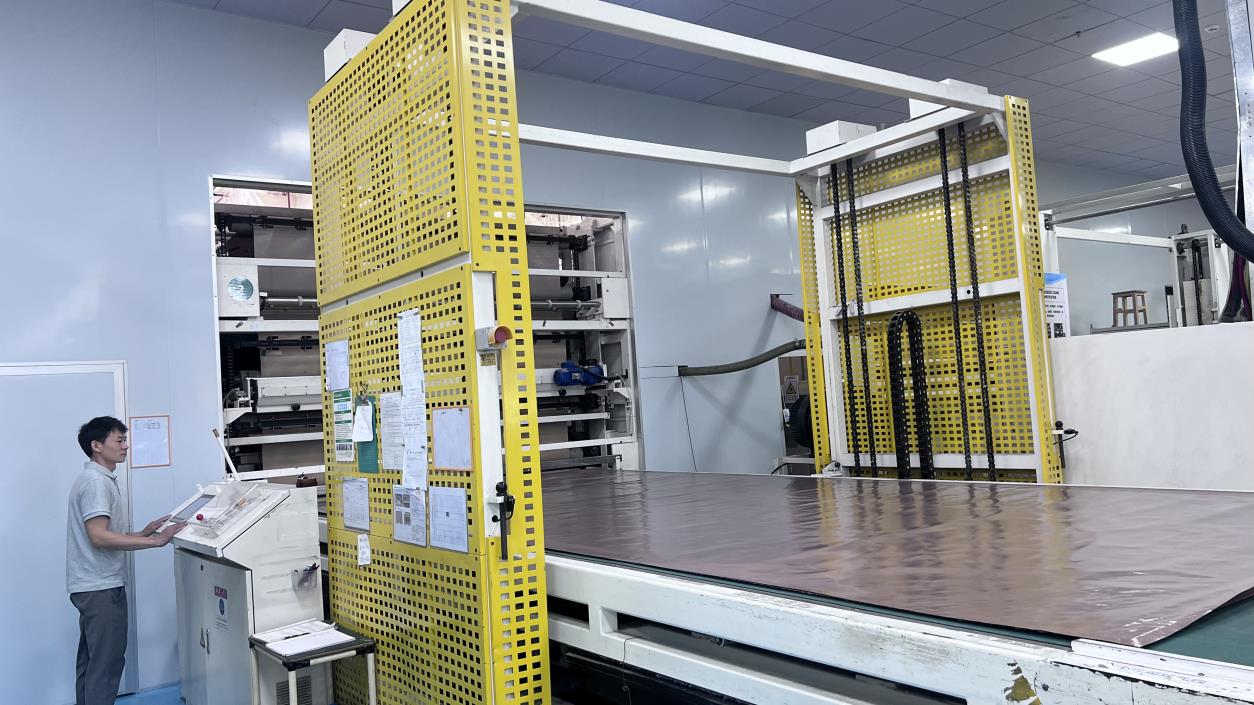
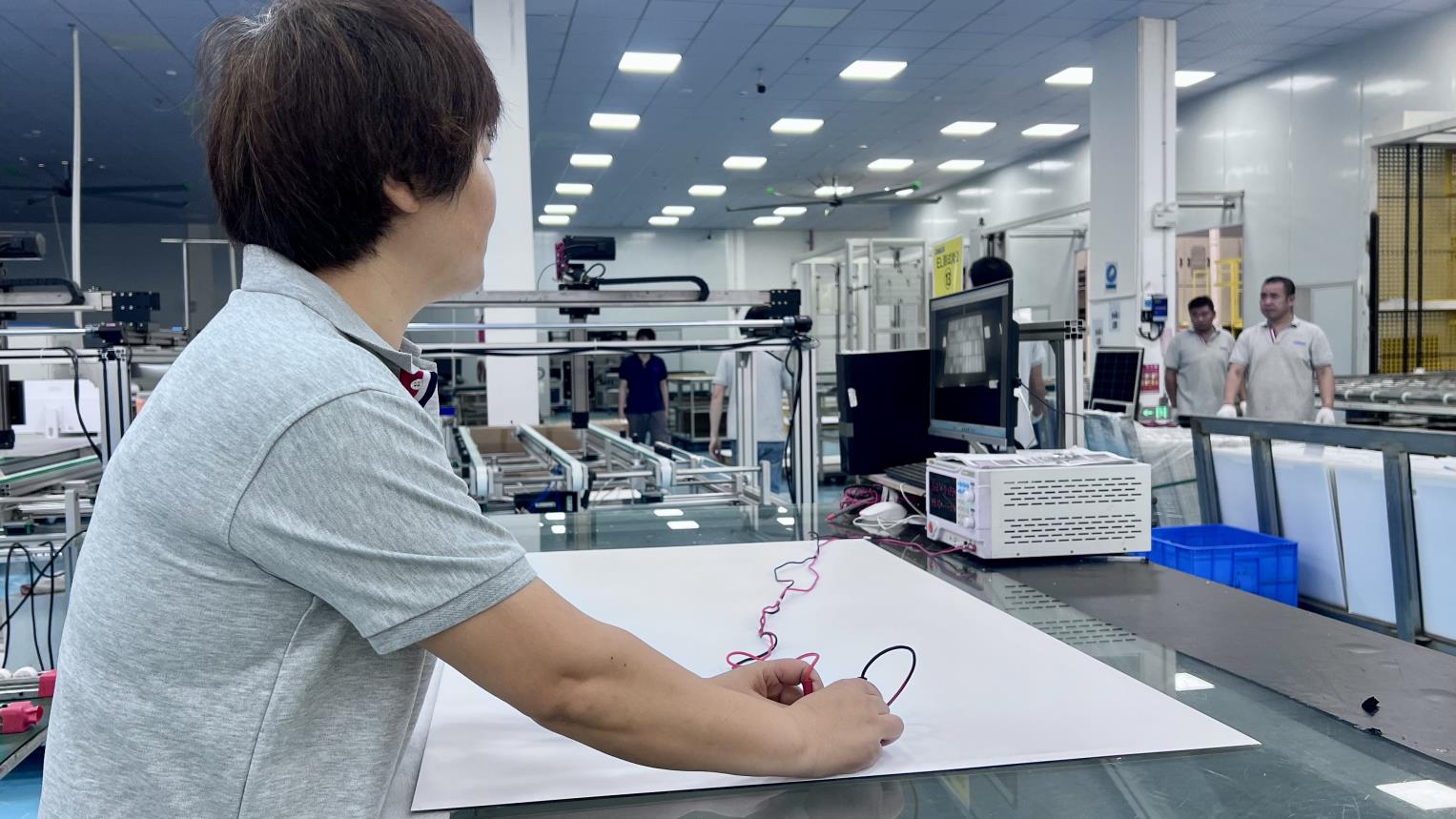
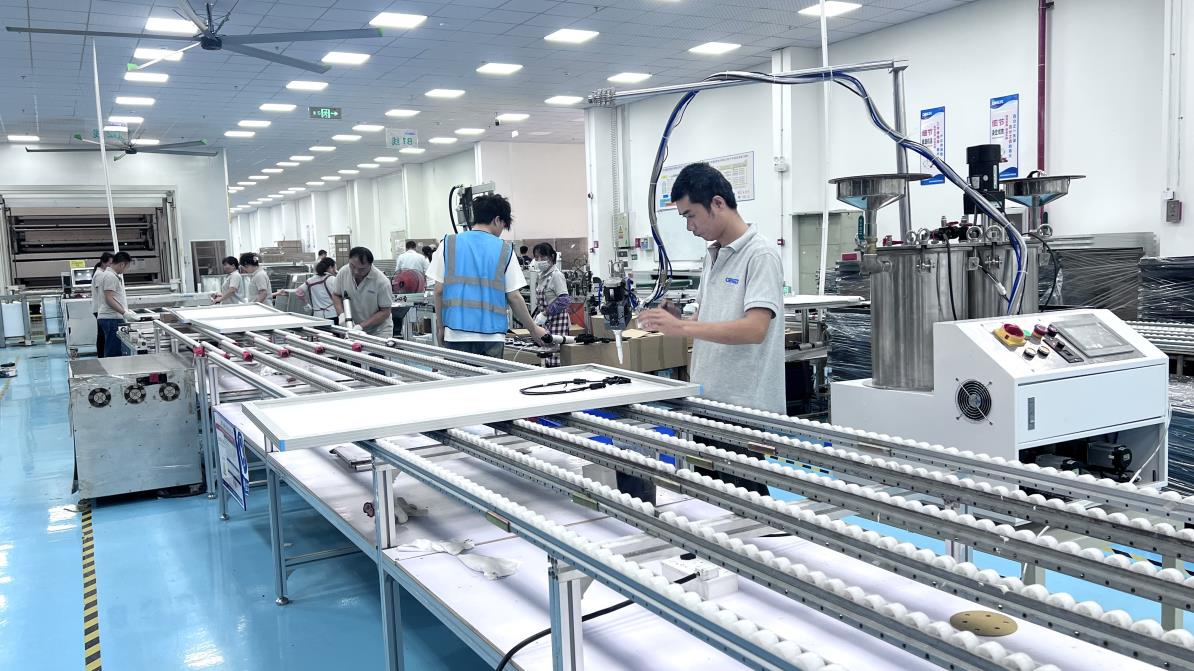
Tier-1 suppliers operate state-of-the-art facilities equipped with Automated Optical Inspection (AOI), fully automated surface mount technology (SMT), and rigorous environmental stress screening (ESS) to eliminate early-stage component failures.
Through thorough supply chain auditing, top-tier global manufacturers demonstrate excellent consistency in raw material sourcing (such as utilizing automotive-grade MOSFETs and solid capacitors) and offer comprehensive warranties backed by localized technical support.
A deep dive into high-tech manufacturing, rigorous quality control workflows, and comprehensive solar system production.
Xiamen ConTech Solar Co., Ltd. is a professional high-tech enterprise specializing in the research, development, production, and sales of solar energy products. Since its establishment, the company has been committed to providing efficient, reliable, and environmentally friendly solar solutions to customers worldwide. Guided by the business philosophy of "Innovative Technology, Superior Quality, and Sustainable Development," ConTech Solar continuously strengthens its technological innovation and product development capabilities.
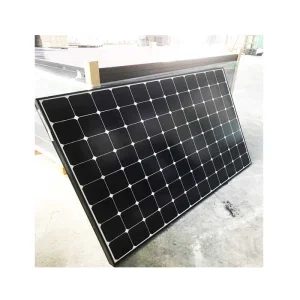
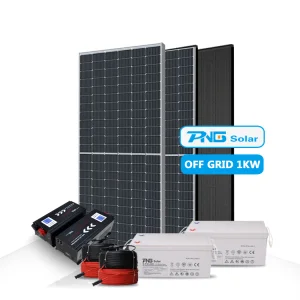
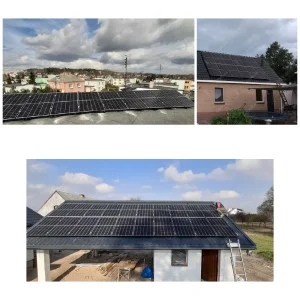
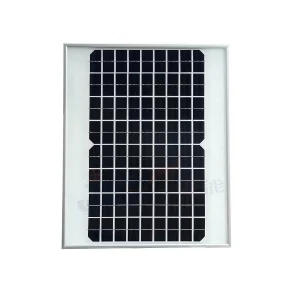
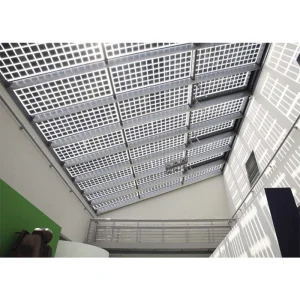
With a strong R&D team and advanced manufacturing technology, Xiamen ConTech Solar Co., Ltd. mainly produces solar panels, solar controllers, solar energy systems, and related photovoltaic products. These products are widely used in residential rooftops, commercial and industrial solar projects, large-scale photovoltaic power stations, agricultural applications, street lighting systems, and off-grid energy solutions.
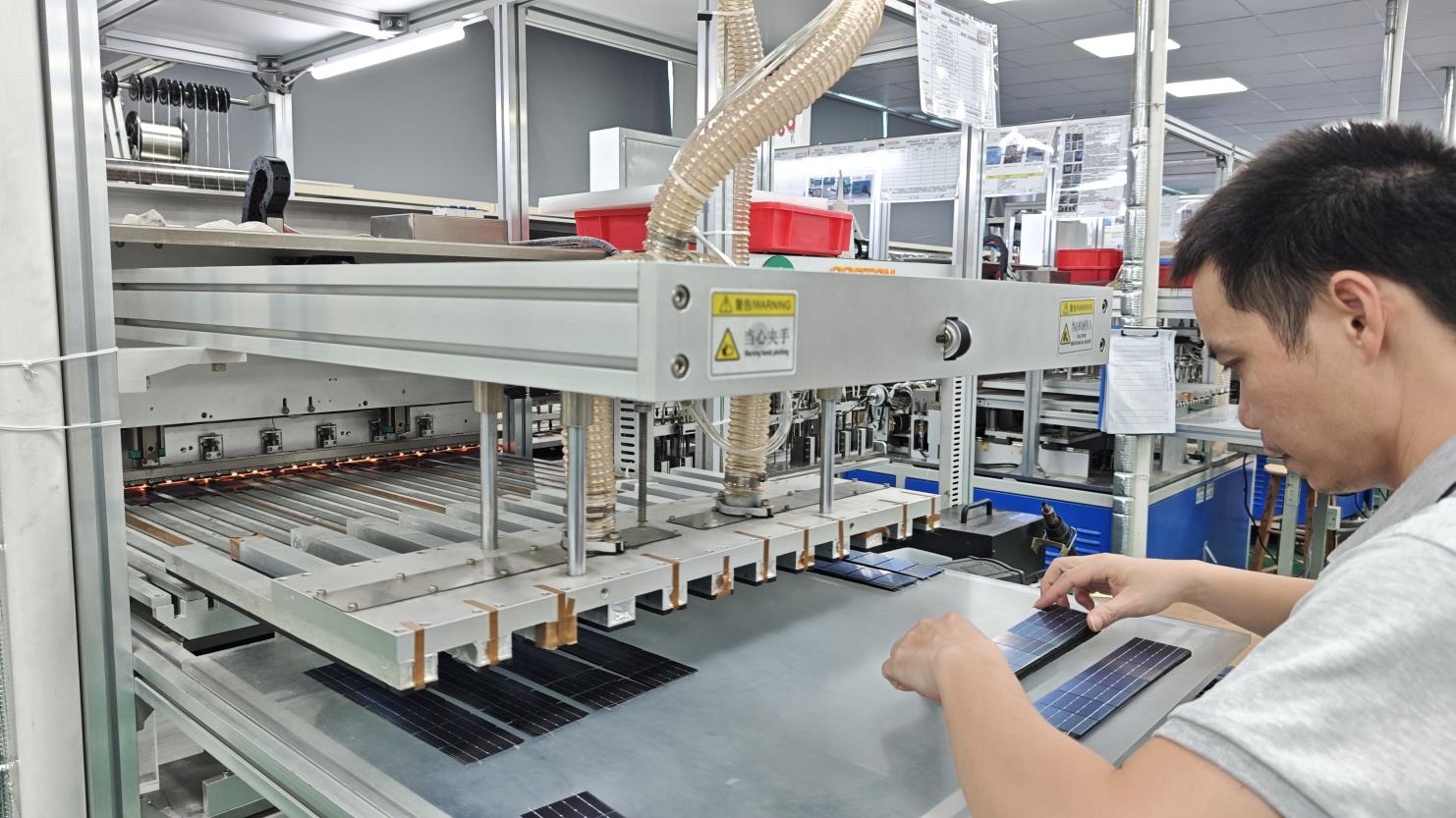
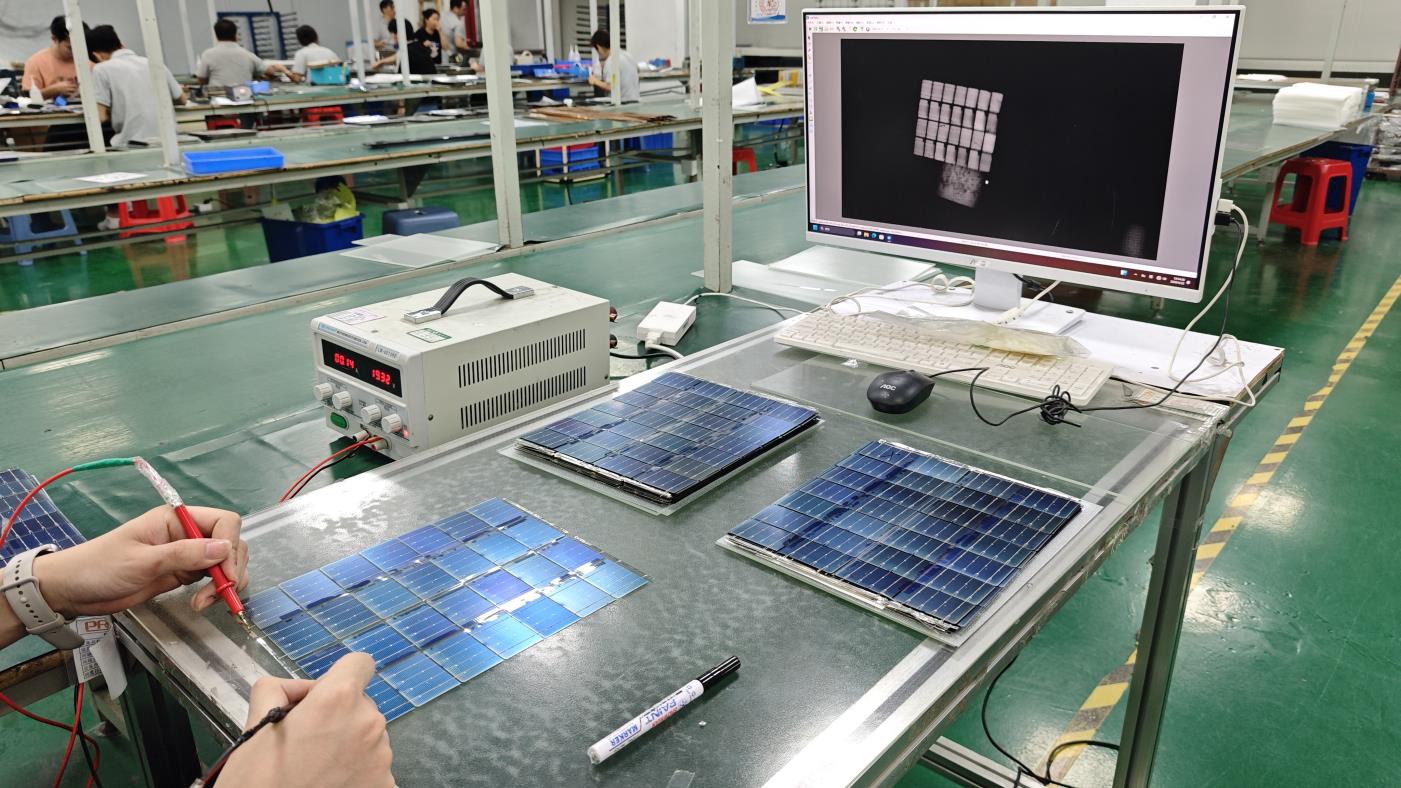
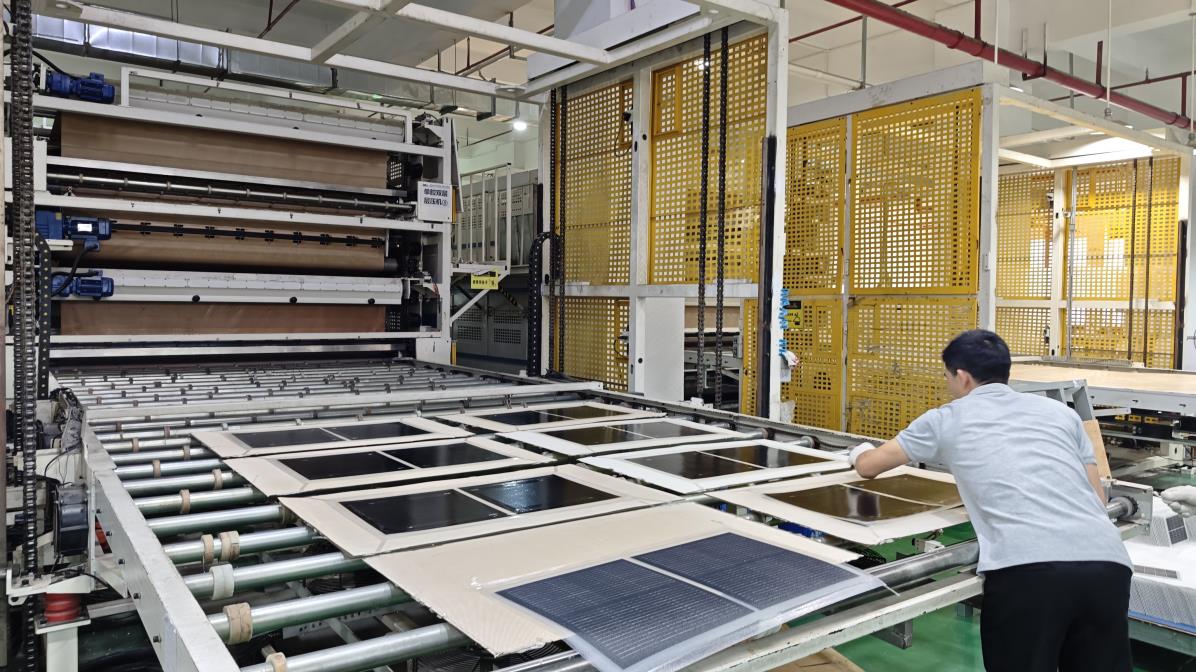
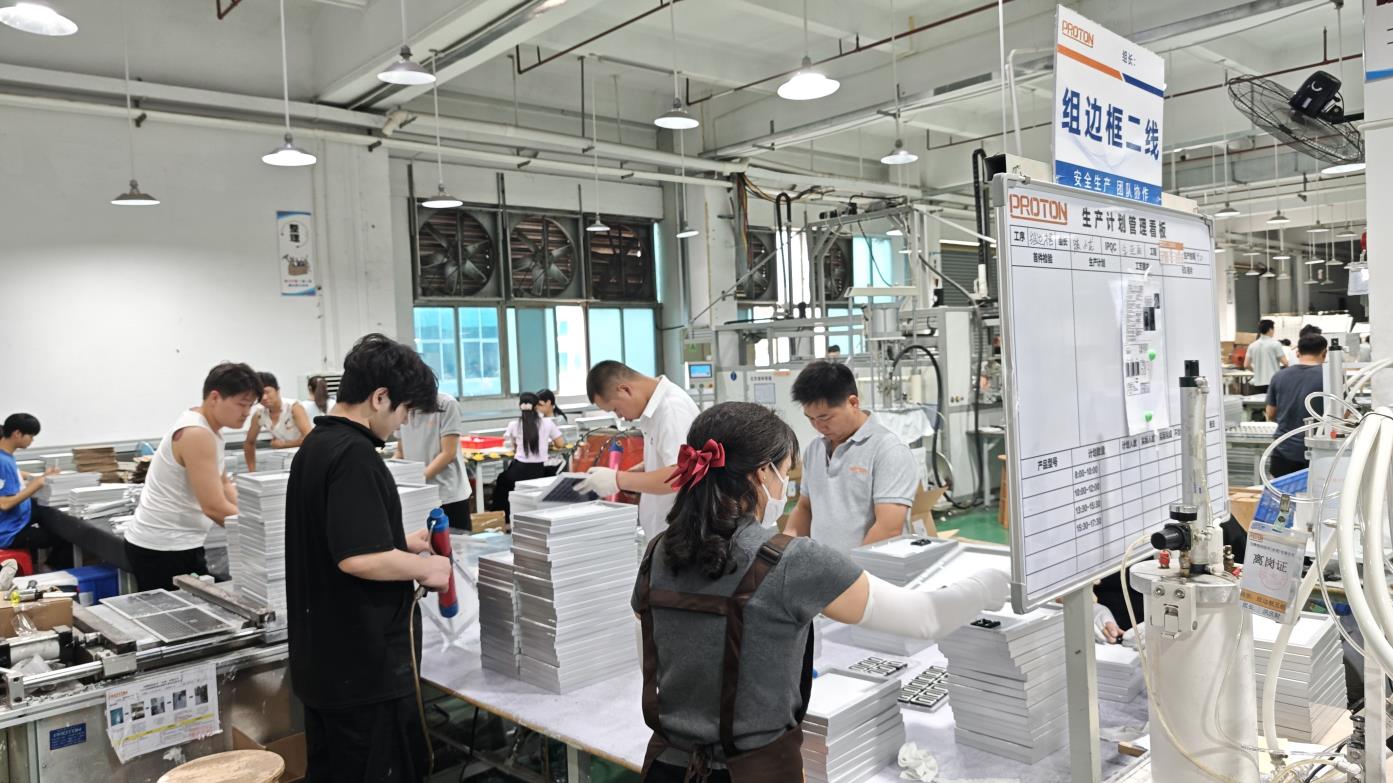
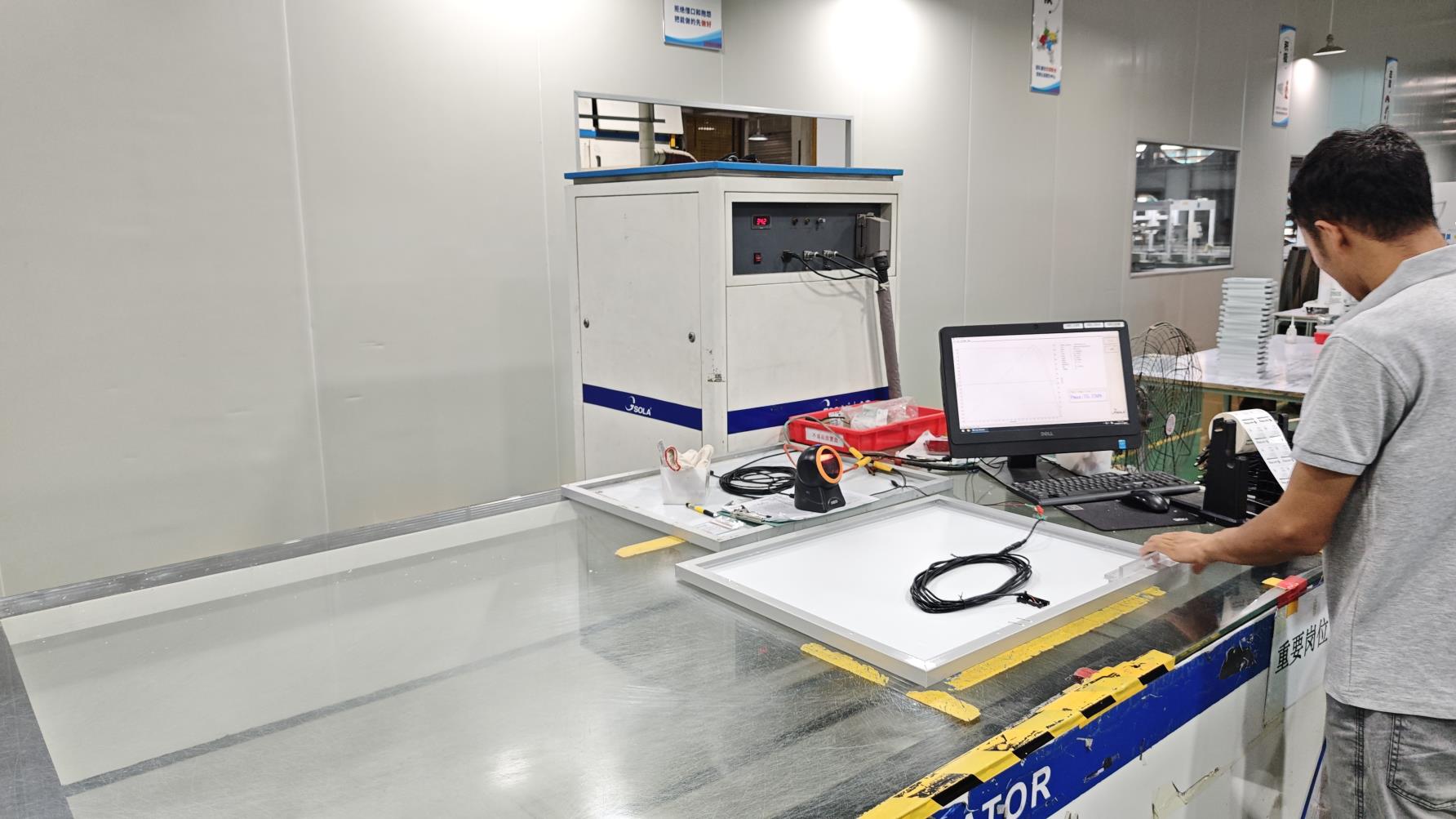
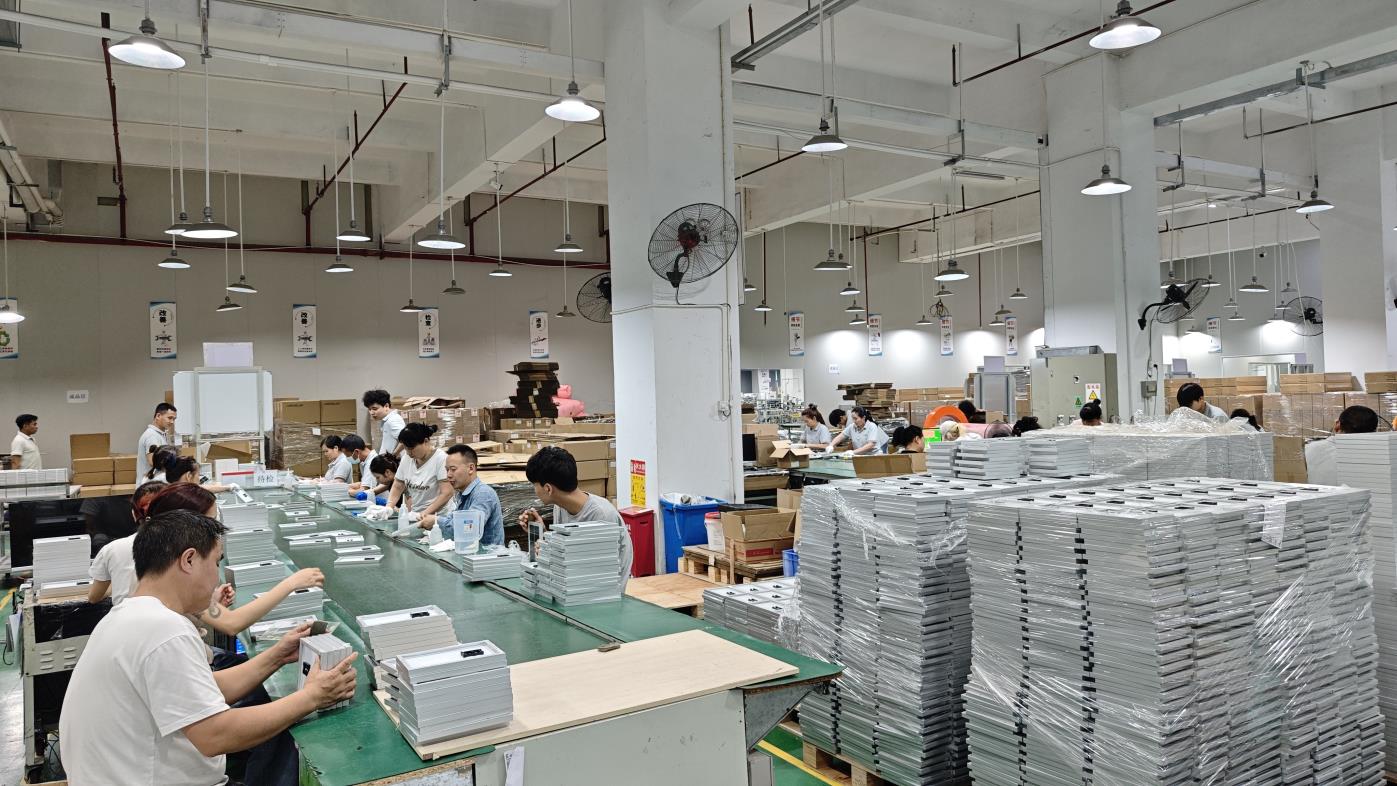
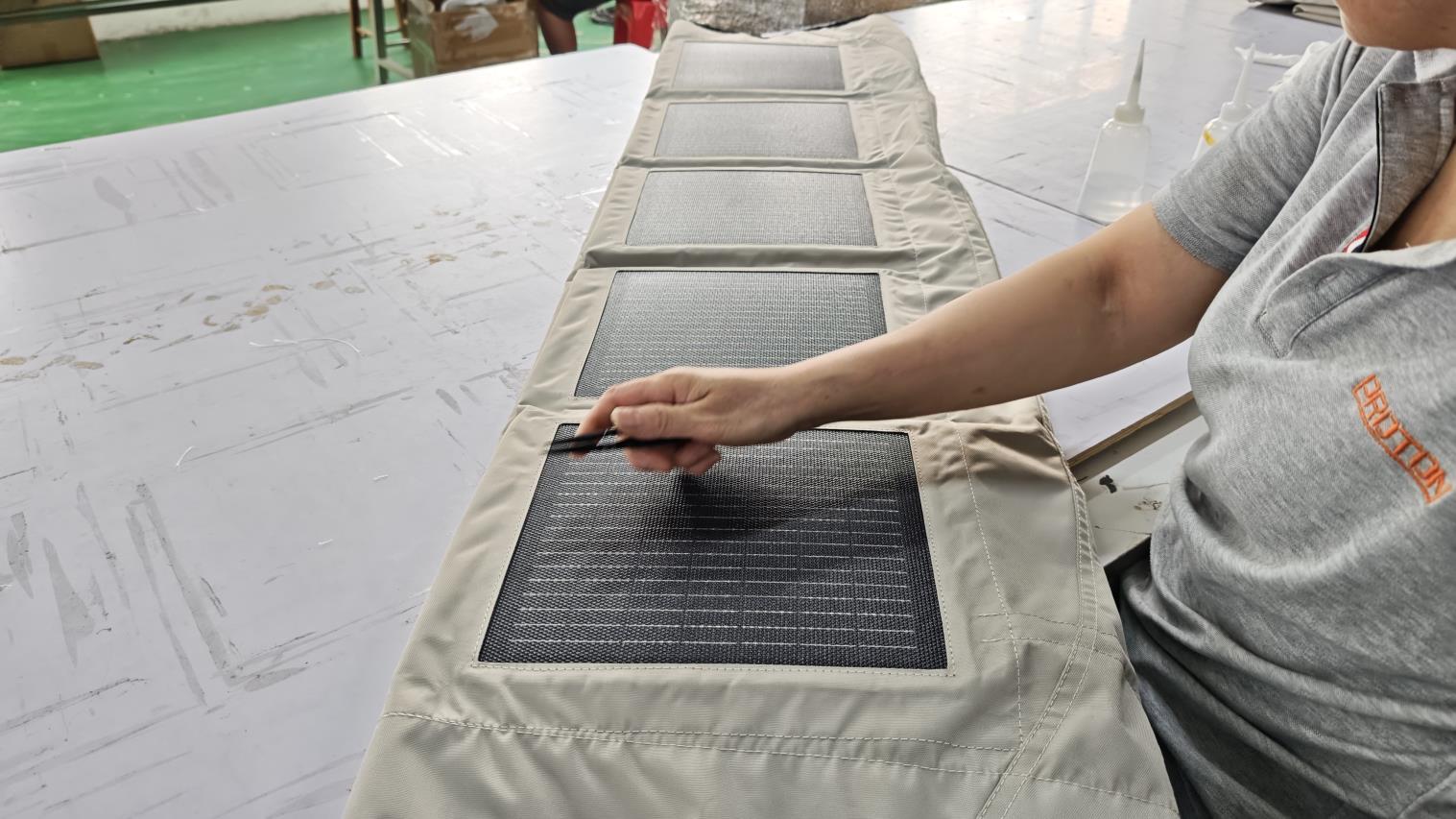
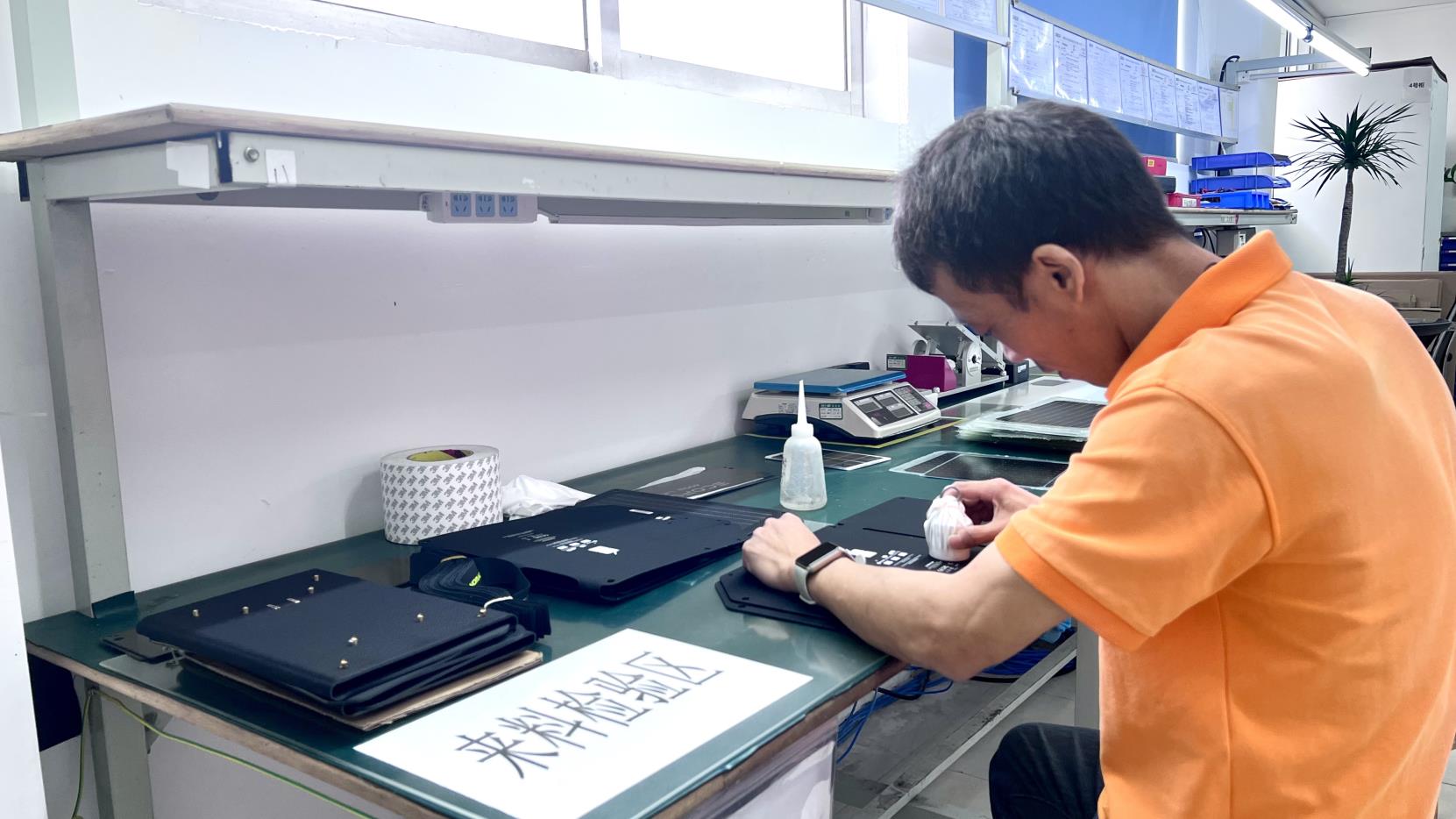
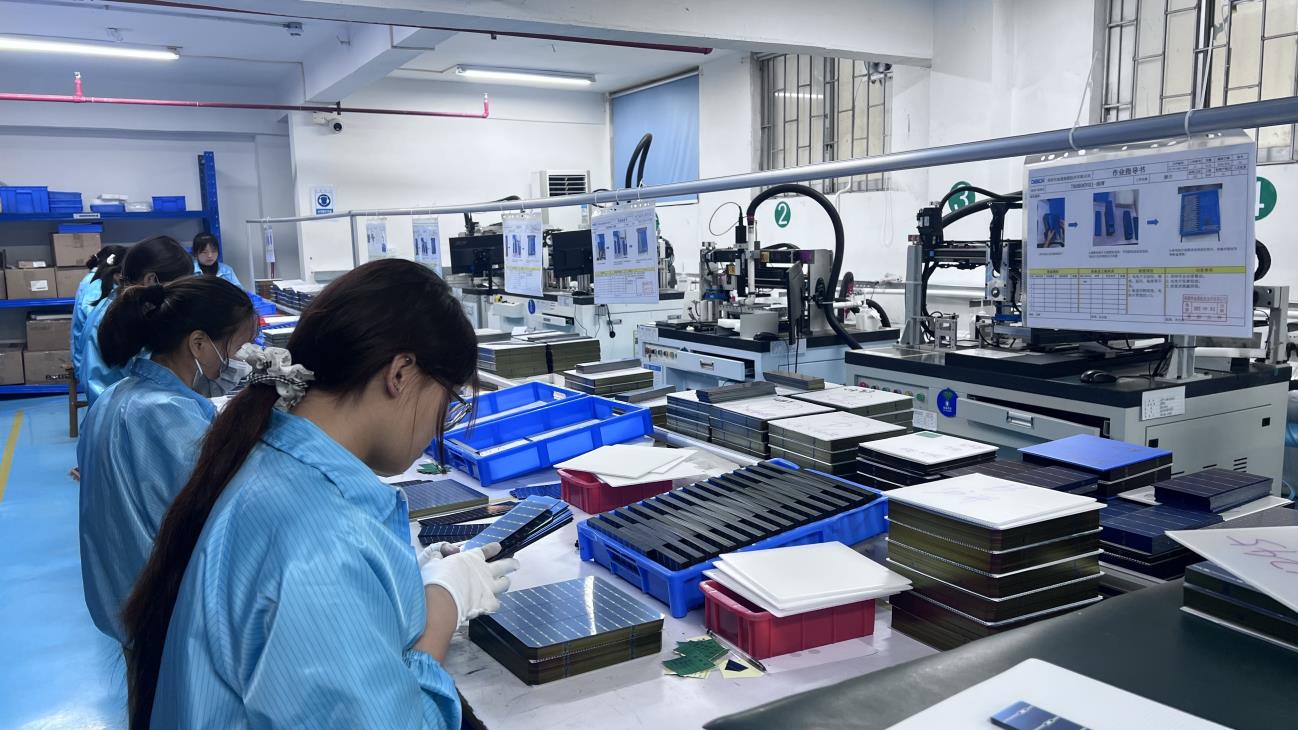
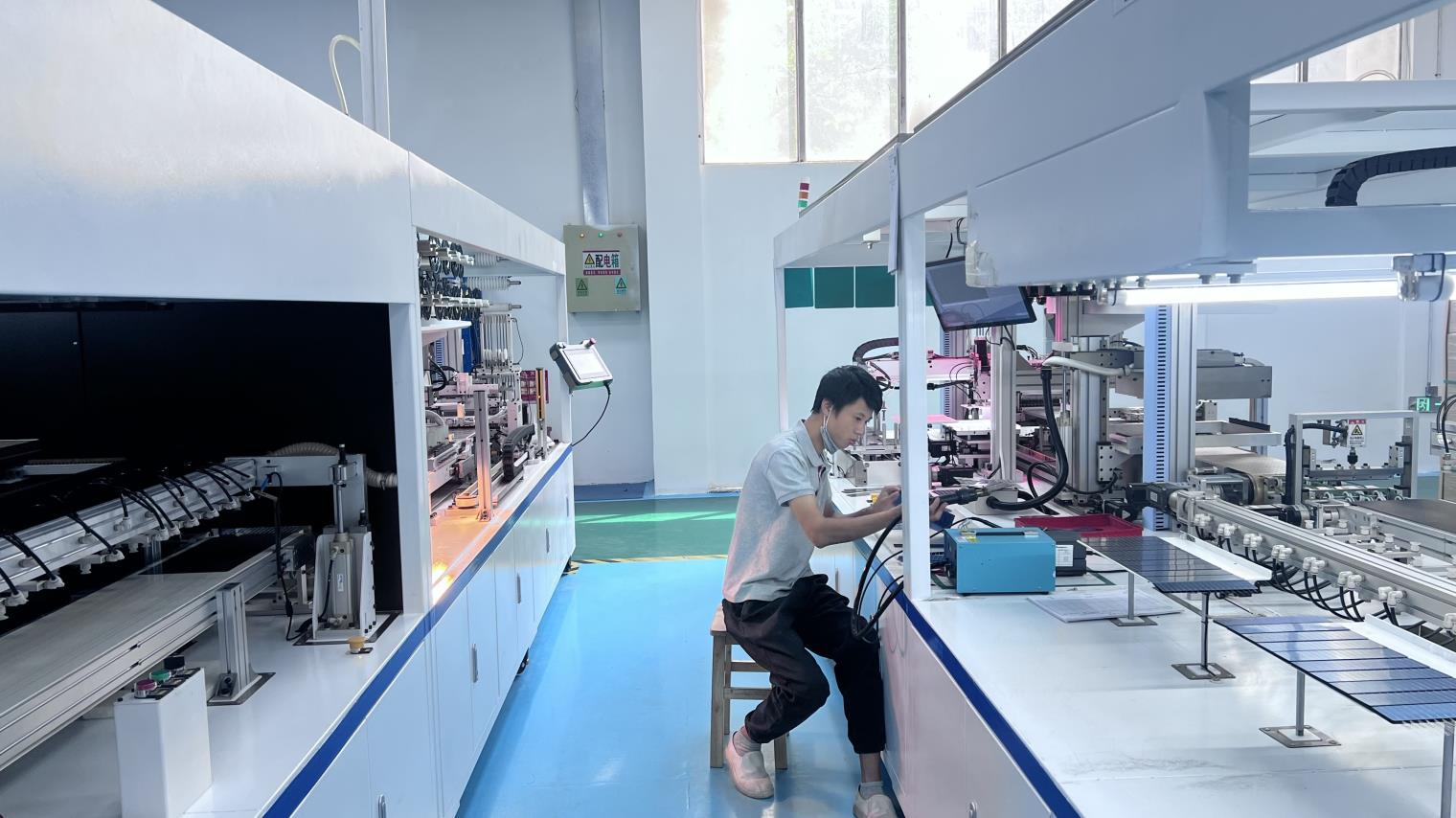
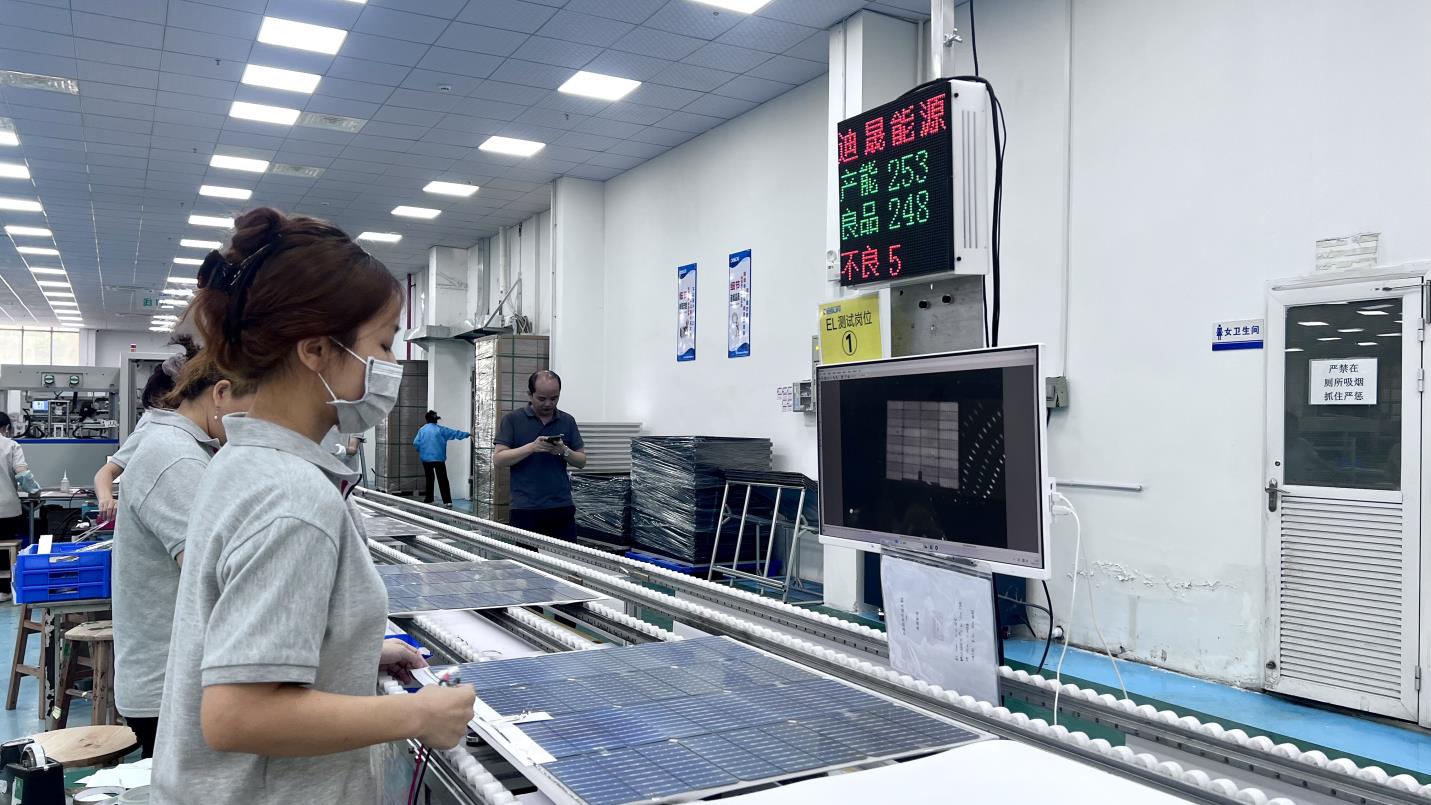
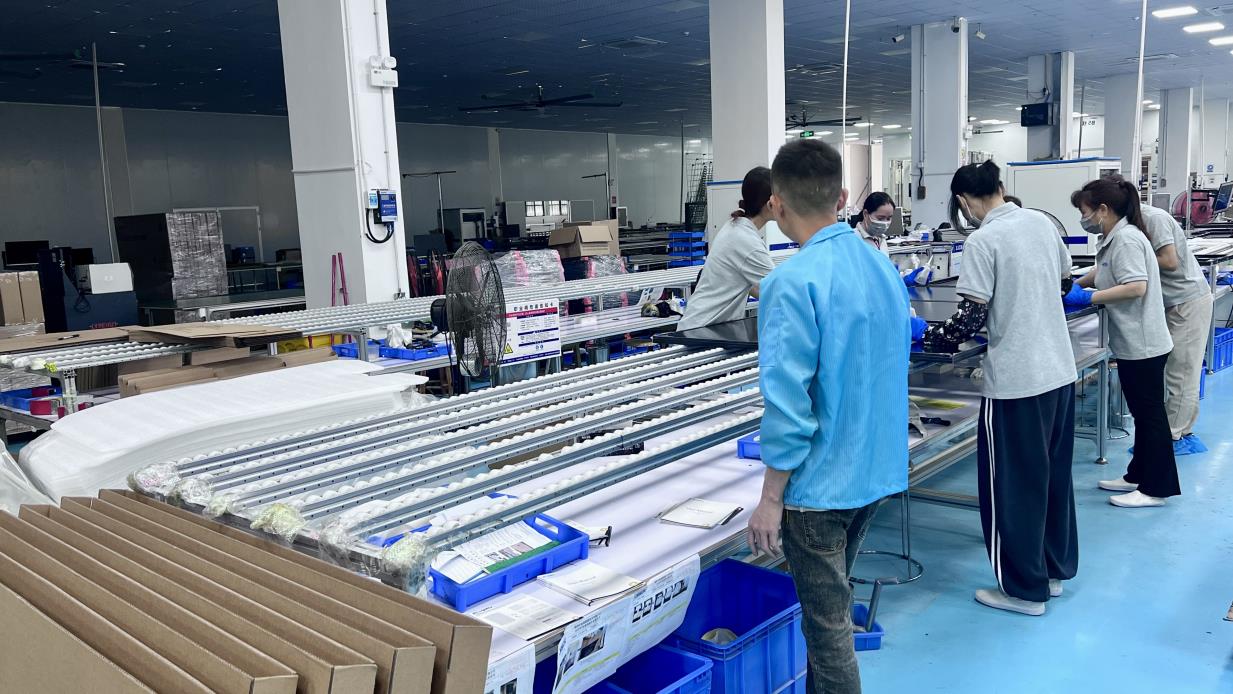
The company is equipped with advanced production facilities and strict quality control systems to ensure the stability and reliability of every product. ConTech Solar has established a comprehensive quality management system and continuously improves production efficiency and product performance to meet international standards and customer requirements.
Adhering to the principle of "Customer First, Quality Foremost," Xiamen ConTech Solar Co., Ltd. has earned a strong reputation in both domestic and international markets through competitive pricing, professional technical support, and excellent after-sales service. The company actively promotes green energy development and strives to contribute to global sustainable energy solutions.
Looking ahead, Xiamen ConTech Solar Co., Ltd. will continue to focus on innovation, expand its global market presence, and build long-term partnerships with customers around the world for mutual growth and success.
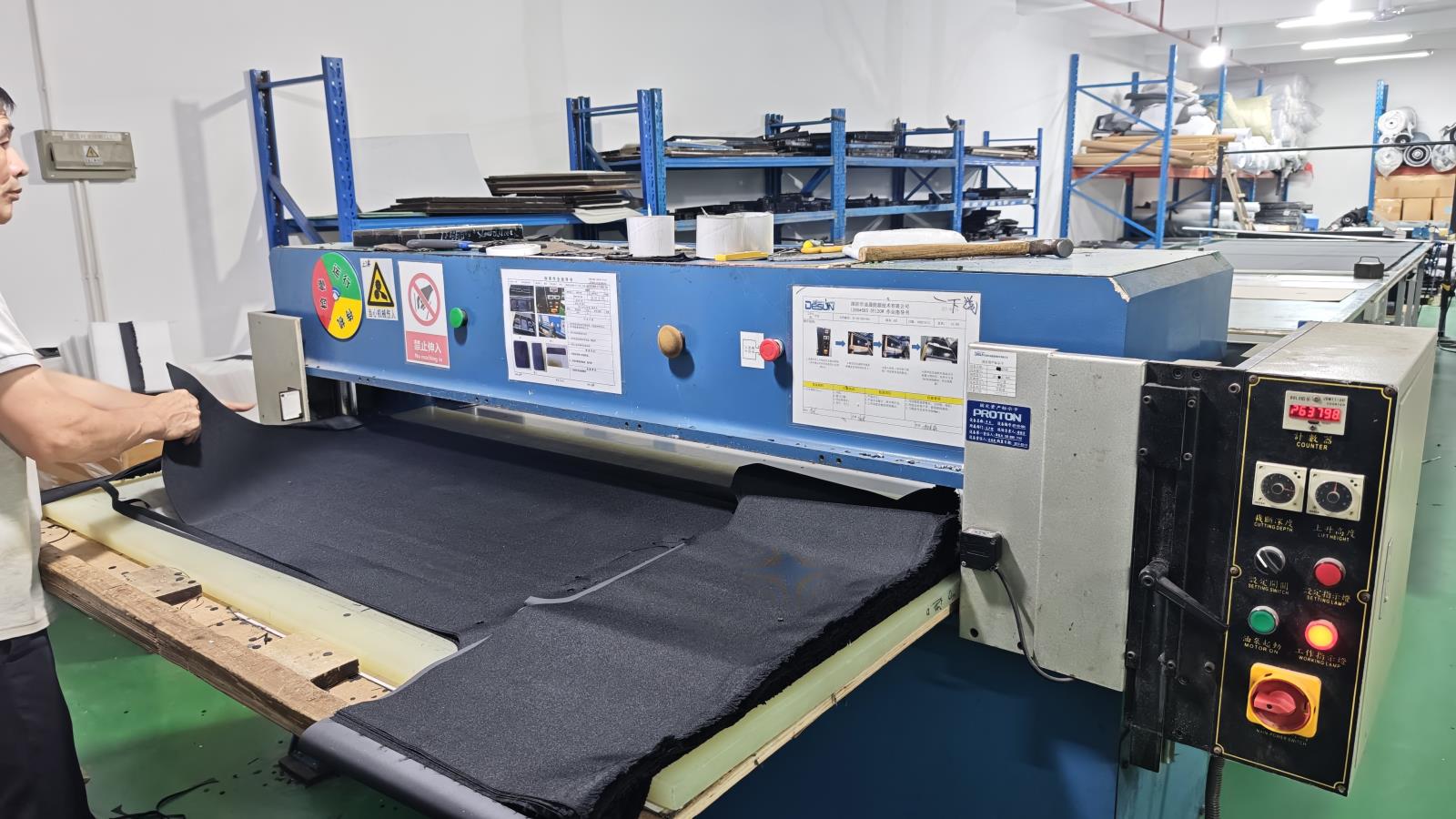
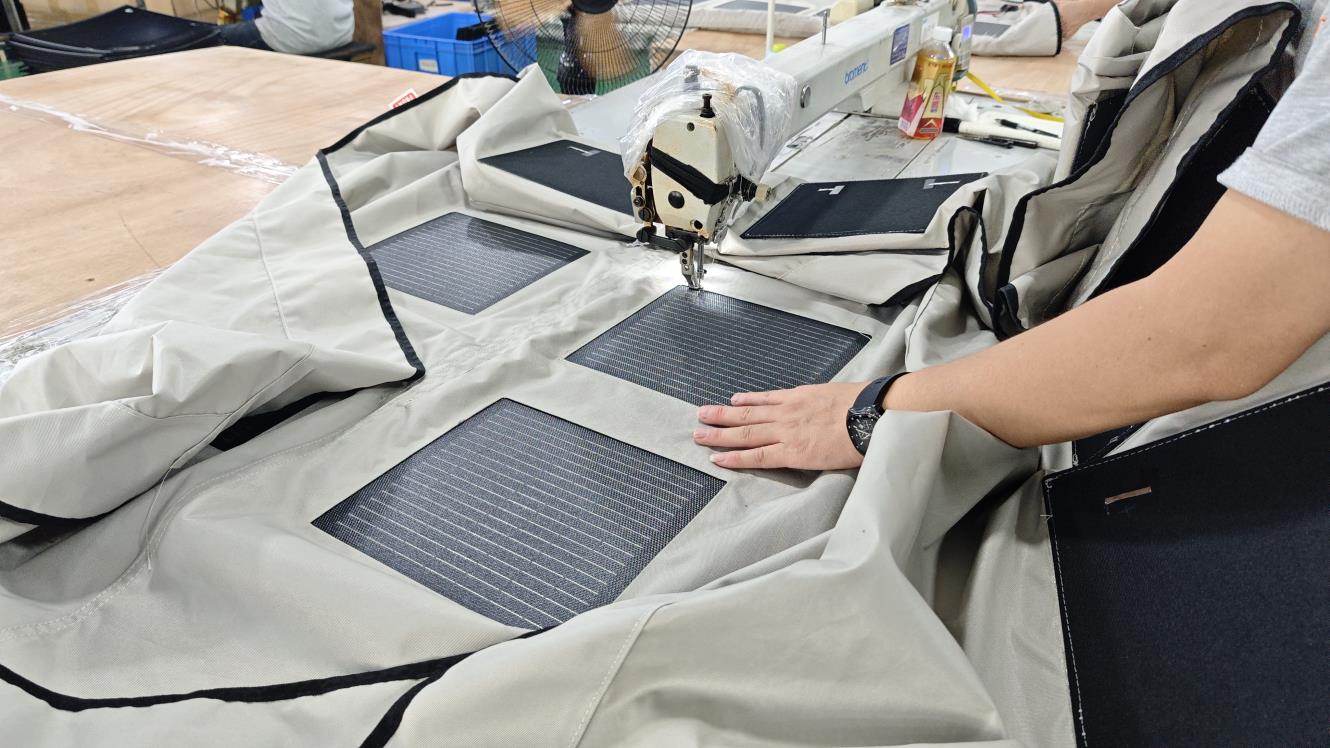
A step-by-step visual exploration of our advanced solar panel and charge controller manufacturing workflow.
Deploying dual battery charge controllers in highly specialized geographical and legal frameworks.
Dual-battery charge controllers are optimized for challenging and complex environments where system failures are unacceptable. Key sectors using this technology include:
In maritime applications, standard electronics quickly fail due to salt spray, high humidity, and constant physical vibration. Systems deployed here require IP67 waterproof ratings and conformal coatings on all internal circuit boards. The controller manages the starter battery for safety and auxiliary storage for communication, navigation, and lighting systems.
In recreational vehicles and overland fleets, a dual battery controller manages both the vehicle starter battery and deep-cycle house batteries. This protects the main engine starter battery from accidental drain while running auxiliary accessories, maintaining reliable ignition capabilities even during prolonged stays in remote locations.
Remote telemetry stations and cellular repeaters rely on continuous power. If a primary battery bank fails due to sudden thermal stress, the dual-path charge controller automatically switches its power priority to a backup backup storage system. This ensures uninterrupted communications and avoids costly manual intervention.
From a regulatory standpoint, dual battery charge controllers must meet localized standards depending on their operating region. In European markets, controllers require CE marking and compliance with EN 61000-6-3 electromagnetic compatibility standards. In North America, system designers must source hardware that complies with UL 1741 (Inverters, Converters, Controllers for Use with Distributed Energy Resources) and FCC Part 15 regulations, preventing electrical interference with nearby instrumentation and communications equipment.
Pioneering trends: Smart IoT integration, Gallium Nitride (GaN) semiconductors, and bidirectional vehicle-to-load systems.
The next generation of dual battery charge controllers is rapidly moving toward integrated IoT platforms. By adding Bluetooth Low Energy (BLE), LoRaWAN, and Wi-Fi modules directly to the controller’s board, operators can monitor energy generation and battery health metrics remotely. This enables predictive maintenance strategies, alerting technicians to potential battery failures before they cause system downtime.
Furthermore, adopting Gallium Nitride (GaN) and Silicon Carbide (SiC) semiconductors in the DC-to-DC conversion stage is revolutionizing controller design. These wide-bandgap materials operate at significantly higher switching frequencies than silicon devices. This reduces the size of magnetic components and inductors, leading to more compact, lightweight charge controllers with peak efficiencies exceeding 99%.
Finally, bidirectional vehicle-to-load (V2L) systems are starting to influence commercial controller architectures. As electric vehicles (EVs) become more common in off-grid environments, future dual controllers will manage complex, multidirectional power flows between solar arrays, vehicle batteries, and auxiliary battery banks. This will allow for more versatile and resilient off-grid power solutions.
Resolving common design challenges, battery pairing limits, and structural parameter inquiries for engineering leads.
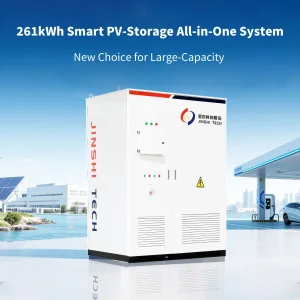
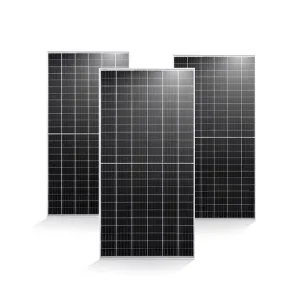
Explore our highly integrated off-grid kits, high-conversion panels, and custom OEM/ODM utility platforms.
 ConTech Solar