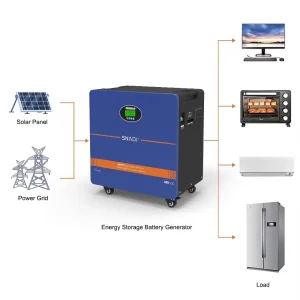
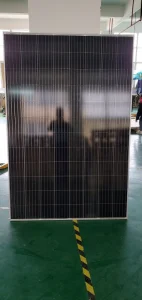
Explore the forefront of dynamic off-grid systems, thin-film structural integration (BIPV), and utility-grade modules engineered to maximize information and energy yield.
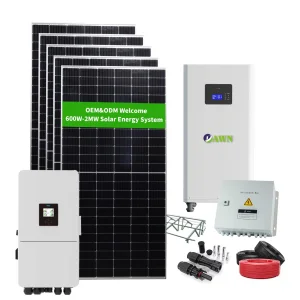
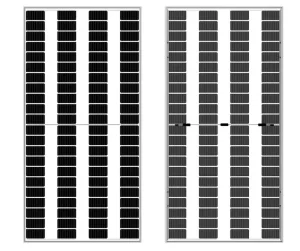
A comprehensive paradigm shift from unilateral power generation to intelligent distributed microgrids.
The global industrial and commercial sectors are undergoing a historic transformation in their energy architectures. Driven by strict carbon neutrality targets, volatile grid energy pricing, and the mandate to address Scope 1, 2, and 3 emissions, modern businesses are looking beyond traditional solar installations. The era of the simple photovoltaic panel is transitioning into the age of Integrated Energy Solutions (IES).
Integrated Energy Solutions synchronize solar generation (monocrystalline, HJT, thin-film CdTe), advanced battery energy storage systems (BESS), thermal capture, intelligent inverters, and AI-driven energy management systems. By blending these technologies into a single cohesive microgrid, factories, warehouses, and municipal buildings can mitigate power outages, avoid premium peak-hour tariffs, and feed excess clean electricity back into regional utilities. This paradigm shift demands high technology integration, transforming modern manufacturing facilities from mere factories into comprehensive partners for global exporters.
"Modern corporate buyers do not purchase separate solar components anymore. They acquire complete LCOE-optimized (Levelized Cost of Energy) systems where BIPV arrays, energy storage, and IoT monitoring are calibrated to work in unison, achieving system efficiencies exceeding 98.7%."
In highly industrialized areas, particularly throughout Europe and North America, microgrid scalability has become synonymous with business continuity. Exporters who provide seamless structural compatibility—such as Building Integrated Photovoltaics (BIPV) certified under TUV standards—give developers the capability to qualify for municipal tax rebates while lowering the overall environmental footprint. Navigating these regional certifications and architectural limitations requires top-tier design expertise, which is where specialized manufacturers excel.
Defining the parameters of technical excellence, advanced R&D, and global compliance.
Xiamen ConTech Solar Co., Ltd. stands as a professional high-tech enterprise specializing in the research, development, production, and sales of solar energy products. Since its establishment, the company has been committed to providing efficient, reliable, and environmentally friendly solar solutions to customers worldwide. Guided by the business philosophy of "Innovative Technology, Superior Quality, and Sustainable Development," ConTech Solar continuously strengthens its technological innovation and product development capabilities.
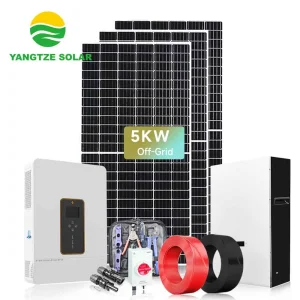
With a strong R&D team and advanced manufacturing technology, Xiamen ConTech Solar Co., Ltd. mainly produces solar panels, solar controllers, solar energy systems, and related photovoltaic products. These products are widely used in residential rooftops, commercial and industrial solar projects, large-scale photovoltaic power stations, agricultural applications, street lighting systems, and off-grid energy solutions.
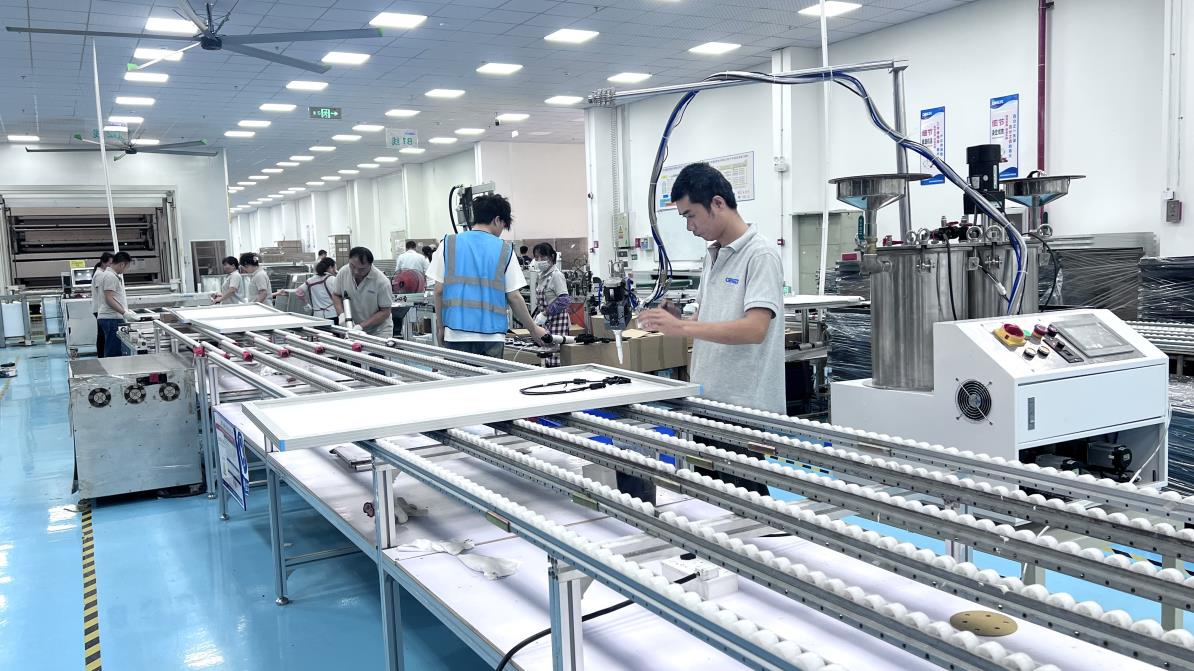
The company is equipped with advanced production facilities and strict quality control systems to ensure the stability and reliability of every product. ConTech Solar has established a comprehensive quality management system and continuously improves production efficiency and product performance to meet international standards and customer requirements.
Adhering to the principle of "Customer First, Quality Foremost," Xiamen ConTech Solar Co., Ltd. has earned a strong reputation in both domestic and international markets through competitive pricing, professional technical support, and excellent after-sales service. The company actively promotes green energy development and strives to contribute to global sustainable energy solutions.
Looking ahead, Xiamen ConTech Solar Co., Ltd. will continue to focus on innovation, expand its global market presence, and build long-term partnerships with customers around the world for mutual growth and success.
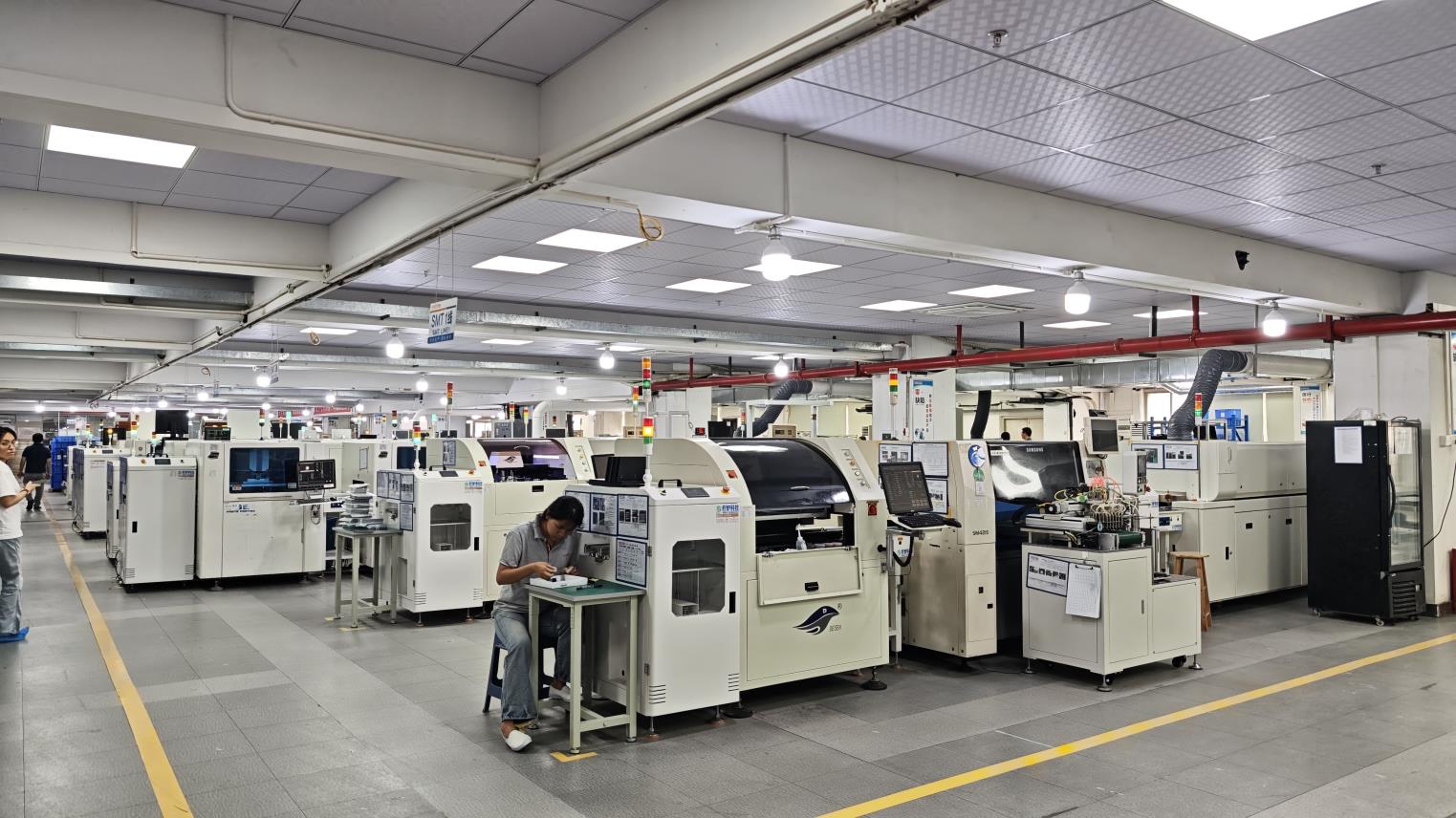
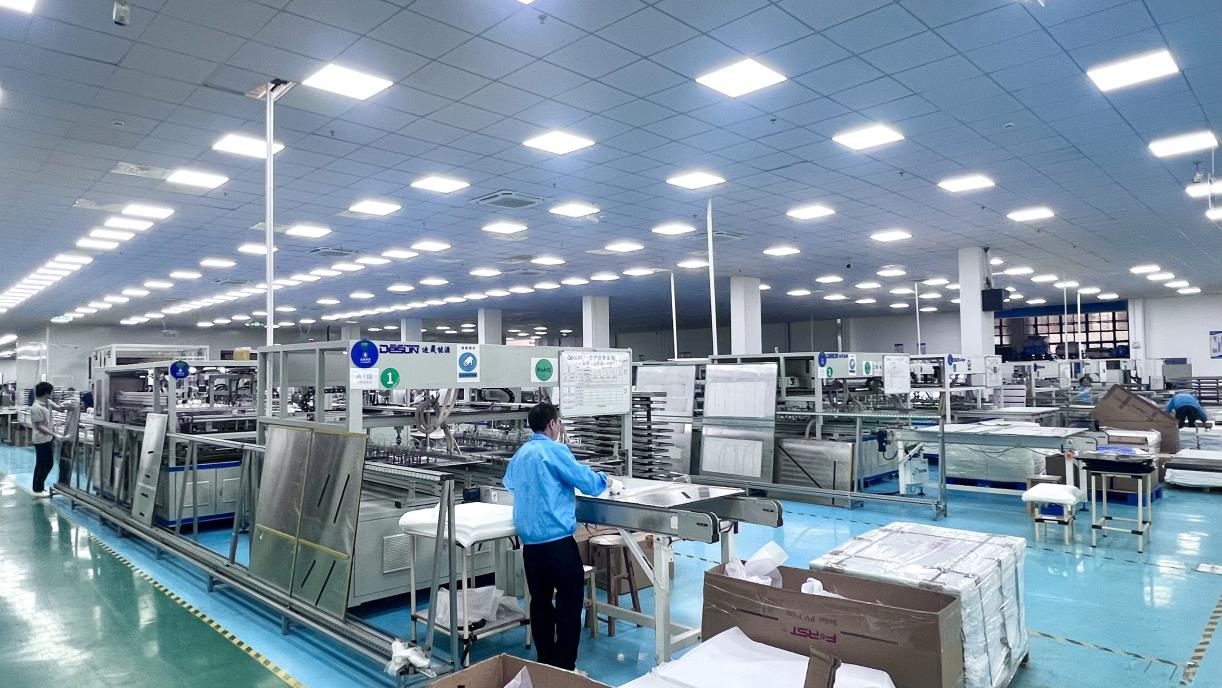
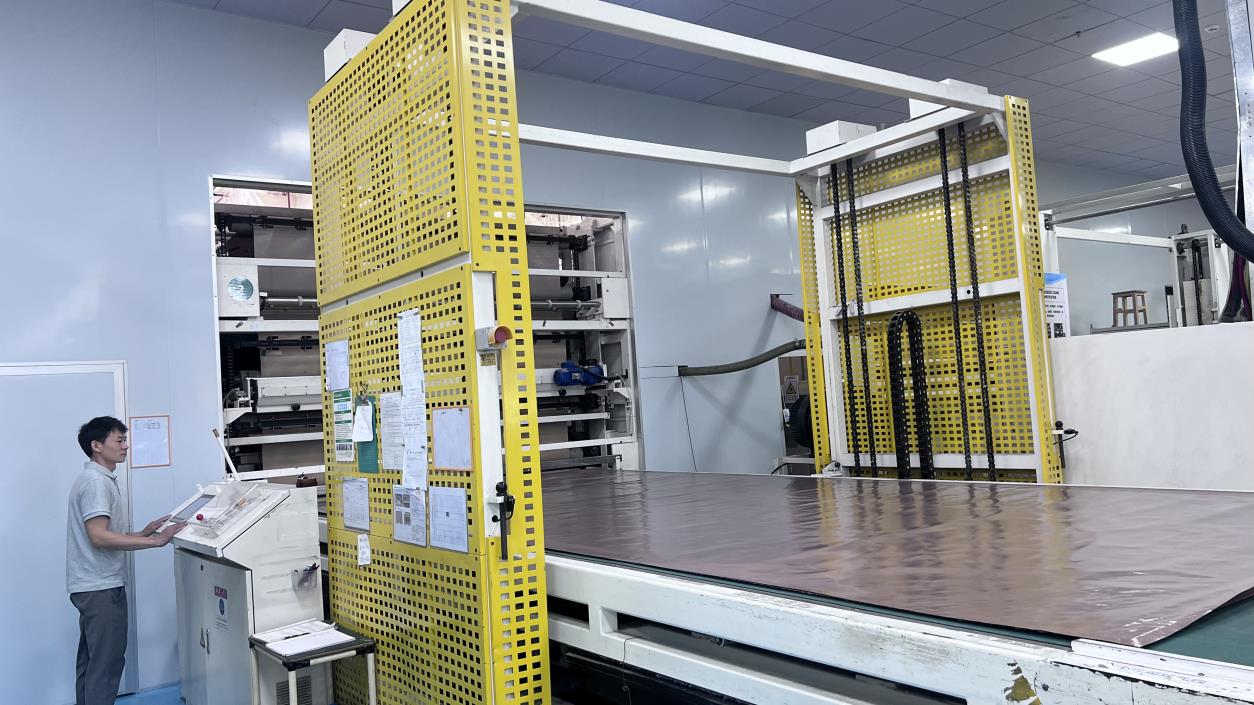
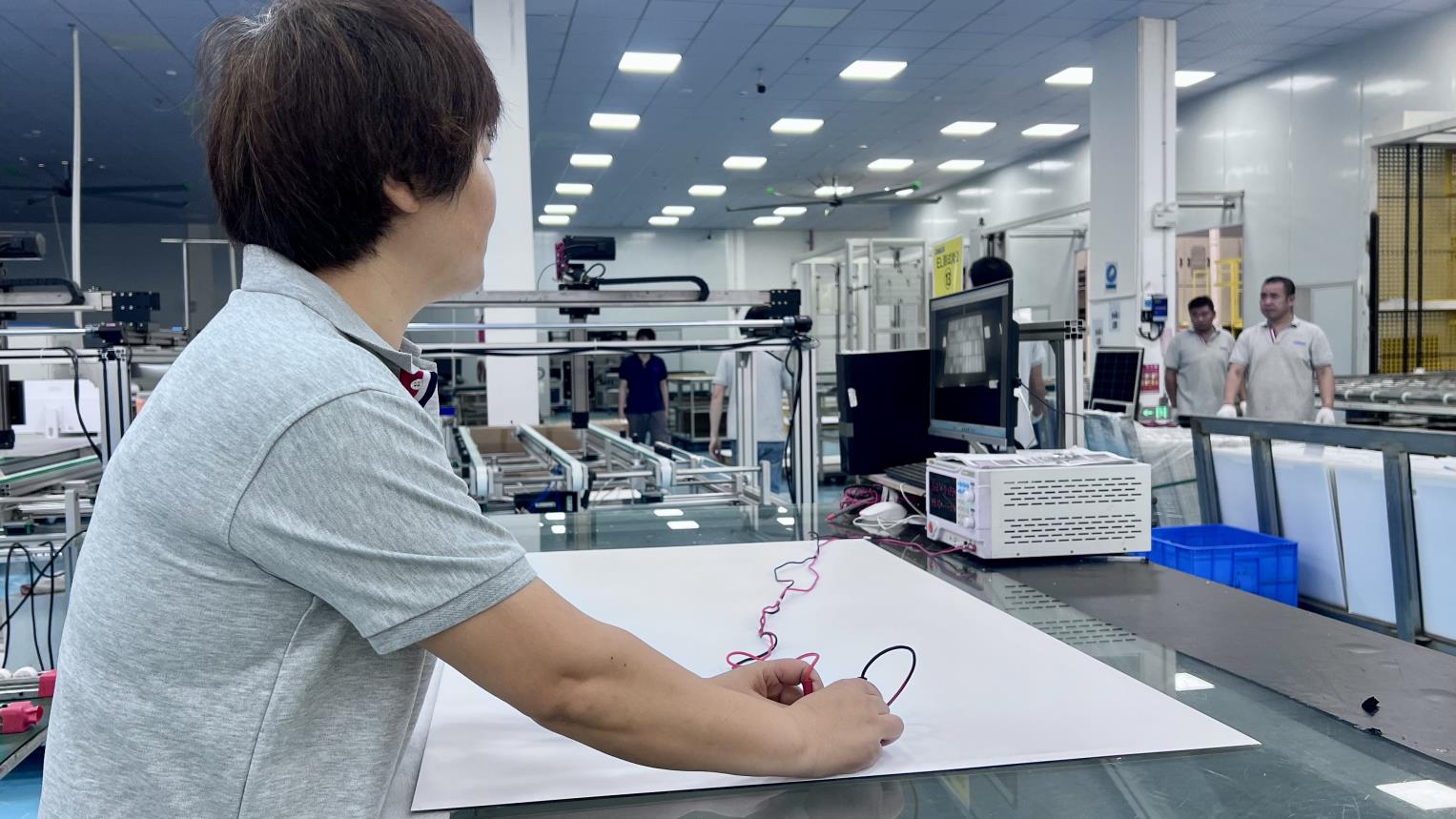
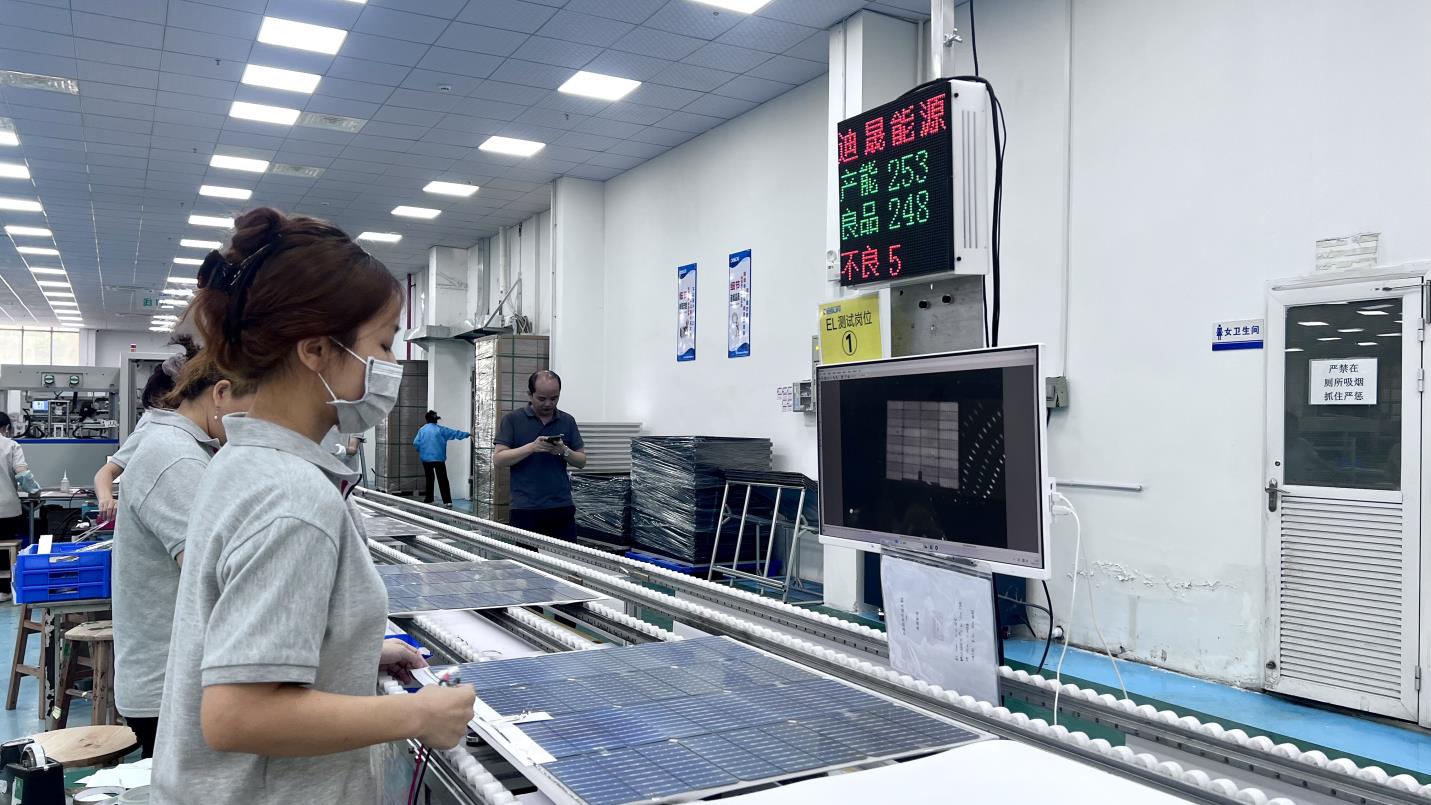
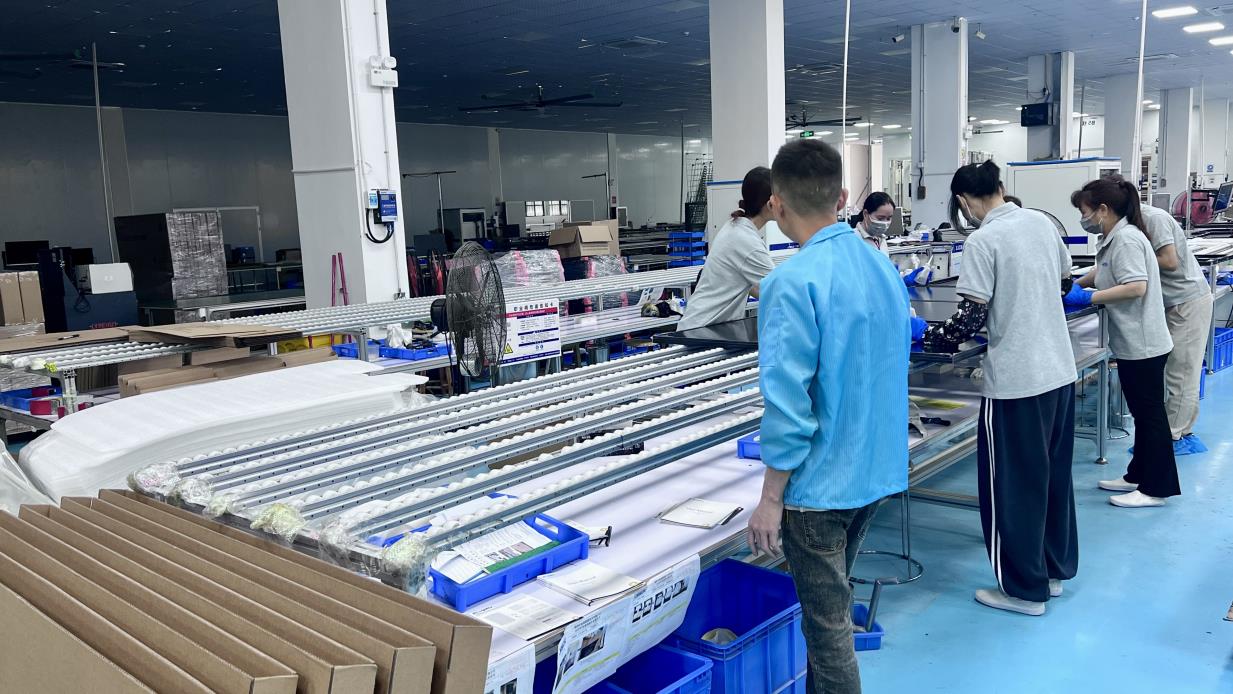
A highly granular view of Xiamen ConTech Solar Co., Ltd.'s 19-step manufacturing and quality control workflow.
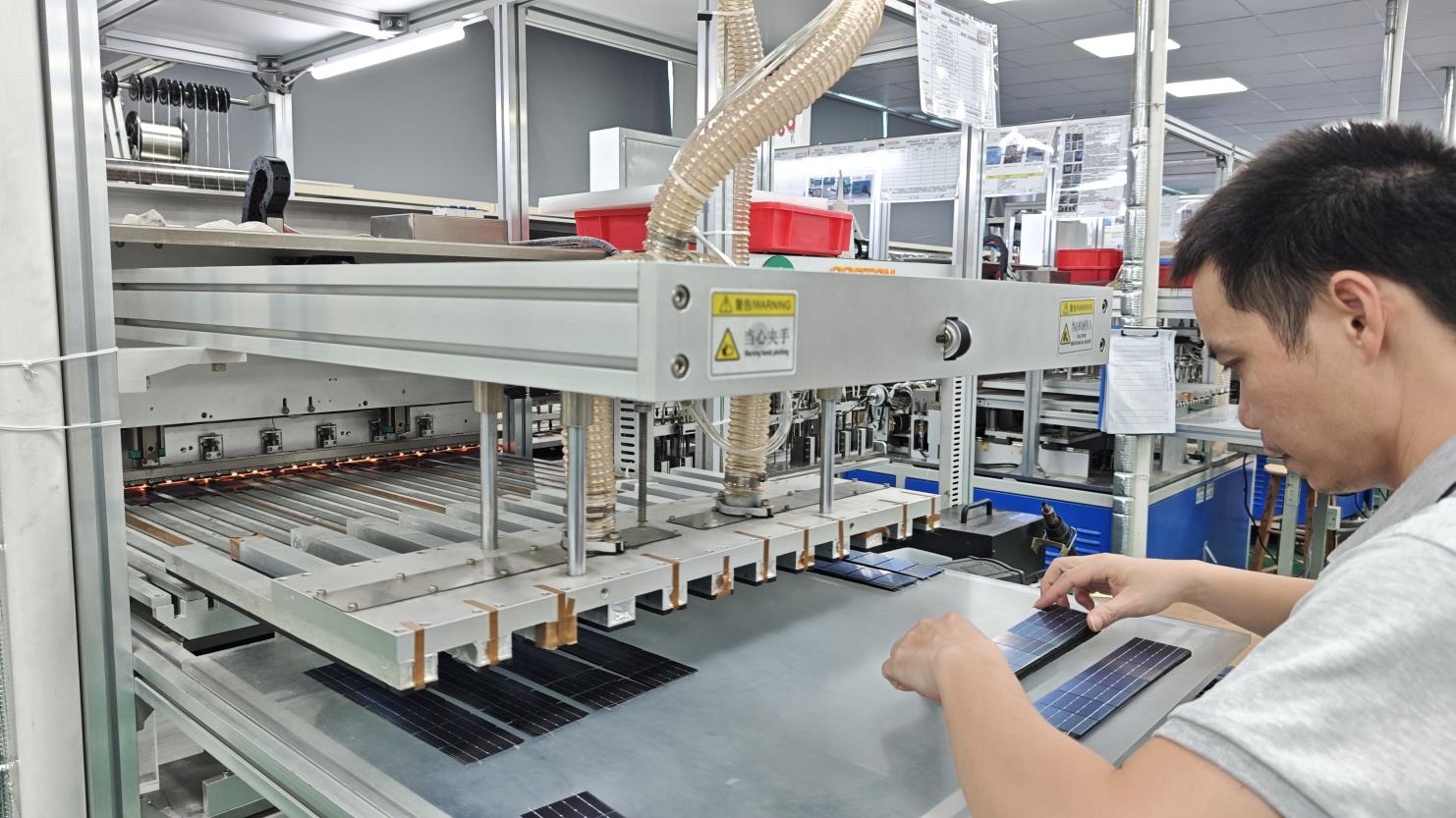
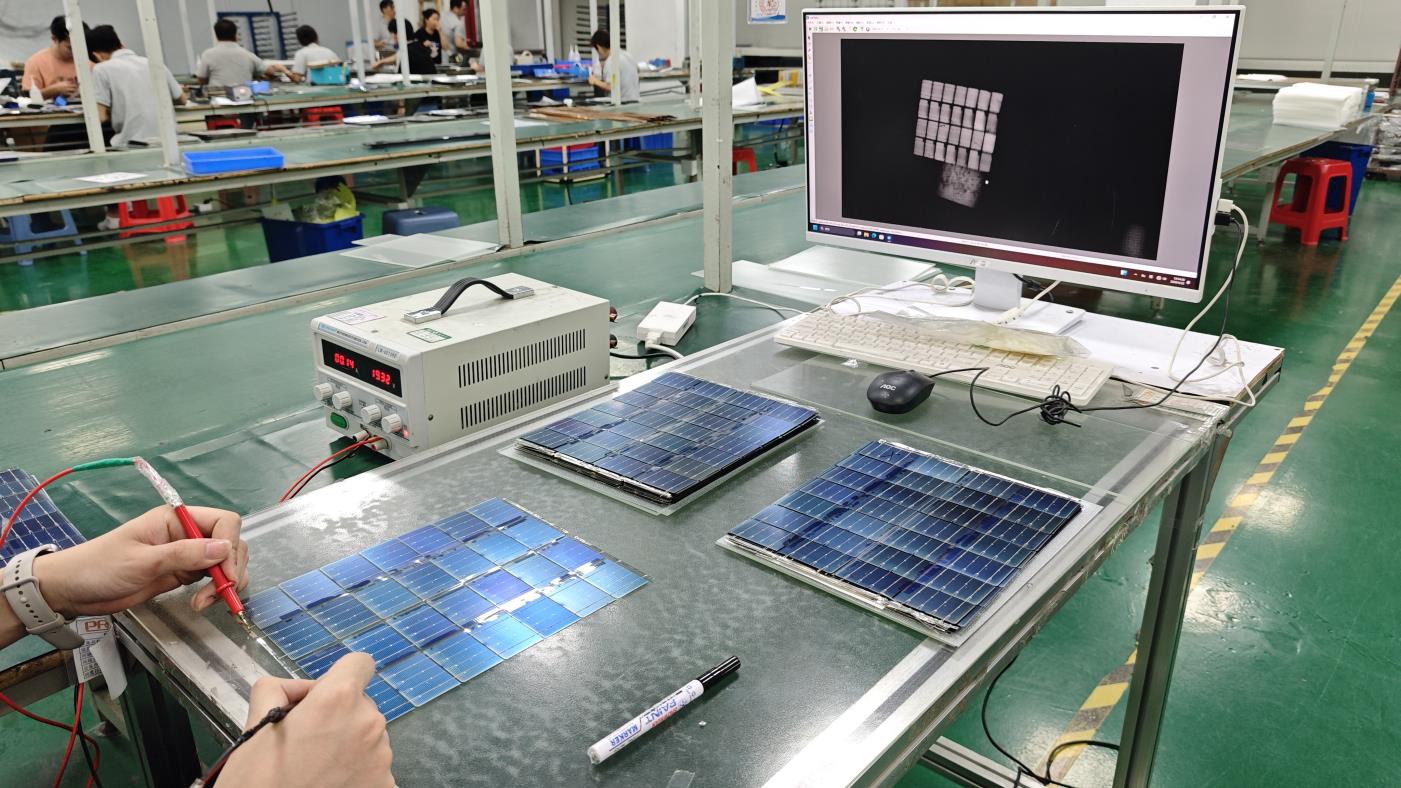
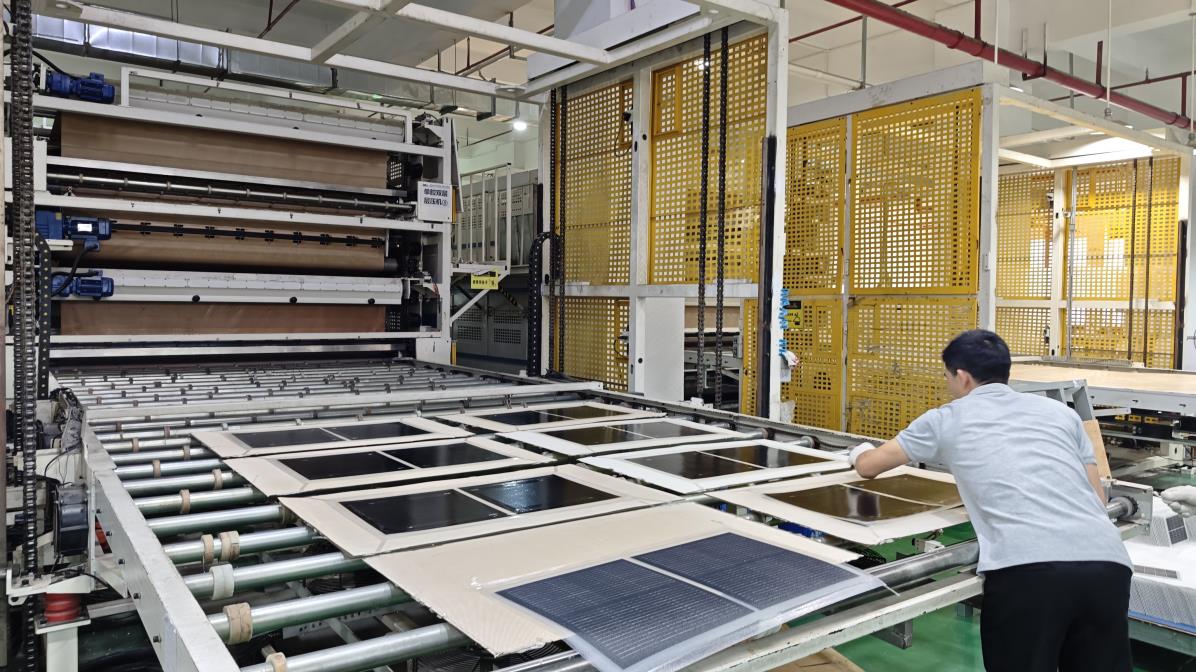
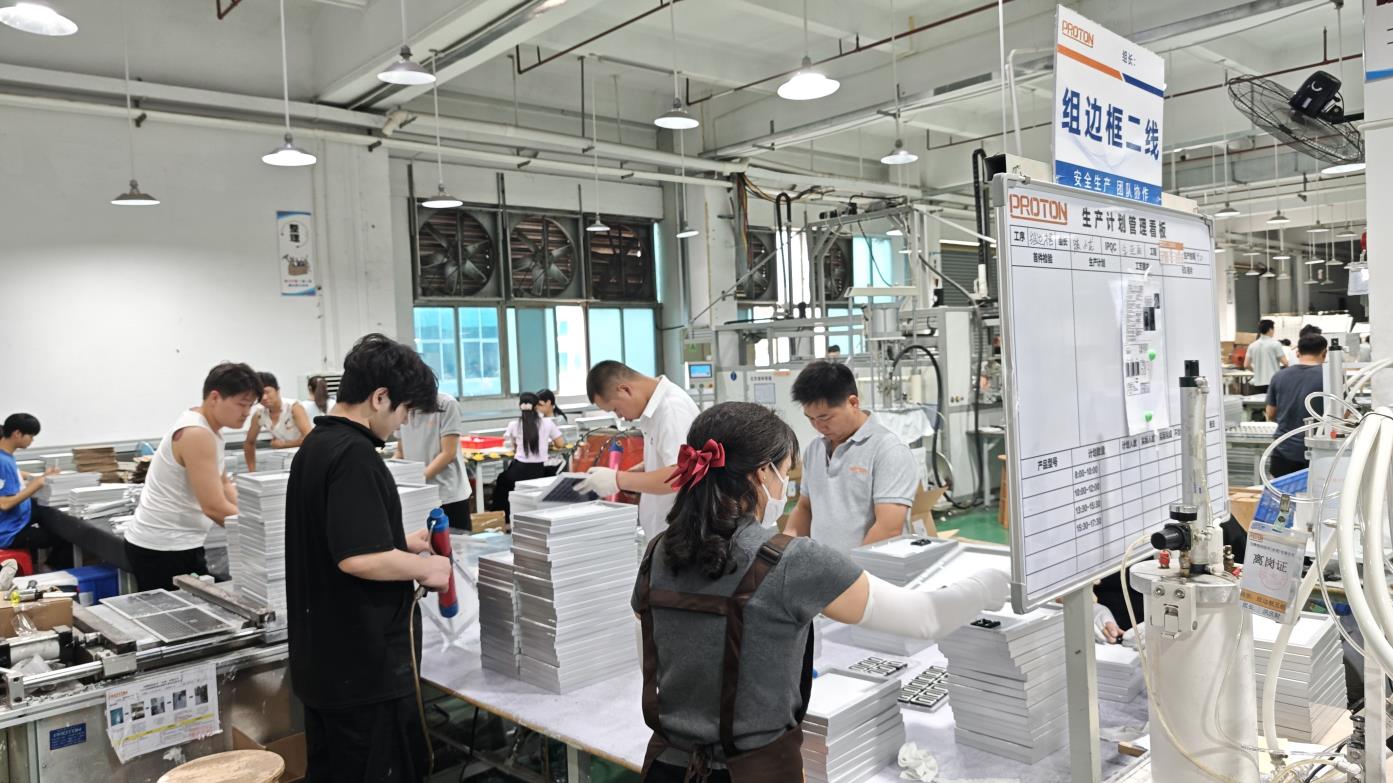
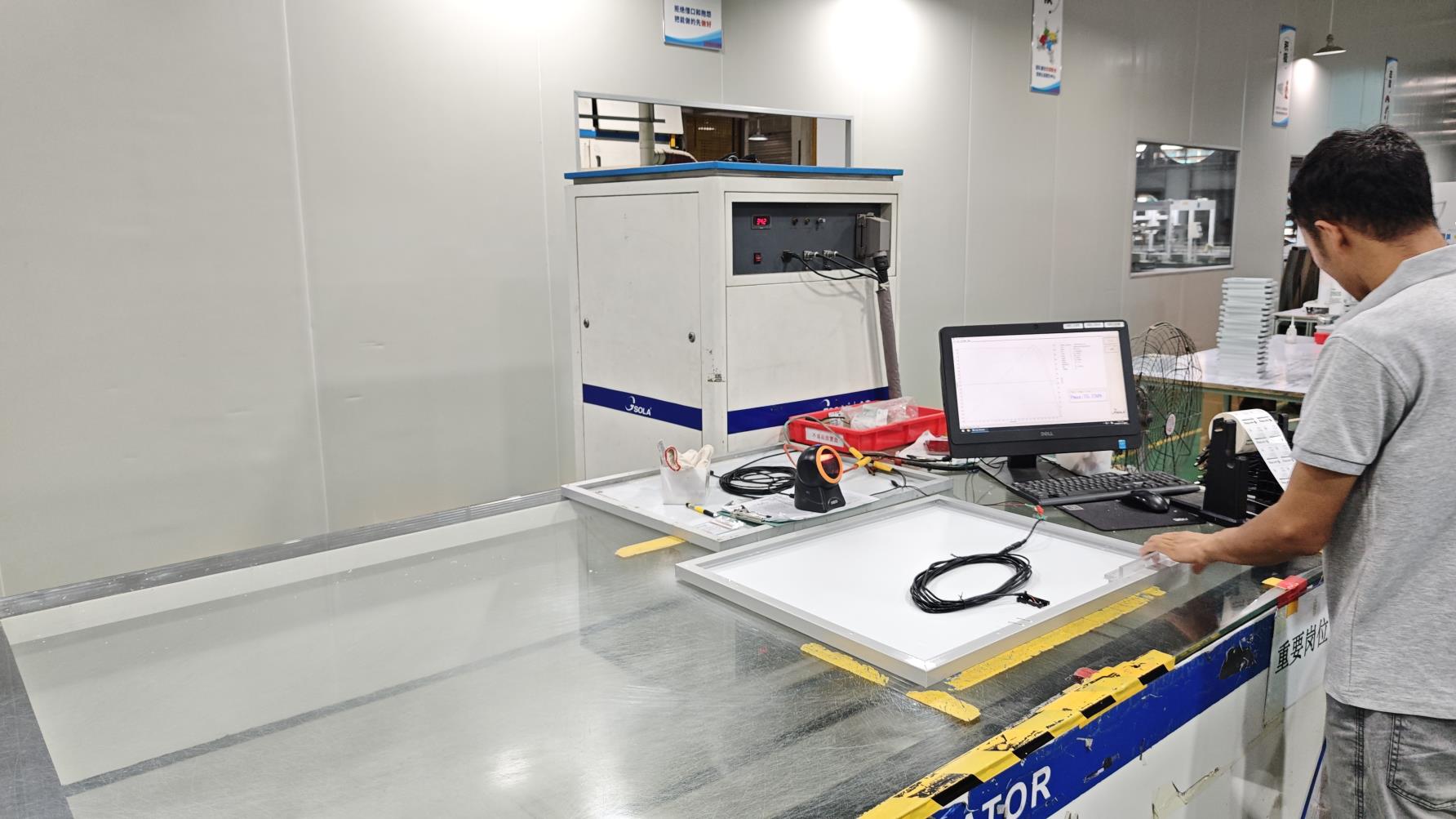
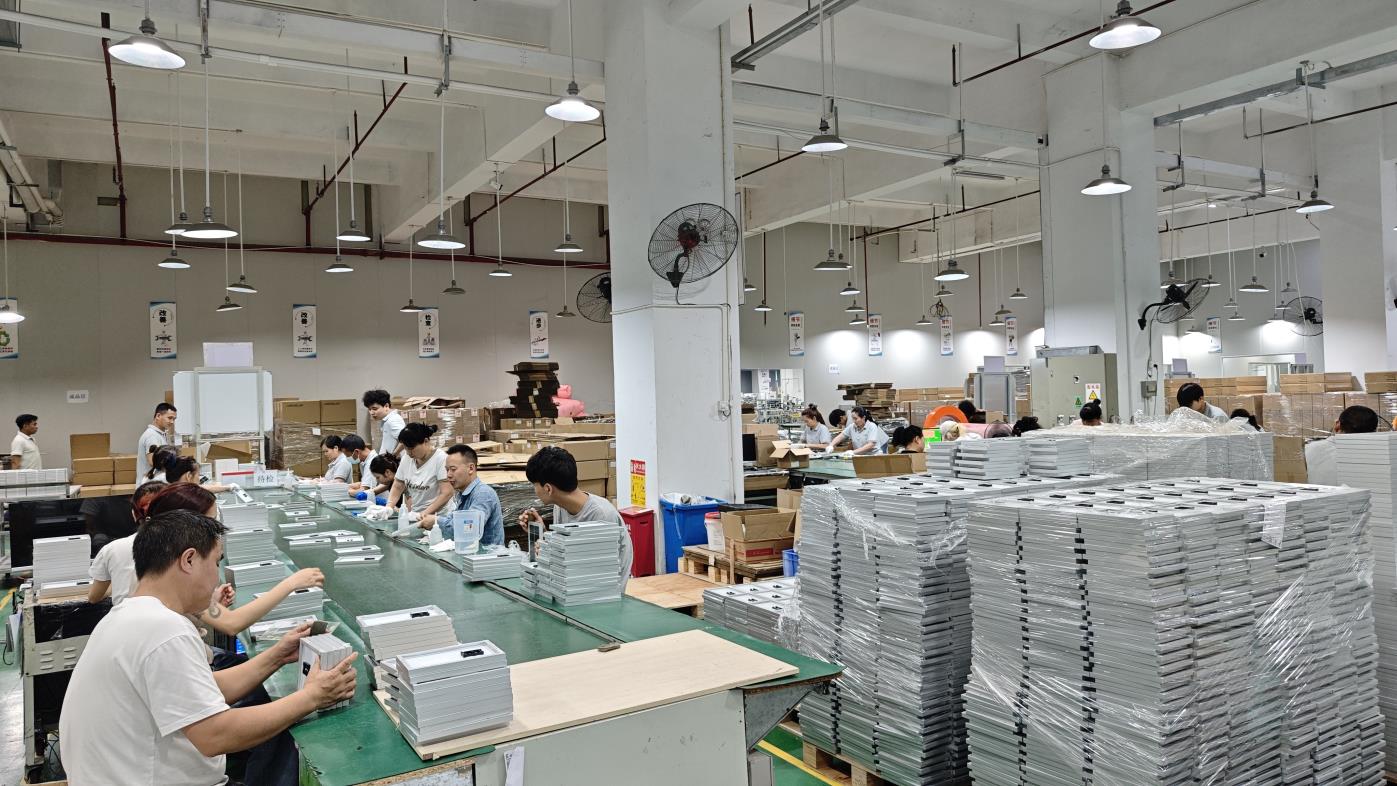
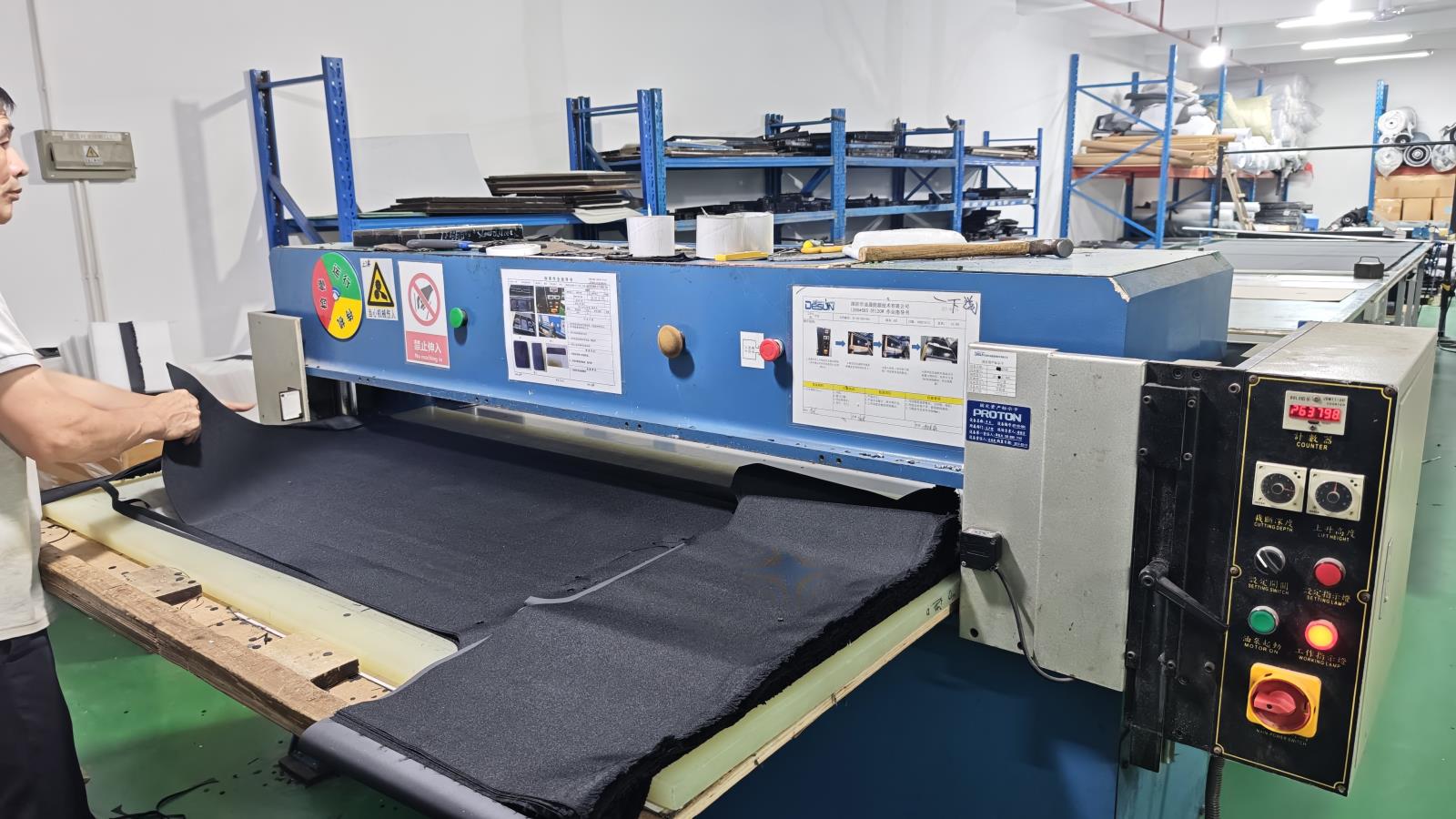
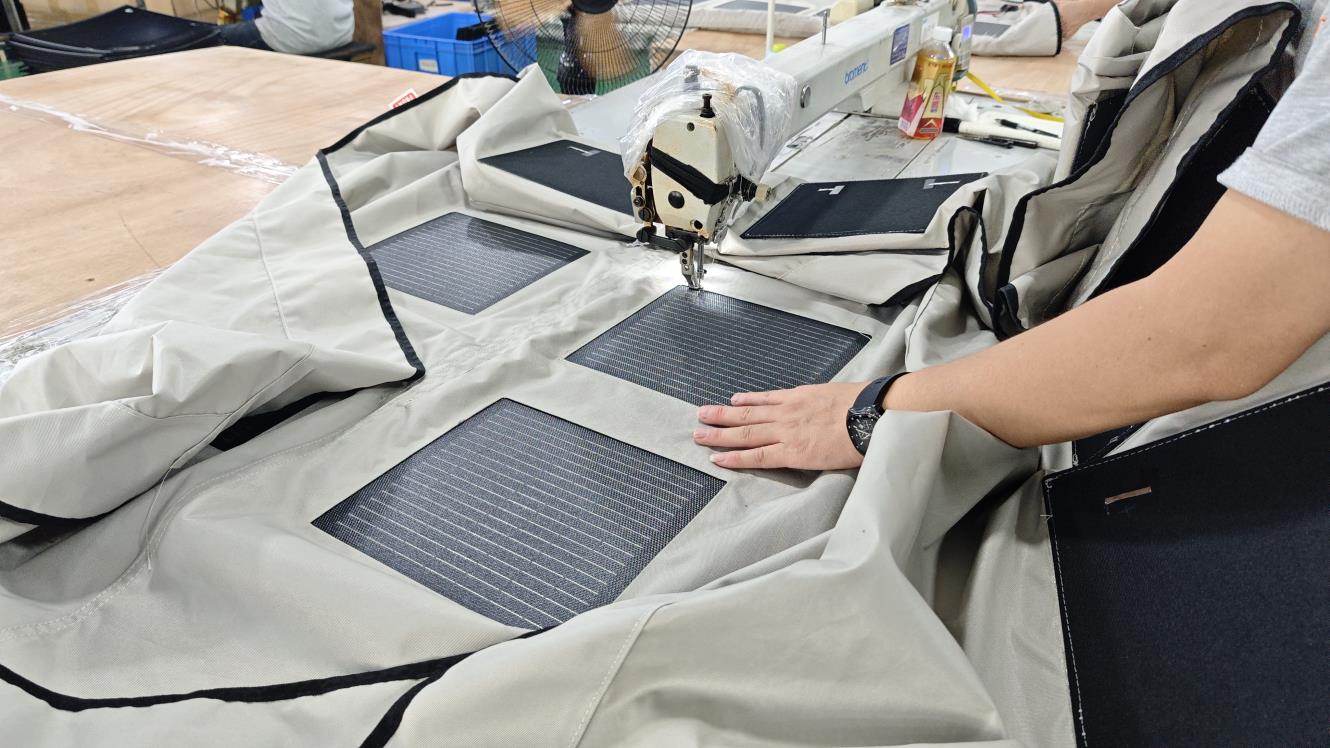
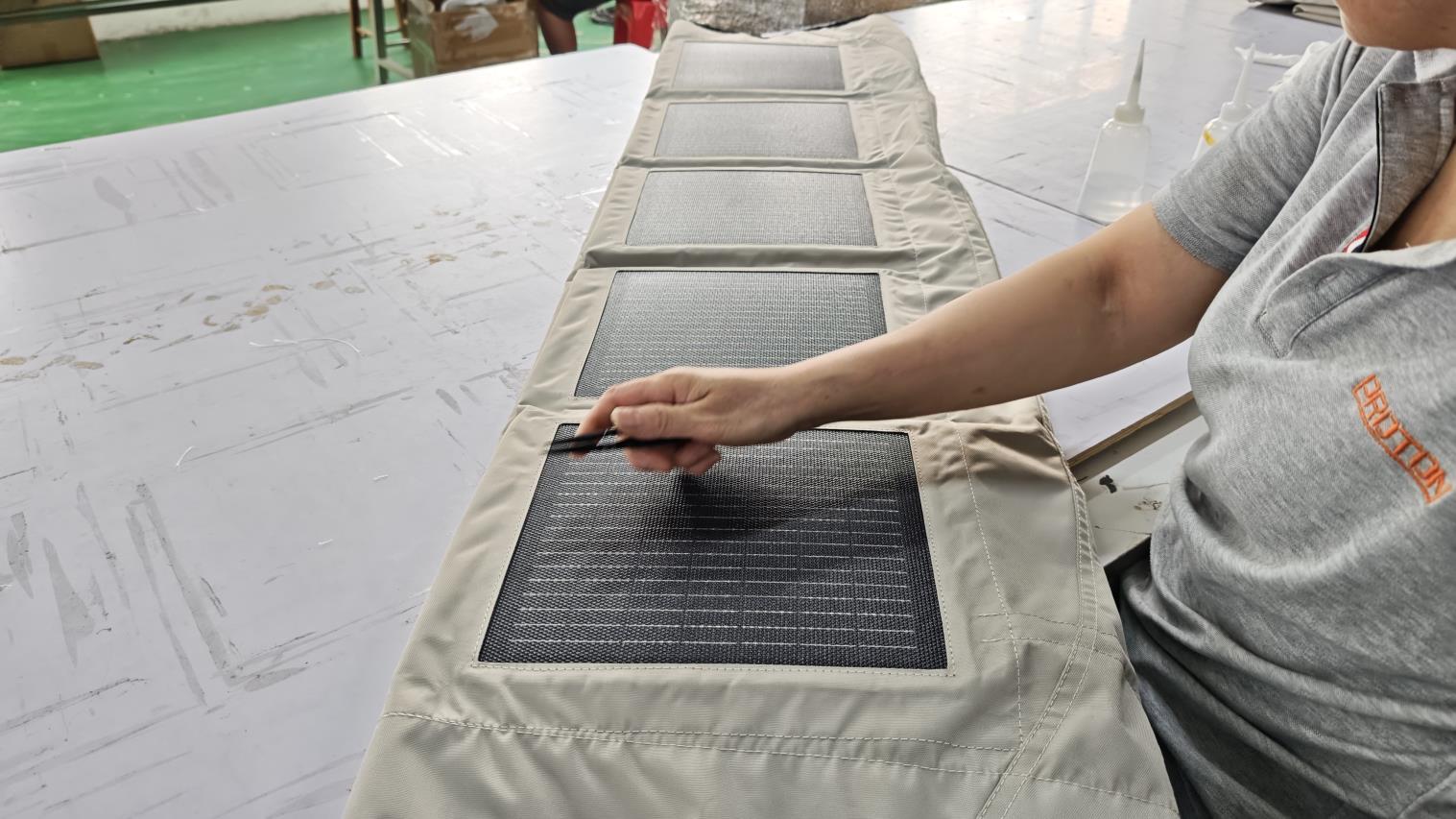
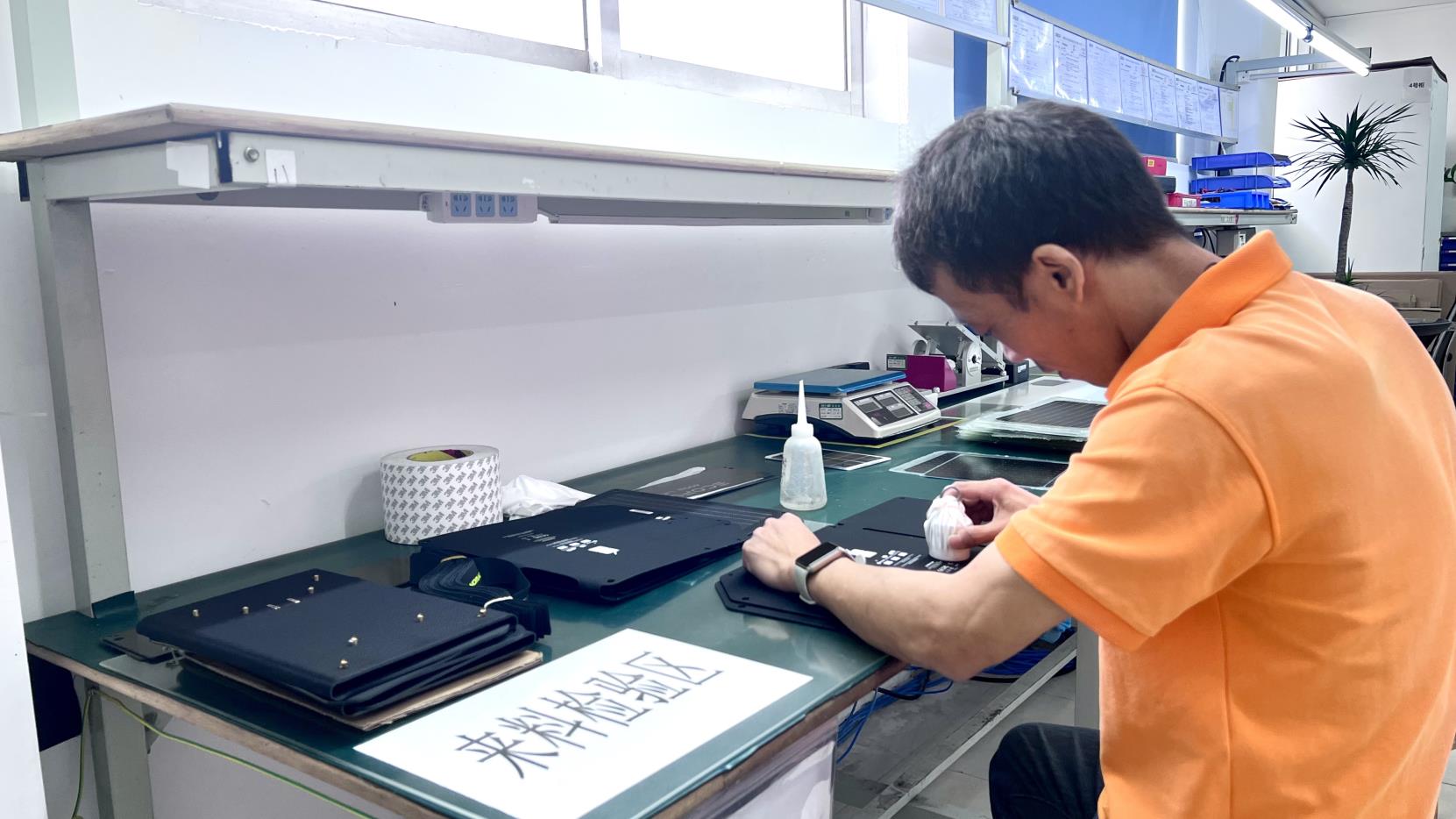
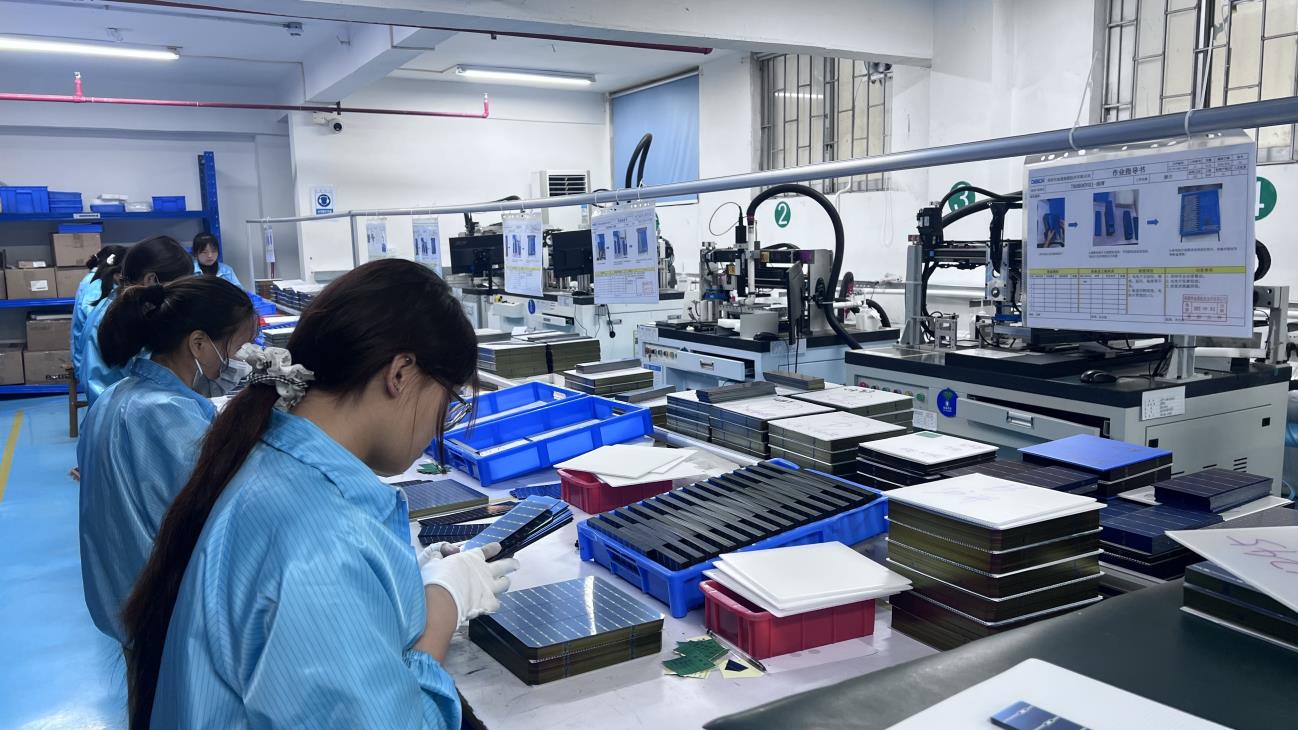
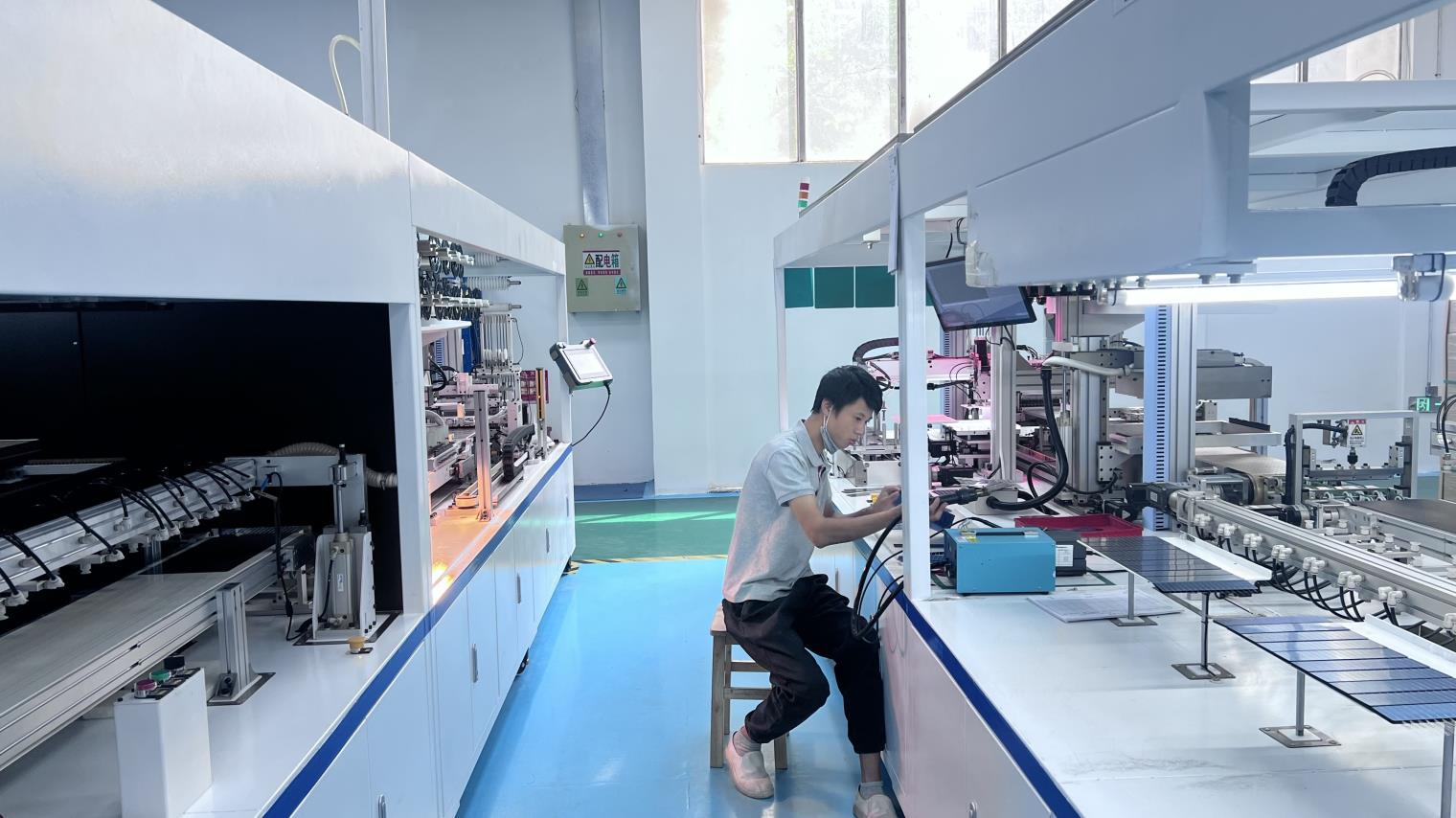
The clustering effect, vertical integration, and aggressive technological capitalization.
China's PV factories do not succeed by low cost alone; they lead because of unmatched vertical integration and rapid manufacturing cycles. In locations like Xiamen, factories sit in the heart of global logistics networks and raw-material clusters. This means silicon ingot production, cell cutting, SMT processing, glass tempering, frame extrusions, and smart inverter manufacturing are often within a two-hour radius. This concentration slashes transit costs, eliminates cross-border component delays, and enables rapid technological shifts.
Furthermore, Chinese factories have led the industry's transition from older p-type PERC cells to advanced n-type cell architectures, including TOPCon (Tunnel Oxide Passivated Contact) and HJT (Heterojunction Technology). By integrating automated string welding and high-precision laser scribing directly into their production lines, these facilities achieve cell efficiencies exceeding 25.5%, reducing power degradation to under 0.4% annually over a 30-year lifecycle.
Using non-destructive laser thermal scribing to prevent micro-cracks, ensuring the structural integrity of thin-film and monocrystalline panels.
Advanced double-sided glass encapsulation technology, providing bifacial modules with complete PID resistance and sandstorm/salt-mist protection.
Dual Electroluminescence (EL) testing before and after lamination, ensuring panels leave the facility with zero micro-cracks or inactive cell pathways.
Ultimately, these manufacturing advantages result in a significantly lower Levelized Cost of Energy (LCOE) for project developers. A global procurement manager buying from a Tier-1 integrated Chinese exporter secures more than just hardware; they benefit from an engineered system backed by automated manufacturing processes and robust international product certifications.
Matching specific environment demands with specialized, high-yield system designs.
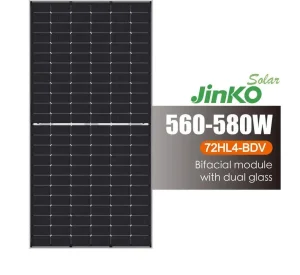
Heavy manufacturing hubs and cold-storage facilities require reliable, consistent power. Peak energy charges can account for over 30% of their operational expenses. Combining high-efficiency n-type mono bifacial modules (like the Jinko 575W-600W range) with robust industrial hybrid plants delivers dual value: it shaves peak energy usage and supplies power during grid brownouts. These systems use smart controllers to optimize energy flows, shifting to stored battery power when spot market rates spike.
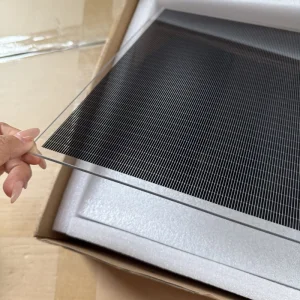
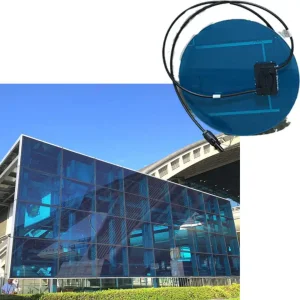
Urban density demands that structures generate power directly from their building envelopes. Custom Inkjet Printed CdTe thin-film modules and double-glass BIPV panels allow architects to use structural surfaces—like facades, curtain walls, and skylights—for power generation without compromising design aesthetic. By using varying levels of transparency (from 20% to 40% light transmittance), CdTe panels serve as both energy generator and thermal barrier, lowering HVAC cooling loads and helping projects achieve Net-Zero Building (NZB) compliance.
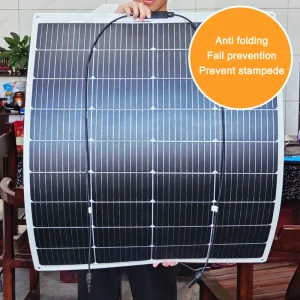
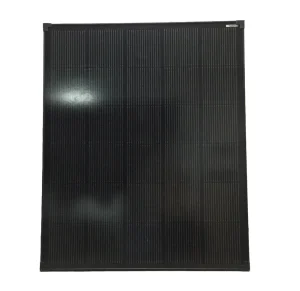
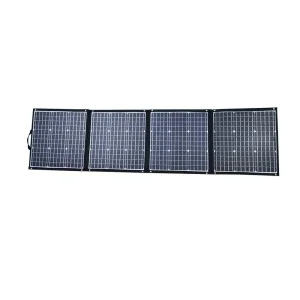
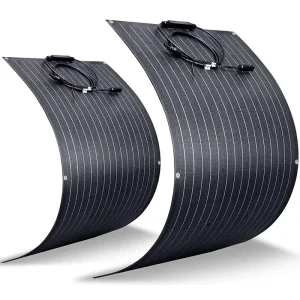
Off-grid mobility requires lightweight, impact-resistant, and high-yield power sources. Conventional glass panels are too heavy and prone to cracking on off-road vehicles or yachts. Shingled black flexible panels and marine-grade solar blankets (100W to 450W) solve this issue. By utilizing advanced fluoropolymer top sheets (ETFE), these semi-flexible configurations handle saltwater spray, foot traffic, and extreme UV rays while delivering reliable power to lithium or lead-acid batteries.
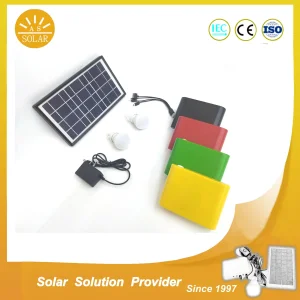
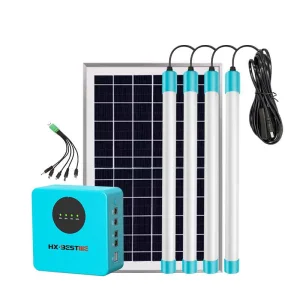
For rural regions in sub-Saharan Africa, Latin America, and Southeast Asia, conventional grid expansion is often economically unfeasible. Here, small off-grid solar kits (5W to 300W) equipped with integrated pay-as-you-go (PAYG) controllers provide essential power for families. By using Verasol and IEC 62257-9-8 certified systems, NGOs and local distributors can deploy small-scale microgrids that allow families to purchase clean energy in increments via mobile money, improving safety and replacing kerosene lamps.
Important factors for global buyers, engineering managers, and supply chain specialists.
For global procurement managers, selecting a manufacturing partner requires balancing unit cost with long-term reliability. Photovoltaic installations are capital assets with 25-to-30-year operational lifespans, meaning minor efficiency losses or component failures can quickly erode initial savings. High-performing supply chains evaluate vendors based on the following key metrics:
"The solar industry is rapidly transitioning to perovskite-silicon tandem cells, which are projected to push practical panel efficiency beyond 30%. In parallel, AI-driven energy management is becoming standard, shifting arrays from passive assets into active, grid-interactive energy nodes."
Exporters who proactively update their production lines—such as investing in automated scribing, high-speed string welding, and semi-finished product testing—give buyers a strategic advantage. As grid connection standards tighten worldwide, integrated systems that combine generation, storage, and smart grid controls will remain the preferred choice for industrial energy developments.
Answers to common questions from enterprise procurement teams, electrical engineers, and project developers.
n-type TOPCon panels deliver high commercial efficiency (typically 22.5%-23%) with low LID (Light Induced Degradation). HJT (Heterojunction) panels provide even higher efficiency and a better temperature coefficient, making them ideal for hot climates, though they require a higher initial investment. Thin-film CdTe (Cadmium Telluride) panels operate with lower raw cell efficiency (16%-19%) but perform exceptionally well in low-light and high-temperature conditions. They are also highly customizable, making them the preferred choice for BIPV glass integration.
EL testing acts like an X-ray for solar panels, revealing hidden defects like micro-cracks, bad solder joints, and inactive cell areas that are invisible to the naked eye. Conducting EL testing both before and after the lamination process ensures that no micro-fractures have formed during thermal pressing. This prevents hot spots and rapid panel degradation after field installation.
Verasol (formerly Lightning Global) certification under IEC 62257-9-8 confirms that off-grid solar kits meet strict global standards for durability, safety, and performance. This certification is often required by international NGOs, governments, and institutional buyers for rural electrification and humanitarian projects.
BIPV CdTe glass serves a dual purpose. It generates green electricity from solar radiation while acting as a solar control glaze. By blocking a significant portion of infrared and ultraviolet light, it drastically reduces interior heat gain, lowering building HVAC energy consumption by up to 25% while still allowing natural daylight to enter.
Double-glass panels are heavy and rigid, requiring vertical pallet packing with robust corner protectors to prevent micro-fractures during ocean shipping. Flexible thin-film and shingled panels are less fragile but must be protected from crushing forces and tight bending radii. Working with experienced exporters like ConTech Solar ensures shipping packaging is optimized to prevent transit damage.
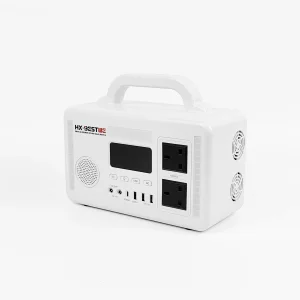
Select specialized panels, lightweight solar blankets, and portable micro-generators designed to meet specific global engineering and consumer needs.
 ConTech Solar