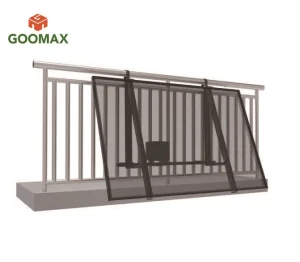
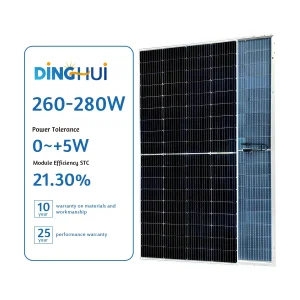
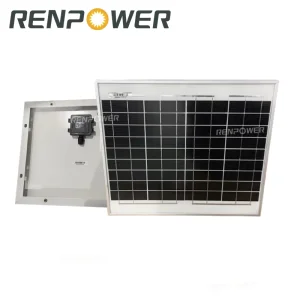
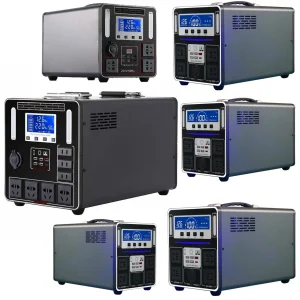
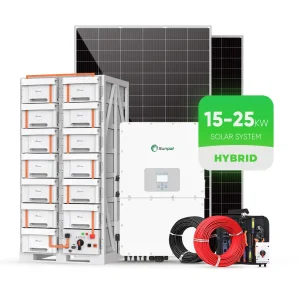
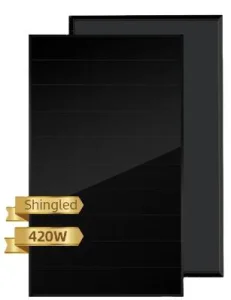
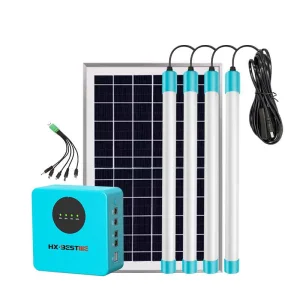
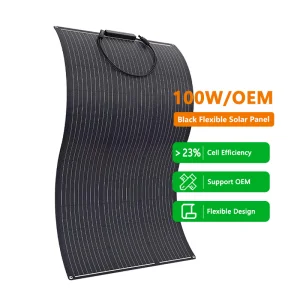
Explore our core product lineup engineered for industrial, commercial, and highly localized off-grid micro-generation applications.
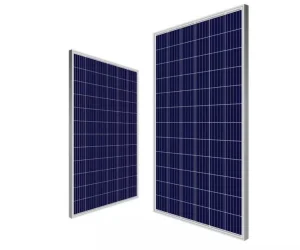
In an era defined by rapid decarbonization mandates and volatile energy markets, industrial and commercial enterprises worldwide are accelerating their transition toward localized renewable power. At the vanguard of this shifting paradigm stands Xiamen ConTech Solar Co., Ltd., a premium, high-tech enterprise specializing in the research, development, scale manufacturing, and global deployment of advanced solar energy systems.
Since inception, ConTech Solar has anchored its growth on the core business philosophies of "Innovative Technology, Superior Quality, and Sustainable Development." By combining state-of-the-art silicon engineering with robust system integration capabilities, the enterprise delivers solar modules and customized energy solutions engineered for durability, efficiency, and exceptional return on investment (ROI).
"From utility-scale solar farms and commercial rooftops to integrated building photovoltaics (BIPV) and rugged off-grid systems, ConTech Solar bridges the gap between complex energy needs and reliable, zero-emission power delivery."
The global industrial energy sector is experiencing a monumental inflection point. Driven by stringent ESG (Environmental, Social, and Governance) targets, rising carbon taxes (such as Europe's CBAM), and the imperative for energy security, corporations are no longer viewing solar procurement as merely an environmental statement, but as a critical operational hedge.
Industrial facilities, warehouses, and corporate headquarters present massive, underutilized surfaces. Utilizing these spaces for photovoltaic generation enables businesses to mitigate peak-demand tariffs, guarantee uninterrupted operations, and capitalize on net-metering structures. However, commercial solar deployment presents distinct engineering challenges: high thermal loads, varying roof structural tolerances, integration with legacy electrical grids, and complex maintenance cycles. Consequently, global buyers demand highly specialized, certified components that deliver predictable performance over a 25-to-30-year operational lifespan.
Modern corporate procurement groups prioritize system longevity, Bankability, and strict adherence to localized compliance frameworks. The procurement process for high-capacity industrial projects involves detailed lifecycle cost analyses, where Levelized Cost of Energy (LCOE) and Balance of System (BOS) costs dictate purchasing decisions.
To satisfy international engineering procurement and construction (EPC) requirements, components must carry recognized certifications such as IEC 61215/61730 for modules, and Verasol (IEC 62257-9-8) for off-grid systems. Furthermore, supply chain transparency is non-negotiable. Sourcing teams demand clear traceability of raw silicon, EVA encapsulants, junction boxes, and mounting structures to ensure ethical manufacturing practices and guard against sudden geopolitical trade barriers.
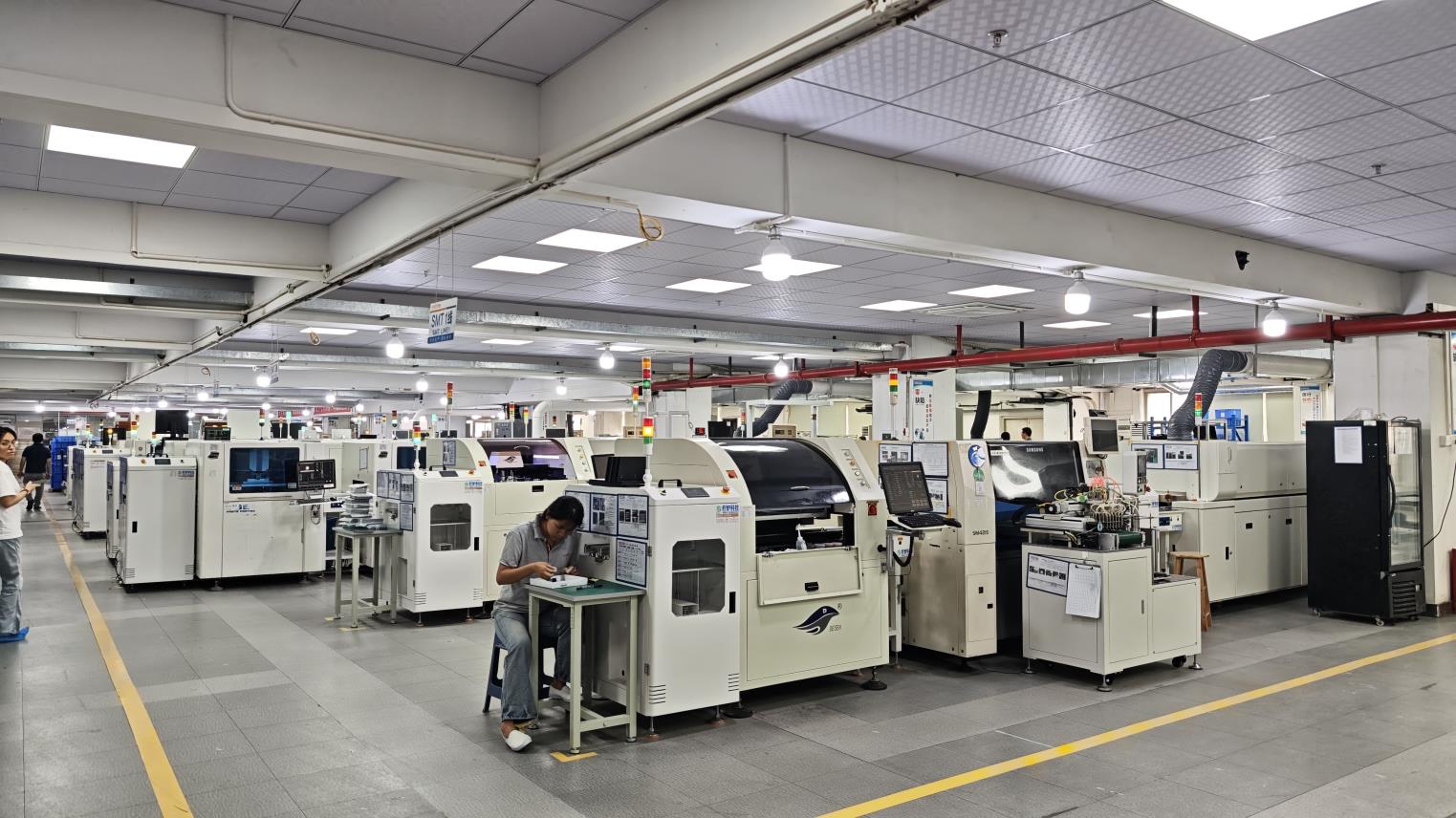
At the heart of China’s dominance in the solar value chain is the integration of Factory 4.0 automation, vertical supply networks, and advanced quality assurance protocols. Xiamen ConTech Solar Co., Ltd. leverages these attributes to deliver cost-competitive, high-performance hardware.
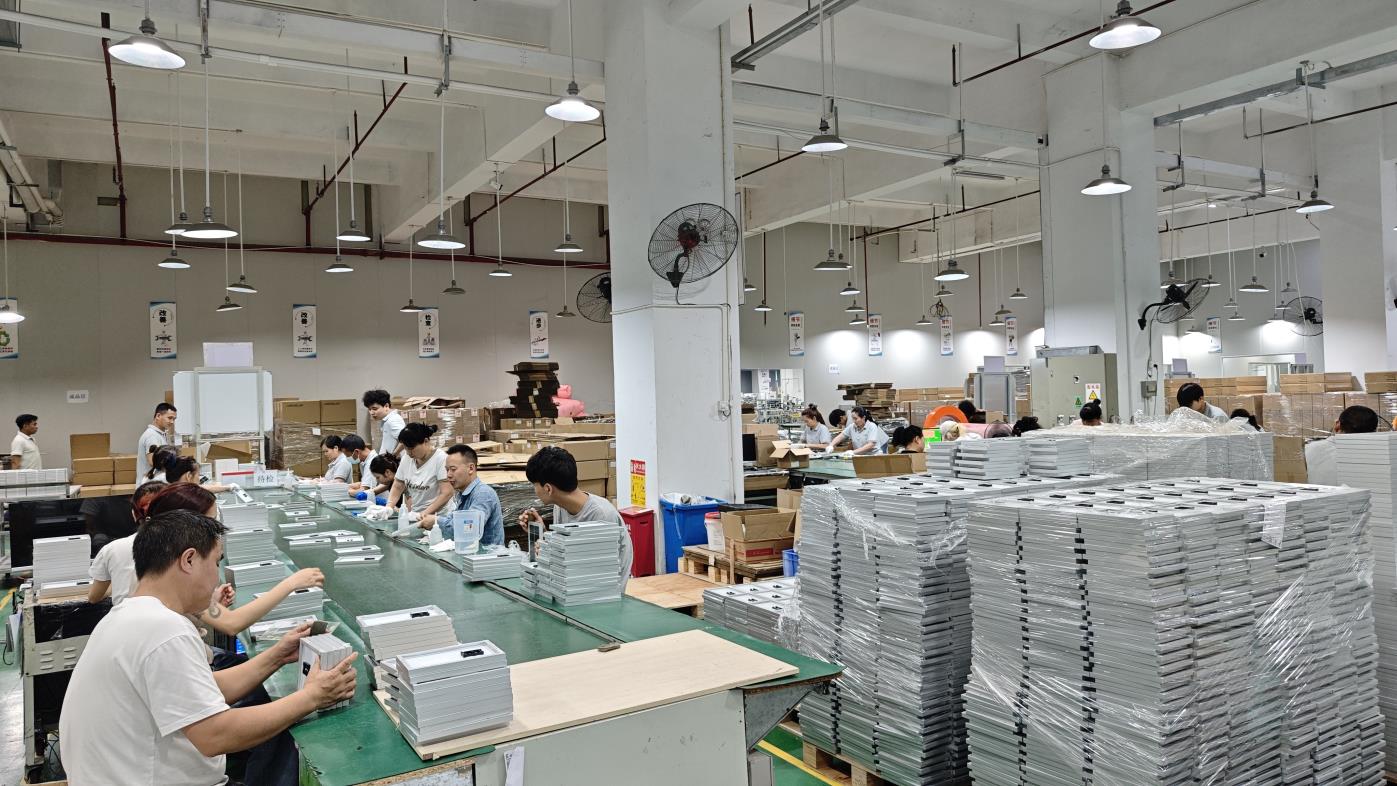
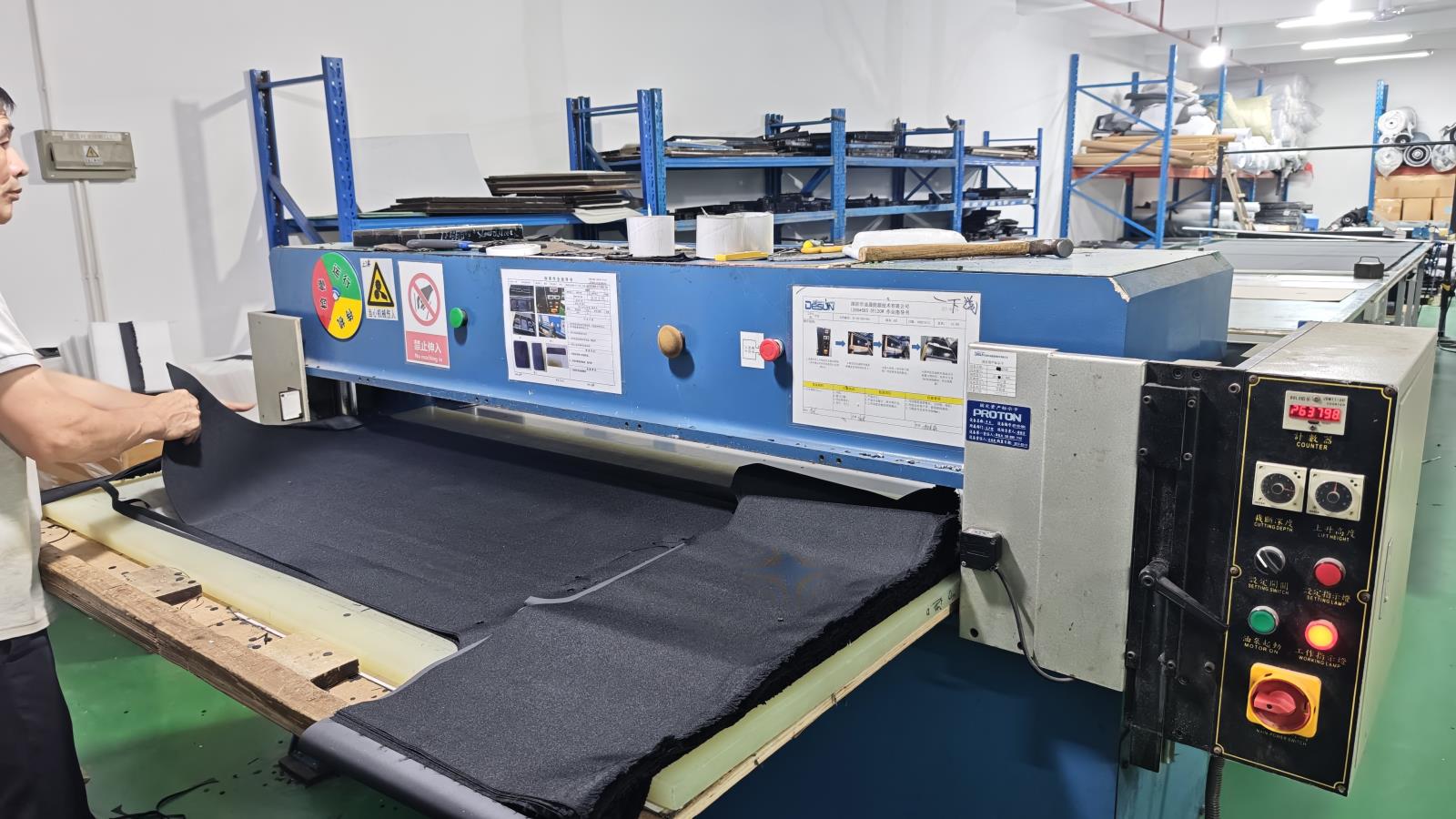
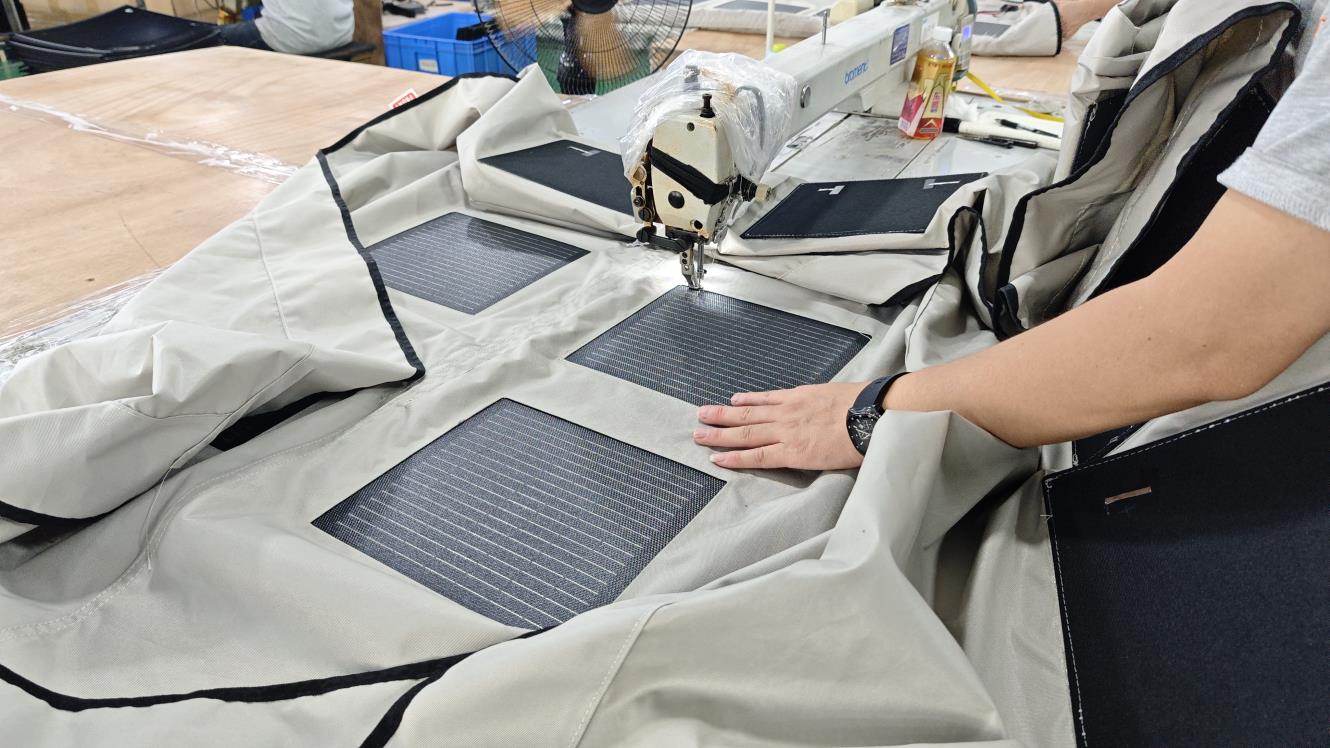
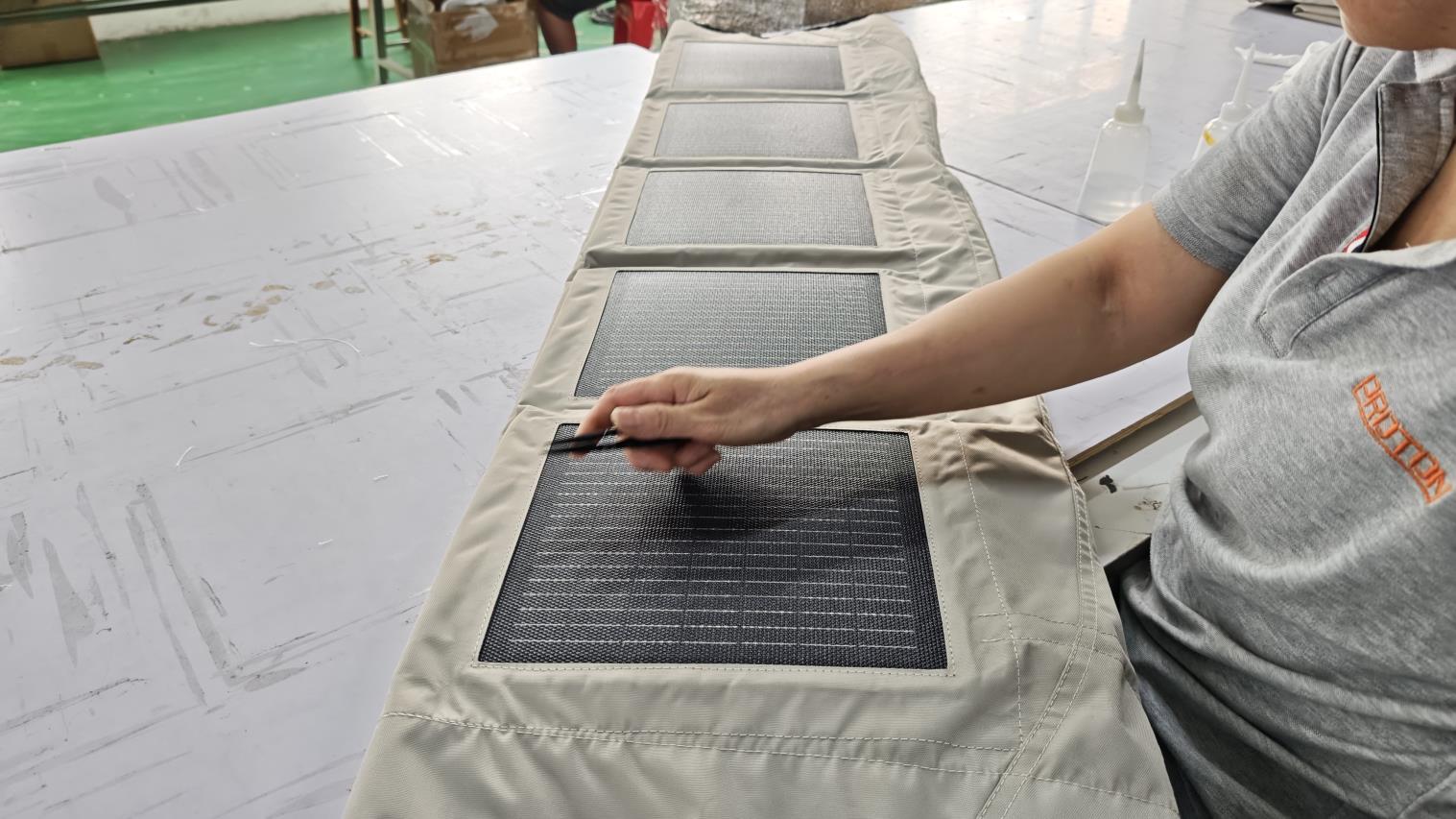
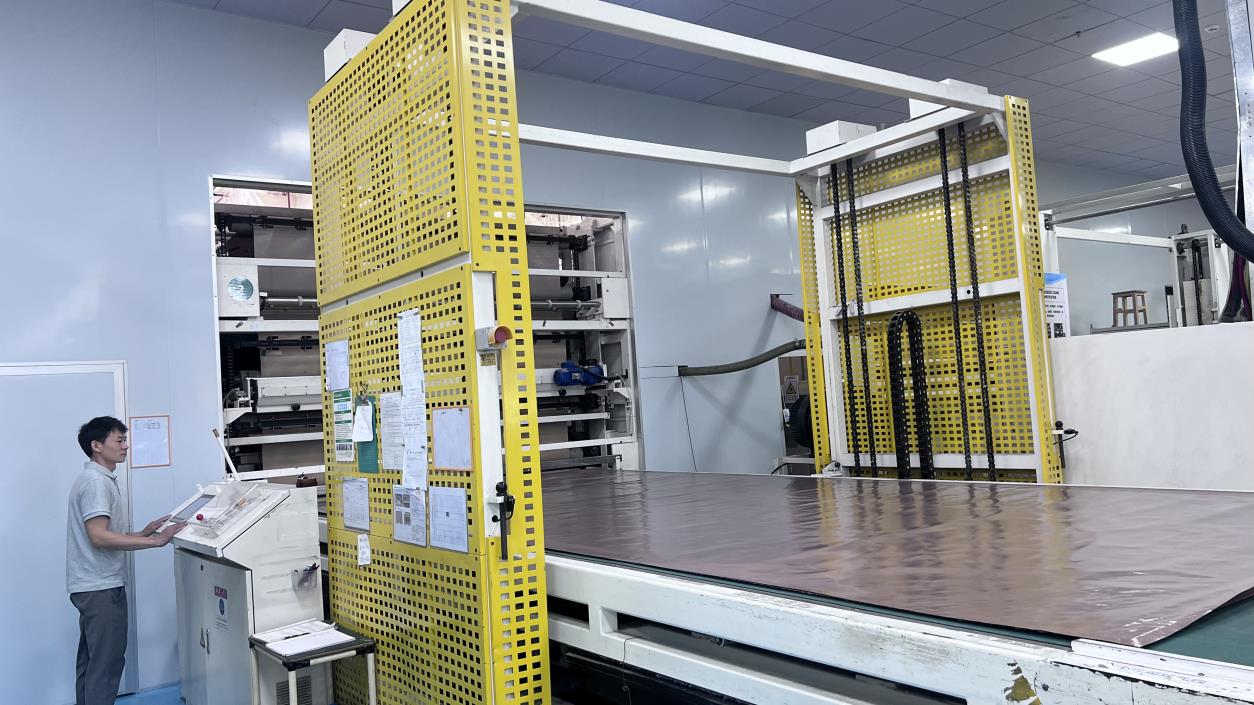
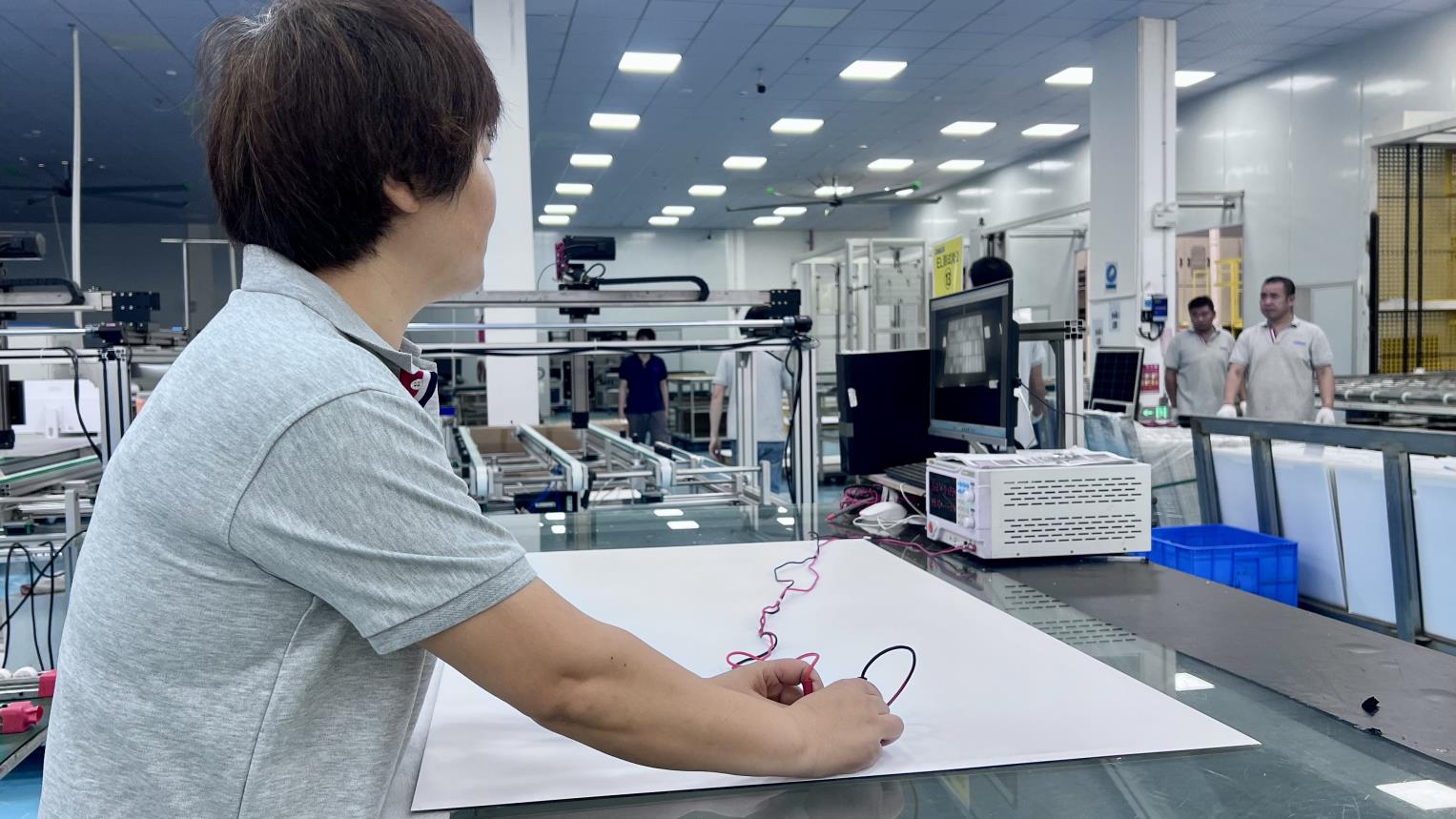
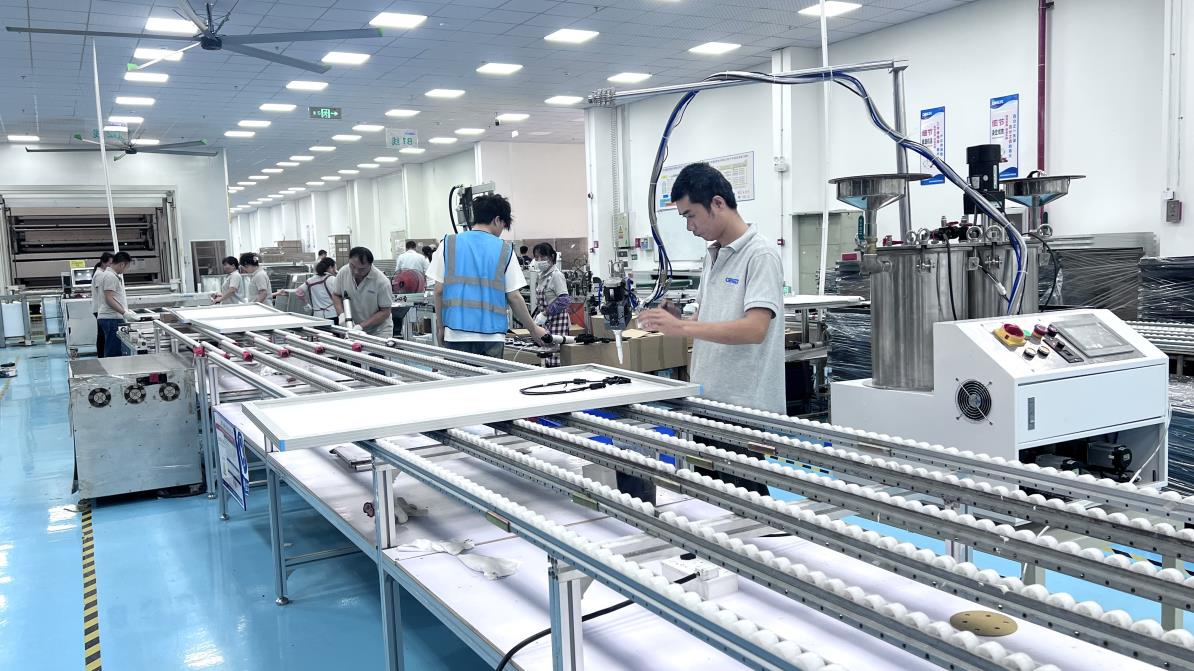
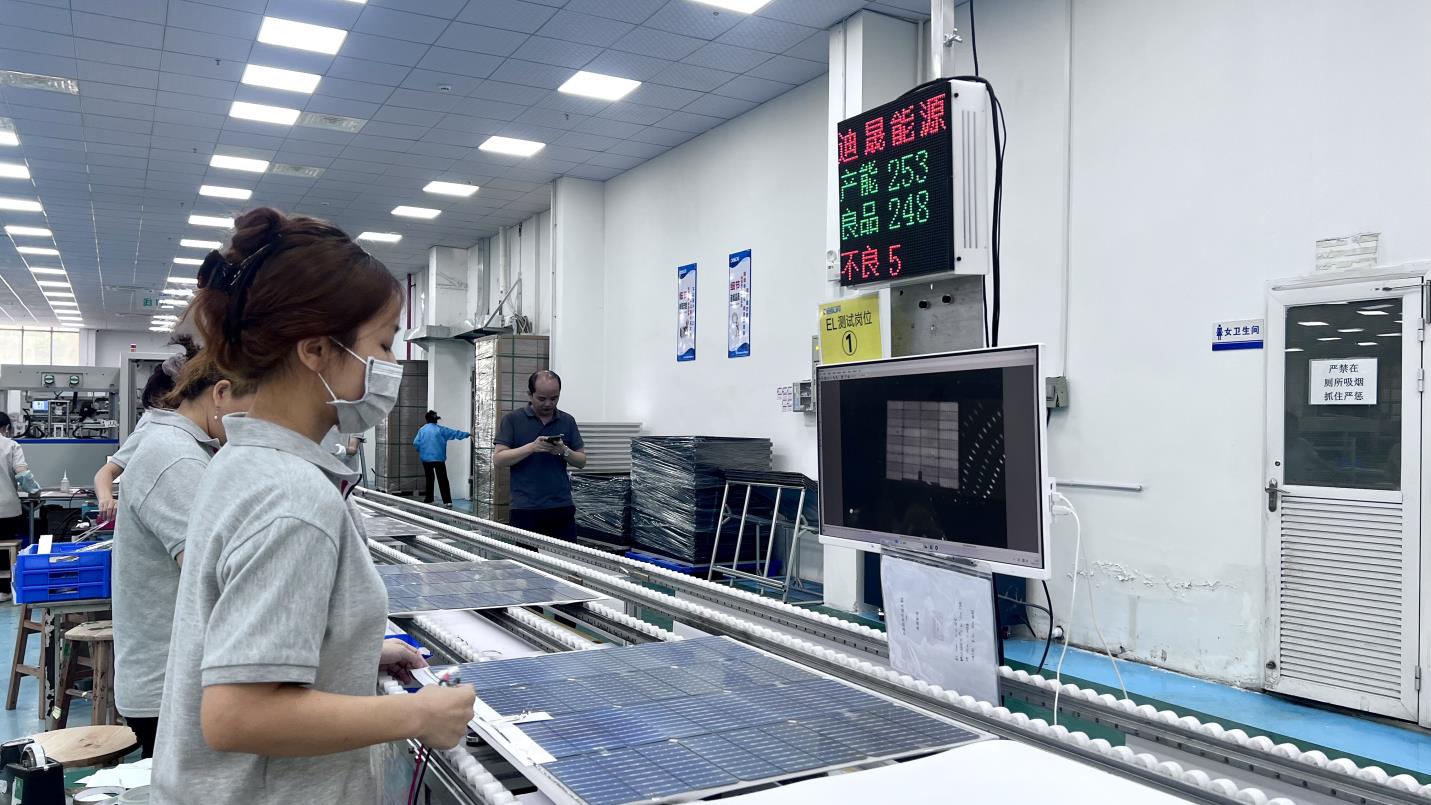
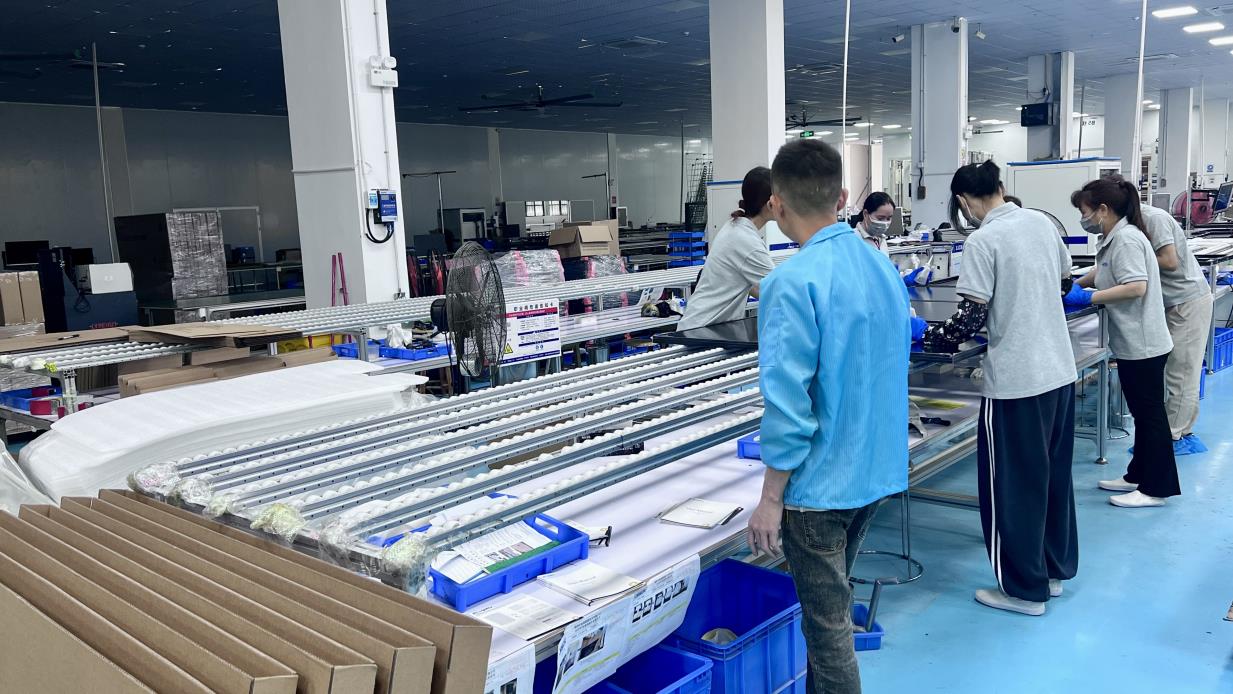
Our manufacturing facility employs an optimized pipeline designed to eliminate micro-defects and maximize solar-to-electrical conversion efficiency:
A transparent view inside the Xiamen ConTech Solar manufacturing ecosystem, showcasing every stage from raw materials to final shipment.
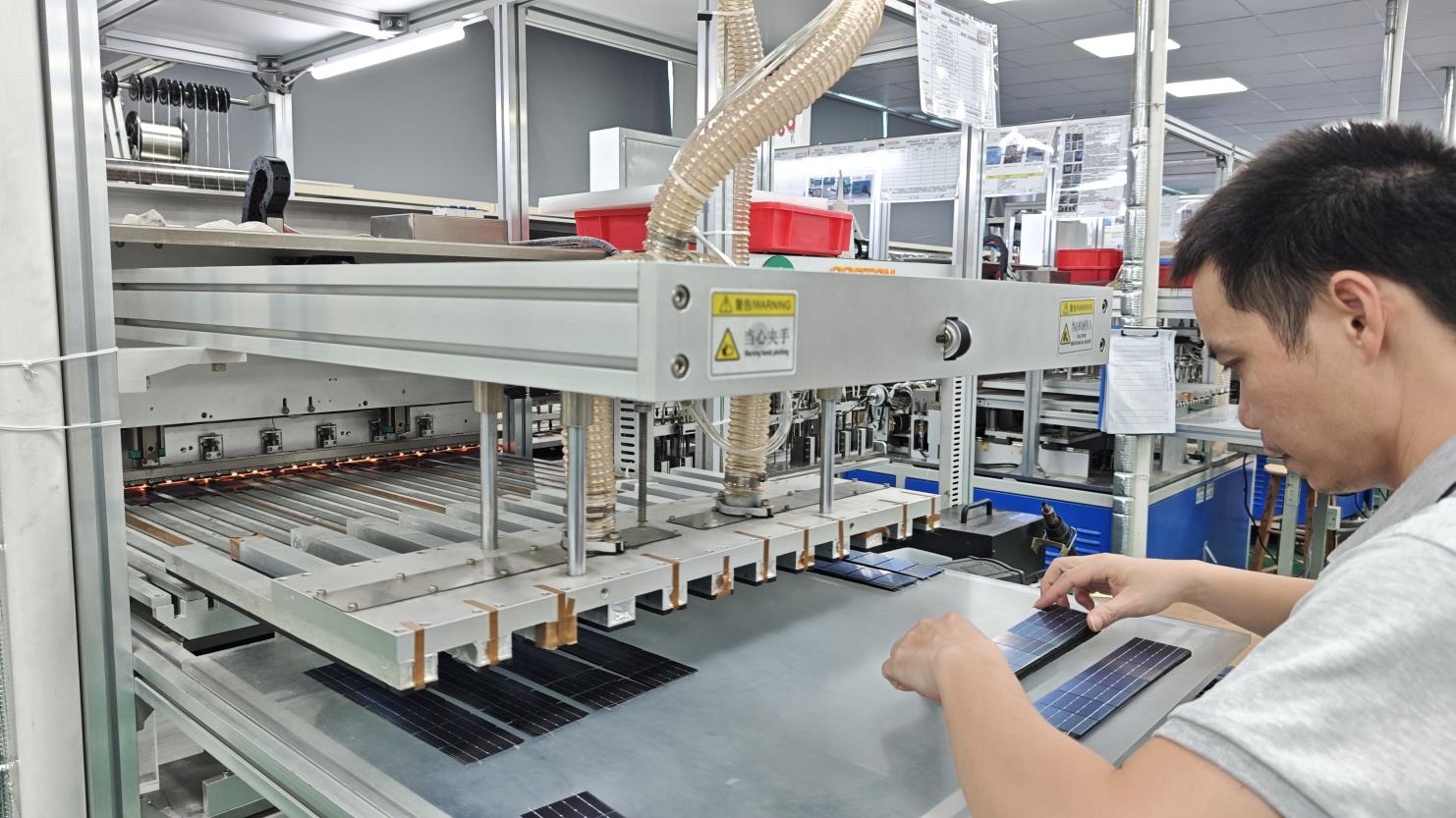
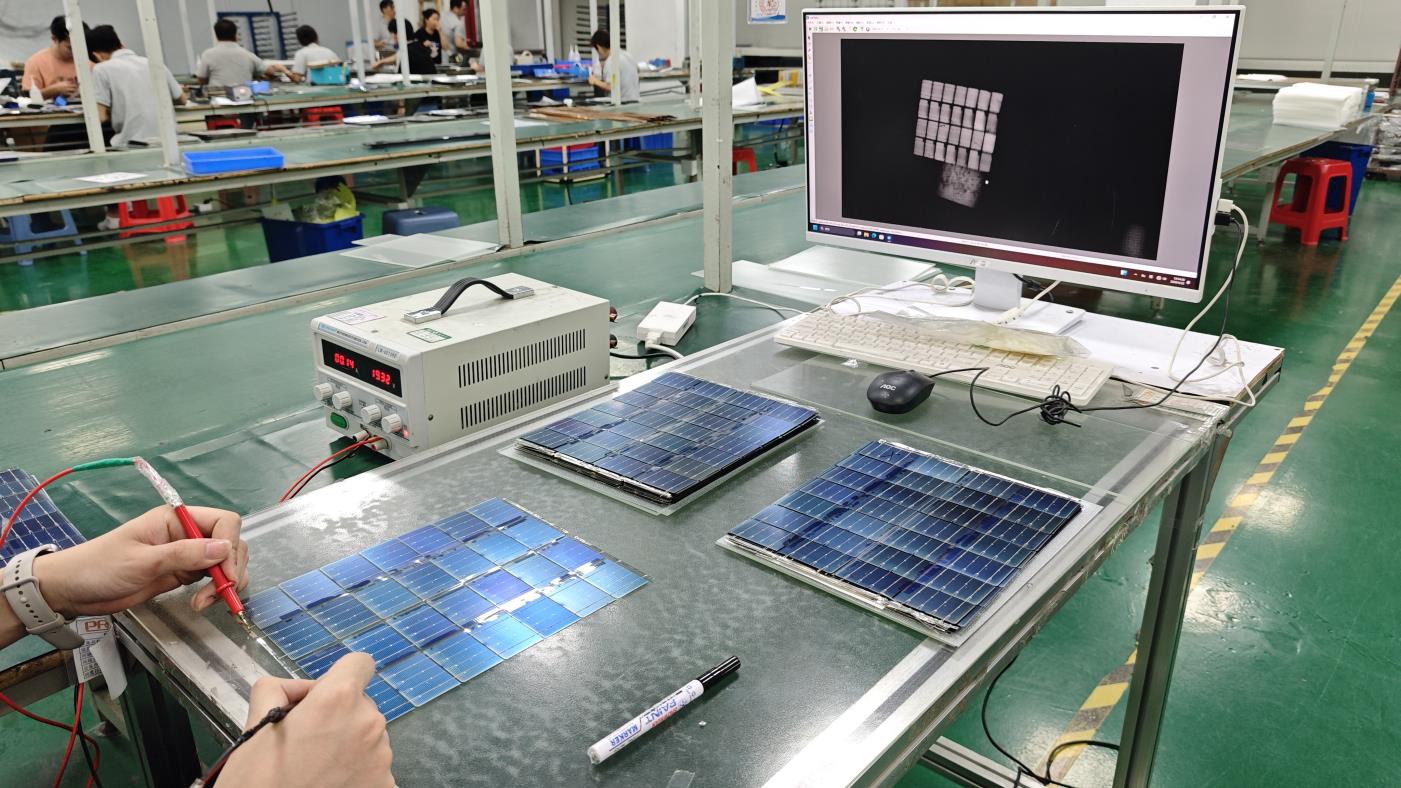

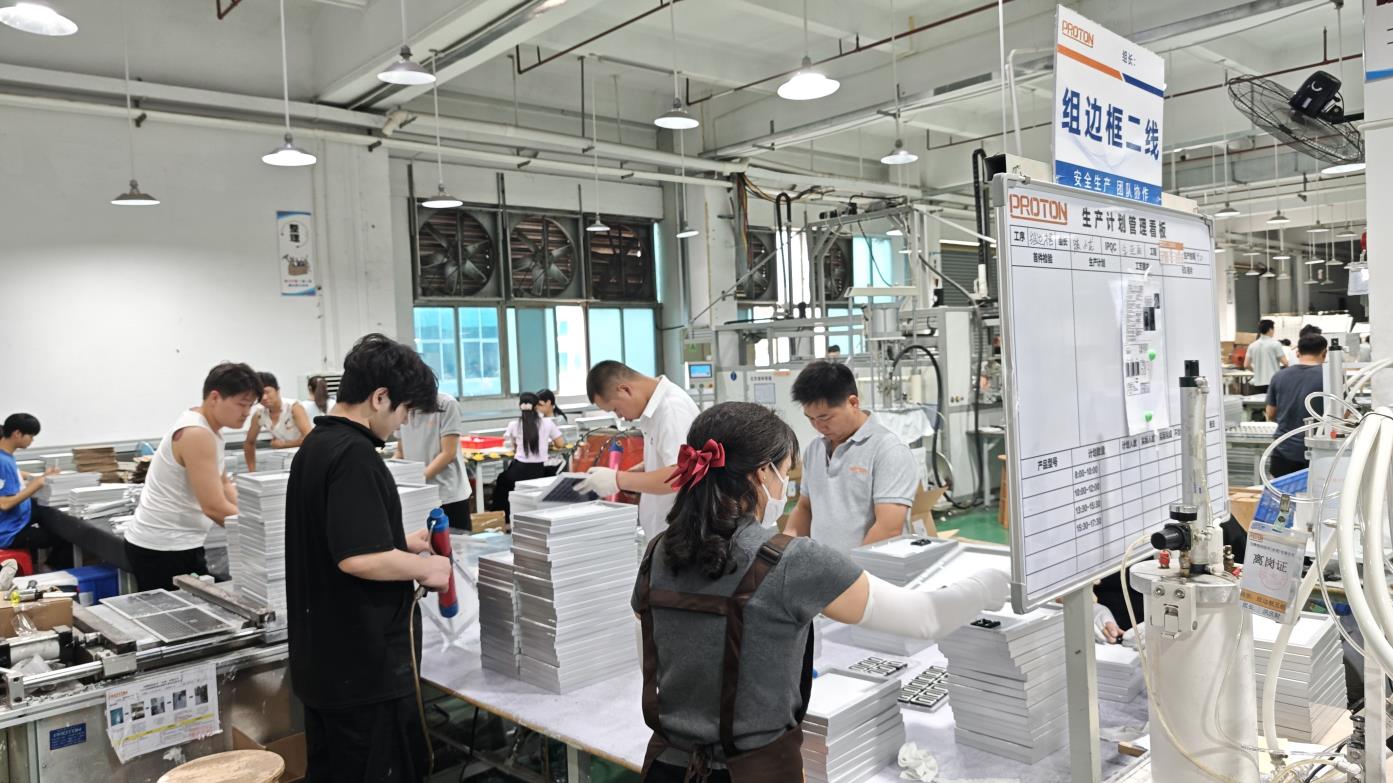
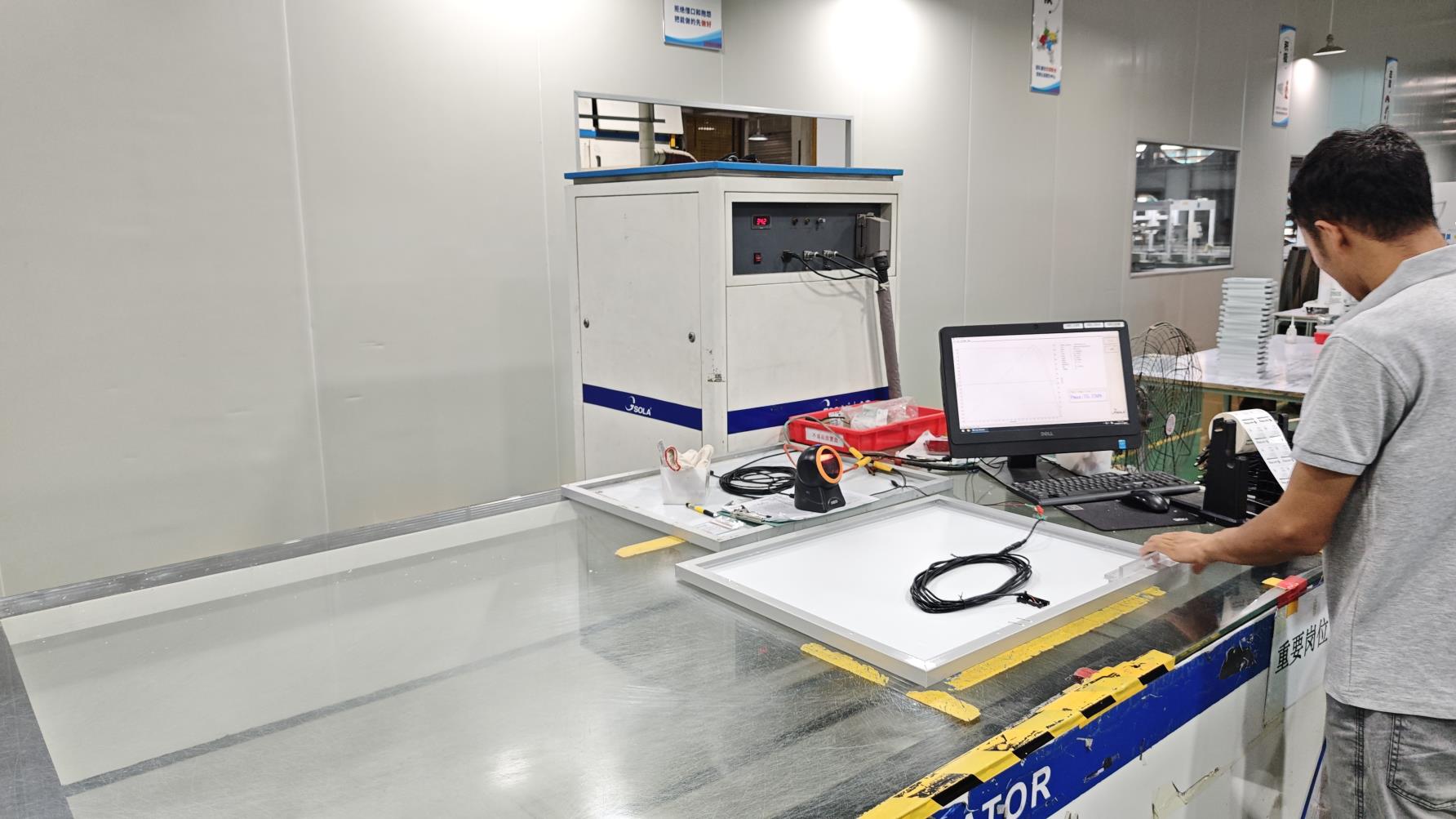
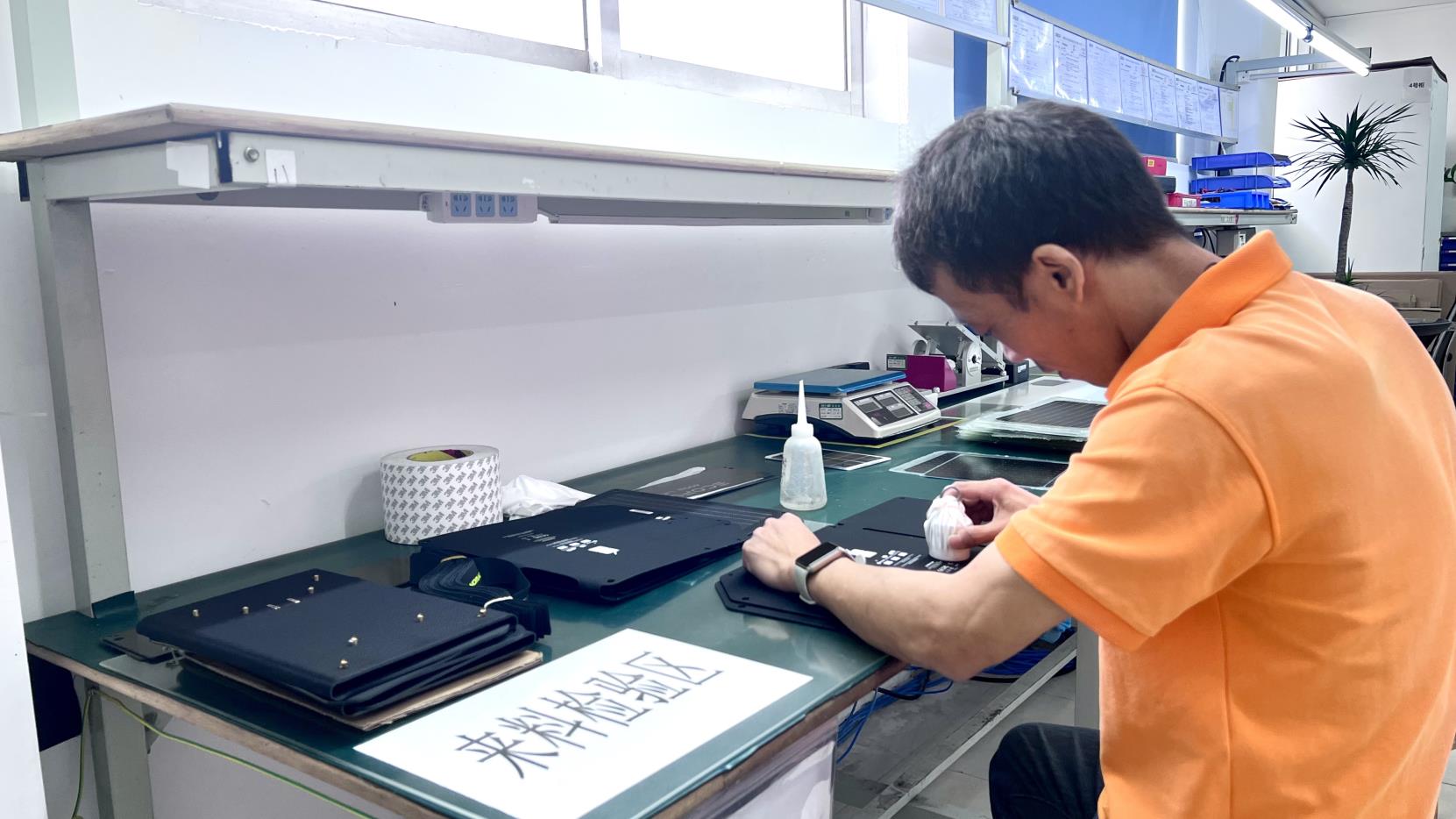
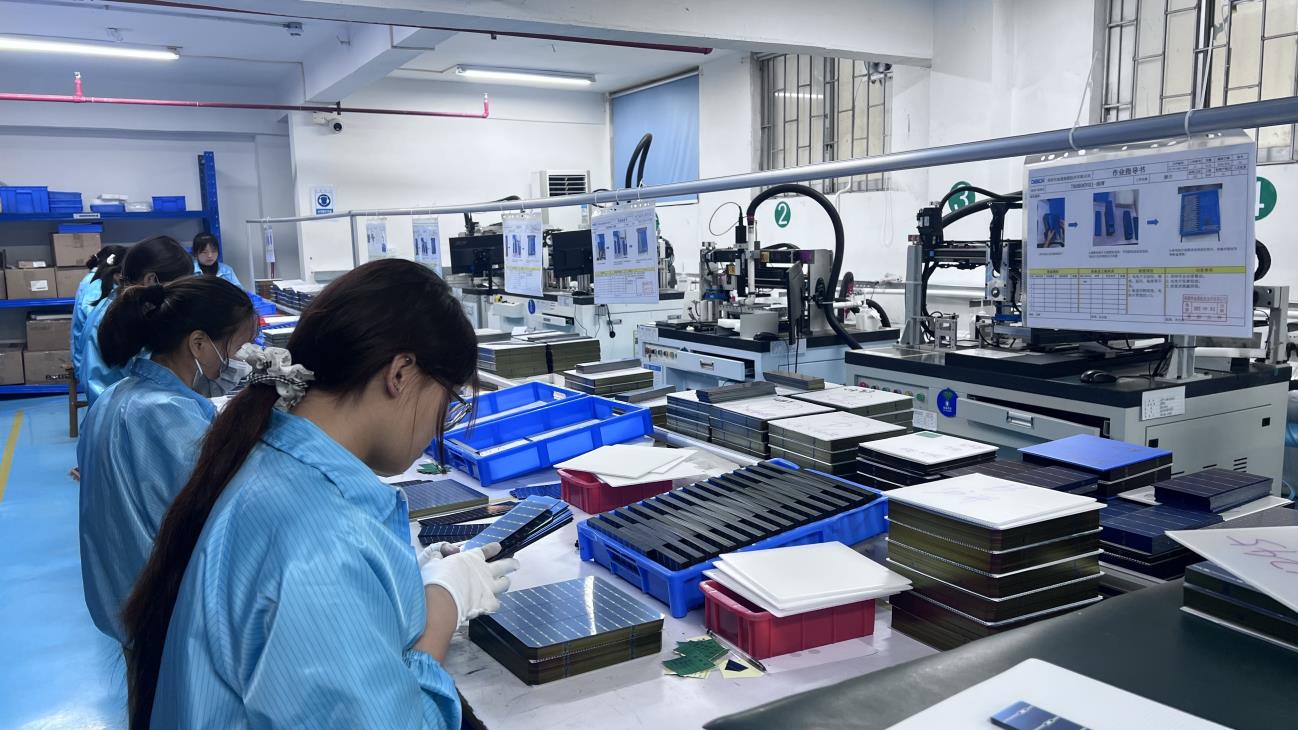
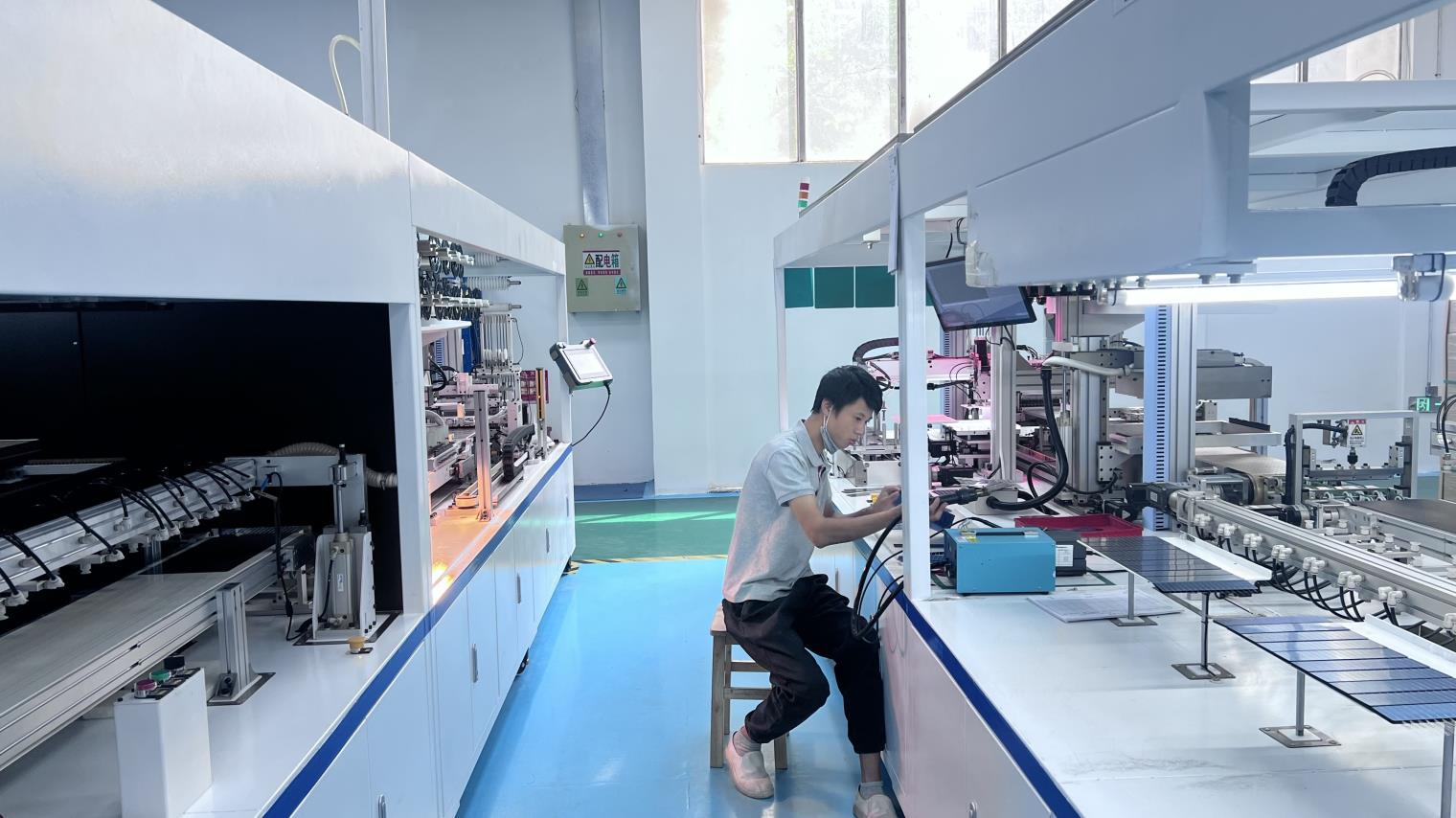
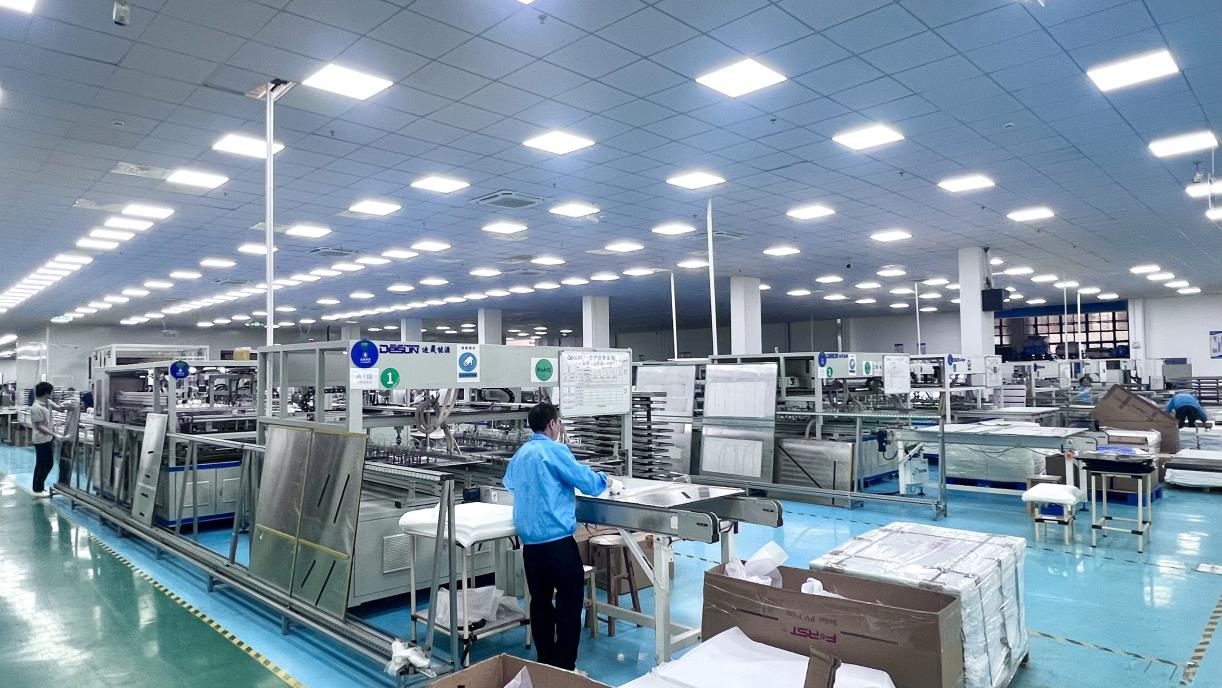
Standardized solar modules often fail under challenging environmental conditions. Industrial energy systems require target-driven adaptations tailored to regional climates and architectural layouts:
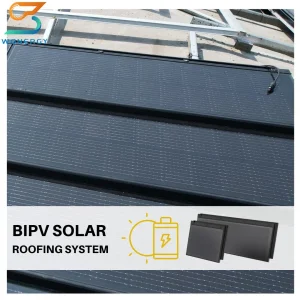
Modern structural design utilizes vertical facade real estate to generate power. By implementing dual-glass semi-transparent panels (such as our BIPV Facade 300W or Double Glass Facade Decorative 87W Panel), structures generate power without compromising architectural aesthetics, acting as thermal insulation and reducing acoustic pollution in dense urban zones.
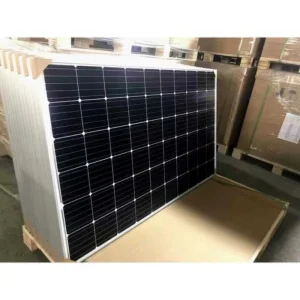
Ports, seaside facilities, and ships demand modules that withstand salt-mist and high humidity. Optimized mono-crystalline arrays with specialized anti-corrosive aluminum framing prevent chemical degradation, ensuring longevity on vessel roofs, docks, and coastal storage facilities.
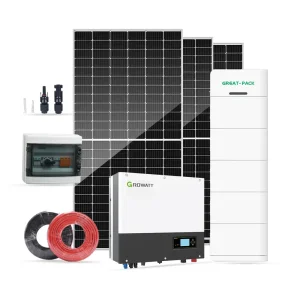
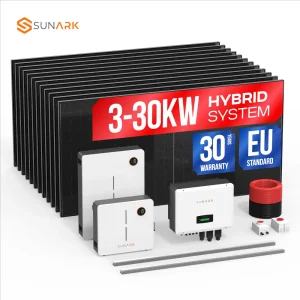
In agricultural zones, mining camps, and island communities, stability is critical. Incorporating complete hybrid systems ranging from 5kW to 30kW, equipped with integrated lithium storage, ensures reliable power. This offsets high diesel generator fuel costs and provides reliable energy independence.
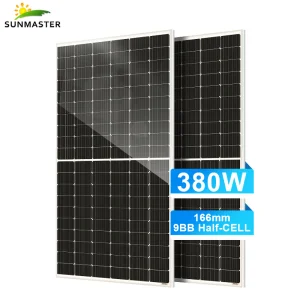
The solar industry is rapidly progressing past legacy p-type PERC structures towards higher efficiency configurations. Procurement agencies are now looking toward:
Explore systems engineered for heavy utility, agricultural, marine, and flexible applications.
 ConTech Solar