High-efficiency solar solutions engineered to optimize clean energy generation and storage capacities.

Decoding the technical shift and regulatory drivers behind high-efficiency solar thermal systems.
The global transition to net-zero carbon emissions is forcing a major re-evaluation of building HVAC and thermal systems. As heating accounts for nearly 50% of global energy consumption in buildings, transitioning away from gas and electrical resistance heaters is no longer optional. Modern solar water heaters, leveraging advanced flat-plate or vacuum-insulated tubes, represent the most thermodynamically efficient method of harnessing solar radiation.
Recent developments in China's manufacturing sector have enabled high-efficiency solar water heating configurations to maintain cost parity while increasing reliability. Key trends include the transition from non-pressurized gravity-fed thermosiphon systems to pressurized closed-loop active circulation systems. These systems avoid freezing risks by employing glycol heat transfer fluid and can easily integrate with residential heat pumps or commercial boiler systems.
Furthermore, technology is shifting towards PVT (Photovoltaic-Thermal) hybrid setups. PVT combines standard solar cells with thermal heat collectors on the rear of the panel, generating both hot water and electricity while cooling down the PV silicon layer to boost power output efficiency. China's top manufacturers, including specialized entities like ConTech Solar, are scaling up capacities to meet this integration trend, offering customizable OEM/ODM solutions worldwide.
A comparative evaluation of solar thermal technologies to guide procurement selection.
| Parameter | Flat Plate Solar Collectors | Evacuated (Vacuum) Tube Collectors |
|---|---|---|
| Working Principle | Copper riser tubes bonded to a selective absorber plate under high-transmission glass. | Dual-glass vacuum tubes with internal heat pipes transferring thermal energy to a manifold. |
| Thermal Efficiency (Mild Climate) | Very high (Excellent peak heat yield in warm and sunny regions). | Moderate to high (Optimized for cold or overcast weather). |
| Freezing & Frost Resistance | Requires closed-loop indirect glycol circuit to prevent freezing damage. | High innate resistance; heat-pipes remain operational even at -35°C. |
| Mechanical Durability | High mechanical resistance (Hailproof tempered safety glass; handles wind loads up to 2.4 kPa). | Vulnerable to extreme mechanical impacts, though individual tubes are easily replaced. |
| Optimal Application | Residential roofs, multi-family housing, swimming pool heating, and integration with PVT. | High-temperature industrial process heat (IPH), high-latitude climates. |
Optimizing the sourcing value chain, minimizing shipping costs, and evaluating system integration.
Ensure tanks feature food-grade stainless steel (SUS304-2B/SUS316L) or high-grade enamel lining. Standard storage tanks must undergo intensive cyclic pressure testing to withstand thermal shock.
Sourcing split pressurized systems requires matching heat exchanger coils (typically copper) with the specific heating demands of target zones, maximizing coefficient of performance (COP).
Verify that components align with regional import certifications. Top-tier China manufacturers provide detailed technical drawings and performance certifications (CE, Keymark, SRCC) to simplify customs clearance.
When engineering macro solar thermal solutions for hotels, hospitals, and manufacturing sites, integrating centralized solar control stations is paramount. These stations use intelligent sensors and programmable logic controllers (PLCs) to prioritize solar energy over auxiliary heating (electric or gas), ensuring minimal energy usage and maximizing return on investment (ROI). In large-scale installations, backup heating elements are automatically activated only during extended periods of low solar irradiance.
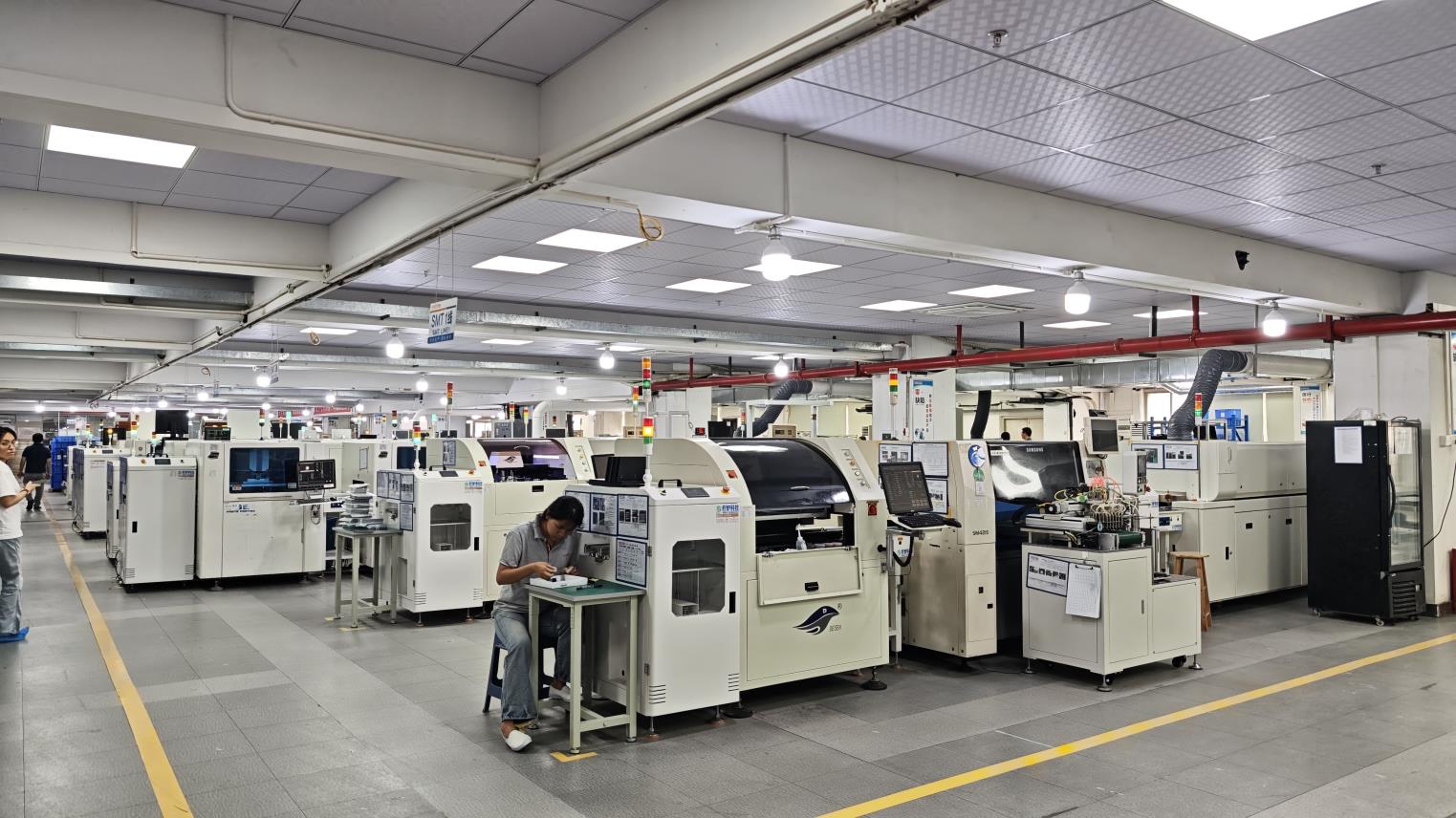
Transparent insight into the high-precision manufacturing and rigorous testing steps ensuring absolute product reliability.
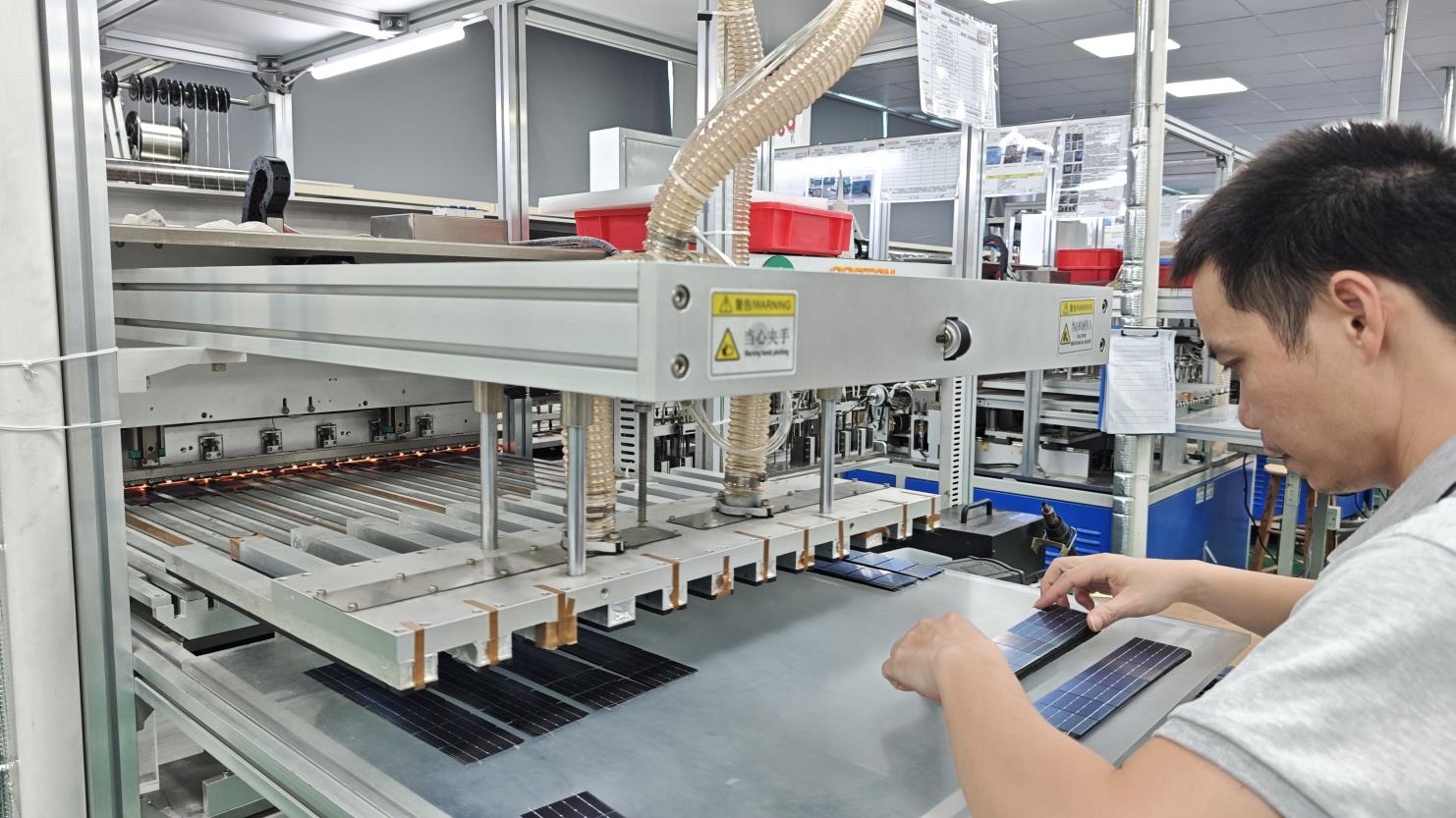
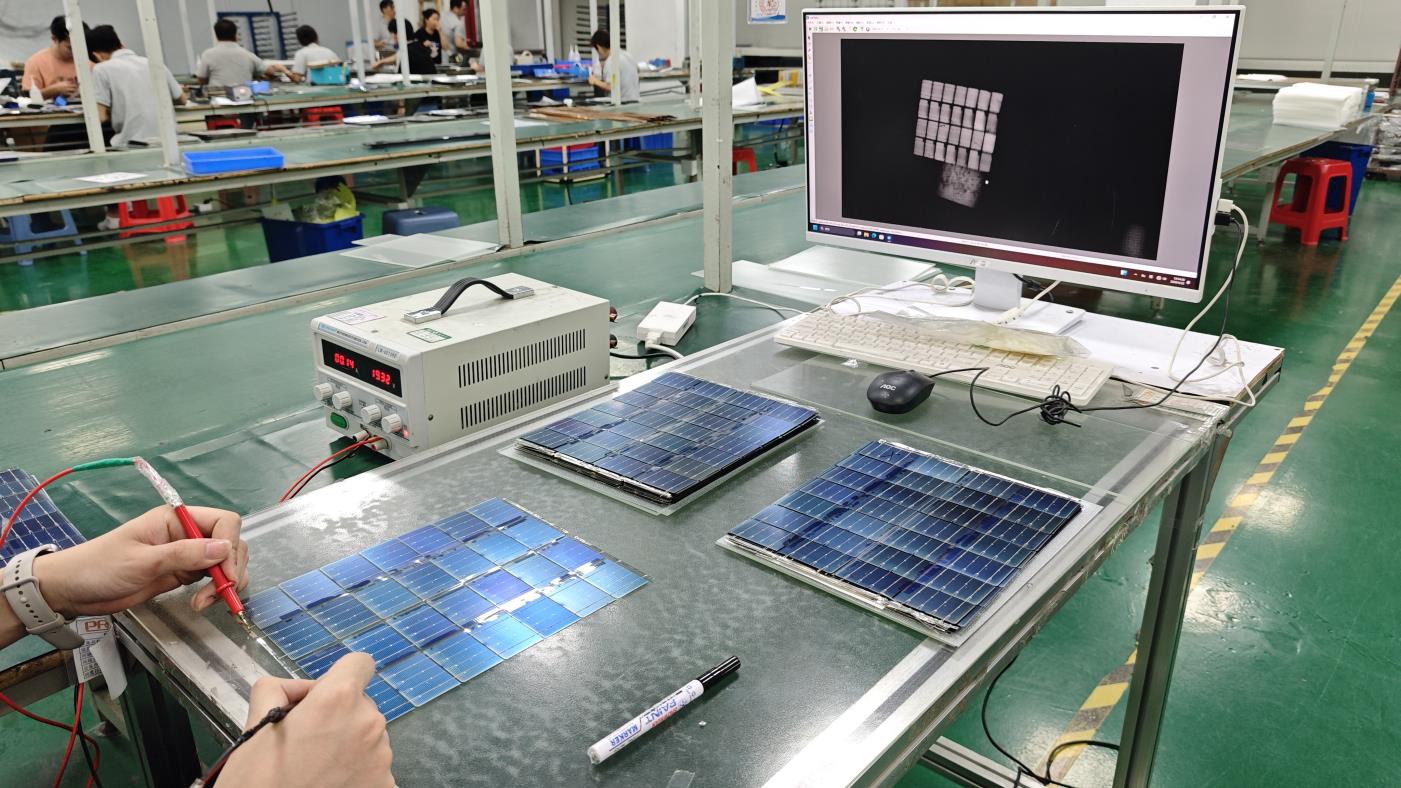
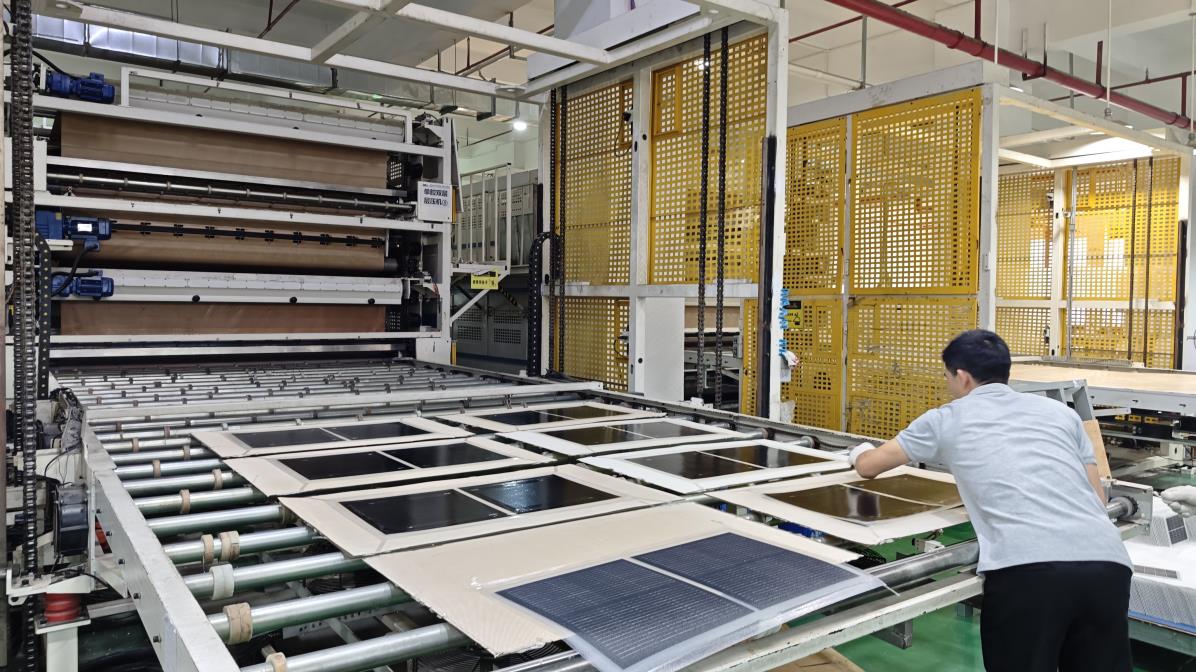
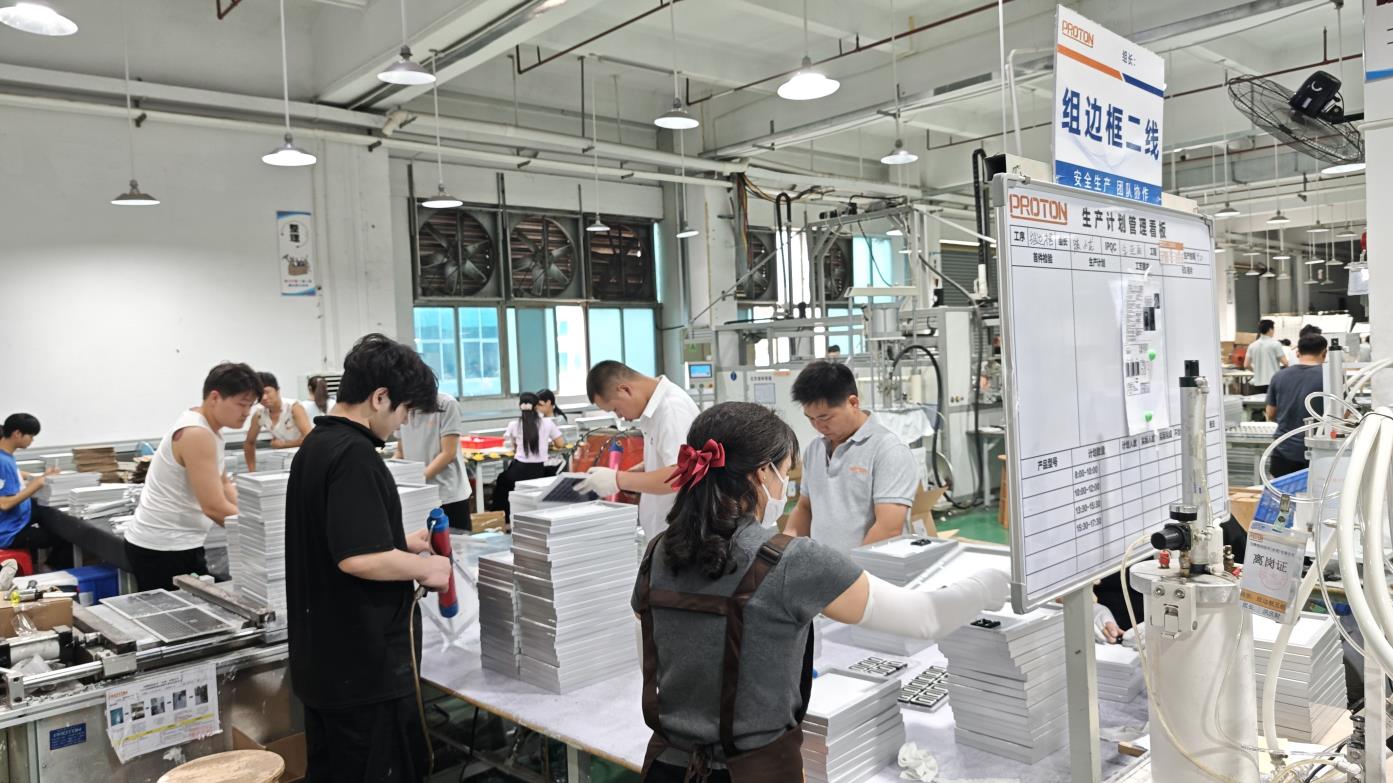
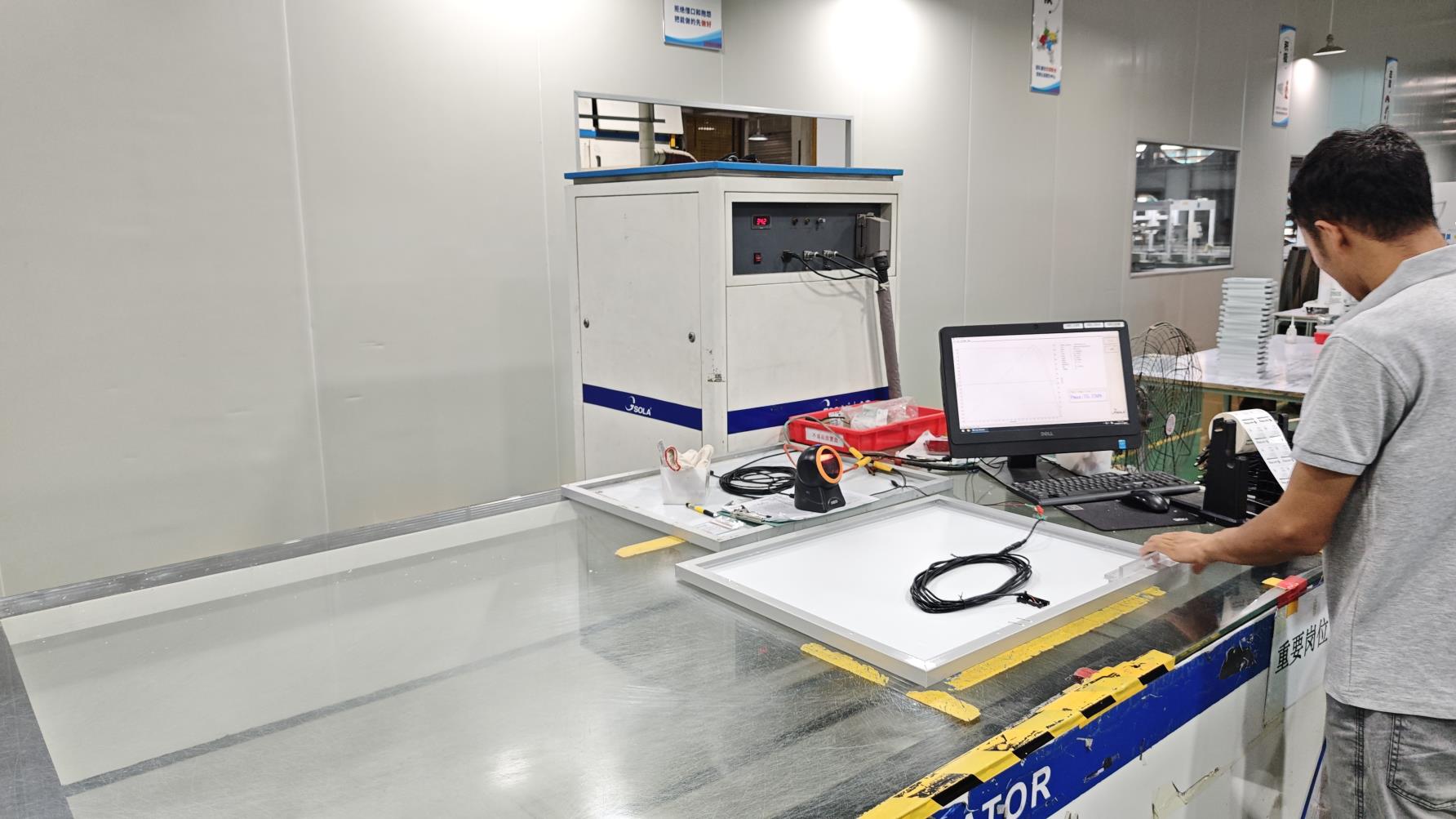
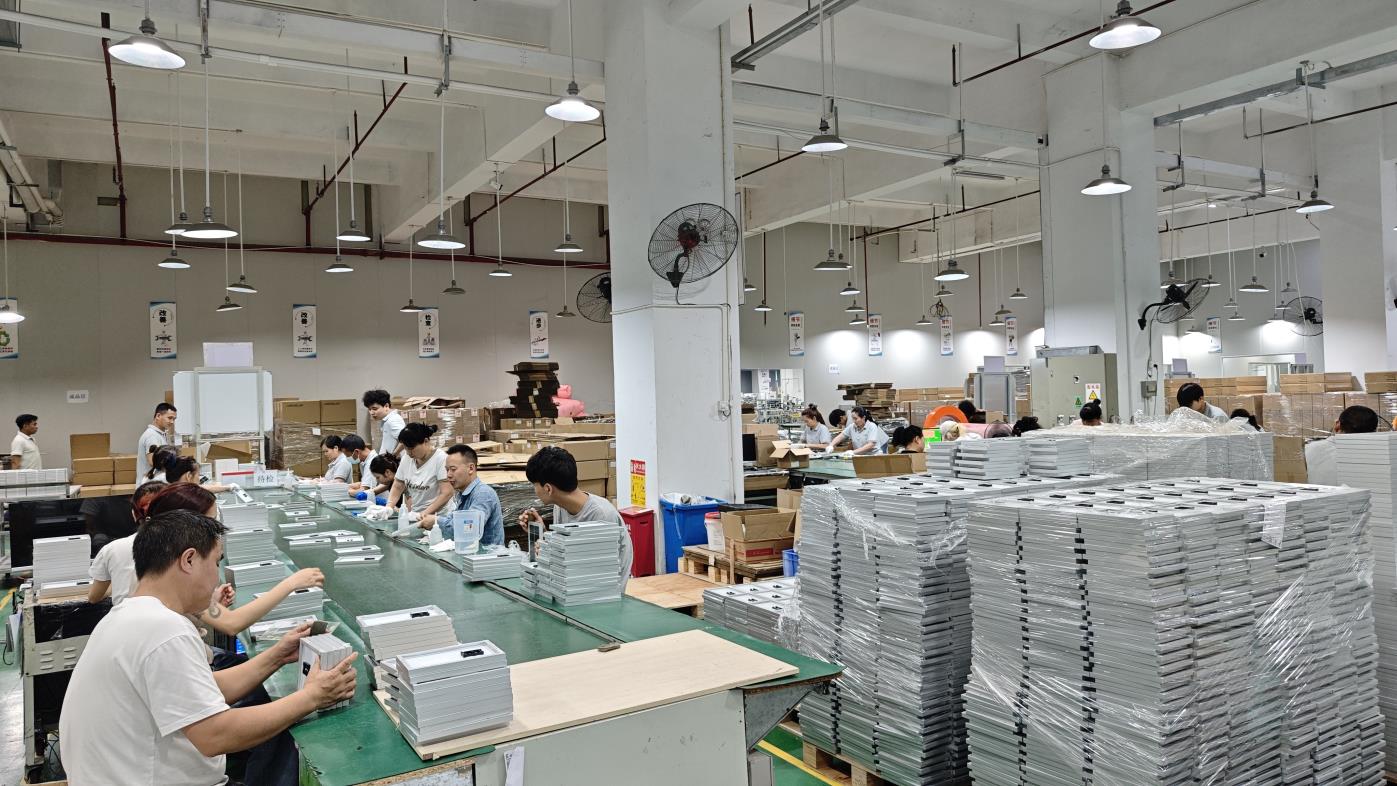
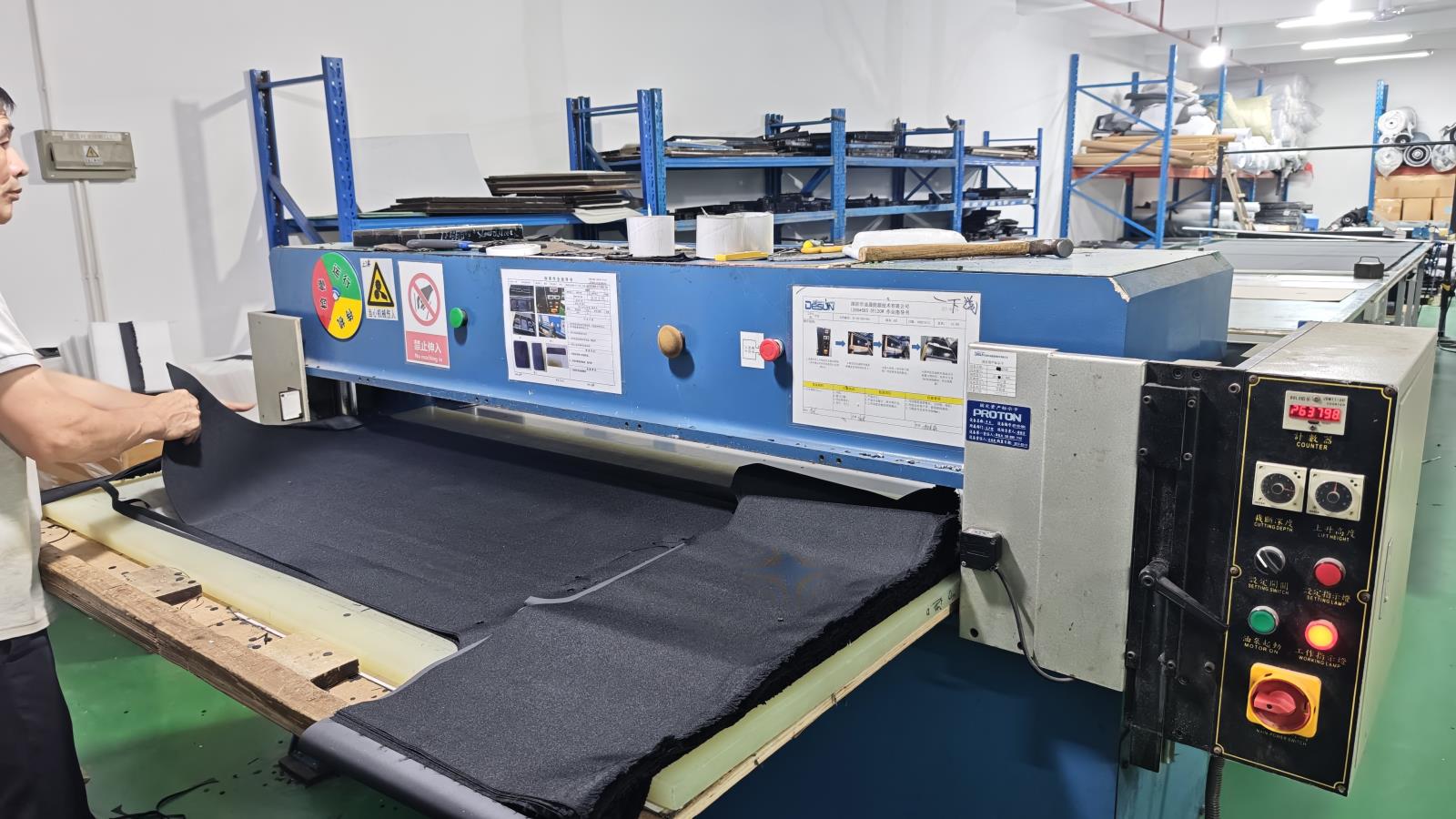
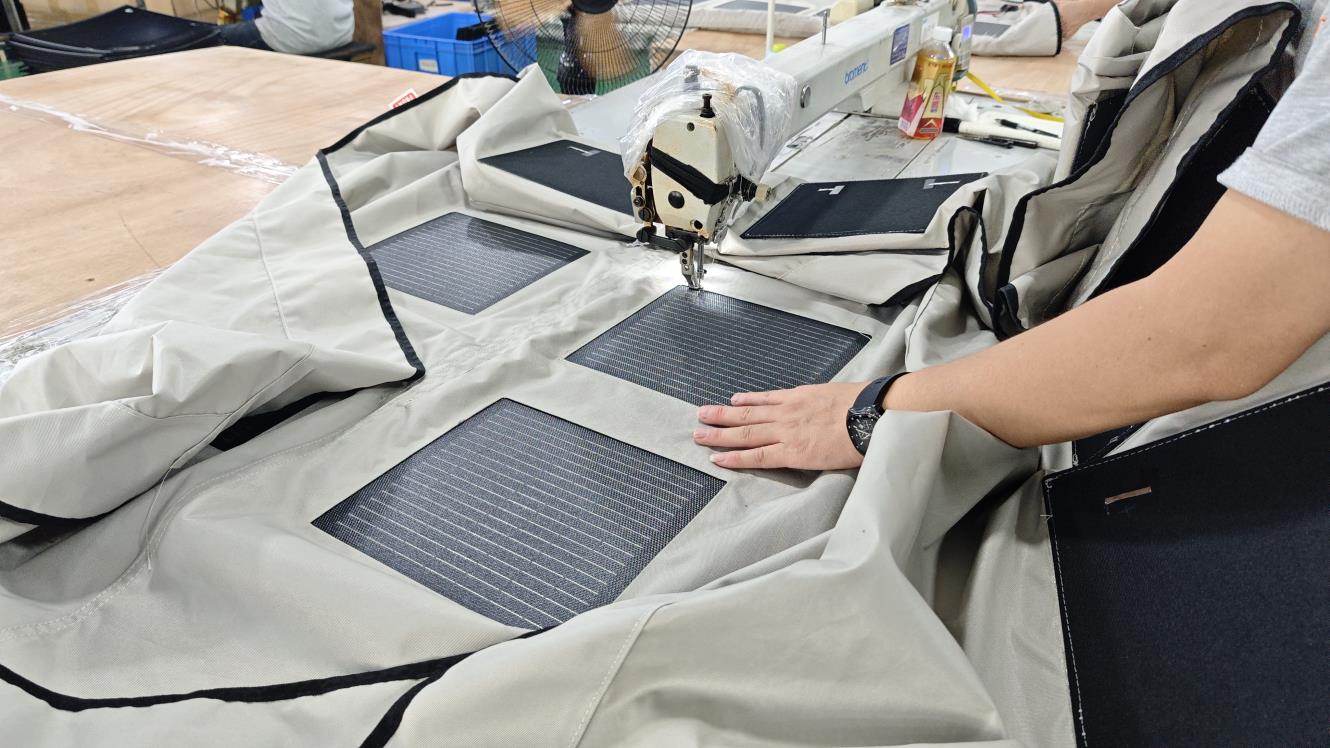
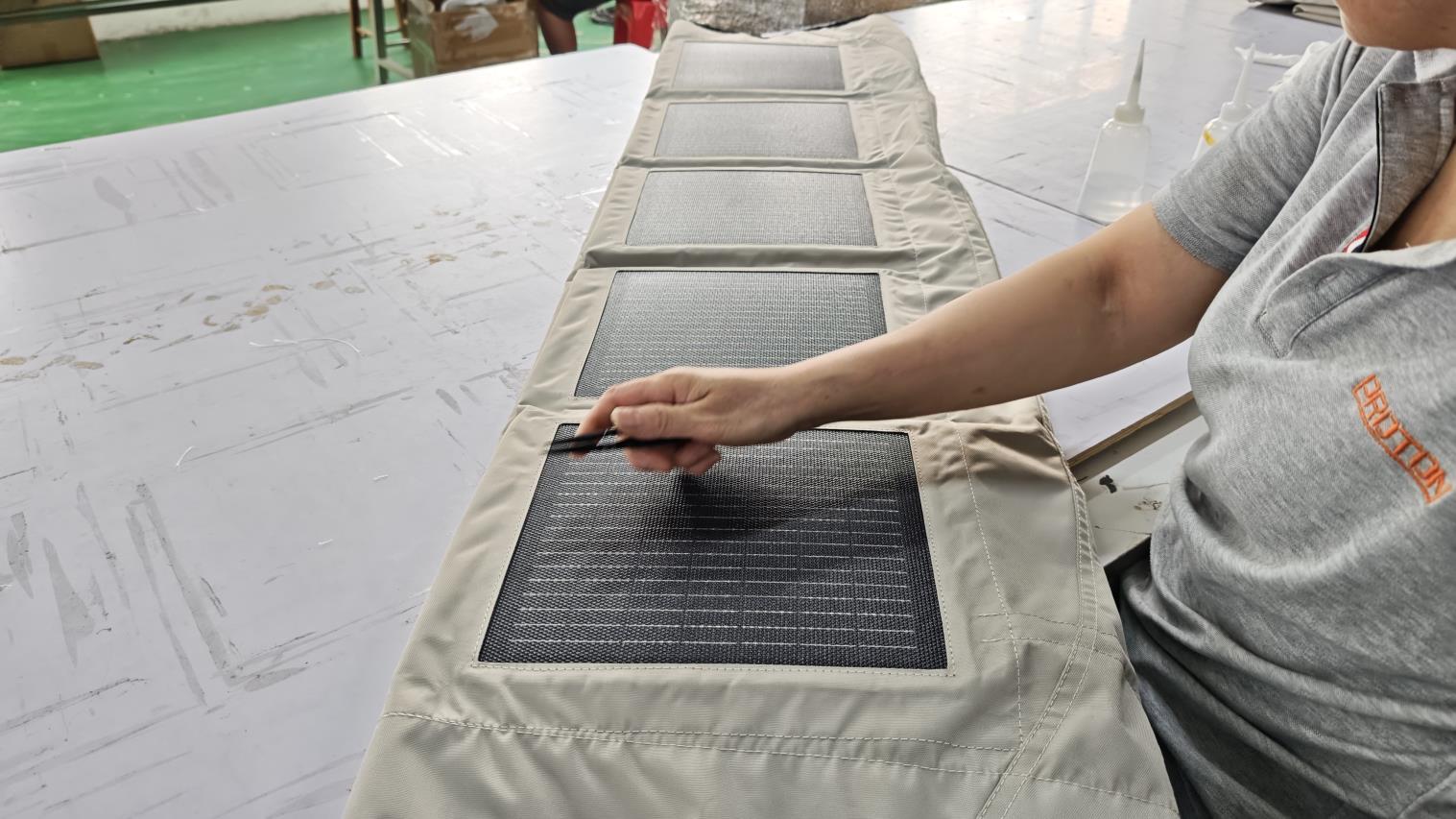

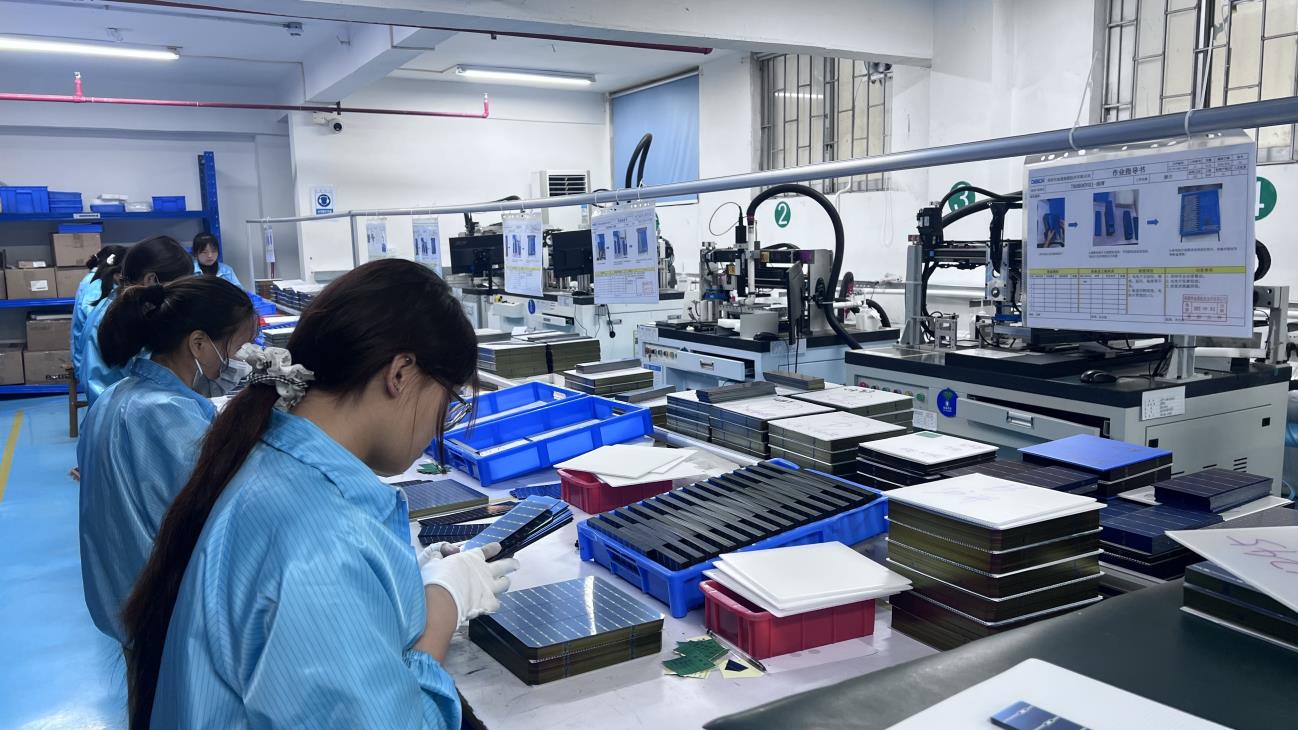
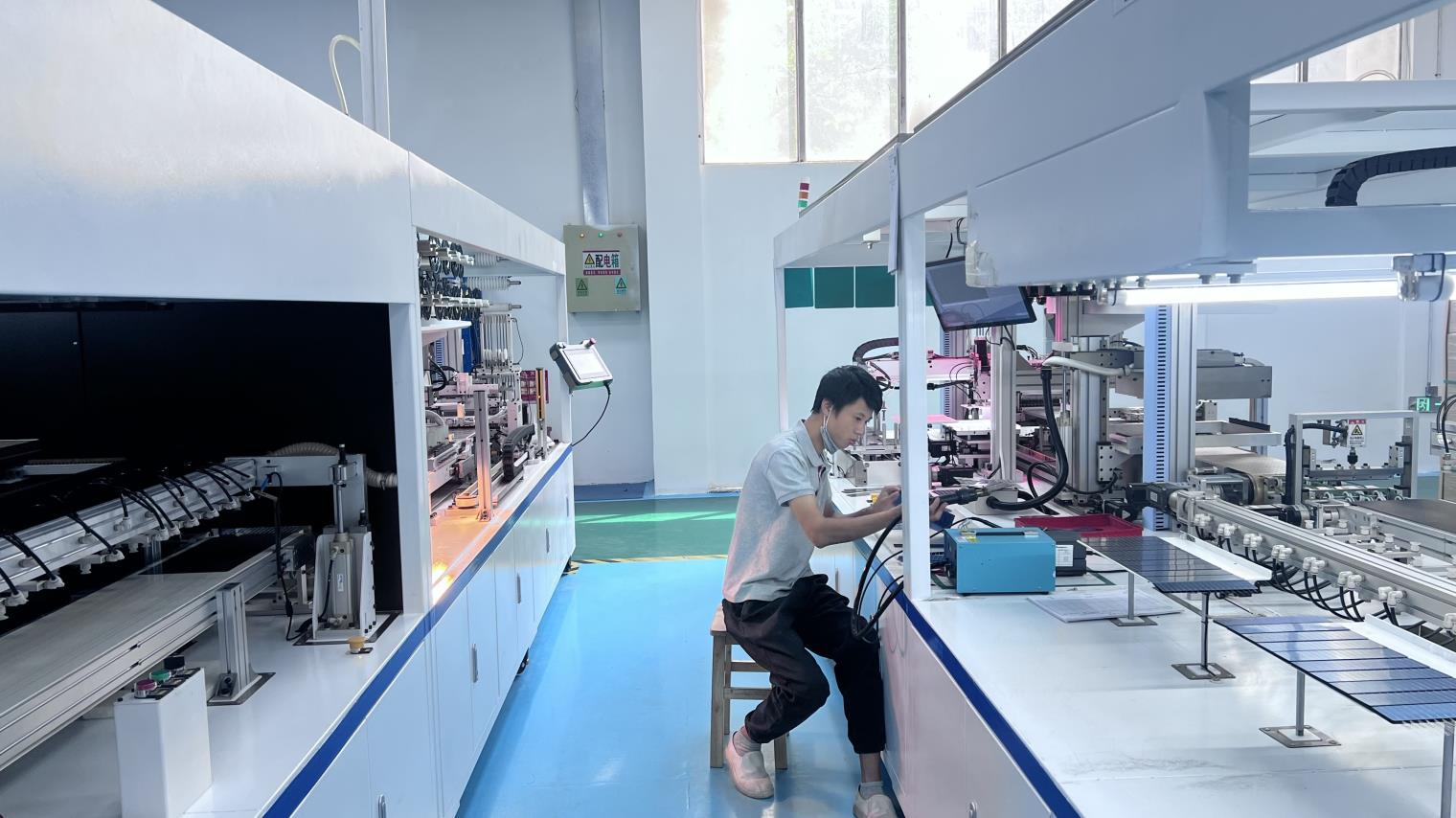
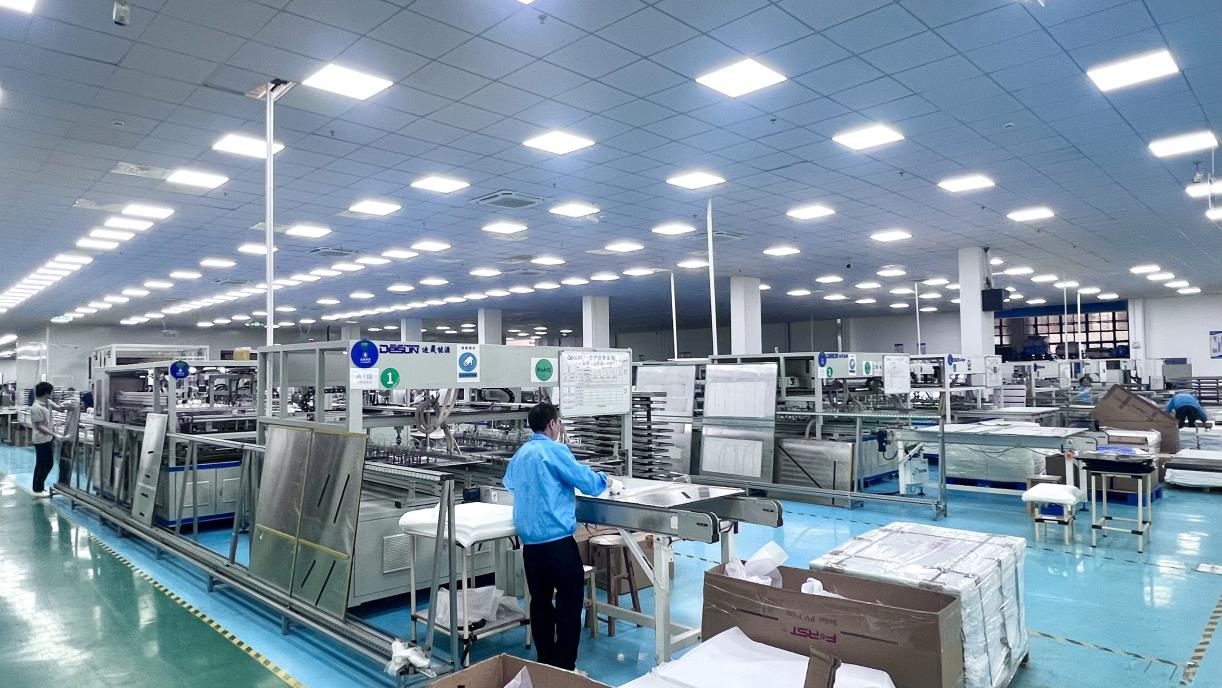
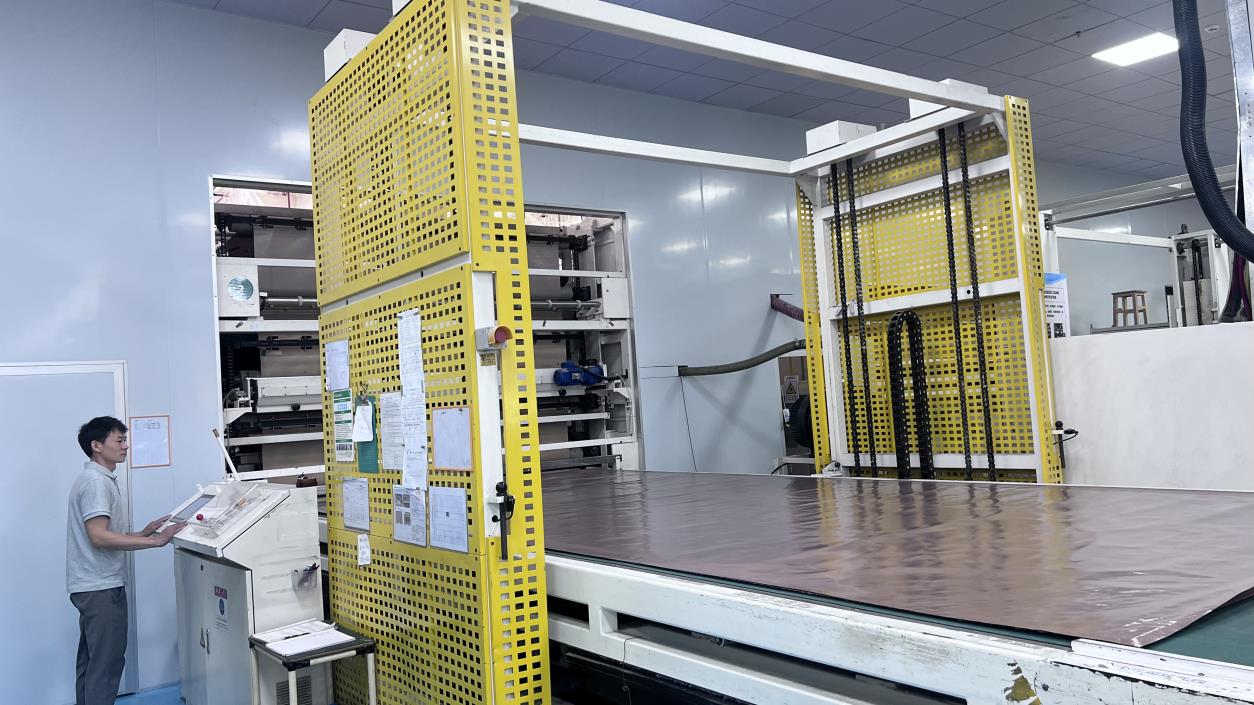
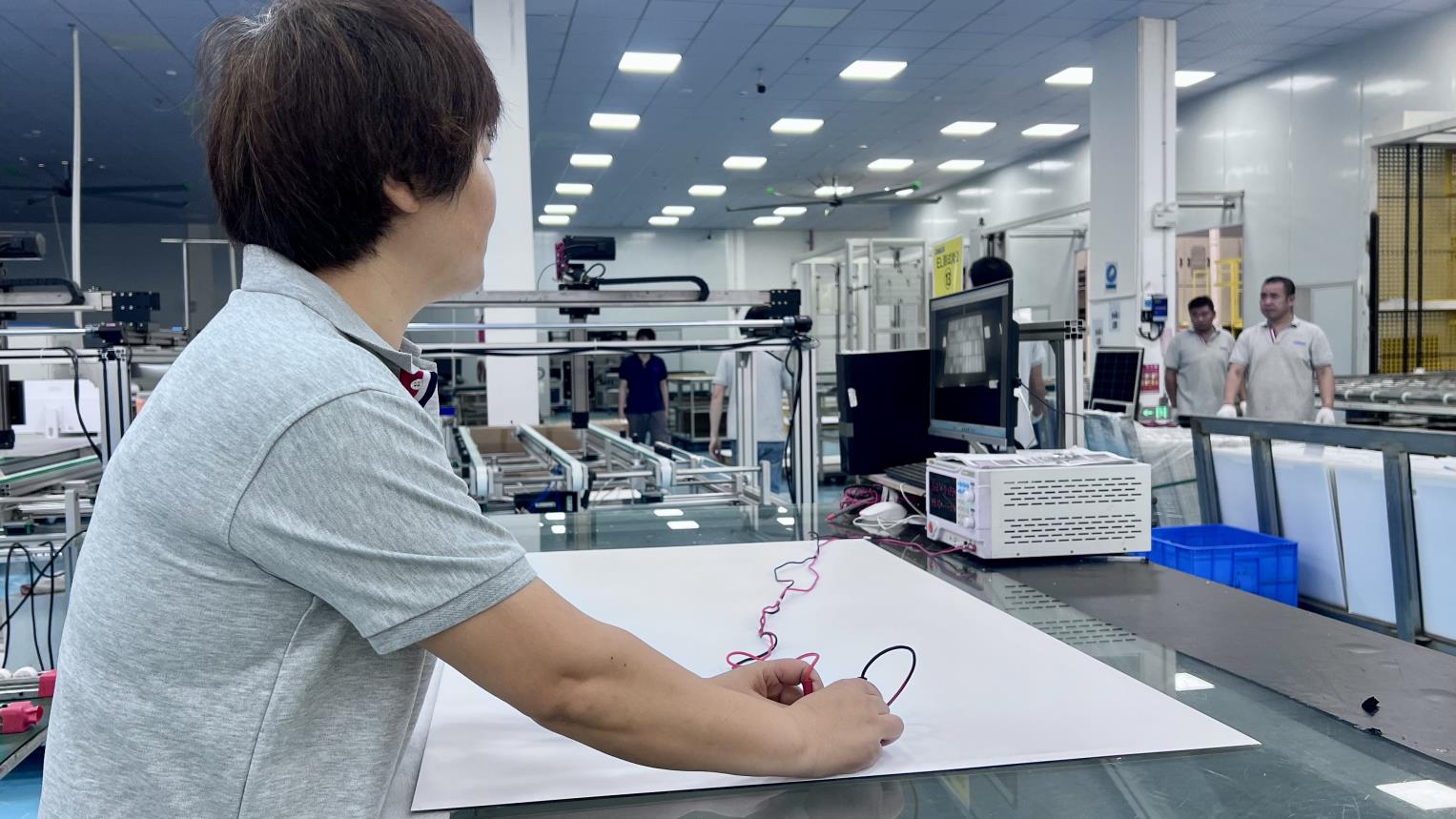
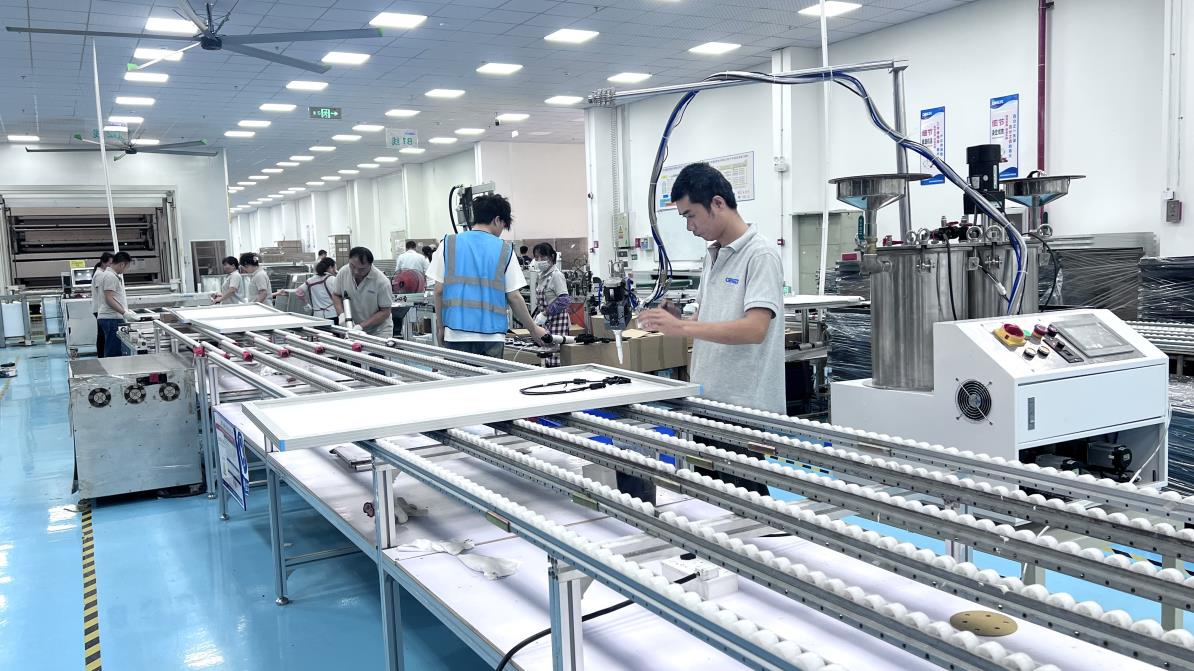
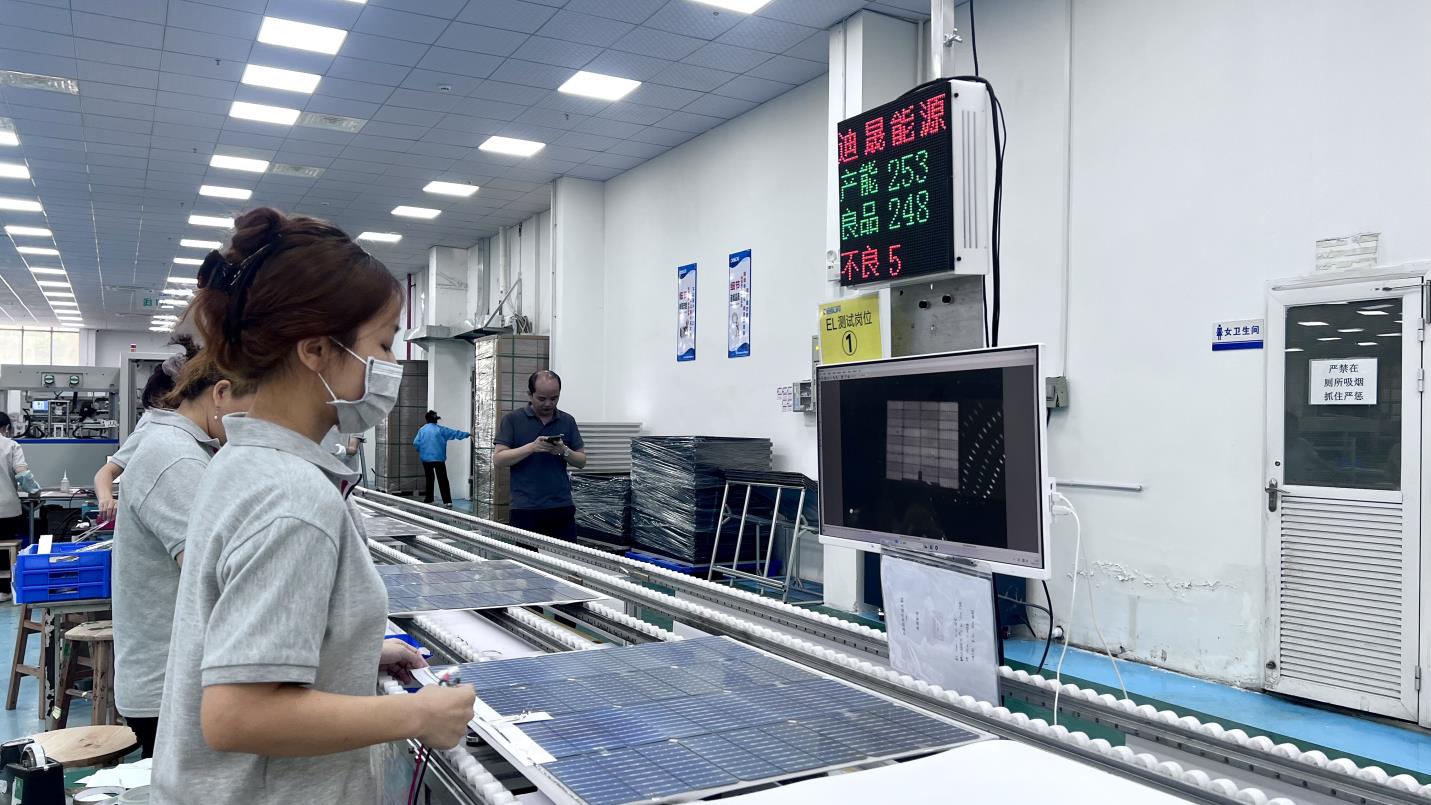
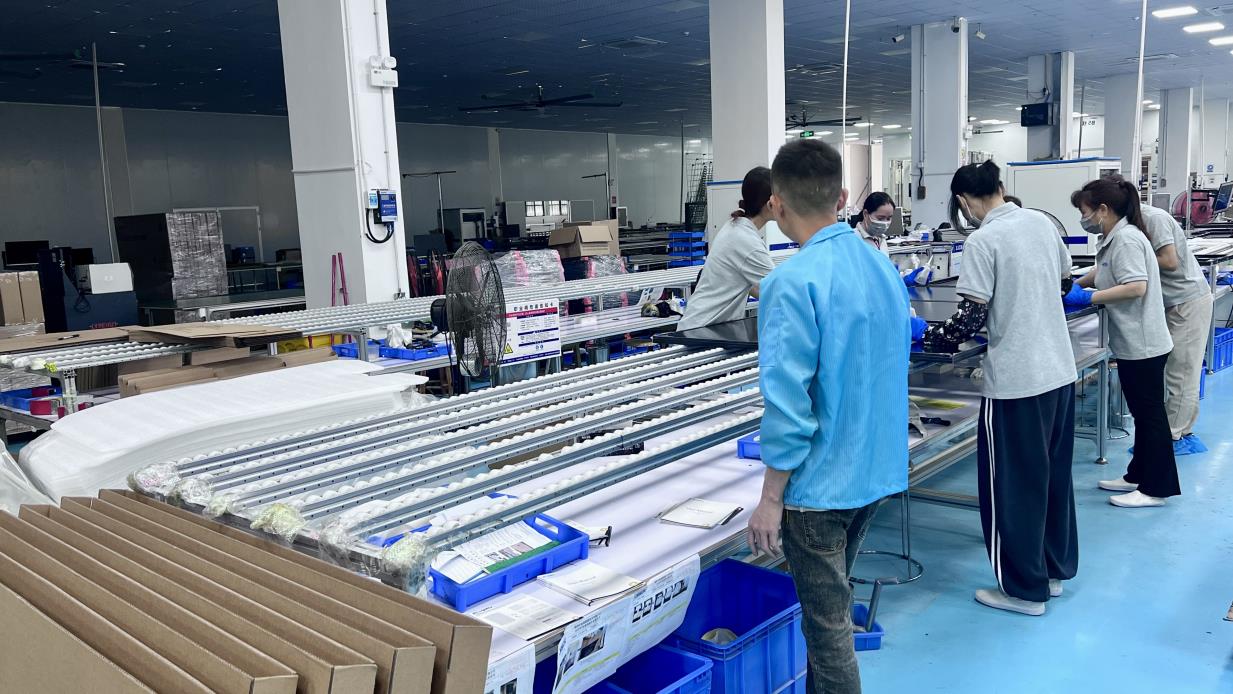
Xiamen ConTech Solar Co., Ltd. — Your trusted clean energy partner for global supply chains.
Xiamen ConTech Solar Co., Ltd. is a professional high-tech enterprise specializing in the research, development, production, and sales of solar energy products. Since its establishment, the company has been committed to providing efficient, reliable, and environmentally friendly solar solutions to customers worldwide. Guided by the business philosophy of “Innovative Technology, Superior Quality, and Sustainable Development,” ConTech Solar continuously strengthens its technological innovation and product development capabilities.
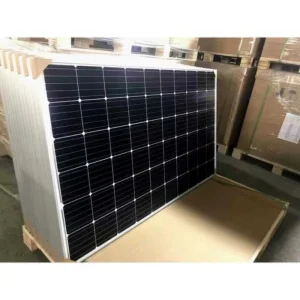
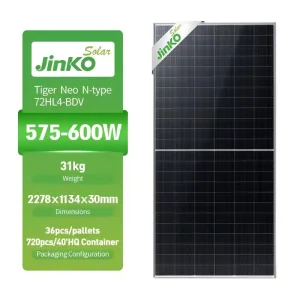
With a strong R&D team and advanced manufacturing technology, Xiamen ConTech Solar Co., Ltd. mainly produces solar panels, solar controllers, solar energy systems, and related photovoltaic products. These products are widely used in residential rooftops, commercial and industrial solar projects, large-scale photovoltaic power stations, agricultural applications, street lighting systems, and off-grid energy solutions.
The company is equipped with advanced production facilities and strict quality control systems to ensure the stability and reliability of every product. ConTech Solar has established a comprehensive quality management system and continuously improves production efficiency and product performance to meet international standards and customer requirements.
Adhering to the principle of “Customer First, Quality Foremost,” Xiamen ConTech Solar Co., Ltd. has earned a strong reputation in both domestic and international markets through competitive pricing, professional technical support, and excellent after-sales service. The company actively promotes green energy development and strives to contribute to global sustainable energy solutions.
Looking ahead, Xiamen ConTech Solar Co., Ltd. will continue to focus on innovation, expand its global market presence, and build long-term partnerships with customers around the world for mutual growth and success.
Exploring the boundaries of solar thermal conversion and smart grid storage.
Phase Change Materials (PCM) absorb latent heat at specified temperature limits, keeping storage tanks insulated far longer and maximizing heat retention by up to 40% compared to traditional water layers.
Cloud-connected control stations dynamically monitor flow rates, ambient temperature, and heat absorption efficiency, feeding data directly to building management systems for remote maintenance.
Developing ultra-lightweight hybrid panels that capture infrared light for hot water while visible spectrum rays generate electrical currents, achieving unprecedented total surface area efficiency.
Technical answers to key sourcing and design queries concerning industrial & residential solar heaters.
High-quality solar water heaters, especially closed-loop systems built with stainless steel SUS316L or enamel-coated internal tanks, generally have an engineering design life of 15 to 25 years. This longevity relies heavily on conducting periodic maintenance, including the biannual inspection and replacement of the sacrificial magnesium anode rod to prevent galvanic corrosion inside the tank.
Split pressurized systems protect against freezing through an indirect heat exchange method. An anti-freeze heat transfer fluid, typically non-toxic propylene glycol mixed with water, circulates through the solar collector loops on the roof. This fluid absorbs heat and transfers it to the potable domestic water in the storage tank via a copper internal coil heat exchanger, ensuring stable operation even in sub-zero environments.
Yes. Modern commercial and residential hot water designs frequently use hybrid configurations. The solar collector acts as the primary heat source, raising incoming cold water to intermediate or target temperatures. When solar radiation is insufficient, the intelligent control system switches on auxiliary sources like heat pumps or gas boilers to complete the heating cycle, maximizing efficiency and minimizing operating costs.
For European markets, Solar Keymark certification is standard, verifying compliance with EN 12975 and EN 12976 testing standards. For North American distribution, SRCC (Solar Rating & Certification Corporation) OG-100 and OG-300 certifications are essential. These certifications ensure compliance with safety, performance, and reliability standards, and are often required for national solar rebate programs.
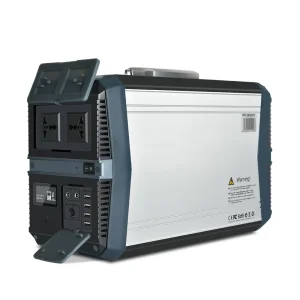
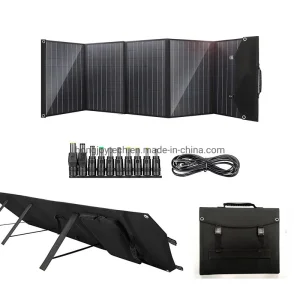
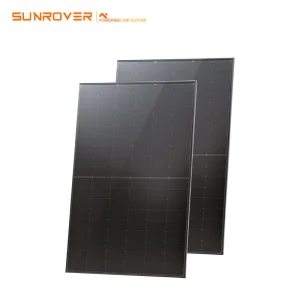
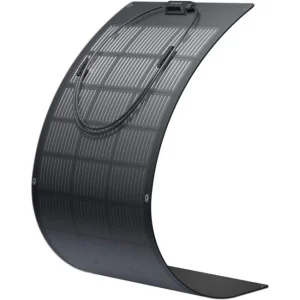
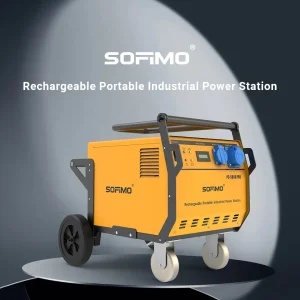
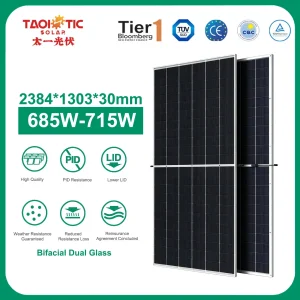
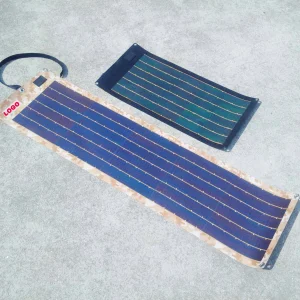
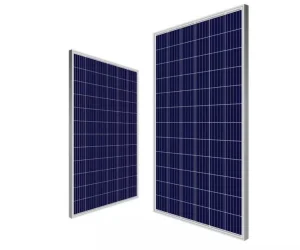
Discover additional flexible solar technologies and portable power stations to complete off-grid power requirements.
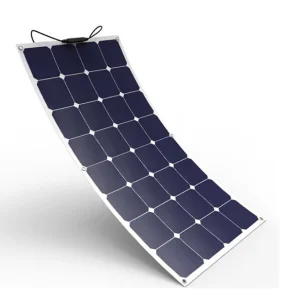
 ConTech Solar