Premium solutions specifically recommended for urban residences and off-grid facilities in Juba and regional South Sudan capitals
Years of R&D Experience
Cell Conversion Efficiency
Wind Load Tested Brackets
Countries Exported Globally
South Sudan exhibits one of the most challenging utility environments in East Africa, with utility grid availability localized exclusively around parts of Juba and minor administrative centers. According to the World Bank and USAID, grid access remains below 2% nationwide. For commercial organizations, international NGOs, and private residents, fuel-driven diesel generators represent the primary source of electrical energy. This reliance exposes enterprises to volatile fuel pricing, logistical delays at border crossings, and high maintenance overheads.
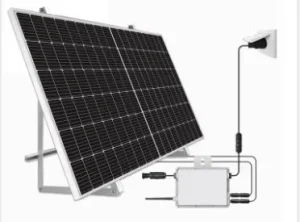
The introduction of modular balcony solar systems and off-grid hybrid setups presents a disruptive paradigm shift. Engineered for high efficiency, space constraint optimization, and rapid user deployment, balcony solar systems allow tenants, business owners, and regional relief centers to generate clean power right from their exterior railings, walls, or patios. Because they require no major rooftop retrofits or structural overhauls, these systems bypass the traditional real-estate obstacles associated with centralized solar arrays, providing immediate localized energy security.
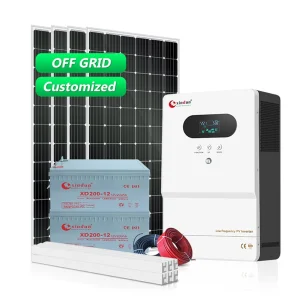
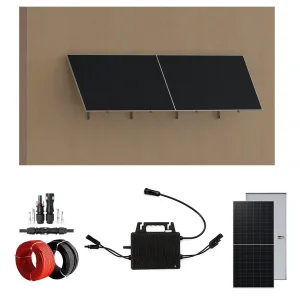
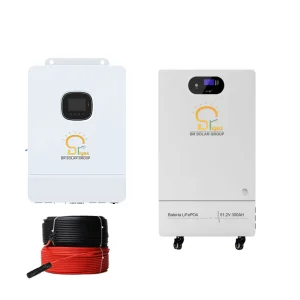
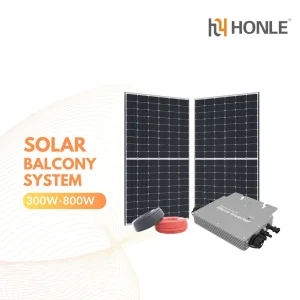
As a leading solar balcony mounting system exporter, Xiamen ConTech Solar Co., Ltd. addresses the distinct geographic and financial demands of the South Sudan market. We configure our balcony solar kits with integrated microinverters and optional lithium-iron-phosphate (LiFePO4) storage options to capture high daily irradiance levels while offering reliable power backup during the grid-absent evening hours.
• Zero Fuel Dependency: Eliminates continuous operational costs associated with diesel transport and storage in remote states like Jonglei, Upper Nile, or Unity.
• Space Efficiency: Perfect for urban Juba apartments, temporary housing compounds, and container-based remote NGO offices.
• Rapid Deployment: Plug-and-play connections drastically reduce local installation labor costs and electrical engineering requirements.
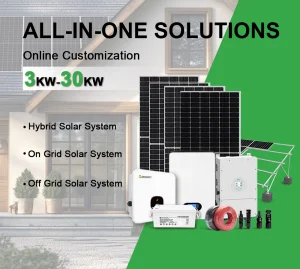
• Scalable Power: System components can be easily expanded from a basic 600W system to a comprehensive 15kW residential hybrid plant as load requirements expand.
How our technology withstands the high ambient temperatures and dust conditions of South Sudan
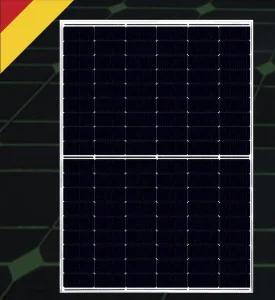
South Sudan experiences high temperatures, often exceeding 40°C. Standard PV panels degrade in efficiency under high heat due to their temperature coefficients. ConTech solar panels utilize advanced N-Type TOPCon cells with a lower temperature coefficient (-0.30%/°C), preserving power output under intense solar radiation.
Dust storms during the dry season can severely affect mechanical performance and electrical contacts. Our micro-inverters and batteries are rated IP67/IP65, ensuring that fine dust particles and heavy rains cannot penetrate the electrical enclosures, preventing short circuits and corrosion.
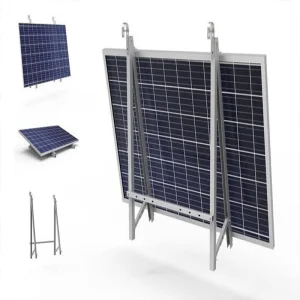
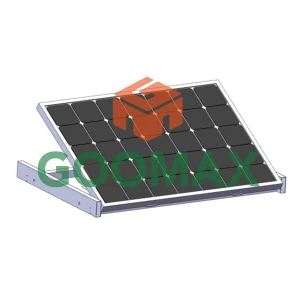
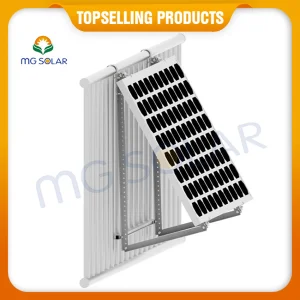
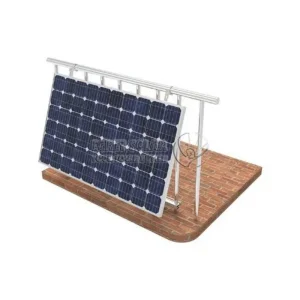
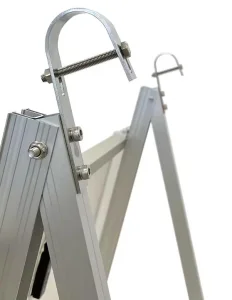
South Sudan's geographical location near the equator requires specialized tilt brackets to optimize the angle of incidence. Our adjustable balcony brackets (constructed from high-strength anodized aluminum AL6005-T5) allow tilt adjustments from 0° to 60°, accommodating specific structural and seasonal needs.
Engineered brackets and high-capacity storage combinations for robust local installations
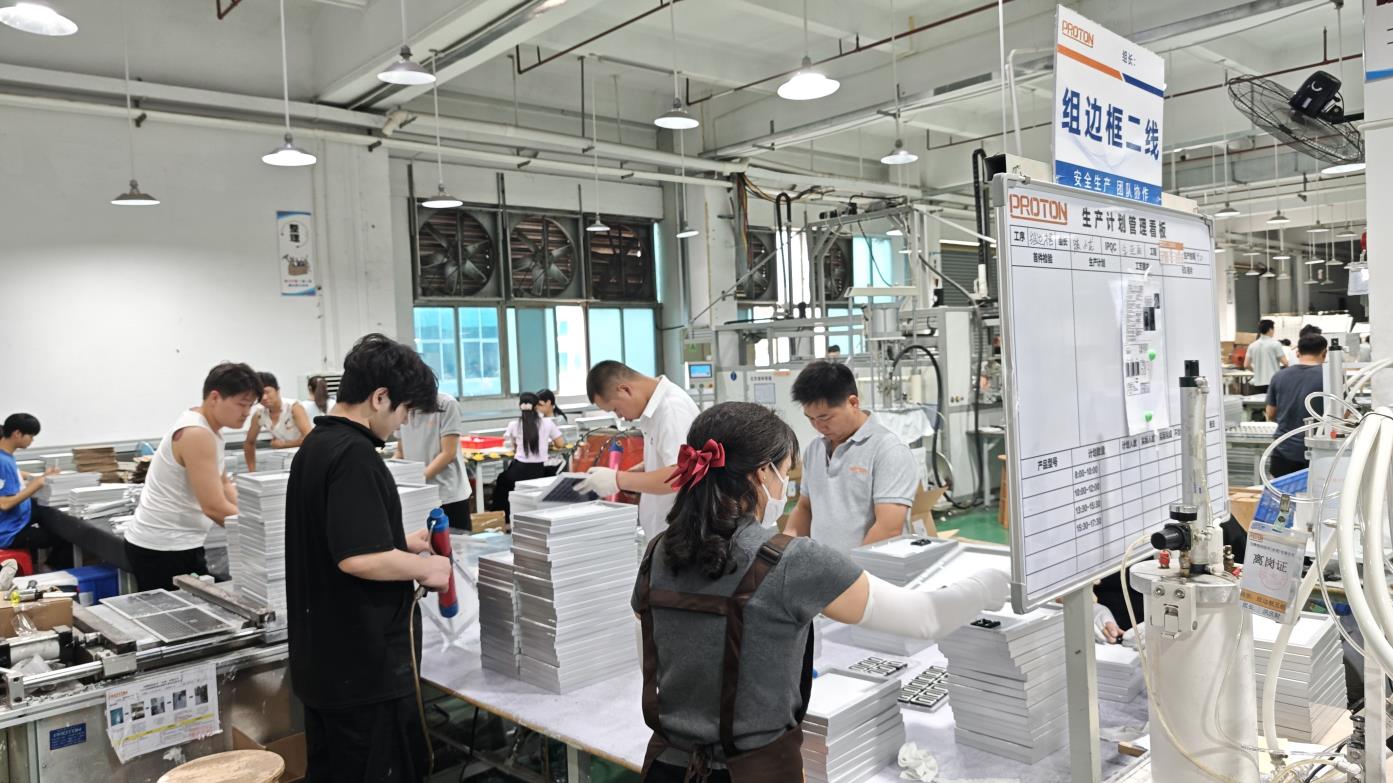
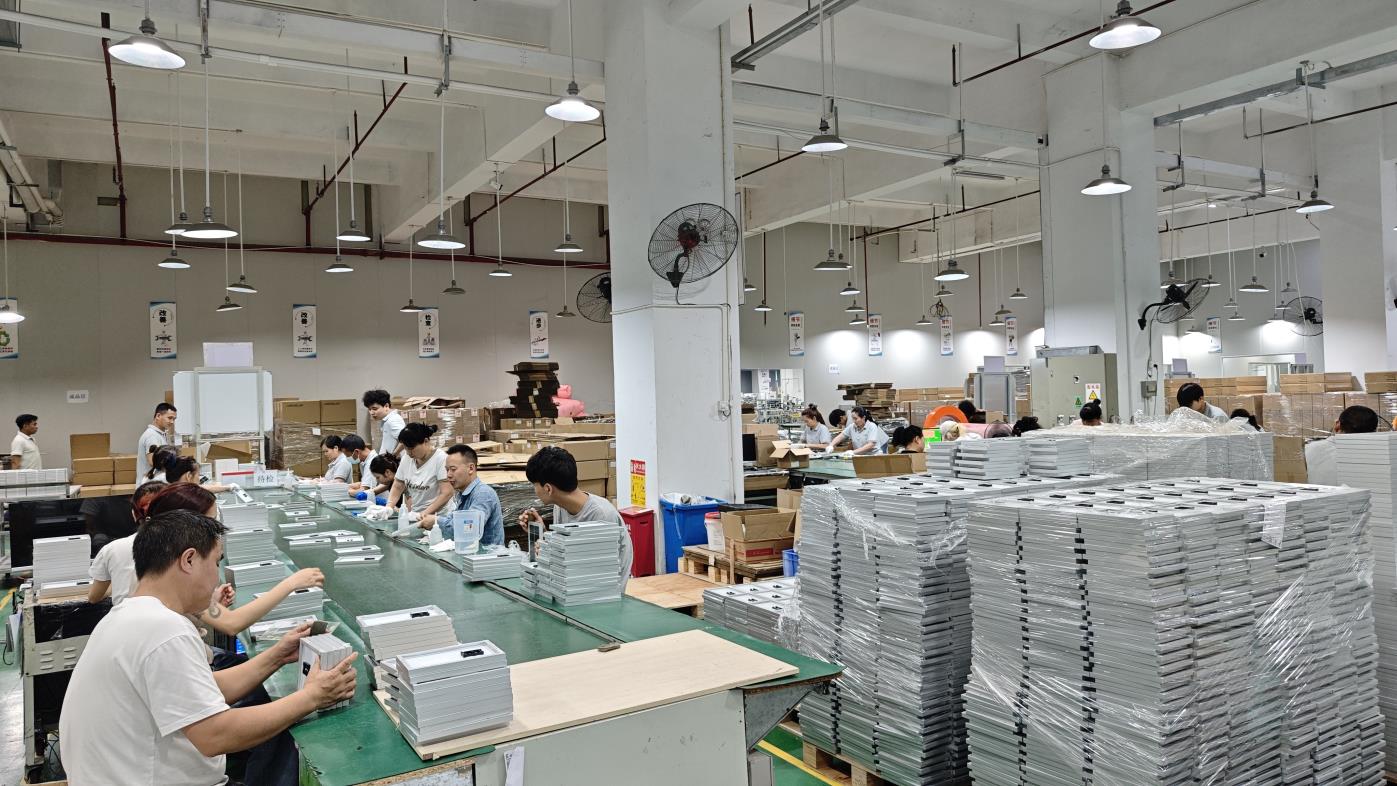
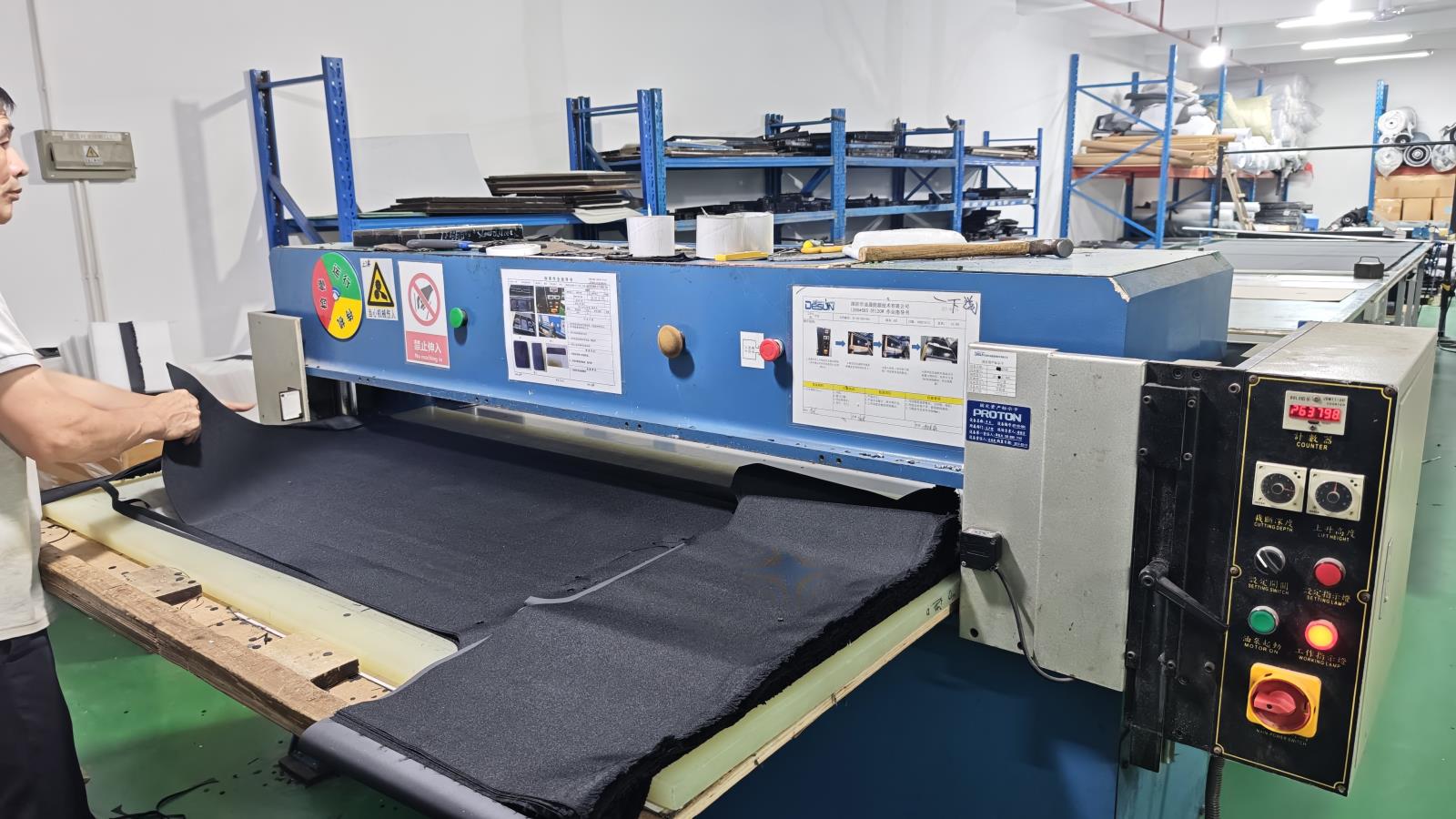
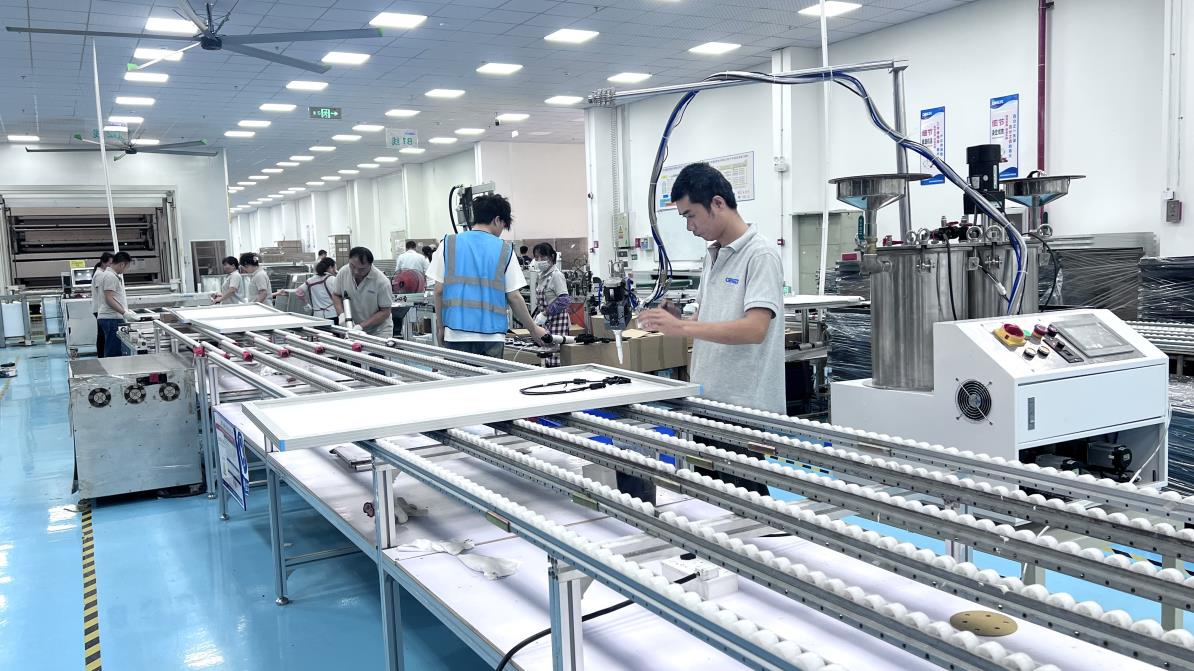
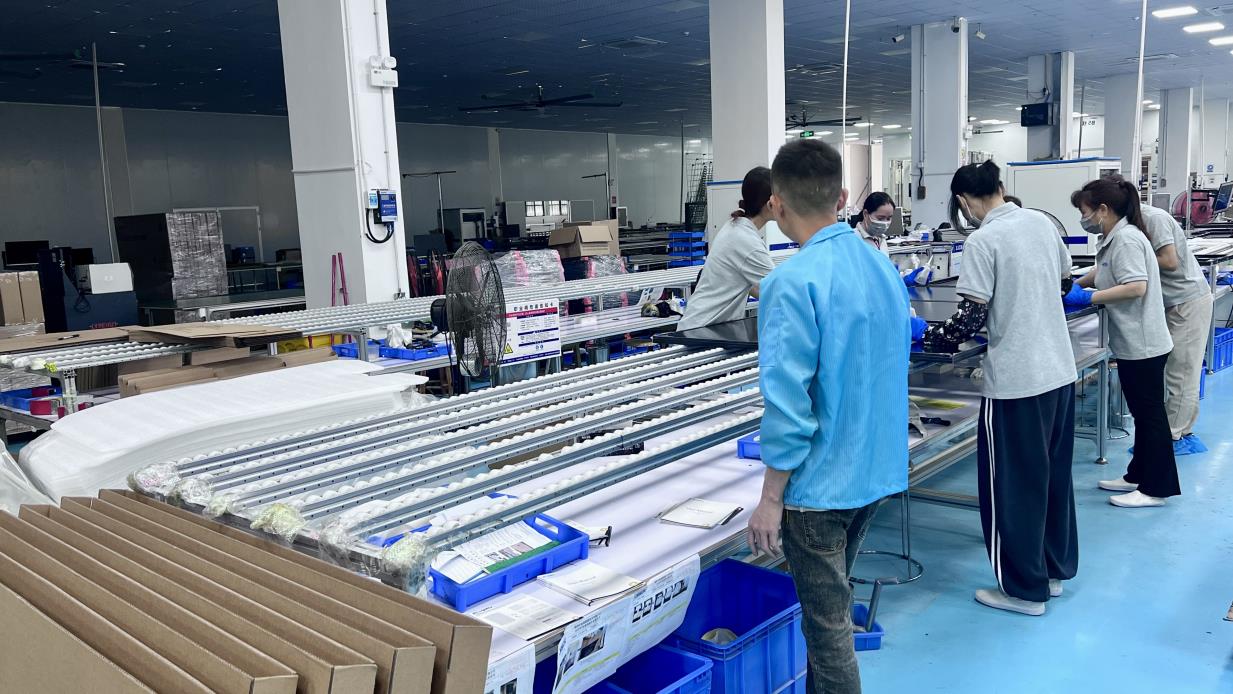
Xiamen ConTech Solar Co., Ltd. operates a high-tech manufacturing facility specializing in high-performance solar energy solutions. From initial raw material validation to final product testing, our vertical production integration ensures high quality standards and cost efficiencies for global bulk importers.
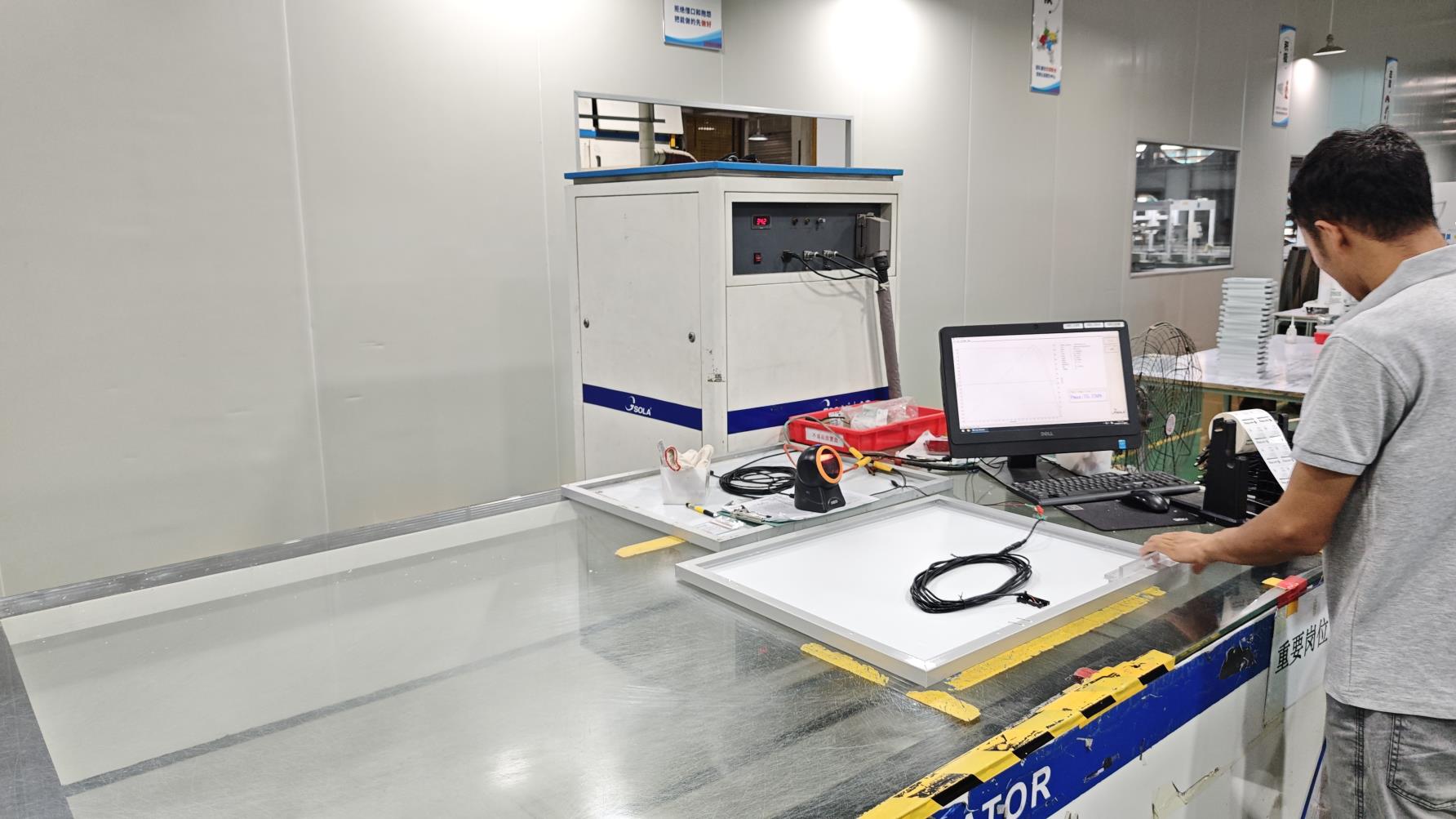
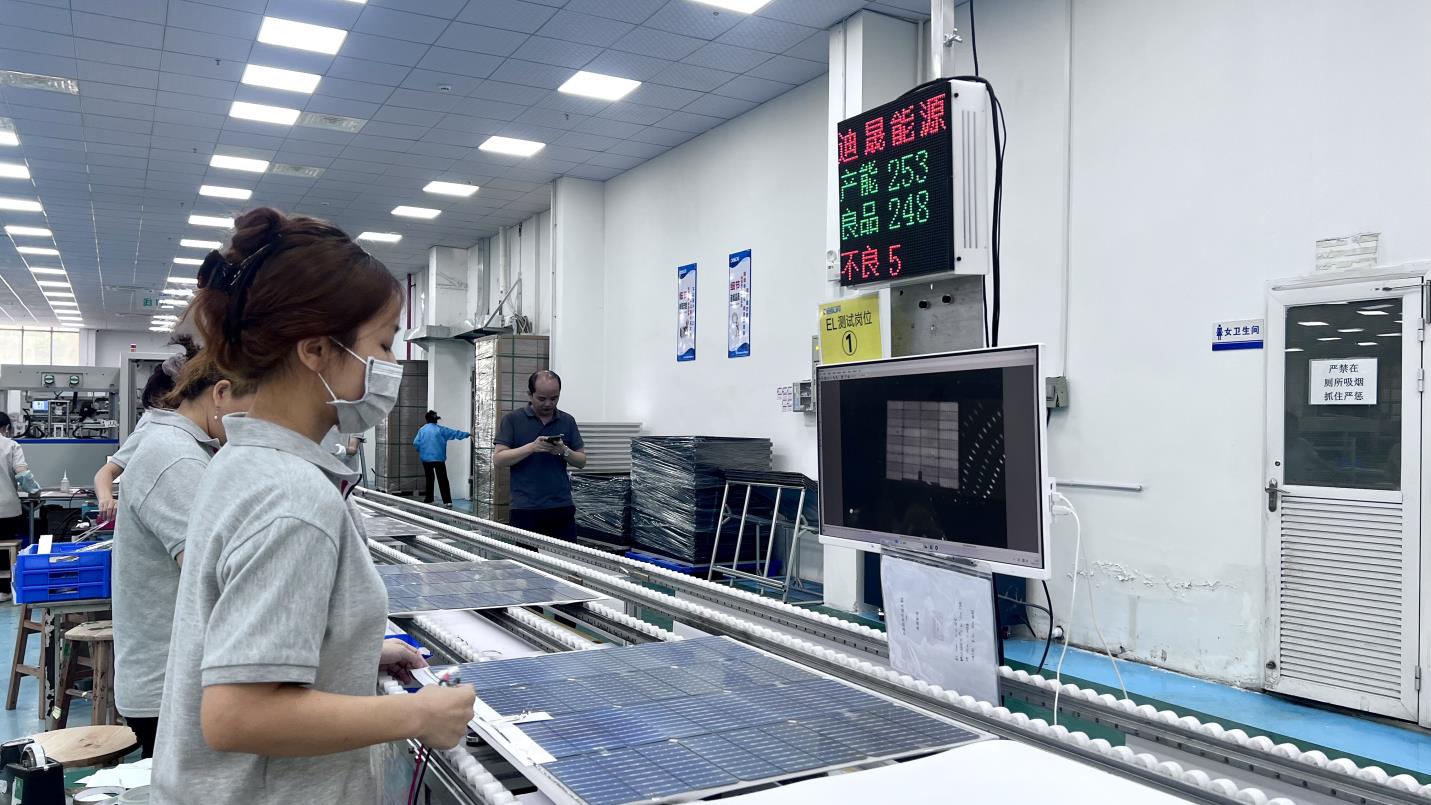
Our facility utilizes advanced surface mount technology (SMT) lines, high-precision automated string welding, and vacuum lamination processes. To prevent micro-cracks and potential cell failures, our products undergo automated two-stage electroluminescence (EL) testing—once before final lamination and again prior to final packaging.
By bypassing intermediaries, South Sudanese distributors, NGOs, and local contractors acquire commercial grade solar hardware directly from the manufacturer. This ensures product reliability, complete technical documentation, and access to replacement components.
Our quality management systems adhere to international photovoltaic standards, including CE, IEC 61215, IEC 61730, and ISO 9001. We maintain a reliable supply chain, securing high-quality silicon cells, tempered glass, EVA encapsulation, and anodized aluminum profiles. This enables us to maintain consistent production schedules and reliable lead times, even during periods of global supply volatility.
"Direct communication with our design engineers allows for custom mounting alterations, custom output configurations, and bespoke battery enclosures tailored for the unique requirements of the South Sudan B2B market."
Take a look inside the Xiamen ConTech Solar factory where our balcony solar systems are fabricated, inspected, and packed.
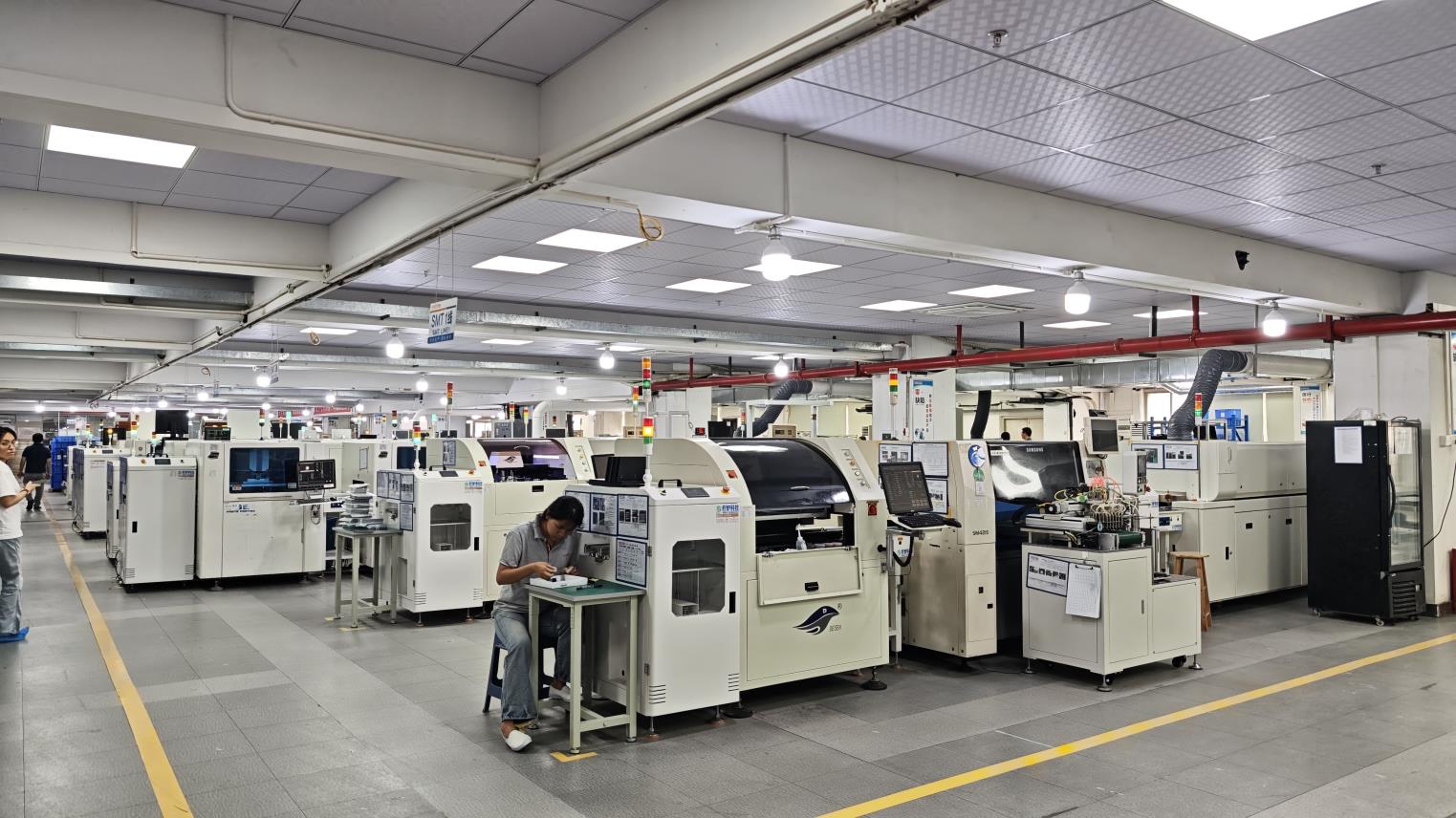
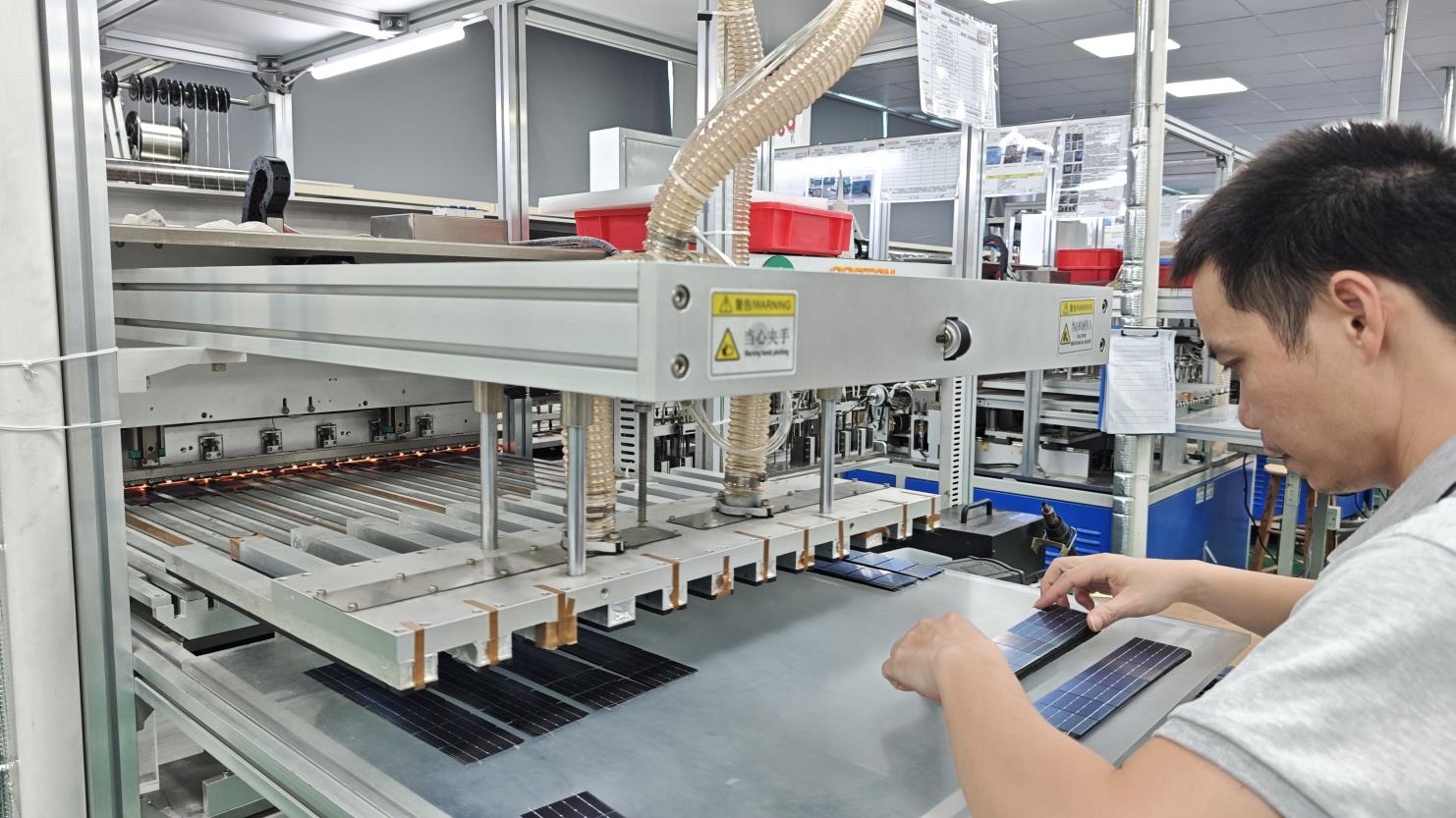
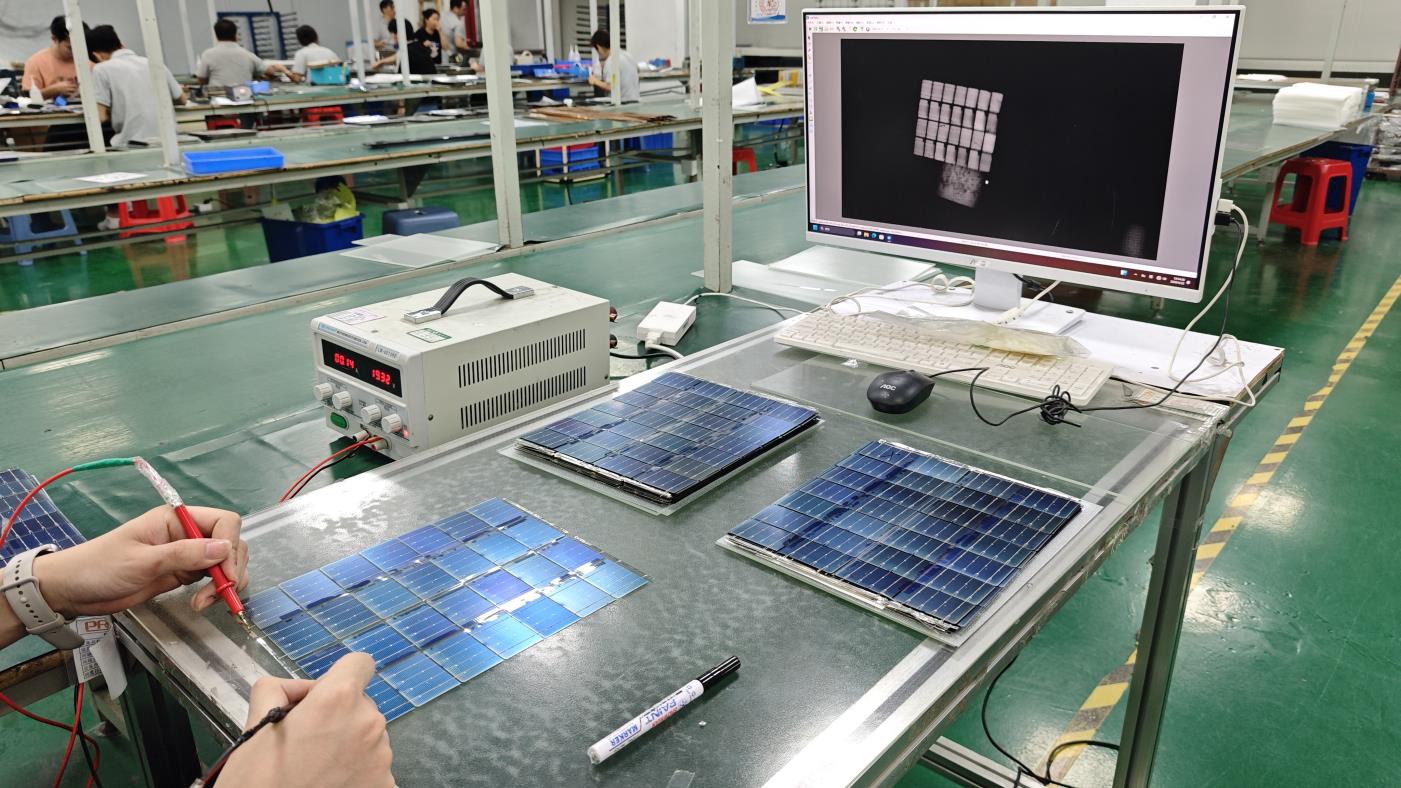
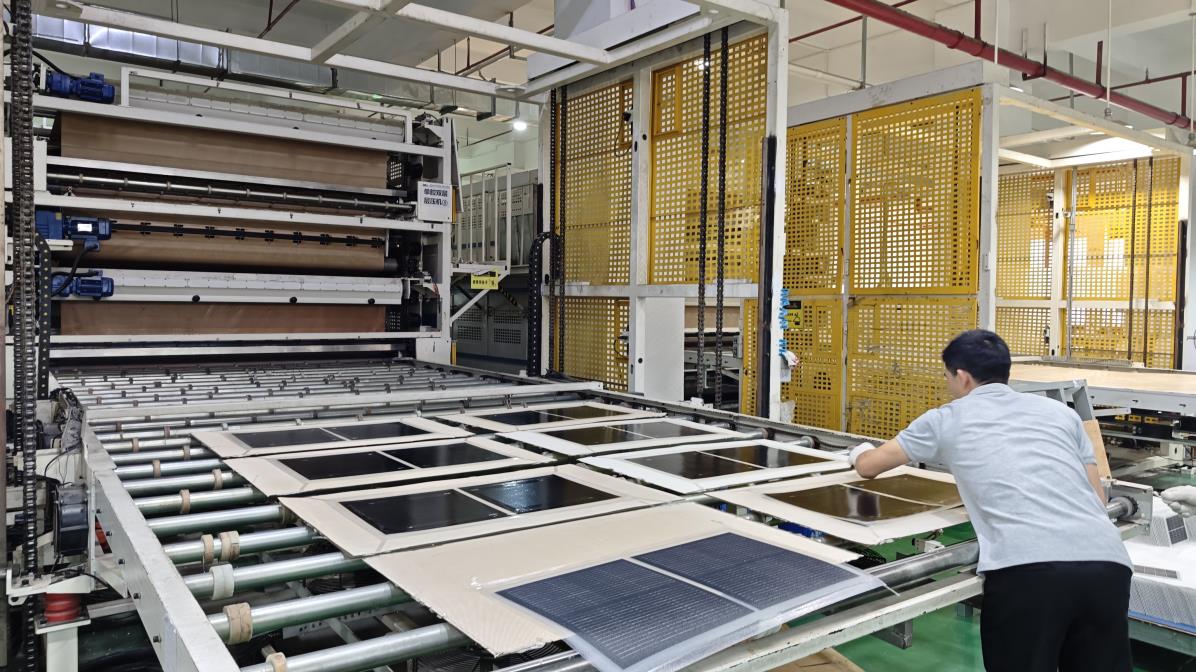
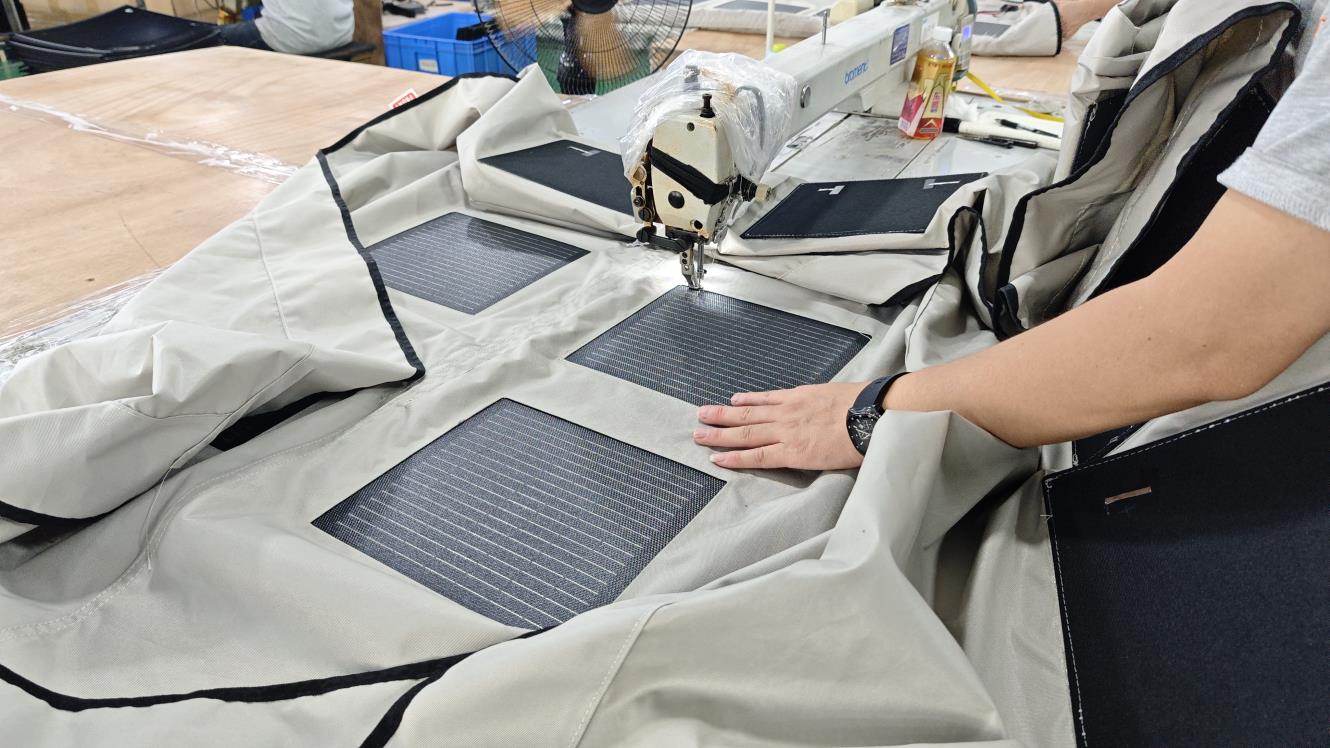
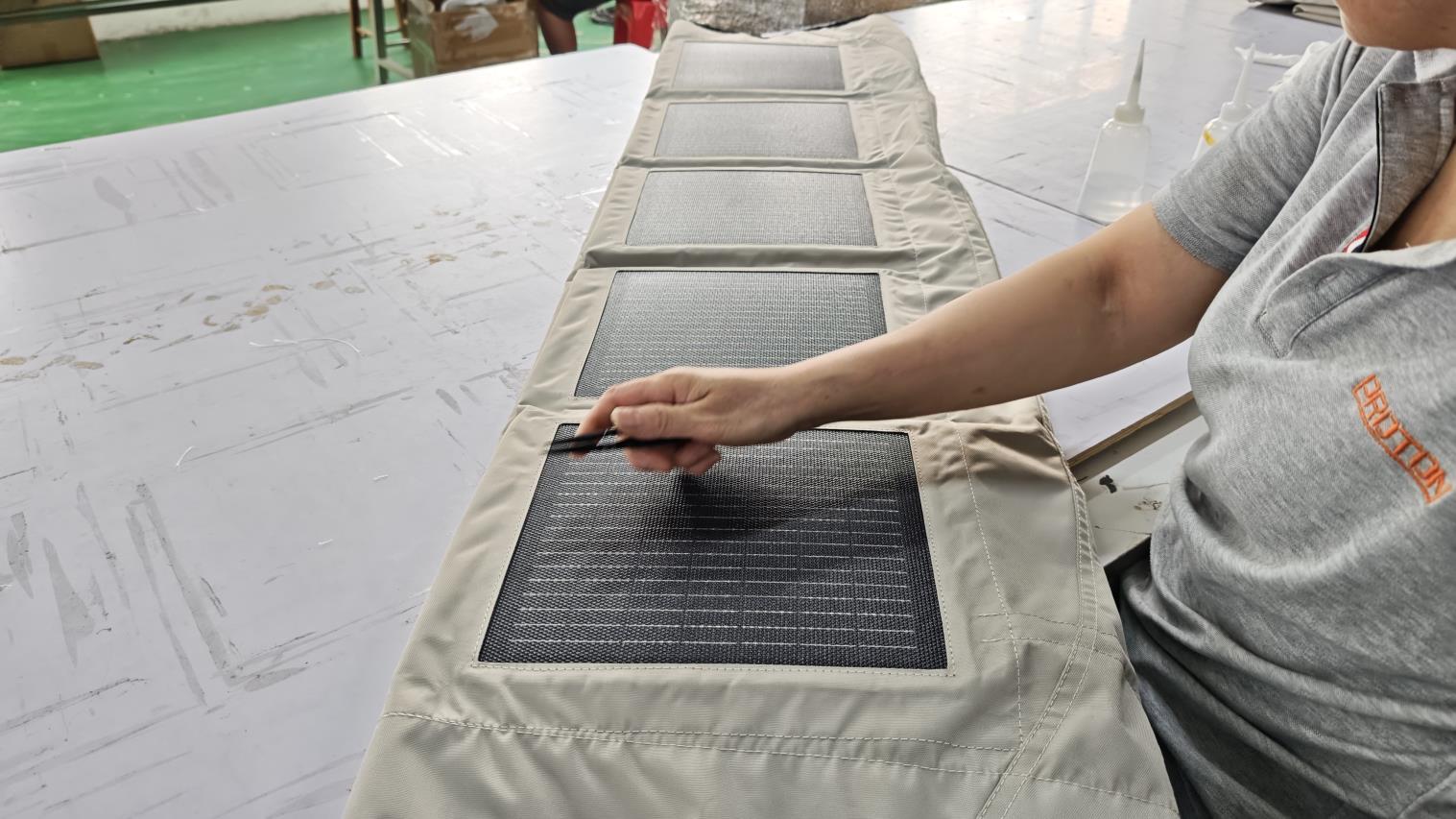
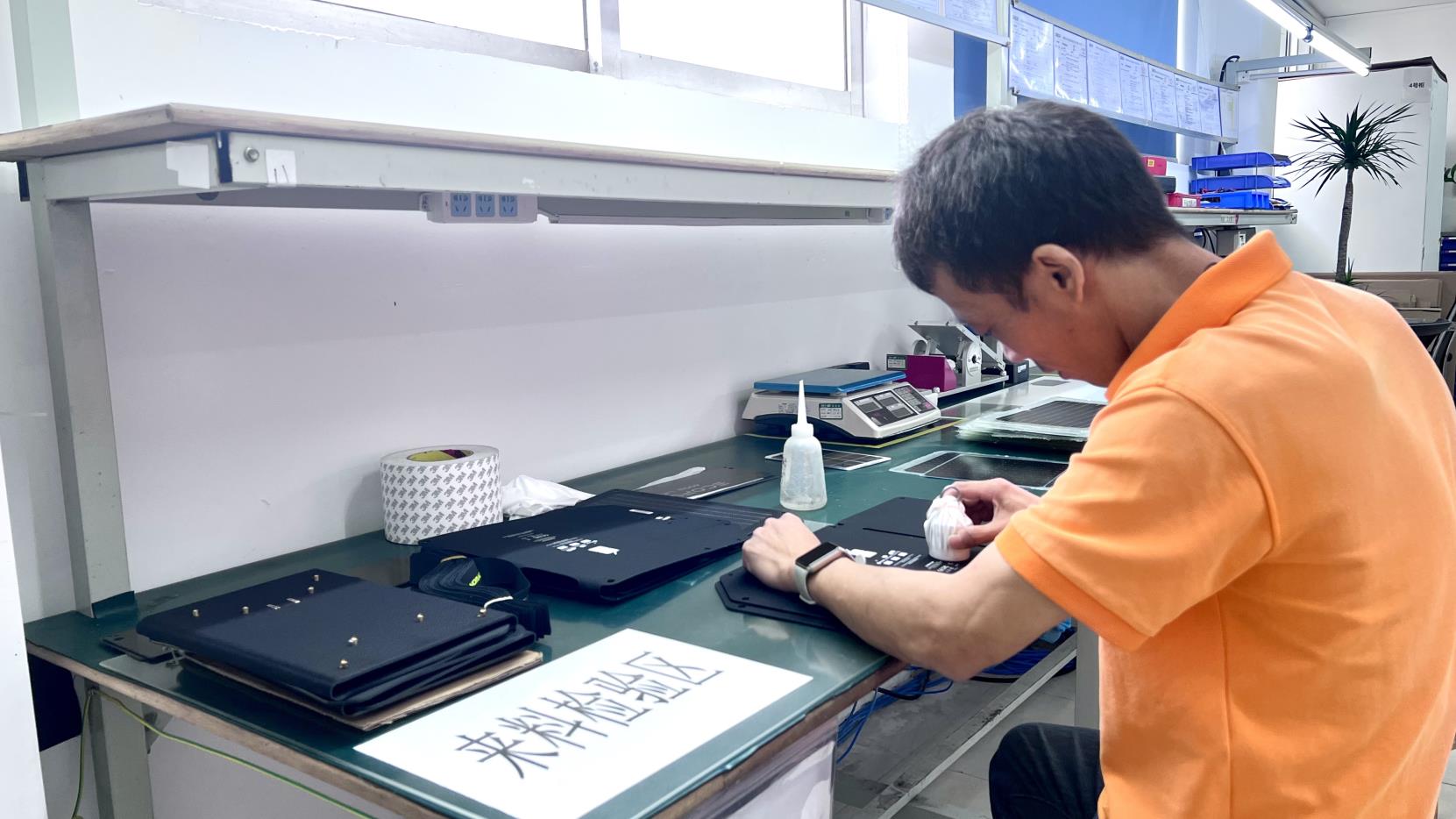
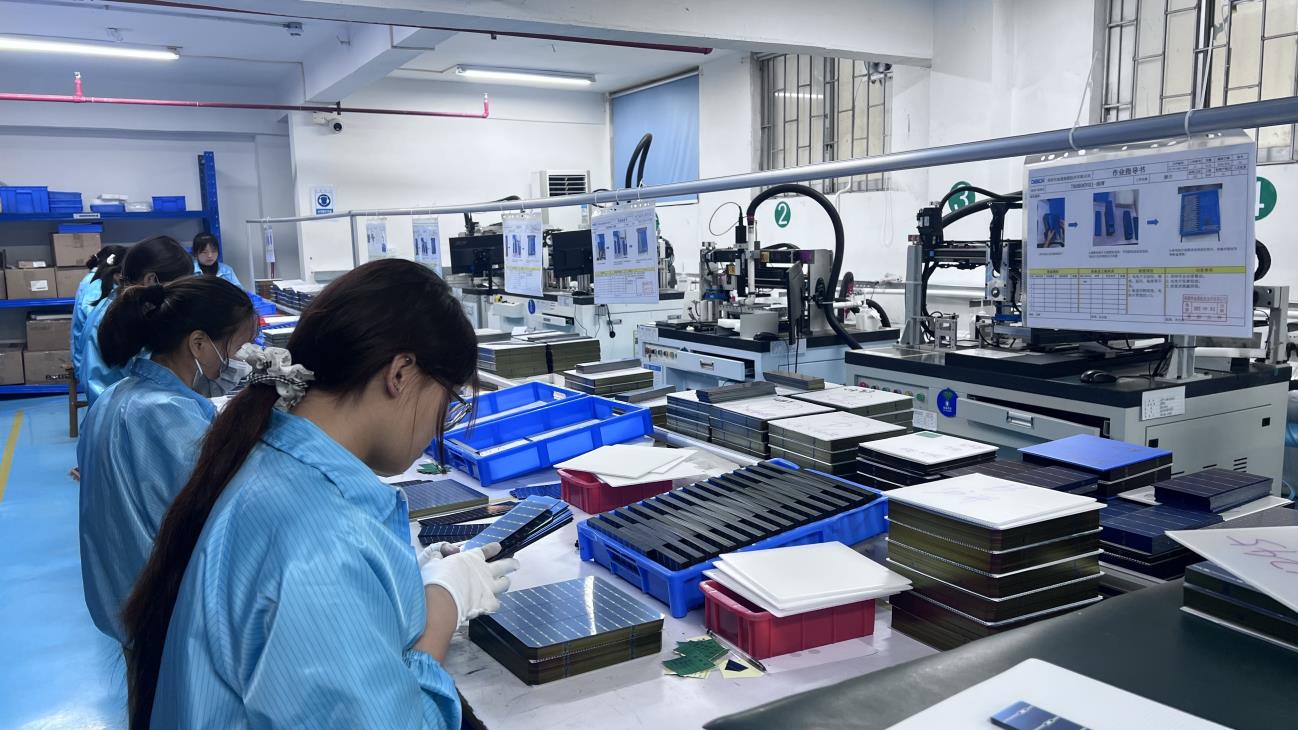
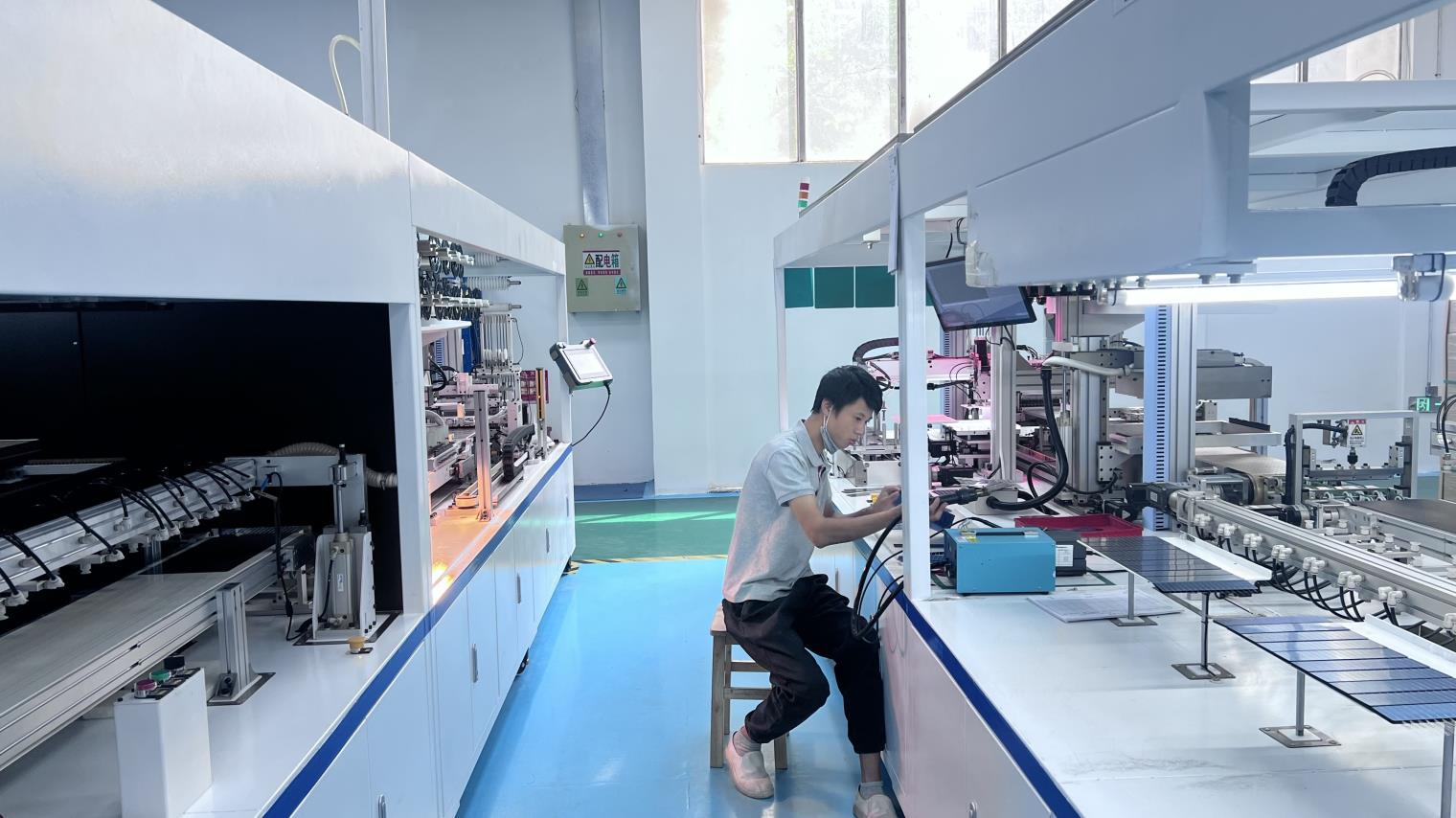
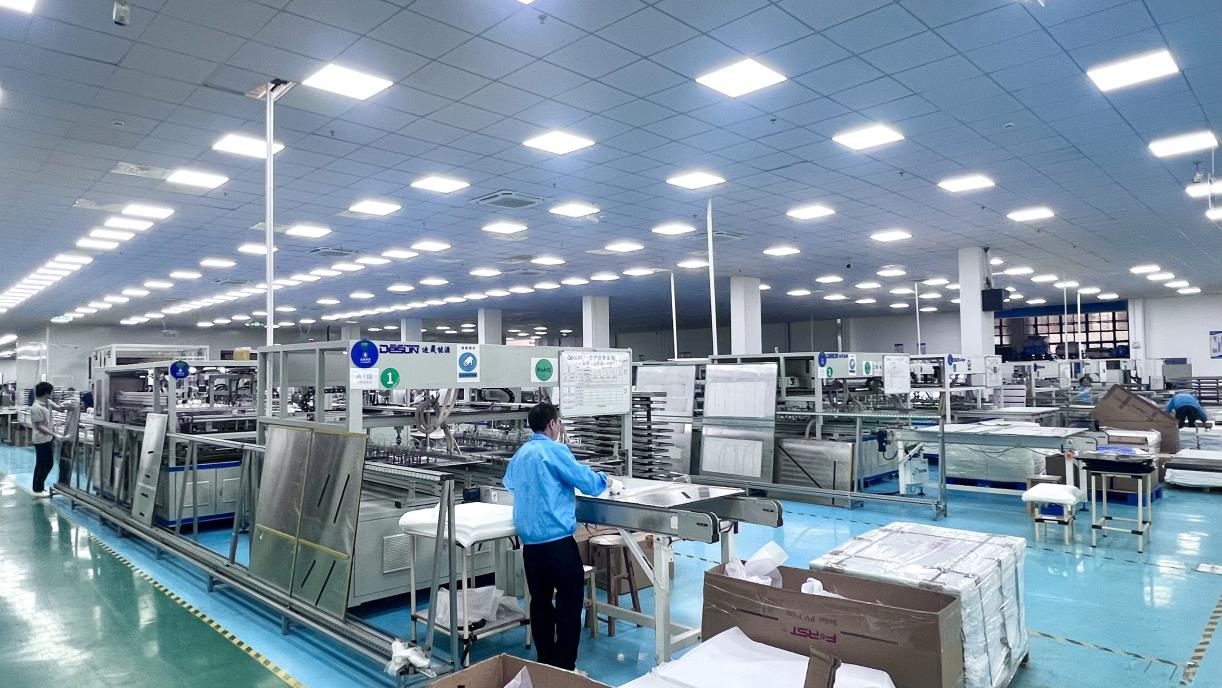
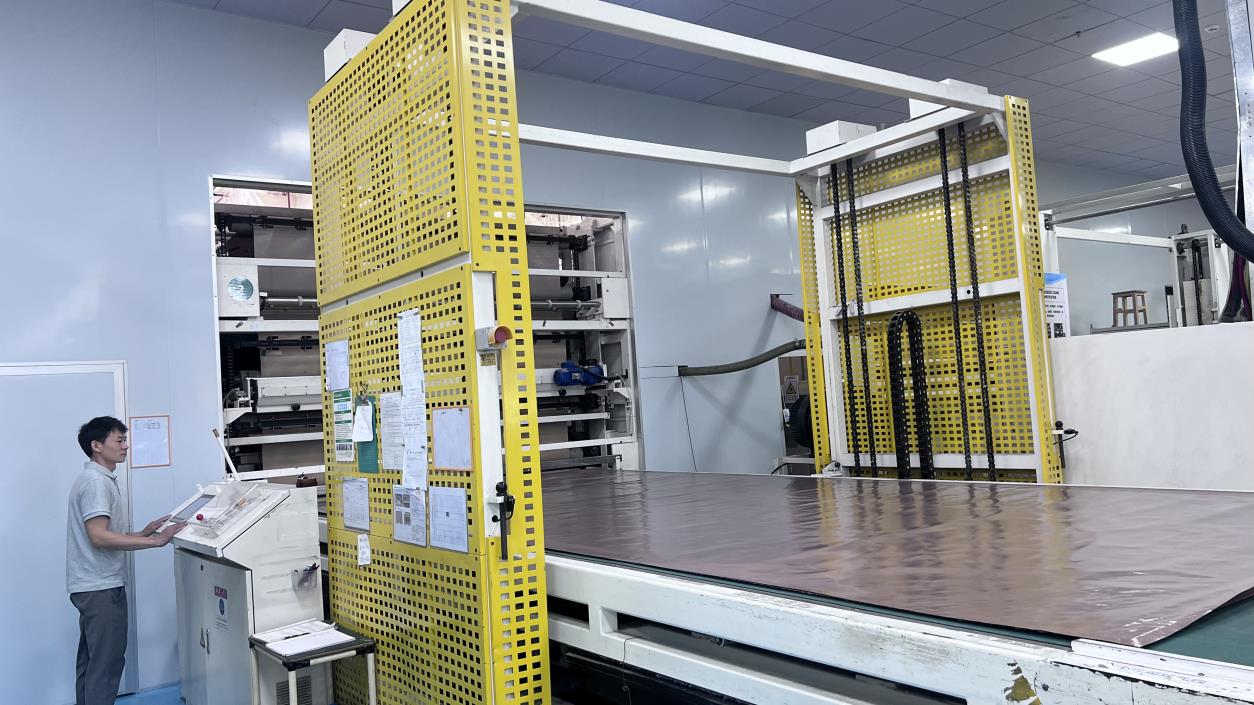
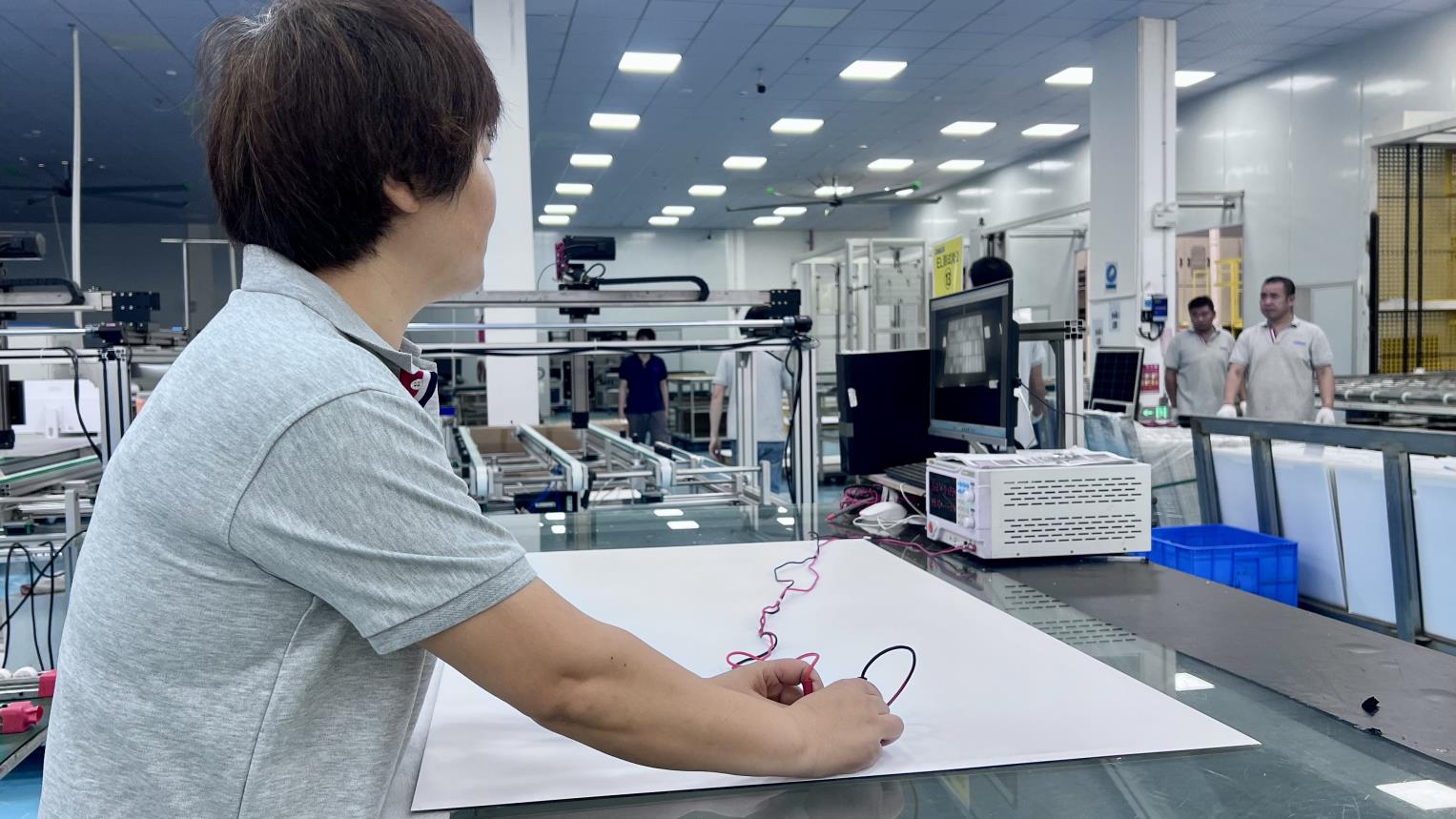
Transporting solar equipment to landlocked South Sudan requires thorough logistical planning and coordination. ConTech Solar has established direct transport pathways to ensure reliable deliveries to destinations such as Juba, Wau, Malakal, and Bentiu.
We routinely manage shipments via the East African Northern Corridor, utilizing sea freight from Xiamen Port to the Port of Mombasa, Kenya. From Mombasa, containerized shipments are routed through Uganda (via the Malaba or Busia border post) and enter South Sudan at the Nimule border terminal. We handle the required transit documentation and coordinate with regional customs clearing agents to minimize transit delays.
For large-scale institutional developments and NGO projects, we provide complete compliance documentation, including CE, TUV, IEC 61215/61730 certificates, and factory-authorized testing reports. We work with international inspection bodies (such as SGS and Intertek) to issue the Pre-Export Verification of Conformity (PVOC) certificate, facilitating local customs clearance.
Explore our complete range of high-efficiency PV kits, mounting brackets, and microinverter integrations
Custom setups designed to address regional energy challenges and remote operations
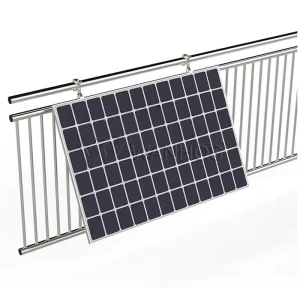
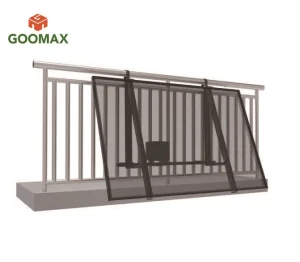
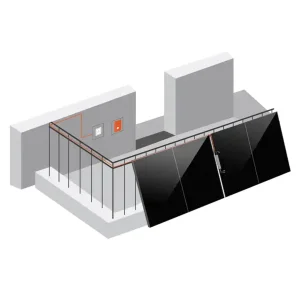
In high-density residential areas of Juba Town, Munuki, and Tongpiny, multi-story apartments and rented flats often lack dedicated roof access. Hanging balcony PV mounts enable tenants to secure solar modules onto concrete balconies or iron railings. When paired with compact, all-in-one lithium battery packages, these systems provide independent power for lighting, fans, refrigeration, and electronic devices, reducing reliance on neighborhood generator grids.
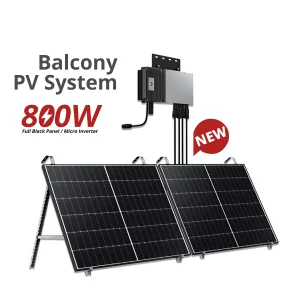
International agencies and NGOs operating in areas like Unity State, Malakal, and Bor require portable power options. Our lightweight, adjustable folding bracket kits and modular 800W systems can be mounted on metal containers or temporary shelters. These setups provide stable power for satellite communication equipment, medical cold chains, and laptops, simplifying logistics by eliminating constant diesel fuel shipments.
For commercial kiosks, pharmacies, and salons in local markets (such as Konyo Konyo), diesel generator runtime represents a major operational expense. Installing a 1000W to 3kW balcony solar array on store facades or exterior railings provides direct power during peak sunlight hours. This setup helps business owners offset fuel consumption and run appliances like vaccine refrigerators, computers, and diagnostic tools.
The East African renewable energy market is transitioning from basic solar lighting kits to larger, integrated solar-plus-storage installations. Driven by cellular expansions, rising urban populations, and high diesel prices, import trends show growing demand for reliable off-grid and hybrid systems. B2B buyers, importing distributors, and national projects are prioritizing durable battery options over older lead-acid configurations.
Lithium Iron Phosphate (LiFePO4) chemistry has become the preferred option for off-grid storage due to its thermal stability and long lifecycle. In high-temperature environments like South Sudan, LiFePO4 batteries retain their capacity longer than conventional AGM or gel options, lowering the total cost of ownership over a typical 10-year project timeline.
Additionally, decentralized solar regulations are evolving. The East African Community (EAC) has unified technical requirements, aligning panel testing and inverter grid-tie protocols with international IEC standards. Distributors sourcing balcony solar systems from China benefit from working with factories that provide complete certification suites, ensuring compliance at local entry points.
Clear, technical answers to common questions about importing, compliance, and installing solar systems in South Sudan
Whether you are a commercial distributor in Juba, an international procurement officer for an NGO, or a regional energy contractor, ConTech Solar provides factory-direct solar systems designed for durability and performance.
Send Inquiry Now ConTech Solar