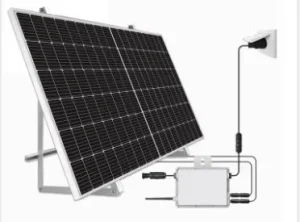
As Canadian municipalities move aggressively to hit carbon neutrality goals by 2050, the architectural envelope is shifting from passive structure to active generation assets. In cities such as Toronto, Vancouver, Montreal, and Calgary, high-density residential high-rises and commercial complexes hold vast amounts of unutilized vertical surfaces. Standard rooftop solar installations often present structural limitations or are rendered insufficient due to roof-allocated HVAC hardware. This is where engineered balcony solar systems step in as a critical vector for decentralized clean energy production.
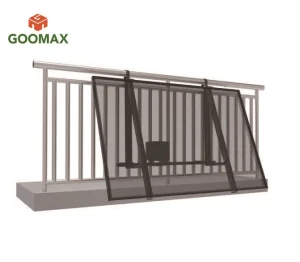
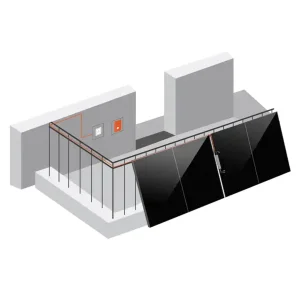
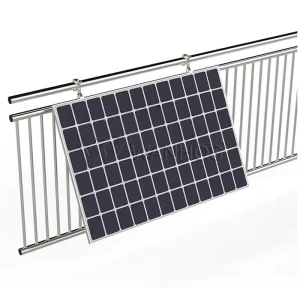
Integrating architectural photovoltaic solutions onto structural balustrades provides distinct advantages for Canadian real estate developers, building managers, and distributed energy partners. The vertical orientation of balcony solar panels aligns beautifully with low winter sun angles across Canada's higher latitudes, maintaining steady generation profiles during peak winter heating periods when traditional rooftop arrays might be compromised by snow coverage. High-performance multi-use mounting systems represent a monumental shift in maximizing structural utility and driving down local carbon offset costs.
Deploying photovoltaic systems across high-latitude regions like the Canadian provinces demands unparalleled mechanical and electrical resilience. The systems must withstand severe temperature variations, heavy ice loads, and extreme aerodynamic pressures (wind tunnel testing up to Category 4 hurricane equivalents is highly recommended for urban high-rises). Materials such as structural anodized aluminum (AL6005-T5) combined with high-grade stainless steel fasteners (SUS304) ensure structural systems are immune to corrosive ambient environments, heavy coastal salt spray, and urban industrial pollution.
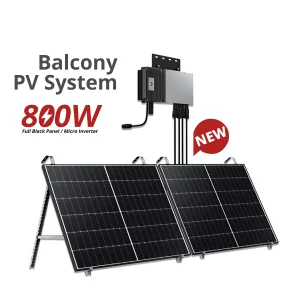
Moreover, local electric utilities (such as BC Hydro, Hydro One, FortisAlberta, and Hydro-Québec) maintain stringent requirements for grid connection. Balcony-scale microinverters must be certified to CSA C22.2 No. 107.1 standard, supporting rapid shutdown capabilities and active anti-islanding parameters. Partnering with a manufacturing facility that fully appreciates these regulatory frameworks is vital for long-term project viability, ensuring easy and smooth permitting processes with local electrical inspectors.
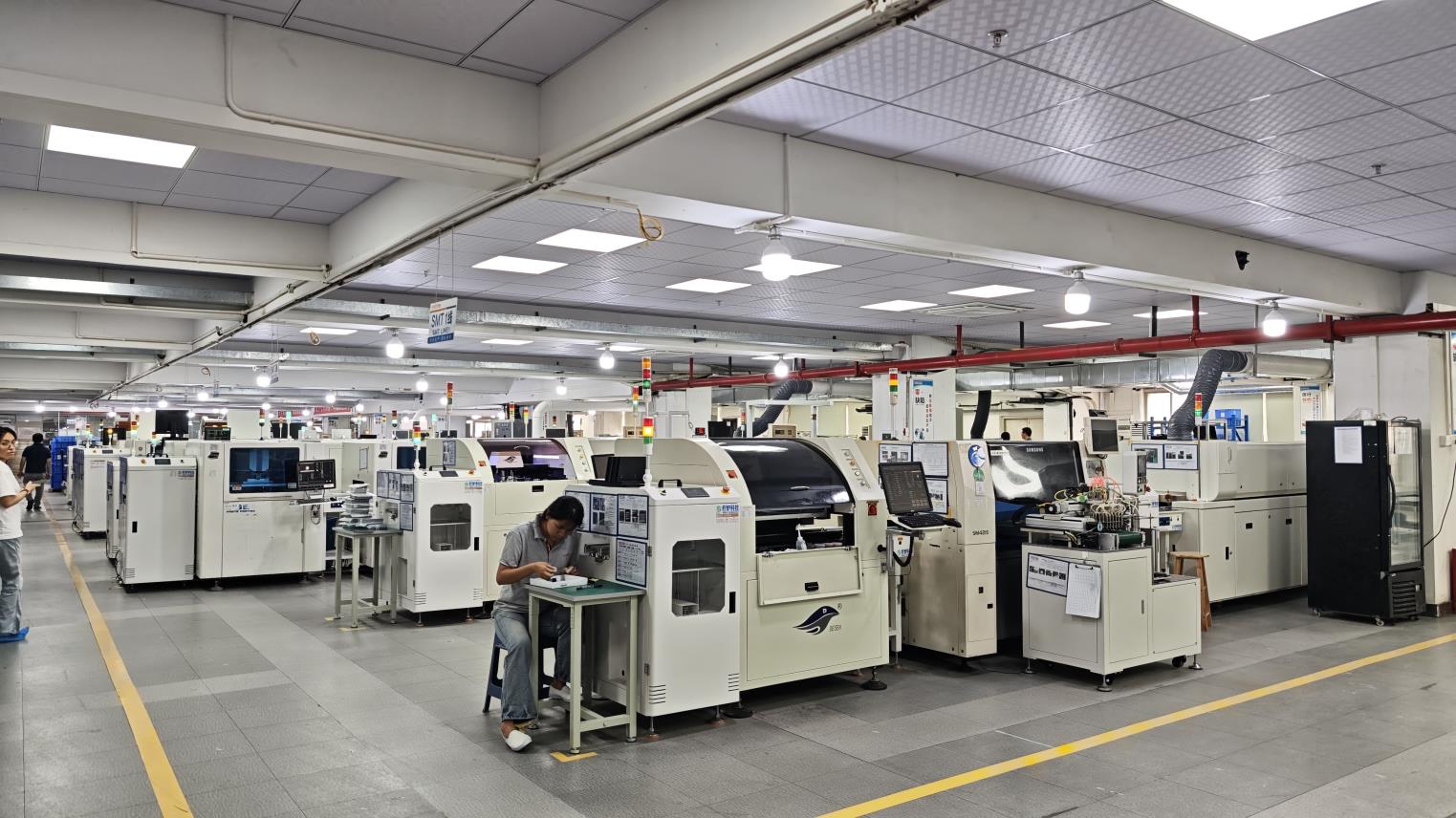
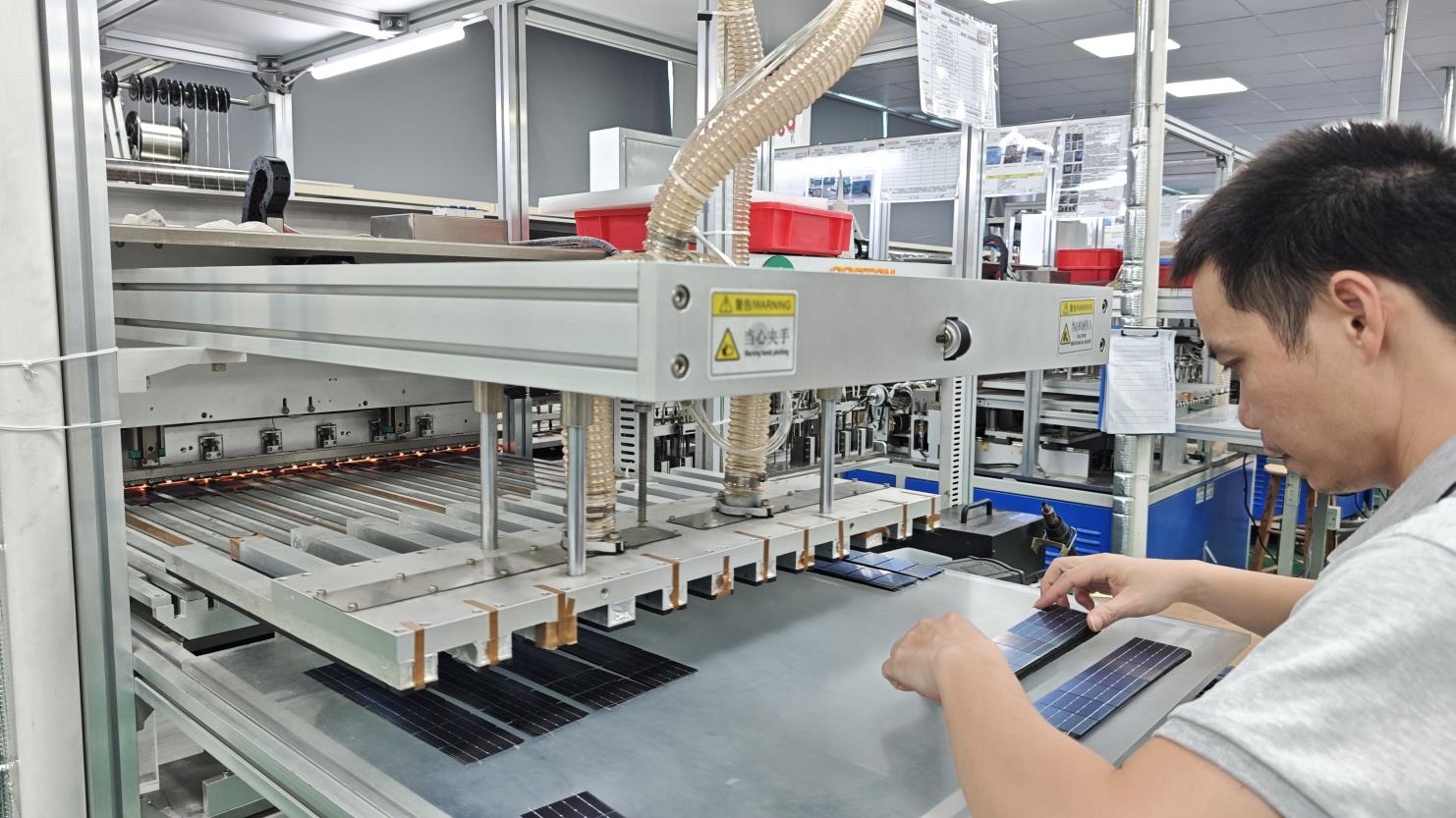
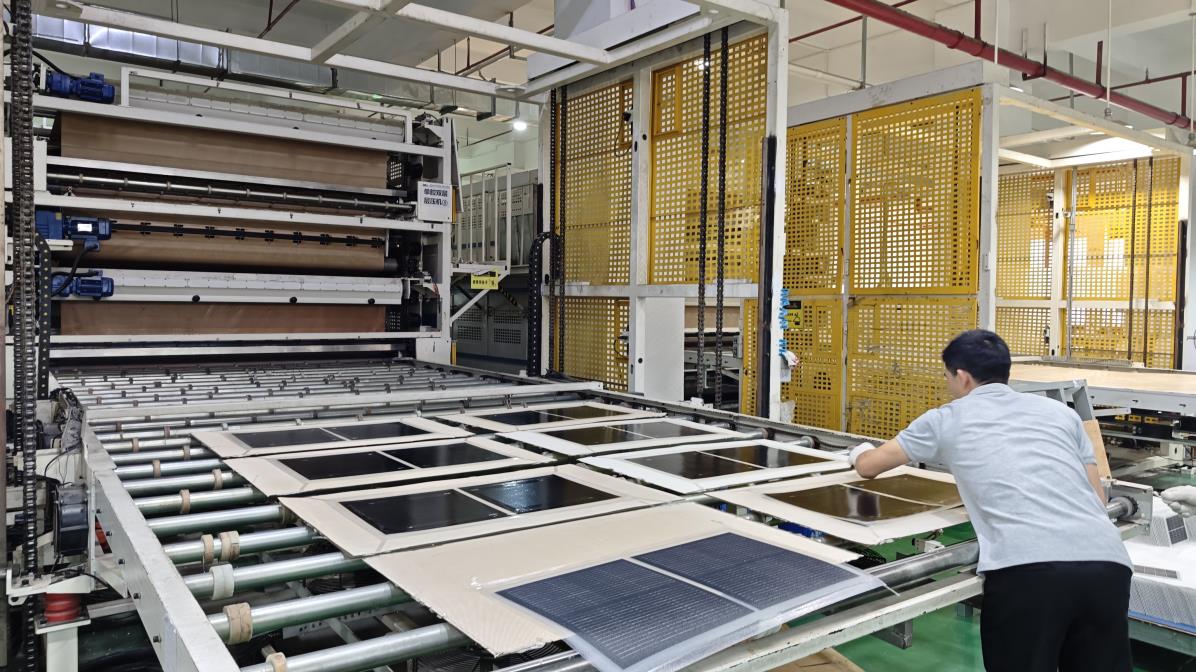
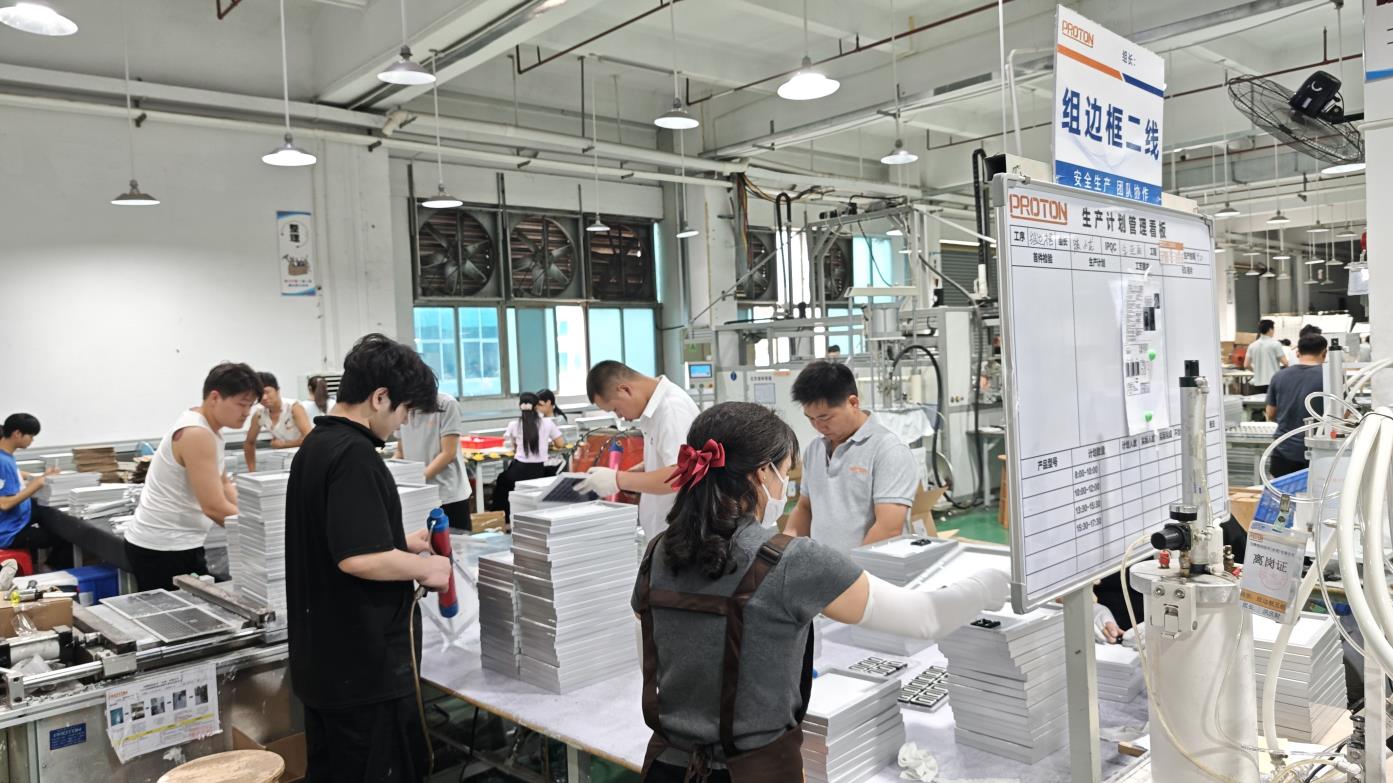
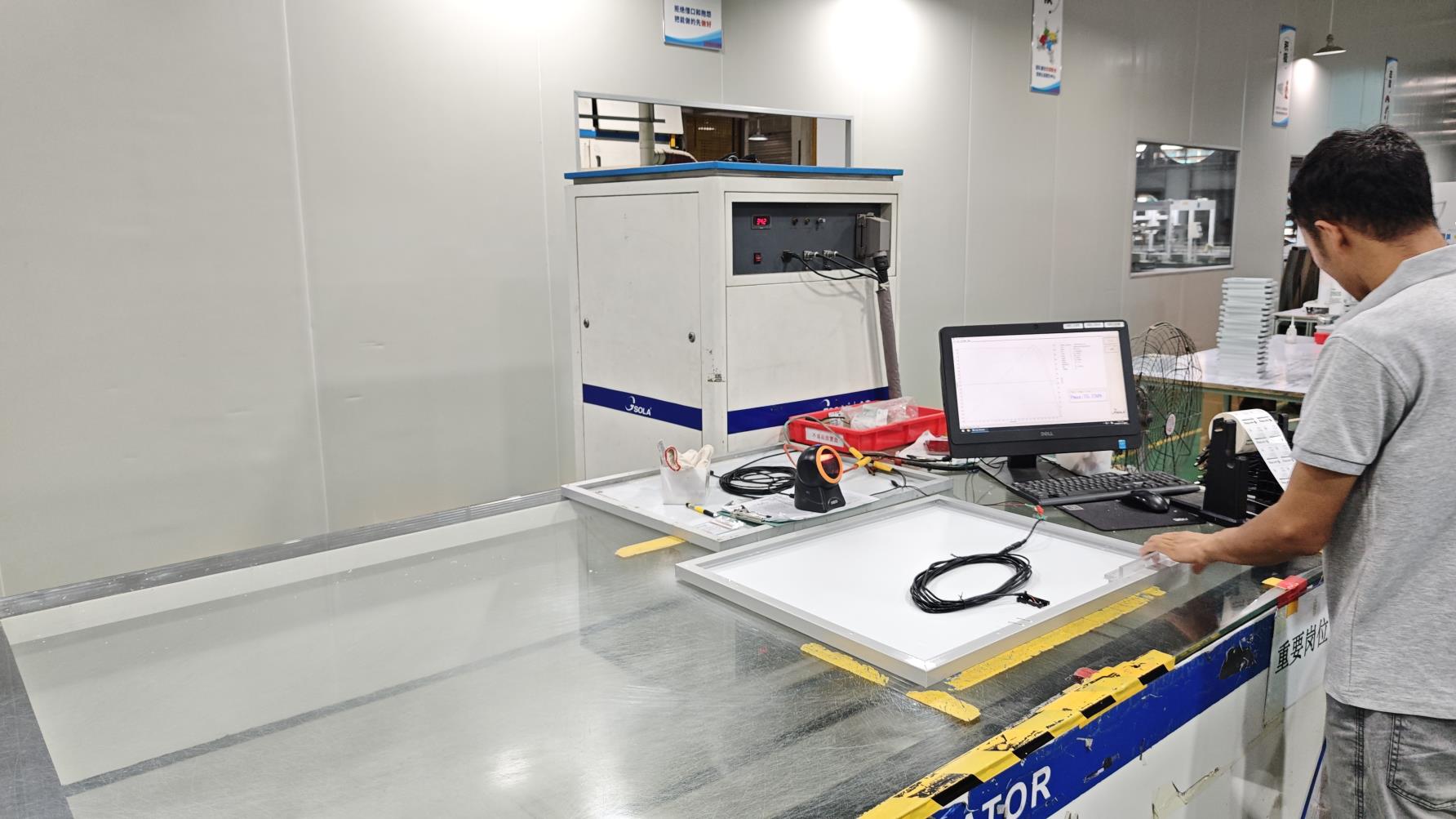
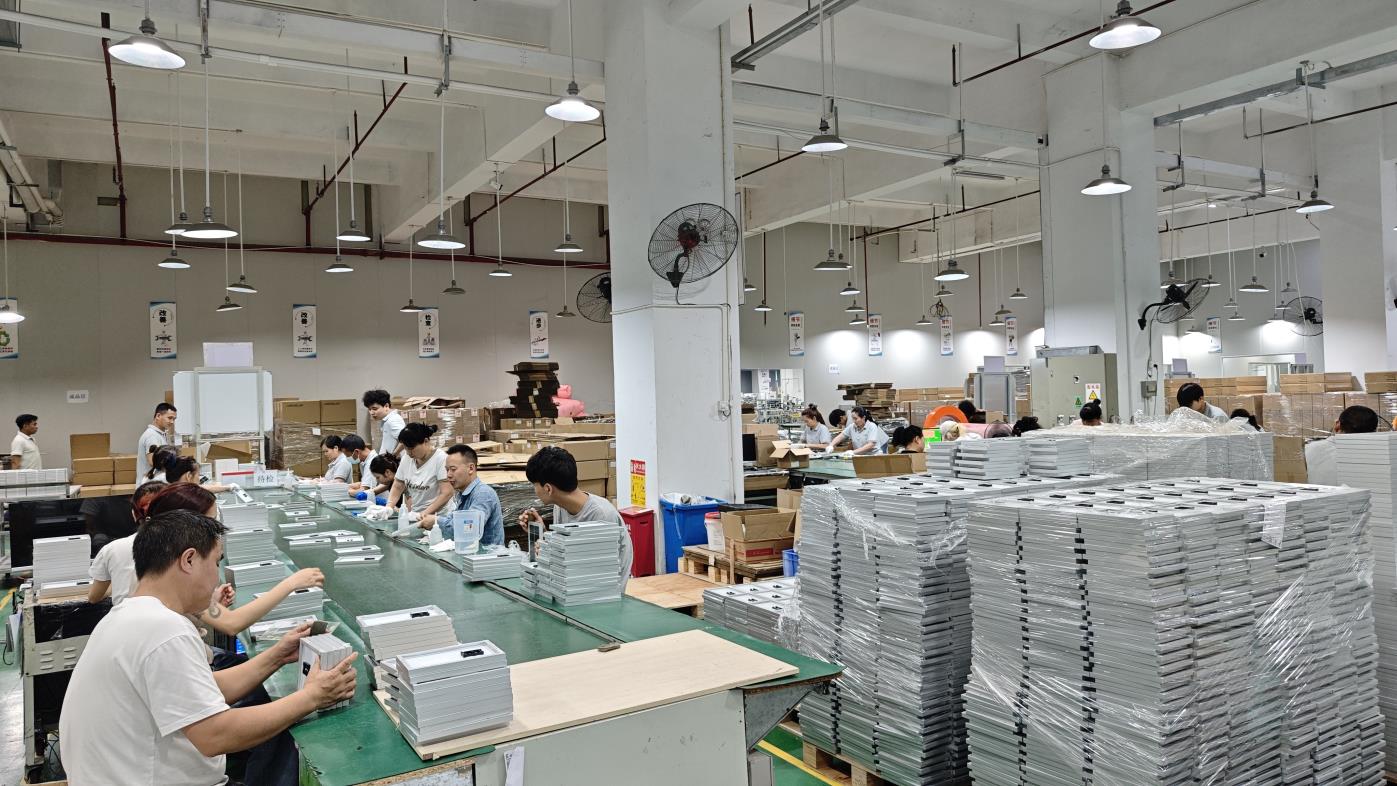
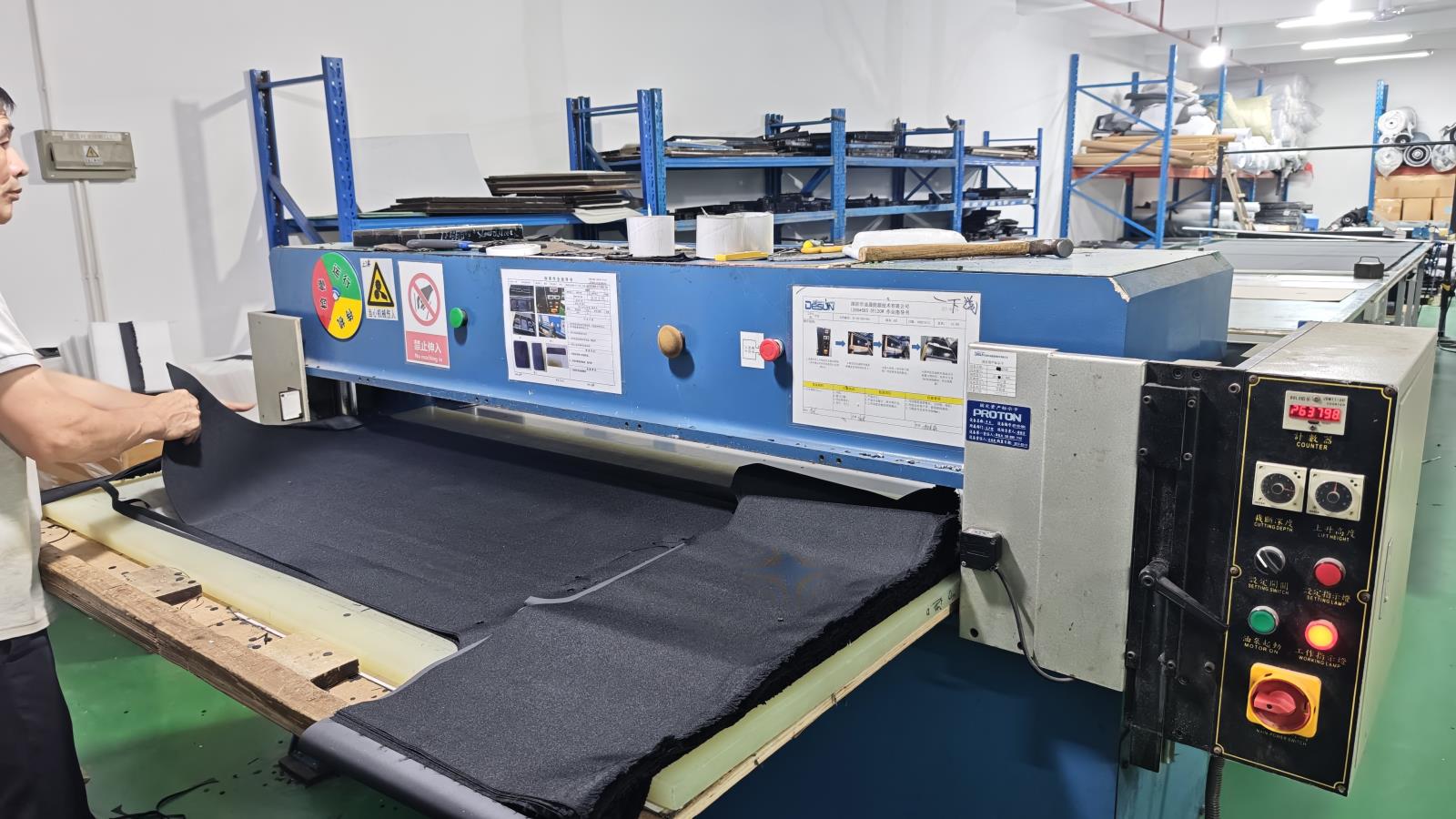
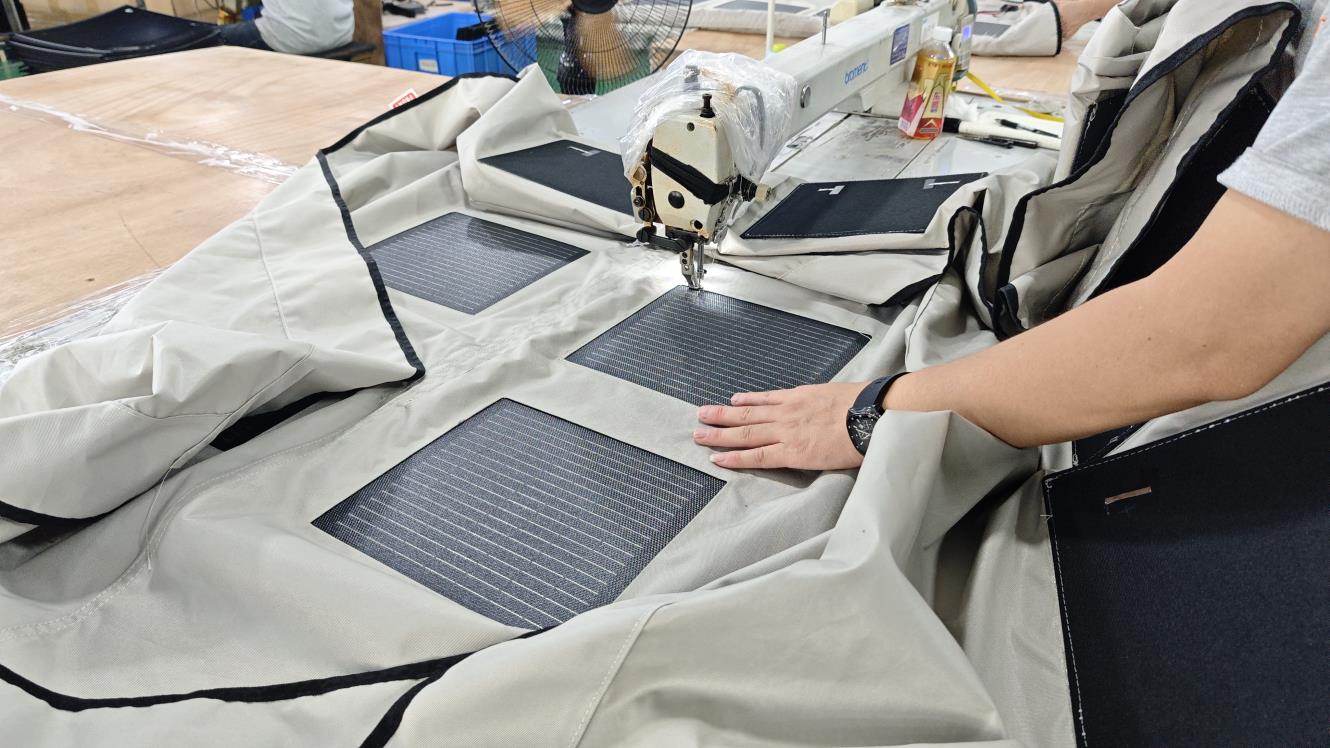
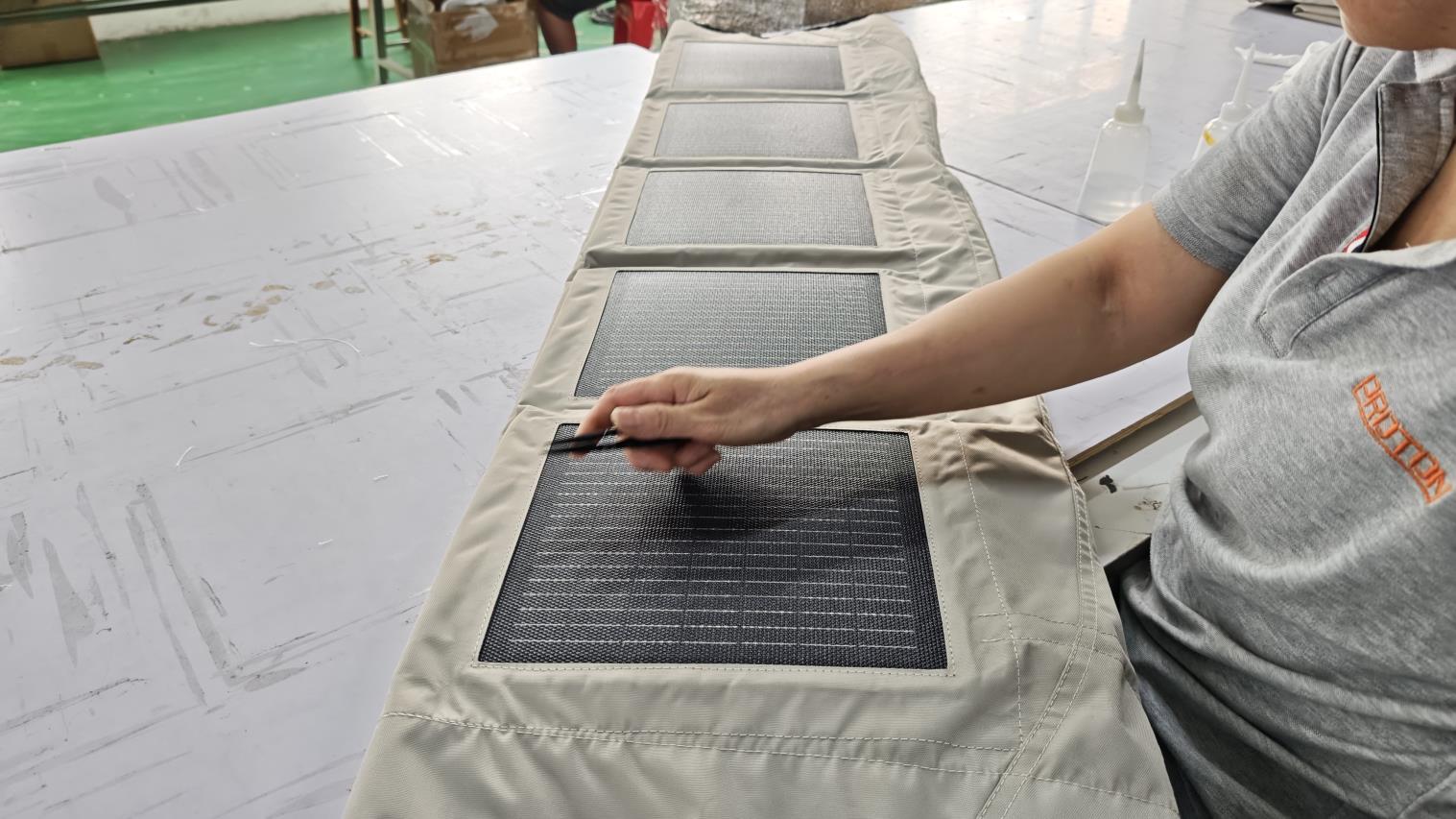
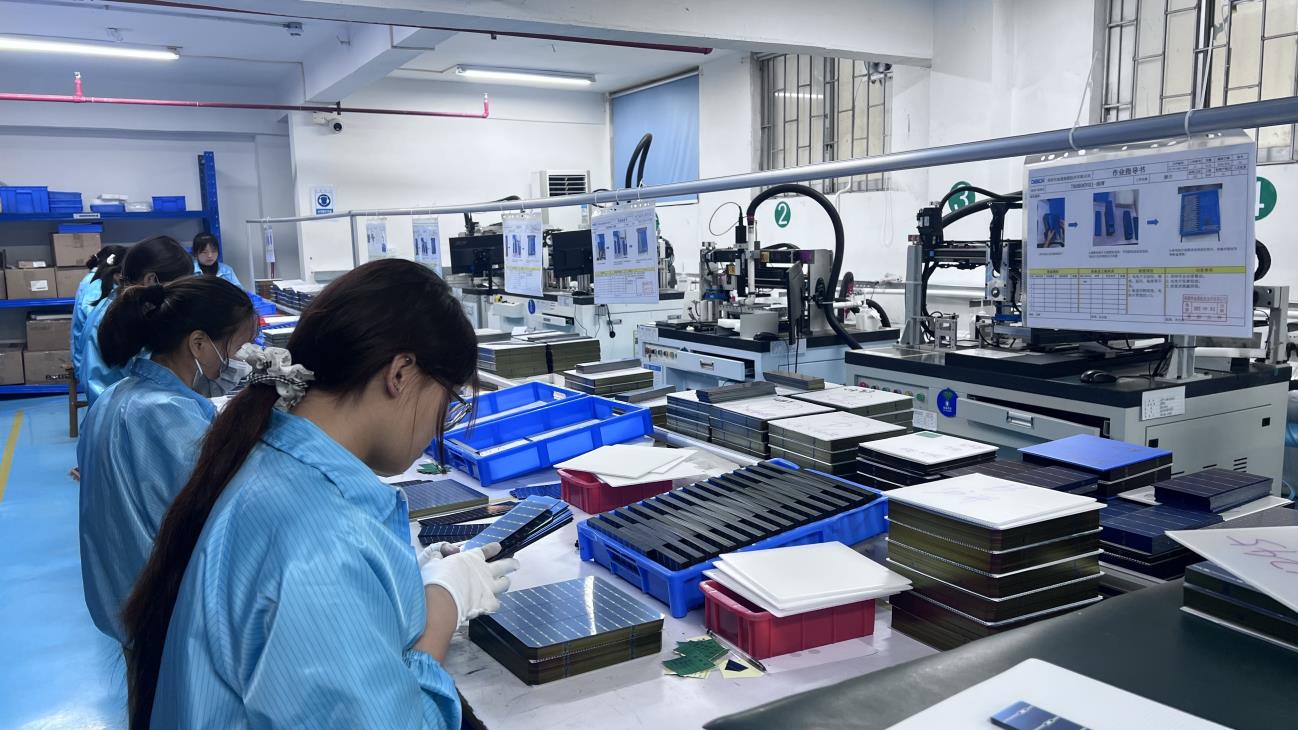
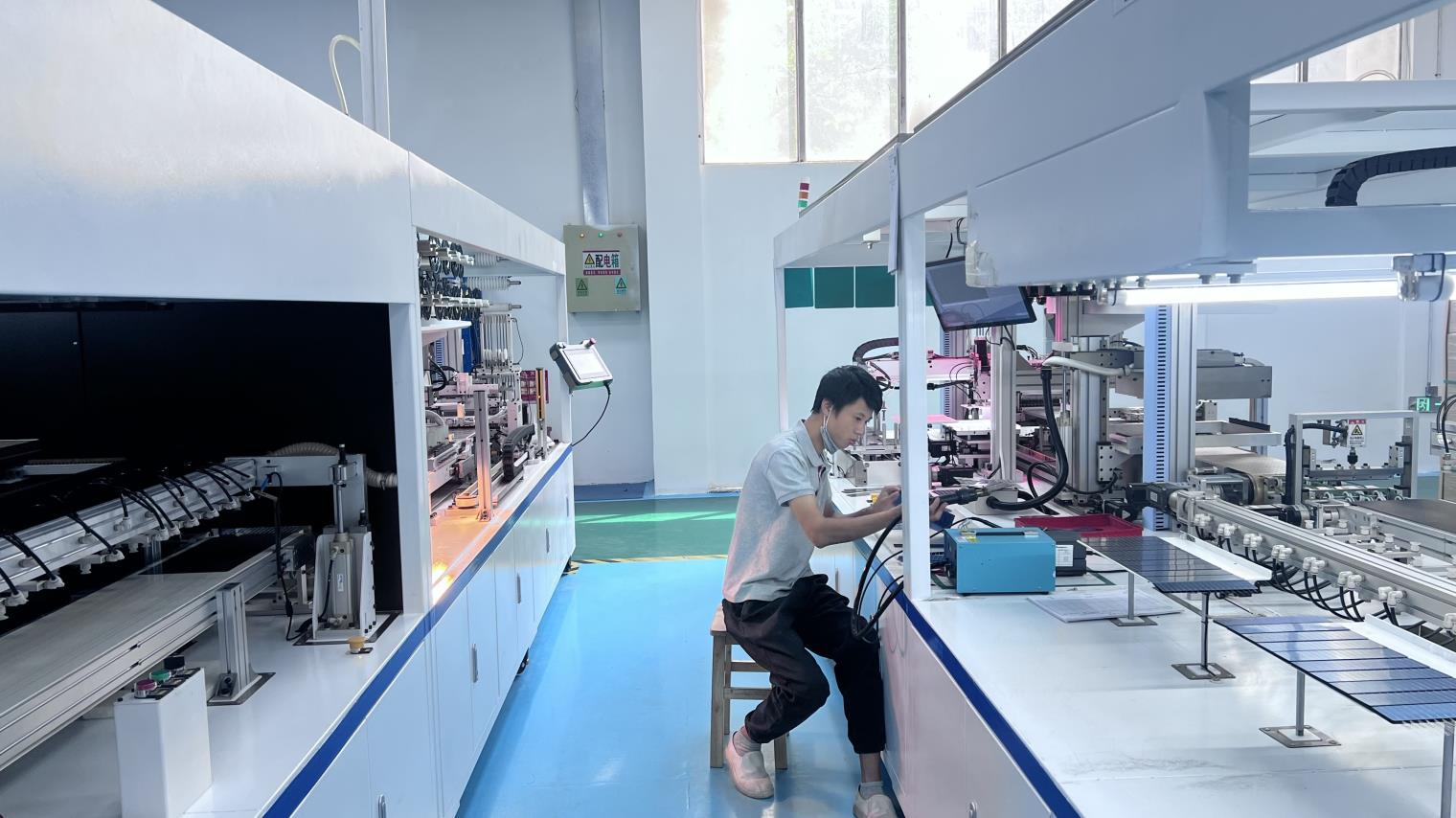
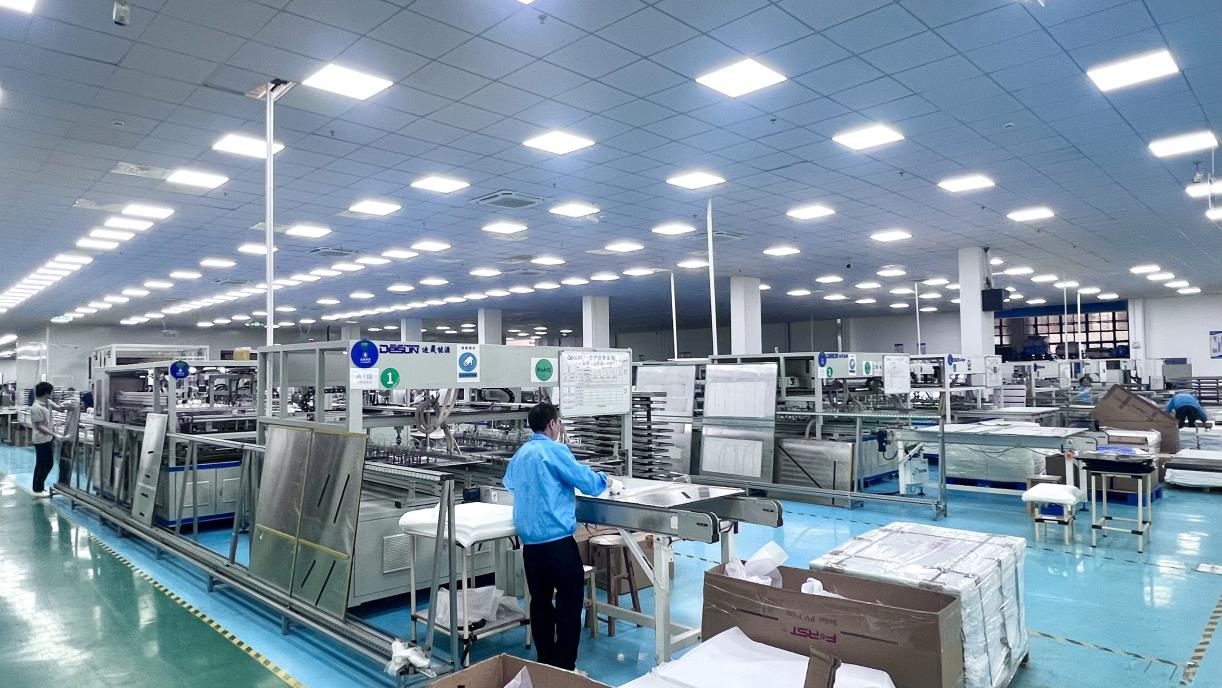
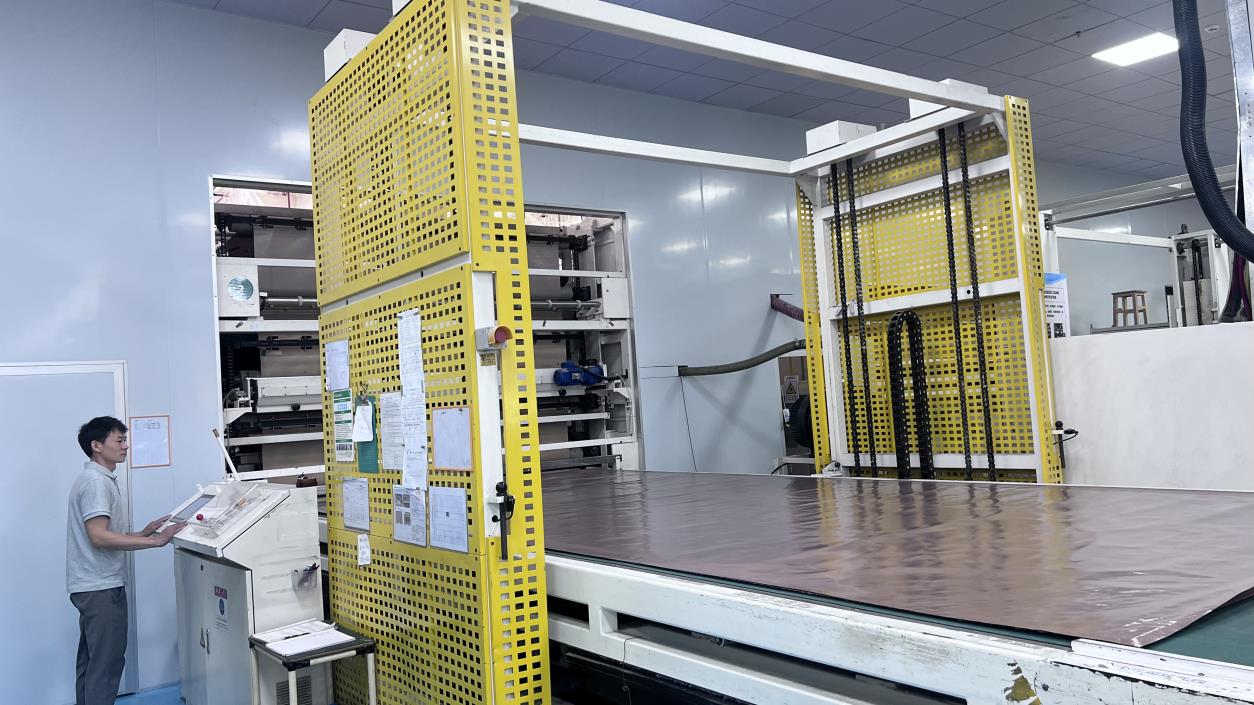
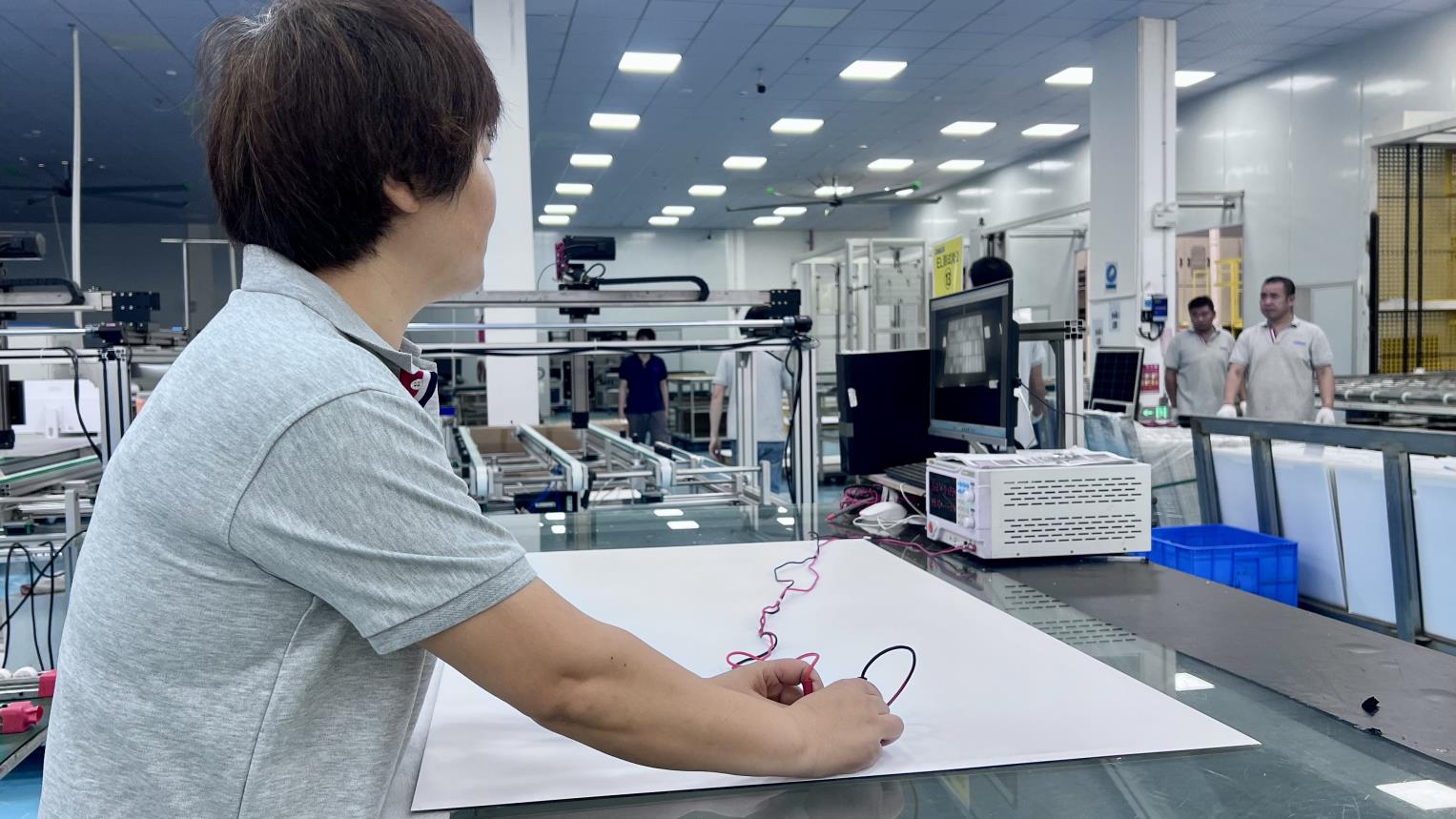
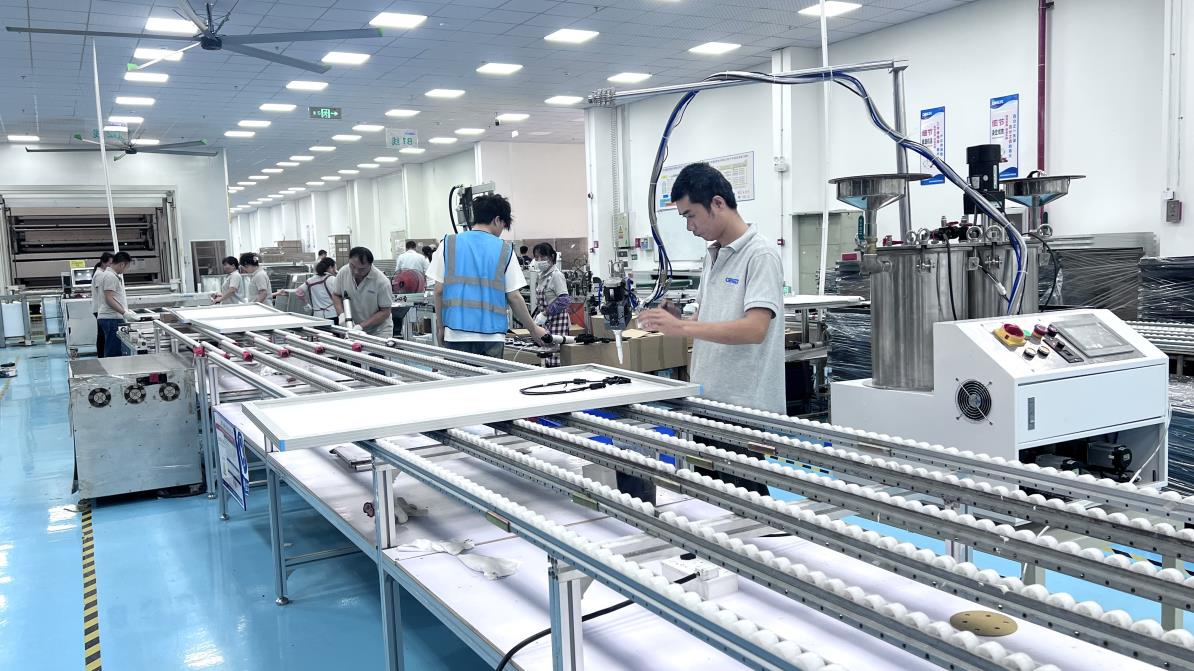
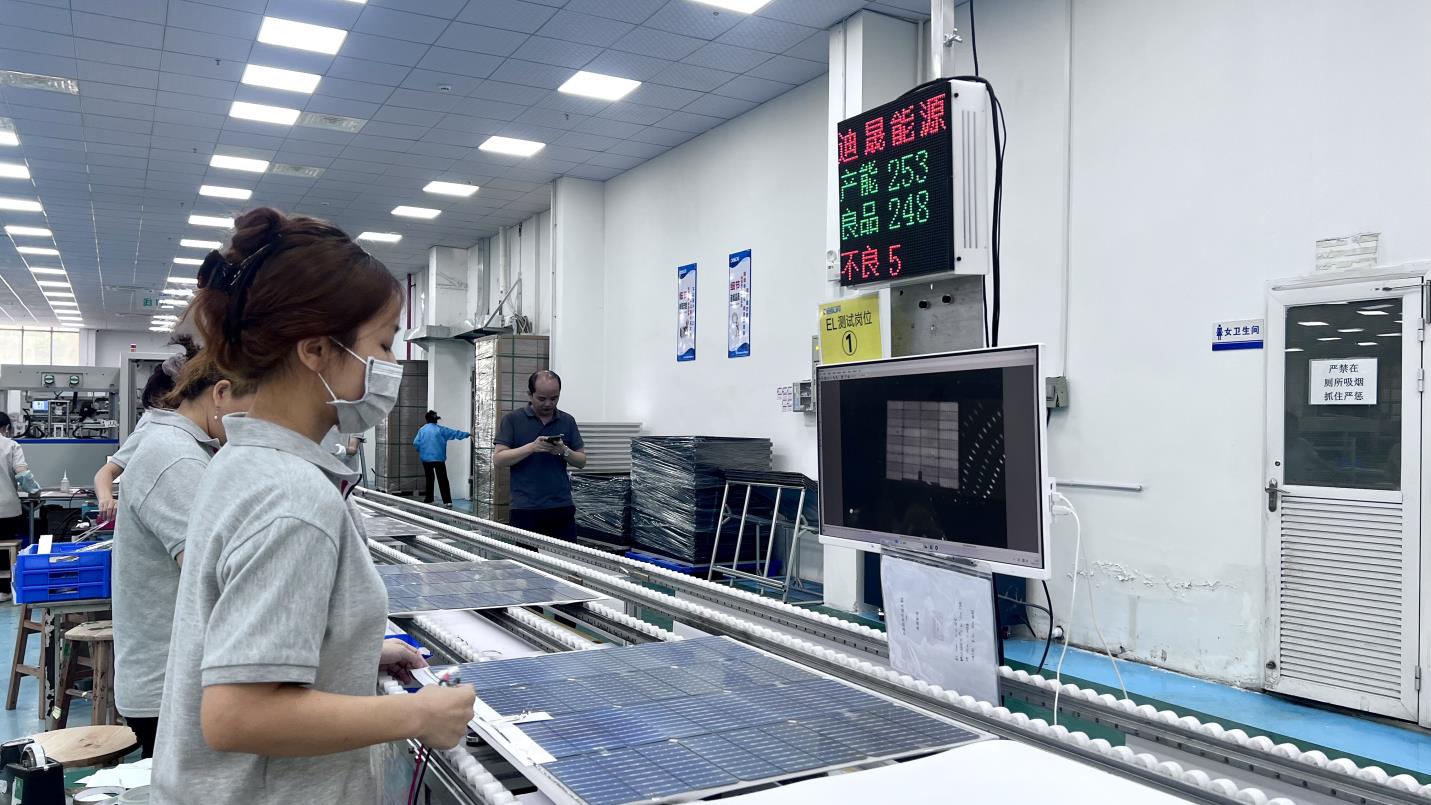
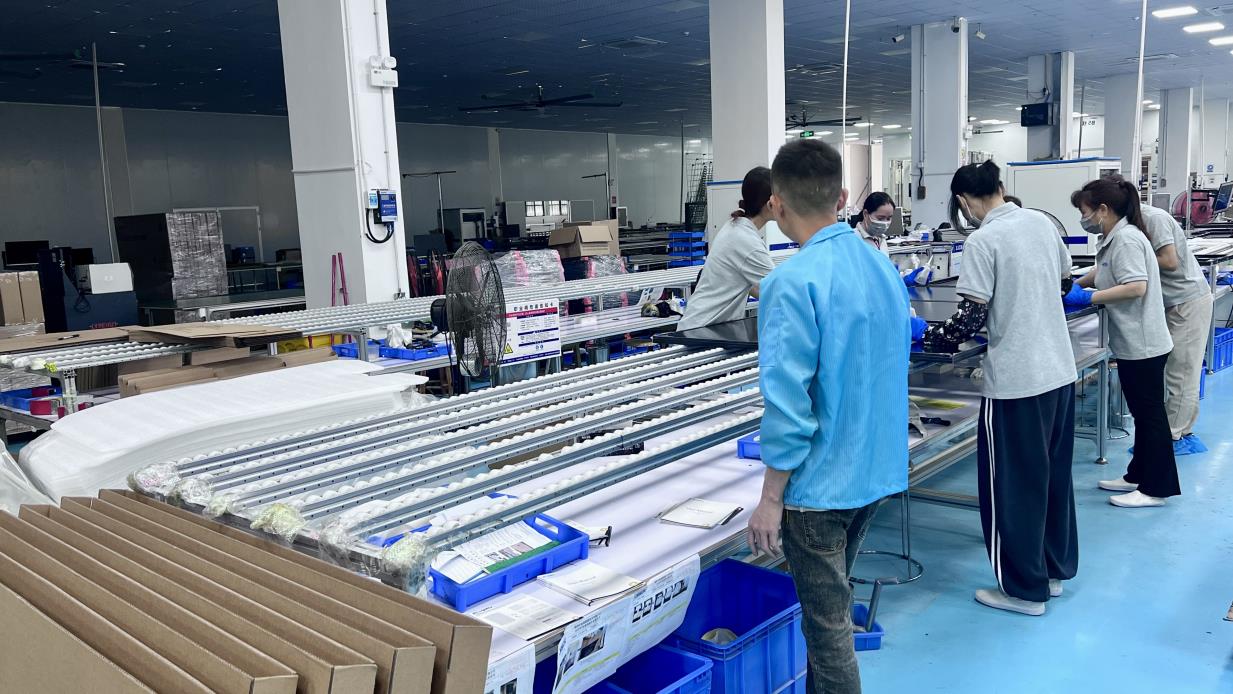
Xiamen ConTech Solar Co., Ltd. stands at the global forefront of high-tech solar manufacturing, delivering extreme quality, design sophistication, and supply chain resilience. Through comprehensive integration of Factory 4.0 IoT technologies, we ensure that every mount, microinverter, and photovoltaic cell meets rigorous international standards. Our smart manufacturing facility features integrated automated welding lines, SMT precision component assembly, laser cutting systems, and high-frequency thermal lamination processes to ensure extreme resistance to thermal cycling stresses typical in Canada.
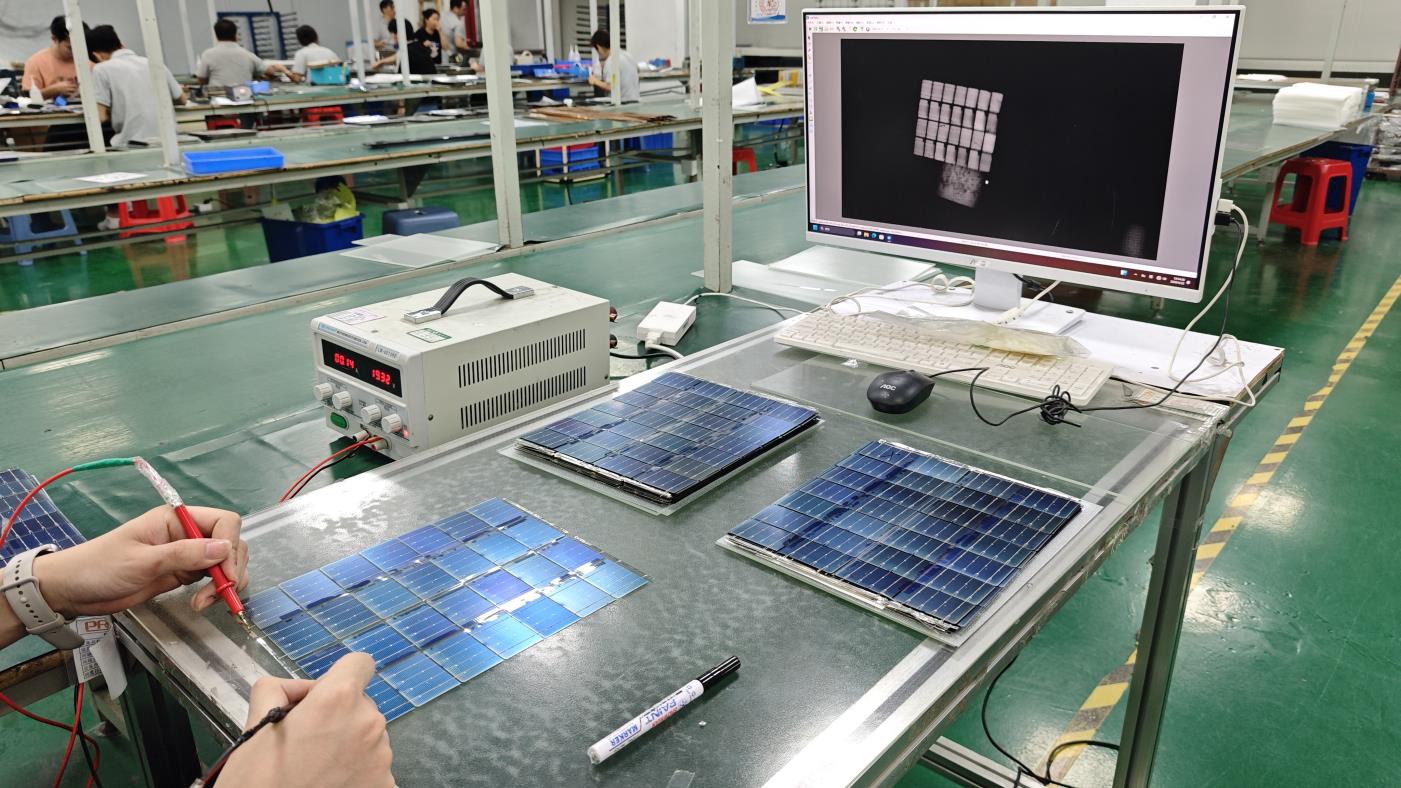
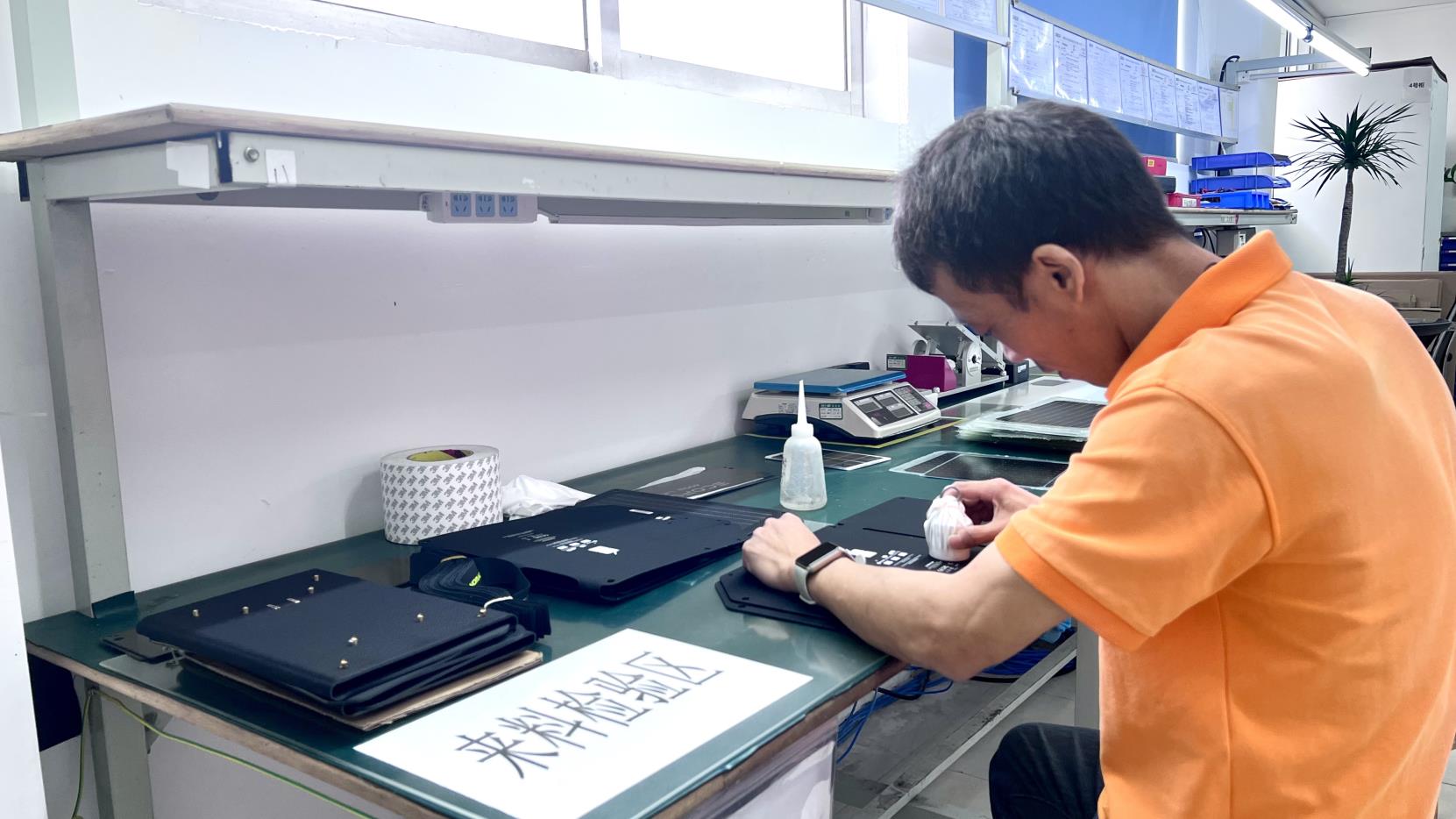
Our manufacturing philosophy places quality control at the very start of production. From Incoming Quality Control (IQC) of key materials to multi-point Electroluminescence (EL) testing during lamination and semi-finished product assembly, we eliminate potential failure points like micro-cracks or solder anomalies before packaging. Explore our step-by-step smart manufacturing pipeline below, illustrating our deep manufacturing integrity.
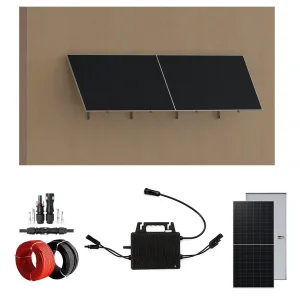
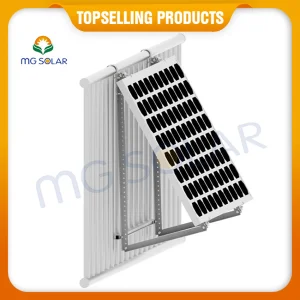
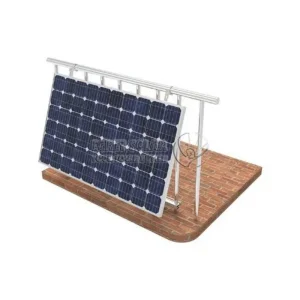
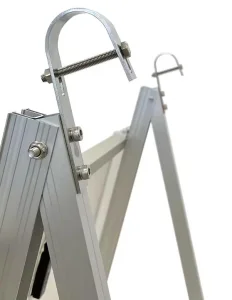
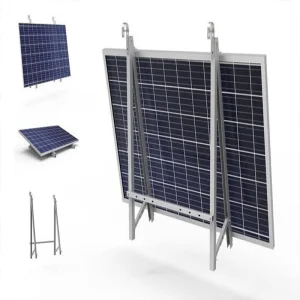
High-rise residential complexes in Vancouver and Toronto present massive structural surface area. Our specialized, low-intrusion mounting clamps allow tenants or building associations to deploy high-efficiency PV arrays without violating strict structural bylaws or modifying exterior facades permanently.
Through provincial Net-Metering incentives, excess energy generated by architectural balcony solar arrays is channeled back into the local distribution grid, granting micro-generation credits that directly offset evening peak-tariff usage spikes, particularly under Time-of-Use (TOU) models.
For corporate landlords and REITs across Canada, integrating structural balcony PV solutions across portfolios serves as a visible commitment to Environmental, Social, and Governance (ESG) principles, driving asset valuation up while dropping Scope 3 emissions dramatically.
 ConTech Solar