ConTech Solar
1. German Market Outlook: The Regulatory Acceleration of "Balkonkraftwerke"
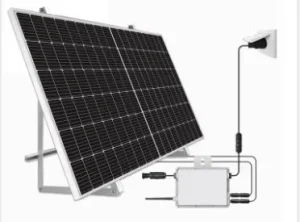
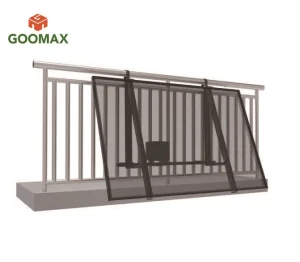
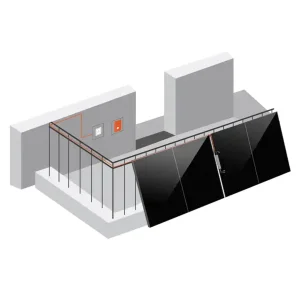
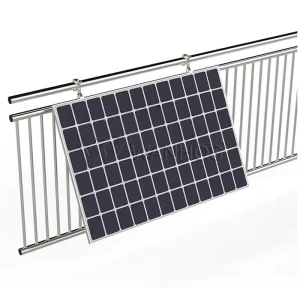
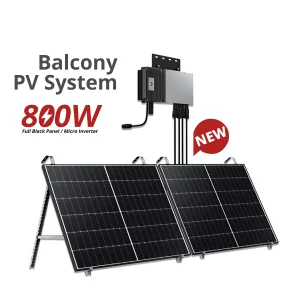
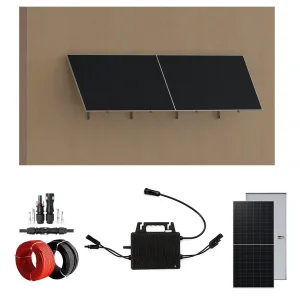
Germany is currently spearheading the European residential energy transition. Driven by the federal government's Solarpaket I legislation, the structural and administrative barriers for residential balcony PV installations (locally termed Balkonkraftwerk) have been permanently lowered. The threshold for simplified grid connection has formally risen from 600W to 800W for microinverter output. Under the new legal framework, end-users are no longer required to obtain complex, pre-approval grid clearance from local operators (Netzbetreiber). A simplified, single-page registration on the federal database, the Marktstammdatenregister (MaStR) of the Bundesnetzagentur, is all that is required.
Furthermore, standard Schuko sockets (CEE 7/7) have received widespread recognition for utility grid feeding alongside the specialized industrial Wieland safety connectors (DIN VDE V 0628-1). This regulatory shift has unlocked a massive consumer demographic, shifting balcony solar from a niche DIY movement to a mainstream household necessity. For European B2B buyers, distributors, and large-scale retailers, partnering with an experienced exporter who deeply understands German grid codes, VDE safety regulations, and local environmental standards is critical to establishing market dominance.
Critical Regulatory Factsheet for Germany (2024-2025):
Feed-in limit: Maximum microinverter AC output is capped at 800W, while DC panel capacity can legally go up to 2000Wp under Solarpaket I. This allows B2B importers to supply highly efficient 1000Wp-1600Wp dual-module bundles matched with 800W smart limited microinverters to optimize winter yields and early-morning generation curves.
2. Technical Roadmap & Future Outlook: N-Type Bifacial Modules & Smart Integration
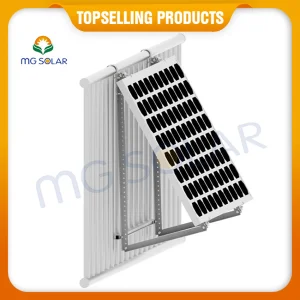
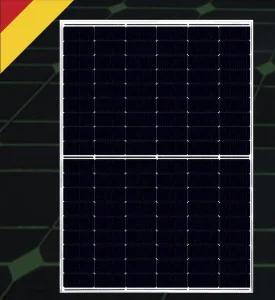
The technical trajectory of balcony solar systems is rapidly shifting toward higher power density and intelligent energy storage integration. Standard P-type PERC modules are quickly being superseded by N-type TOPCon (Tunnel Oxide Passivated Contact) bifacial double-glass solar panels. Bifacial technology enables the absorption of reflected light from building walls and the surrounding balcony environments, boosting energy yield by up to 25% compared to monofacial panels under real-world German weather conditions.
On the electronics side, the demand is heavily leaning towards modular hybrid systems. Modern balcony systems are no longer just basic grid-tied kits; they are transforming into comprehensive micro-energy ecosystems incorporating:
- Dual MPPT Smart Microinverters: Allowing independent performance optimization of two panels, resolving local shading issues caused by balcony railings, pillars, or neighboring buildings.
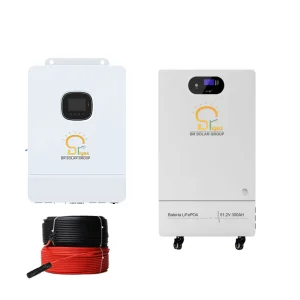
- Integrated LiFePO4 Battery Storage: IP65-rated outdoor residential batteries (capacities varying from 1kWh to 3.8kWh) that sit directly between the PV panels and the microinverter to store surplus daytime power for high-tariff evening consumption.
- Matter & EEBUS Integration: Enabling direct communication with European Smart Home Platforms (Home Assistant, Apple Home, Bosch Smart Home), helping users run domestic appliances (washing machines, heat pumps) dynamically when PV generation peaks.