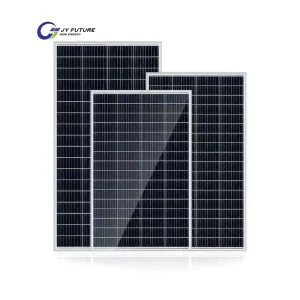
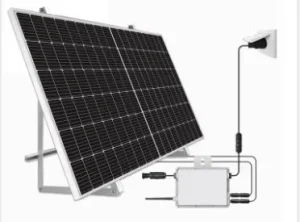
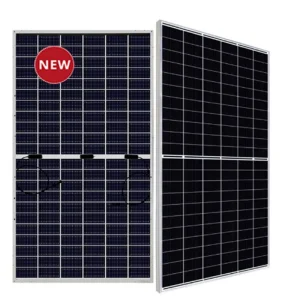
Advancing Global Sustainability with Tier-1 Solar PV Solutions & Industrial Energy Innovation
The global energy landscape is undergoing a paradigm shift, transitioning from fossil fuel dependency to decentralized, resilient, and renewable energy infrastructures. As a premier CE Certified Clean Energy Systems Factory, we position ourselves at the intersection of this transition. The market demand for high-efficiency, compliant, and durable photovoltaic systems is driven by net-zero policy targets and the imperative for energy security.
Currently, the industrial sector is moving towards "Distributed Generation." This means placing production closer to consumption, effectively reducing transmission losses and empowering businesses to control their energy destiny. From BIPV (Building Integrated Photovoltaics) in urban centers to massive off-grid arrays in remote agriculture, our technology bridges the gap between complex engineering and daily utility.
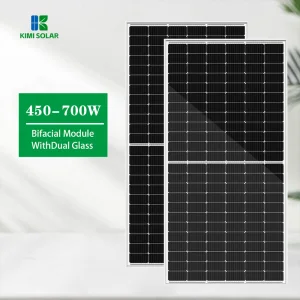
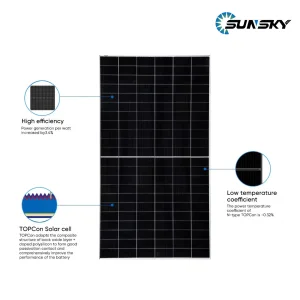
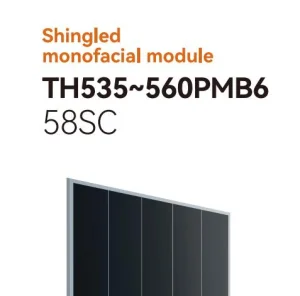
Our roadmap focuses on N-Type TOPCon and HJT (Heterojunction) cell technologies. These innovations provide higher bifaciality factors and superior low-light performance, ensuring ROI even in sub-optimal weather conditions.
By leveraging high-efficiency module manufacturing, we contribute to a lower Levelized Cost of Electricity (LCOE), making renewable energy not just a choice, but the most profitable industrial solution.
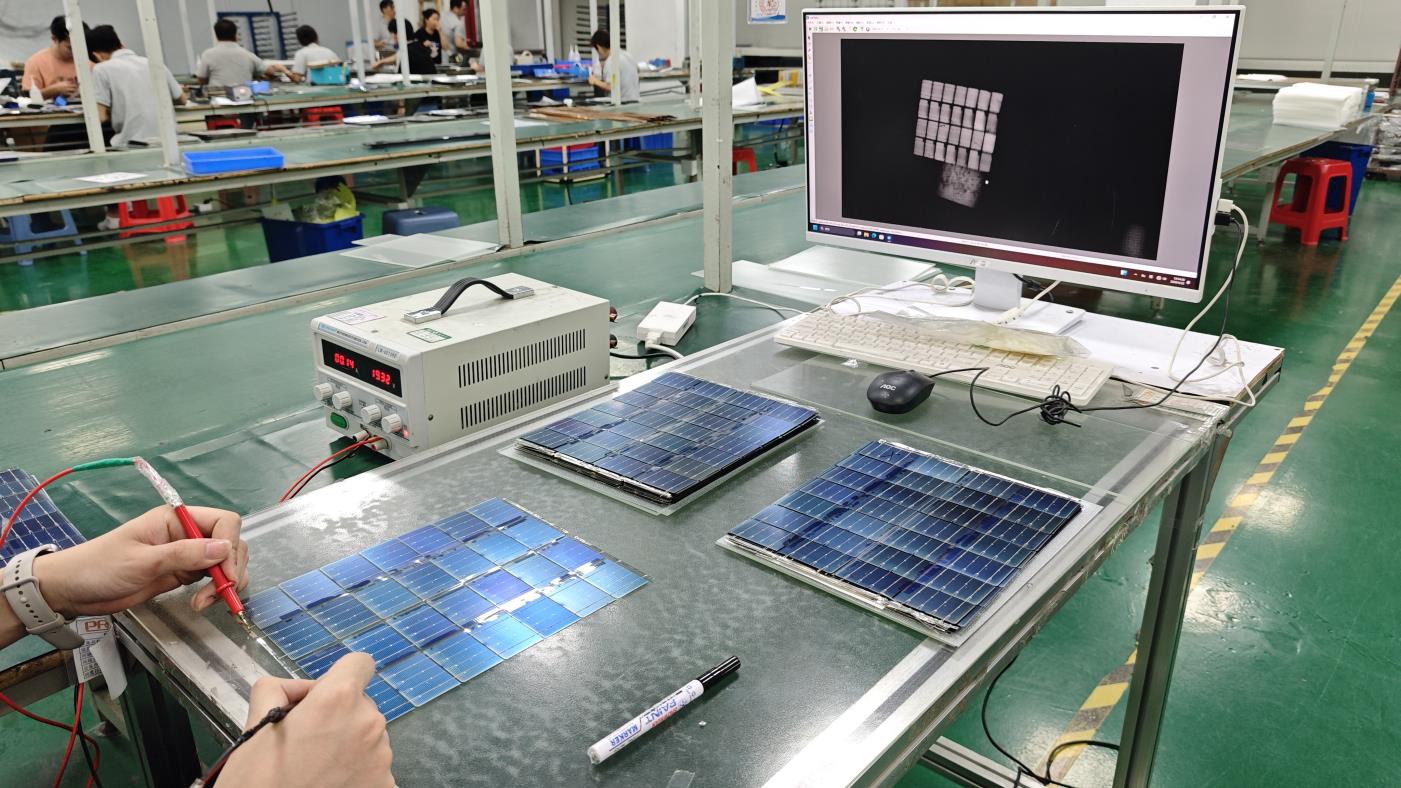
CE Certification isn't just a label; it's our promise of reliability. Our products undergo rigorous EL tests, thermal cycling, and humidity freeze tests, meeting strict IEC and European Union safety directives.
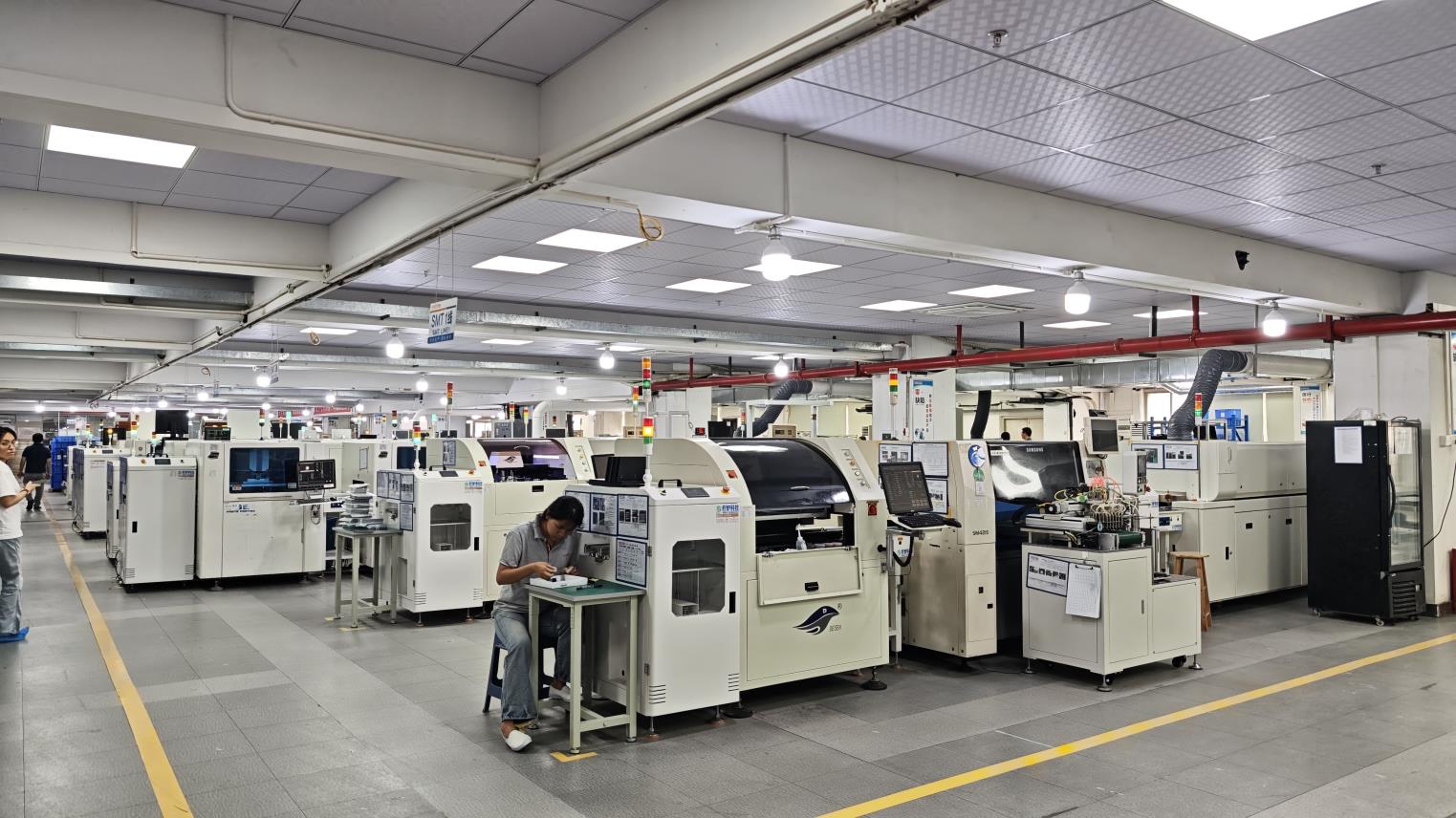
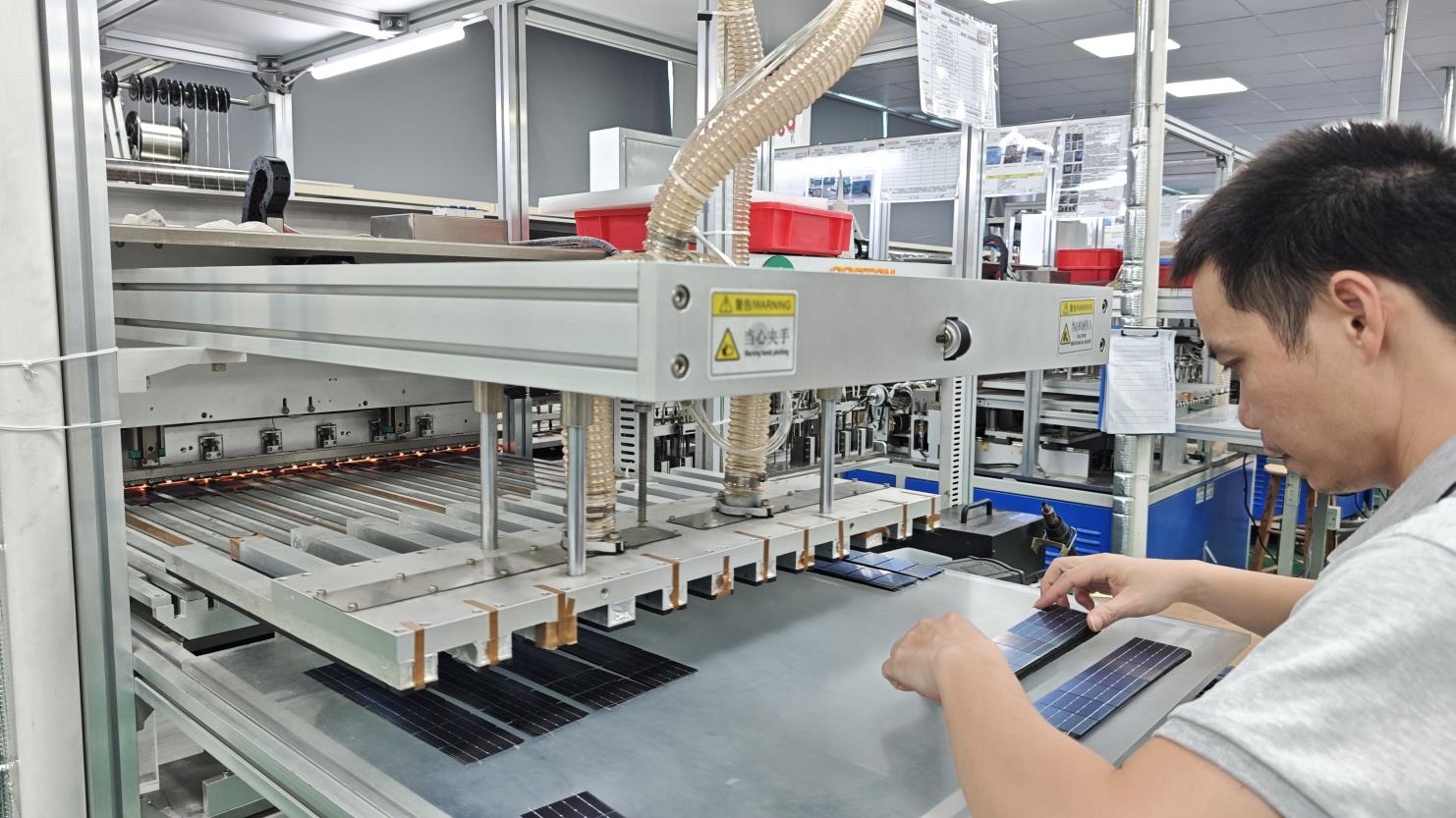
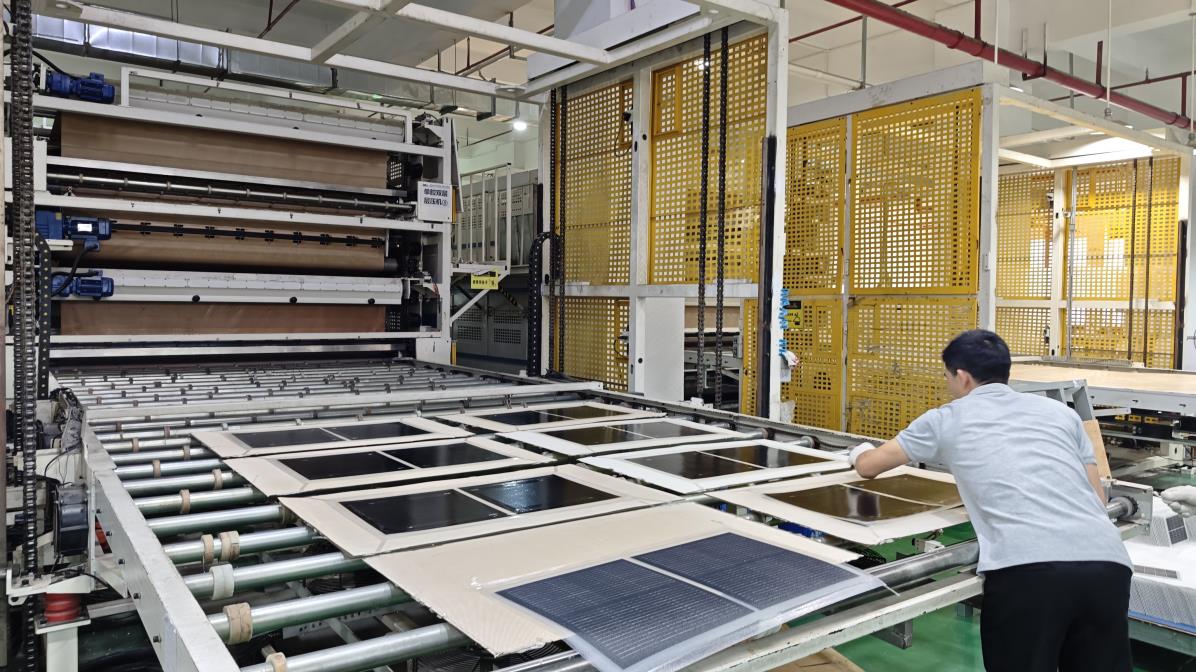
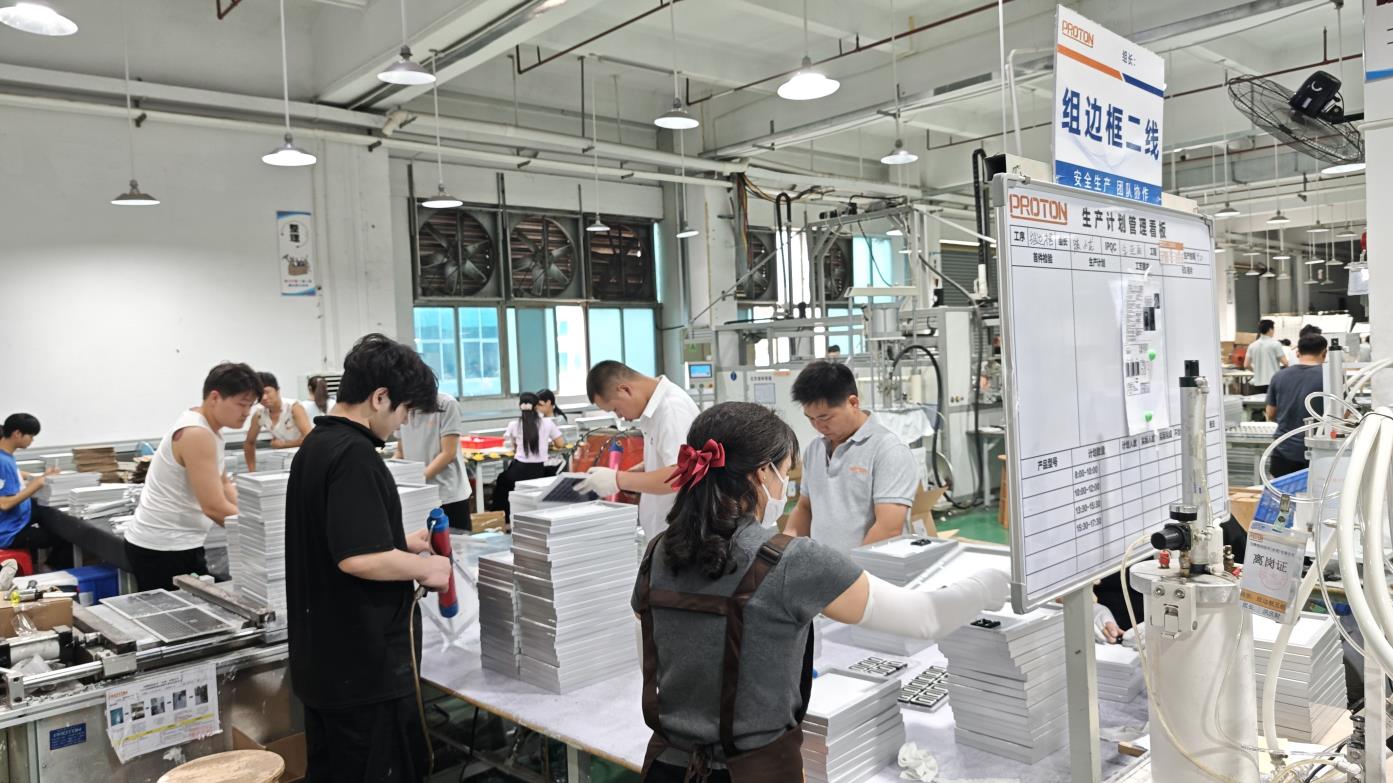
At Xiamen ConTech Solar, quality starts at the raw material stage and ends with rigorous automated inspection. Our production line integrates cutting-edge automation to ensure precision.
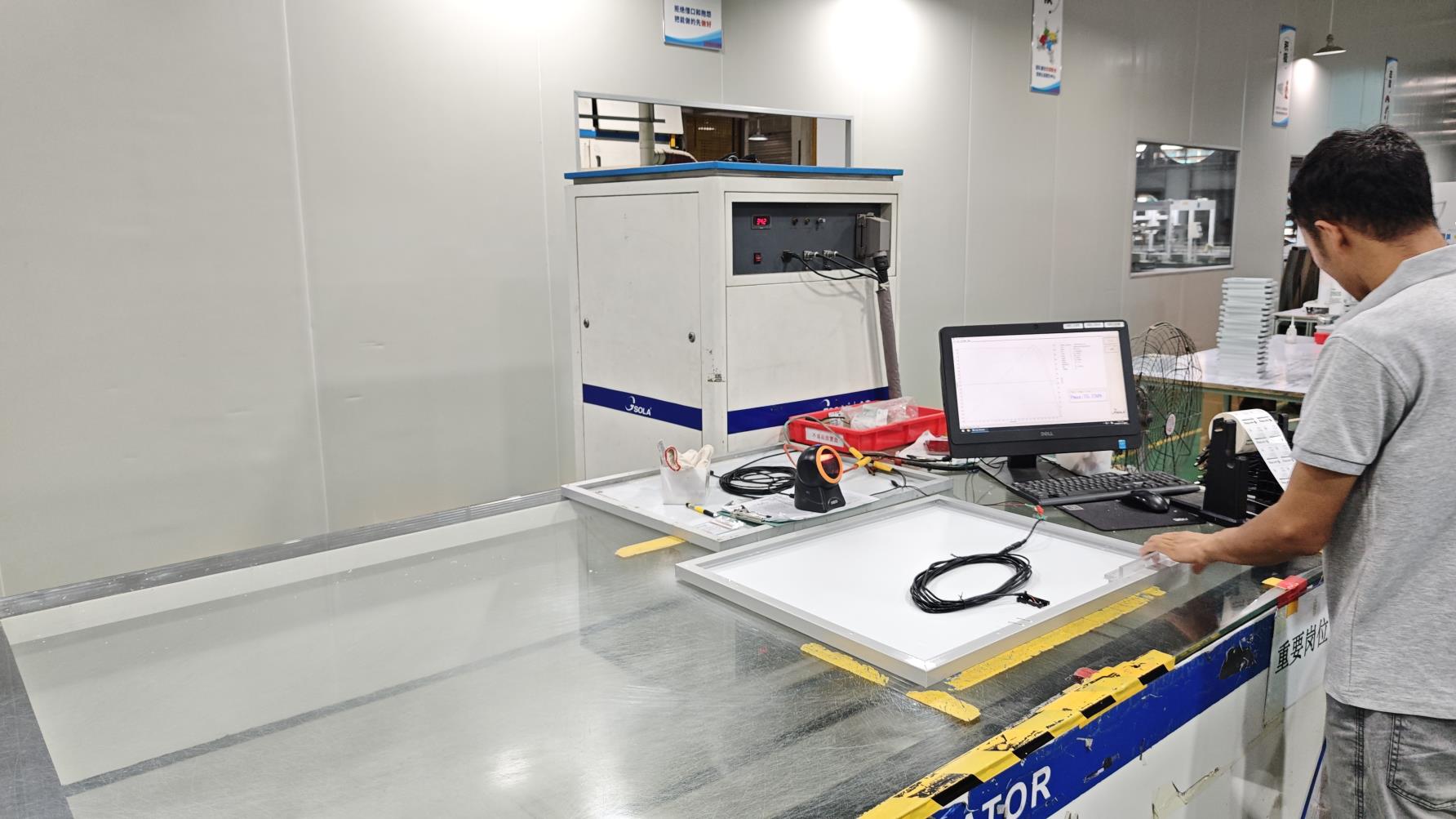
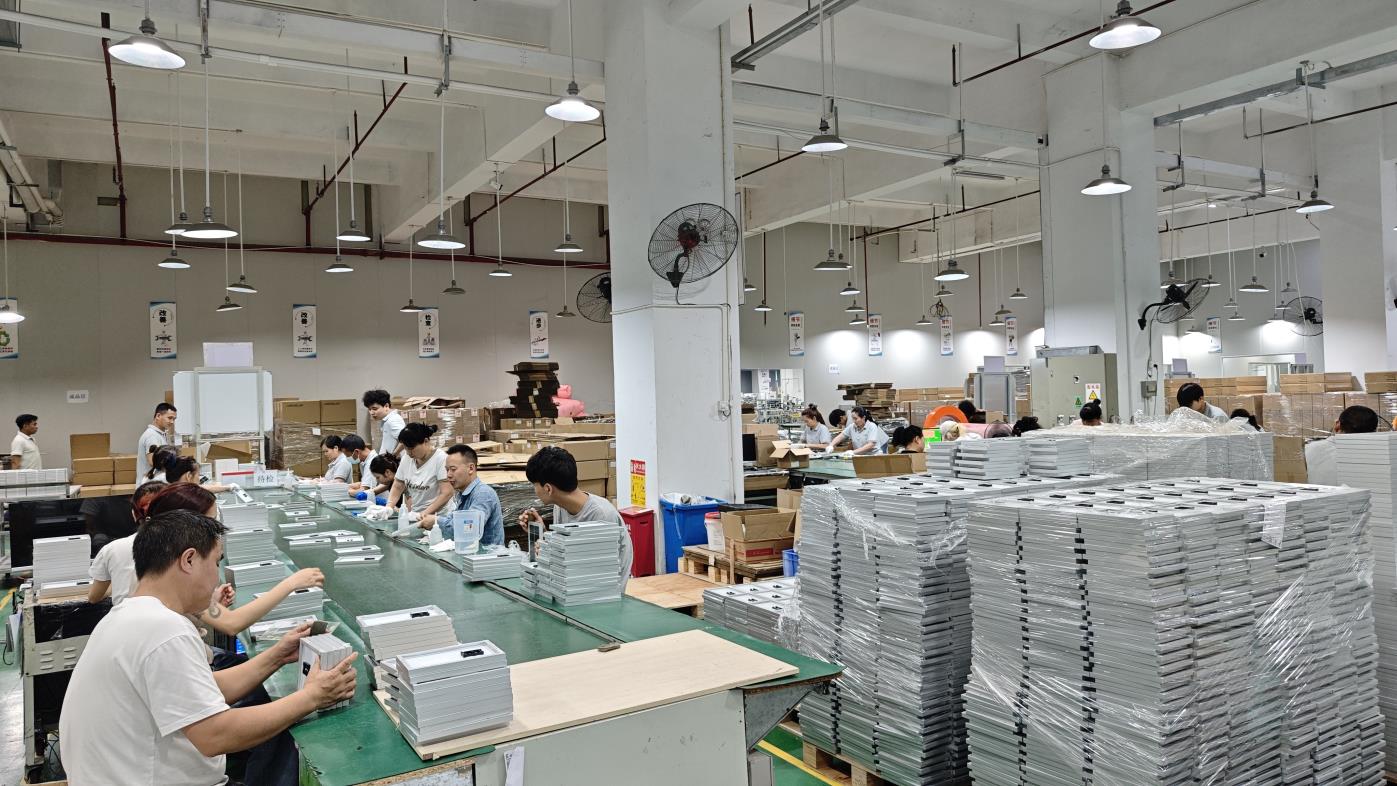
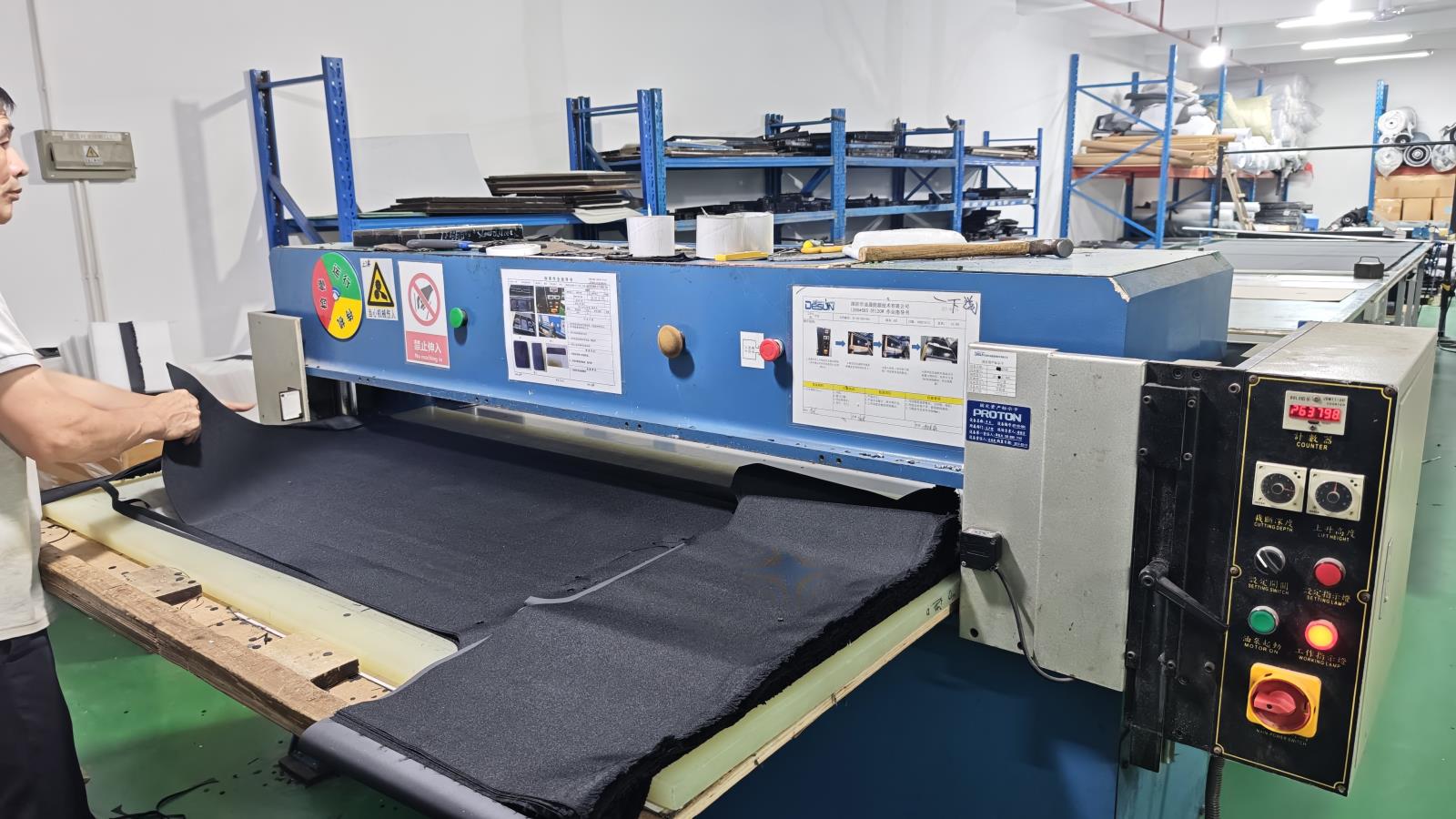
CE marking indicates that the solar products conform to European health, safety, and environmental protection standards. For international distributors and developers, it is a non-negotiable prerequisite for legal grid connection, insurance validation, and consumer safety.
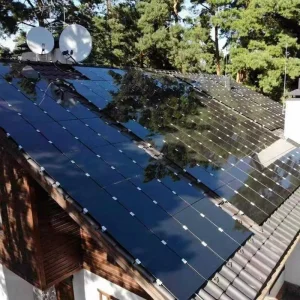
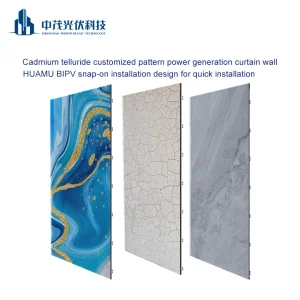
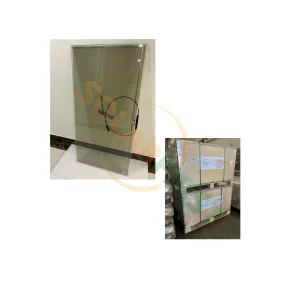
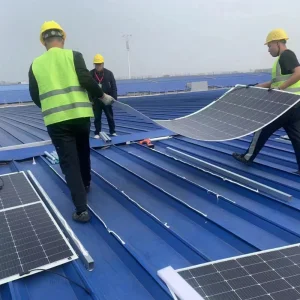
Building Integrated Photovoltaics (BIPV) serve dual purposes: they generate electricity while replacing conventional building materials like roofing tiles or glass facades. This results in aesthetic harmony and significant cost savings in building materials.
Our quality assurance protocol includes IQC (Incoming Quality Control), automated string welding, and multi-stage testing including electroluminescence (EL) imaging to detect micro-cracks before products leave the factory.
 ConTech Solar