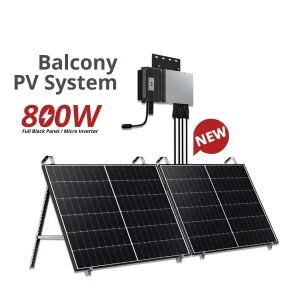
Engineered for high efficiency, space constraints, and high adaptability in diverse urban environments.
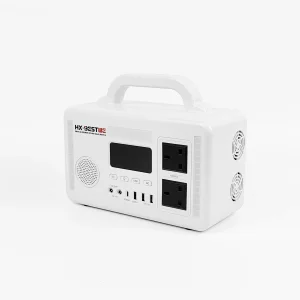
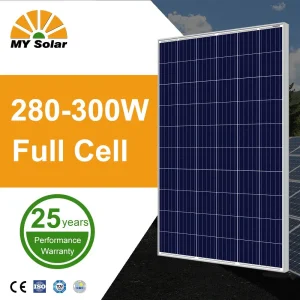
An Analytical Whitepaper on the Decarbonization and Technical Sophistication of Modern Urban Power Grids.
Urban landscapes present unique constraints for renewable energy deployment, characterized by restricted spatial footprints, complex shading dynamics from vertical infrastructure, and stringent building safety regulations. Despite these challenges, the rapid global expansion of Smart Cities has driven a paradigm shift in Urban Solar Solutions. The modernization of municipal energy infrastructures relies heavily on integrating high-efficiency distributed generation networks, shifting energy production from remote locations directly to the consumption hotspots.
Around the globe, businesses and commercial complexes face escalating pressures to align with Environmental, Social, and Governance (ESG) criteria. The adoption of urban solar installations has surged beyond simple rooftop PV arrays. We are witnessing highly integrated structural applications including Building-Integrated Photovoltaics (BIPV), specialized solar carports with integrated EV charging capabilities, and high-density balcony solar generators (like the popular Balkonkraftwerk models across Europe).
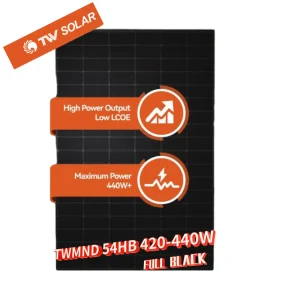
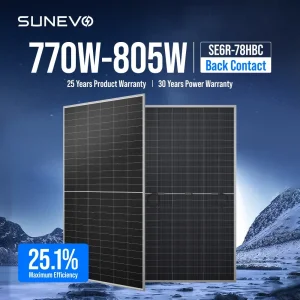
In highly built-up environments, traditional monocrystalline panels often struggle with limited angles of incidence and dynamic shadow cast. This has catalyzed the demand for advanced cell designs, specifically N-type Tunnel Oxide Passivated Contact (TOPCon) and Heterojunction Technology (HJT) bifacial panels, boasting exceptional performance in diffuse low-light environments and significantly higher temperature tolerance. These panels leverage their bifaciality to capture reflected albedo from concrete, metal structures, and surrounding buildings, amplifying net energy yield by up to 30% compared to standard monofacial variants.
SEO Insight & Information Gain: When sourcing urban PV systems, commercial buyers must calculate the Levelized Cost of Energy (LCOE) taking into strict account the high local installation costs in urban areas. Using high-efficiency 700W+ bifacial modules decreases structural BOS (Balance of System) expenses significantly by maximizing power per square meter, yielding a much faster ROI in dense industrial zones.
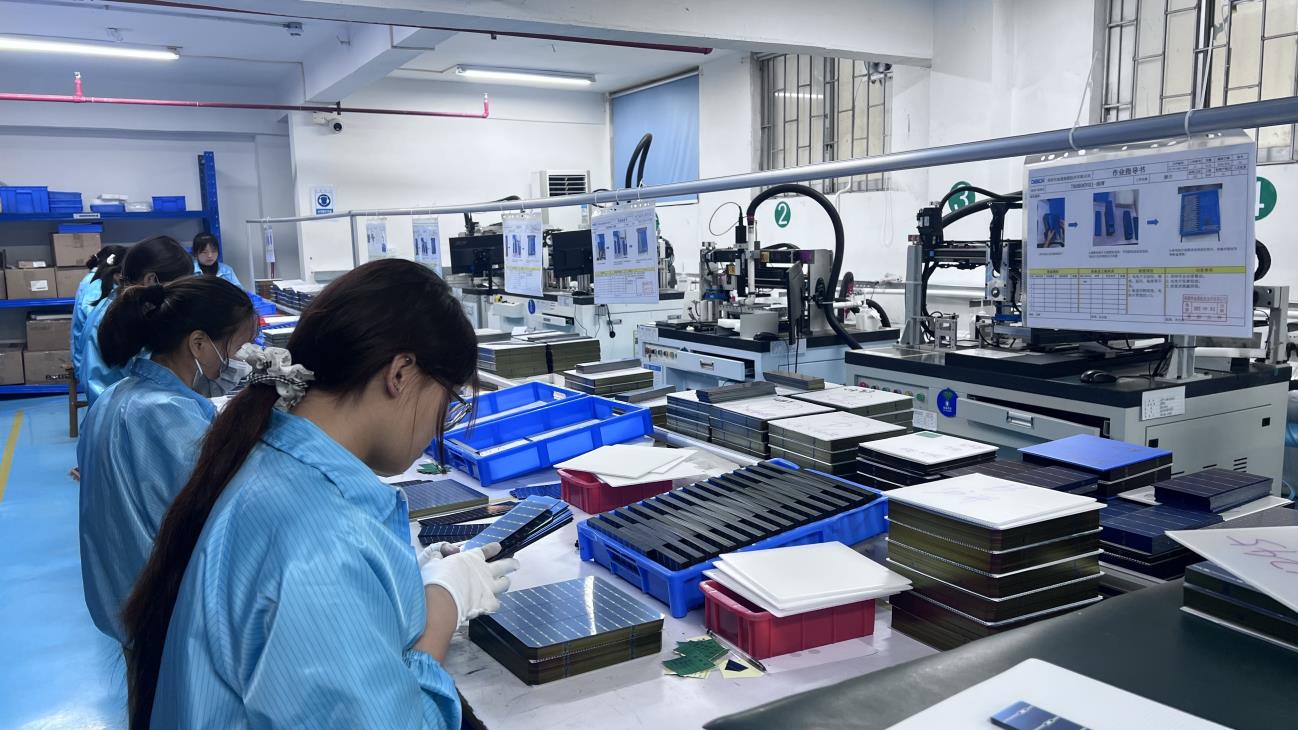
China continues to serve as the structural backbone of the global energy transition. The unparalleled efficiency of Chinese solar manufacturing facilities is not merely a consequence of labor dynamics, but rather the result of deep vertically integrated supply chains, intense technological R&D, and massive economies of scale. From silicon refinement to high-precision crystal pulling, wafer slicing, cell stringing, and final smart module assembly, the entire ecosystem is concentrated within highly interconnected regional clusters.
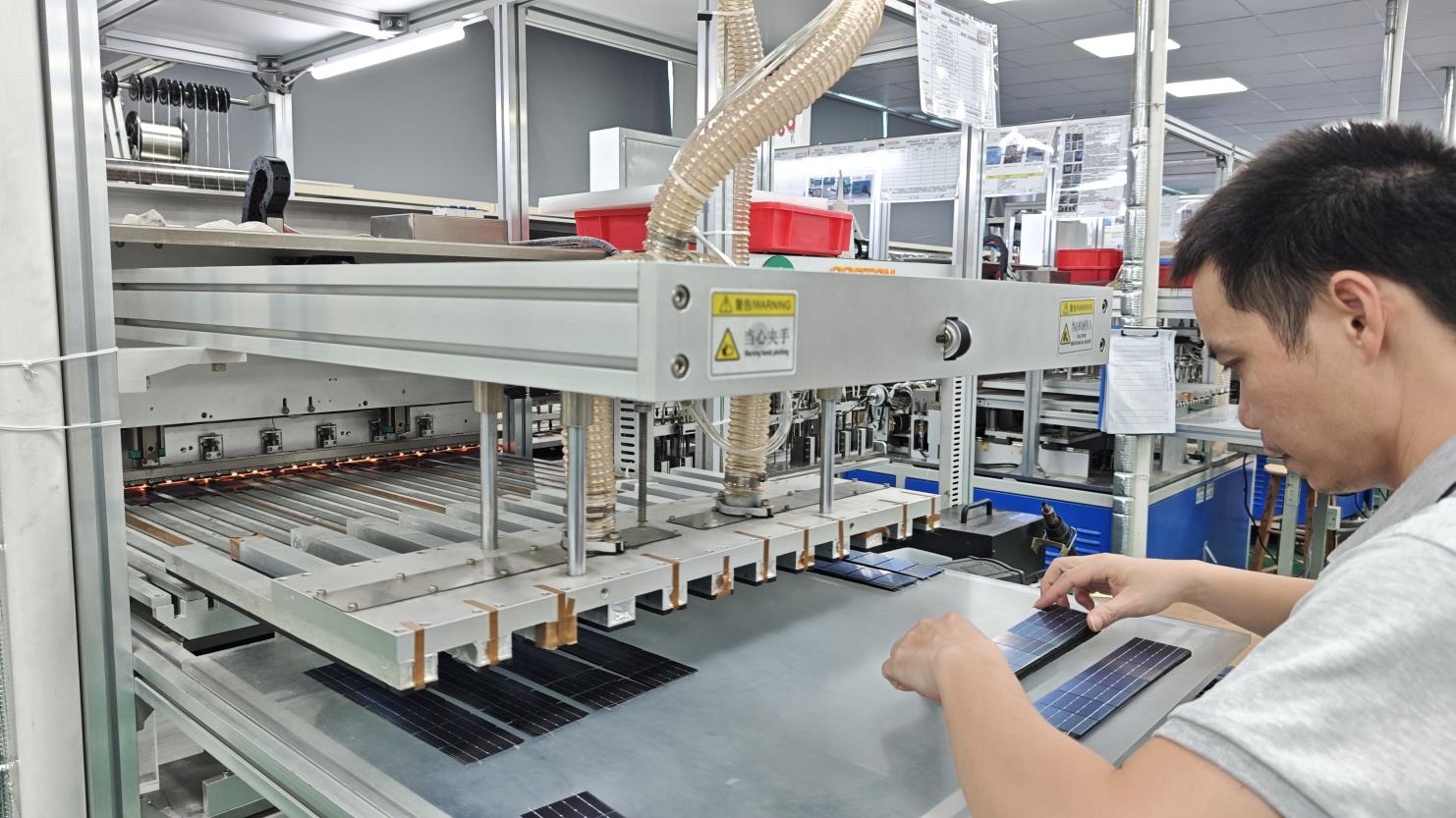
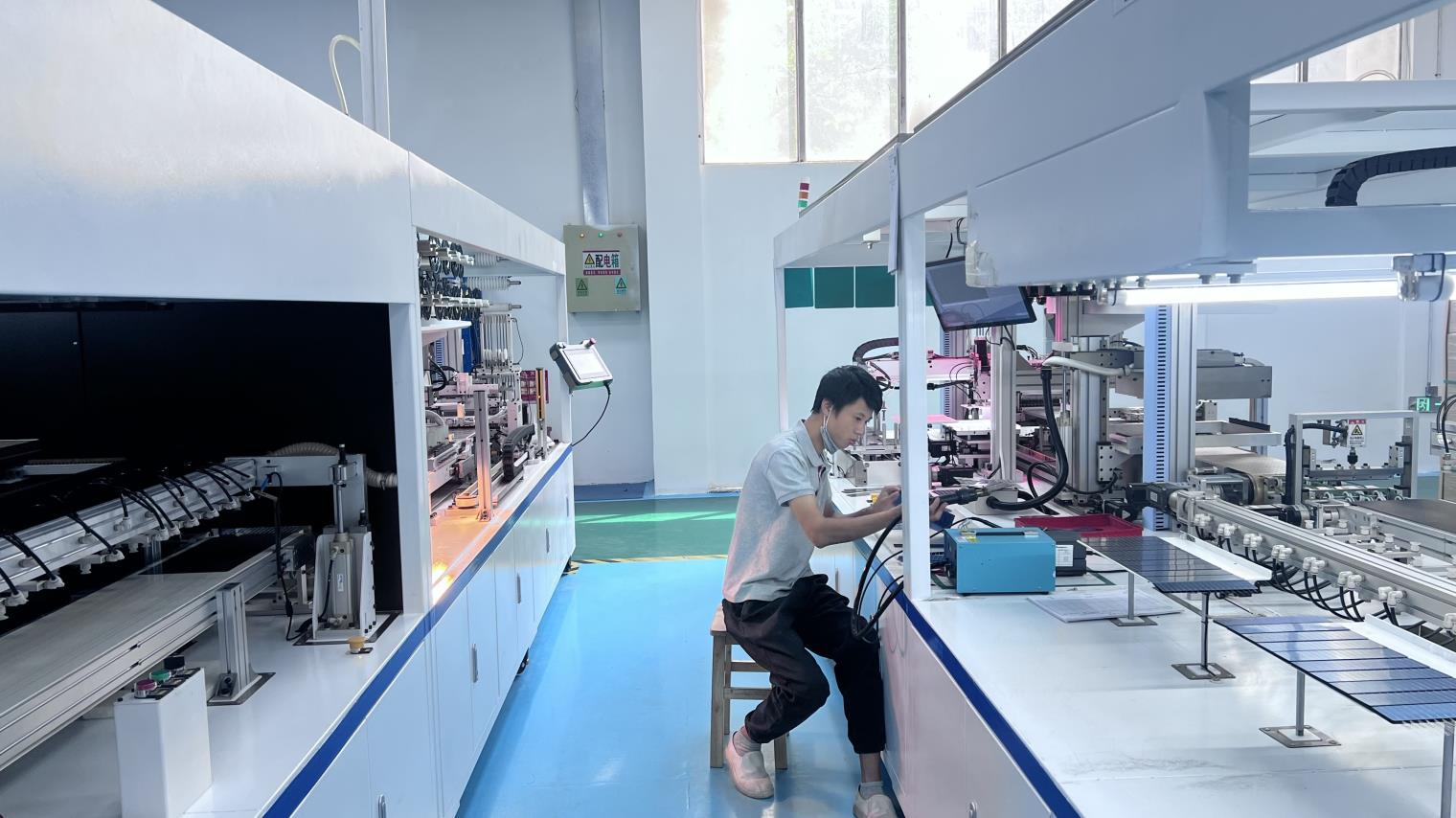
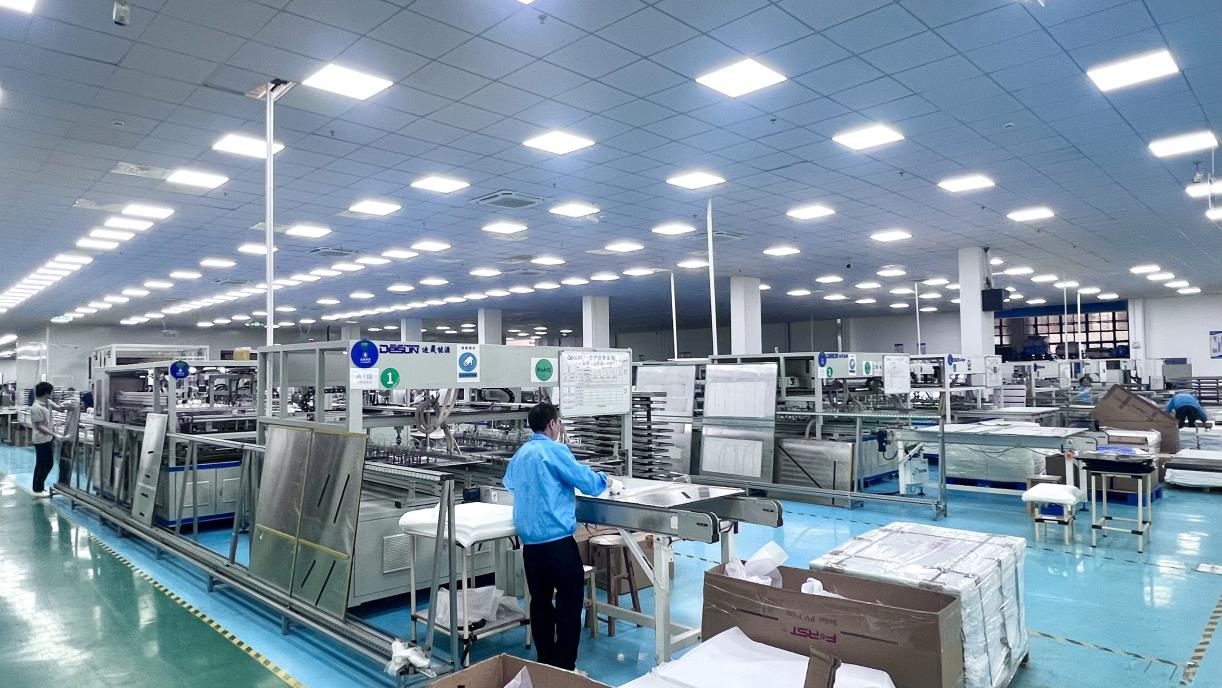
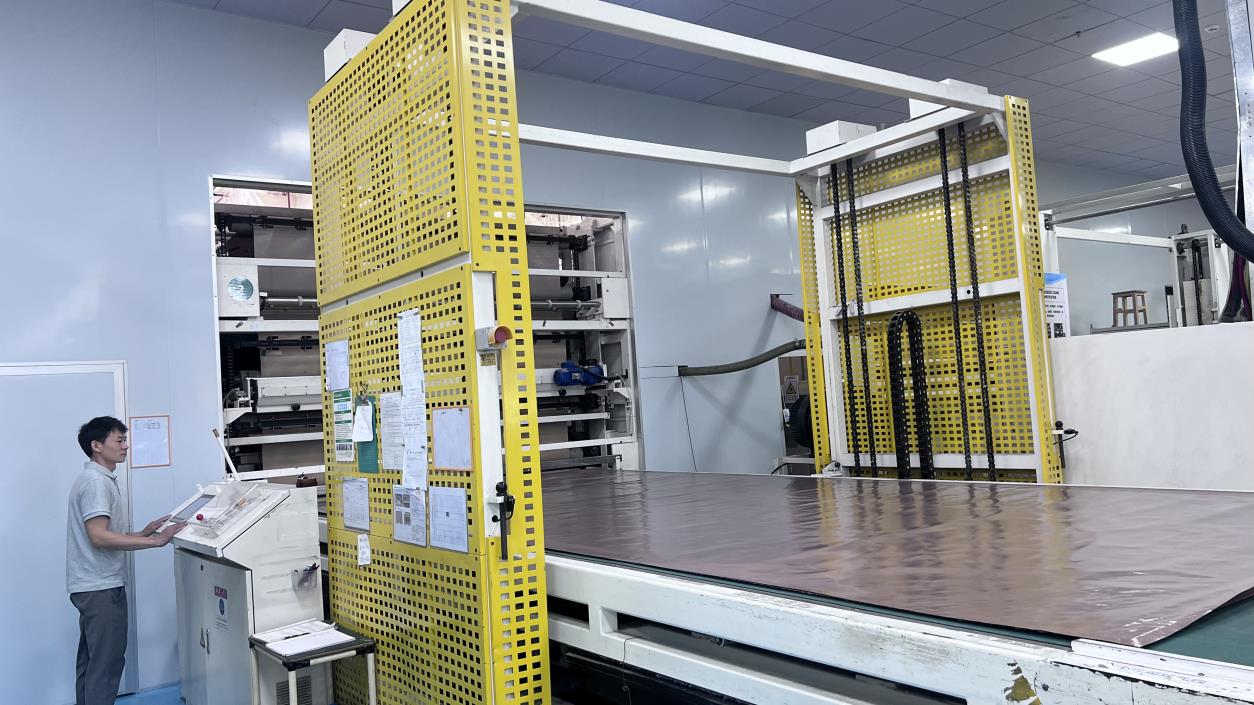
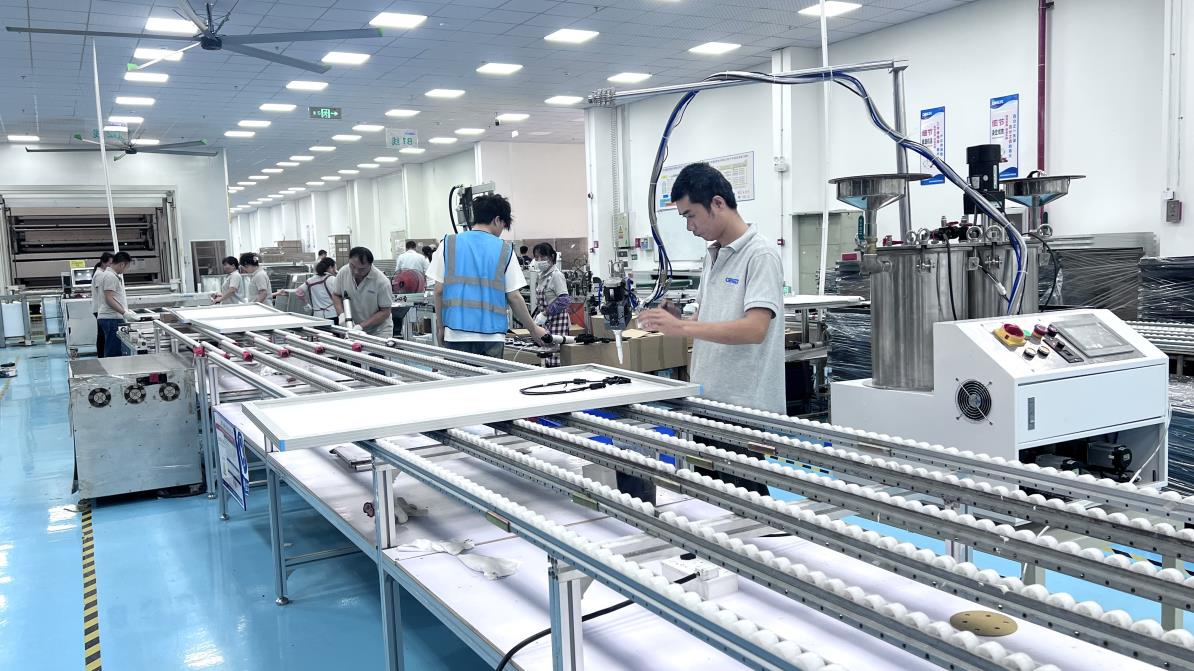
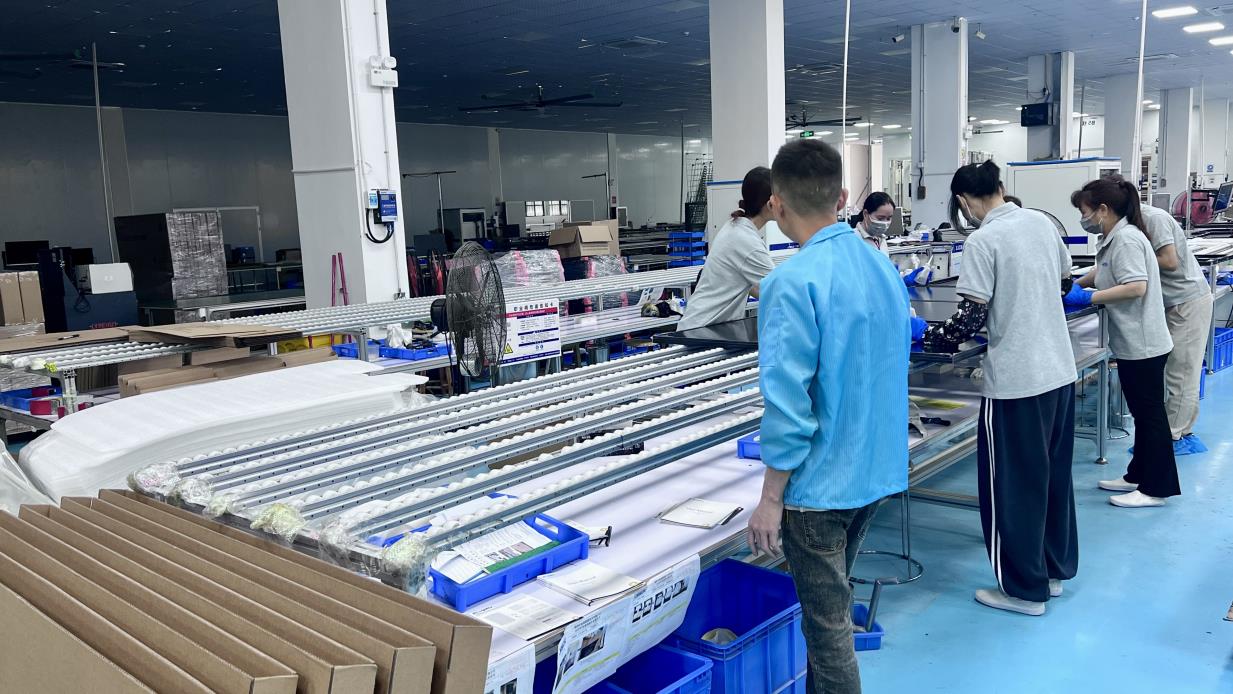
Xiamen ConTech Solar Co., Ltd. stands as a primary exemplar of this industrial standard. Strategically positioned as an elite high-tech solar exporter, our facility leverages high-grade materials, automated production processes, and rigorous, multi-tiered Quality Control (QC) frameworks. By coupling specialized laser scribing and automatic string welding, we guarantee structural panel integrity capable of weathering severe urban wind loads and chemical atmospheric conditions typical of industrial coastal towns.
Aligning modern supply chains with advanced technology, global policy compliance, and exceptional structural performance.
Modern developers require transparency in carbon footprint scoring. ConTech Solar leverages sustainable manufacturing protocols, targeting lower carbon inputs in all solar frame structures and crystal growing phases.
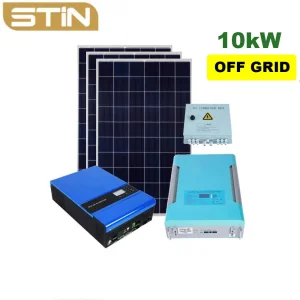
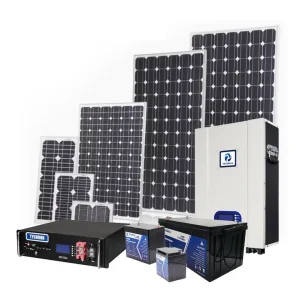
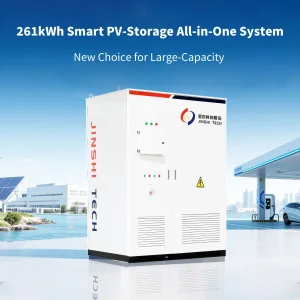
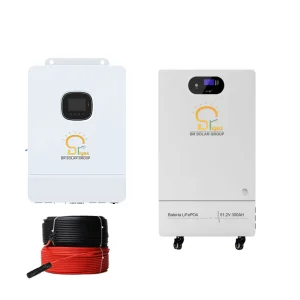
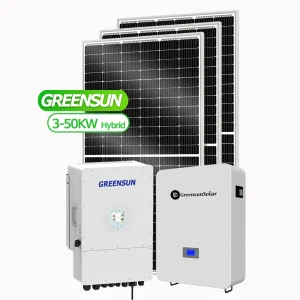
Urban grids suffer from high peak-load fluctuations. Integrating LiFePO4 battery storage arrays alongside local hybrid PV systems secures a continuous power backup loop for residential and commercial frameworks alike.
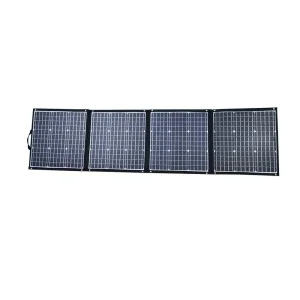
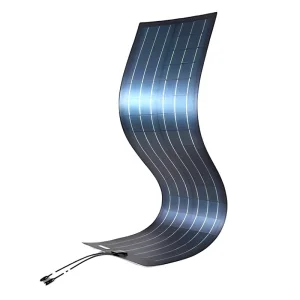
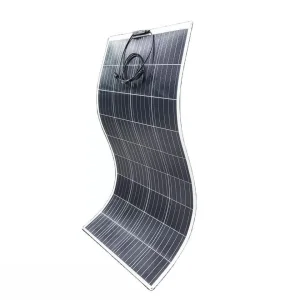
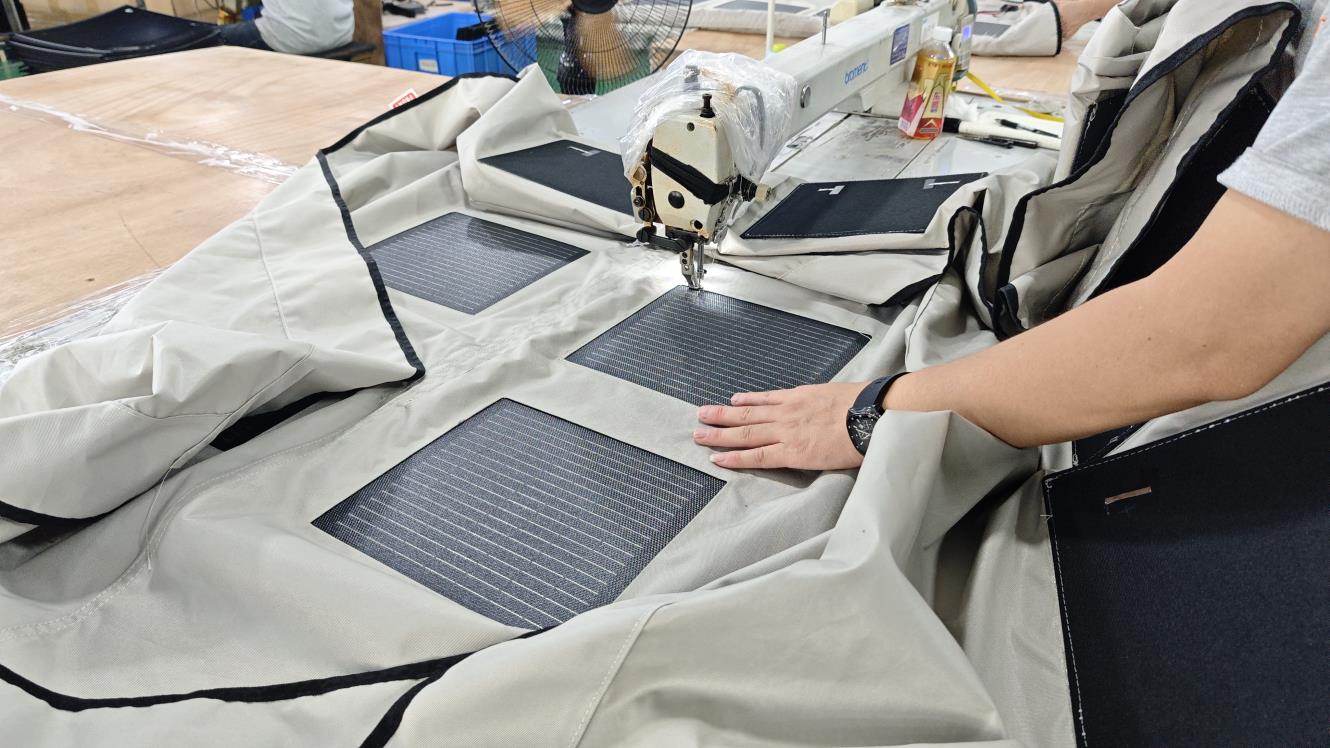
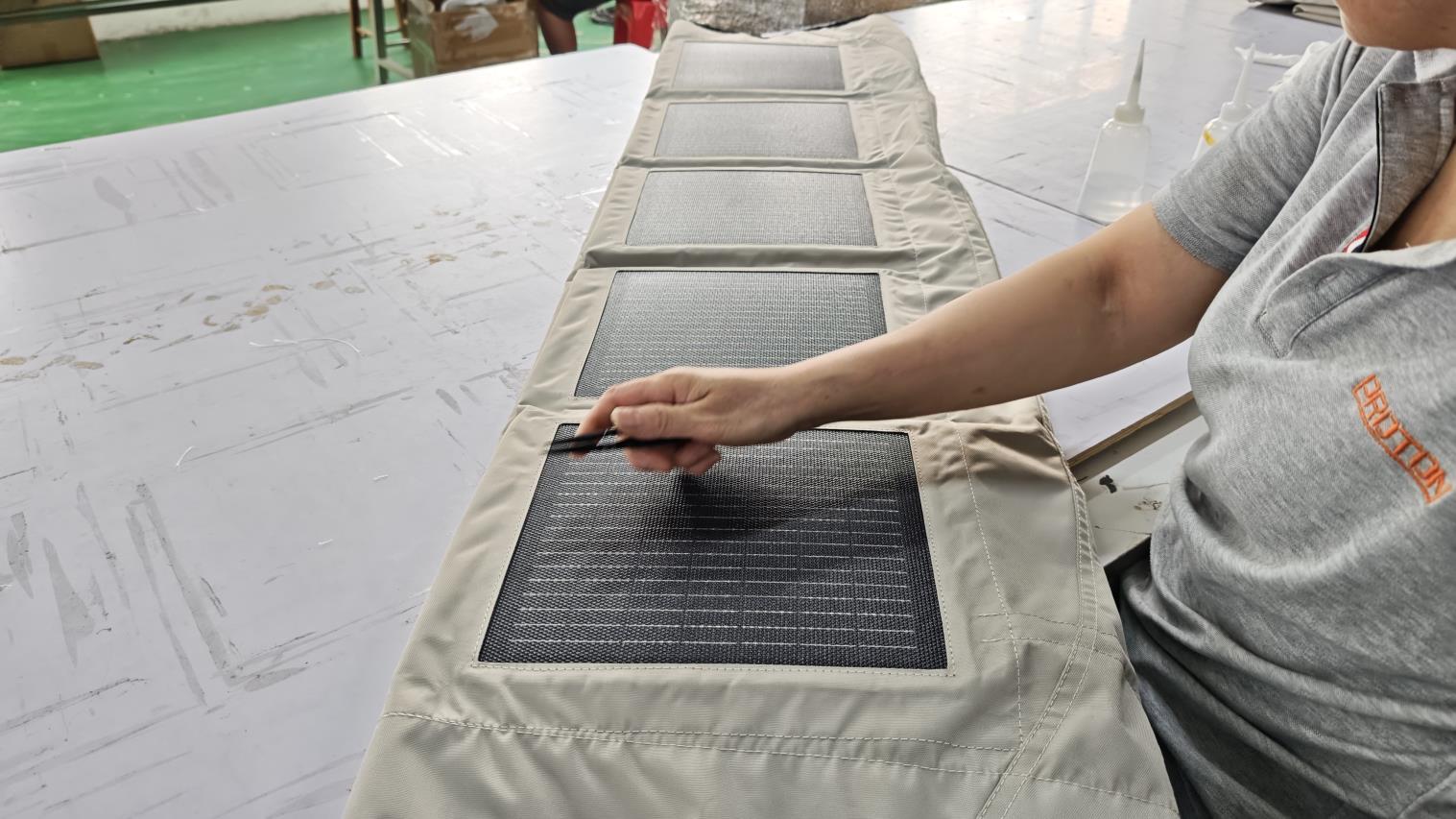
Flexible thin-film CIGS and portable shingled modules ensure maximum portability. Ideal for temporary field setups, maritime applications, RV solar kits, and lightweight urban residential projects.
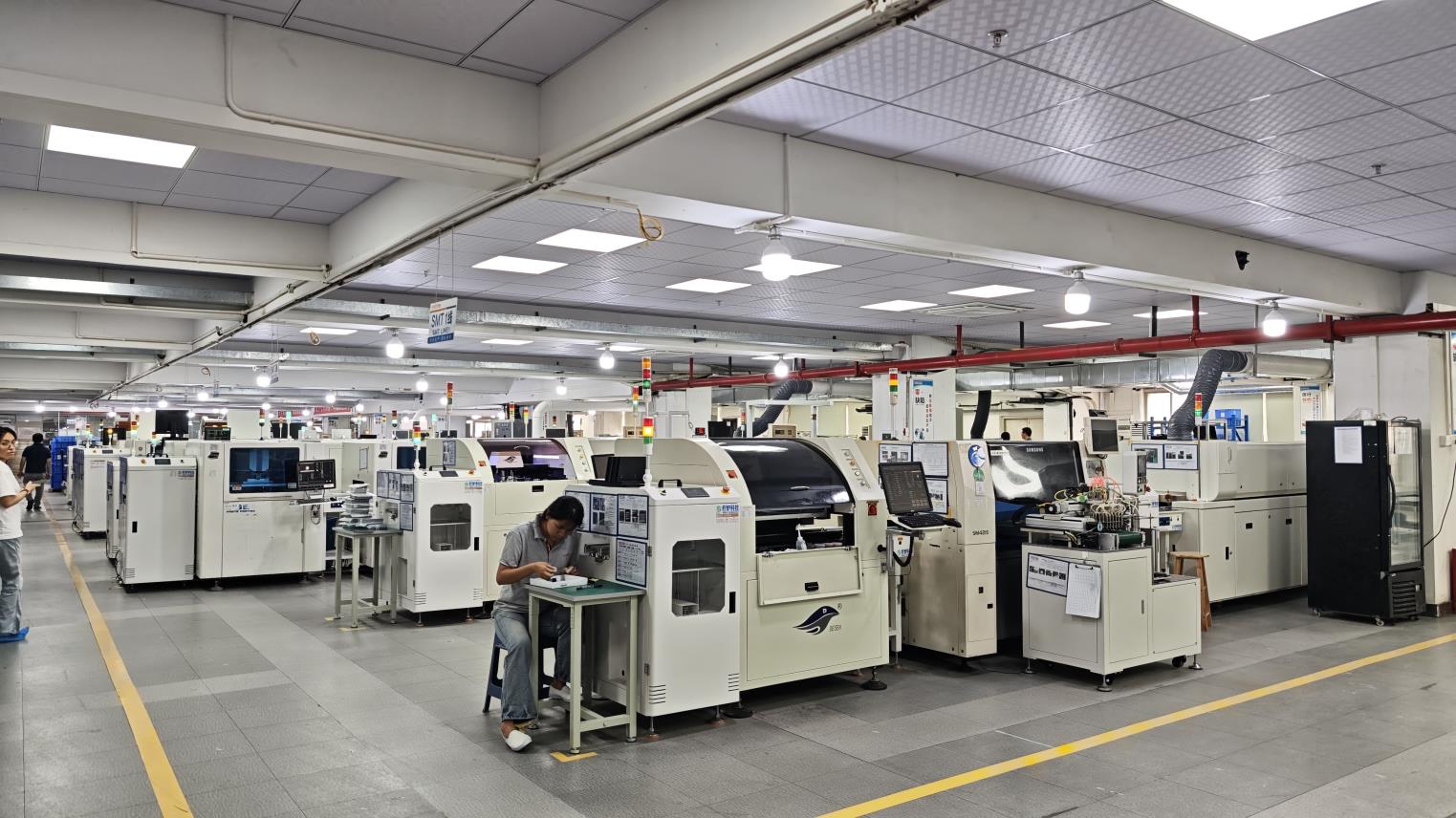
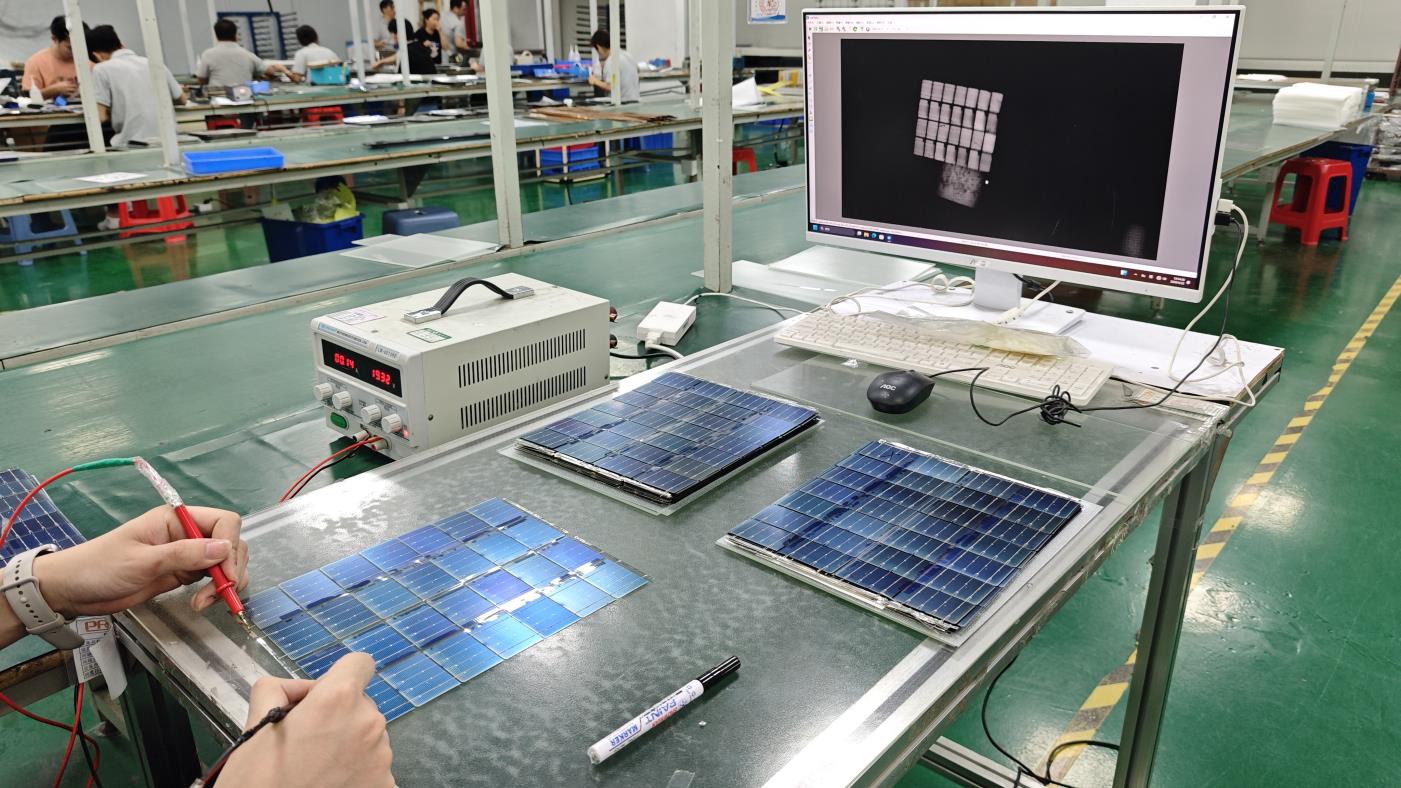
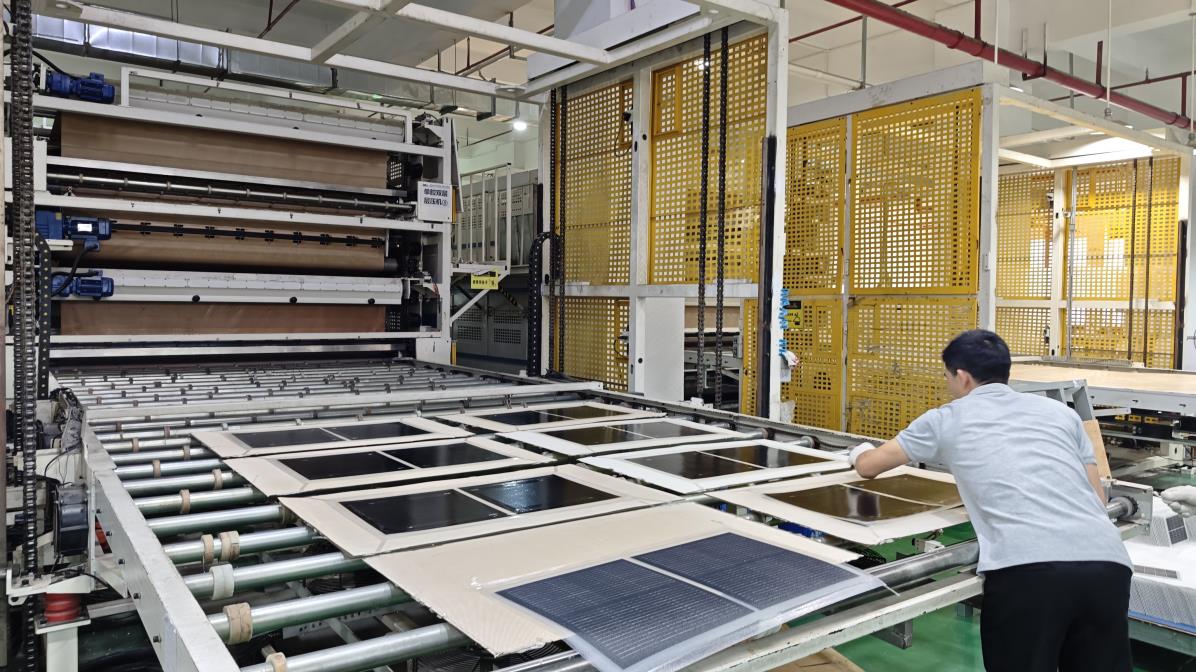
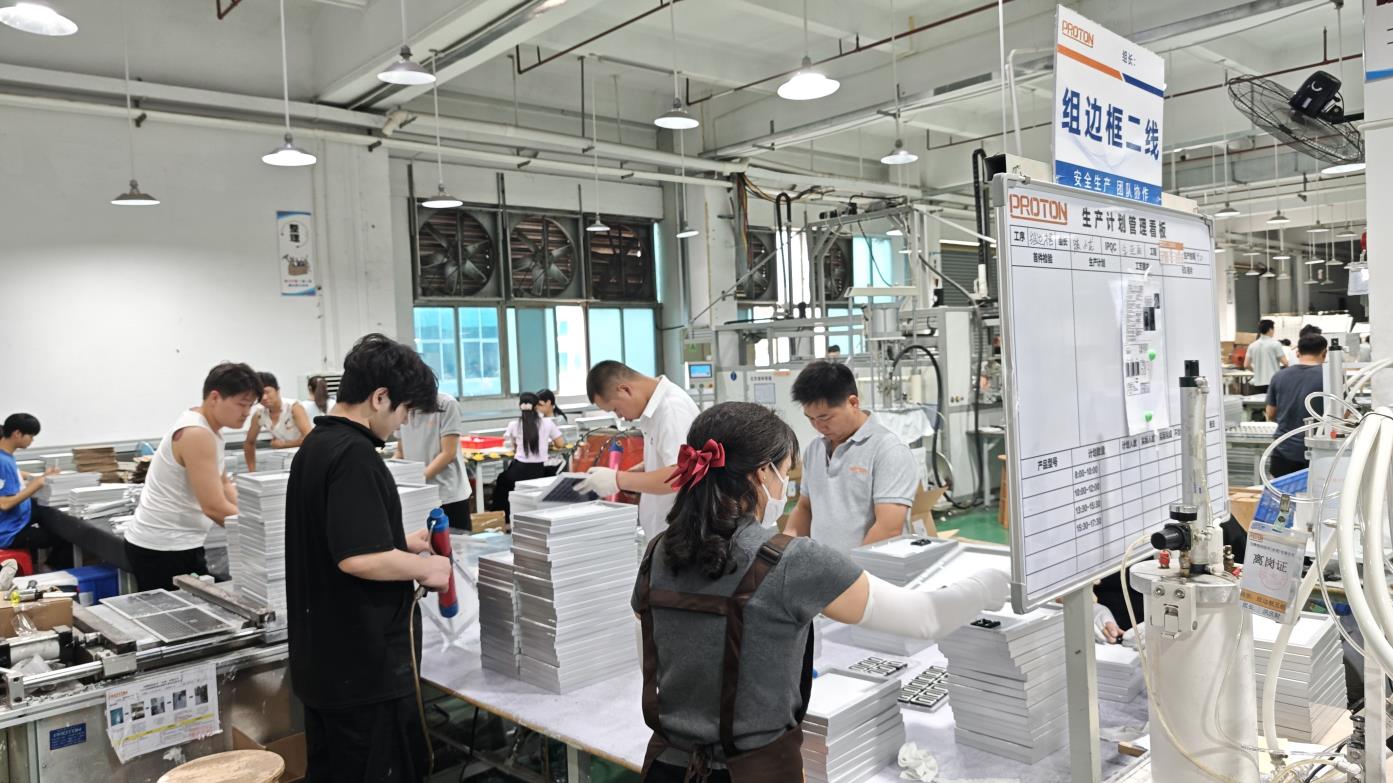
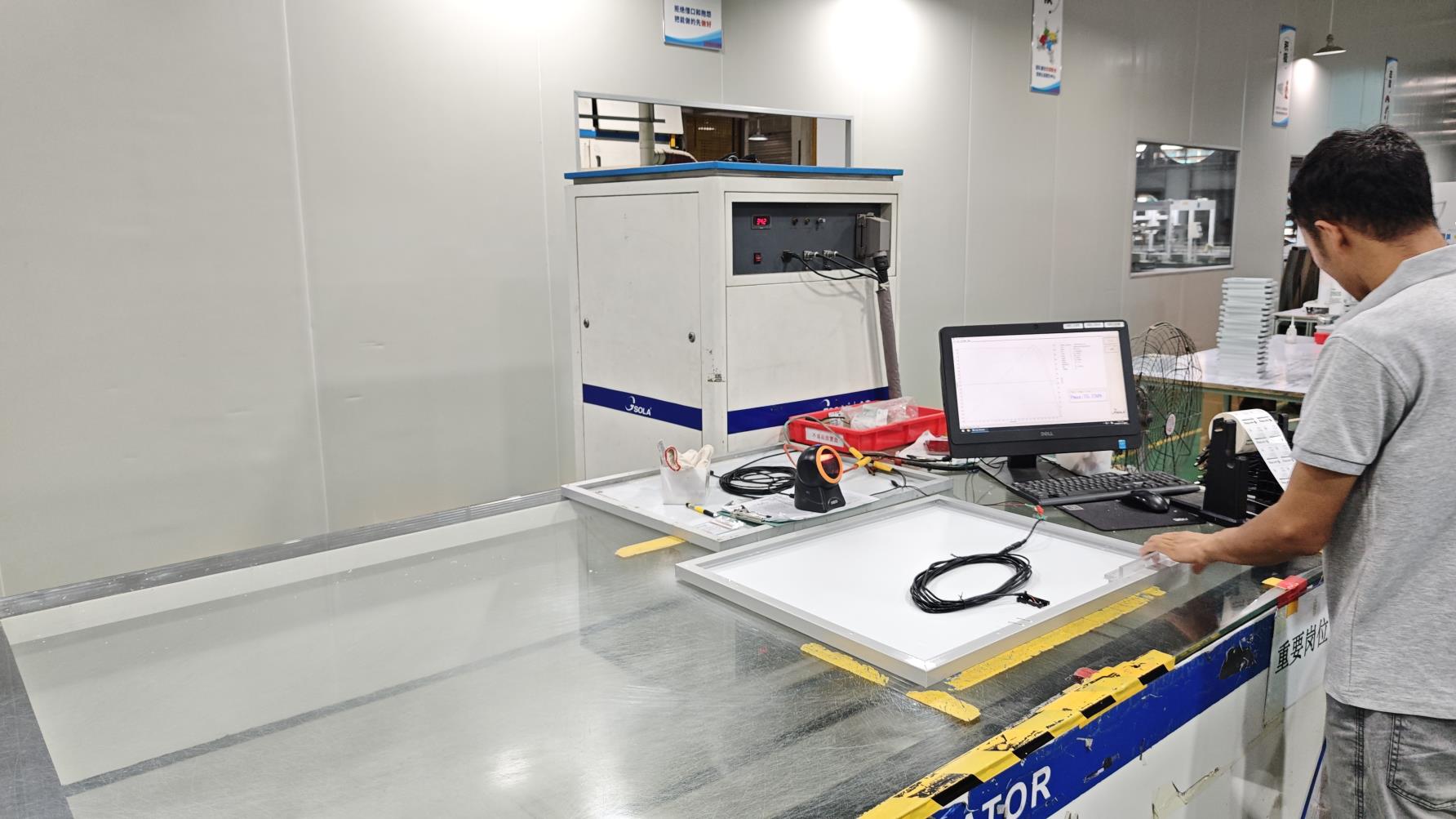
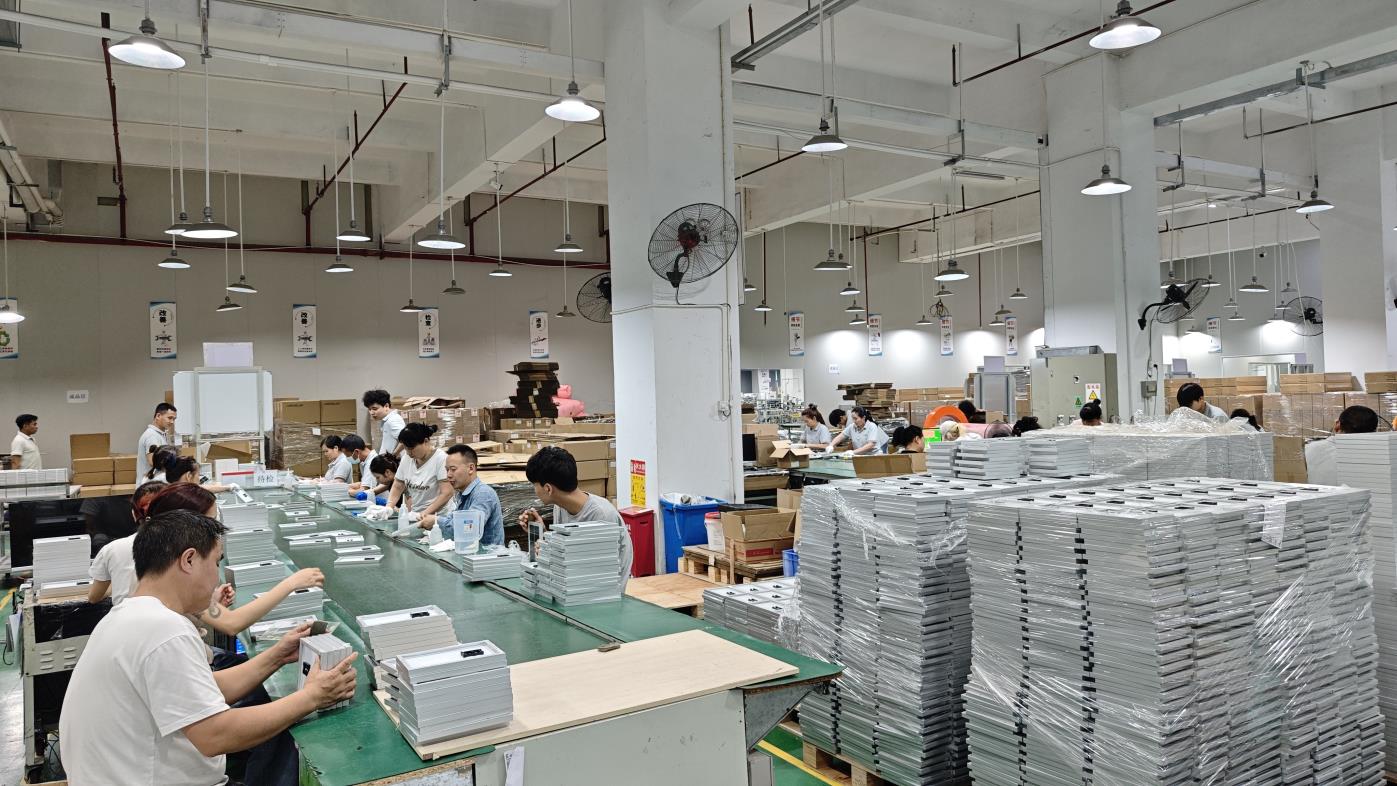
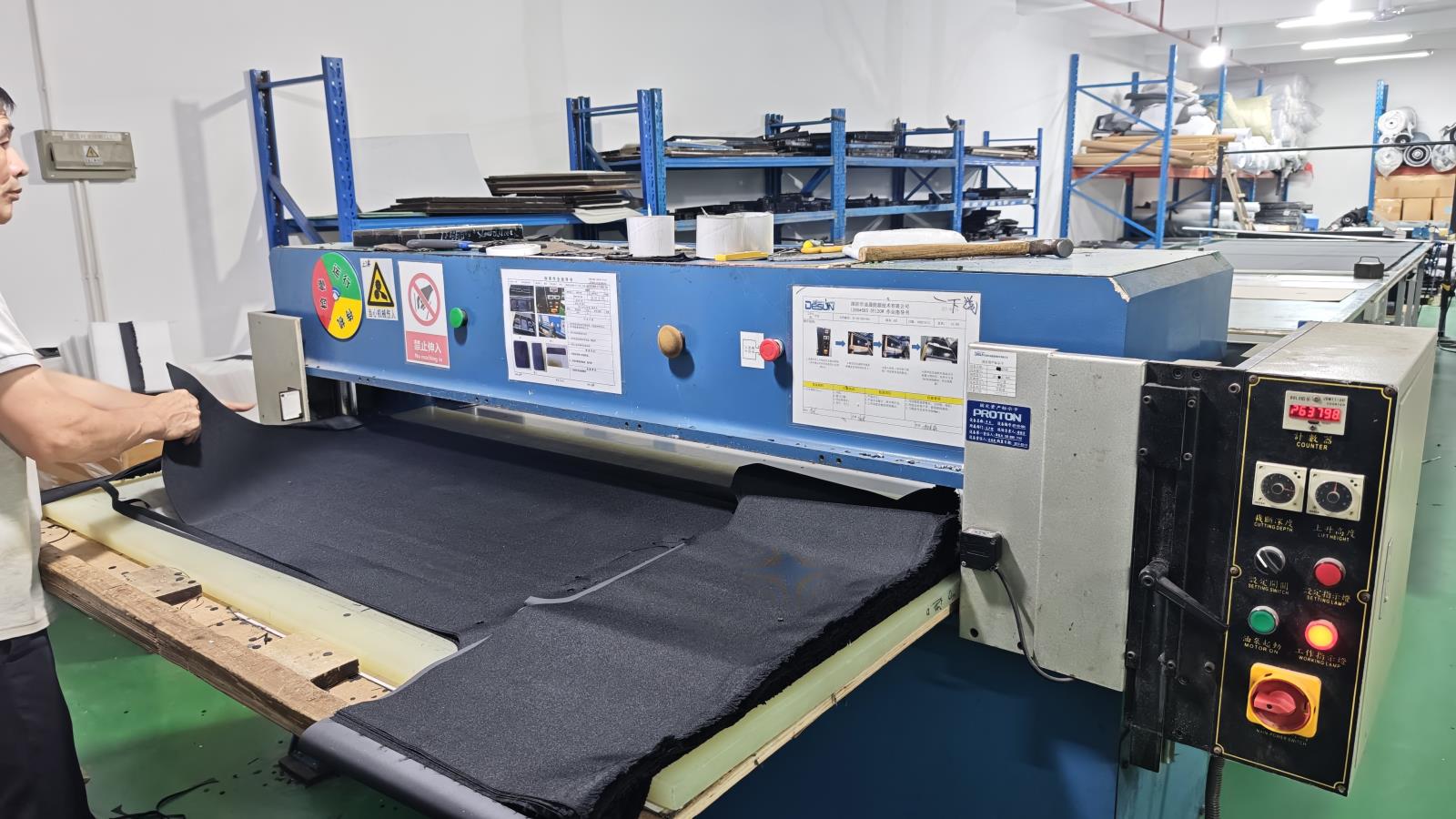
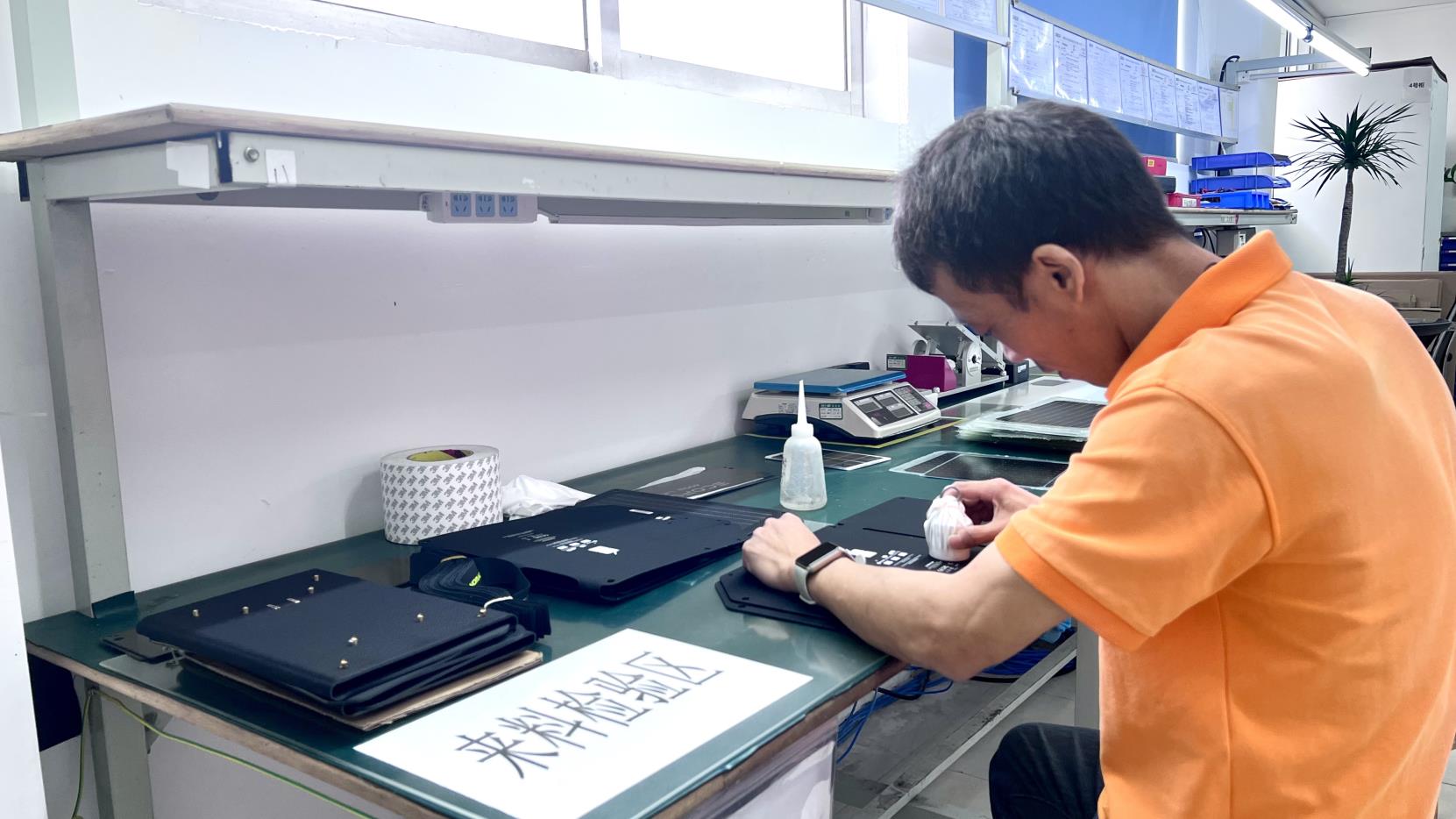
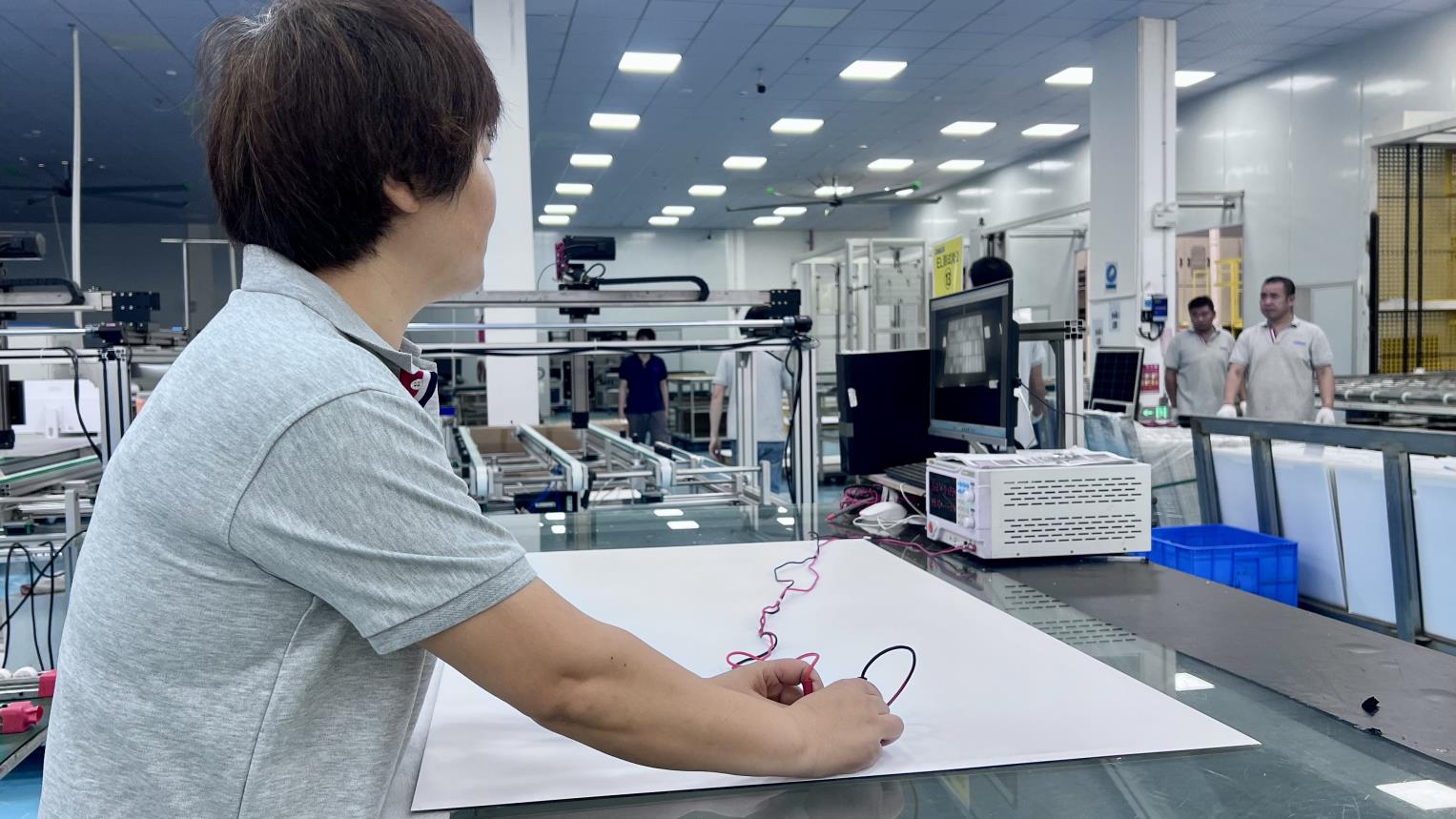
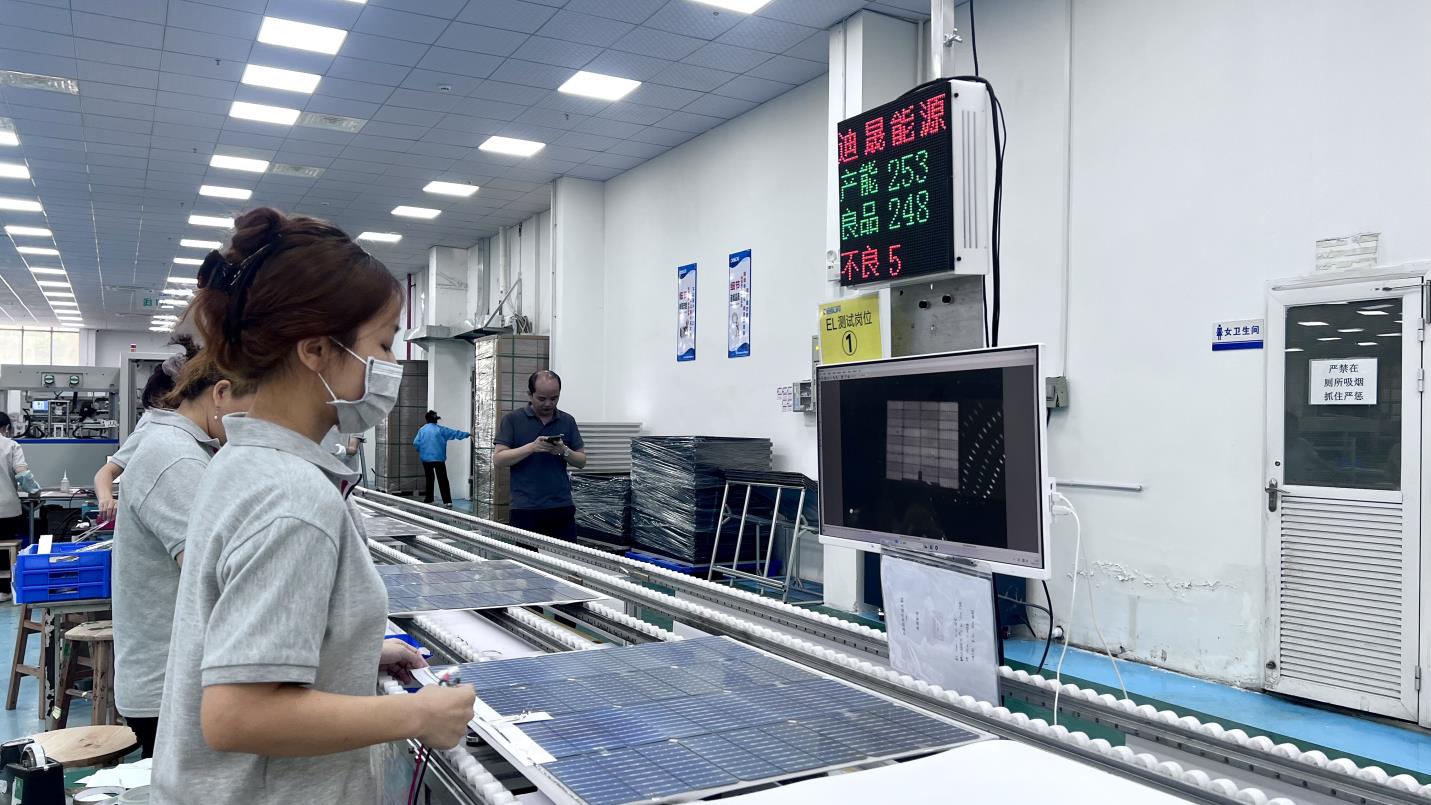
An inside look at our state-of-the-art production pipeline, illustrating technical excellence from raw silicon to export-ready modules.
How global enterprises navigate compliance, electrical safety parameters, and technological benchmarking.
When engineering urban solar architectures, several non-negotiable standards dictate procurement parameters. In contrast to isolated utility-scale installations, urban arrays sit adjacent to or directly on occupied spaces, creating strict guidelines regarding Rapid Shutdown (RSD) systems, flame-spread prevention, and mechanical load tolerances.
Global procurement teams must clearly delineate between the technologies when drafting RFQs:
Supply Chain Security Note: As a verified high-tech enterprise, Xiamen ConTech Solar Co., Ltd. secures premium raw materials (wafers, resins, and EVA backsheets) directly from Tier-1 refining channels. This ensures that every shipped container features uniform, non-degrading PV cells with minimal light-induced degradation (LID) profiles over decades of utility.
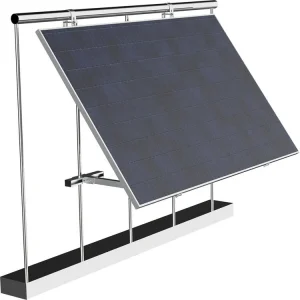
Our global engineering service provides extensive OEM and ODM assistance. We work closely with international distribution partners to design tailored balance-of-system structures, such as customized urban balcony mounting frameworks equipped with adjustable angle-locks, maximizing winter/summer efficiency variances in countries across Europe and the Americas.
Detailed answers to the most common highly technical queries submitted by commercial developers and importing distributors.
Urban installations require strict adherence to international electrical and fire safety codes. Photovoltaic modules must hold IEC 61215 and IEC 61730 certifications to verify performance limits under thermal and mechanical stress. For commercial rooftops, rapid shutdown capability (NEC 2017/2020 standard in the USA, and equivalent local mandates in Europe) is essential to lower voltage at the module level within seconds during emergency structural operations.
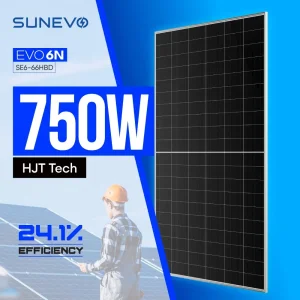
N-Type cells (including TOPCon and BC) and Heterojunction (HJT) cells offer higher conversion efficiency, a superior temperature coefficient, and zero Light-Induced Degradation (LID). Because N-Type silicon is doped with phosphorus instead of boron, it eliminates the boron-oxygen defects that historically caused power drops in older generation panels. Additionally, HJT features a symmetric structural core that delivers high bifaciality, permitting the capture of diffuse reflection from light-colored building facades.
Copper Indium Gallium Selenide (CIGS) is an ultra-lightweight, flexible solar cell technology. While crystalline silicon panels provide higher raw efficiency in direct sunlight (20-23%), CIGS is highly flexible, conforms to rounded surfaces (such as curved roofs, yachts, and vehicles), and shows superior tolerance to partial shading. Under partial shade, standard crystalline panels may lose significant output due to cell-string disruptions, whereas modern CIGS bypass-diode architectures minimize localized loss.
Every single module undergoes comprehensive optical inspection, multi-stage Electroluminescence (EL) testing to detect micro-cracks invisible to the human eye, and flash testing to verify positive power output tolerance (0 to +5W). Our manufacturing steps are heavily audited via strict IQC (Incoming Quality Control) and final QC checks, aligning with ISO 9001 quality management protocols.
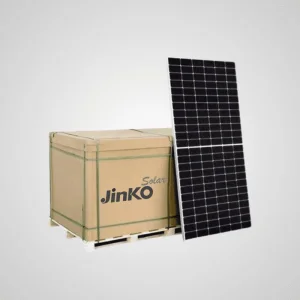
To avoid micro-fractures during maritime or overland transport, we utilize high-density vertical packaging pallets with protective corner guards, moisture-resistant packaging materials, and heavy-duty cardboard framing. Flexible modules are packed in flat, foam-interleaved cartons or securely rolled structures, depending on the thickness, avoiding mechanical pressure on the cell contacts.
Featuring robust home-storage solutions, plug-and-play balcony sets, and heavy-duty industrial PV panels.
 ConTech Solar