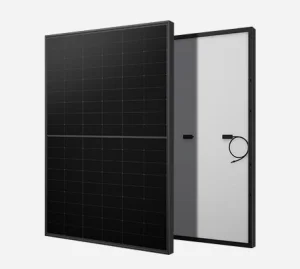
High-efficiency monocrystalline solar panels engineered for commercial, residential, and portable applications.
Maximum Module Efficiency
Linear Performance Warranty
Countries Supplied & Serviced
Quality Supply Chain Standards
An in-depth guide on procurement, technical integration, and system optimization for developers.
The global shift toward net-zero targets has changed solar power plant technology from a CSR initiative into a core financial strategy. Commercial and Industrial (C&I) businesses utilize solar power plants to hedge against volatile electricity prices, reduce operational expense (OPEX), and lower Scope 2 carbon emissions. As grid capacities tighten globally, localized solar generation acts as a reliable buffer, providing clean, cost-effective power exactly where it is needed.
Working with reliable solar power plant manufacturers and suppliers helps corporate energy buyers address challenges such as regulatory compliance, land constraints, and capital allocation. Current system designs leverage high-density N-Type TopCon and Bifacial configurations to maximize yield per square meter, ensuring viable financial returns on rooftops, brownfield sites, and agricultural projects.
Procuring equipment for multi-megawatt projects requires thorough risk mitigation and attention to technical specifications. Engineering, Procurement, and Construction (EPC) companies evaluate suppliers based on bankability, manufacturing capacity, and technical compliance. Key procurement requirements include:
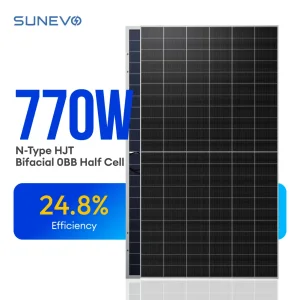
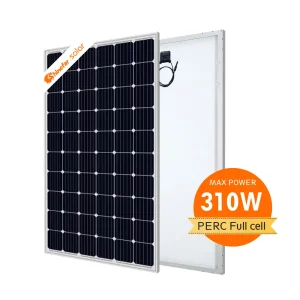
Modern PV projects require choosing the correct cell architecture to optimize Levelized Cost of Energy (LCOE). The industry has transitioned from p-type PERC cells to n-type TOPCon (Tunnel Oxide Passivated Contact) and HJT (Heterojunction) configurations, which offer higher power classes, lower temperature coefficients, and improved performance in low-light conditions.
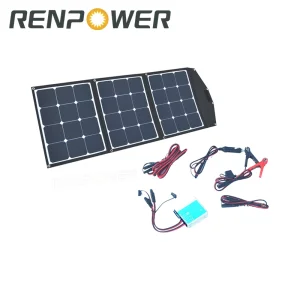
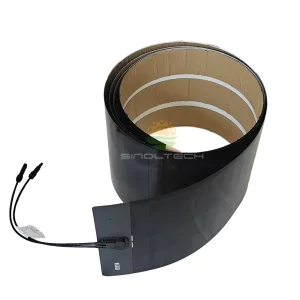
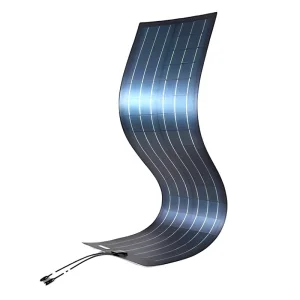
For architectural integration (BIPV) and weight-constrained industrial roofs, CIGS (Copper Indium Gallium Selenide) flexible thin-film modules offer a lightweight alternative that requires no heavy structural mounting systems. Shingled cell technology removes ribbon interconnections, minimizing micro-cracking risks and maximizing the active power area of the module.
Innovative technology customized for modern infrastructure and harsh environments.
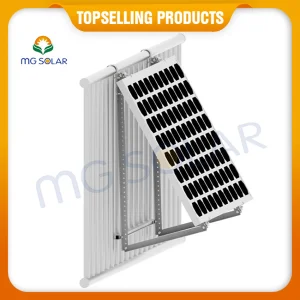
Designed for flat and curved industrial roofs. Features lightweight, flexible thin-film options and high-efficiency bifacial panels that integrate into building envelopes with minimal load impact.
Engineered for megawatt-scale ground installations. Compatible with single-axis tracking systems to maximize direct sunlight exposure, optimized to lower balance of system (BOS) costs.
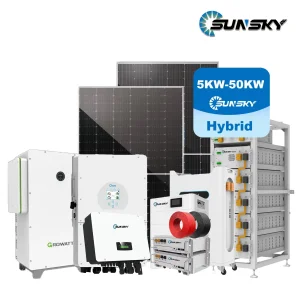
Combines hybrid inverters (e.g., Deye Hybrid systems) with robust battery storage to provide continuous power for remote mining, agricultural projects, and telecommunications sites.
Manufacturing Excellence in Photovoltaic Infrastructure
Xiamen ConTech Solar Co., Ltd. is a high-tech enterprise specializing in the research, development, production, and sales of solar energy products. Since its establishment, the company has provided efficient, reliable, and environmentally friendly solar solutions to customers worldwide. Guided by the business philosophy of "Innovative Technology, Superior Quality, and Sustainable Development," ConTech Solar continuously strengthens its technological innovation and product development capabilities.
With an experienced R&D team and advanced manufacturing technology, Xiamen ConTech Solar Co., Ltd. produces solar panels, solar controllers, solar energy systems, and related photovoltaic products. These products are used in residential rooftops, commercial and industrial solar projects, large-scale photovoltaic power stations, agricultural applications, street lighting systems, and off-grid energy solutions.
The company operates advanced production facilities and strict quality control systems to ensure the stability and performance of every product. ConTech Solar maintains a comprehensive quality management system, continuously improving production efficiency and product capabilities to meet international standards and customer requirements.
Adhering to the principle of "Customer First, Quality Foremost," Xiamen ConTech Solar Co., Ltd. has established a strong reputation in both domestic and international markets through competitive pricing, professional technical support, and after-sales service. The company actively promotes green energy development to contribute to global sustainable energy solutions.
Looking ahead, Xiamen ConTech Solar Co., Ltd. will continue to focus on innovation, expand its global market presence, and build long-term partnerships with customers around the world for mutual growth and success.
Step-by-step quality assurance and advanced automation from raw silicon processing to final packaging.
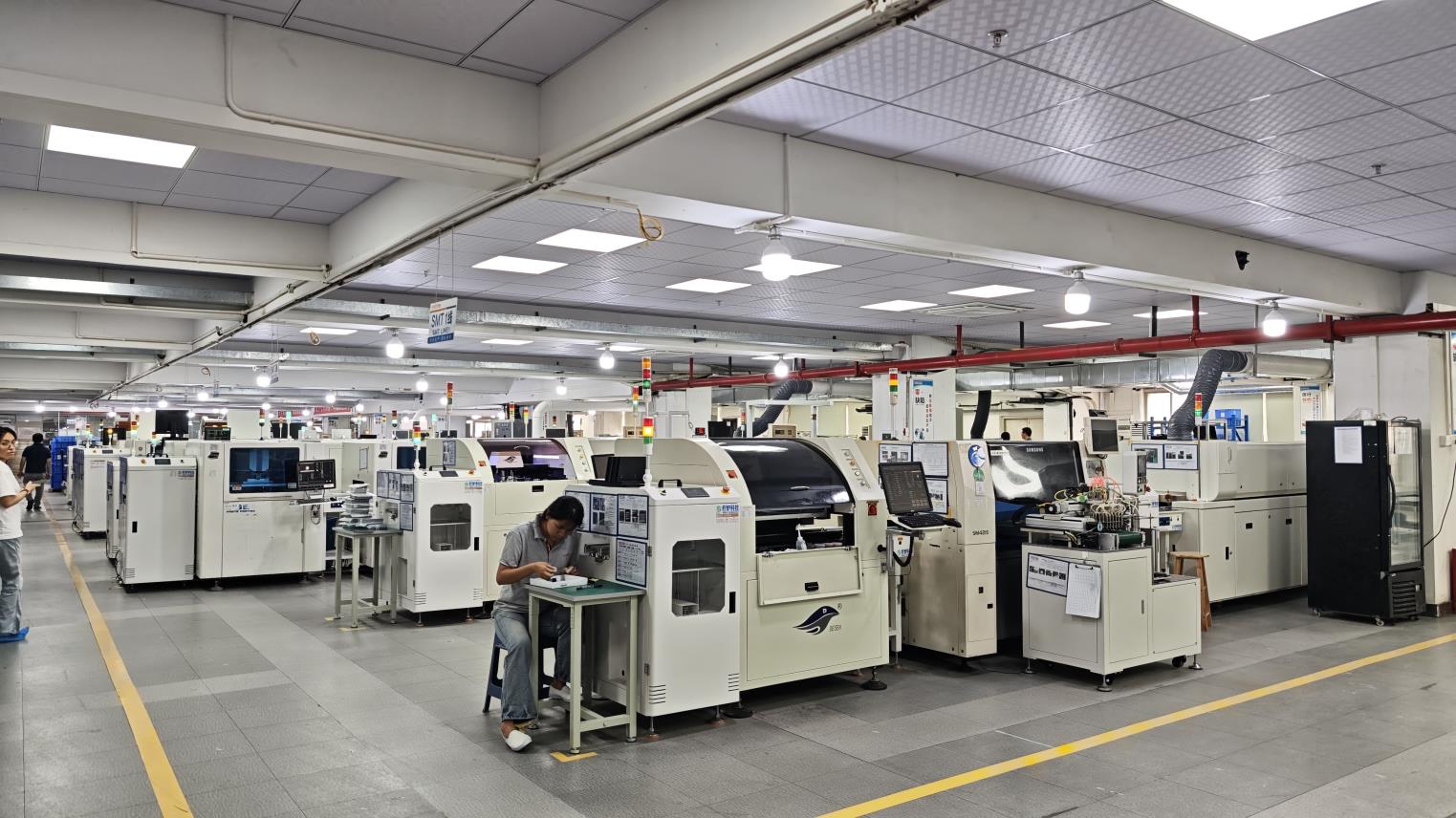
SMT
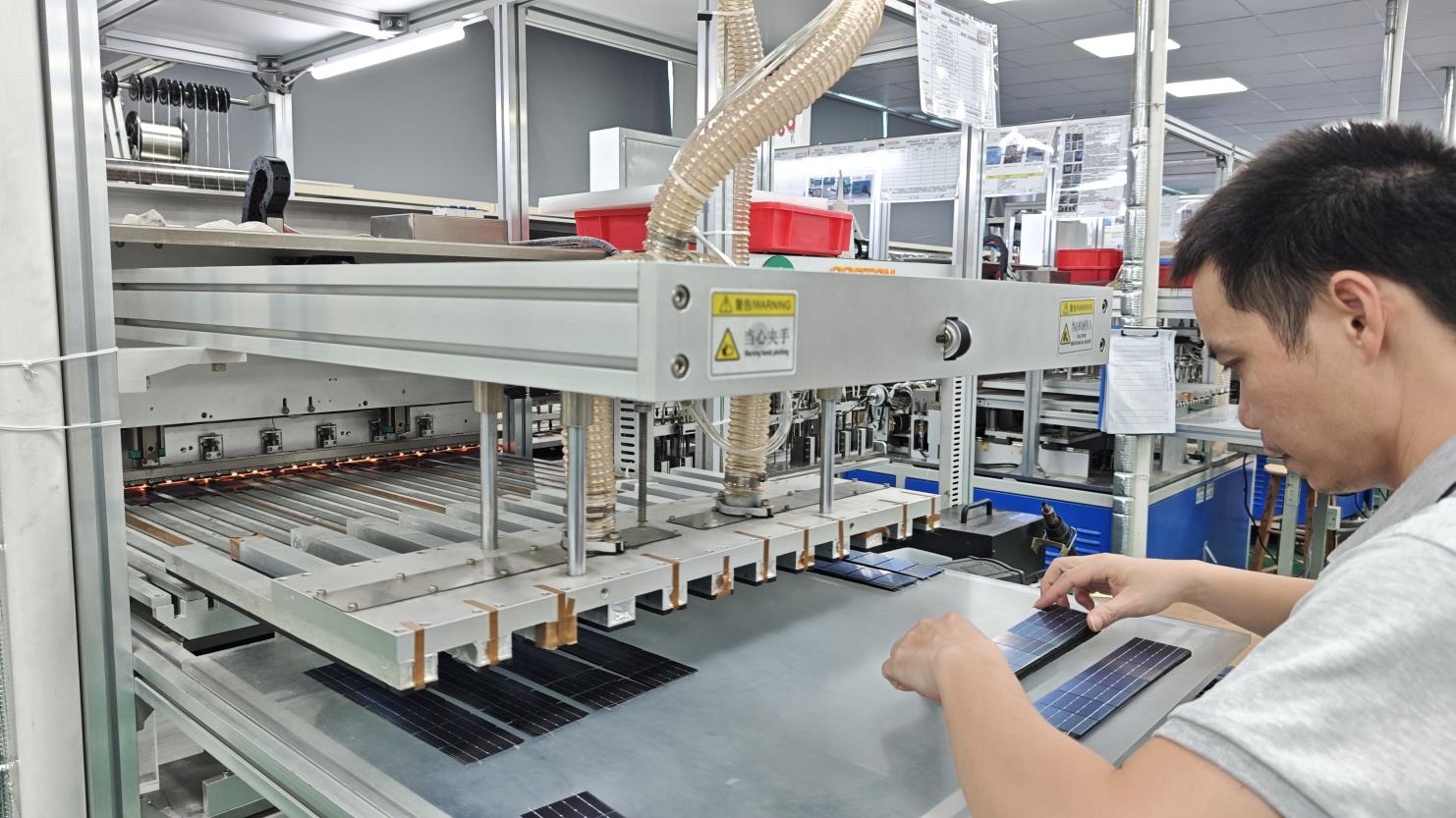
Series welding
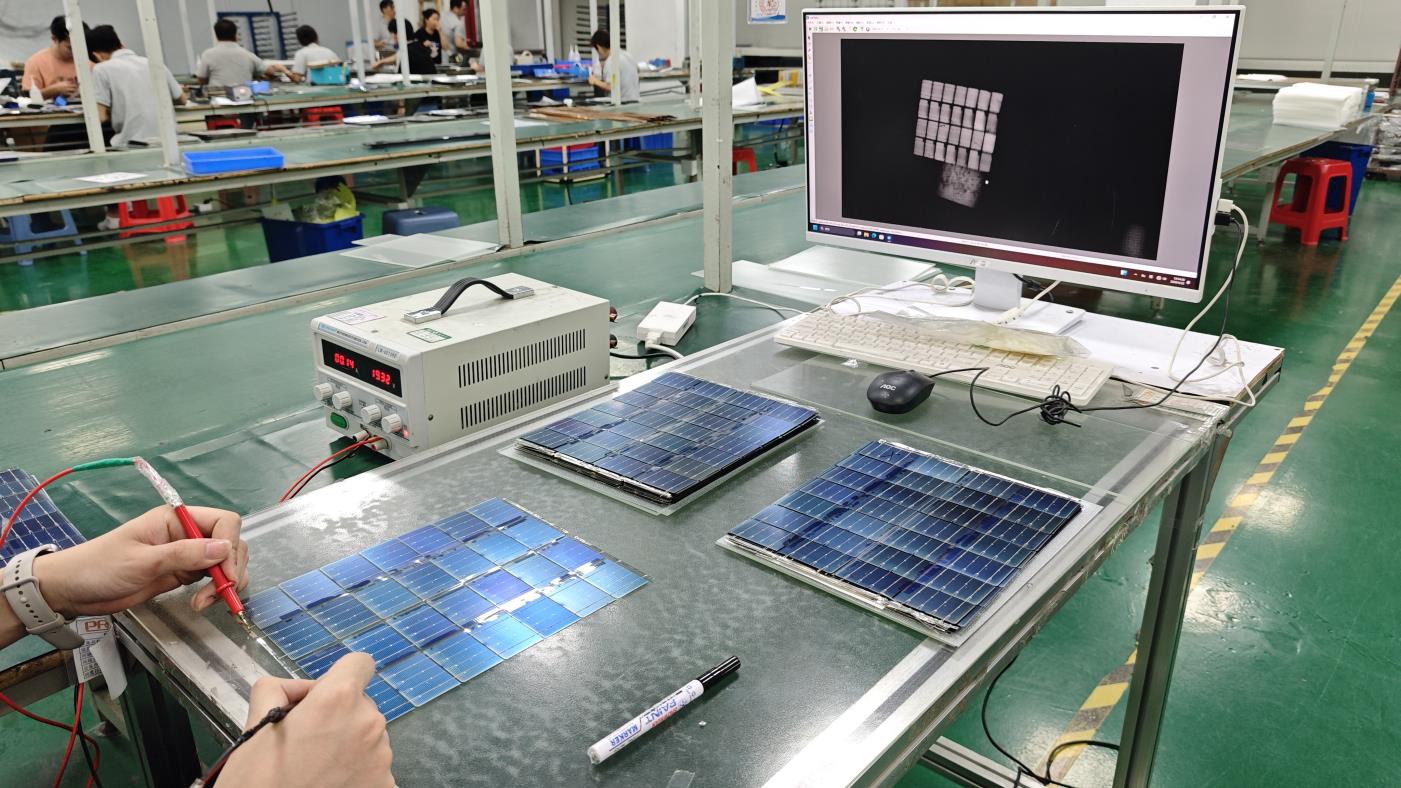
Testing

Solar panel laminating
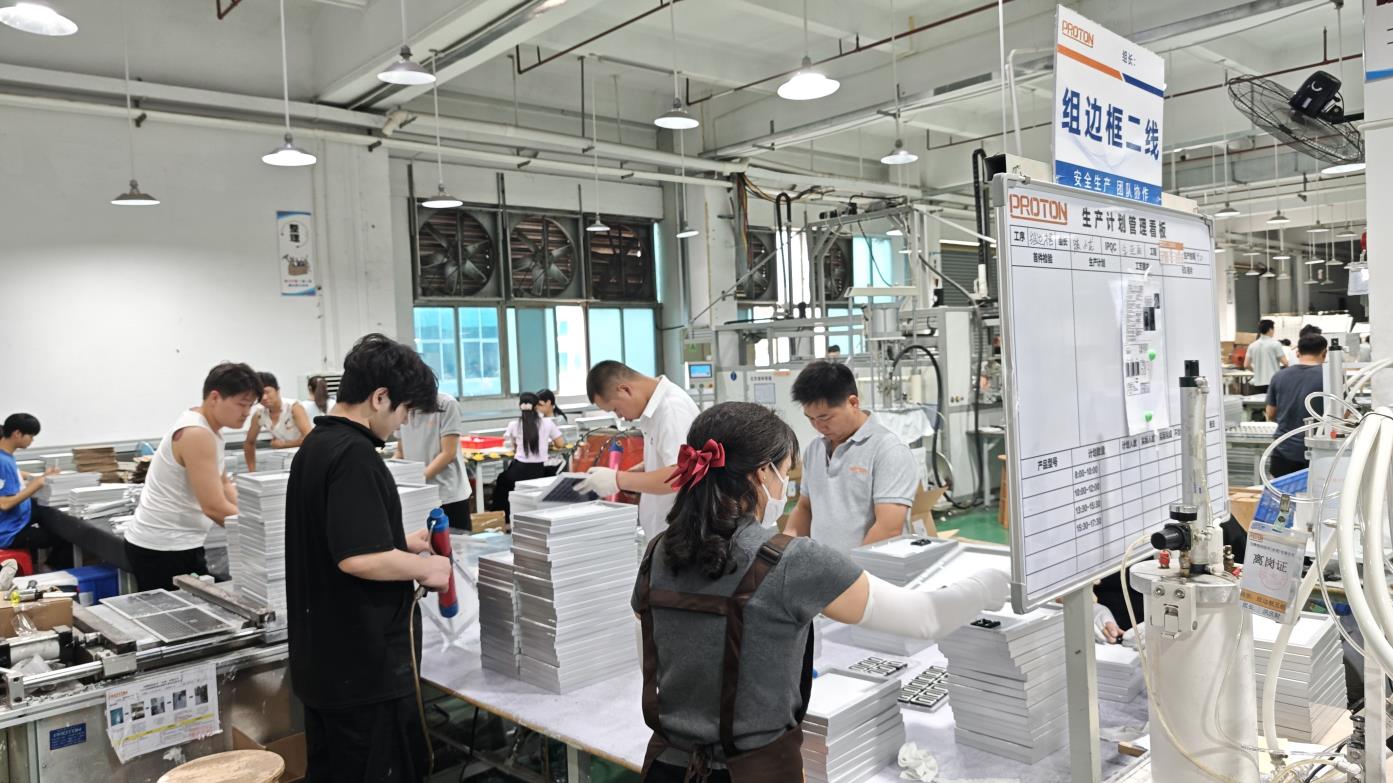
Assembling
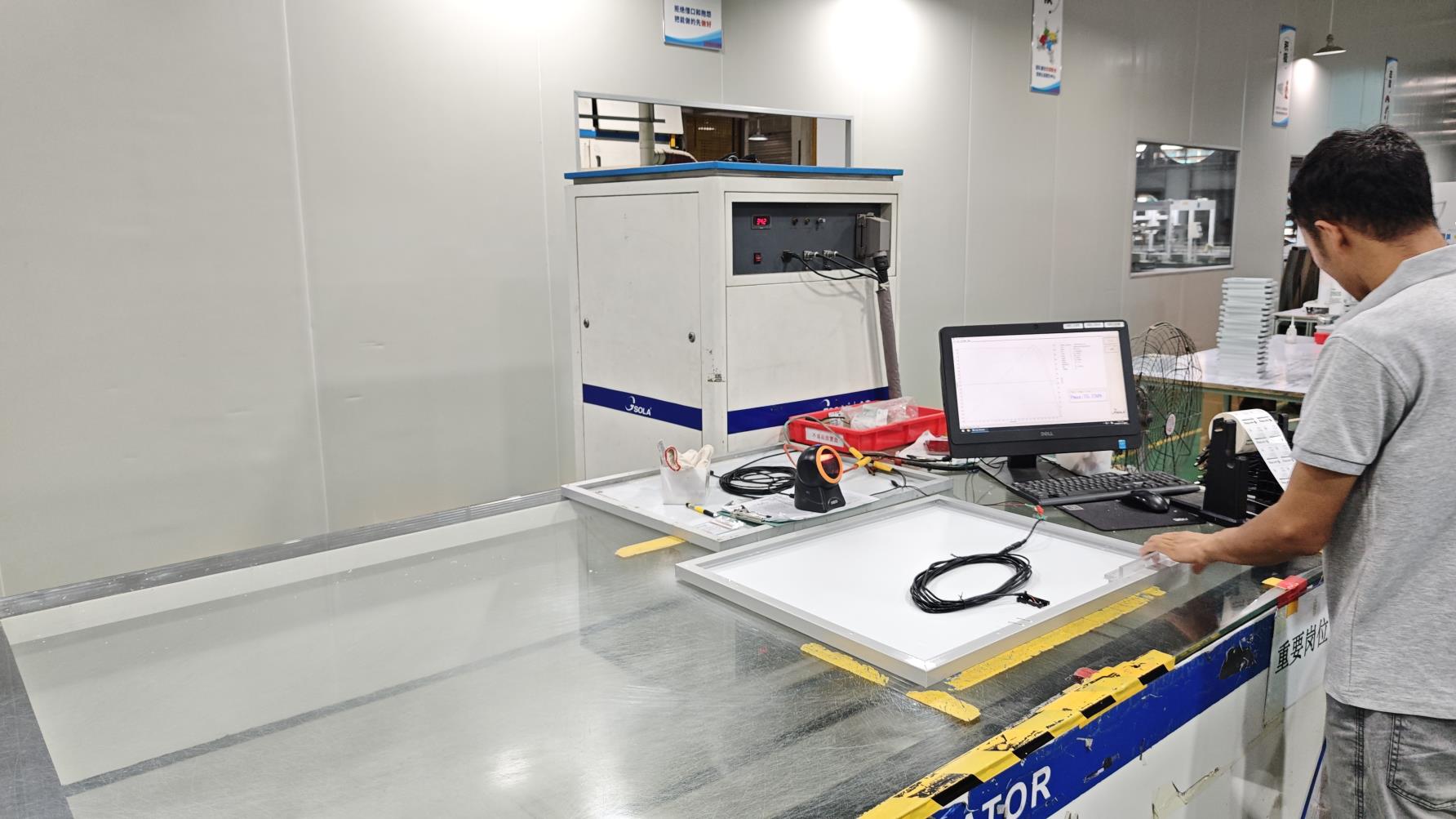
Inspection
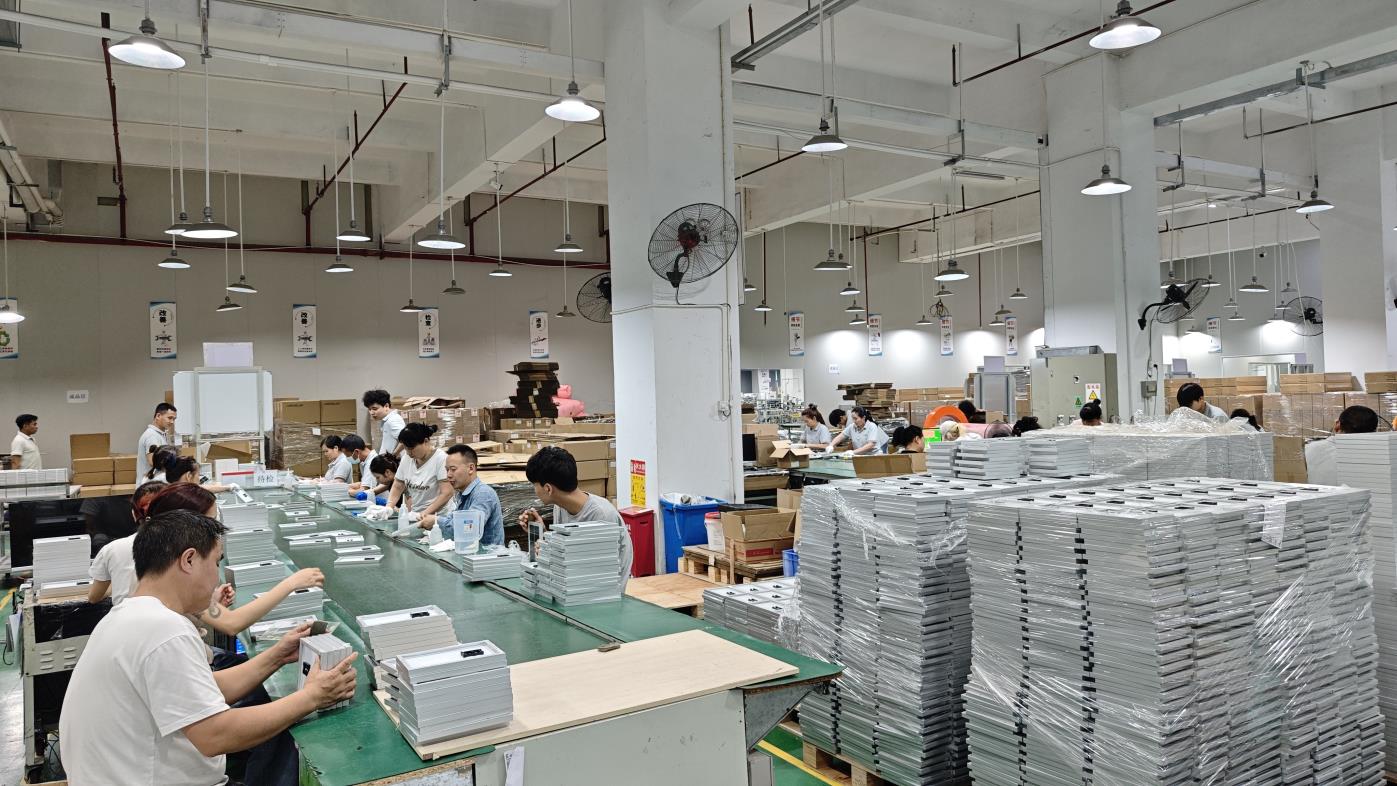
Packaging
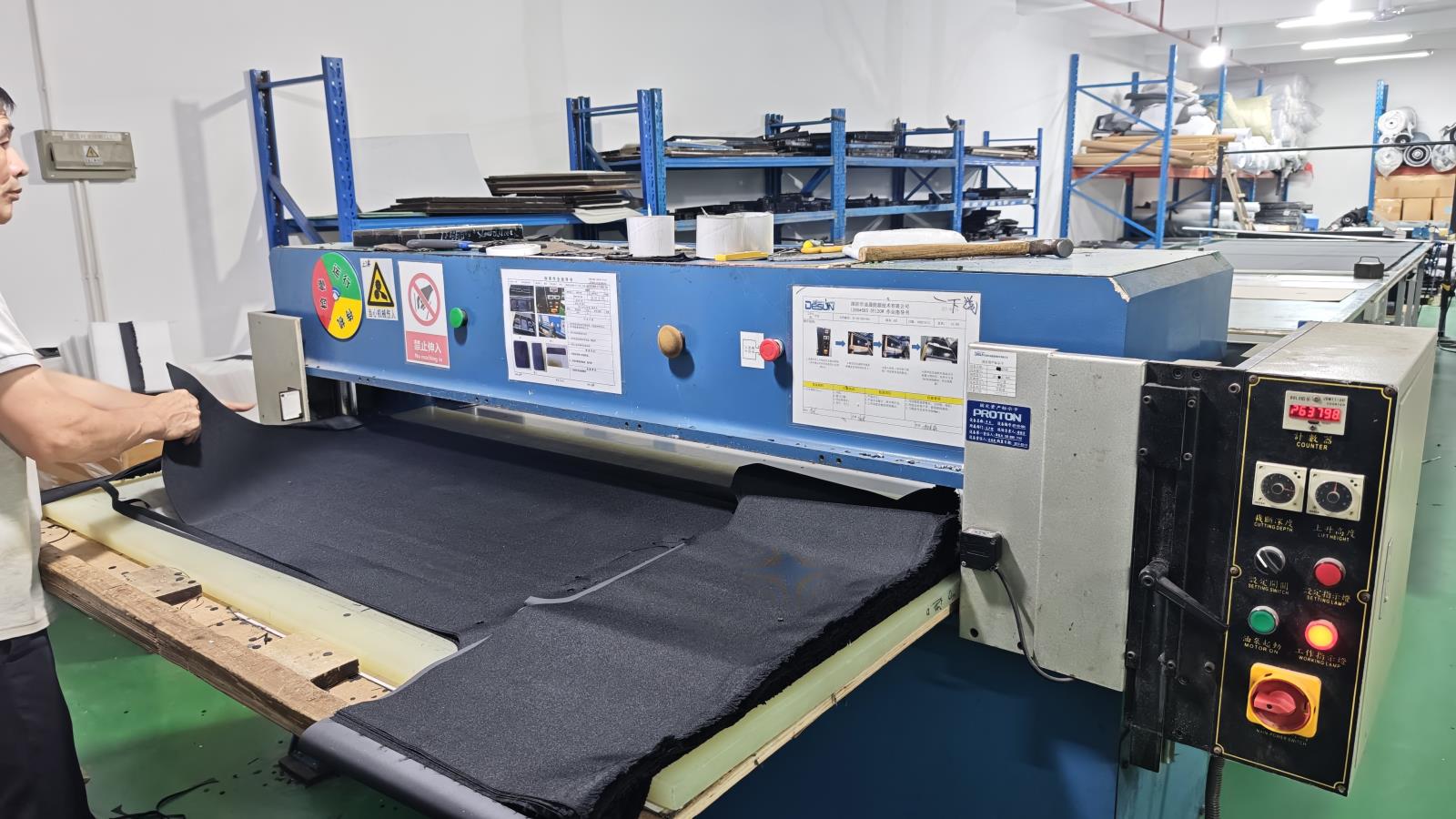
Cutting
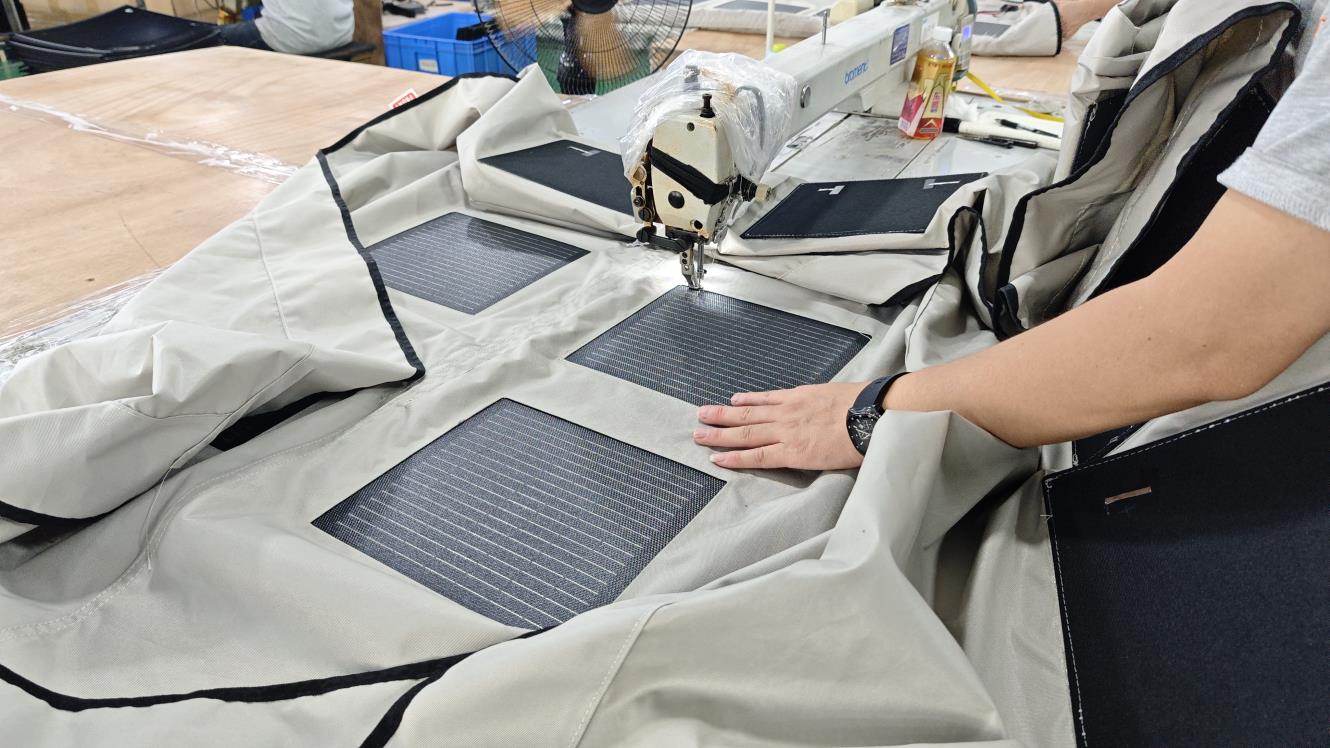
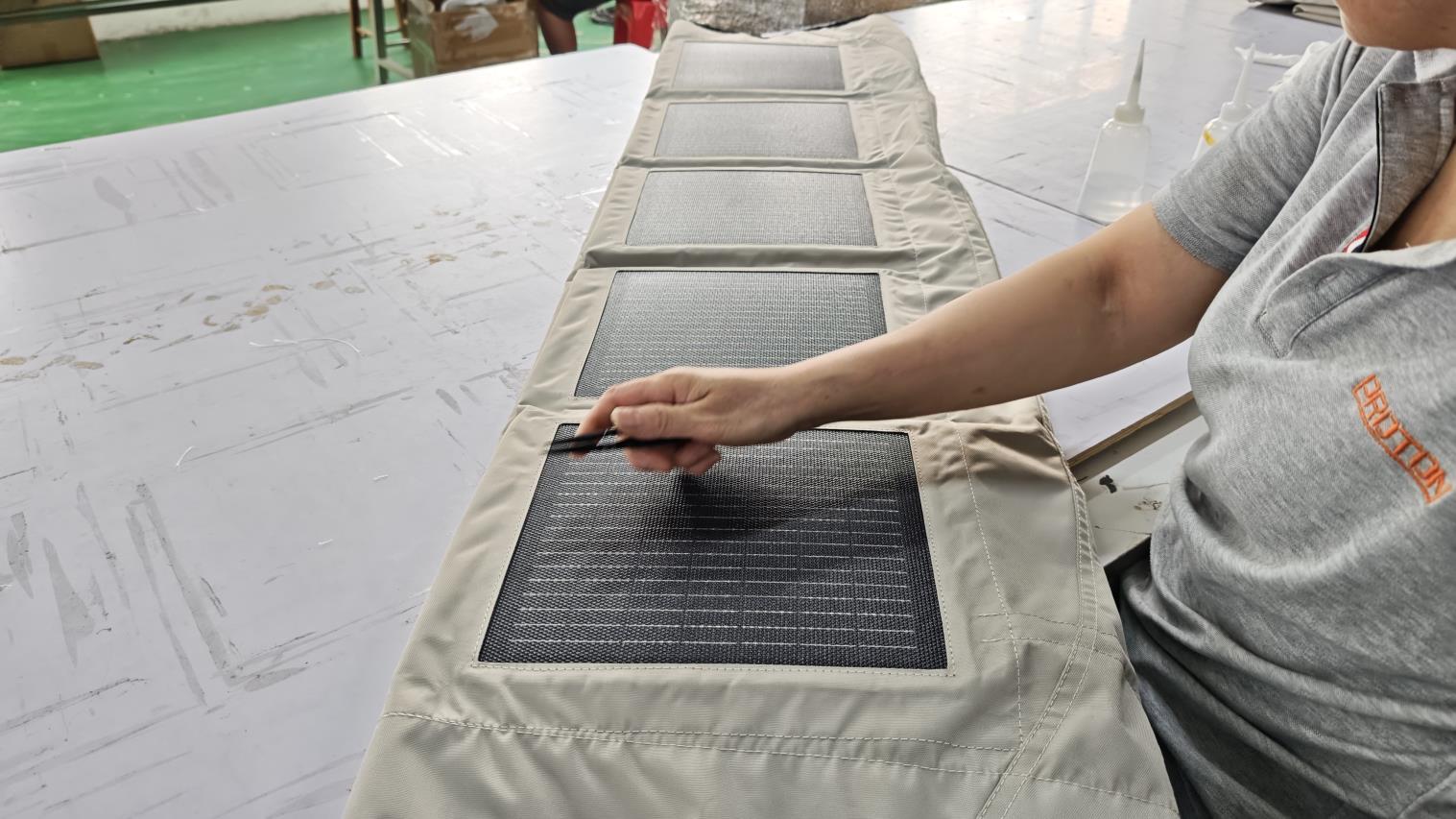
Sewing
QC
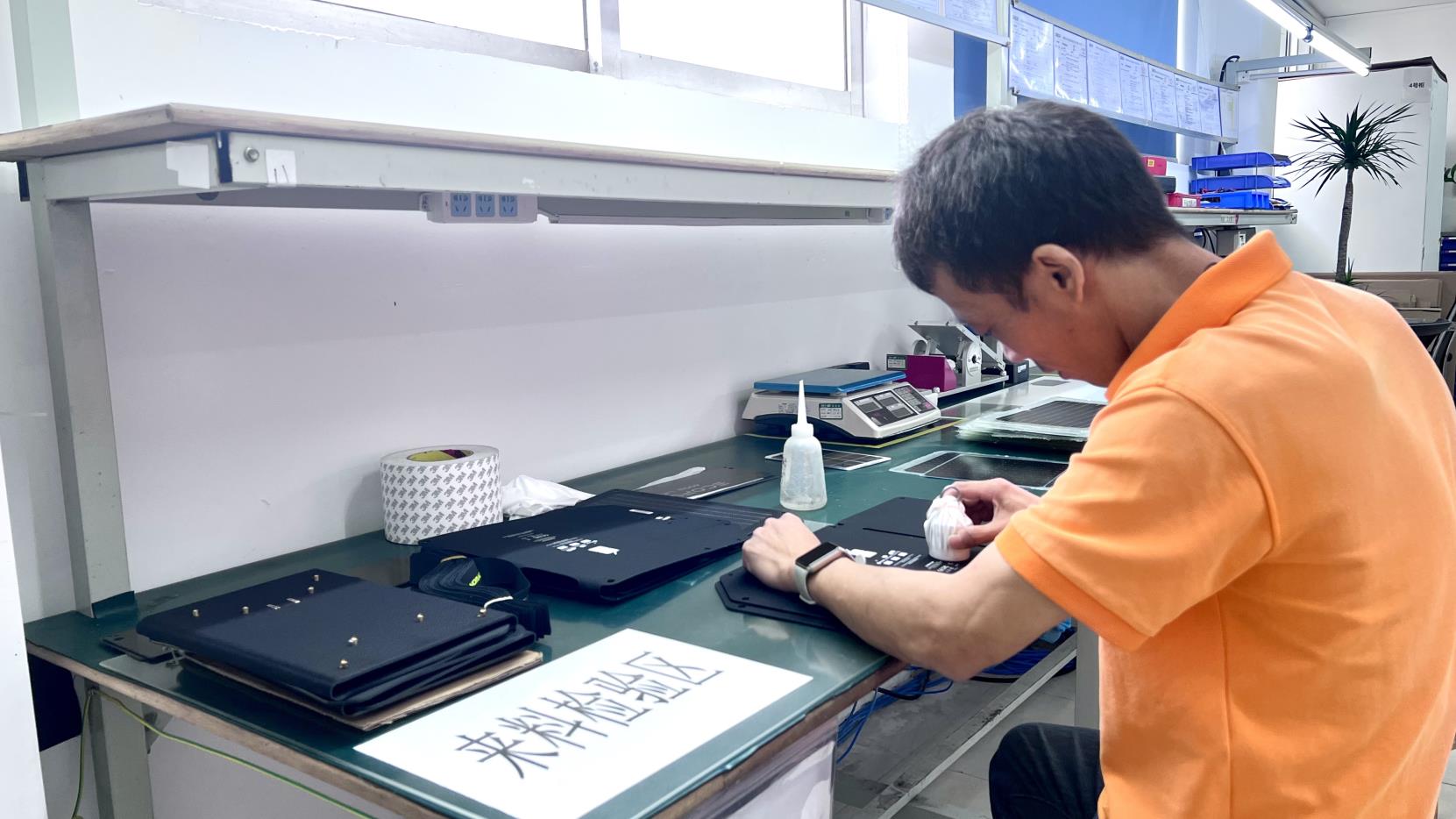
IQC
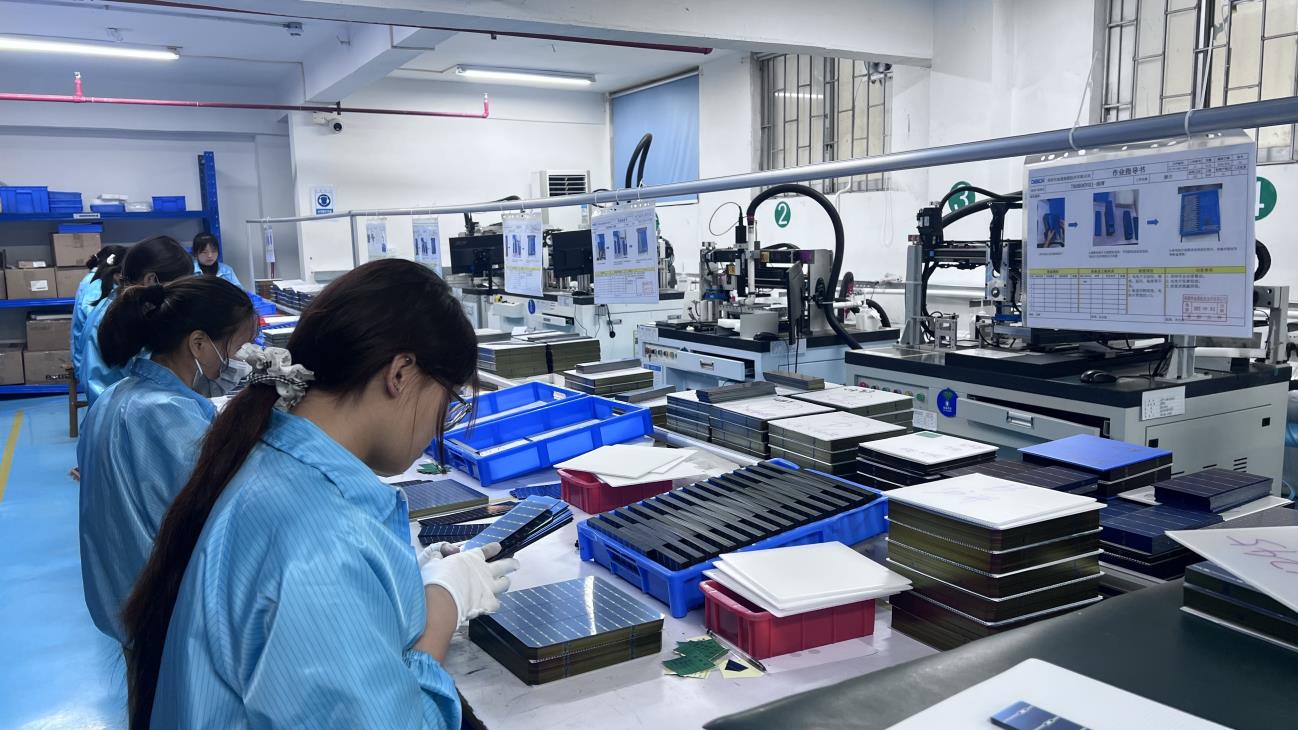
Laser Scribing
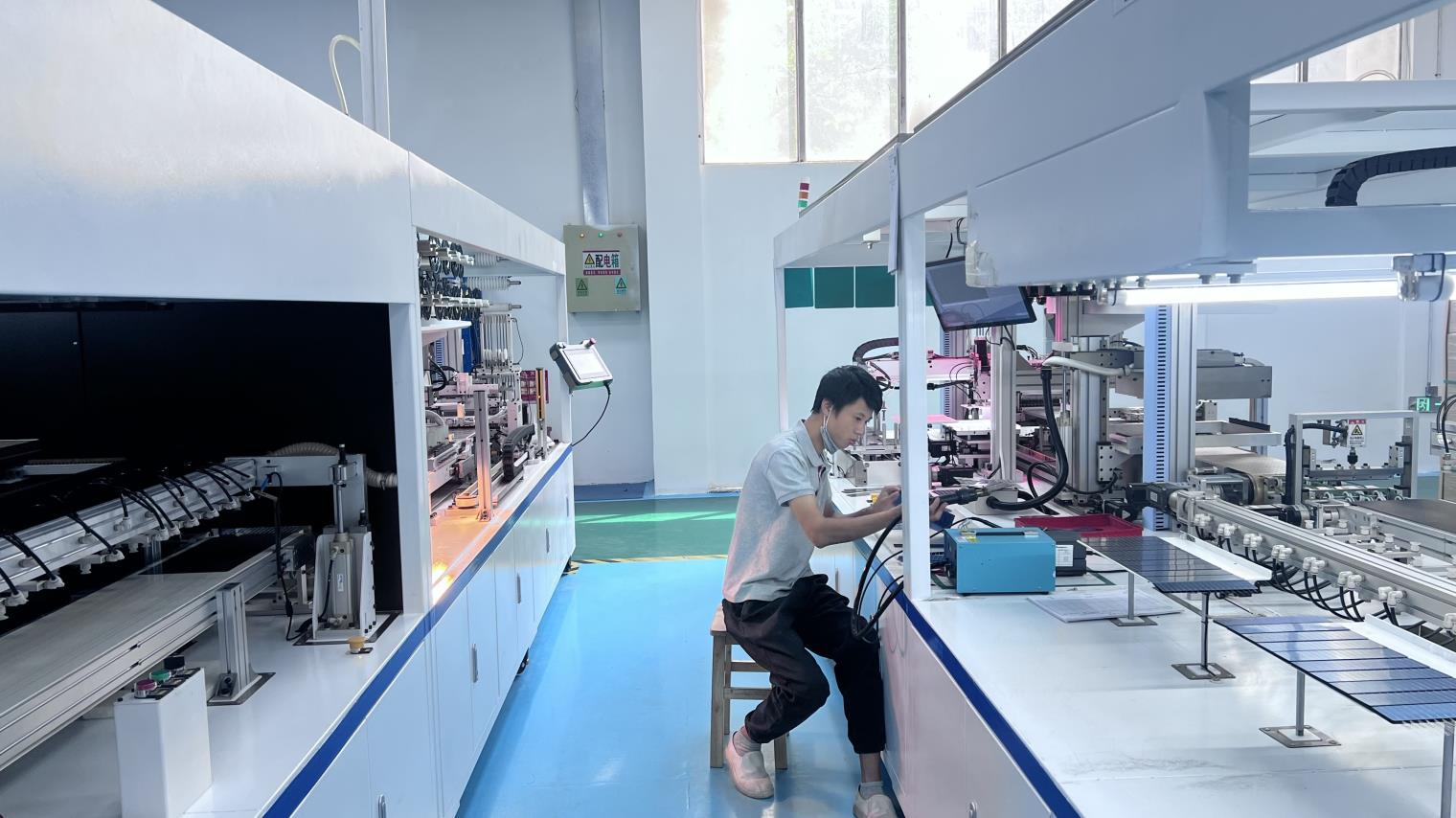
Automatic String Welding
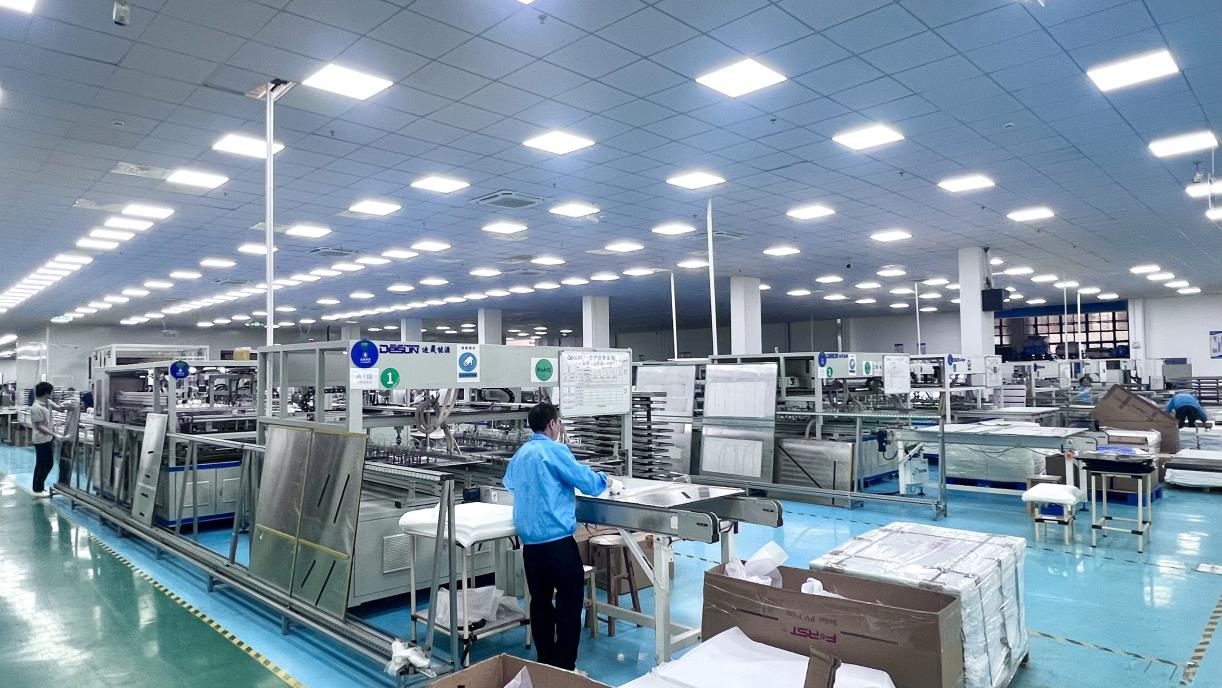
Solar Panel Stacked
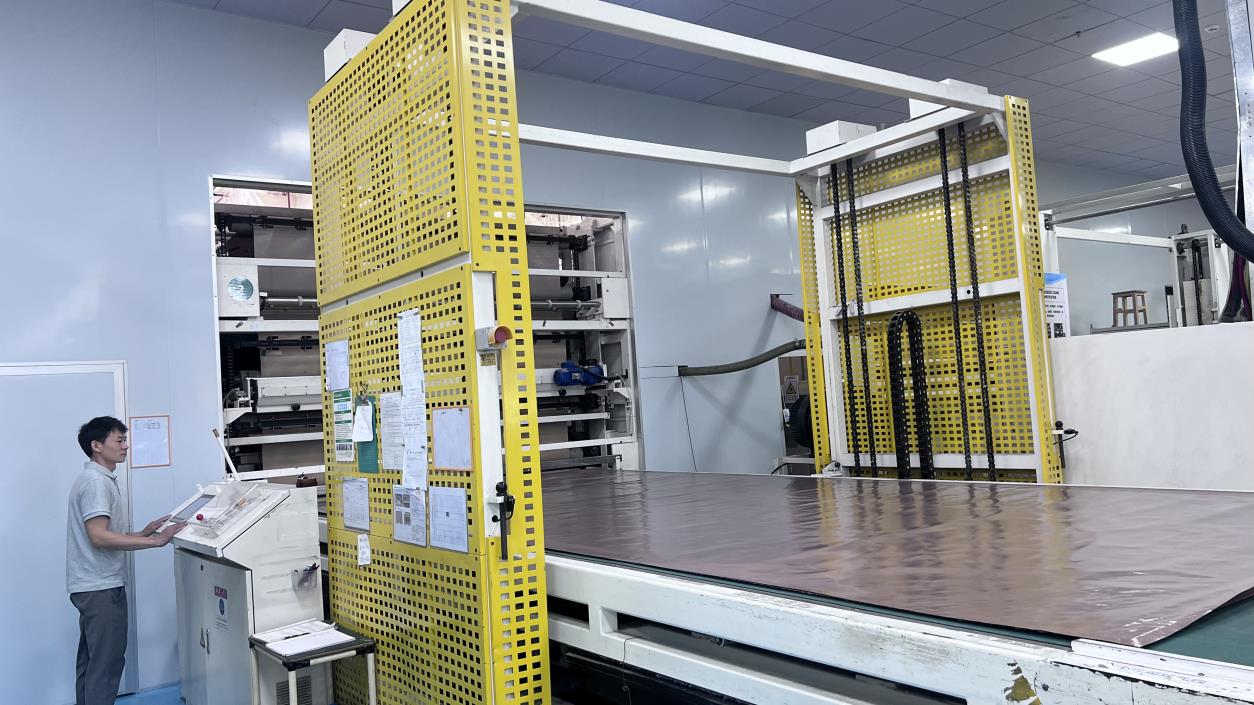
Solar Panel Laminating (II)
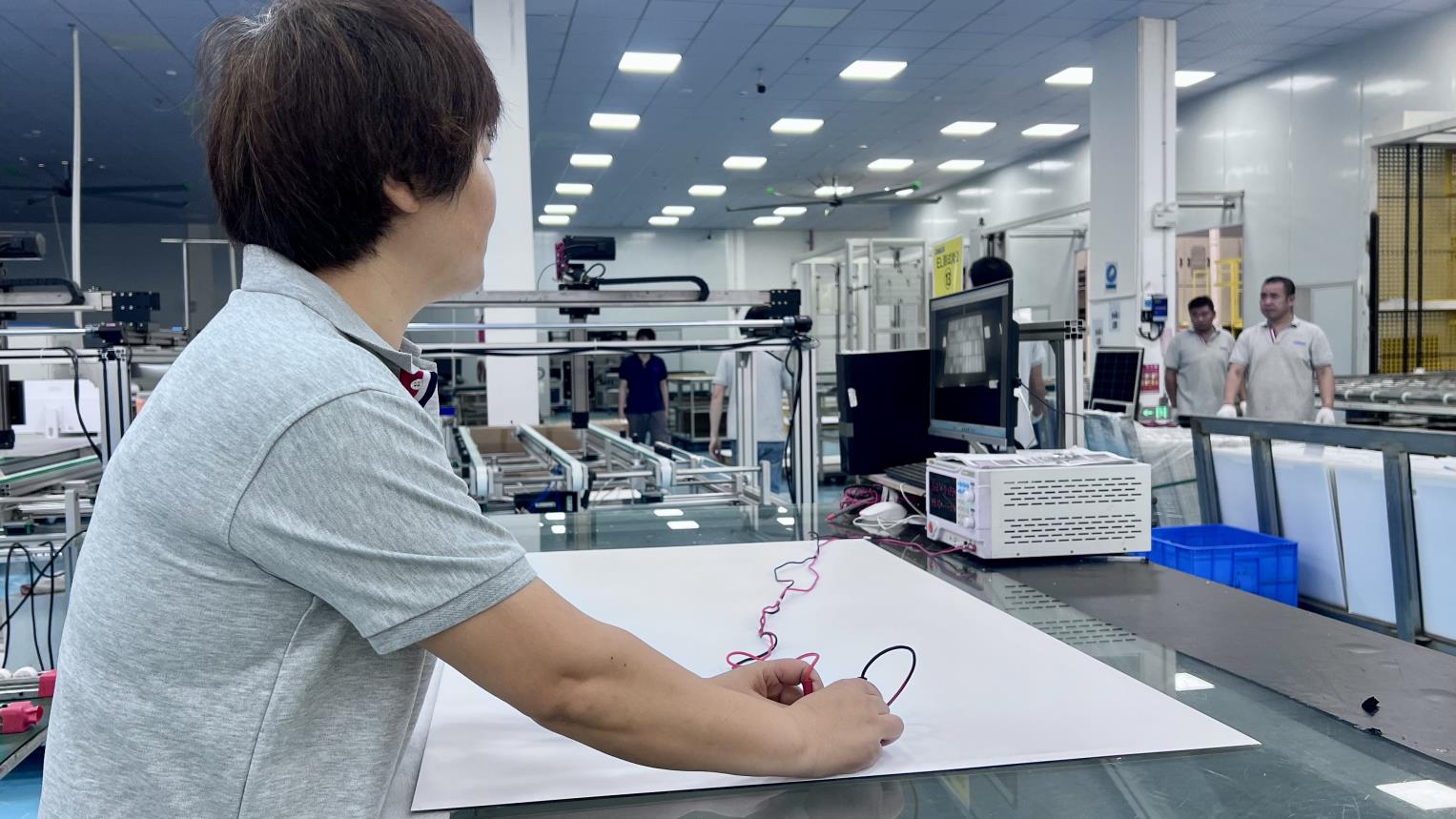
Semi-finished Test
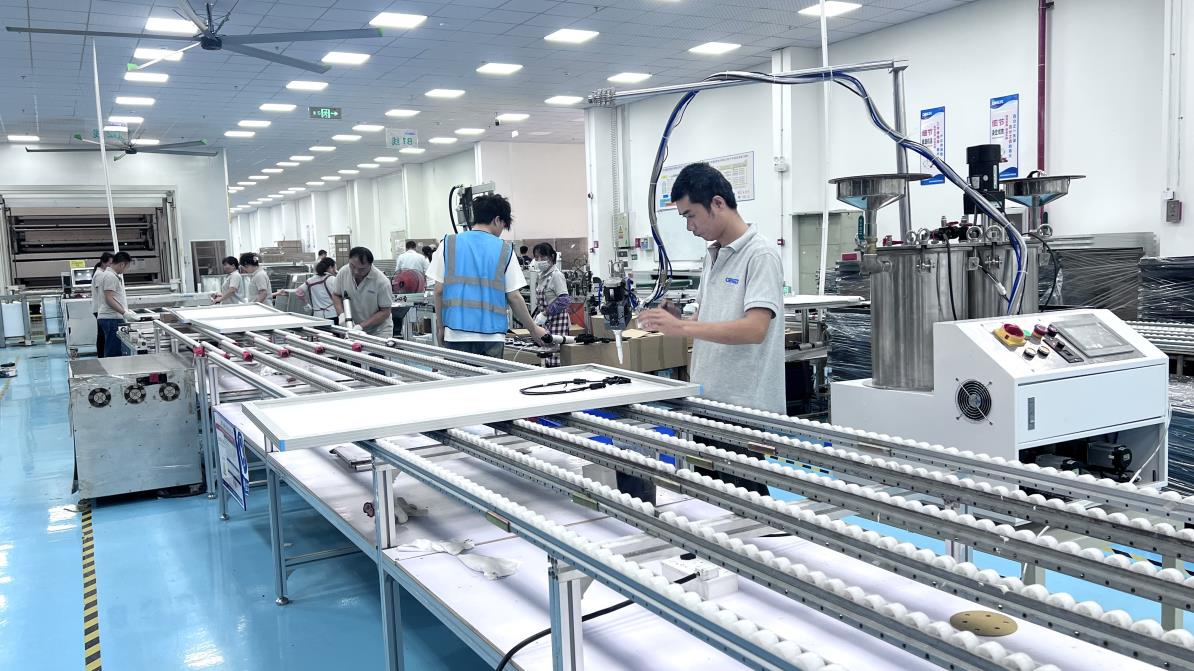
Assembly
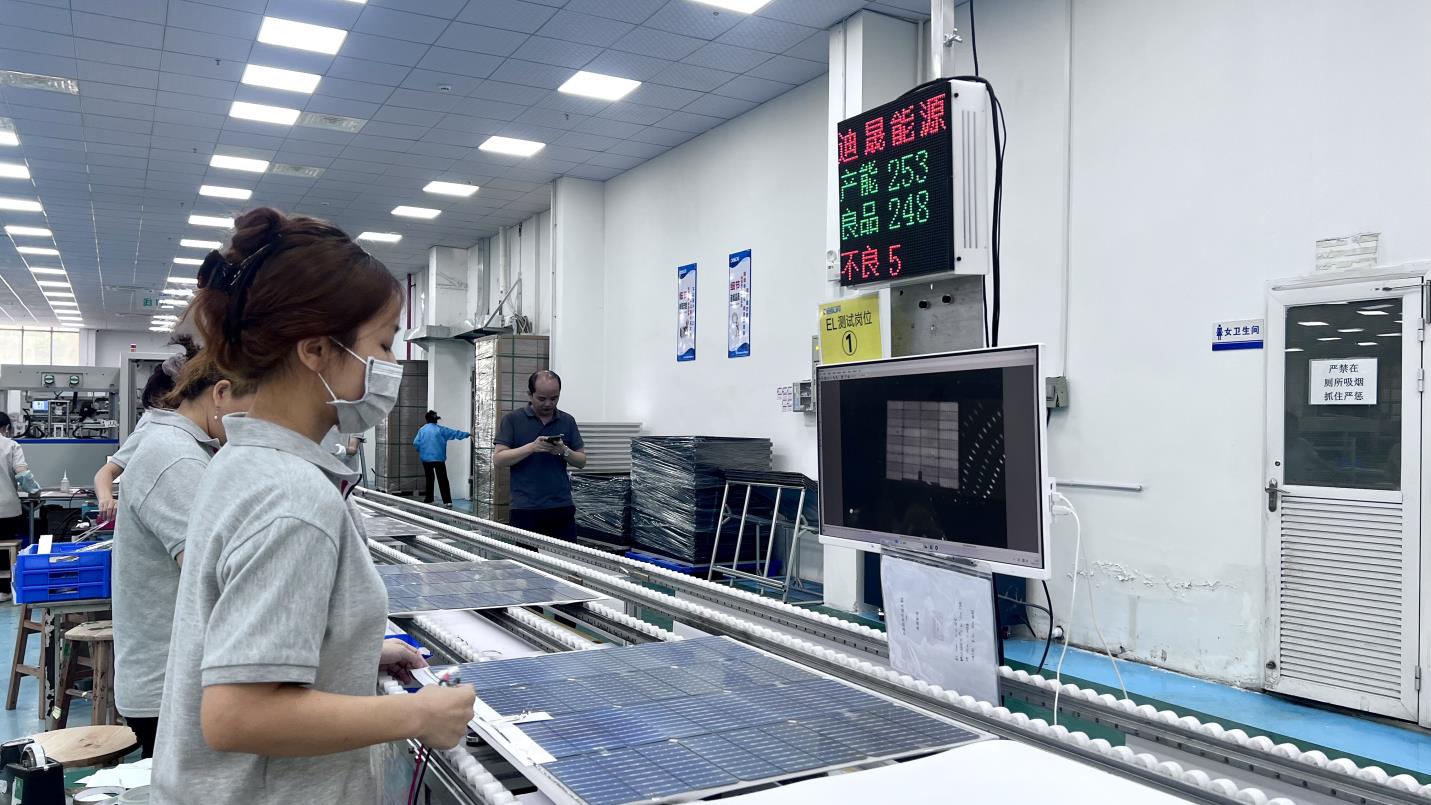
Finished Product Test
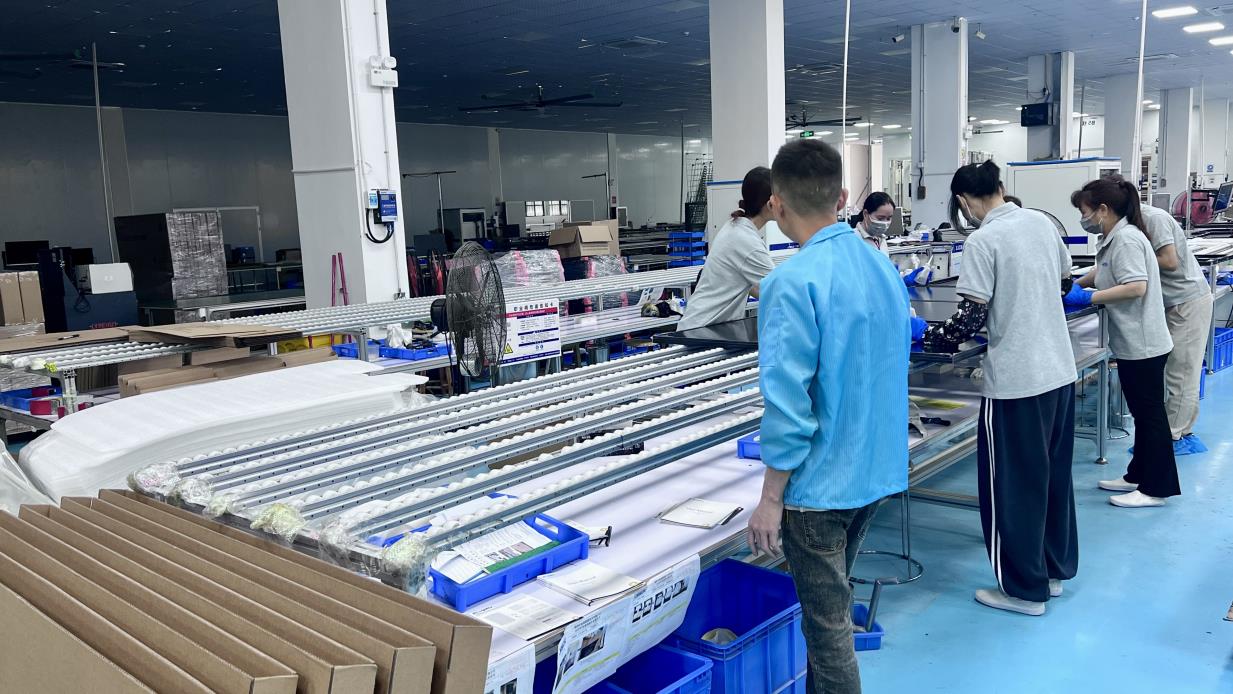
Cleaning & Packaging
Exploring the next generation of PV efficiency, materials science, and grid integration.
While silicon-based modules are approaching their theoretical efficiency limit (the Shockley-Queisser limit of ~29.4%), the industry is looking toward silicon-perovskite tandem configurations. By layering perovskite materials—which absorb blue and green wavelengths—over silicon bases, laboratory efficiencies have exceeded 33%. Commercial scale-up over the next five years will focus on solving stability issues to ensure these tandem panels match the 25-year lifespan of standard silicon modules.
Solar plants are shifting from passive energy sources to active grid participants. Grid codes in regions like the EU (ENTSO-E) and North America (FERC) require solar systems to provide auxiliary services, such as reactive power control, frequency response, and active power curtailment. Integrating smart inverters with energy storage allows developers to participate in Virtual Power Plants (VPPs), selling excess energy during peak grid demand and stabilizing local utility networks.
True sustainability requires addressing the lifecycle of PV equipment. Leading manufacturers are adopting clean production methods that reduce energy use during silicon refinement. Furthermore, the industry is preparing for widespread recycling protocols. Modern panels are designed to facilitate the recovery of valuable materials like silver, copper, high-purity silicon, and solar glass at the end of their operational lifespan, aligning with circular economy principles.
Crucial insights for solar project developers, EPCs, and procurement directors.
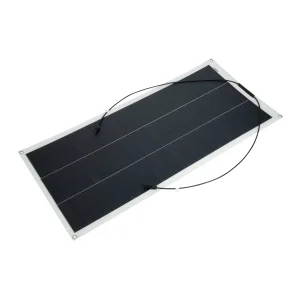
Select specialized equipment designed for integration into mobile platforms, residential systems, and utility arrays.
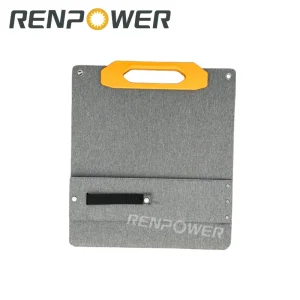
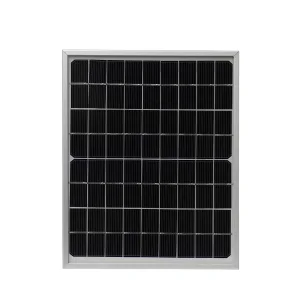
 ConTech Solar