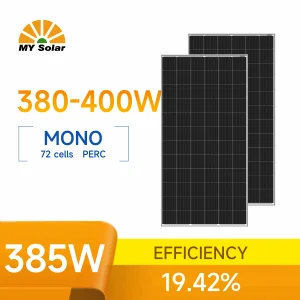
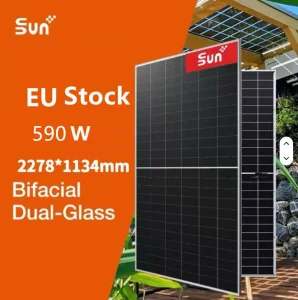
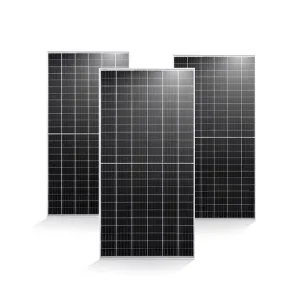
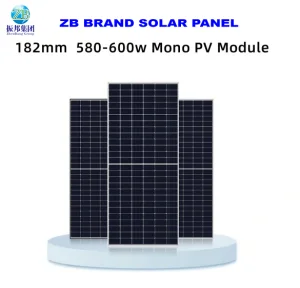
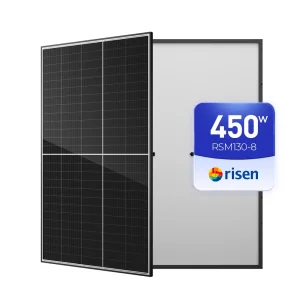
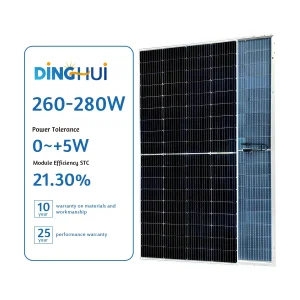
Designed for optimized solar energy harvesting under demanding environmental conditions in the Central African Republic.
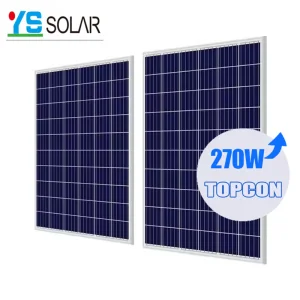
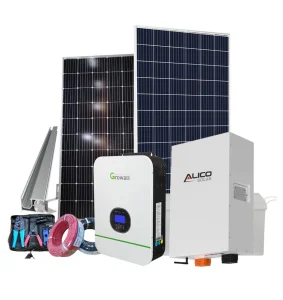
An in-depth analysis of off-grid electrification requirements and solar feasibility in sub-Saharan Africa.
The Central African Republic (CAR) faces one of the most critical energy access challenges globally. With a national electrification rate estimated at less than 15%, and rural access dropping below 2%, the reliance on decentralized power is a necessity rather than an alternative. The primary urban center, Bangui, experiences severe load-shedding due to outdated hydro-infrastructure (such as the Boali power stations) and volatile fuel costs for thermal backup generators.
In response to this structural crisis, solar energy has emerged as the most viable, scalable, and cost-effective method to power residential dwellings, mining concessions, agricultural cooperatives, and non-governmental organization (NGO) logistics bases. CAR receives robust solar horizontal irradiance (GHI) varying from 4.8 to 5.6 kWh/m² per day, offering an optimal platform for solar photovoltaic (PV) deployment.
However, importing technology into a landlocked nation requires resilient engineering. Equipment must withstand transport stresses via Cameroon's Douala corridor and perform reliably under high ambient operating temperatures, prolonged dry-season dust (Harmattan winds), and intense wet-season tropical humidity.
Electrification Rate
kWh/m²/day Peak GHI
Off-grid Dependency
Expected Module Life
Understanding the physics behind Passivated Emitter and Rear Cell (PERC) performance under high heat and diffuse light.
Conventional panels degrade rapidly in output as temperatures cross 25°C. ConTech's Mono PERC panels operate with a low temperature coefficient, delivering higher energy yields during hottest midday hours.
During the rainy season or thick dust storms, light becomes scattered. The reflective passivation layer at the rear of PERC cells bounces unabsorbed light back into the cell, maximizing generation in low-light conditions.
Designed with PID-resistant materials (Potential Induced Degradation) and double-glass architecture, our modules prevent power degradation under persistent thermal voltage stress across CAR off-grid arrays.
Optimized for rapid installation, residential off-grid storage systems, and heavy industrial integration.
How Xiamen ConTech Solar Co., Ltd. bridges the gap between state-of-the-art Chinese automation and landlocked Central African delivery routes.
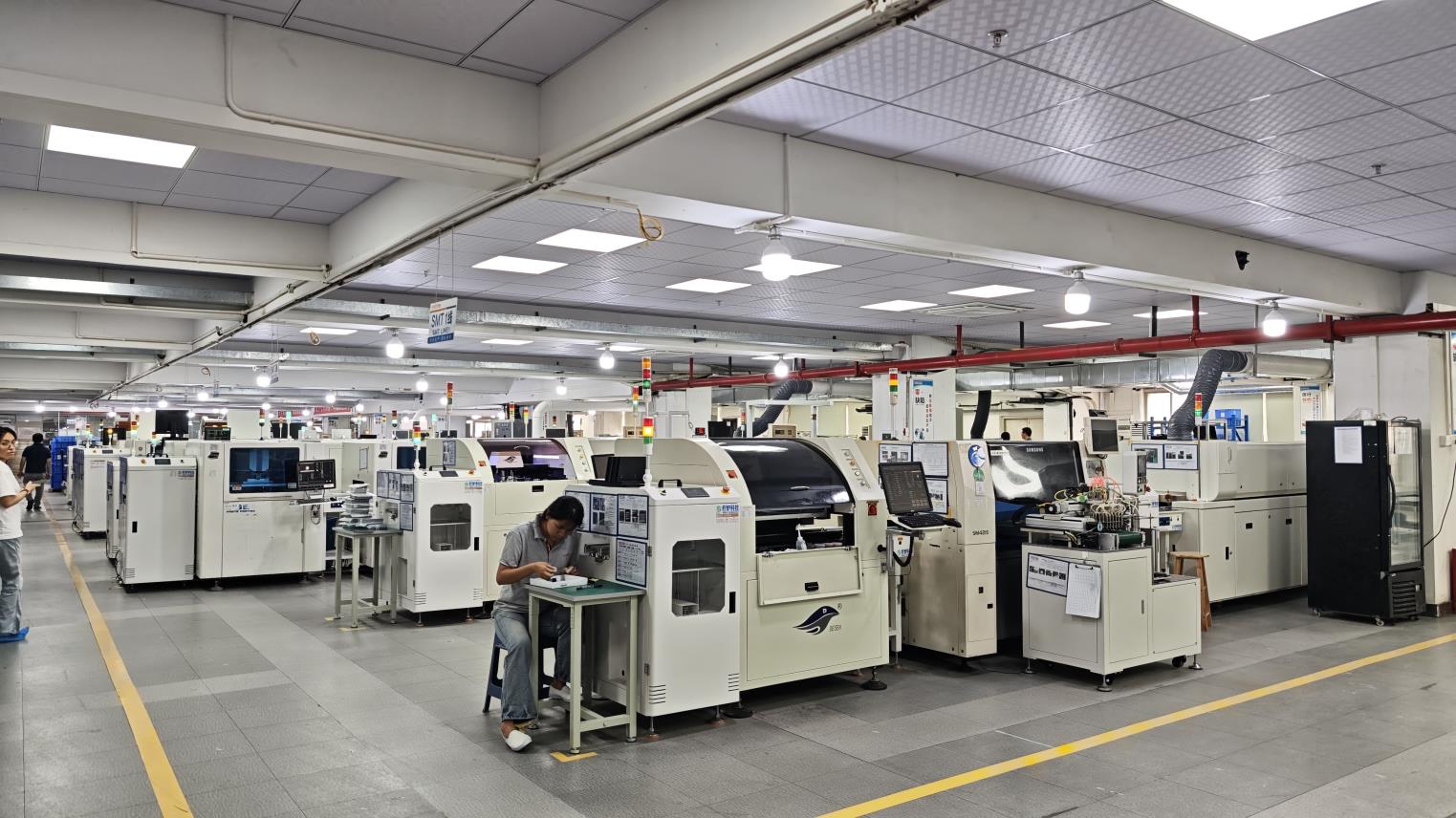
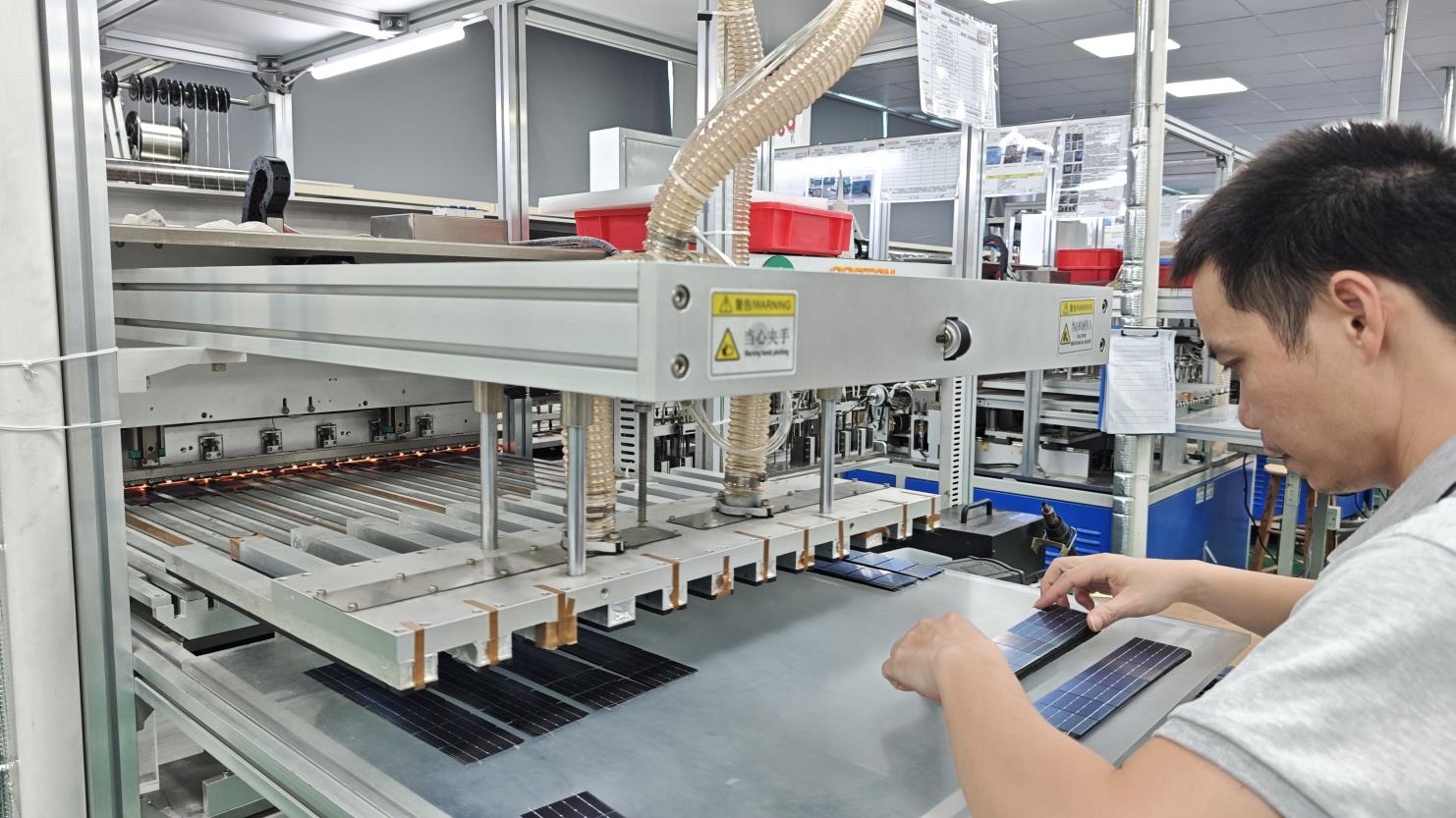
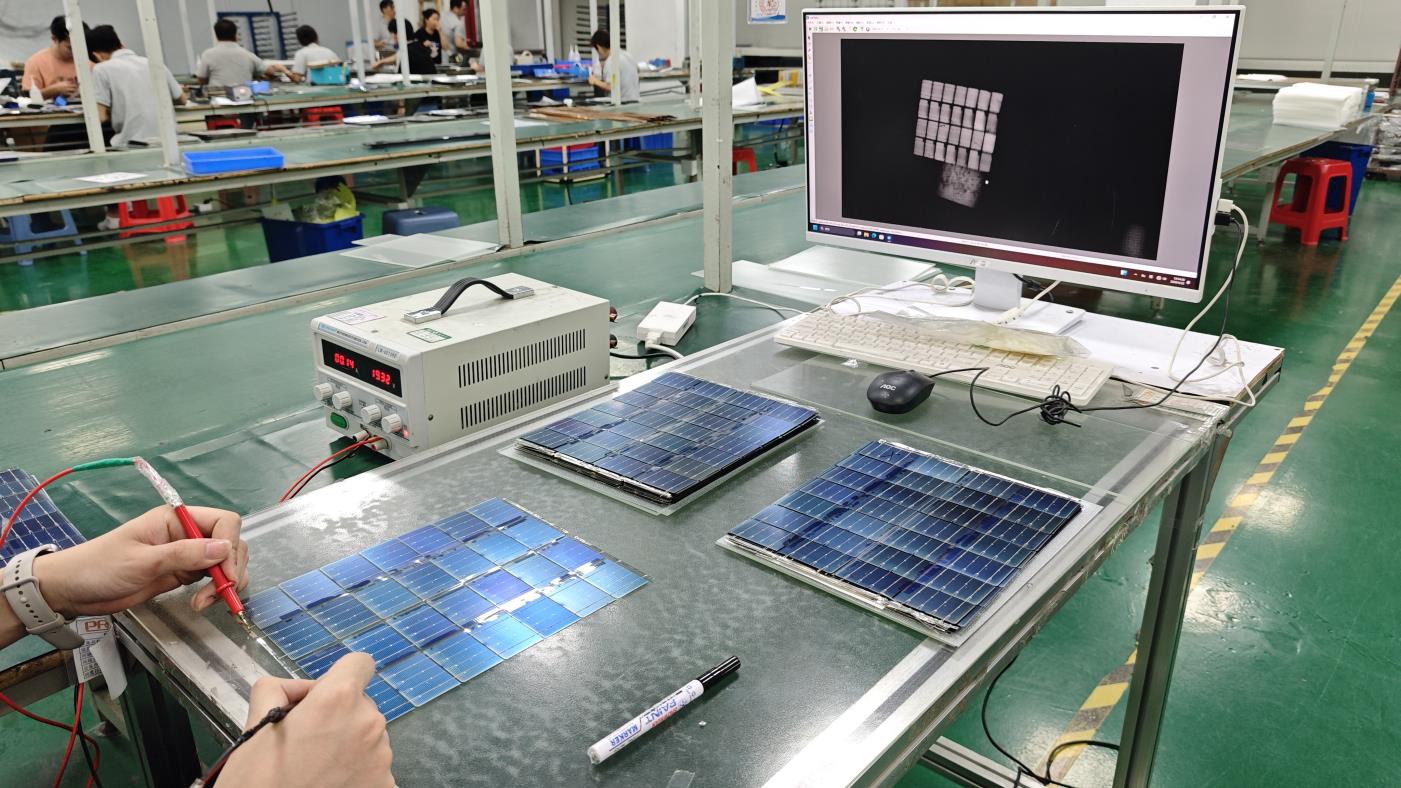
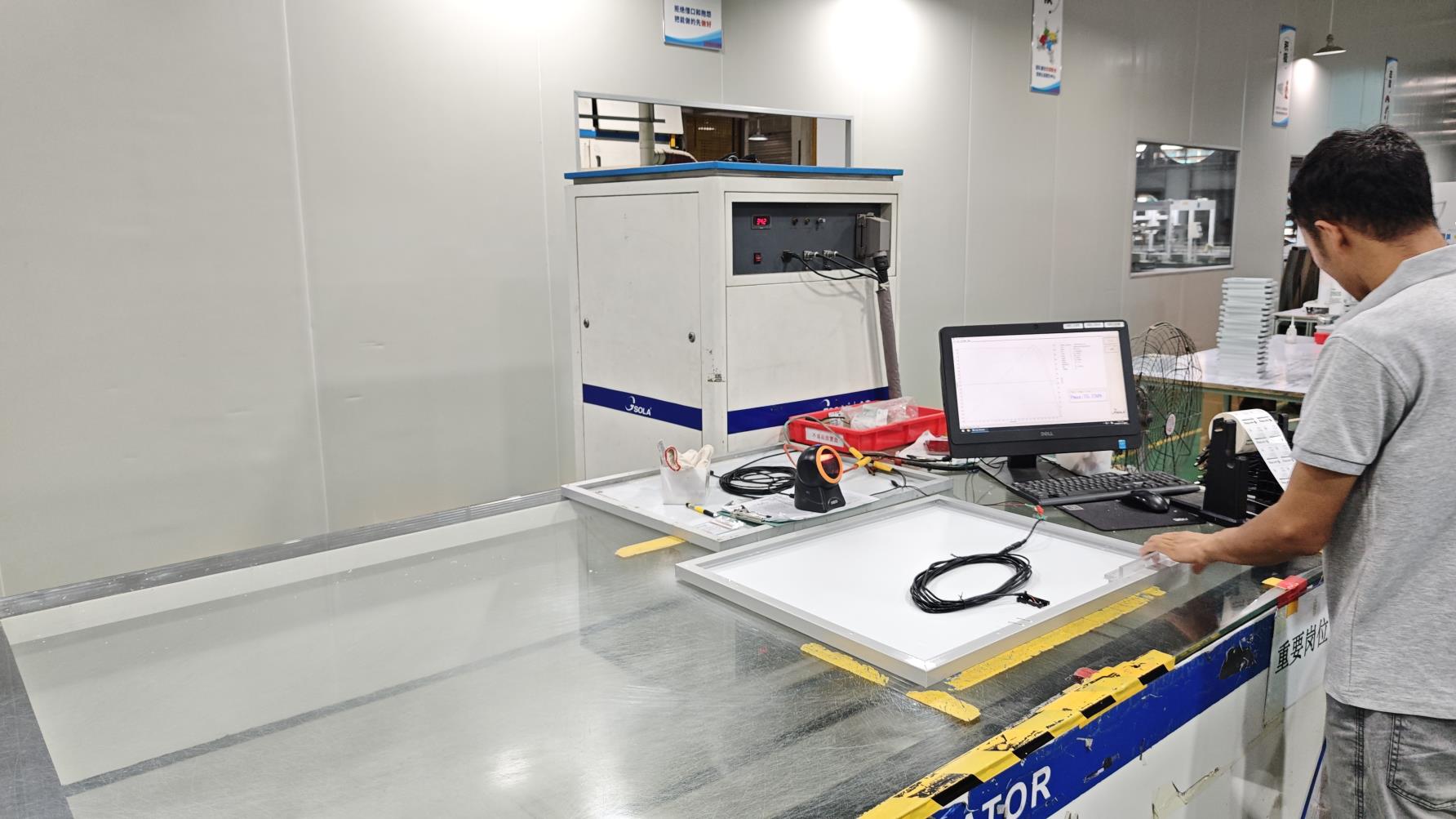
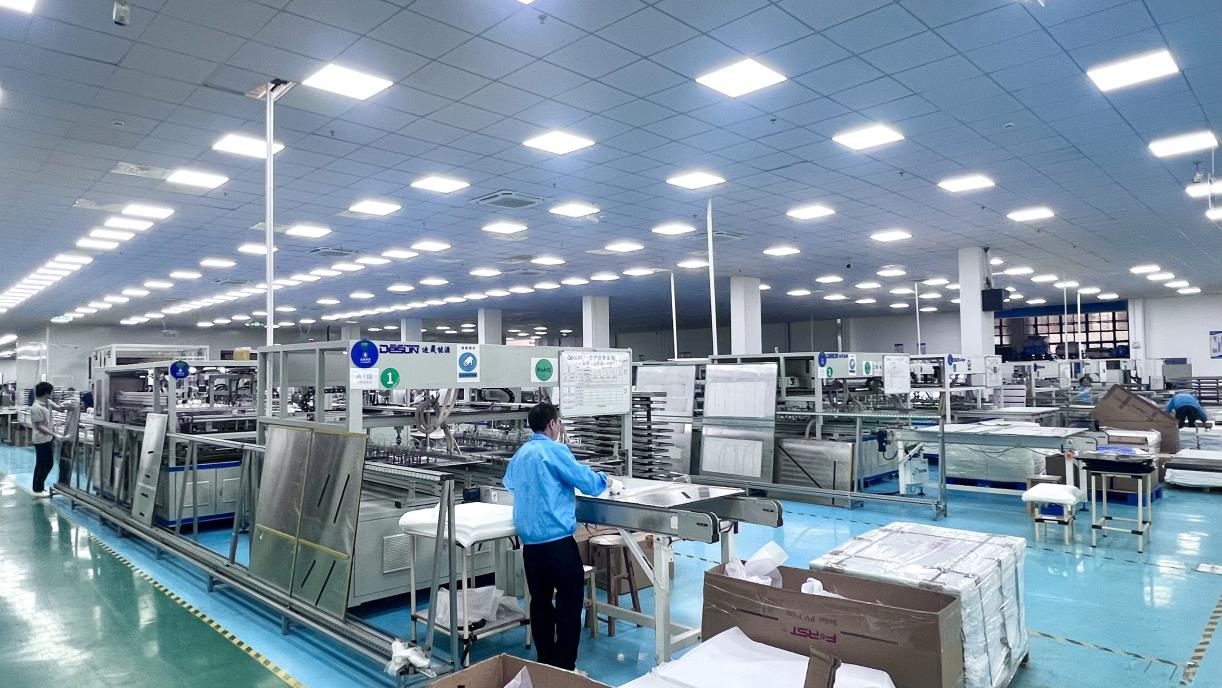
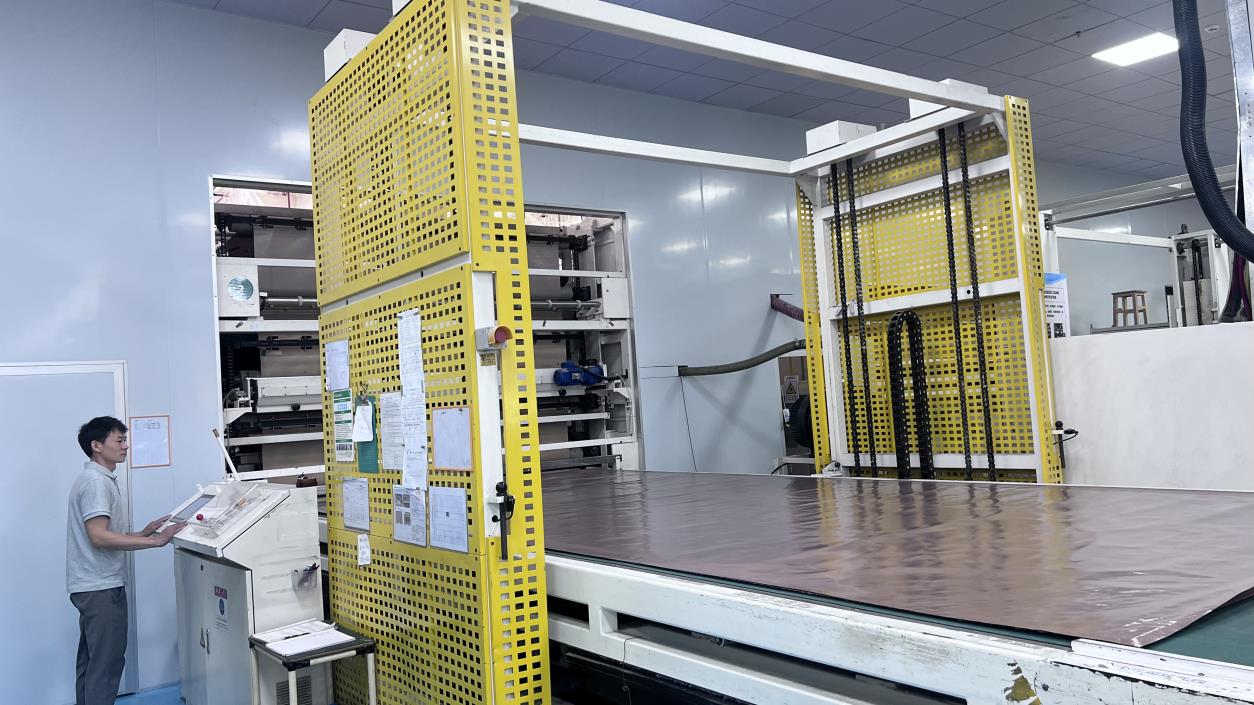
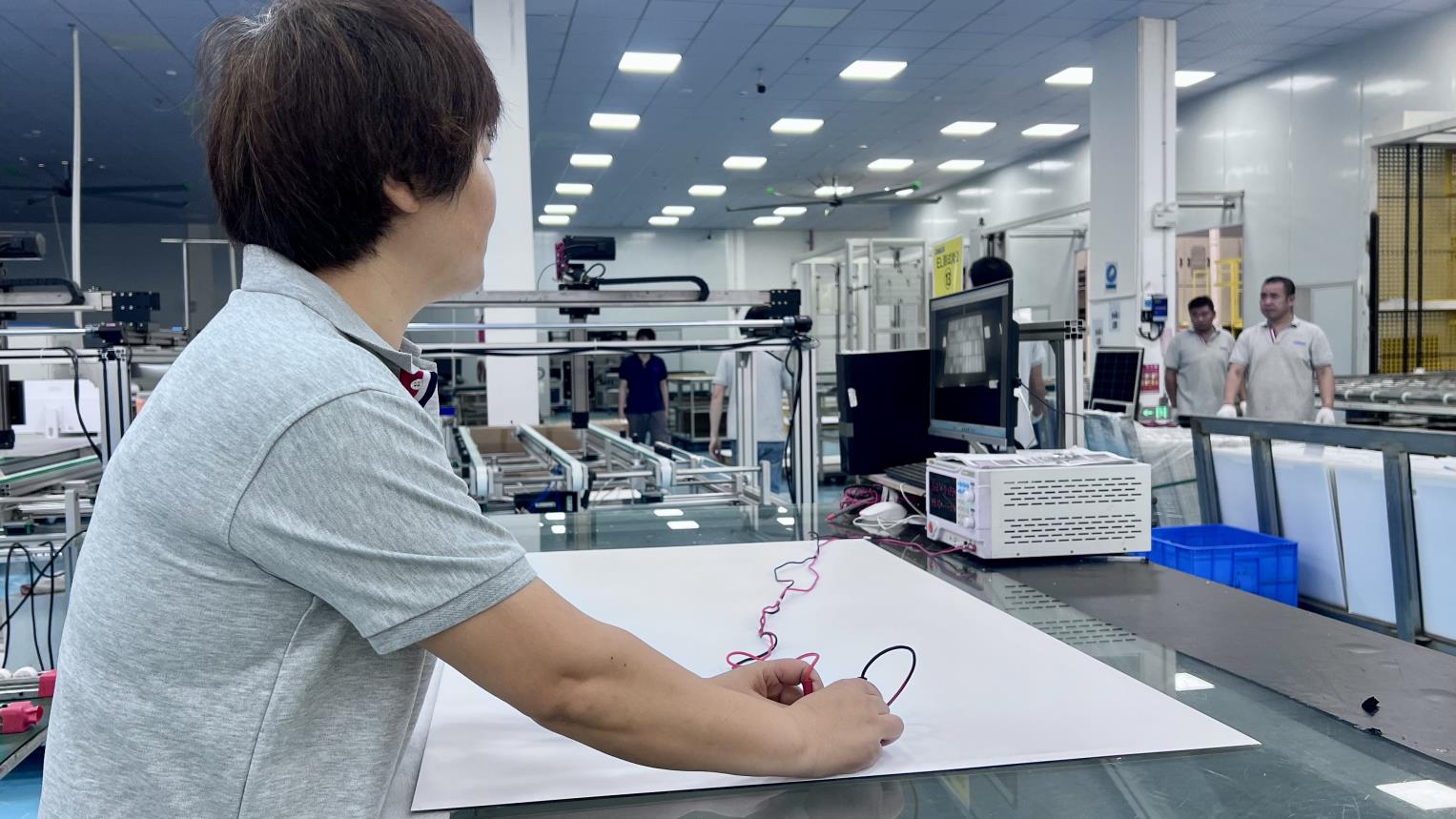
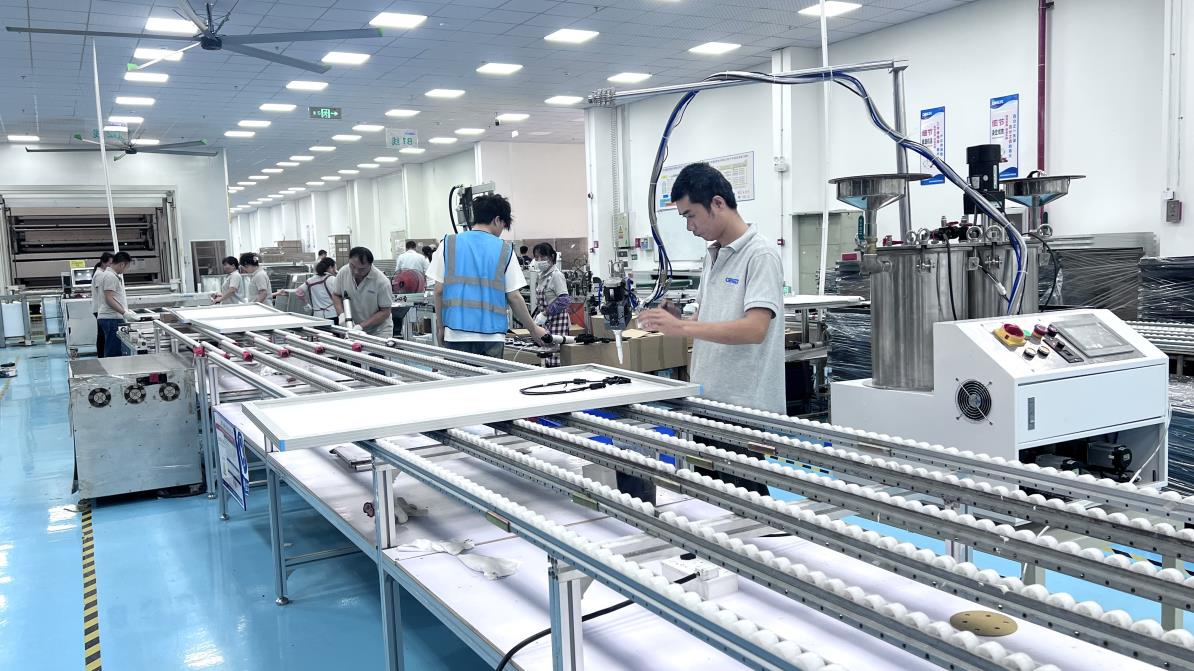
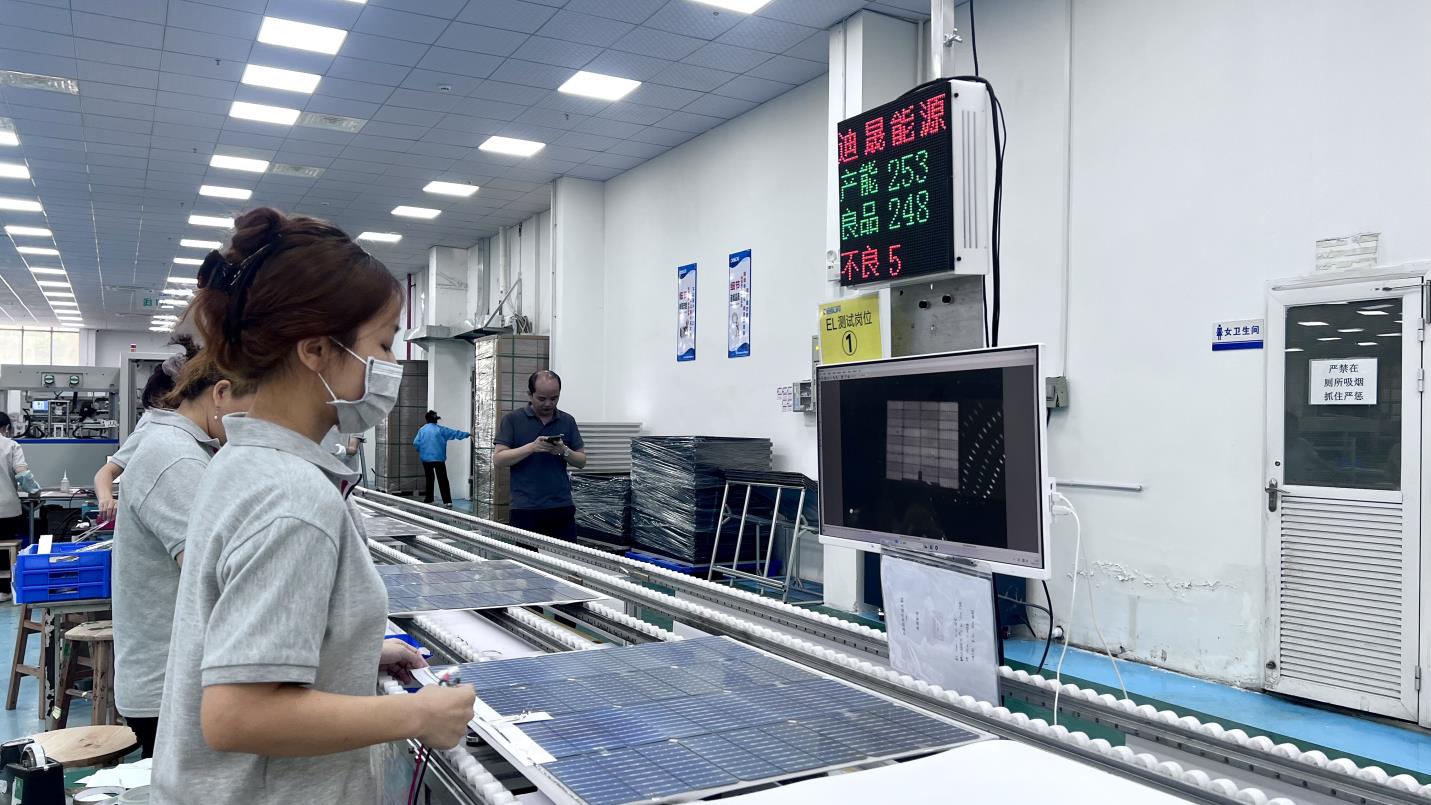
Xiamen ConTech Solar Co., Ltd. stands as a key player in high-tech solar manufacturing. Leveraging Chinese solar ecosystem benefits—complete raw material supply chains, rapid automated testing, and scaling economics—we provide Tier-1 equivalent quality modules without the retail premium. Our fabrication plant integrates SMT (Surface Mount Technology), precision laser scribing, automated string welding, and multi-point EL (Electroluminescence) testing to ensure every single cell is free from micro-cracks before lamination.
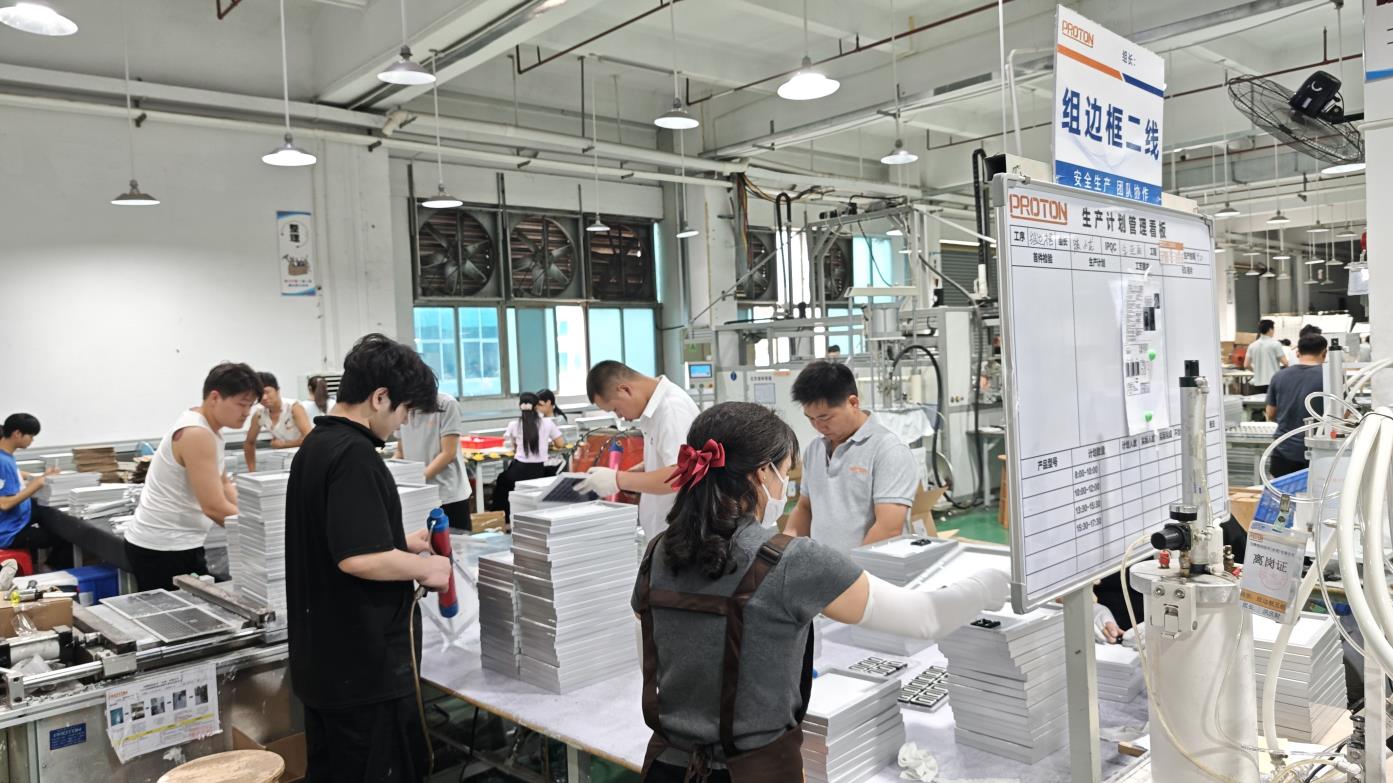
We deploy strict quality-control protocols at every node of the production path: Incoming Quality Control (IQC), In-Process Quality Control (IPQC), and final Outgoing Quality Control (OQC). This meticulous process guarantees that the modules imported to remote areas like Bimbo, Berberati, or Kaga-Bandoro will output electricity continuously for their 25-to-30-year warranty span.
Shipping logistics to CAR represent a significant barrier to project execution. Because the Central African Republic is landlocked, imports must run through maritime gateways followed by long overland truck transit routes. Our logistics department coordinates direct ocean shipping from Xiamen Port to the Port of Douala in Cameroon or the Port of Pointe-Noire in Congo.
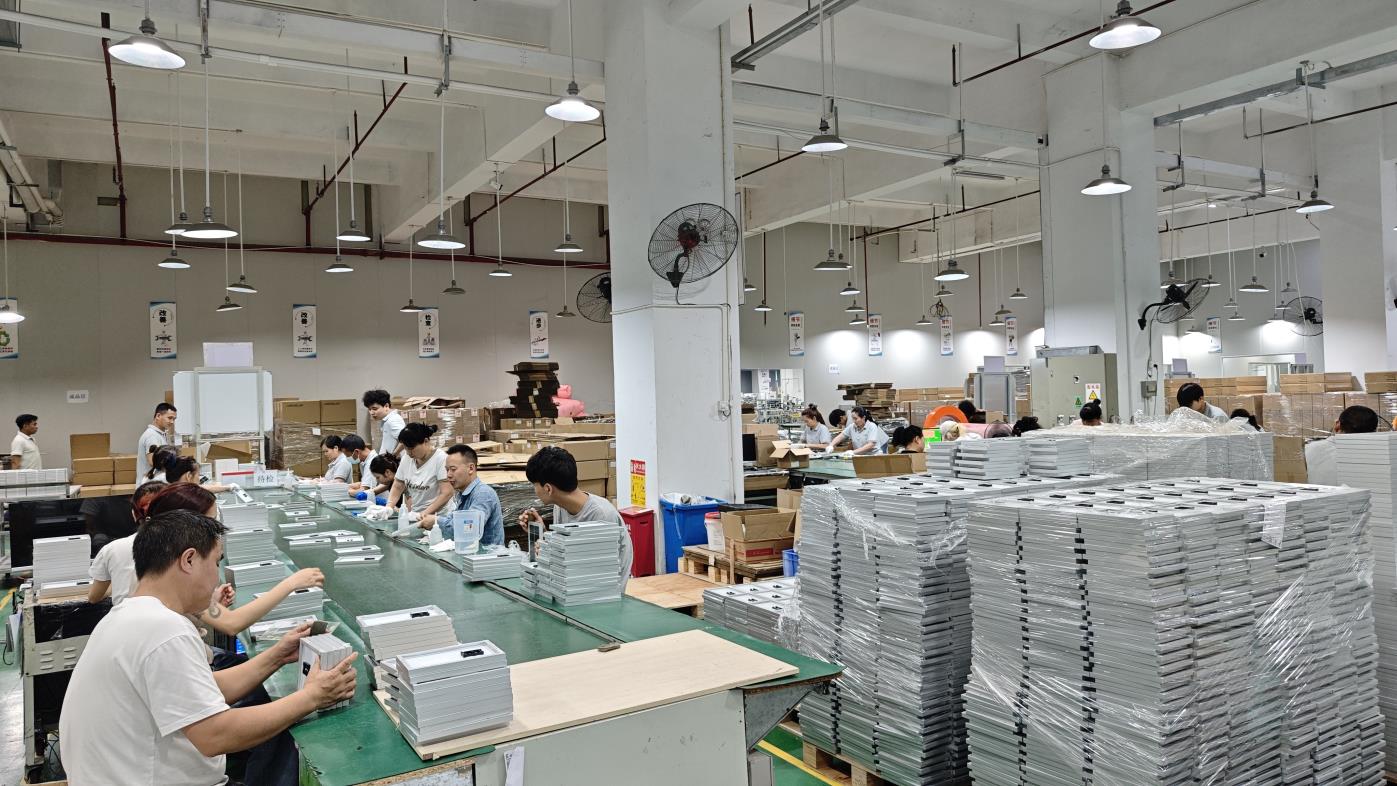
From Douala, products are cleared and trucked along the CEMAC trade corridor directly to Bangui. To prevent transit degradation over unpaved interior roads, we package our panels in reinforced vertical wood-frame pallets, using anti-vibration shock absorbers and moisture-proof industrial shrink wrapping. This guarantees zero cell micro-fracturing from port to final project site.
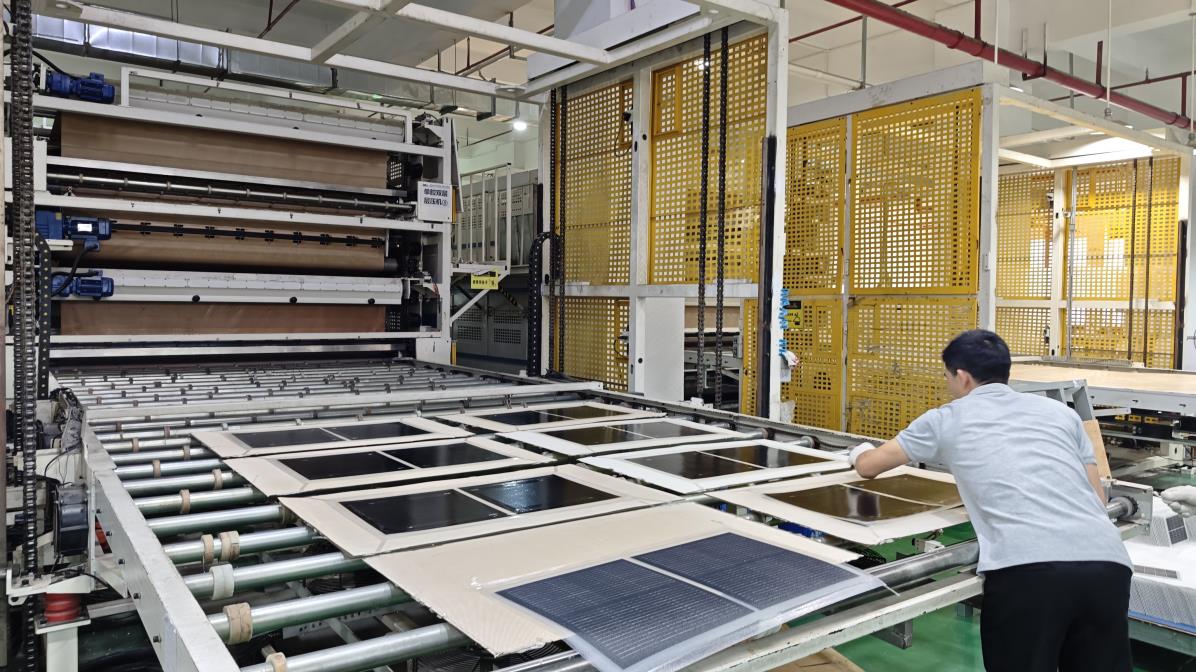
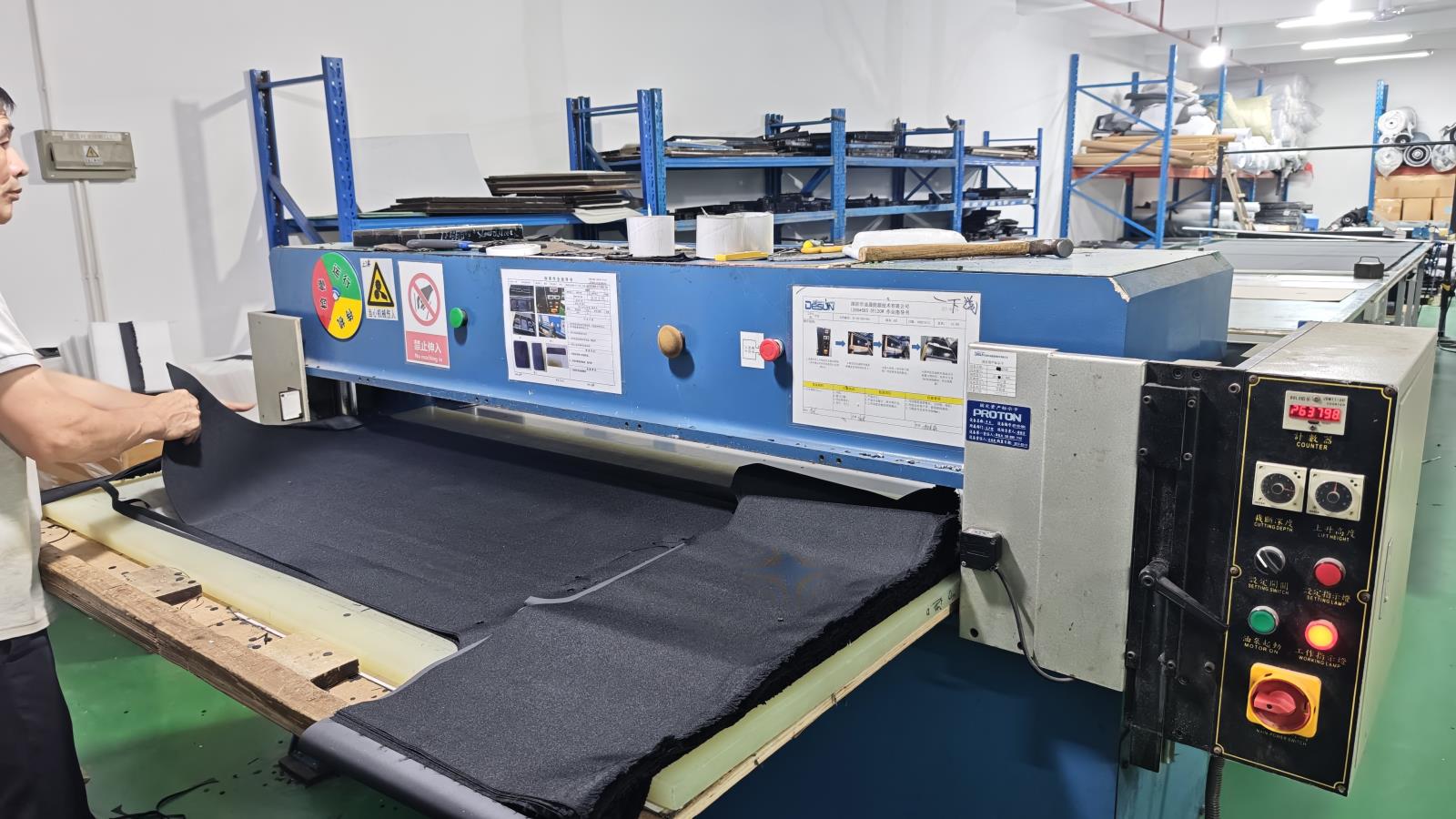
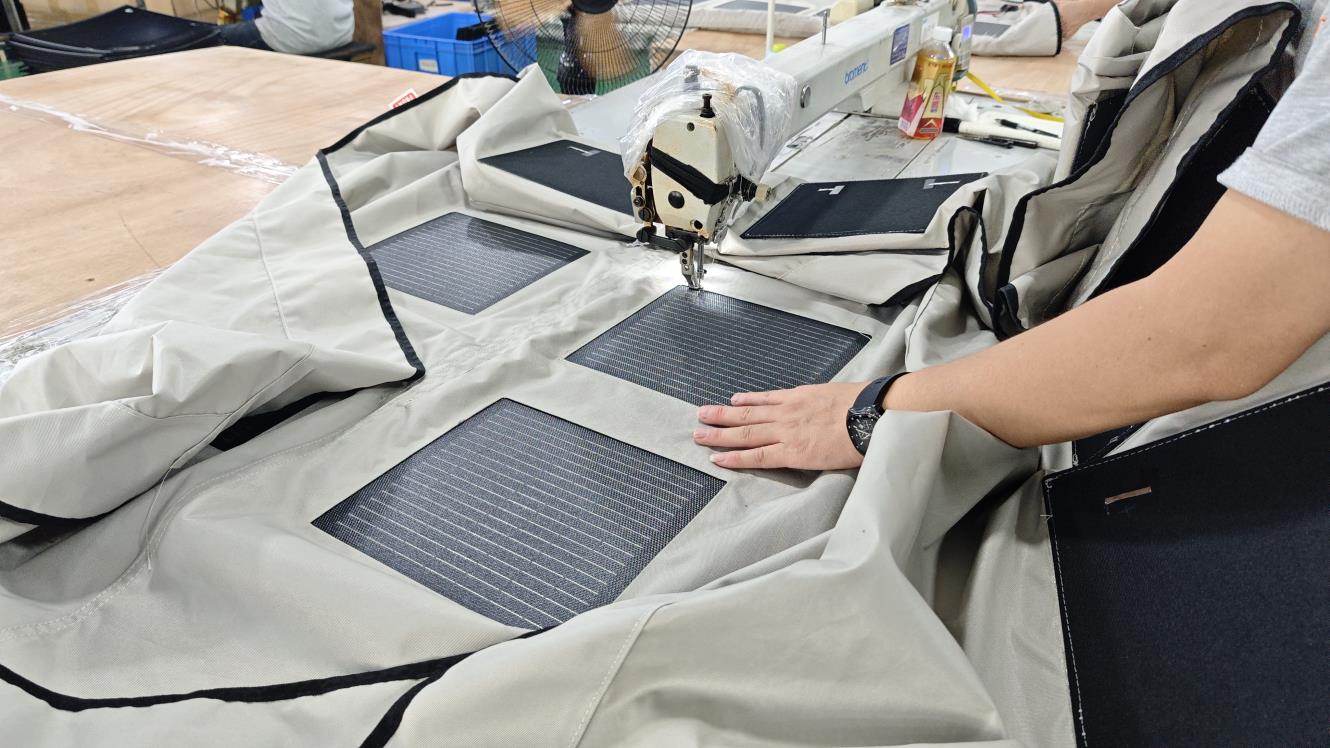
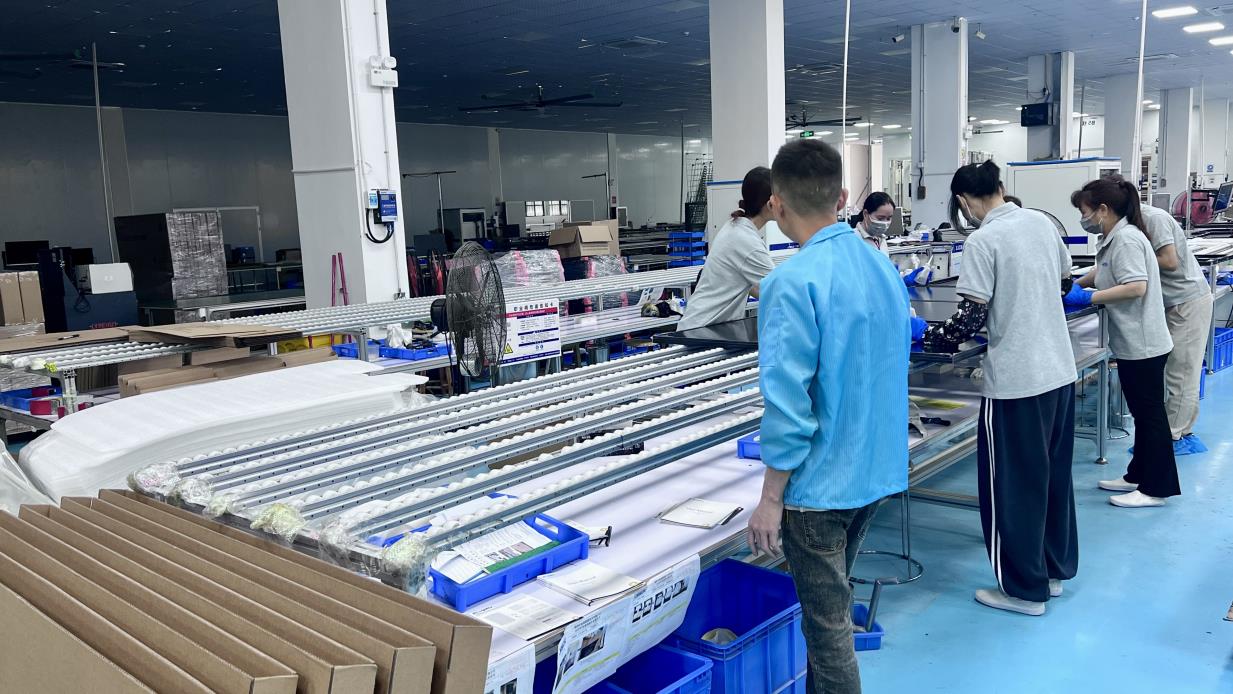
A transparent step-by-step display of Xiamen ConTech Solar’s production lines, showcasing engineering integrity and operational excellence.
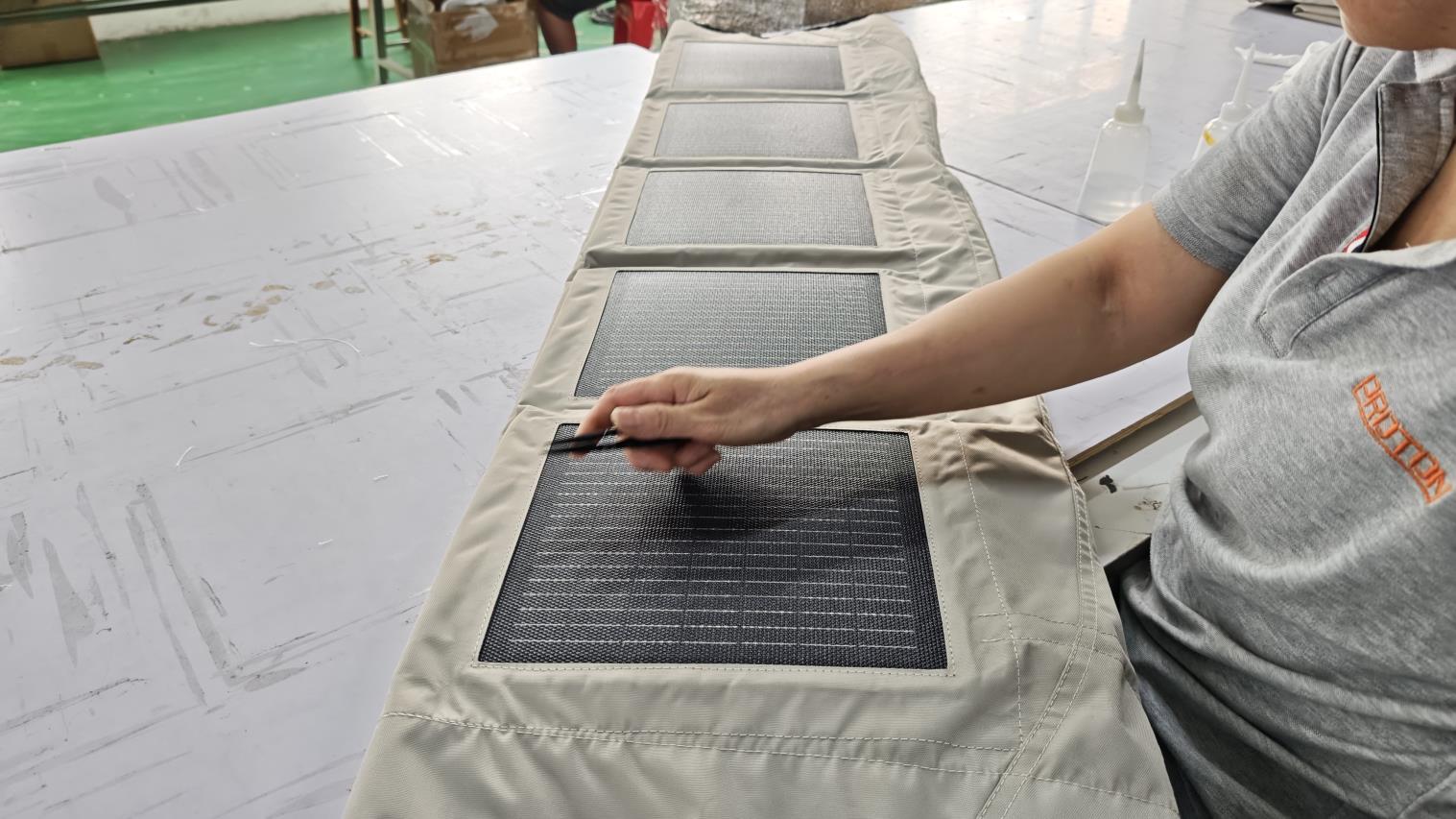
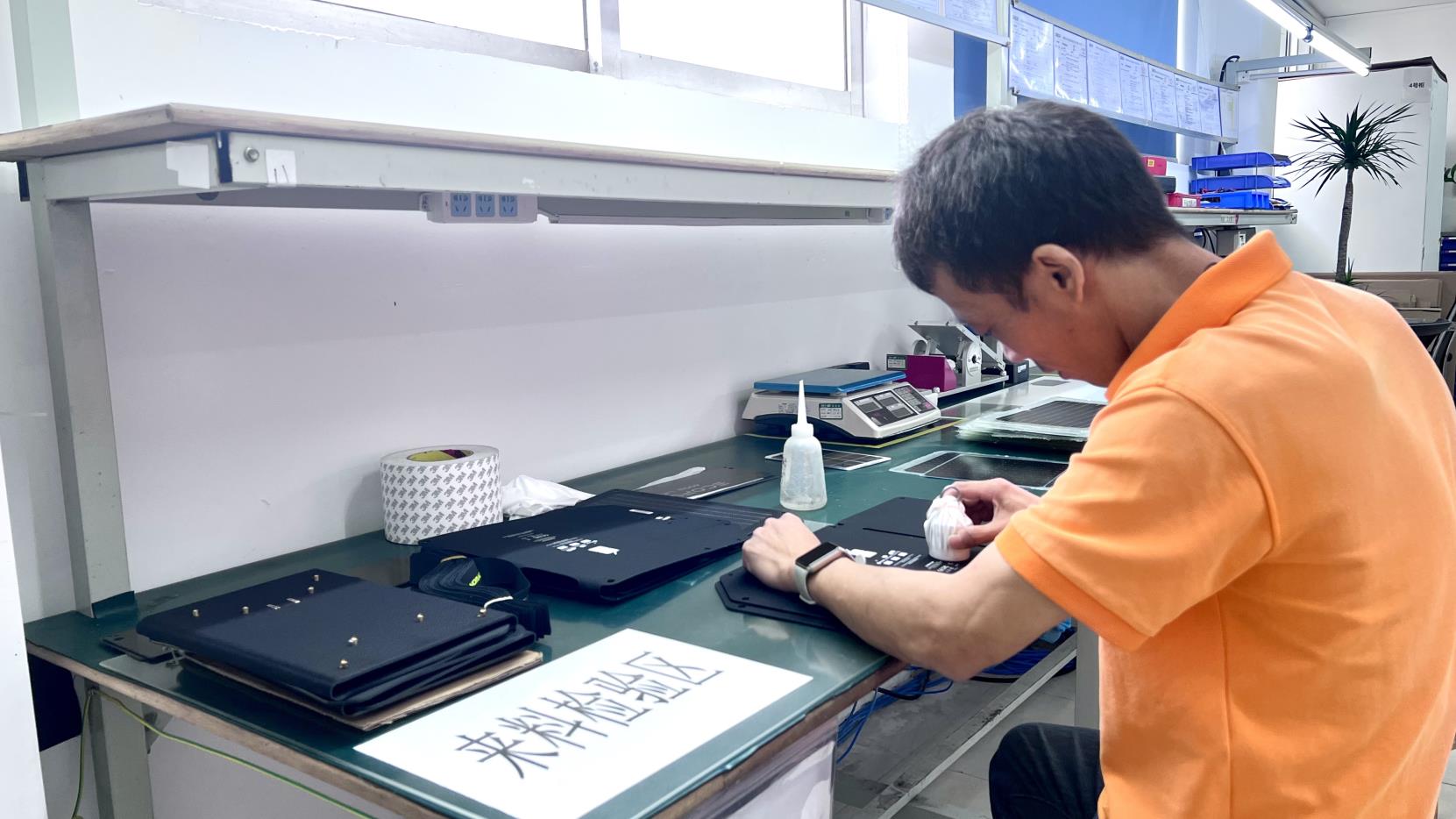
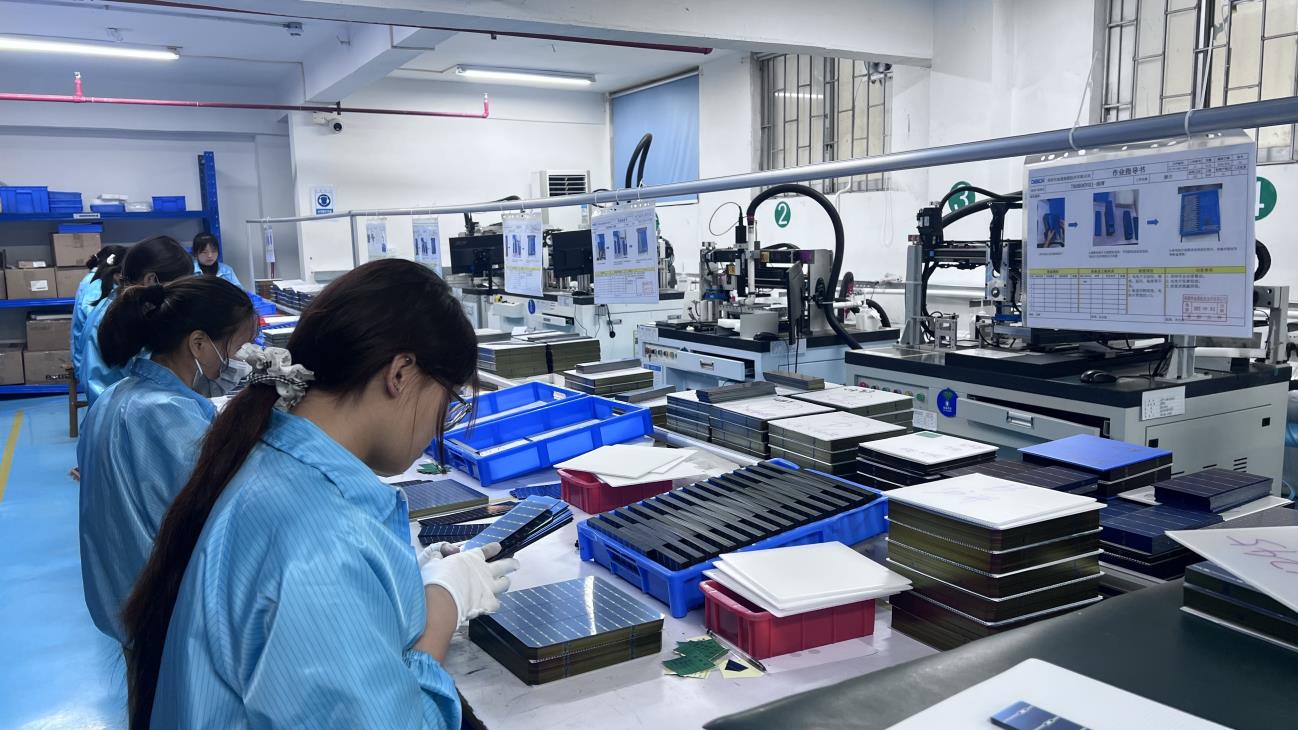
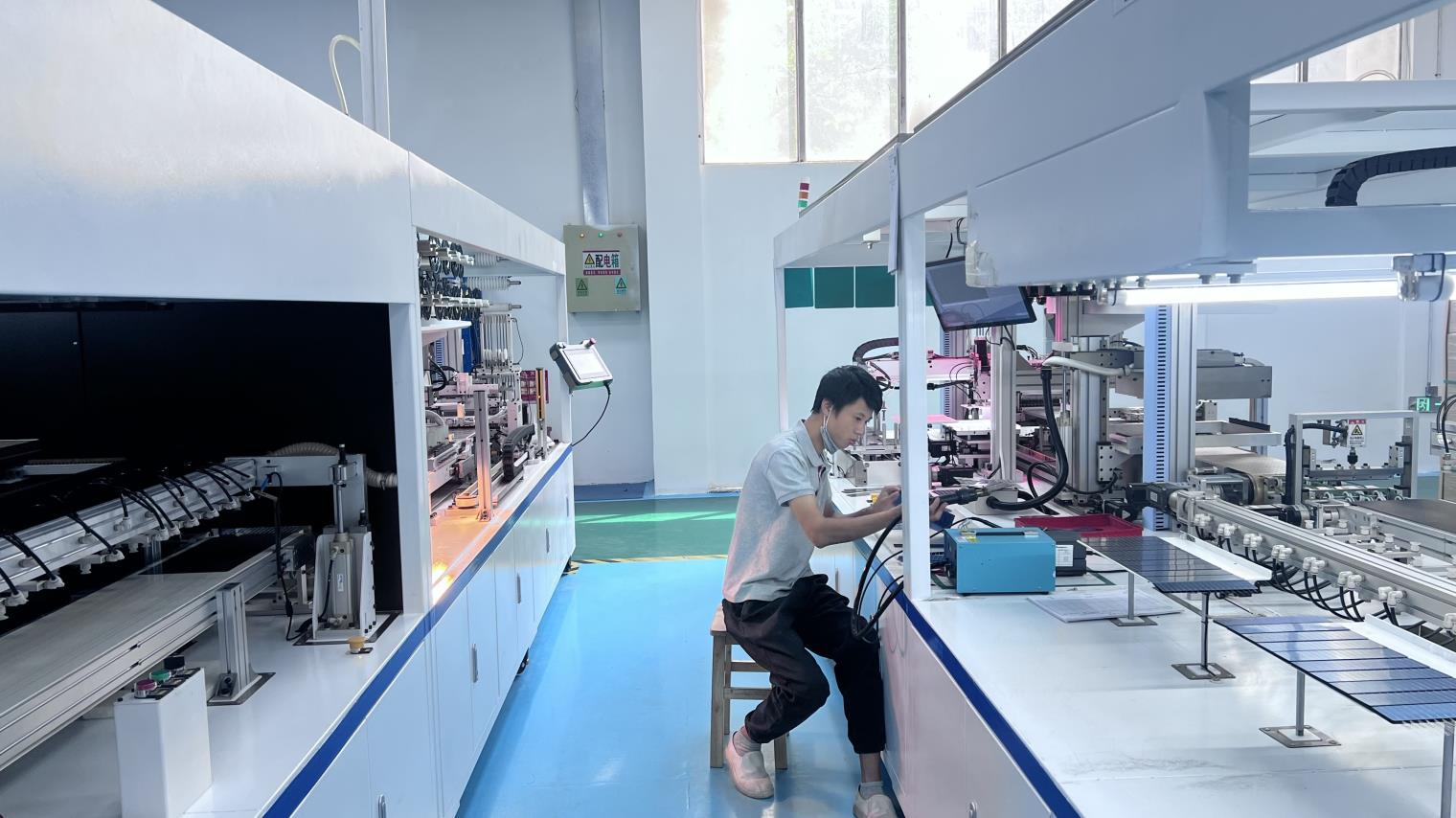
Deploying tailored solar PV infrastructure setups across the residential, industrial, and social-humanitarian sectors.
Remote mining operations in regions such as Carnot or Berberati rely on expensive, carbon-heavy diesel fuel transport. By integrating ConTech Mono PERC panels with modern lithium-ion energy storage systems (BESS), mines can transition to hybrid operations. This minimizes fuel consumption by up to 50% during daytime hours, significantly lowering running costs and securing operational margins.
UN agencies and international NGOs working across the Central African Republic operate extensive logistics bases requiring continuous cold chain security for medical storage and sat-com connectivity. Our modular solar arrays combined with off-grid inverters supply reliable electricity, eliminating the operational vulnerabilities of diesel generator failures.
Agricultural yields along the Ubangi River basin can be scaled using solar irrigation. Mono-PERC arrays power high-head surface and submersible pumps without fuel inputs. This provides local farmers with stable water access through dry spells, encouraging double-cropping cycles and strengthening regional food security.
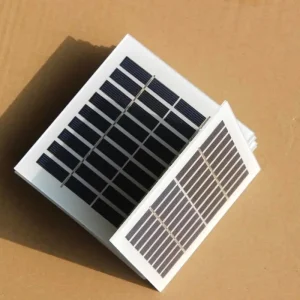
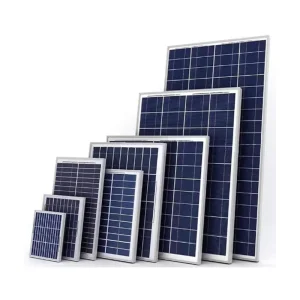
Urban sectors and rural settlements benefit from micro-grids and stand-alone street lighting modules. Using high-efficiency 2W to 30W solar kits or large-scale utility 600W+ panels, municipalities can secure critical corridors, improve public safety, and spur evening economic activity in local markets.
Browse our complete catalog of industrial, commercial, and DIY solar kits, shipped directly from our factories.
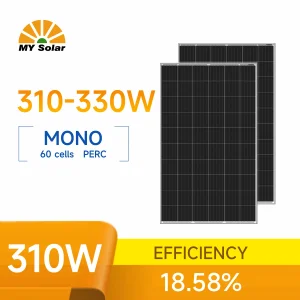
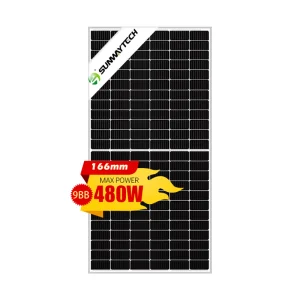
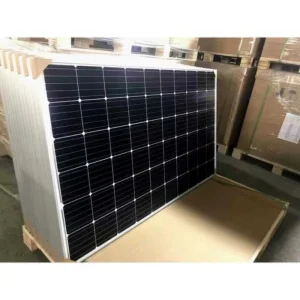
Crucial standards, metrics, and quality criteria for procurement managers and project developers.
To avoid counterfeit imports, B2B procurement managers must verify that solar panels carry international certifications. Xiamen ConTech Solar panels are certified to CE, IEC 61215, and IEC 61730 standards. These certifications ensure that the solar cells and structural glass can withstand mechanical loads, severe UV exposure, and the humid environment typical of the Central African savanna.
We provide a 12-year workmanship warranty and a 25-to-30-year linear performance warranty (guaranteeing over 80% output at year 25). To facilitate warranty fulfillment in landlocked African markets, we maintain a dedicated technical support system, helping developers conduct remote diagnosis and processing replacement shipments efficiently.
Off-grid systems in CAR need careful design to prevent premature battery bank failure. When pairing monocrystalline PERC panels with energy storage, it is critical to balance charging currents with seasonal variations. ConTech Solar's application engineers assist procurement clients in sizing systems to match peak sun-hour projections for local regions, from Bangui to remote eastern towns like Obo.
We source only high-purity silicon wafers and reliable EVA backsheets. Our transparent manufacturing reports, including EL photos and flash test sheets, are documented for every production batch. This provides complete visibility to municipal inspectors and international finance institutions sponsoring development projects in the CEMAC region.
Practical answers on transport, setup, and technology selections for engineers and project developers in Central Africa.
Mono PERC panels feature an integrated passivation layer at the rear of the cell. This structure improves light absorption under overcast skies or dust-heavy seasons (diffuse light) and provides a lower temperature coefficient. In hot climates like the Central African Republic, PERC technology loses less output at high midday temperatures than standard mono or poly-crystalline panels, resulting in higher daily energy generation.
Cargo is shipped in containers from major Chinese ports, such as Xiamen Port, to regional ocean hubs, primarily the Port of Douala in Cameroon. From Douala, the cargo travels by overland transport corridors across Cameroon into Bangui, Central African Republic. ConTech Solar uses heavy-duty, reinforced export packaging to protect the panels from vibration damage on unpaved regional roads.
For B2B projects, our standard wholesale MOQ is typically one pallet (about 27 to 36 panels, depending on the model). To achieve optimal shipping rates along the Douala-Bangui corridor, we recommend ordering in full 20ft or 40ft container loads, which maximizes container volume and lowers unit transport costs.
Our solar panels feature anti-reflective glass coatings that reduce dust adhesion. In areas affected by the seasonal Harmattan wind, dry cleaning or washing cycles are recommended to maintain maximum power output. The rugged anodized aluminum frames and IP68-rated junction boxes prevent dust ingress, protecting internal circuits from environmental damage.
 ConTech Solar