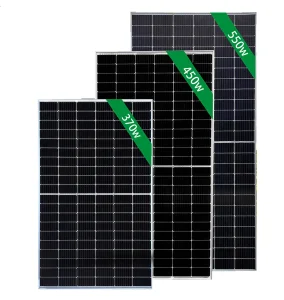
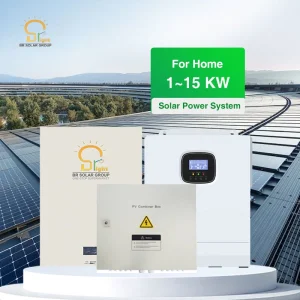
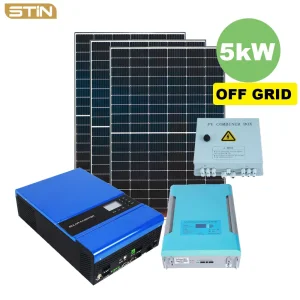
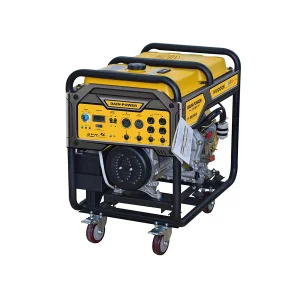
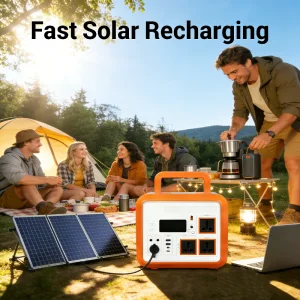
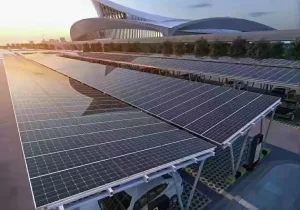
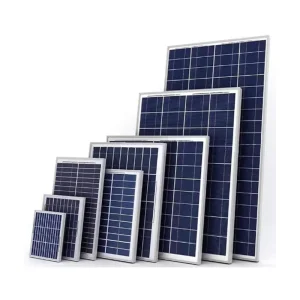
Premium grade PV panels, portable generators, and system brackets engineered to withstand harsh environments and maximize ROI.
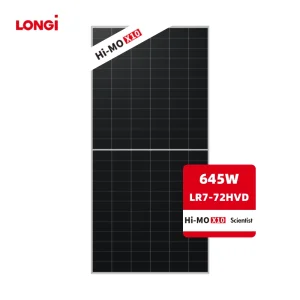
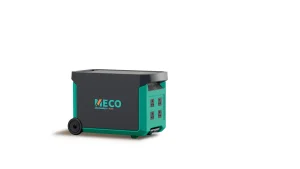
A comprehensive B2B briefing on energy resilience, technology integration, and compliance standards.
The paradigm of portable off-grid power has shifted dramatically from mere emergency leisure tools to critical decentralized infrastructure assets. Global supply chains face recurring interruptions, escalating grid strain, and higher carbon taxation thresholds. Consequently, utility operators, humanitarian organizations, and logistics conglomerates require CE-certified portable solar generators that combine micro-grid capabilities, long lifespans, and plug-and-play setups.
Modern portable solar solutions integrate advanced lithium iron phosphate (LiFePO4) chemistries, offering more than 3,500 lifecycle iterations at 80% Depth of Discharge (DoD). This longevity is coupled with Maximum Power Point Tracking (MPPT) algorithms that maintain solar conversion efficiency above 99.3%, even in cloudy or dynamic sunlight. Manufacturers must transition toward modular power ecosystems. These units allow parallel stacking to scale systems from 1 kW up to 50 kW industrial limits, bypassing the cost of static localized installations.
"Procurement directors no longer view portable solar simply as consumer hardware. In critical telecommunications, remote defense, and clinical response operations, they function as decentralized energy insurance."
Exporting energy assets into the European Union and allied regions demands rigid compliance with safety, electromagnetic compatibility, and environmental impact regulations. Under CE guidelines, manufacturers must secure compliance with EN 62109-1 and EN 62109-2 (safety of power converters in PV systems), as well as EN 61000 series standards for electromagnetic compatibility. These credentials assure risk managers that high-voltage PV inputs and high-capacity battery units operate safely under load fluctuations, preventing critical failures and fire risks.
Additionally, RoHS and REACH compliance are crucial for modern carbon-accounting systems. When procurement cycles are scrutinized for lifecycle emissions, selecting a CE-certified, eco-conscious manufacturing partner like Xiamen ConTech Solar Co., Ltd. simplifies customs compliance and reduces supply chain friction.
Why modern B2B buyers mandate certified reliability and high-efficiency architectures.
Multi-mode hybrid systems that transition seamlessly between solar priority, battery support, and utility bypass modes.
Passive heat dissipation combined with intelligent fan systems keeps modules cool, extending component life under high ambient heat.
Plug-and-play expansions allow power inputs and outputs to scale rapidly, minimizing upfront capital investments.
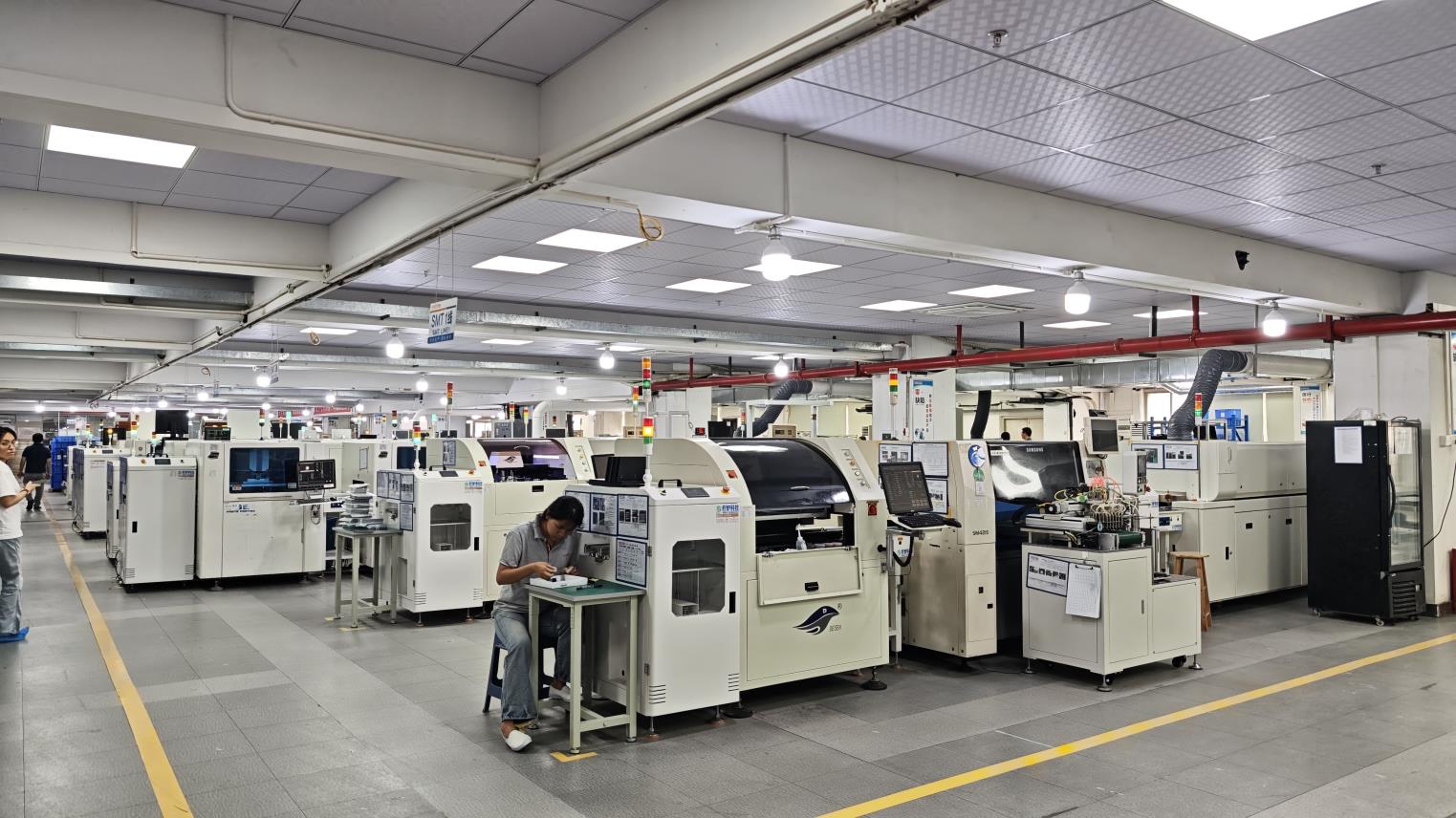
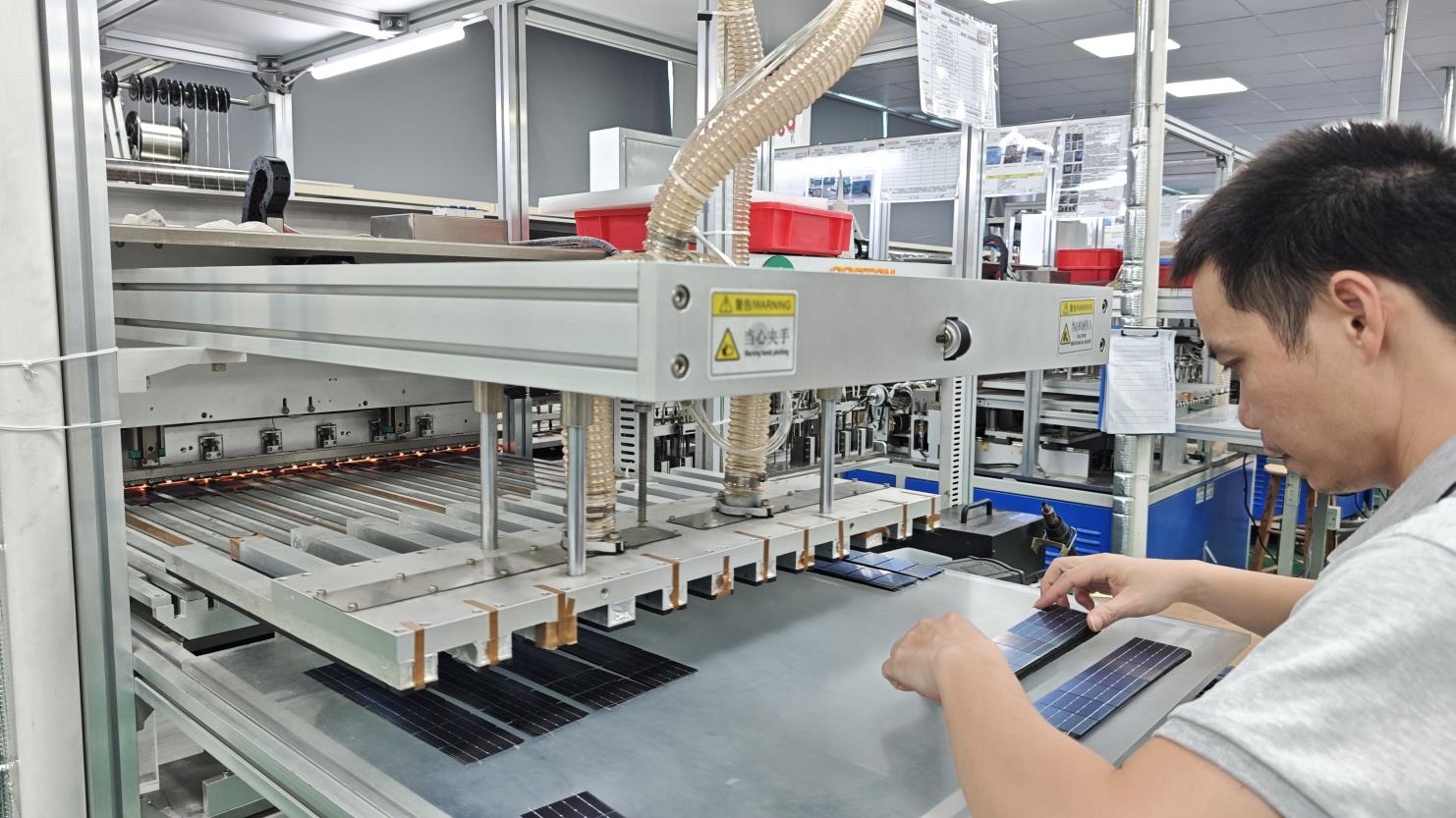
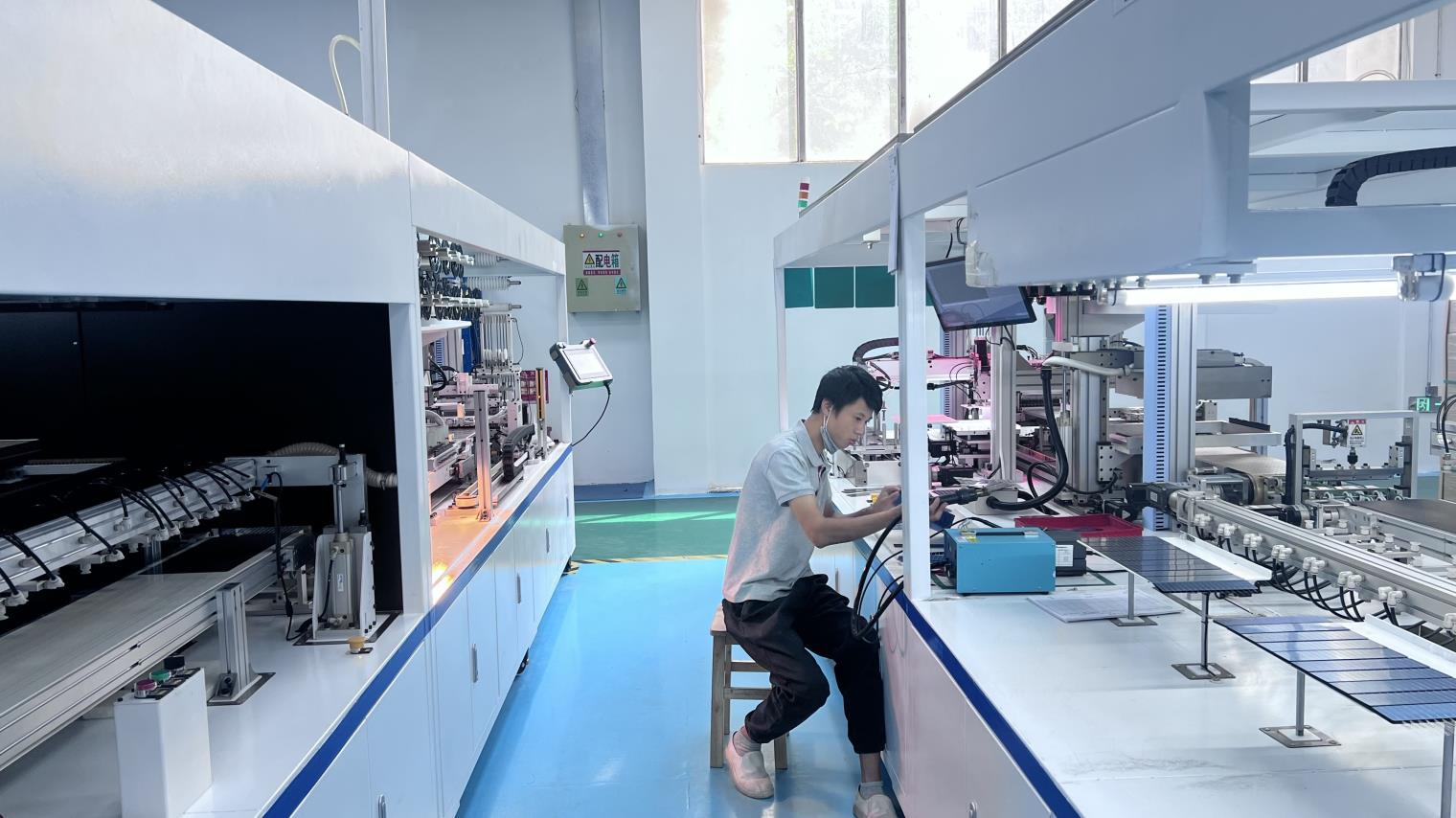
Driving Clean Energy Innovation through SMT Automation, Laser Scribing, and Rigorous Testing.
Xiamen ConTech Solar Co., Ltd. is a professional high-tech enterprise specializing in the research, development, production, and sales of solar energy products. Since its establishment, the company has been committed to providing efficient, reliable, and environmentally friendly solar solutions to customers worldwide. Guided by the business philosophy of "Innovative Technology, Superior Quality, and Sustainable Development," ConTech Solar continuously strengthens its technological innovation and product development capabilities.
With a strong R&D team and advanced manufacturing technology, Xiamen ConTech Solar Co., Ltd. mainly produces solar panels, solar controllers, solar energy systems, and related photovoltaic products. These products are widely used in residential rooftops, commercial and industrial solar projects, large-scale photovoltaic power stations, agricultural applications, street lighting systems, and off-grid energy solutions.
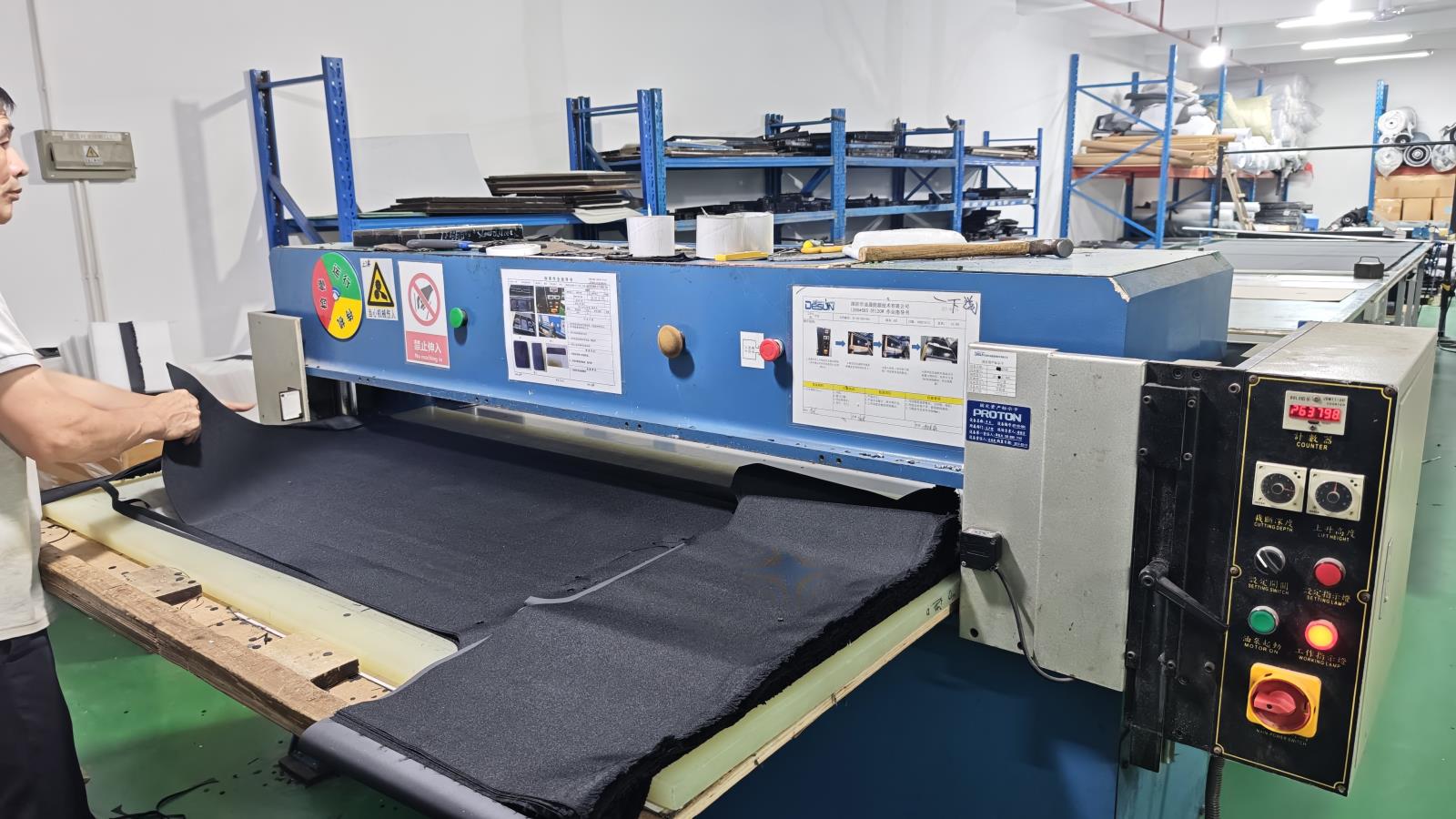
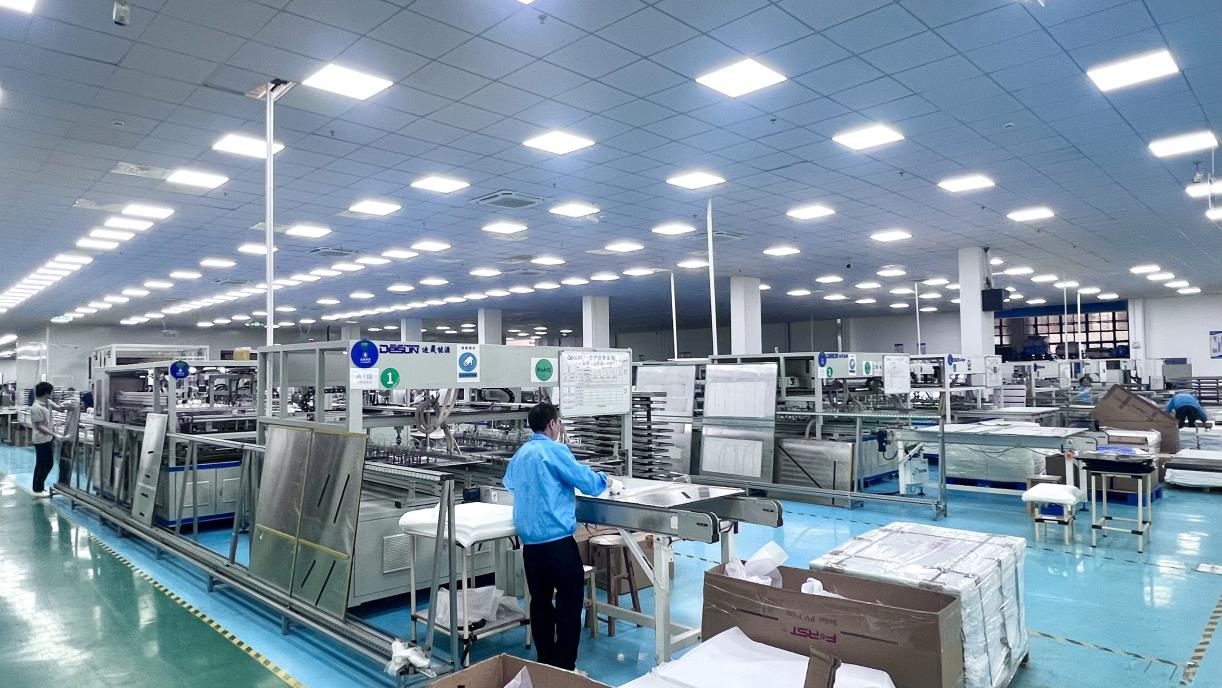
The company is equipped with advanced production facilities and strict quality control systems to ensure the stability and reliability of every product. ConTech Solar has established a comprehensive quality management system and continuously improves production efficiency and product performance to meet international standards and customer requirements.
Adhering to the principle of "Customer First, Quality Foremost," Xiamen ConTech Solar Co., Ltd. has earned a strong reputation in both domestic and international markets through competitive pricing, professional technical support, and excellent after-sales service. The company actively promotes green energy development and strives to contribute to global sustainable energy solutions.
Looking ahead, Xiamen ConTech Solar Co., Ltd. will continue to focus on innovation, expand its global market presence, and build long-term partnerships with customers around the world for mutual growth and success.
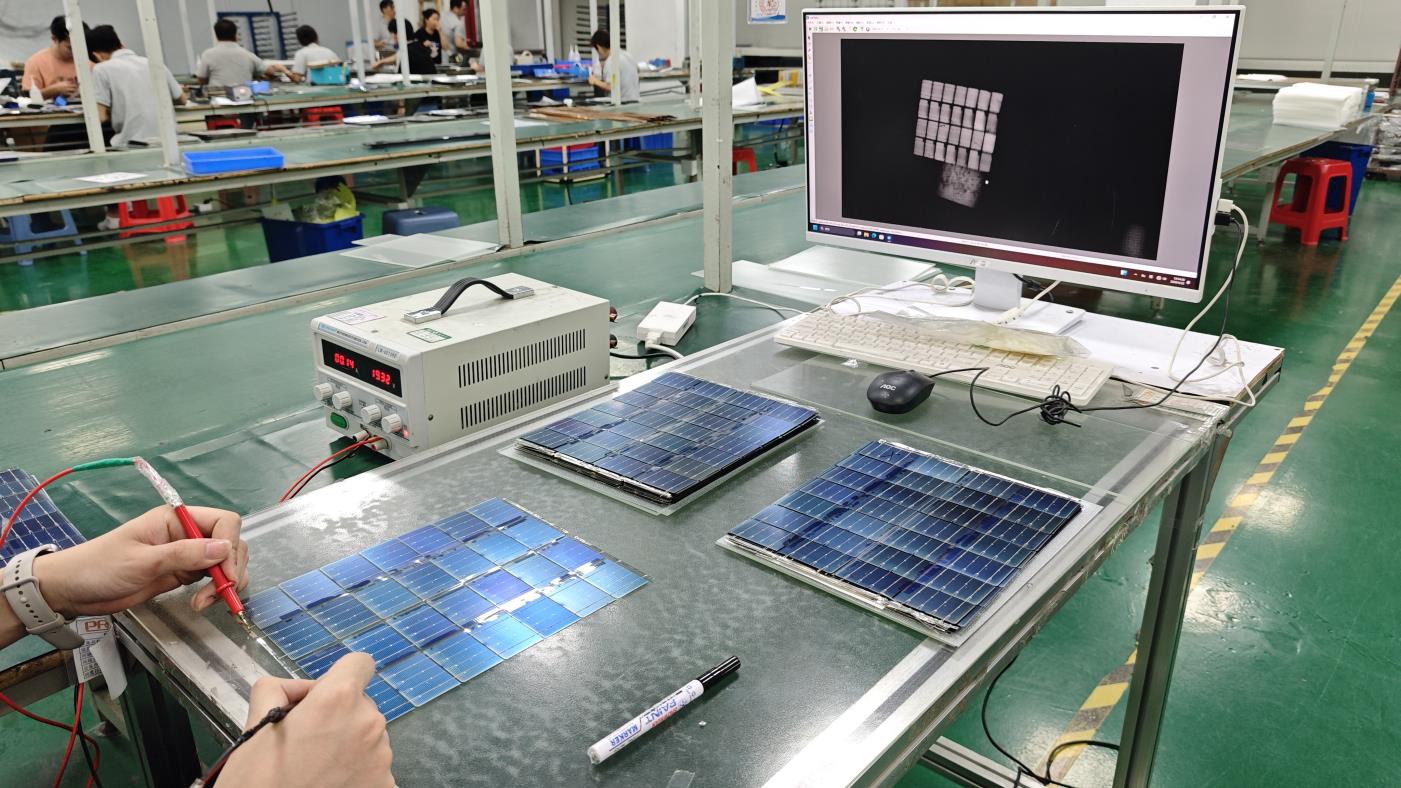
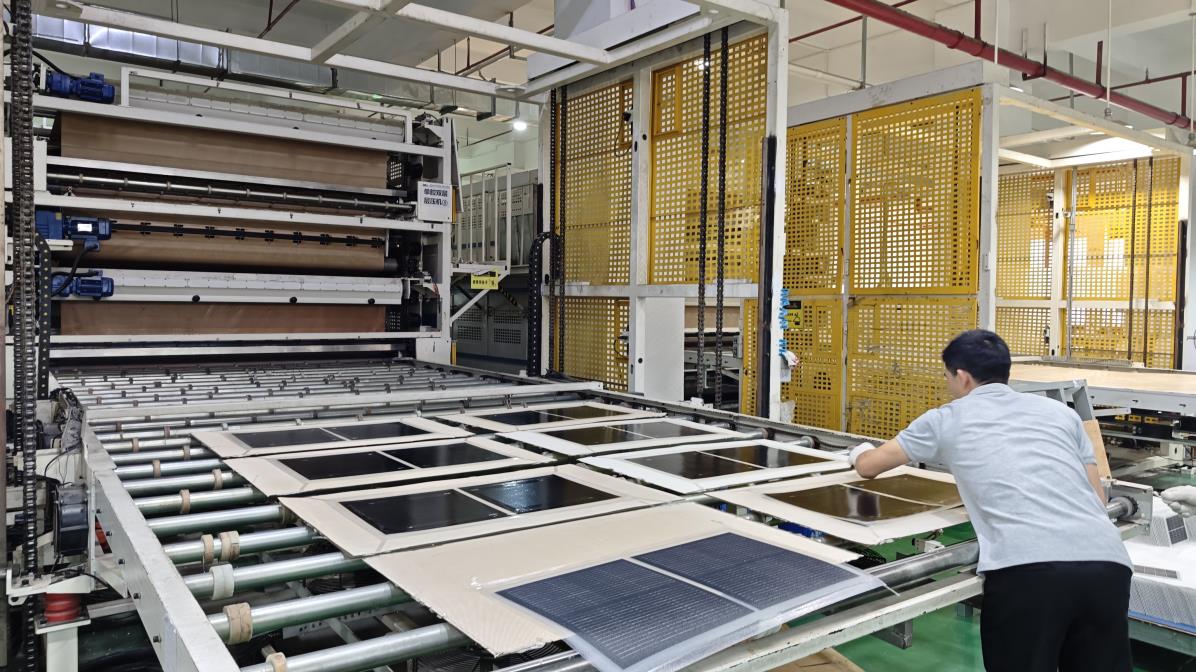
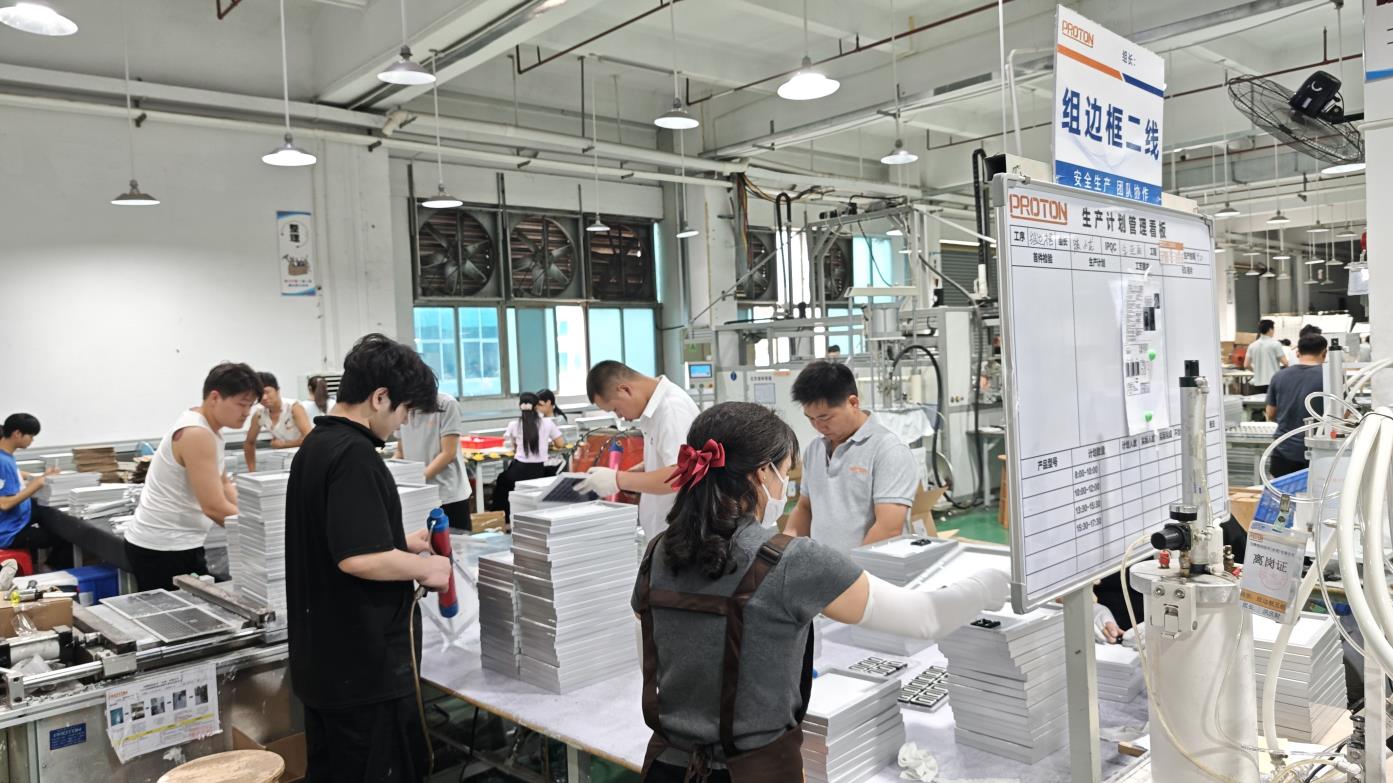
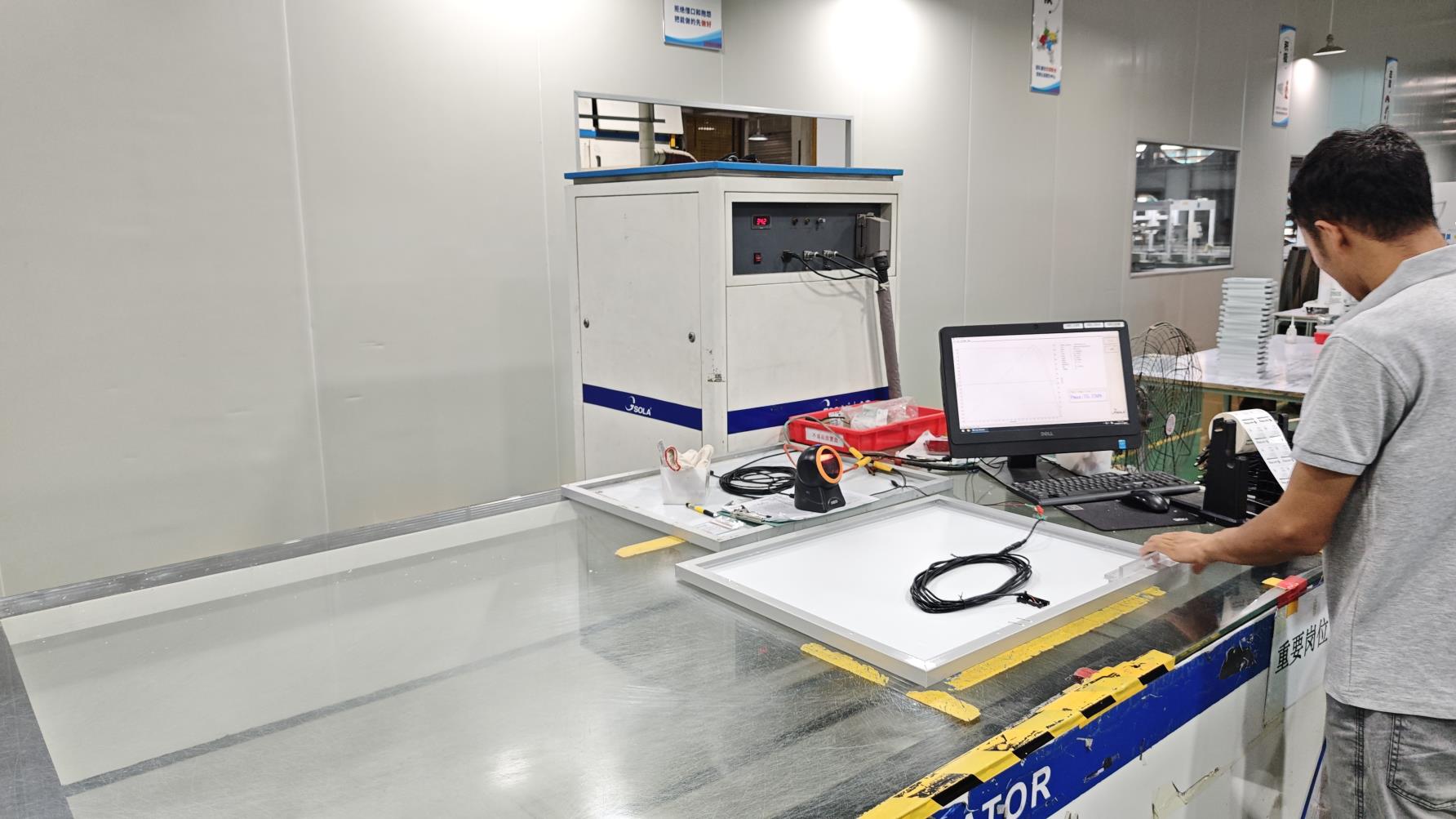
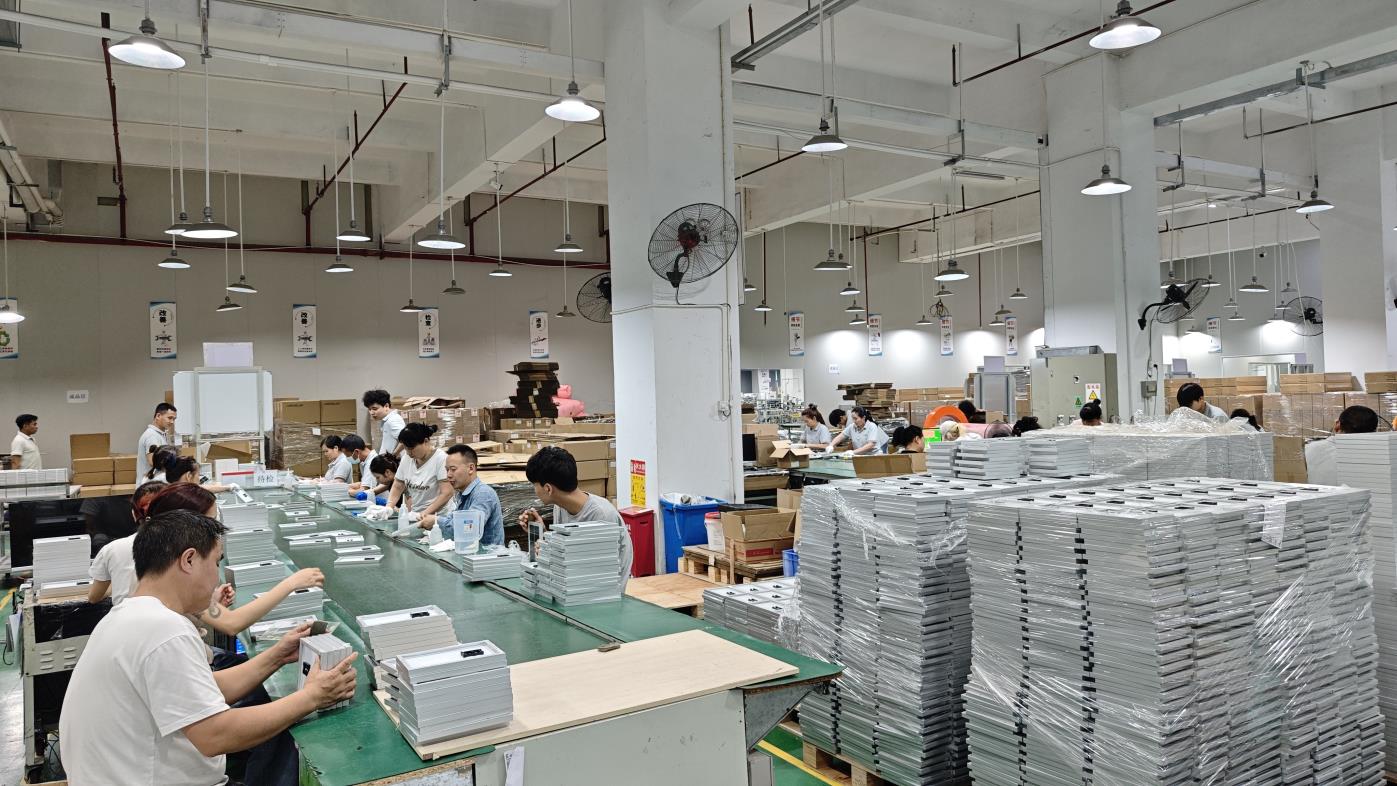
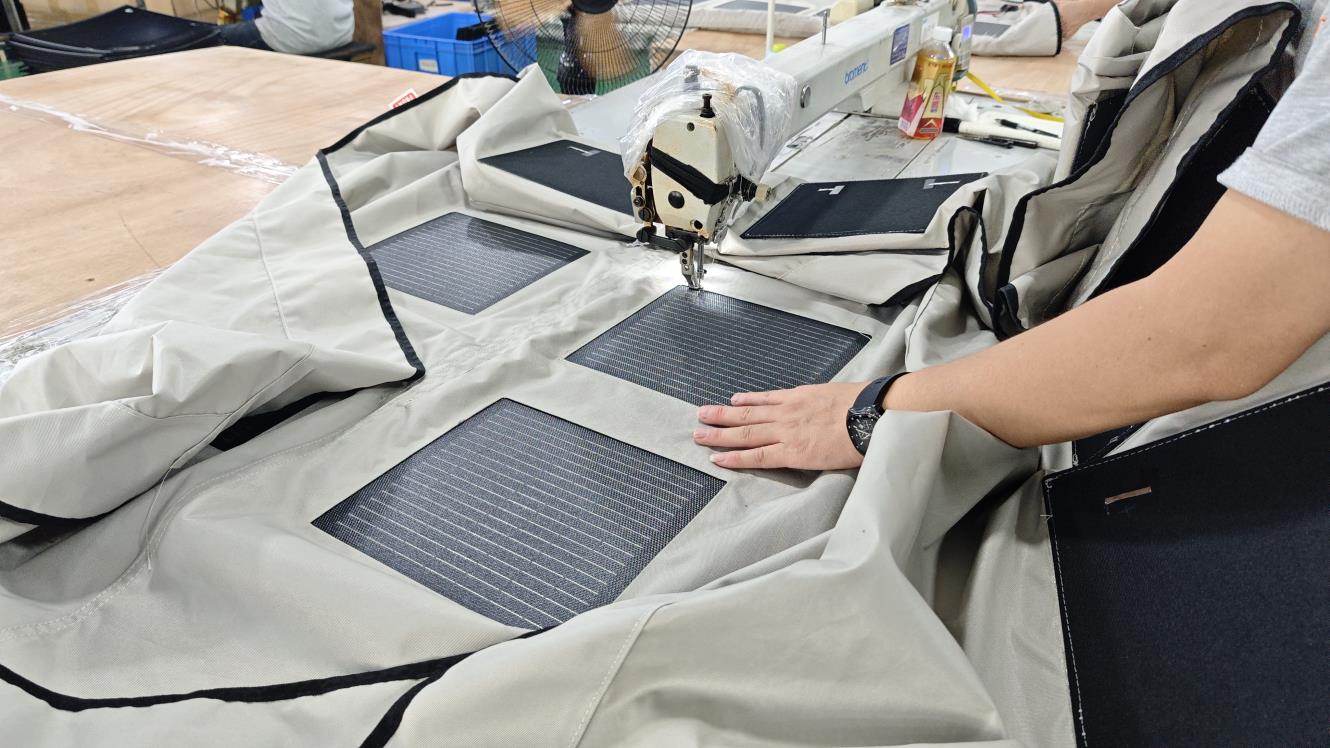
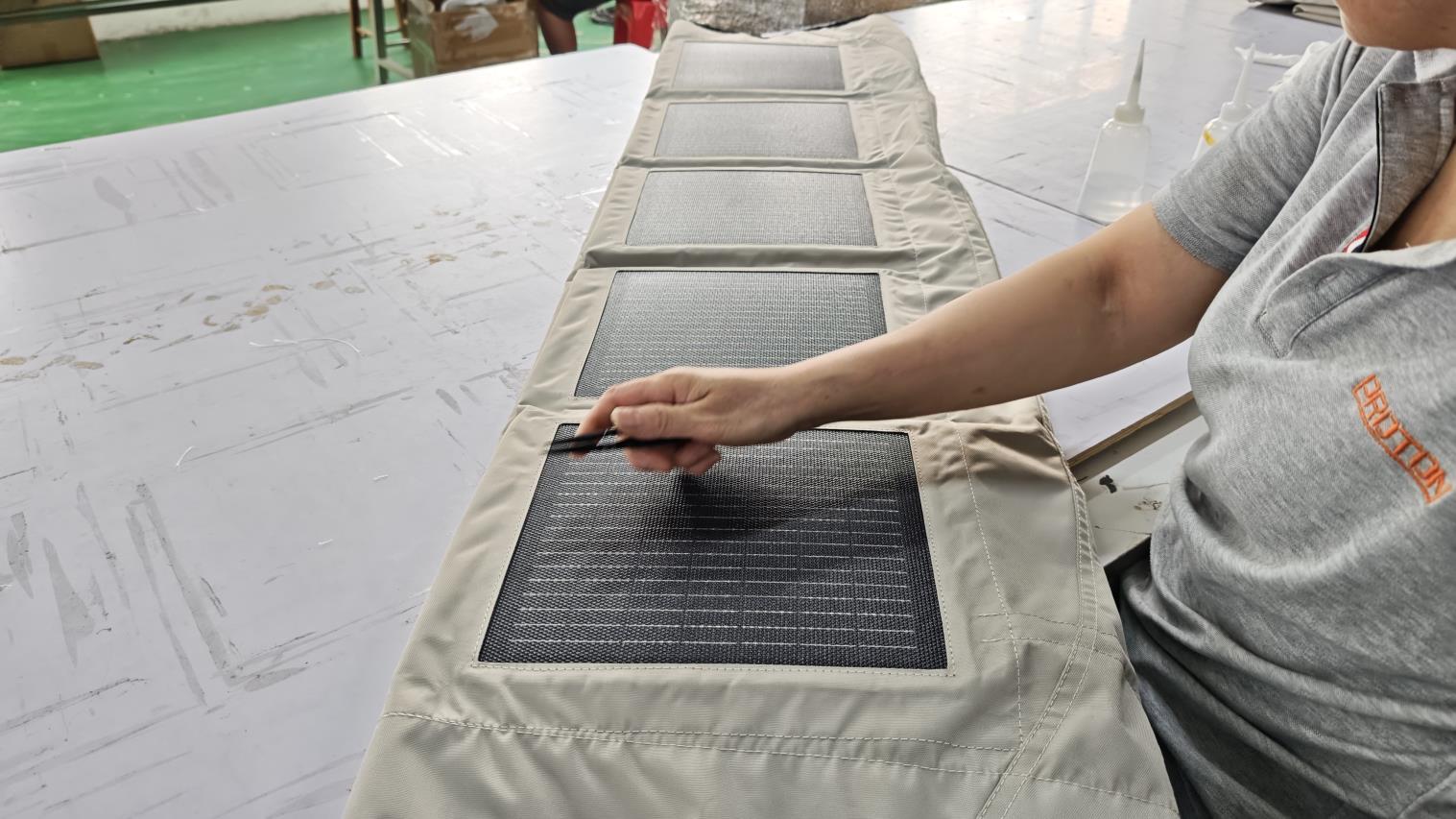
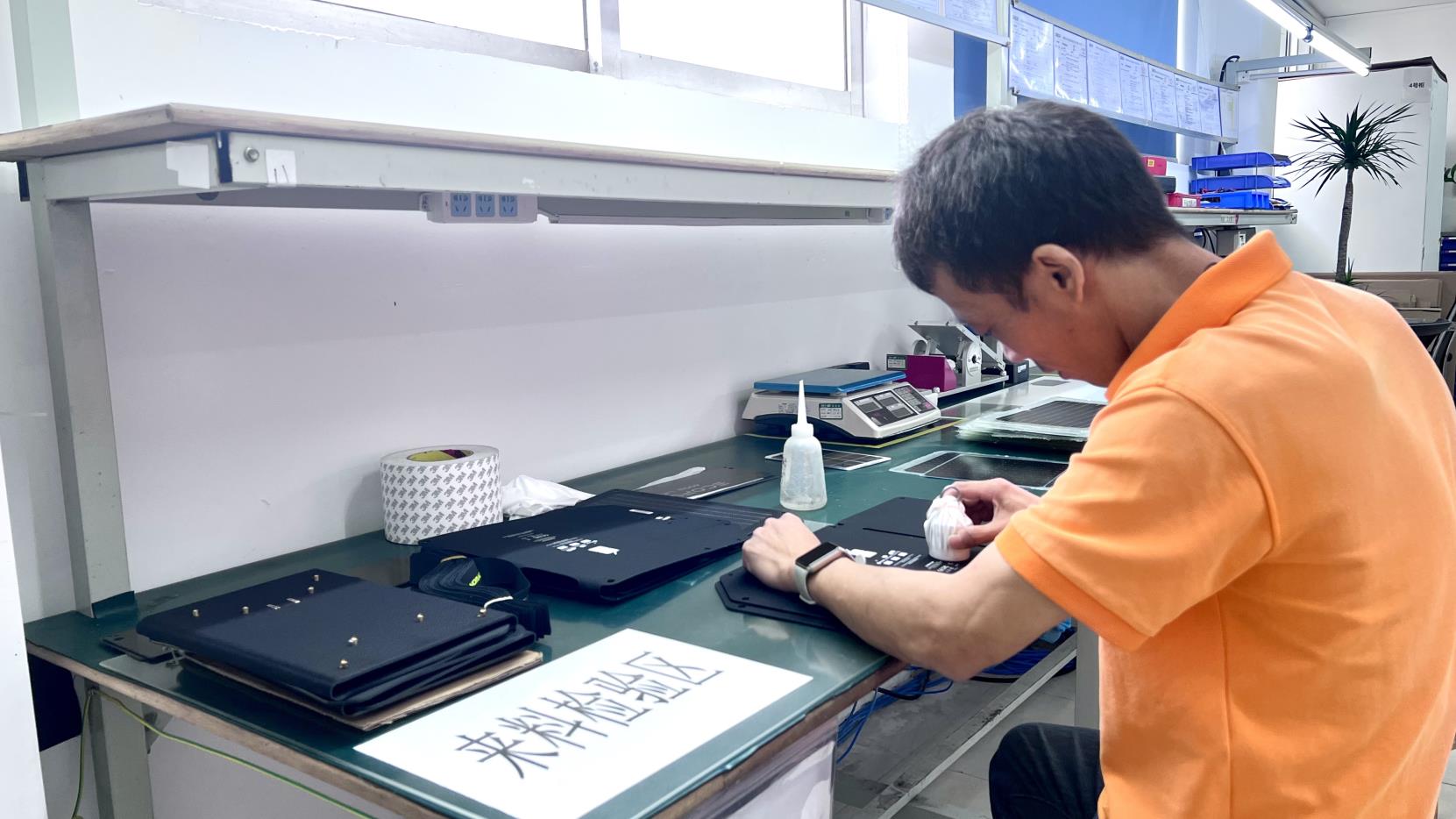
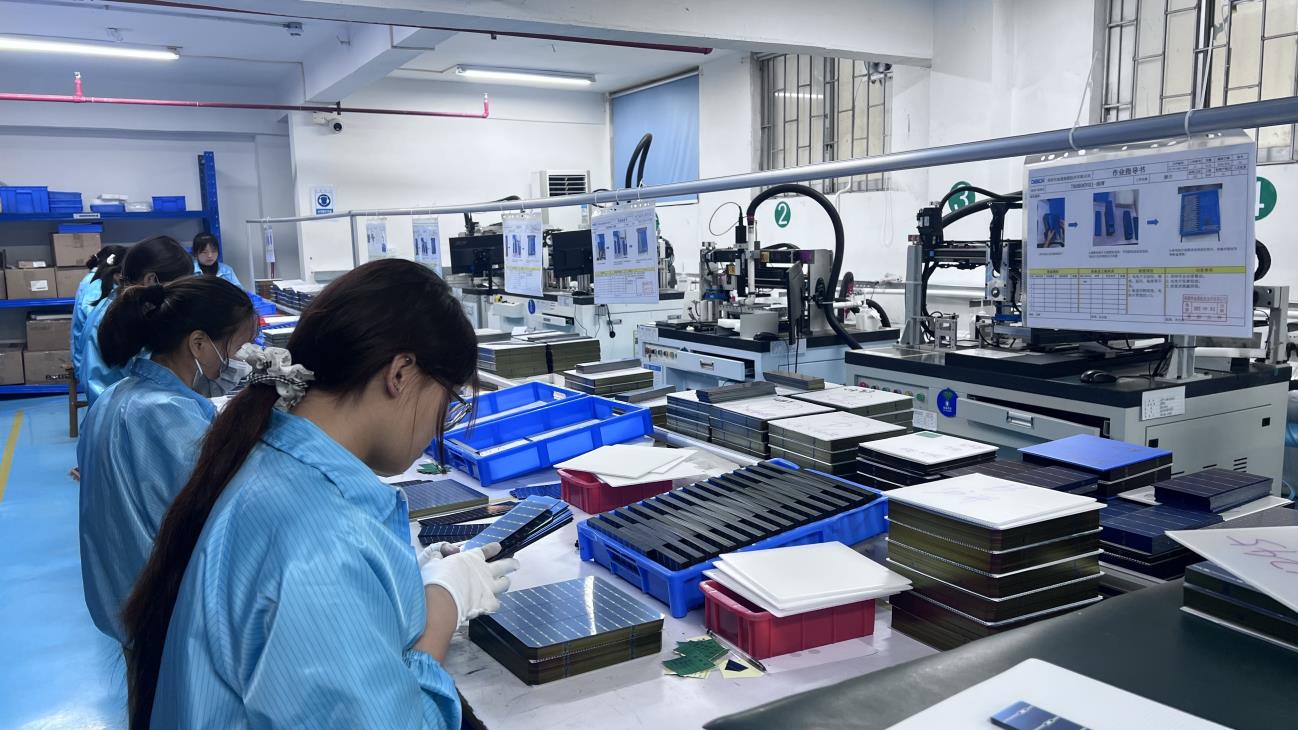
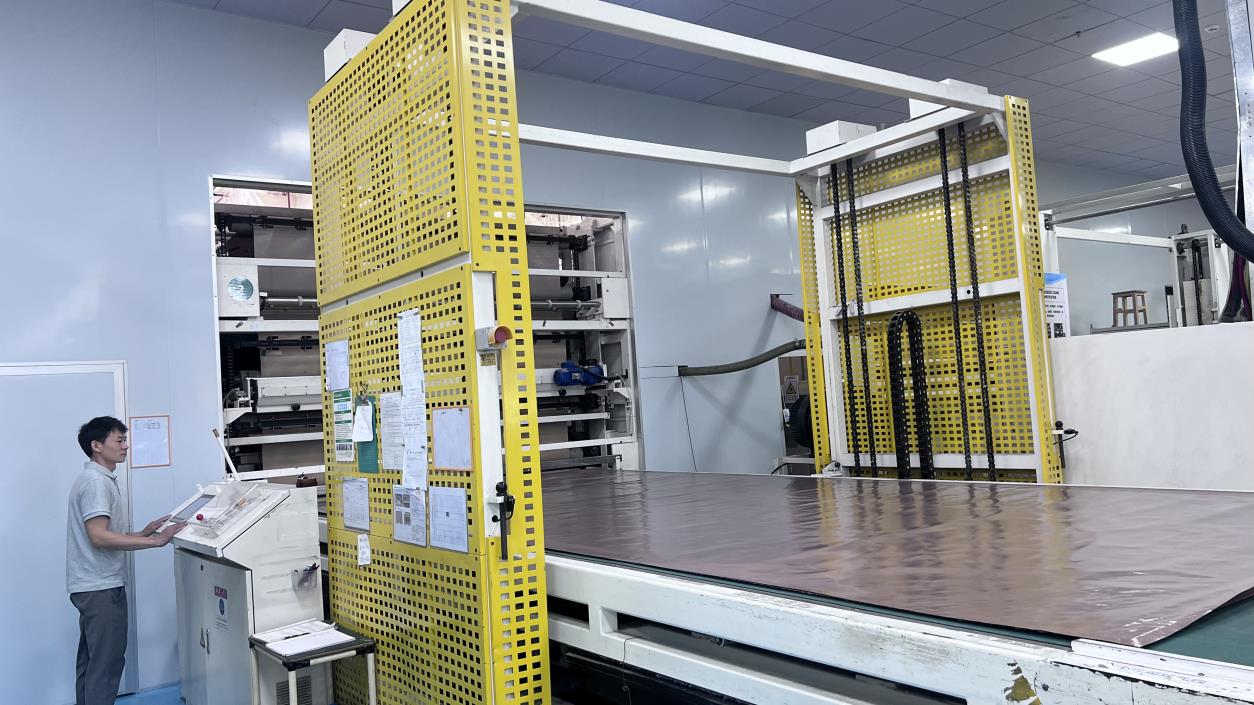
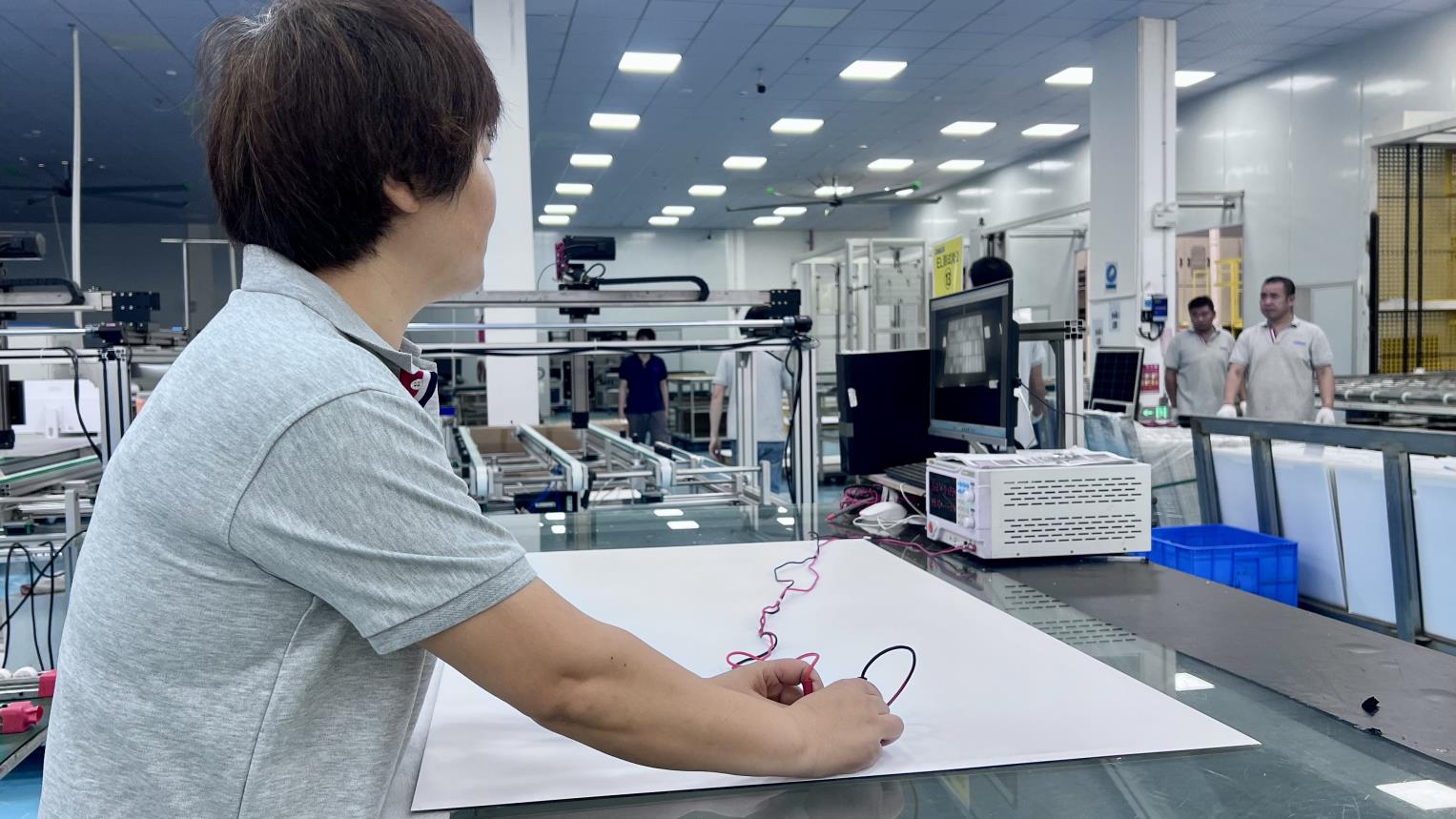
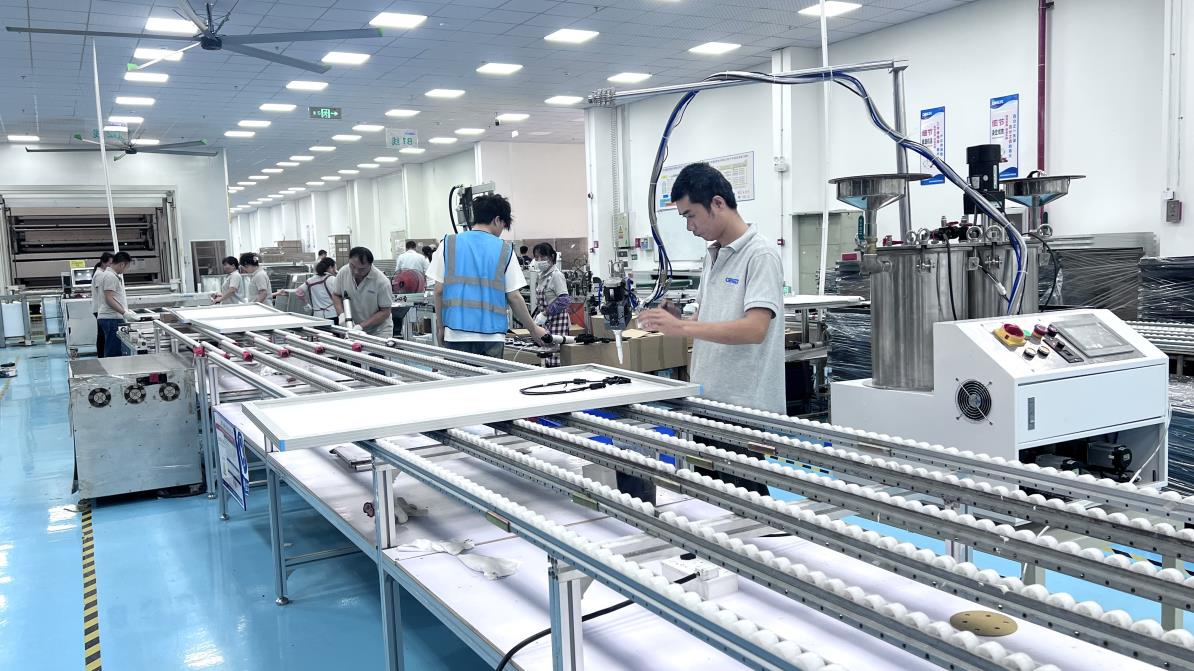
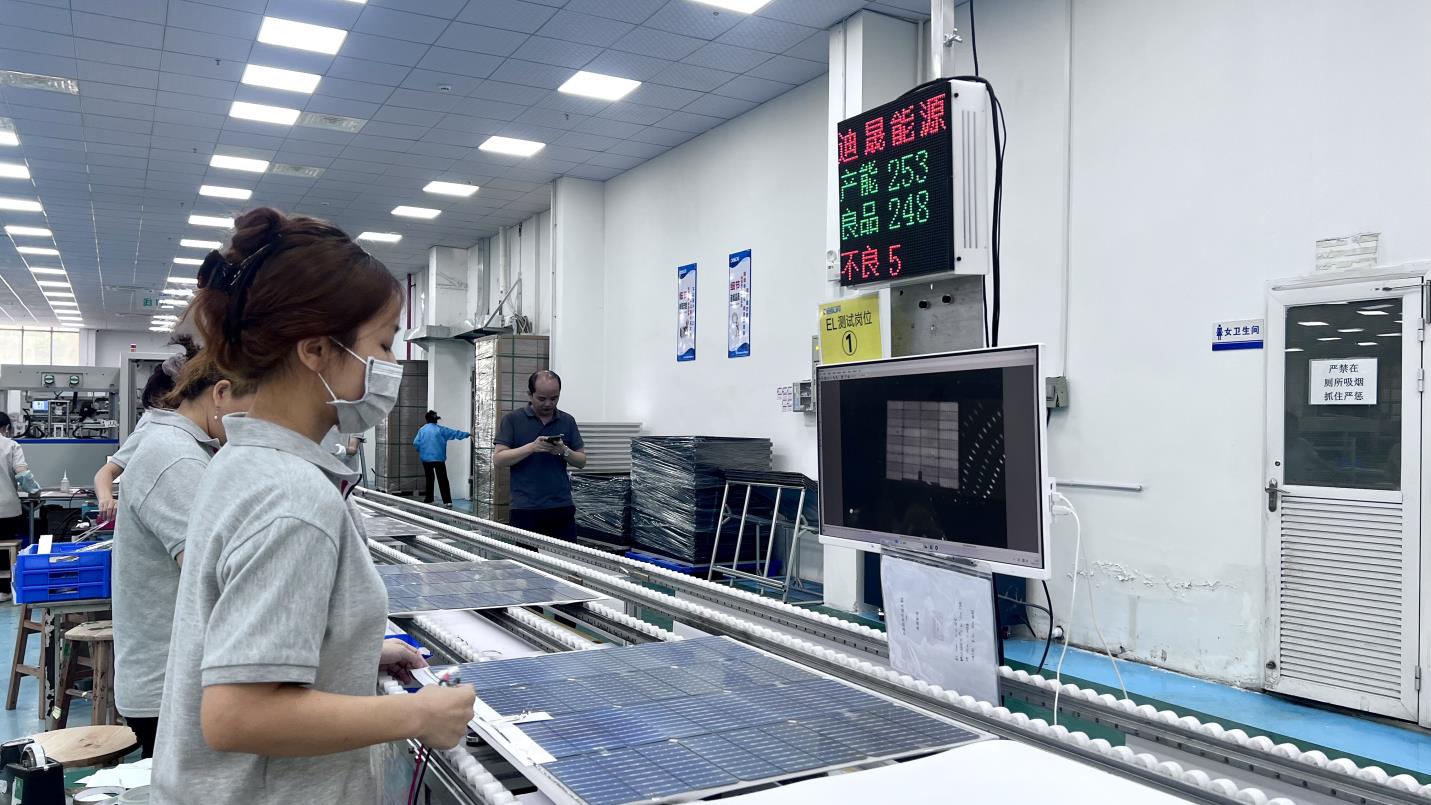
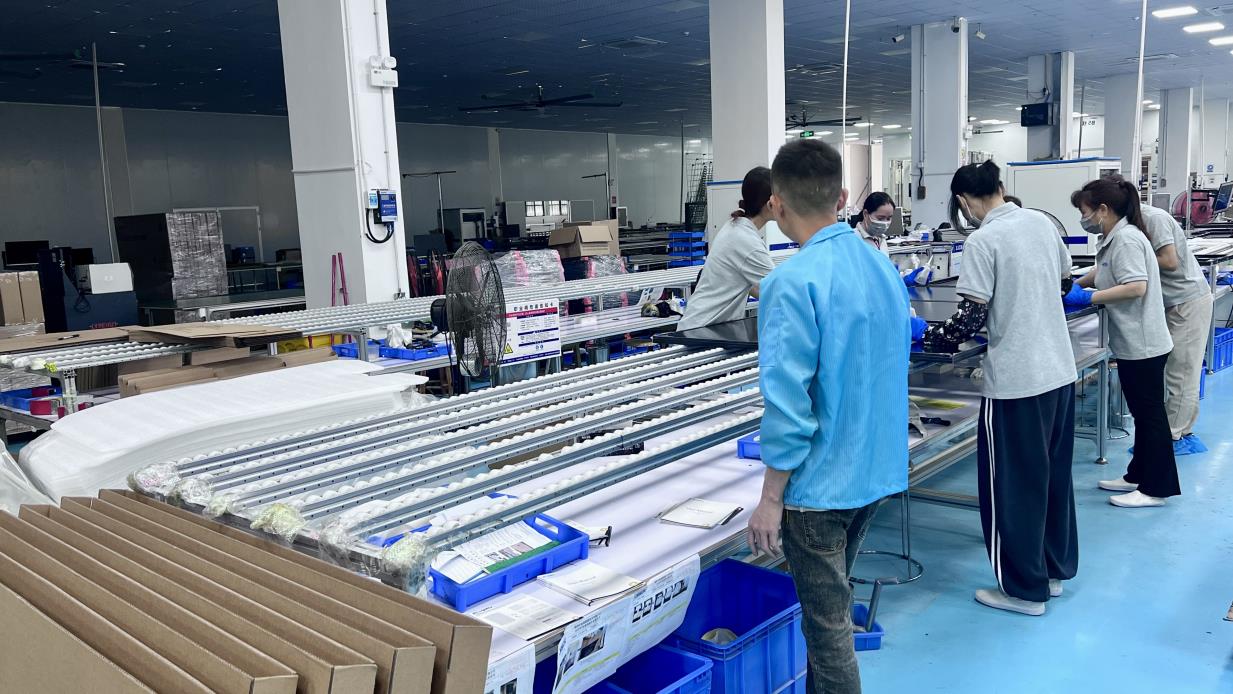
Inside our automated production, assembly, and testing workflows, showcasing how we achieve consistent quality.
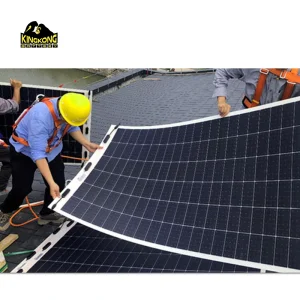
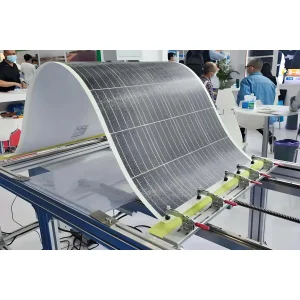
Flexible PV materials, mounting setups, and storage capacities designed for diverse installation settings.
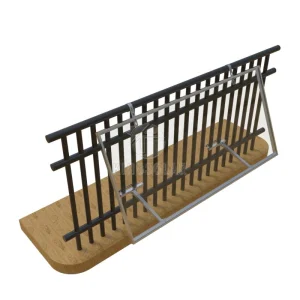
Urban density challenges traditional PV setups, driving demand for balcony and residential micro-grids. Using structural aluminum alloy brackets with adjustable tilt angles, installers can optimize solar capture across various seasons. Paired with lightweight, flexible, and high-efficiency monocrystalline panels, these setups integrate easily with minimal structural impact, offering an accessible entry point for residential power generation.
Off-grid telecom stations in rural regions depend on robust hybrid solar-diesel setups. Using 5000W pure sine wave solar generators ensures stable energy feeds without the harmonics common in low-cost inverters. Clean power prevents system degradation in sensitive radio transceivers, lowering long-term replacement expenses.
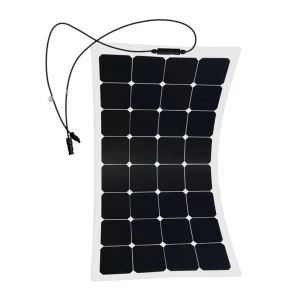
In emergencies, speed and durability are paramount. Ultra-portable ETFE laminated solar foils roll or fold flat, enabling rapid transport by helicopter or ground vehicle. These systems can be deployed in minutes, charging emergency communications, refrigeration units, and surgical lighting without requiring liquid fuel logistics.
Clear, direct answers to common questions from project planners, procurement agents, and logistics managers.
High-voltage portable solar generators must feature integrated Battery Management Systems (BMS) that regulate cell voltages, prevent overcharging, and manage thermal profiles. Safety is verified by compliance with CE, EN 62109-1, and EN 62109-2 standards, ensuring protection against short circuits and surge feedback.
ETFE (Ethylene Tetrafluoroethylene) provides superior UV resistance, high light transmittance (up to 95%), and excellent self-cleaning properties. Compared to PET, which degrades and yellows within two years, ETFE resists weathering and mechanical strain, maintaining cell efficiency for over 10-15 years in marine or desert climates.
Our Quality Control process includes Incoming Quality Control (IQC) on raw wafers, automated laser scribing, SMT placement, automated string welding, vacuum lamination, EL imaging, and comprehensive final performance testing. This structured workflow limits final assembly defects to less than 0.05%.
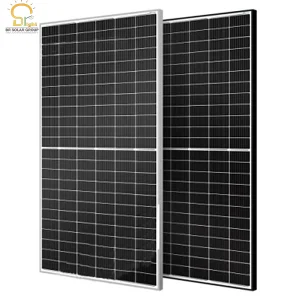
High-grade monocrystalline PV modules lose less than 2% of their nominal output in their first year of operation. Subsequently, degradation remains below 0.55% annually, ensuring the panels maintain over 80% of their initial output after 25 years of continuous service.
Yes, our brackets are engineered using high-tensile 6005-T5 aluminum alloy with anodized surface finishes. This structural design is rated to withstand wind loads up to 60 meters per second (m/s) and snow loads up to 1.4 kilonewtons per square meter (kN/m²), ensuring structural integrity in extreme weather.
Lithium battery systems are classified under UN38.3 hazardous goods categories. All international shipments comply with IATA (air) and IMDG (ocean) regulations. Units are packaged in certified, shock-absorbent composite structures and shipped at optimal charge levels to prevent thermal events during transit.
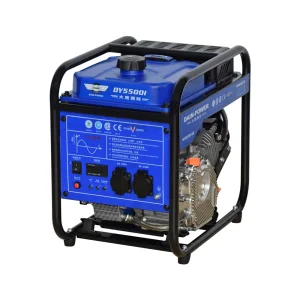
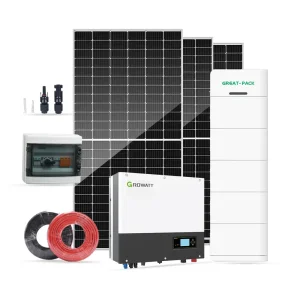
Complete off-grid configurations, hybrid generators, and thin-film solar technologies designed for industrial utility and long-term deployment.
 ConTech Solar